Kampot Where to Stay: Best Areas & Accommodation Guide
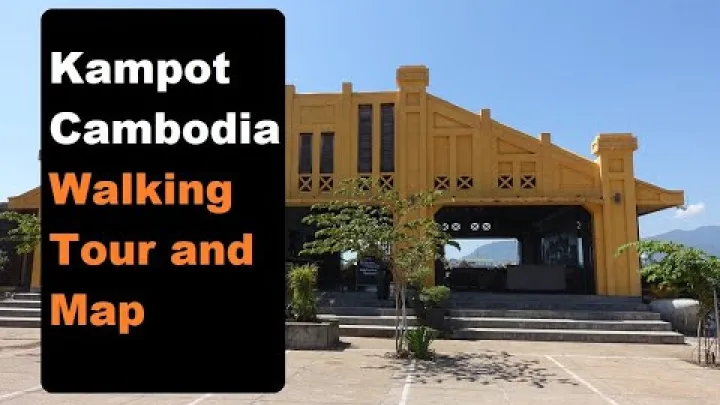
Choosing where to stay in Kampot is mainly a choice between convenience and seclusion. Kampot Old Town and the nearby eastern-bank center are the easiest base for most first-time visitors, while riverside and countryside properties offer a quieter, more self-contained stay. This guide compares Kampot’s main accommodation areas, lodging types, evening access, and arrival logistics so you can choose a base that matches your plans. It is designed to help you compare locations rather than rely on a general hotel ranking.
The Best Area to Stay in Kampot for Most First-Time Visitors
Kampot is a compact riverside city, but accommodation is spread across both banks of the river and into rural surroundings. A room that looks close on a map can feel very different in practice depending on roads, bridges, dining options, and how often you want to use a tuk-tuk. Start with the type of day and evening you want, then choose the location.
Choose Kampot Old Town and the City Center for the Easiest Base
For most first-time visitors, Kampot Old Town and the adjacent city center on the eastern bank are the best default area to stay. This is the most practical urban cluster for reaching restaurants, cafes, small shops, the Kampot riverside promenade, markets, and everyday services without arranging transport for every outing. It also makes it easier to return to your room between sightseeing, meals, and evening walks.
Look for properties around the central streets, the riverfront, the durian roundabout, and nearby areas rather than assuming that every listing using the word “Kampot” is in town. The central base is particularly useful for short visits, travelers arriving by bus, and anyone who wants to organize day trips without a long pickup route.
This is a practical recommendation, not a universal answer. A central hotel may have more nearby activity, street noise, and less outdoor space than a riverside bungalow. Travelers who mainly want direct river scenery, a pool, a quiet garden, or a countryside atmosphere may prefer a property outside town and accept the additional transport planning.
Use Three Questions to Match Your Base to Your Trip
Ask three questions before narrowing your search. First, do you want restaurants, evening food, and the riverfront within a short walk? If yes, stay in or close to the eastern-bank center. Second, are you comfortable arranging tuk-tuks or using a motorbike after dinner and after tours? If yes, the western bank, outer riverfront, and countryside open up more choices. Third, is your priority city convenience or a quiet stay by water or greenery? Your answer will usually make the right area clear.
First-time visitors and travelers with only one to three nights usually benefit from a central base. Budget travelers may find dorms and simple guesthouses in town or on the city edge, but should compare the full cost rather than the bed price alone. Couples may prefer a quiet boutique hotel near town or a riverside property, depending on whether they want to explore each evening. Families and older travelers often value a central location with reliable food options and simple return journeys. Digital nomads and longer-stay visitors may prioritize workspace, laundry, and a kitchen over being beside the main sights.
If Bokor National Park, Kep, or the surrounding countryside are on your itinerary, town is generally the simplest meeting area for tours and transfers. That does not guarantee pickup at every hotel: ask the property or tour operator whether your exact address is included. For any accommodation outside the center, read the current map pin closely and confirm how you will reach it after arrival.
Kampot's Main Accommodation Areas Compared
Accommodation descriptions do not always use neighborhood names consistently. A listing described as “riverfront” may be near central Kampot, across the river, or several kilometers outside town. The broad areas below are useful starting points, but the exact street and access route matter more than a marketing label. A useful area overview is also provided by Im Jess Traveling.
Old Town and City Center on the Eastern Bank
Old Town and the city center are Kampot’s most convenient urban lodging zone. Historic streets with shophouses, cafes, restaurants, guesthouses, and small hotels sit close to the central riverfront. This is the best area for travelers who want to walk to meals, browse local businesses, or spend an evening near the promenade without treating transport as part of every plan.
Use the riverside promenade, the night market area, the seahorse landmark, and the durian roundabout as orientation points rather than distance guarantees. A hotel may be marketed as central while still being on a quieter back street or beyond the most walkable cluster. Check the map route from the room to the places you expect to use most, including breakfast, dinner, and your departure point.
The trade-off is atmosphere. Central Kampot has more activity, traffic, and nearby businesses than a remote river lodge. It is usually the better choice for access to services, but it is not automatically the quietest choice. Read recent guest comments for street noise, music, construction, and the character of the immediate block.
Thvi and the Western Bank Riverside
Thvi and other western-bank riverside locations can suit travelers looking for a calmer setting, views across the water, or a more residential feel. These properties may offer a useful middle ground between being close to town and being fully in the countryside. They are often better suited to guests who are happy to plan their outings instead of stepping outside for a wide choice of restaurants.
The practical distance to Old Town depends on the bridge used, the road route, traffic, and the time of day. A straight-line map measurement across the river can make a property appear closer than its real walking route. Check the actual route to the eastern-bank center and ask whether a tuk-tuk can reach the entrance easily.
The western bank is not one uniform environment. Individual roads may have very different lighting, traffic, businesses, and noise levels. It is a good choice for scenic, quiet evenings if you do not mind using local transport. For a late return, use main lit streets and ask your accommodation to arrange a trusted tuk-tuk rather than making a bridge crossing on foot if the route feels uncomfortable.
The North and South Riverfront Corridors
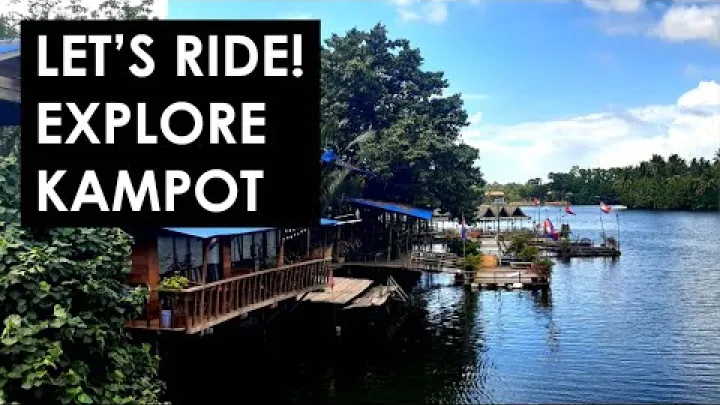
The terms north riverfront and south riverfront cover different kinds of stays. North of town, accommodation becomes more dispersed and gradually transitions toward greener, less urban surroundings. Southward, some properties can remain more connected to town while others sit closer to river-beach or outer-road settings. In both directions, riverside accommodation can mean more space, outdoor seating, and water views, but not necessarily a short walk to central services.
| Area | Main appeal | Access to town | Typical fit |
|---|---|---|---|
| North riverfront | More dispersed river setting | Often transport is useful | Quiet stays and outdoor space |
| South riverfront | River access with varied settings | Depends on exact address | Visitors balancing town and river |
Do not treat “riverfront” as a complete description. Check whether the property is on a paved road, whether restaurants are nearby, and how long the real journey to town takes. A riverside hotel can be ideal if you intend to relax on-site, but it can be less convenient for travelers who want several different dining choices every evening.
Tuek Chhou, Trapeang Sangkae, Andoung Khmer, and Fish Island
Tuek Chhou, Trapeang Sangkae, Andoung Khmer, Fish Island, and other across-river or countryside areas are best considered when nature, local surroundings, and a slower pace matter more than walkability. These locations may appeal to couples, longer-stay travelers, and visitors who want a lodge-like experience rather than a city break. They can also work well when the property itself is a major part of the trip.

They are distinct local areas, not extensions of Old Town. Andoung Khmer and Fish Island in particular should not be treated as interchangeable with the central eastern bank simply because a map shows them near the river. Neighborhood labels can vary between booking platforms, and some routes require a bridge crossing or a longer road journey than expected.
The cost of seclusion is reduced access to convenience stores, varied restaurants, and spontaneous evening plans. Before choosing one of these bases, confirm the map pin, entrance road, bridge route if relevant, and the transport available for returning after a meal or excursion. A property with a good restaurant can reduce the need to travel, but it does not replace reliable access when you want to go elsewhere.
Where to Stay in Kampot by Travel Style and Priority
The best Kampot accommodation is the one that reduces friction in your own itinerary. The following choices focus on what you are likely to do each day, rather than presenting one neighborhood as best for everyone.
Best for Sightseeing, First Visits, and Regional Excursions
Stay on the eastern-bank center or within easy reach of it if you want the simplest first visit. You will be closer to restaurants, the market area, the central riverfront, and the places where accommodation staff can often help coordinate a tuk-tuk or tour contact. This is valuable if you are visiting Bokor National Park, Kep, pepper farms, caves, or nearby countryside attractions and do not want an extra transfer at the beginning and end of each day.
A central base does not make every attraction walkable, and it does not guarantee a tour pickup. It does, however, reduce the chance that a driver must make a long detour to reach you. When booking an excursion, give the operator your exact accommodation name and map location, then ask where and when the pickup will occur.
Best for Backpackers, Social Stays, and Tight Budgets
Central hostels, basic guesthouses, and city-edge budget properties are usually the most practical starting point for backpackers. They can offer dorm beds, private rooms, shared social spaces, and easy access to inexpensive meals. Staying near town also makes it easier to meet other travelers without needing a return ride after an evening out.
Do not choose only by the lowest advertised rate. Confirm whether the price is for a dorm bed or a private room, whether air conditioning is included, and whether the property is close enough to town to avoid repeated tuk-tuk costs. A cheaper room well outside the center can become less economical if you make multiple paid journeys each day.
For social stays, recent reviews are more useful than an old “best hostel” label. Look for current comments about communal areas, noise, dorm cleanliness, lockers, and whether the atmosphere matches your preference. Some travelers want activity; others want a quiet private room at a budget guesthouse.
Best for Couples, Families, and Quiet Evenings
Couples can choose between a central boutique hotel that makes dinner and evening walks easy, or a riverside property that places more emphasis on privacy and scenery. The central option works well when you want to explore Kampot after dark. A resort-style stay can be more appealing when you plan to spend long periods reading, swimming if permitted, or dining on-site.
Families and travelers who prefer predictable logistics may find that a comfortable city guesthouse is the easier choice. Check room layout, private bathrooms, air conditioning, stairs, breakfast, and the distance to an evening meal. A quieter location is not automatically more suitable if it requires arranging transport whenever someone needs food, supplies, or an early departure.
Quietness is a property and street-level issue, not a district-wide promise. Ask about rooms facing the road, river, garden, or shared areas. Also confirm whether family rooms, extra beds, a working restaurant, and the amenities shown in photographs are available for your dates.
Choose the Right Type of Accommodation in Kampot
Once you have selected an area, match the property type to your budget, preferred level of service, and length of stay. Kampot has a broad mix of simple rooms, small hotels, riverside lodges, and longer-term arrangements.
Hostels and Basic Guesthouses
Hostels and basic guesthouses suit solo travelers, backpackers, short stays, and anyone prioritizing price or social contact. Dorms can be economical and social, while private guesthouse rooms can offer more privacy without the facilities of a full-service hotel. In the center, the advantage is easier access to food and evening activity. On the city edge, you may gain a quieter setting but lose some convenience.
Compare practical details rather than making assumptions from the category. Check whether bathrooms are shared or private, whether dorms have lockers, whether reception operates when you arrive, and whether the listed rate includes taxes or mandatory extras. Low cost does not necessarily mean poor quality, and a higher price does not automatically mean a quiet room.
Boutique Hotels and Comfortable City Guesthouses
Boutique hotels and established city guesthouses are often a balanced choice for couples, families, and visitors staying several nights. They may offer private rooms, a more settled atmosphere, breakfast, work space, and help with local arrangements while remaining near the restaurants and services of town.
Focus on the exact street location, ventilation or air conditioning, room size, Wi-Fi, breakfast arrangement, and cancellation conditions. A current listing can show why these details need individual checking: Booking displays property-specific features such as room types and facilities, which should not be assumed across every Kampot hotel.
Guest reviews can add useful context, but separate opinions from verifiable facts. A review may describe friendly service or a peaceful atmosphere, while the listing is the place to confirm whether the room has a private bathroom, air conditioning, a desk, or a restaurant.
Riverside Bungalows, Eco-Lodges, and Resorts
Riverside bungalows, eco-lodges, and resorts are for travelers who want the accommodation to feel like part of the destination. Their appeal may include outdoor space, sunset views, gardens, pools, or a more immersive countryside setting. A property several kilometers outside town can feel substantially more secluded than a central riverfront hotel.
The trade-off is that on-site comfort may replace walkable choice. You may have fewer nearby restaurants, shops, and transport options, especially in the evening. This is often worthwhile for a multi-night retreat, but less suitable for a short visit focused on town life.
Do not assume that a river property offers swimming, kayaking, or safe direct water access. Before booking, check current weather, river conditions, and the property’s guidance on swimming or water activities. Also confirm mosquito protection, road access, activity supervision where relevant, and whether the advertised rate includes meals or transfers.
Serviced Apartments and Longer Stays
Serviced apartments, apartment-style rooms, and monthly guesthouse arrangements can suit remote workers and visitors staying several weeks. Cooking space, laundry, a desk, and a more home-like layout may be more valuable than hotel services. A longer stay also gives you time to benefit from a quieter residential location if you are comfortable organizing your own routines.
Compare a monthly arrangement with the total cost of nightly accommodation, not just the headline rate. More space can be useful, but apartments may have fewer services, weaker walkability, and greater responsibility for meals, utilities, and transport. Informal social-media offers should not be treated as equivalent to a verified accommodation platform.
Confirm the minimum lease period, deposit, utilities, actual internet performance, maintenance contact, and cancellation terms directly. If reliable internet is essential for work, ask for specific information about the room connection rather than relying on a general Wi-Fi claim.
Walkability, Safety, and Getting Around from Your Base
Location affects how Kampot feels after you check in. The same property can be convenient for a daytime sightseeing trip but inconvenient for dinner, a late bus arrival, or a return from another bank of the river.
Night Walking in Central Kampot and Across the Bridges
Central Kampot, especially around Old Town and the riverside, is generally the most practical part of the city for an evening walk because restaurants and businesses are concentrated there. Conditions still vary by street, lighting, traffic, weather, and time. A Kampot-specific travel safety guide from Cambodia Kingdom describes Kampot as generally safe at night, but it is not an official crime dataset and should be read as general context rather than a guarantee.

Use ordinary travel precautions: keep valuables secure, remain alert around motorbike traffic, and avoid isolated routes when you are unsure of the area. Walking within the central dining area is different from walking a longer route to a remote river property or across a bridge after dark. If a route is poorly lit, quiet, or uncomfortable, choose a vehicle instead of trying to save a short fare.
Arrival, Local Transport, and Excursion Logistics
Arrival planning is especially important if you choose accommodation outside the center. Giant Ibis identifies its Kampot terminal on Street 724, opposite Kampot Park near ABA Bank, on its Giant Ibis route information. This provides a useful orientation point, but your bus company may use another stop, so check your ticket details.

Walking can work for central addresses with light luggage, while tuk-tuks are often more practical for riverside corridors, western-bank accommodation, and countryside lodges. Motorbike rental may suit experienced riders who understand local road conditions, but it is not necessary for a short, central stay. Availability of ride-hailing services and drivers can vary, so do not plan around an app being available at every time and location.
Before selecting a peripheral property, confirm the exact arrival transfer, pickup point, and late-night return options with the accommodation. Ask whether the driver can reach the entrance, what a transfer costs, and who to contact if your bus is delayed. This is more important than the straight-line distance shown on a booking map.
Remote River Stays, Water Conditions, and Emergency Access
A remote riverside stay requires more planning than a room in town. Rain, changing river conditions, unpaved access roads, and distance from essential services can have a larger effect on the experience. This does not make countryside lodging unsuitable; it simply means the property should match your comfort with remoteness and your planned activities.
Central accommodation is easier when you need flexible dining, supplies, transport, or a quick change of plans. A countryside lodge can be more rewarding when you want to stay on-site and enjoy the setting. Follow current local instructions from the property on water conditions, road access, and activity arrangements, particularly if you plan to swim, kayak, or travel during wet weather.
How to Compare Kampot Accommodation Before Booking
A good booking decision combines the map, the room details, and recent guest feedback. This approach is more reliable than choosing by a neighborhood label, an attractive river photograph, or the lowest displayed price.
Check the Map, Amenities, Reviews, and Cancellation Terms
Start with the map pin. Measure the route to Old Town, the central riverfront, your likely dinner options, and your arrival or departure point. For a riverside or across-river property, look for the road route rather than the direct line across water. Check whether the location is accessible by tuk-tuk and whether there is a bridge on the route you expect to use.
Then compare the room itself. Confirm whether you are booking a dorm bed, a standard private room, a bungalow, or a family room. Review air conditioning, Wi-Fi, private bathroom, breakfast, pool, restaurant, work space, reception hours, and the actual cancellation deadline. Listing photos may show a property’s best features without revealing the position of your specific room.
Read recent reviews for patterns, not one isolated complaint or compliment. Useful themes include noise, cleanliness, staff communication, transport help, road conditions, and whether facilities were operating. Recheck the current listing, map pin, amenities, cancellation terms, and recent reviews before paying because availability and property details can change.
Plan Around Season, Weekend Demand, and Length of Stay
Accommodation prices and availability can vary by travel dates, weekends, local demand, and room type. Rather than relying on a fixed Kampot price band, compare several properties for your exact dates and look at the total cost. Include airport or bus transfers, daily tuk-tuks, meals at an isolated property, and any fees that are not included in the nightly display.
For a short visit, a central hotel may represent better value because it reduces daily transport and makes evenings easier. For a multi-night retreat, a riverside lodge may justify its location if you expect to use its restaurant, pool, or outdoor space. For several weeks, an apartment or monthly guesthouse arrangement may become attractive if the utilities, internet, deposit, and location suit your routine.
Compare the full cost of the stay, including transport and weekend or seasonal differences, instead of comparing nightly room prices alone. Flexible cancellation can be useful when dates, transport, or weather-dependent plans remain uncertain.
The Bottom Line: Where Most Visitors Should Stay in Kampot
For most visitors, Kampot Old Town or the nearby eastern-bank city center is the best place to stay. It gives you the easiest access to restaurants, the riverside, markets, services, and tour coordination, with less need to arrange transport. Choose Thvi, the outer riverfront, or countryside areas when quiet surroundings, river views, and a slower pace matter more than being able to walk everywhere.
Choose the exact property by checking its real map position, room features, current reviews, and transport access. A central guesthouse is usually the safest default for a first trip; a carefully chosen riverside stay can be the better choice when the accommodation itself is part of the experience.
Select area
Create a post
Posting is free and no registration is required.