Kampot Best Time to Visit: Weather, Seasons, and Monthly Guide

The best time to visit Kampot is usually late November through February, when conditions are relatively dry, humidity is less intense, and outdoor plans are generally easier to arrange. Kampot is warm throughout the year, however, so even the most comfortable months still require sun protection, water, and realistic expectations about tropical weather. The right dates also depend on whether you prioritize dry roads for Bokor, quiet riverside days, green countryside, lower costs, or a coastal extension toward Kep. This guide explains Kampot weather by season and month, then turns it into practical advice for planning a stay.
The Best Time to Visit Kampot at a Glance
Kampot has a tropical monsoon climate, with a relatively drier period at the end and beginning of the calendar year, hotter conditions before the main rains, and a wetter green season. Rather than treating one month as perfect, choose dates based on how fixed and outdoor-focused your itinerary will be.
Best Overall Period for Most Travelers
For most first-time visitors, late November through February is the best time to visit Kampot. This period usually brings lower rainfall, less oppressive humidity, and more dependable conditions for walking around Kampot town, cycling beside the Kampot River, visiting pepper farms, and making day trips toward Bokor National Park. A local Kampot guide from Indie Traveller similarly identifies November to February as the favorable period for Kampot and nearby Kep.
“Comfortable” is relative in Kampot. Days remain warm, the sun can be strong, and outdoor activities still need water, sunscreen, a hat, and breaks in shade. The advantage is not cool weather but a better chance of completing an outdoor itinerary without persistent rain, saturated paths, or heavy humidity.
The main trade-off is demand. Accommodation can cost more during the core dry season, and popular weekends, public holidays, and late-December travel dates may feel busier. Book earlier if you have a preferred riverside stay or a short, fixed schedule.
| Travel priority | Best general period | Main trade-off |
|---|---|---|
| Outdoor reliability | Late November to February | More demand and higher prices |
| Lower crowds | March or late November | More heat or transition weather |
| Green scenery and value | May to October | Rain and reduced activity reliability |
| Dry, tightly timed trip | December to February | Less flexibility on bookings |
Best Alternatives for Heat-Averse, Budget, and Flexible Travelers
March can be a useful compromise for travelers who want mostly workable outdoor conditions but prefer to avoid the busiest dry-season period. It is normally warmer than January or February, so it is better suited to visitors who can plan active time early and rest during the afternoon.
May through October can suit travelers with a flexible pace, especially those who value lush vegetation, quiet cafés, misty landscapes, and potentially better accommodation value. Rain does not mean every day is unusable, but it makes a strict schedule less reliable. August and September are the least suitable choices if your trip depends on consistently dry days, clear views from higher ground, or a beach-focused coastal extension.
In simple terms, choose the dry season for comfort and activity reliability; choose shoulder dates for a balance of weather and demand; or choose the wet season for greenery and a slower, adaptable trip. Actual weather varies from year to year, so the calendar should guide expectations rather than promise a particular day.
How Kampot's Local Climate Changes Through the Year
Kampot is not one uniform outdoor environment. A stay in town, a drive into rural areas, a visit to Bokor, and a trip toward the coast can feel different on the same day. That matters more for trip planning than a single citywide weather label.
Kampot Town, the River, Bokor, and the Gulf Coast
Kampot town sits beside the Kampot River in southwestern Cambodia, with rural pepper-growing areas nearby, the upland terrain of Bokor National Park inland, and Kep and the Gulf of Thailand coast within reach. This mix gives visitors more choices than a simple town break, but it also creates practical differences in weather and access.
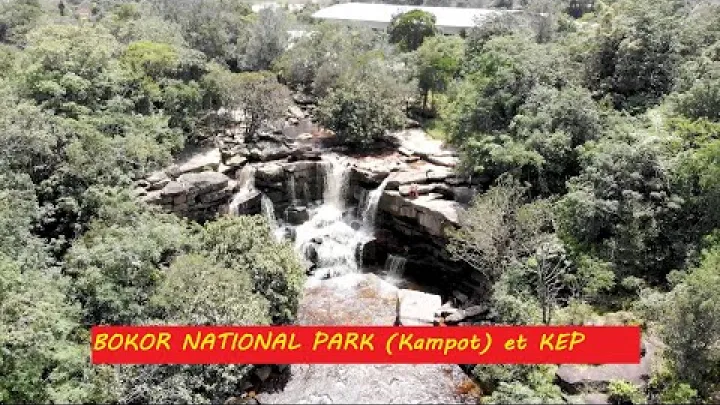
Town conditions are usually the most relevant for walking, eating, and relaxed riverside time. Higher parts of the Bokor Plateau may be cooler in feel but can also be cloudier or mistier, particularly in unsettled weather. Rural roads around pepper farms can become muddy or slippery after substantial rain. Coastal plans near Kep are influenced not only by rain but also by wind and sea conditions.
These are practical tendencies, not guarantees. A sunny morning in Kampot town does not ensure a clear Bokor view, and a calendar month alone cannot confirm calm coastal water. Build your itinerary around the type of place you most want to experience, rather than assuming that conditions will be identical across the area.
Dry Season, Hot Season, and Southwest Monsoon
Kampot broadly follows Cambodia’s tropical pattern: a relatively drier phase from late November to February, a hotter transition from March to May, and a wetter southwest monsoon period that commonly runs from May or June through October. Cambodia-wide seasonal guidance also identifies late November through February as a generally favorable cooler and drier travel window, as outlined by Intrepid Travel.
The drier period usually means fewer rain interruptions and lower humidity, not an absence of showers. March to May brings stronger heat stress, higher humidity, and an increasing possibility of thunderstorms. During the wetter months, rain, cloud cover, wet ground, and occasional wind become bigger factors for outdoor comfort and transport-dependent plans.
Seasonal boundaries move from year to year. May can feel relatively dry in one year and much wetter in another, while rain can linger into October or arrive earlier than expected. Regional tropical disturbances can also alter rain, wind, and coastal conditions. Use seasonal patterns to select a month, but use current weather information for the days of your trip.
Climate Averages Versus the Live Forecast
Climate summaries are useful for choosing broad travel dates because they describe typical patterns over many years. A live forecast is useful for deciding whether to cycle tomorrow, travel to Bokor, take a river activity, or continue toward the coast. The two tools answer different questions.
Online monthly climate datasets may not agree exactly because they can rely on different station records, observation periods, models, or interpolation methods. Cambodia’s meteorological monitoring has also faced limitations in reporting coverage, noted in material from the Ministry of Water Resources and Meteorology. Broad descriptions such as drier, hotter, and wetter are therefore more dependable for planning than overly precise claims about one average temperature or rainfall total.
Do not treat a monthly pattern as a daily timetable. Rain may not arrive at the same hour each day, and a forecast cannot guarantee that a shower will be short. For a short holiday, give the weather more influence in date selection. For a longer stay, use the same seasonal knowledge to keep some activities movable.
Kampot Weather Month by Month
The following guide gives the usual feel of each part of the year. It is designed for travel decisions rather than as a promise of exact conditions.
January and February: The Most Comfortable Dry-Season Months
January and February are generally the strongest months for a Kampot visit. They are warm but often less humid than the later hot season, and rainfall is usually less disruptive. This combination makes it easier to spend long periods outside, whether you are exploring Kampot town on foot, cycling through the countryside, visiting a pepper farm, or taking a relaxed cruise on the Kampot River.
February can be especially appealing for travelers hoping for brighter skies and better prospects for views around Bokor, though no month can guarantee clear conditions. The practical benefit is that itineraries have a better chance of running as planned, with less need to reserve every afternoon for weather adjustments.
The downside is peak-season demand. Prices may rise, and rooms can be harder to secure around major holidays. Reserve accommodation in advance if your dates are fixed, but still look at the short-term forecast before committing to a specific outdoor excursion.
March, April, and May: Hotter Weather and the Monsoon Transition
March is often the most balanced of these three months. It can still offer many usable outdoor days, while demand may be lower than in the core dry season. The key change is heat: long bicycle rides, hikes, and motorbike journeys become more tiring as afternoons grow hotter.
April is commonly the most challenging month for visitors who are sensitive to heat. May remains hot and humid, while showers and thunderstorms become more likely as the monsoon transition develops. May should not be assumed to be fully dry simply because it follows the dry-season months.
For March through May, put strenuous activities in the early morning and use late afternoon for shorter outings. Plan shaded lunch stops, return to your accommodation for a rest if needed, and avoid building a full-day hike or long motorbike route around the hottest hours. This is a workable period for many travelers, but it is less suitable for people who strongly dislike heat or who have a packed outdoor schedule.
June, July, August, and September: The Wettest Part of the Year
June marks the established wet-season pattern for many visitors, while July through September are often wetter and persistently humid in climate summaries. Rain may arrive in bursts or longer unsettled spells rather than falling continuously all day. Still, frequent rain affects the rhythm of a Kampot stay: ground becomes saturated, unpaved routes are more slippery, and cloud or mist can limit the value of a Bokor viewpoint trip.

There are meaningful benefits. The countryside around Kampot pepper farms can look greener, the riverfront can feel atmospheric, and visitor numbers may be lower. Travelers who enjoy cafés, slow meals, photography, and an unhurried town base may find the green season appealing. Accommodation may also offer better value, although this varies by property and booking date.
August and September deserve extra thought if you need dry rural roads, clear mountain views, or dependable beach and coastal plans. Keep outdoor arrangements flexible during June through September, and allow time for heavy showers or cloudy conditions instead of treating each day as fixed. A flexible itinerary can still work well; a tightly timed circuit has more weather risk.
October, November, and December: The Return to Drier Conditions
October is a transition month. It can still be wet, especially earlier in the month, but conditions often begin to settle later. It can be a good choice for travelers who value green scenery and can accept rain risk, rather than for those who need consistently dry days.
November is one of Kampot’s most useful compromise months. Weather often improves, landscapes can remain green after the rains, and demand may be lower than in the busiest holiday period. Late November is particularly attractive for visitors who can choose dates with some flexibility, but monsoon withdrawal does not happen on the same day every year.
December is generally one of the more reliable months for outdoor sightseeing and countryside exploration. It is a strong choice for a short visit, although the better weather also brings more demand. Book earlier if December travel coincides with holiday dates or a weekend stay.
The Best Time to Visit Kampot by Travel Purpose
The best season changes with the activity. A relaxed town stay can absorb rain more easily than a holiday built around riding, hiking, or coastal transport.
Hiking, Cycling, Motorbiking, and Countryside Exploration
December through March is the strongest general period for active exploration. Drier roads, lower humidity, and better prospects for visibility can make cycling, motorbiking, rural drives, and Bokor National Park visits more comfortable. March remains possible, but heat becomes an important limit on how far and how long you can travel.

In wetter months, mud, slippery surfaces, standing water, cloud, and reduced visibility add difficulty to rural exploration. This does not make every outing impossible, but it reduces the margin for a long route or a viewpoint-focused day. Conditions on hill roads and unpaved tracks are changeable and should not be inferred from the month alone.
River Relaxation, Beaches, Kep, and Coastal Trips
December through March is the most dependable broad window for Kampot River relaxation and nearby coastal plans. Drier weather can make river cruises and riverside time more comfortable, while the wet season may appeal to visitors who prefer dramatic skies and lush river scenery.
Kampot itself is a riverside town, not a beach destination. Travelers who want beach time should assess the Kep or Gulf of Thailand part of the itinerary separately. Open-water plans can be affected by rain, wind, sea state, and operator schedules in ways that a calm-looking river in Kampot town does not reveal.
Before committing to a trip from Kampot toward Kep or nearby islands, confirm same-day coastal, boat, and ferry conditions locally. This is especially important when transport connections are central to a fixed itinerary.
Culture, Food, Cafes, and Relaxed Town Stays
Kampot town can be rewarding in less settled weather because a slower visit can include cafés, restaurants, covered riverside spaces, markets, and time in your accommodation. A rain shower is less disruptive when the goal is to enjoy the town’s pace rather than complete a long list of rural excursions.
The dry season offers easier walking and more comfortable riverside evenings. The wet season can offer a quieter and more atmospheric setting, with rain-washed streets and greener surroundings. Neither is automatically better: choose dry-season dates for outdoor comfort, or wetter dates if you are happy to let the day’s weather shape a relaxed plan.
Town-based activities are useful backups, but they do not replace every weather-dependent experience. If Bokor, cycling, and a coastal trip are the main reasons for visiting, the drier period remains the safer choice.
Budget Travel, Fewer Crowds, and Green Landscapes
The wet season may bring lower demand and better accommodation value, but prices depend on the specific property, holiday dates, and how early you book. Do not assume every hotel offers a rainy-season discount. The clearest trade-off is usually simple: pay more for a better chance of stable outdoor weather, or accept more weather uncertainty for a quieter stay and possible savings.
May through October can be attractive for green fields, fuller vegetation, mist, and dramatic skies. March and late November are useful shoulder options if you want to reduce peak-season pressure without taking on the highest rain risk. These months may provide a better balance for budget travelers who still want outdoor time.
Practical Weather Planning for a Kampot Stay
Good timing helps, but a practical daily routine matters just as much. Kampot is easier to enjoy when you plan around heat, leave room for weather changes, and bring the right basic gear.
Plan Around Heat, Humidity, and Showers
Schedule cycling, hiking, countryside trips, and other strenuous activities early in the morning, particularly from March through May. Carry water, use shade, and take an air-conditioned or shaded break during the hottest part of the day. This approach improves comfort without requiring you to avoid the hot season entirely.
During wetter months, leave part of each day unscheduled. This lets you move a walk, rural drive, or river activity around a shower instead of losing the whole day. Kampot town offers natural pauses through cafés, restaurants, riverside rest, and time back at your accommodation.
Warm nights can also affect sleep. When booking, consider whether a room has adequate ventilation, a fan, or air conditioning, especially if you are visiting during the hotter or more humid months. A comfortable place to rest makes a substantial difference on a multi-day stay.
What to Pack and Which Conditions to Check
Pack lightweight, breathable clothing, a hat, sunscreen, a reusable water bottle, insect protection, and shoes with grip for wet surfaces. Bring a compact rain layer or umbrella for shoulder and wet-season travel. Rain remains possible even in the drier months, so one lightweight rain option is useful year-round.
Immediately before an excursion, look at a short-term forecast, precipitation timing, radar or satellite imagery, and any weather warnings. A service such as Meteoblue provides forecast information alongside radar, satellite imagery, and weather warnings. Treat hourly timing as guidance, not certainty, during tropical storm conditions.
This check is particularly valuable for Bokor visits, rural rides, river activities, and coastal connections. Use it to decide what to do that day, while using the seasonal guide to decide when to travel.
When Roads, Visibility, or Coastal Plans May Need a Backup
Heavy rain can make rural roads and unpaved tracks harder to use, while low cloud or mist can make a Bokor viewpoint visit less worthwhile. Before riding to Bokor or using rural routes to pepper farms, check current road, visibility, and surface conditions with your accommodation, driver, guide, or activity provider.

Prepare a town-based backup for days when hill, rural, river, or coastal plans are unsuitable. This could mean a slower day around Kampot town, a long meal, a café visit, or riverside rest. No seasonal guide can guarantee future road access, attraction conditions, or operator availability, so a backup plan protects the value of a short trip.
When to Avoid or Reconsider a Kampot Visit
Kampot does not have a period that every traveler must avoid. The decision is about whether the weather risk fits the type of trip you have planned.
Reconsidering the Wettest Months
August and September are the months to reconsider if you require clear skies, dry rural roads, extensive hiking, or dependable coastal connections. These conditions are more difficult to count on when rain and humidity are more persistent and cloud can limit upland views.
That does not mean these months are unsuitable for everyone. They can work well for visitors staying longer in Kampot town, travelers who enjoy greenery and moody weather, and people willing to move outdoor activities when needed. A slow stay can tolerate rain much better than a tightly scheduled circuit through Kampot, Bokor, Kep, and other destinations.
Matching Trip Length and Booking Flexibility to the Season
Short, fixed itineraries benefit most from the drier season because there is less time to recover from a rain-affected day. If you have only two or three days and your priority is cycling, Bokor, and a coastal side trip, December through February gives the best general odds of completing the plan.
Longer trips can absorb a wet day. With several nights in Kampot, you can reserve the clearest-looking day for Bokor, shift a countryside ride, or simply enjoy town when rain changes the schedule. Flexible or refundable reservations are especially useful when your plans depend on upland visibility, rural routes, or onward coastal transport.
Match the number of outdoor days to the season. The wetter the period and the more complex the itinerary, the more valuable flexibility becomes.
Final Recommendation for Choosing Your Dates
Choose late November through February for the best overall balance of lower rain risk, manageable humidity, and dependable outdoor conditions in Kampot. December to February is especially strong for short trips, countryside exploration, Bokor outings, and a possible extension toward Kep.
Choose March if you can handle hotter afternoons and want a shoulder-season compromise. Choose May through October only if you welcome green landscapes, fewer crowds, and a slower itinerary that can adapt to rain; August and September are the least suitable for weather-sensitive plans. Whatever month you select, plan active hours early, pack for sun and rain, and let current local conditions guide each day’s excursions.
Select area
Create a post
Posting is free and no registration is required.