Kampot Budget: Daily Travel Costs, Prices & Saving Tips

A Kampot budget can be very modest or quite comfortable, depending mostly on where you sleep, how often you use cafes and tuk-tuks, and whether you book day trips. A traveler who stays in a dorm, eats simple local meals, and walks around town will spend very differently from a visitor choosing riverside rooms, restaurant meals, cocktails, and private transport. This guide uses indicative US dollar ranges to help you plan a Cambodia trip cost without treating variable prices as guarantees. It also explains how location, trip length, and travel style change the total.
Kampot is often chosen for a slower stay rather than a tightly scheduled sightseeing stop. That can make it good value, but small daily choices still matter: a cheap room outside town may require rides, and low-cost meals can be outweighed by repeated coffee, alcohol, or tours. Use the ranges below as a planning framework, then build a personal total around the dates and experiences that matter to you.
How Much Does a Kampot Trip Cost?
The most useful answer is a daily range rather than one fixed number. Accommodation is usually the largest predictable expense, while drinks, transport, and organized activities create the biggest differences between travelers.
Daily Budget Ranges for Budget, Mid-Range, and Comfortable Travel
For an independent visitor, a practical Kampot travel budget is about US$15–25 per day for budget travel, US$40–60 per day for mid-range travel, and US$70–120 per day or more for a comfortable stay. These are planning bands, not guaranteed current prices. They broadly fit Cambodia-wide travel spending patterns while allowing for Kampot’s mix of low-cost guesthouses, cafes, riverside accommodation, and countryside trips.
| Travel style | Indicative daily total | Typical assumptions |
|---|---|---|
| Budget | US$15–25 | Dorm or basic room, local meals, walking, limited paid activities |
| Mid-range | US$40–60 | Private room, mixed local and cafe meals, some rides, one or two activities |
| Comfortable | US$70–120+ | Riverside or boutique room, restaurant meals, drinks, private transport or tours |
The budget tier normally means a dorm bed or basic guesthouse, simple Cambodian food, refillable water where available, and mostly walking. A mid-range traveler may have a private air-conditioned room, regular coffee stops, a mix of local and Western-style meals, and occasional tuk-tuk transport. Comfortable travel can include a boutique or resort-style room, repeated dining out, alcohol, a private driver or tuk-tuk day hire, and organized excursions.
These daily figures generally exclude international flights, visas, travel insurance, major shopping, and expensive onward journeys. They may also exclude a one-off intercity bus or taxi, because that cost should be shown separately rather than hidden in a daily average. A Cambodia-wide budget guide from Neverendingfootsteps is useful context for country-level spending, but Kampot room availability and individual habits can move the local total in either direction.
Recheck the exact accommodation, meal, transport, and activity prices for your travel dates before setting a final budget. A range is most useful when it becomes a personal plan based on current listings and the choices you expect to make.
How to Turn a Daily Estimate into a Full Trip Budget
Start with separate lines rather than multiplying one broad daily total. A simple formula is: nights × daily local spending + intercity transport + planned tours + contingency. Daily local spending can include the room, food, drinks, local travel, and minor purchases. Intercity travel and paid activities are then added once, which makes the result easier to adjust.
For example, a three-night visit could be calculated as: three room nights, three food-and-drink allowances, two local transport days, a Bokor or countryside activity allowance, a Phnom Penh–Kampot ticket, and a small flexible amount. A one-week visitor uses the same categories but may need fewer paid transport days if they settle into a walkable routine. A longer stay may replace nightly accommodation with a negotiated monthly arrangement, but should add utilities or other terms where applicable.
Short stays often have a higher effective daily cost because a bus ticket, taxi transfer, or full-day tour is spread across fewer days. Couples may split a private room or shared tuk-tuk, reducing the cost per person. Solo travelers can often lower costs with dorms, walking, cycling, and shared excursions, but may find private transport less economical.
| Budget line | Calculation | When paid |
|---|---|---|
| Accommodation | Nights × final room rate | Before arrival or at property |
| Food and drinks | Days × personal allowance | Mostly local spending |
| Local transport | Ride days or rental days | Mostly local spending |
| Activities | Chosen tours and fees | Before arrival or locally |
| Intercity travel | Tickets and transfers | Usually before arrival |
| Contingency | Flexible amount | Held in reserve |
Kampot Accommodation Prices and Where to Stay
Your base affects more than the room bill. Central stays may cost more per night but reduce rides and make meals, cafes, and evening walks easier. Rural accommodation may offer more space and quiet, but can add a daily mobility cost.
Accommodation Price Bands from Hostels to Riverside Hotels
Dorm beds and the simplest guesthouses are commonly the lowest-cost category, with a useful planning range of roughly US$4–12 per night. Current hostel search results show beds from about US$7, according to Skyscanner. A listing is only a snapshot, however, and a low headline price may apply to a particular date, bed type, or booking condition.

Basic private rooms, guesthouses, and simple bungalows often fit a broad US$10–30 planning range. The price can change substantially with air conditioning, private bathroom quality, pool access, breakfast, river views, room size, Wi-Fi reliability, and the property’s distance from the center. This band can suit a couple sharing a room especially well, while a solo traveler may decide that a dorm provides better value.
Boutique, riverside, and resort-style accommodation can begin around US$35–70 and go higher for premium rooms, facilities, or busy dates. Compare the final payable amount rather than the first nightly figure. Check whether taxes, breakfast, cleaning, electricity, and any property charges are already included, since these details affect the real cost of a stay.
Central Kampot, Riverside, and Countryside Trade-Offs
Kampot town center and riverside are usually the convenient choice for travelers who want to walk to restaurants, cafes, markets, and evening activity. A higher room rate can be worthwhile on a short visit if it avoids repeated tuk-tuk rides and makes it easier to return to the room between plans. Riverside accommodation, including properties such as Kampot Riverside Hotel, represents a stay style rather than a fixed price category; rates depend on the room and date.
Kampot countryside and bungalow areas may offer greenery, more outdoor space, and a quieter experience. They can be attractive for a longer stay or for travelers who plan to rent a bicycle or motorbike. The lower nightly rate sometimes comes with a trade-off: getting to restaurants, town sights, or departure points can require time and money.
Assess the whole stay, not just the room. A room that saves US$5 per night but requires two paid rides each day may not be cheaper. Conversely, a countryside bungalow can be excellent value when the property is the main part of the trip, meals are available nearby, or transport is shared with another traveler.
Short Stays, Monthly Rates, and Long-Stay Costs
A monthly stay is a separate budgeting case. Do not simply multiply a nightly visitor rate by 30, because a guesthouse monthly offer or apartment rental may have different payment terms, deposits, and inclusions. A longer booking can sometimes improve the accommodation value, but the terms may also make it less flexible than a short hotel reservation.
Before accepting a monthly rate, ask about the minimum stay, deposit, payment dates, electricity, water, internet, cleaning, furnishing, maintenance responsibility, and cancellation conditions. A low monthly headline rate can be less appealing if utilities are billed separately or if the location requires regular transport into town.
For remote workers and long-stay visitors, a slightly more expensive central room may be cheaper overall if it provides dependable internet, easy food access, and a walkable routine. A more remote rental can suit travelers who prioritize quiet and space, but it should be priced together with mobility and everyday convenience.
Food, Cafes, Drinks, and Everyday Spending
Food is flexible in Kampot. Travelers can eat simply and keep the cost low, but cafe culture, imported products, and alcohol can turn small purchases into a large part of the daily budget.
Local Meals, Cafes, and Western Food Premiums
A traveler relying mainly on simple Cambodian meals, snacks, and water can use about US$4–9 per day as a cautious food-only planning range. This approach means choosing local eateries and market-style food more often than tourist-oriented venues. It does not assume repeated coffee, alcohol, specialty desserts, or imported groceries.
A mixed routine of local food plus cafes or Western-style meals may move food spending toward US$10–20 per day. Restaurant breakfasts, espresso drinks, baked goods, vegetarian specialty dishes, and familiar international meals can all add to the total. Comfortable dining, with several restaurant meals, repeated coffee stops, desserts, or imported items, can reach US$20–30 or more per day.
Keep food separate from coffee, soft drinks, and alcohol in your notes. A local lunch may be inexpensive, while several cafe purchases can cost as much as the meal itself. The night market and local restaurants can support a low-cost routine, whereas tourist-facing cafes are better treated as planned treats rather than an automatic daily habit.
Alcohol, Happy Hours, and Nightlife Spending
Alcohol deserves its own allowance because it can change a Kampot budget faster than ordinary meals. One low-cost beer is minor, but several drinks, bar food, imported spirits, cocktails, and buying rounds can become the largest discretionary expense of the day.
One Kampot bar advertisement has promoted a US$0.75 happy-hour beer, but that is a time-limited example from one venue, not a town-wide price. Venue, promotion hours, drink type, and social plans all affect the final bill. Treat a happy hour as an optional saving opportunity rather than as a price you can expect everywhere.
A practical approach is to set a personal nightly cap or a weekly drinks allowance before the trip. This is not a local rule; it is a way to protect money for accommodation, meals, and activities while still leaving room for occasional nightlife.
Transport and Activity Costs in Kampot
Separate the cost of reaching Kampot from local movement once you are there. A visitor staying near the center may spend little on transport, while a traveler based in the countryside or taking several day trips will need a larger mobility allowance.
Reaching Kampot as Part of the Trip Budget
The Phnom Penh–Kampot bus route is a useful low-cost intercity example. Online ticket listings have shown fares in the approximate US$5–8 range, although operators, dates, and booking channels can differ. The route is a separate trip cost, not an ordinary daily expense, particularly on a short itinerary. A private taxi, shared transfer, or travel from another Cambodian destination can raise the arrival cost substantially.
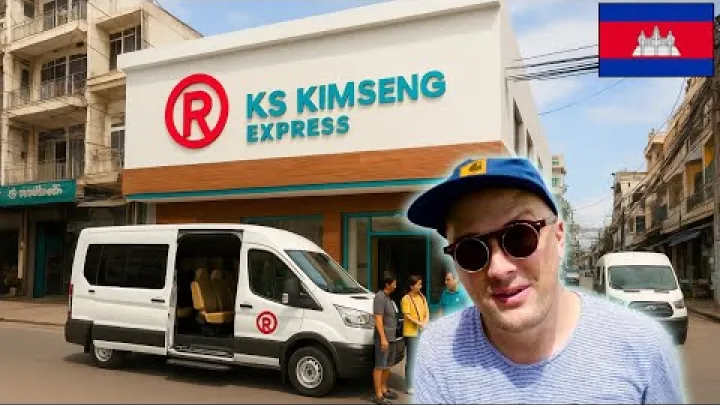
Budget the ticket alongside any transfer to the departure point and onward travel after arrival. The value of a cheap bus can be reduced if it does not align with your accommodation check-in or requires extra local transport at either end.
Confirm the current fare, departure point, baggage rules, and arrival details with your selected operator before travel. The Phnom Penh route page at Busonlineticket is an indicative booking reference, not a substitute for the conditions on your chosen departure.
Tuk-Tuks, Motorbikes, Bicycles, and Walking
Walking is the cheapest local transport option in the central area and can make a meaningful difference over several days. It is especially useful for travelers who choose a town-center or riverside base. Bicycles can add flexibility at low cost, while motorbike rental adds rental and fuel costs and is generally most relevant to travelers who expect to leave town frequently.

Tuk-tuks are useful for luggage, heat, rain, evening trips, and countryside sightseeing. A local operator listing, Kampot Tuk Tuk, illustrates that day and regional hire pricing can vary by group size and itinerary. It should not be read as a universal fare card for every short ride.
Ask for a quote based on distance, passenger count, waiting time, return travel, and the number of hours needed. A day hire can be good value for two or more travelers sharing the cost, especially if several countryside stops are planned. For a solo traveler, walking, cycling, or joining a shared outing may cost less when the itinerary is simple.
Free Sights, Bokor National Park, and Paid Day Trips
Low-cost Kampot experiences include riverside walks, independent exploration of town streets, market visits, and relaxed time at cafes or public viewpoints. These activities help balance days that include a more expensive excursion. They also suit short stays when you want to experience the town without committing to a full-day tour.

Bokor National Park is a popular local example where the total trip cost may be driven more by transport, fuel, food, guide choice, and time than by a headline access fee. Visitor reports on Tripadvisor have described entry as free, but access arrangements and conditions can change. Price the journey as a complete outing rather than assuming the attraction itself makes the day free.
Pepper farms, salt fields, caves, Kep outings, and organized countryside tours range from self-directed low-cost exploration to higher-cost guided days. Compare what each option includes: transport, guide service, lunch, water, admission, hotel pickup, and return travel. A tour with a higher upfront price may still be better value than arranging the same elements separately.
Choosing Kampot as a Budget Base
Kampot works best as a base when the accommodation location supports the kind of days you want. The right choice depends on whether you value walkability, quiet, day trips, cafe access, or a slower long-stay routine.
Kampot Town versus the Surrounding Countryside
| Traveler profile | Often suits | Budget reason |
|---|---|---|
| Short-stay visitor | Town center or riverside | Walking access can reduce rides and save time |
| Cafe and food-focused traveler | Central Kampot | More nearby choices and simpler evenings |
| Quiet long-stay traveler | Country bungalow area | Potentially more space, with mobility budget included |
| Couple sharing transport | Town or countryside | Shared rooms and rides improve value |
Town is often the more efficient base for travelers without independent transport. The room may cost more, but meals, markets, cafes, and casual exploration are easier to reach on foot. This is valuable when the visit is only two or three nights and time matters as much as money.
The surrounding countryside can be better for visitors who want nature, space, and a quieter pace. It is not uniformly cheaper: the value depends on whether the room includes useful facilities, whether meals are nearby, and how often you need to travel. Build the decision from room cost, food access, transport needs, and atmosphere rather than using nightly price alone.
Kampot Compared with Kep and Phnom Penh
Kampot can be a practical base for a Kep day trip when you prefer not to change accommodation. This may reduce packing and hotel costs, but it adds a return journey and can make the day more expensive than staying close to the activity. Kep spending may lean more toward seafood meals and coastal accommodation choices, while Kampot has a broader mix of guesthouses, cafes, and longer-stay options.
Compared with Phnom Penh, Kampot generally offers a slower, smaller-town pattern of spending. Phnom Penh can provide more urban services, shopping, and dining choices, but these can also increase discretionary spending. Kampot may be easier to manage on a simple routine, while Phnom Penh may make more sense when city access or specific services are the priority.
This is a base-selection comparison, not a complete ranking of Cambodian destinations. A cheaper room in one place can lose its advantage when day-trip transport, meals, or access requirements are added.
What Raises Kampot Costs and How to Save
The largest savings usually come from accommodation location, food routine, and how often you pay for private transport or tours. Small habits matter too, especially on a longer stay.
Seasonality, Weekends, Events, and Demand
Accommodation is usually the part of a Kampot budget most affected by demand. Weekends, public holidays, local events, popular riverside properties, and last-minute booking can narrow the range of available rooms and push travelers into a higher category than planned. Basic local food and free town activities may change less sharply, but the room rate can alter the full trip total.
There is no complete current local dataset that supports a single percentage increase for every season or property. Instead, compare several room types on your exact dates: dorms, basic private rooms, central guesthouses, riverside options, and bungalow stays. This shows whether your dates create a real price difference or simply change which rooms remain available.
Check availability and cancellation terms for your intended dates, especially around weekends, public holidays, and local events. Flexible cancellation can be useful when you need to reserve early but want room to adjust plans later.
Practical Ways to Keep a Kampot Budget Low
- Choose walkability over the lowest room rate. A central base can cost more per night but save repeated tuk-tuk fares and travel time.
- Make local meals the default. Plan cafe breakfasts, Western dishes, or desserts as selected treats instead of untracked daily spending.
- Share transport when it suits the itinerary. A shared tuk-tuk or day trip can reduce the per-person cost, although it may require less flexibility.
- Use free town experiences to balance paid days. Reserve tours for the places you value most and leave time for riverside walks, markets, and independent exploration.
- Compare inclusions, not only prices. A room with breakfast or a tour with transport and lunch may offer better value than a cheaper headline price.
- Separate discretionary spending. Set limits for alcohol, coffee, shopping, and snacks so these purchases do not quietly consume the activity budget.
- Price long stays carefully. A monthly deal is only a saving after utilities, deposits, internet, cleaning, and flexibility are considered.
Each saving method has a trade-off. Walking may take more time, shared rides can reduce independence, and a basic room may reduce comfort. The aim is not to choose the cheapest option in every category, but to spend more intentionally on the parts of Kampot that matter to you.
Currency, Payment, and Budget Verification
Payment habits affect both convenience and the accuracy of your budget. Keeping a simple record in one currency helps you see whether the plan is working while you are still able to adjust it.
Using US Dollars and Cambodian Riel in Daily Planning
Travelers may encounter prices in US dollars alongside Cambodian riel, particularly for small purchases and change. Record every purchase in one chosen budget currency, even if you pay with a mix of notes. This prevents small cash transactions from disappearing from your daily calculation.
Carry clean small notes and some local change where appropriate. Do not rely on a fixed mental exchange rate, because exchange practices and change handling can vary. A simple phone note with separate totals for room, food, drinks, transport, and activities is usually enough to identify overspending quickly.
Ask each accommodation, restaurant, and transport provider whether cards are accepted and keep enough small cash for cash-only purchases. Card acceptance, ATM access, fees, and minimum spends can differ greatly by business, so payment convenience should not be assumed from one venue to the next.
A Simple Kampot Budget Worksheet and Final Checks
Use this worksheet before departure and update it each evening. Create both a low scenario and a high scenario: the low version reflects your intended routine, while the high version allows for a better room, extra rides, a tour, or a few restaurant meals.
| Item | Your calculation | Low and high scenario |
|---|---|---|
| Nights and room rate | Nights × final payable rate | Basic room / preferred room |
| Food | Days × meal allowance | Local routine / cafe routine |
| Drinks and coffee | Days × personal limit | Minimal / social spending |
| Local transport | Rides, rental, and fuel | Walking / day hires |
| Activities | Selected trips and inclusions | Free sights / organized tours |
| Intercity travel | Tickets and transfers | Bus / private transfer |
| Other | Connectivity, fees, contingency | Small / larger buffer |
When comparing any quote, check whether it includes taxes, breakfast, fuel, entrance fees, service charges, luggage, water, lunch, or hotel pickup. Keep the contingency flexible rather than using a mandatory percentage. The useful routine is simple: compare current listings, ask what is included, record daily spending, and revise the remaining allowance as the trip develops.
Kampot Budget: Final Planning Takeaways
Kampot can suit a low-cost Cambodia itinerary, a comfortable short break, or a slower longer stay. A budget traveler can keep costs near the lower end by using dorms or simple rooms, local meals, walking, and a limited number of paid excursions. Mid-range and comfortable travelers should expect the total to rise mainly through private accommodation, cafe habits, alcohol, private transport, and tour choices.
The best Kampot budget is not one universal number. Price your chosen room location, separate the journey to Kampot from daily spending, and decide in advance which meals, drinks, and activities are worth paying more for. That approach gives you a realistic range while preserving room for the parts of the trip you will enjoy most.
Select area
Create a post
Posting is free and no registration is required.