Koh Kong Travel Guide: Where to Stay and What to Do
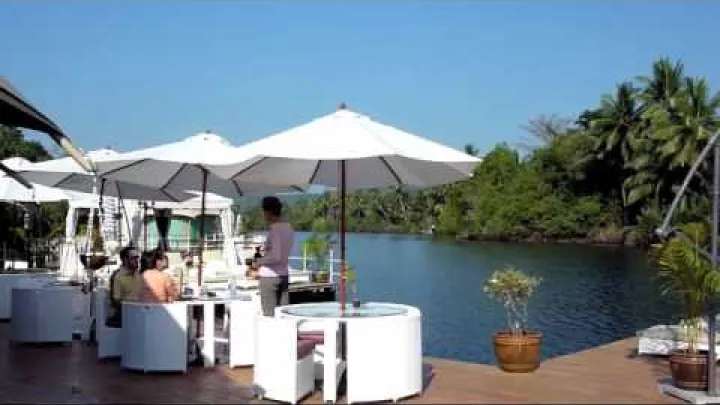
Koh Kong is Cambodia’s southwestern province of mangroves, broad rivers, rainforest, waterfalls, coastal communities, and islands. It is a strong choice for travelers who value nature and a slower pace more than nightlife, dense sightseeing, or highly predictable logistics. This Koh Kong travel guide explains where to stay, what to do, how domestic travel works, and how to plan around seasonal and current conditions. It is designed for a first visit as part of a wider Cambodia itinerary.
Koh Kong at a Glance
Koh Kong is best approached as a large, varied province rather than one resort destination. Koh Kong City provides practical services, while Tatai, Cardamom communities, mangrove areas, and islands each require different transport, budgets, and expectations.
What Makes Koh Kong Different
Koh Kong combines the Gulf of Thailand coastline with mangrove estuaries, rivers, forested uplands, waterfalls, and islands. The Cardamom Mountains shape much of the province’s inland character, while the coast supports fishing communities and wetland landscapes. A broad overview from Audley Travel also highlights the mix of beaches, islands, waterfalls, and mangrove habitats that draws nature-focused visitors.
This is not a compact beach town where every activity is a short walk away. Koh Kong is quieter and more spread out than Cambodia’s best-known cultural and coastal destinations. Travel often involves choosing one or two landscapes to experience well, rather than trying to see the entire province in a few days.
For a first-time visitor, the useful question is not simply whether Koh Kong is “worth visiting.” Ask whether you want river scenery, guided forest activities, mangroves, or rustic island time, and how much flexibility you can accept in exchange for lower-density travel.
How Koh Kong Fits into a Cambodia Itinerary
Koh Kong usually works best as a southwestern nature extension from Phnom Penh, Sihanoukville, or another Cambodian base. It is less suited to a rushed overnight stop between major temple destinations. The road journey and final local transfer can take a meaningful part of a day, particularly when continuing beyond Koh Kong City.
Your main planning decision is where to sleep. Koh Kong City suits travelers who want restaurants, cash access, transport connections, and flexible day trips. Tatai suits travelers seeking a river lodge and a more secluded setting. Chi Phat, Osoam, Steung Areng, and islands are better for visitors ready to organize activities and accept simpler services.
Allow several days if Koh Kong is a central part of your Cambodia trip. A short stay can introduce the city and a nearby nature experience, but an unhurried itinerary gives more room for remote transfers and changing local conditions.
Safety and Current Travel Conditions
Destination information and current travel conditions are not the same thing. Koh Kong’s landscapes are stable, but security, border access, transport operations, and outdoor access can change. Treat current official information as more important than older travel reports or social media updates.
Check Advisories and Border Conditions Before You Go
Check the travel advice issued for your nationality before booking. This is especially important because Koh Kong includes areas near the Thailand border, where conditions can change quickly. The current Cambodia guidance from Smartraveller should be read alongside advice from your own government and official Cambodian updates.
Look at the publication date, the exact area affected, and the route you intend to use. A lodge or attraction operating normally does not mean that a frontier area or international crossing is suitable for travel. If an active warning applies to an area, avoid it and revise the route rather than relying on reports from other travelers.
Before departure, ask your accommodation or transport provider about the practical route to your planned base. Their update can help with logistics, but it should not replace an official security advisory.
Safer Planning for Outdoor Activities
Use established tourism corridors, recognized accommodation, and community guides for river, sea, and forest activities. In remote landscapes, navigation, water conditions, weather exposure, and limited communications can be more significant concerns than ordinary urban travel.
Choose organized boat trips and guided walks rather than exploring unfamiliar channels, trails, or restricted-looking land independently. Tell someone at your accommodation where you are going and when you expect to return. Carry water, sun protection, a charged phone, and offline route information, but do not assume that mobile service will be continuous outside town.
A sensible plan leaves time to turn back if a route is unsuitable. Avoid poorly mapped tracks, do not enter areas marked as restricted, and follow local instructions around river crossings, landing points, and forest access.
Where to Base Yourself in Koh Kong
Your base determines the trip more than almost any other choice. City stays offer independence and services; river lodges and rural communities offer immersion but require more advance coordination.
Koh Kong City and Khemarak Phoumin
Koh Kong City, officially Khemarak Phoumin, is the province’s most practical base. It is the usual place to find a wider choice of hotels and guesthouses, local restaurants, markets, banking, and onward transport. The riverfront, central commercial streets, bridge area, and Dong Tong Market area are useful orientation points, although individual businesses and facilities can change.
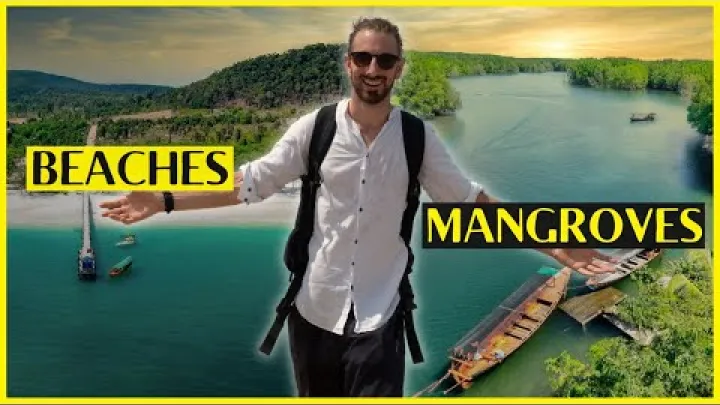
Stay in town if you are arriving late, traveling on a budget, need access to cash, or want to arrange day trips with less commitment. It is also the easiest base for visitors who prefer choosing meals and transport independently. The trade-off is that town feels more functional than remote: it is not the place to expect an all-day wilderness atmosphere.
Koh Kong City is a good first night even if your main goal is Tatai or the Cardamoms. It provides a buffer before a more complicated final transfer.
Tatai and the River Lodges
Tatai is a river-based nature area north of Koh Kong City, known for quiet stays along the Tatai River, boat travel, kayaking, waterfall outings, and guided forest experiences. It suits couples, small groups, and independent travelers who want scenery and slower days rather than a busy town setting.
Many river properties arrange transfers from a road meeting point or pier and may sell packages that combine accommodation, meals, activities, and boats. The exact arrangement is not universal. For example, Thansur Tatai Eco Resort describes a river-and-Cardamom setting, but its current transfer and package terms should be confirmed directly.
Compared with Koh Kong City, Tatai offers greater seclusion and easier access to river scenery, but fewer independent services. Overall costs can be higher because the stay may include boats, meals, guides, or remote logistics. It is best for travelers happy to plan around the lodge rather than move around freely each day.
Cardamom Ecotourism Villages
Chi Phat, Osoam, and Steung Areng are names often associated with community-oriented travel in the wider Cardamom region. Depending on the community and season, stays may involve homestays or simple guest accommodation, guided walks, cycling, paddling, cooking activities, and local landscape interpretation.

These are not interchangeable resort villages. Access may involve an intercity road journey followed by a local vehicle, moto-taxi, track, or boat. Activity menus, accommodation availability, and local schedules vary. Arrange the final connection and first activity with the relevant community contact before leaving the main road.
Choose this style of trip if you are comfortable with basic facilities and a slower rhythm. Medical support, banking, shops, and dependable connectivity may be limited. Participate respectfully: use authorized guides, ask before photographing people, and avoid assuming that every activity or fee has the same conservation model.
Islands and Coastal Bases
Koh Kong Krao and Koh Sdach offer different kinds of island travel. Koh Kong Krao is generally approached as a remote beach or camping-style experience, while Koh Sdach has a small fishing-community character and may be a better fit for travelers interested in everyday coastal life as well as the sea.
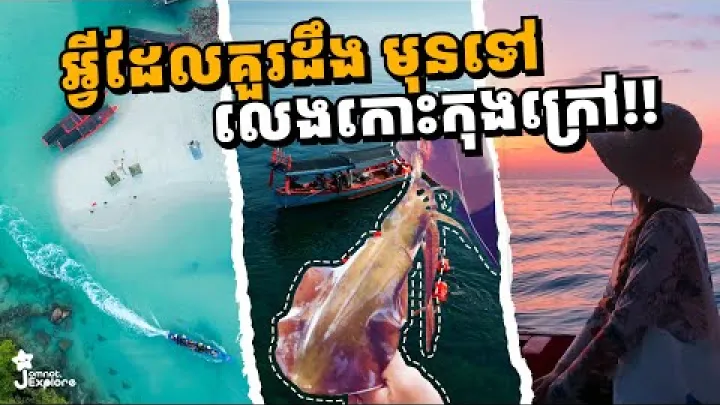
Island stays can mean basic accommodation, few shops, weather-dependent boats, and limited communications. Bring essential supplies and enough cash, and regard the trip as a small expedition rather than a simple extension of a city stay. Landing points, accommodation, and permitted areas should be arranged with an operator or host.
These bases reward visitors who can accept rustic conditions. Travelers who need reliable transport, frequent restaurant choices, or easy access to services should remain in Koh Kong City or choose a river lodge instead.
The Best Things to Do in Koh Kong
Koh Kong’s main experiences are landscape-based. The most satisfying itinerary usually combines one wetland, river, forest, or island activity with enough time to enjoy the setting rather than treating each place as a quick photo stop.
Explore Peam Krasop Wildlife Sanctuary
Peam Krasop Wildlife Sanctuary is the province’s best-known mangrove and estuary experience near Koh Kong City. A typical visit may combine an established visitor area, raised walkways or platforms where available, and a locally arranged boat journey through mangrove channels. It is a useful choice for visitors who want to understand the coastal environment without committing to a remote overnight trip.
Mangroves shelter young marine life, help protect shorelines, and connect river and sea ecosystems. For visitors, the appeal is the quiet water landscape, tangled roots, birdlife possibilities, and a different perspective on the coast. Wildlife sightings are never guaranteed, so treat the visit as an ecosystem experience rather than a wildlife checklist.
Ask locally about current opening arrangements, access, fees, and boat options on the day you plan to visit. Wear footwear suitable for wet surfaces, bring drinking water and sun protection, and protect cameras and phones from spray.
Visit Tatai Waterfall and the River Environment
Tatai Waterfall is commonly combined with a stay in the Tatai area or an outing from nearby accommodation. Depending on local access and water levels, the experience can include boat travel, river scenery, short walks, relaxing near the falls, and swimming where local guidance indicates that conditions are appropriate.
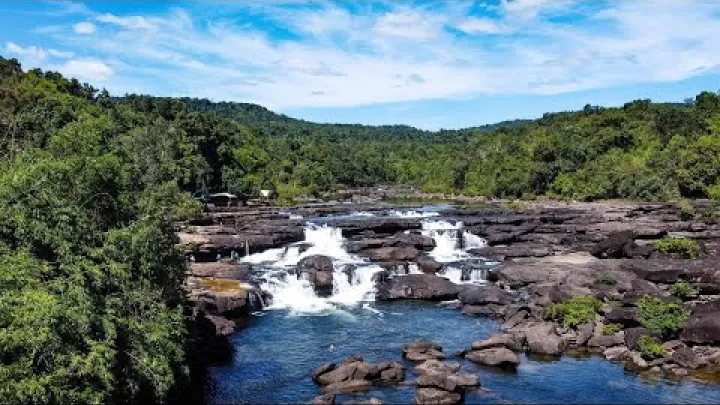
The character of the waterfall changes through the year. Higher water can make it more dramatic, while currents, slippery surfaces, and access can become more demanding. Lower water may make the setting calmer but less powerful. Do not treat swimming as automatically safe, and follow the guidance of your boat crew, lodge, or local guide.
A river outing is often as much about the journey as the waterfall itself. Give yourself time to enjoy the forested banks and avoid scheduling a tight onward transfer immediately afterward.
Trek and Paddle in the Cardamom Mountains
The Cardamom Mountains offer a range of activities, from short guided walks and cycling to kayaking, canoeing, waterfall visits, and multi-day community programs. Chi Phat, Osoam, and Steung Areng can each serve as gateways, but routes and activity levels depend on local arrangements.
A local guide matters for navigation, trail changes, local knowledge, and responsible access. Do not expect a uniform network of marked trails or guaranteed wildlife encounters. Instead, choose an activity based on the time you have, your fitness, footwear, and comfort with humidity, insects, uneven ground, and basic facilities.
For a short visit, a half-day walk or paddle may be enough. Multi-day programs suit travelers who want a deeper rural stay and can carry appropriate gear. Stay on authorized routes, pack out your rubbish, and follow community rules around forest and water use.
Plan an Island or Low-Key Coastal Trip
An island trip can mean a multi-day organized camping experience on a remote island or a simpler stay linked to a fishing community. Both involve boat travel, beach time, short walks, and swimming only where conditions permit. The remote option requires more self-sufficiency; the community option may offer more contact with local life but still limited services.
Before paying, confirm the departure pier, meeting time, boat type, life-jacket provision, meals, drinking water, camping equipment or room type, and the cancellation policy for poor weather. These details matter more than a headline tour description.
Follow local etiquette around homes, boats, fishing gear, and beaches. Do not arrange an unguided landing in unfamiliar areas, and do not assume every beach is accessible to visitors.
How to Get to Koh Kong
Road travel is the main domestic way to reach Koh Kong. Koh Kong City is the usual arrival point, after which travelers continue by local vehicle or pre-arranged boat to more remote bases.
Travel by Road from Phnom Penh or Sihanoukville
Buses, shared taxis, private cars, and hired drivers connect Koh Kong with larger Cambodian centers. National Road 4 and National Road 48 form the main road framework for a Phnom Penh or Sihanoukville approach, with Koh Kong City as the practical hub.
Public buses are generally the simpler, lower-cost option for reaching town. A private car or driver offers more control over stops, luggage, daylight arrival, and a drop-off close to a remote gateway. Booking platforms such as BookMeBus can help identify services from Phnom Penh, but listings are not a guarantee that every departure will operate as shown.
Confirm the departure point, baggage rules, operating day, and current timetable with the operator shortly before travel instead of relying on an old online schedule. If you are continuing to Chi Phat, Tatai, or another rural base, remember that the intercity vehicle may not reach your accommodation. Arrange the final connection and aim to arrive during daylight.
Understand the Thailand Border Option
The Cham Yeam and Hat Lek area has historical importance for travel between Cambodia and Thailand, but it should not be treated as a dependable default route. Immigration eligibility, crossing operations, road access, and security conditions are separate questions.
Do not plan to cross through Koh Kong unless official sources confirm that the specific crossing is open and safe for your nationality and route. Check the latest government advisory and official border information close to departure. When status is suspended, restricted, or unclear, use a Cambodia-based route or an air connection instead of traveling to the frontier in hope of crossing.
Reach Tatai, Chi Phat, and Other Remote Gateways
Remote Koh Kong trips usually follow a two-stage pattern: intercity road travel, then a local transfer by boat, moto-taxi, or vehicle. Tatai bridge and Andoung Teuk are useful gateway names to recognize, but each lodge or community may use a different meeting point.
Before leaving Phnom Penh or Sihanoukville, request four details from your host: the exact pickup location, the latest acceptable arrival time, luggage arrangements, and a backup plan if the intercity service is delayed. This is especially important when a final boat is not public or runs only at limited times.
Wet-season road and river conditions can affect the final leg. Build an overnight buffer into the itinerary rather than connecting a remote transfer directly with an international flight or another time-sensitive departure.
Getting Around and Handling Local Logistics
Services are concentrated in Koh Kong City. Once you leave town, accommodation providers and local communities often become the main organizers of transport and activities.
Getting Around Koh Kong City
Walking works for central streets and nearby riverfront areas. For longer local journeys, visitors may find bicycles, motorcycle taxis, tuk-tuks, motorcycle rentals, or a hired car. Availability and prices can vary, so agree on the destination, fare, and any waiting time before setting off.
A driver-hired car can make sense for families, small groups, or a day with several stops. It also reduces the need to find transport after an outing. Do not assume that city-style transport will be waiting at a mangrove site, rural junction, or lodge gateway.
Independent motorcycle travel requires an appropriate licence, protective equipment, and confidence on local roads. It is not the easiest option for a first-time visitor carrying luggage or traveling during heavy rain.
Book Lodges, Guides, Boats, and Activities
River lodges, community tourism contacts, and established local operators commonly arrange boats, guides, meals, and activity equipment. Booking through the accommodation can simplify a remote stay because the provider understands its own transfer pattern.
Confirm the full package directly with the provider: pickup point, transfer boat, meals, guide, equipment, included activities, payment method, and cancellation terms. Ask what happens if rain, water conditions, or a late arrival changes the plan. This avoids assuming that a lodge can arrange a same-day boat or guide at short notice.
Keep screenshots or written confirmations of agreed details, especially where the itinerary includes a non-public transfer. A clear agreement is more useful than an informal expectation when transport is limited.
Cash, Connectivity, and Essential Services
ATM and banking access are most practical in Koh Kong City. Remote lodges, villages, and islands may have limited cash access and may prefer particular payment methods. Carry Cambodian riel and US dollars in usable notes, but ask each host or operator what they accept before arrival.
Withdraw sufficient cash in Koh Kong City before heading to remote accommodation, communities, or islands. Keep a separate reserve for unexpected transfers, meals not included in a package, or an extra night caused by a changed connection.
Buy or activate mobile data before leaving the main town, download offline maps, and save accommodation contacts. Signal can be intermittent in rural and river areas. Share your itinerary with someone you trust, including the name of the lodge or community and your expected return date.
When to Visit Koh Kong
Season changes the balance between easy access, green landscapes, waterfall flow, heat, and sea conditions. There is no single ideal month for every activity or every part of the province.
The Drier Months and Outdoor Access
The broadly drier part of the year is often more convenient for road travel, hiking, boat outings, and beach time. Tracks may be easier to use and outdoor plans can be simpler to organize. However, dry conditions do not guarantee cool temperatures, calm water, or rain-free days.
This period can suit travelers who prioritize a smooth introduction to Tatai, mangroves, or a community activity. It may also be a time when popular lodges and organized trips have stronger demand, so earlier booking is sensible for a specific room type or boat departure.
Conditions differ between the coast, river valleys, and mountain areas. Use the season as a broad planning tool, not as a promise of identical weather across Koh Kong.
The Wet and Shoulder Seasons
Wetter months can bring greener forest, fuller waterfalls, fewer visitors, and a more dramatic river landscape. They can also bring thunderstorms, muddy tracks, localized flooding, rougher sea conditions, and postponed activities. Lower demand does not automatically mean lower prices, particularly at small remote properties with fixed operating costs.
This period works best for travelers with flexible schedules and a genuine interest in lush scenery. Choose a base with a comfortable room and an alternative activity available nearby. For example, if a boat excursion is postponed, use the day for a lodge-based river experience, local meal, reading, or a short activity that the host considers suitable.
Match the Season to Your Activities
Mangrove boat trips, Tatai Waterfall, jungle trekking, island camping, and road transfers each react differently to seasonal weather. Higher water can enhance waterfalls and river scenery, yet increase currents and make trails, crossings, or sea travel more difficult. Drier weather can simplify travel but may make some waterfalls less forceful.
On the day of an outdoor activity, check the local forecast and ask your lodge or guide about river level, boat conditions, and trail access. Follow their decision if a route is unsuitable. For wetter conditions, add a rain layer, dry bag, spare socks, and footwear with good grip. For drier conditions, prioritize sun protection, water capacity, and light clothing for heat.
Costs, Trip Length, and Planning Priorities
Koh Kong can be affordable in town, but remote travel is not automatically cheap. The main budget difference comes from transfers, boats, guided activities, and whether meals are included.
Build a Realistic Koh Kong Budget
Build your budget around accommodation, intercity transport, local transfers, food, guides, site fees, and a contingency fund. Budget and mid-range city stays usually allow more control over daily spending. River lodges, community programs, and island camping can cost more because they may include boats, meals, equipment, staff, and access to a remote location.
Compare what is included rather than comparing room prices alone. A higher lodge rate can be reasonable if it covers transfers and meals that would otherwise be difficult to arrange separately. Conversely, a low advertised rate may exclude the boat or local vehicle required to reach it.
Use current quotes as indicative, not fixed. Set aside extra funds for a changed transfer, weather delay, additional food, or a last-minute night in Koh Kong City.
Choose the Right Length of Stay
Two to three nights can work for a first introduction: arrive in Koh Kong City, visit a mangrove or nearby nature area, and add a Tatai river or waterfall experience. This suits travelers with limited time who want one main landscape focus.
Four to five days is more realistic for combining Koh Kong City with Tatai, one Cardamom community, or an organized island experience. Pick one primary theme rather than attempting every remote area: river-lodge relaxation, community-based travel, guided trekking, or remote beaches.
Add time for villages and multi-day island trips. Their transport is slower and less flexible, and a rushed plan can turn the journey itself into the whole experience.
Pack and Book for Koh Kong Conditions
Pack for water, heat, insects, and remote services: a refillable water container, sun protection, insect protection, light rain gear, sturdy footwear, dry bags, offline route details, and enough cash. Keep medication, passports, electronics, and important documents protected from rain and boat spray.
Book the first night, long-distance transport, remote accommodation, and essential boat transfers in advance. Leave free time around the final transfer instead of booking every hour. Koh Kong is more enjoyable when the itinerary has room for a changed road, river, or boat plan.
Sample Koh Kong Itinerary Frameworks
These frameworks are intentionally modular. Substitute activities according to the current situation, your chosen base, and the type of nature experience you value most.
A Short City and River Introduction
For a compact trip, arrive in Koh Kong City and stay near central services. Use the next day for Peam Krasop or another nearby mangrove and nature outing, then choose either a Tatai day trip or an overnight river stay. This creates a manageable balance between town logistics and one substantial outdoor experience.
If Tatai is the priority, staying there overnight is often more relaxed than trying to force a remote return journey into a single day. Keep the final day free enough for an onward road transfer, rather than placing a boat trip or long local connection immediately before departure.
A Longer Rainforest and Community Journey
With four or five days, begin with a practical arrival base in Koh Kong City, then choose one deeper experience: Tatai for river-lodge relaxation, a Cardamom community for guided forest and village activities, or an organized island trip for remote coast and beach time. Combining all three would usually create more transport than enjoyment.
Before committing, check the advisory that applies to you, confirm domestic road transport, review the forecast, arrange the final transfer, confirm payment methods, and obtain written confirmation from the operator. Choose Koh Kong when nature, flexibility, and lower-density travel matter more to you than nightlife or highly predictable infrastructure.
Select area
Create a post
Posting is free and no registration is required.