Kampong Thom Budget: Daily Travel Costs and Prices

Kampong Thom can be a comparatively low-cost stop between Phnom Penh and Siem Reap, but the final total depends more on room comfort and excursion choices than on everyday meals. A basic day in Stueng Saen can be inexpensive, while a visit to Sambor Prei Kuk concentrates ticket and transport costs into one day. This guide separates ordinary daily spending from one-off travel and activity costs, so you can build a realistic Kampong Thom budget. All figures are planning estimates rather than guaranteed tariffs.
Kampong Thom Daily Budget at a Glance
These ranges are per person, per day and assume an overnight stay in or near Stueng Saen, the main Kampong Thom town area. They do not include international flights, visas, insurance, or the long-distance journey into and out of town.
Budget, Mid-Range, and Comfortable Daily Ranges
A traveler using a simple private room, local meals, and mostly walking can often plan around USD 15–25 for an ordinary day. Mid-range spending of about USD 35–60 allows for a better room, more restaurant choice, and paid local transport. A comfortable day commonly starts around USD 60–90 and can rise further with a higher-end hotel, private vehicle, alcohol, or tourist-oriented meals.
| Style | Stay | Food | Local transport | Activities and extras | Estimated total |
|---|---|---|---|---|---|
| Budget | USD 6–10 | USD 6–8 | USD 0–2 | USD 0–3 | USD 15–25 |
| Mid-range | USD 15–25 | USD 10–15 | USD 3–7 | USD 5–10 | USD 35–60 |
| Comfortable | USD 25–50 or more | USD 15–25 or more | USD 8–20 | USD 10–20 or more | USD 60–90 or more |
These are typical planning allowances, not a bill that must add to the top of every column. A traveler may spend more on a room and less on activities, or spend little on transport on a walking day. The accommodation figures assume a private room. Two people sharing one room can divide that cost, while a solo traveler usually pays the full amount. The activity allowance fits a low-cost town day, not a major temple outing. A Sambor Prei Kuk day may exceed these totals because entrance and a return vehicle are paid on the same day.
What the Daily Total Includes and Excludes
A useful daily allowance includes one night of lodging, three meals and non-alcoholic drinks, short local trips, and small purchases such as snacks or donations. It excludes major arrival and departure transport, a visa, insurance, shopping, and a private intercity transfer.
For example, a solo visitor could spend USD 10 on a fan room, USD 8 on local food, USD 2 on short rides, and USD 3 on incidental costs: roughly USD 23 for an ordinary day. Add a separate bus fare for arrival or departure. On a three-day stay with one more expensive temple excursion, add that excursion once and divide the result by three to find the trip’s average daily cost.
This approach separates fixed expenses, such as a room or chartered tuk-tuk, from flexible spending such as meals. It is more reliable than treating a Cambodia-wide average as a precise Kampong Thom price. For a quick total, multiply the ordinary daily range by the number of nights or days, then add intercity fares and any major excursion that is not already included. If your arrival and departure fall on partial days, use the daily range for meals and local transport but add the full room night and applicable transfer separately.
Accommodation Prices and the Best Base for Your Budget
Most travelers use Stueng Saen as their base because it has the broadest local choice of rooms, food, and transport on the National Road 6 corridor. Inventory is limited compared with Cambodia’s larger tourism centers, so the room category and booking date matter considerably.
Town Guesthouses and Basic Private Rooms
Indicative low-cost anchors for Kampong Thom are fan rooms around USD 6–10 and air-conditioned private rooms around USD 12–15. These are useful starting points, not promises for every property or date. In this market, a simple private room may be easier to find than a dormitory bed.

A fan room is usually the lowest-cost option, but comfort can depend heavily on weather and ventilation. Air conditioning, an attached bathroom, hot water, refrigerator, balcony, housekeeping standards, and Wi-Fi reliability can all change the rate. Vimean Sovann Guest House and Arunras Hotel or Guesthouse are examples travelers may encounter in the town area; their names should be treated as orientation points rather than endorsements or current price quotes.
When comparing a walk-in offer with an online listing, establish whether the quoted room has air conditioning, a private bathroom, taxes, and any additional charges. Direct booking can be convenient, but it is only worthwhile if its all-in price and cancellation terms compare well with the platform option.
Formal Hotels, Resorts, and Mid-Range Comfort
Formal hotels offer more predictable booking support and may include features such as air conditioning, parking, Wi-Fi, restaurant service, a pool, or breakfast. A current Expedia destination snapshot shows Kampong Thom stays from about USD 22, but this is a date-dependent booking-platform figure rather than a townwide average.
For a higher-comfort illustration, a listed Kampong Thom Palace Hotel price began around USD 44 for one night for two adults, including taxes and fees. Dividing a room of that level makes it more accessible to a couple, while a solo traveler absorbs the whole rate. The price can be justified if its amenities save you time or add comfort, but breakfast may be separate. A planning example for this property places adult breakfast in the low-single-digit-dollar range; check the current listing and final checkout total rather than assuming that figure applies throughout town.
Staying in Stueng Saen or Near Sambor Prei Kuk
Stueng Saen suits travelers who want a practical base: more eating options, easier transport arrangements, and a wider choice of basic services. It is generally the better fit for a one-night stop, a solo traveler, or anyone arriving late on National Road 6.
Staying closer to Sambor Prei Kuk can reduce the need for an early transfer and may appeal to travelers seeking a quieter rural setting. The trade-off can be fewer nearby restaurants, shops, and transport choices. Neither base is always cheaper because dates and available room types vary. Couples may value a rural stay if they can share transport; solo visitors often find the town easier for keeping incidental costs low.
Choose the base by identifying which cost you are trying to minimize. A town room may cost slightly more than a rural option but save money on meals and repeated short rides. A nearby stay may be worthwhile for a traveler with only one temple visit and an early start, while a three-day visitor who wants flexible food and transport choices may spend less overall in Stueng Saen. For a couple, compare the combined room and excursion cost; for a solo traveler, prioritize the total rather than the room rate alone.
Food and Drink Prices in Kampong Thom
Food is usually one of the more flexible parts of a Kampong Thom travel budget. Local meals can keep spending modest, while hotel dining, Western-style dishes, specialty coffee, and alcohol can change the total quickly.
Street Food, Markets, and Local Restaurants
As broad Cambodia context rather than a current Kampong Thom menu survey, simple street-food dishes are often estimated around USD 1–4 and local restaurant meals around USD 2.50–12. In practical terms, USD 6–10 per day can cover mostly local meals, while USD 10–15 gives room for larger portions, café stops, and a mix of restaurant choices.
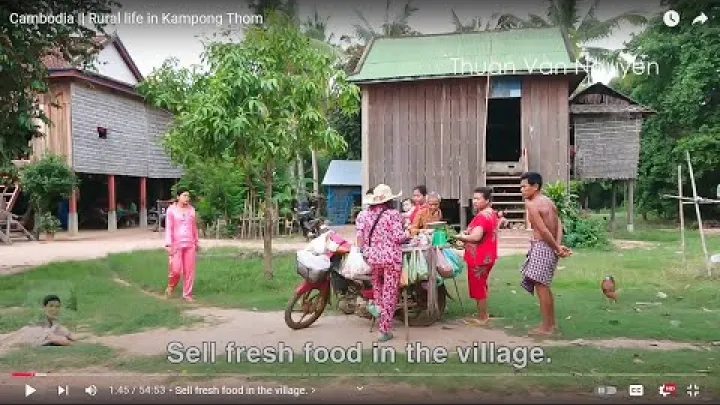
Markets and small family-run eateries are usually the best places to keep food spending near the lower end. Rice dishes, noodle soups, grilled foods, fruit, and simple snacks can be good value. Drinks, desserts, alcohol, and any service charge should be treated separately from the price of the main meal. Menu availability and displayed prices can change, so check the price before ordering rather than relying on a general range.
One practical way to protect the food budget is to set a daily meal pattern before adding extras: local breakfast, a market or family-run lunch, and a local restaurant dinner. Then keep a separate allowance for bottled water, coffee, snacks, or alcohol. Travelers with dietary restrictions should allow extra time to find suitable dishes and should not assume that a familiar Western substitute will cost the same as a local meal.
Hotel Breakfasts, Western Food, and Drinks
A hotel breakfast can be convenient but does not always reduce the total cost. One Kampong Thom Palace Hotel example listed breakfast at about USD 4–8 per adult, which is a property-specific figure rather than a standard town price. A local breakfast may cost less, although choice and service are less standardized.
Imported ingredients, Western-style meals, specialty drinks, and alcoholic beverages can push a food budget above the local-meal range. Travelers who need vegetarian, vegan, gluten-free, or other restricted diets may need more flexibility and potentially a higher food allowance, since availability can vary by venue. For the lowest spend, eat mostly local; for more convenience, set aside extra money for familiar food and hotel meals.
Transport Costs to and Around Kampong Thom
Transport is best calculated in two layers: intercity travel to Kampong Thom and short trips once you are based in town. The first is a one-off trip cost, while the second belongs in a daily budget.
Bus and Van Fares From Phnom Penh or Siem Reap
Kampong Thom sits on National Road 6, the main route connecting Phnom Penh and Siem Reap. For planning, allow roughly USD 7–12 one way for common bus or van options, while some listed services may reach about USD 17–18. The 12Go Siem Reap route page shows options from about USD 8 and substantially higher taxi estimates, illustrating why a private transfer is a separate budget category.
A bus or van can offer good value for a solo traveler. A private taxi may make sense for a group, a tight schedule, or a specific pickup need, but it can cost far more than shared transport. Do not bury either journey inside the daily town allowance: add it once on arrival and once on departure.
Before relying on any connection, reconfirm the fare, departure point, operator, luggage conditions, and schedule with the carrier or your accommodation. These details affect both the actual price and whether the service fits your itinerary.
Tuk-Tuks, Bicycles, and Motorcycle Rental
Indicative local planning figures are about USD 1 per day for a bicycle where available, USD 1–3 for a short town tuk-tuk ride, and around USD 4–6.50 per day for a short motorcycle rental, depending on the model. The motorcycle figure comes from a local operator listing and should not be treated as a universal market rate.
Walking is often the cheapest choice for nearby town errands. A bicycle can work for a low-cost day if the weather is suitable and distances are modest. Tuk-tuks are practical for short point-to-point trips and avoid the need to manage fuel or parking. A motorcycle may reduce the cost of several independent trips, but fuel and the rental terms change its real price.
Before renting a motorcycle, confirm the deposit, required documents, included fuel, damage policy, helmet availability, and return time. A rental is not automatically the best-value option for someone taking only one short excursion.
Sharing the Sambor Prei Kuk Excursion
A return tuk-tuk with waiting time for Sambor Prei Kuk is often planned at roughly USD 10–20 for the vehicle, not for each passenger. This distinction is important. A USD 15 charter is USD 15 for a solo traveler, about USD 7.50 each for two people, and about USD 5 each for three people.
| Option | Cost pattern | Best fit | Main trade-off |
|---|---|---|---|
| Shared tuk-tuk | USD 10–20 per vehicle | Two or three travelers | Less independent timing |
| Private car | Higher vehicle cost | Comfort and flexibility | Can be expensive solo |
| Motorcycle rental | Rental plus fuel | Confident independent traveler | Terms and weather affect value |
Agree on the complete price, return time, waiting arrangement, and any extra stops before departure. This makes the per-person calculation clear and prevents a vehicle charter from being mistaken for an individual fare.
Attraction and Activity Costs
Sambor Prei Kuk is the main paid budget variable for many visitors. In contrast, a slow town day in Stueng Saen can cost very little beyond food and small local transport.
Sambor Prei Kuk: Ticket, Transport, and Verification
An entrance price of about USD 10 is an older, indicative reference for Sambor Prei Kuk, not a definitive current tariff. The Wikivoyage guide is useful for local travel context, but attraction charges and access arrangements can change. Before leaving Kampong Thom town, check the current ticket price and visitor access details locally.
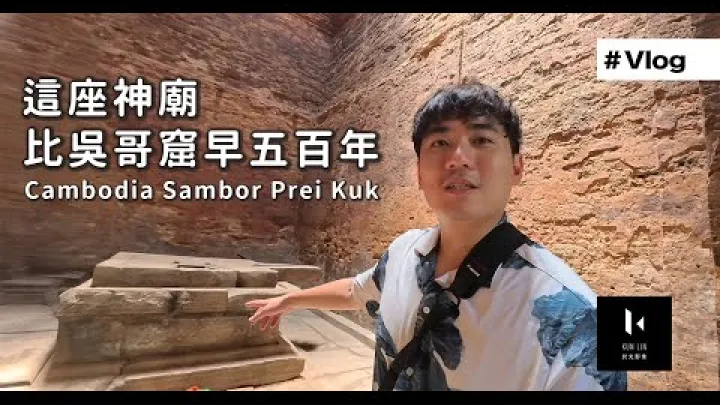
Use this formula for a realistic temple-day estimate: current entrance ticket per person, plus the vehicle cost divided by the number of passengers, plus meals, drinks, and any guide, donation, or incidental spending. A solo visitor paying a USD 10 indicative ticket and a USD 15 return tuk-tuk has already reached USD 25 before food. Three people sharing the same vehicle would each pay about USD 5 for transport instead.
This is why Sambor Prei Kuk is often more expensive than an ordinary town day. Build it into the whole-trip budget rather than assuming every day will cost the same.
Low-Cost Days in Stueng Saen and Nearby Areas
A low-spend day can include walking around Stueng Saen, browsing the market area, visiting riverside areas, and seeing local pagodas respectfully. A bicycle, if available, can add range at a low daily cost. These activities help balance a trip that includes one paid temple day.
“Low cost” does not always mean completely free. Set aside small amounts for water, snacks, tuk-tuks, or a requested donation. Not every pagoda or local site follows the same admission practice, and respectful dress and behavior remain important. Alternating one paid outing with one simple town day is an effective way to lower the average cost of a longer stay.
Currency, Cash, and Payment Planning
Payment planning matters in a smaller provincial town because a low headline price is not useful if you do not have suitable notes or enough small change. Cambodia uses both Cambodian riel and US dollars in everyday travel spending.
USD and Cambodian Riel in Everyday Spending
Larger hotel, transport, and tour payments may be quoted in US dollars, while small purchases and change are often handled in Cambodian riel. A practical mental conversion is about 4,000 KHR to USD 1. This helps with quick comparisons: 8,000 KHR is about USD 2, and 20,000 KHR is about USD 5.
The actual exchange treatment can vary because vendors may round. The Adventures Cambodia currency guide explains the common use of riel for small change alongside dollar pricing. Ask whether a stated price is in riel or dollars before paying, especially for food, snacks, and short tuk-tuk trips.
Cash, Change, Cards, and ATM Planning
Carry clean, usable US dollar notes in practical small and medium denominations, along with some riel for minor purchases. Small guesthouses, eateries, markets, and local transport providers may prefer cash; some formal hotels may accept cards, but card acceptance is not universal.
ATM fees, limited change, and damaged-note rejection can increase the effective cost of travel. Keep a payment reserve rather than waiting until the final moment to obtain cash, and inspect notes before accepting them as change. Carry usable USD notes plus some riel, and confirm the exchange rate and change before completing a payment.
For a simple cash plan, keep the next day’s room, meals, and transport money accessible and hold a separate reserve for the intercity journey or temple excursion. Avoid assuming that a large note will be easy to use for a small purchase. The nominal budget and the usable budget are different when an ATM fee, unfavorable rounding, or the need to exchange money adds a small extra cost.
What Changes Your Kampong Thom Budget and How to Save
In Kampong Thom, the largest savings usually come from accommodation choice and how you handle a temple excursion. Small food savings help, but they matter less than splitting a room or a vehicle.
Season, Weekends, Holidays, and Availability
Booking-platform snapshots show that hotel prices vary by date and availability. School holidays, weekends, Christmas travel, local events, and short-term demand can have an outsized effect where there is limited formal inventory. A quiet destination can still have expensive dates if a small number of suitable rooms fill.
Compare several possible dates and review the all-in room total, taxes, cancellation rules, and whether breakfast is included. Recheck availability around holidays, weekends, and local events rather than relying on a single early search result. Flexible dates may offer more choice, but no fixed percentage saving can be assumed.
Season also changes the value of transport choices. In hot or wet conditions, a bicycle may be less useful, and a short tuk-tuk ride can become a practical replacement rather than an optional treat. Allowing a little flexibility for weather can prevent a cheap plan from turning into several unplanned private rides or a last-minute room change.
Choices That Raise or Lower the Total
The strongest cost levers are room type, whether you share a private room, private versus shared temple transport, meal style, hotel breakfast, alcohol, and the number of paid outings. A basic room, local meals, walking for short trips, and a shared tuk-tuk can keep a trip close to the budget range.
- For solo travelers: prioritize simple guesthouses, local food, and finding other travelers to share the Sambor Prei Kuk vehicle cost.
- For couples: compare the per-person cost of one better private room against two low-cost rooms, then split excursion transport.
- For all travelers: compare direct accommodation offers with the all-in platform total instead of assuming either option is cheaper.
Saving money should not depend on unclear rental terms, unsuitable transport choices, or giving up essential travel arrangements. Comfort, privacy, and flexibility have value, so choose the lower-cost option only when it fits your trip.
A useful budget-preserving checklist is to reserve the room first, identify whether the temple vehicle is priced per vehicle, set a daily food ceiling, and keep intercity transport outside the daily allowance. These decisions affect the total far more than eliminating one inexpensive snack. If a quoted room or ride changes, adjust the relevant category instead of rebuilding the entire budget.
Sample Kampong Thom Trip Budgets
The examples below use rounded planning amounts. They are not quotes from a named hotel, restaurant, or transport operator, but they show how fixed costs change the per-person result.
One Night and One Full Day
A solo budget traveler might allow USD 10 for a basic private room, USD 8 for local meals, USD 2 for town transport, and USD 3 for small extras: USD 23 for one night and one ordinary full day. Add the intercity bus or van journey separately, perhaps USD 7–12 each way depending on route and service.
If that traveler visits Sambor Prei Kuk alone, a USD 10 indicative ticket plus a USD 10–20 vehicle charter can lift the local total to roughly USD 43–53 before any optional guide. Two travelers sharing a USD 15 room and a USD 15 tuk-tuk could lower those fixed costs to about USD 7.50 each for the room and USD 7.50 each for transport. Choosing air conditioning, a hotel breakfast, or private car transport should be added as separate upgrades.
Three-Day Budget With One Temple Visit
For a three-day budget trip with one Sambor Prei Kuk visit, a solo traveler might estimate USD 30 for three basic nights, USD 24 for local meals, USD 6 for ordinary town transport and small extras, a USD 10 indicative ticket, and USD 15 for a return tuk-tuk. That is about USD 85 locally, or roughly USD 28 per day before intercity transport.
A mid-range solo version could use USD 60 for accommodation, USD 39 for food, USD 12 for local transport and extras, USD 10 for the ticket, and USD 20 for the temple vehicle: about USD 141 locally, or around USD 47 per day. Add arrival and departure transport once, plus a modest personal contingency for unexpected small costs.
With two or three people sharing the excursion vehicle, the per-person average falls without reducing time at the site. This demonstrates why a temple day can feel expensive on its own while the average cost over several days remains moderate.
Solo, Couple, and Shared-Transport Differences
| Decision point | Solo traveler | Couple or small group |
|---|---|---|
| Private room | Pays the full room rate | Can divide one room rate |
| Temple tuk-tuk | Carries the full vehicle cost | Splits a fixed vehicle cost |
| Best low-cost approach | Guesthouse, local meals, walking, shared excursion | Split room and tuk-tuk, compare comfort upgrades |
| Key non-price factor | Privacy and schedule control | Shared preferences and timing |
Accommodation is often the biggest per-person difference between solo and paired travel. Vehicle sharing can make an equally large difference on the temple day. Sharing is optional, not a requirement: travelers who value privacy or a flexible schedule can budget for those choices directly.
Kampong Thom Budget: Final Planning Takeaways
For an ordinary day, plan roughly USD 15–25 on a careful budget, USD 35–60 for mid-range comfort, and USD 60–90 or more for a more comfortable style. Keep intercity travel separate from daily spending, and treat Sambor Prei Kuk as a higher-cost day rather than a normal daily expense. A simple room in Stueng Saen, local meals, and shared excursion transport are the most effective ways to keep Kampong Thom travel costs low while retaining a practical and comfortable itinerary.
Select area
Create a post
Posting is free and no registration is required.