Phnom Penh Best Time to Visit: Weather by Month

The best time to visit Phnom Penh is generally from late November to February, when rainfall is usually lower and city sightseeing is more comfortable. This is still a hot tropical capital, so the advantage is less humidity and fewer rain interruptions rather than cold weather. Travelers who prioritize lower demand, greener scenery, or a different atmosphere may prefer other months, but they should choose with heat and rain tolerance in mind. This guide explains Phnom Penh weather by season and month, plus the practical effects on walking, cultural visits, river outings, packing, and daily planning.
The Best Time to Visit Phnom Penh at a Glance
For most first-time visitors, the dry-season period is the simplest choice. It makes it easier to combine outdoor landmarks, central neighborhoods, markets, and the Phnom Penh riverside without building every day around rain. The right month still depends on whether comfort, cost, culture, or flexibility matters most to you.
The Best Overall Window: Late November to February
Late November through February is usually the best overall window for visiting Phnom Penh. Rainfall is generally much lighter than in the monsoon months, humidity is more manageable, and the weather is better suited to walking between cultural sights and spending time beside the rivers. Cambodia has a tropical monsoon climate, and temperatures do not change as dramatically as rainfall through the year; the practical difference in this period is the drier, less oppressive feel. Intrepid Travel notes that the heaviest rain in Cambodia commonly falls in September and October, making the late-year dry transition especially useful for city travel.
“Cool season” in Phnom Penh means relatively milder tropical conditions, not a need for winter clothing. Days remain warm, the sun can still be strong, and midday can feel hot when you are walking in open areas. Even so, lower humidity and a lower chance of prolonged rain make this period the most forgiving for visitors who want a straightforward itinerary.
The trade-off is demand. More travelers tend to choose the comfortable dry months, so well-located accommodation and popular tours may have stronger demand, while some attractions and visitor areas can feel busier. Prices and crowd levels vary by date, hotel, and event, so regard this as a relative tendency rather than a fixed rule. Climate describes the usual pattern; it cannot tell you whether a particular week will be sunny or rainy.
How the Recommendation Changes by Traveler Priority
Choose December to February if you want the easiest conditions for outdoor sightseeing, photography, and a first visit with limited time. These months are the strongest choice for travelers who want to walk around the Royal Palace area, visit the National Museum, browse central markets, and spend time by the river with fewer weather complications.
March to May can work well for visitors who tolerate intense heat and prefer a largely dry period. March is often the easier compromise within this range, while April is usually the most demanding month for daytime activity. The potential benefit is that some travelers avoid the heat, which may create quieter periods, but neither lower prices nor empty attractions should be assumed.
June to August and late October to November are possible shoulder-season choices. Expect humidity and showers, but also greener surroundings and, in some periods, less demand than at the height of the dry season. These months suit travelers who are comfortable rearranging a day around the weather rather than following a rigid outdoor schedule.
September and October need the most flexibility. They can be rewarding for travelers who enjoy dramatic skies and lush landscapes, but heavier rain, wet streets, and river conditions can make movement less convenient. They are not automatically unsuitable; they are simply a weaker match for a tightly timed itinerary or a visitor who strongly dislikes humidity.
Understanding Phnom Penh's Tropical Climate
Phnom Penh’s weather is shaped by the monsoon and by its low-lying river setting. The city is warm all year, so rainfall, humidity, cloud cover, and the timing of showers usually matter more to a trip than a small change in average temperature. Seasonal boundaries are useful planning tools, but they shift somewhat from year to year.
Dry and Rainy Seasons in a Hot Year-Round City
Broadly, Phnom Penh has a drier period from about November to April and a wetter period from around May or June to October. Different climate guides may draw the boundary slightly differently because the monsoon does not begin and end on the same date every year. A Cambodia climate analysis prepared through the Cambodia Climate Zone Report reflects the importance of looking at regional patterns rather than treating individual seasonal dates as permanent.
During the drier months, sunshine and heat remain important, but rain is less likely to dominate the day. During the wetter months, high humidity, passing or intense showers, and cloud cover become part of normal travel planning. Rain does not necessarily mean continuous rain from morning to night. A day can include bright intervals and a heavy shower, with the timing varying considerably.
This is why the local “cool season” should be understood carefully. Phnom Penh is not cold in the way a temperate destination is cold. The more comfortable feeling comes from reduced rain and somewhat easier humidity, especially in the morning and after sunset. Visitors who plan around this distinction will pack and schedule more effectively.
Rain, Flooding, and Storm Expectations
In Phnom Penh, monsoon rain, high humidity, urban drainage, and river-related conditions are more relevant than thinking of the city as a direct typhoon destination. The capital sits near the confluence of the Mekong and Tonle Sap river systems. During intense or prolonged rain, low-lying urban areas can experience localized waterlogging, and traffic or walking routes may become slower.
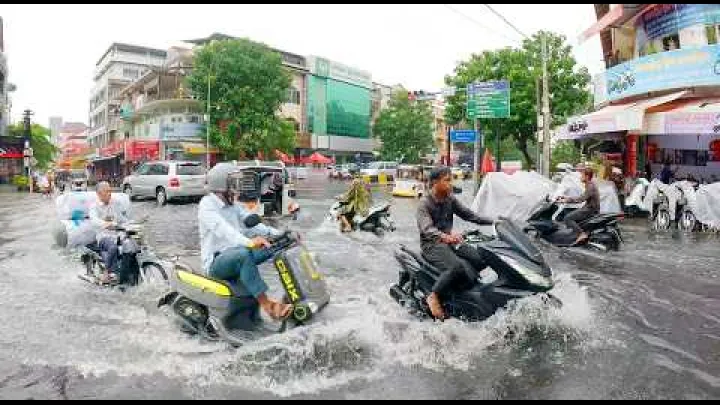
A wet-season climate pattern does not predict a hazard on a specific day. Likewise, a forecast of rain does not mean every district or every hour will be equally affected. River levels, rainfall intensity, drainage, and local conditions all influence the practical result. Cambodia’s water authorities use short-term flood forecasting arrangements for locations around the country; the Ministry of Water Resources and Meteorology material describes short-range forecasting as part of this monitoring context.
If you travel in the wetter part of the year, do not rely on a monthly rainfall average to make same-day decisions. Use current official weather, flood, and travel advisories for the days of your stay, especially before a river outing or a trip outside central Phnom Penh. This is a sensible precaution, not a prediction that disruption will occur.
Phnom Penh Weather Month by Month
The following monthly guide gives the usual travel feel rather than a promise of daily conditions. It is intended to help you choose dates and set realistic expectations for a city stay.
November and December: Transition to Drier, More Comfortable Weather
November is a transition month. Rainfall generally declines after the wettest part of the year, but humidity and occasional unsettled weather can remain. It is a practical choice for travelers who want to arrive before the most established dry-season period while accepting that a shower is still possible.
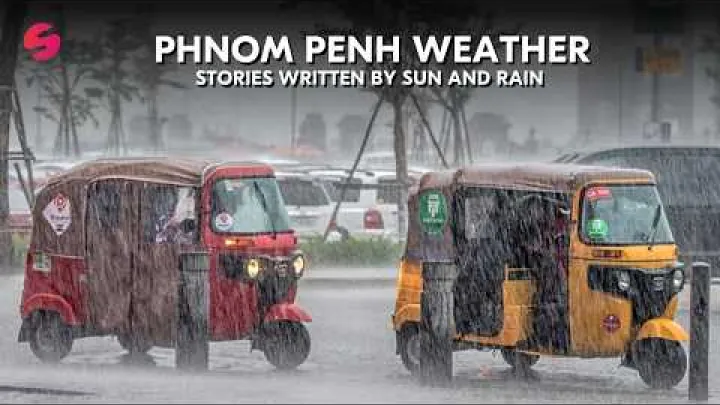
December is usually drier and more comfortable for moving around the city. It is a good time to walk between the Royal Palace area, the National Museum, central shopping and market districts, and the riverside. Clearer conditions can make unhurried mornings and late-afternoon walks more pleasant, although sun protection is still essential.
Visitor demand often begins to rise as the drier season becomes established. Late November or early December can offer a useful compromise: weather is often improving, but the pressure associated with the busiest holiday dates may not yet be at its highest. Accommodation conditions vary widely, so compare the actual dates you are considering rather than assuming one month has a universal price advantage.
January and February: The Driest and Most Reliable Period
January and February are usually the strongest months for dependable outdoor sightseeing in Phnom Penh. Typical rainfall is very low compared with the monsoon months, and climate summaries for Phnom Penh show January as particularly dry, with rain becoming far more frequent later in the year. Climate to Travel provides a useful city-level overview of this monthly rainfall pattern.

These are excellent months for a first visit, but “reliable” does not mean rain is impossible or that all-day outdoor activity is effortless. Mornings and evenings are normally more comfortable than the middle of the day. By February, the approach of the hotter season can become more noticeable, especially on exposed pavements and open riverfront areas.
Wear breathable clothing, use sunscreen, and carry drinking water when exploring on foot. A hat and sunglasses make a meaningful difference in open areas. Put longer walks and outdoor courtyards earlier in the day or later in the afternoon, and use the hottest hours for a meal, a café, a museum, or a rest at your accommodation. This simple timing is particularly important from March to May, when heat becomes more intense.
March to May: Hot Pre-Monsoon Weather
March to May is Phnom Penh’s hotter pre-monsoon period. Temperatures rise from March, and April is often the hardest month for visitors who are sensitive to heat. The challenge is not only the thermometer reading: strong sun, warm surfaces, and increasing humidity can make long walks feel demanding.
March can still be a reasonable dry-weather option for heat-tolerant travelers. You may find it easier to plan outdoor visits than in the wet season, but midday sightseeing requires a slower pace. Start major landmarks early, keep routes short, and leave room for cooled indoor breaks rather than trying to cover the city in one continuous walk.
April combines intense heat with Khmer New Year, a major cultural holiday period. The celebrations can be appealing, but holiday travel may change transport demand, business patterns, attraction schedules, and the availability of some services. This does not make April a month to avoid for everyone. It is best for travelers interested in the holiday atmosphere and prepared for a different rhythm from an ordinary city week. Before committing to a tightly timed itinerary, check current opening hours, local transport arrangements, and accommodation availability for your exact travel dates.
May remains hot and humid, while showers become more relevant as the wetter season approaches. Some years see an earlier or later shift in conditions, so May is best viewed as a transition month rather than a clearly dry or clearly wet month. It can suit flexible travelers who want a mix of sunshine and greener seasonal change.
June to August: Humid Early Rainy Season Conditions
June through August brings humid early-rainy-season conditions. Showers become more frequent, but this should not be interpreted as rain lasting all day. There can be periods of sun, followed by a sudden downpour, or rain at a different time from the one you expected. The exact timing is not dependable enough to build an itinerary around a promised afternoon shower.
![Preview image for the video "[Vidéo] Cambodge: Phnom Penh sous les eaux de la mousson".](/sites/default/files/styles/media_720x405/public/oembed_thumbnails/2026-07/0AWNkkeEvVcsL6NaPCWLZUk5kLDhICrmIj8iRFKTUgk.jpg.webp?itok=cqVr57om "Preview image for the video \"[Vidéo] Cambodge: Phnom Penh sous les eaux de la mousson\".")
For this period, plan outdoor sights in the morning when practical, then keep museums, markets, cafés, and other sheltered stops available for later. The National Museum and covered market areas can help create a balanced day without abandoning the city’s main cultural experiences. A rain break can also be an opportunity to slow down rather than a lost day.
Wet pavements and roads can make walking, cycling, and travel beyond the center less convenient. This matters more for countryside rides or longer excursions than for a compact central itinerary. In return, vegetation is greener, the city can feel more atmospheric, and some travelers may encounter less demand than in the most comfortable dry months. This period is a good match for visitors who value that atmosphere and do not need every outdoor plan to run exactly on schedule.
September and October: Wettest Months and Highest Flexibility Needs
September and October are typically the wettest part of the year in Phnom Penh. Heavy rainfall, high humidity, and saturated surfaces can make the city feel more challenging, particularly for visitors planning intensive walking or several time-sensitive activities in one day. These months are often associated with the heaviest rainfall in broader Cambodia travel guidance, although the exact onset, duration, and intensity vary by year.
Intense rain can affect traffic, walking conditions, urban drainage, riverside areas, and plans beyond the city center. Higher river levels and wet ground add to the need for practical judgment around the Mekong and Tonle Sap river confluence. At the same time, a wet month is not the same as unbroken rain: travelers may still experience dry intervals, dramatic skies, and vivid green scenery.
September and October can appeal to flexible visitors who prefer a quieter-feeling city stay and accept uncertainty. Late October may begin a gradual transition, but rainfall and local disruption can continue. Allow extra time for getting around, and confirm local street, riverfront, and excursion conditions when they matter to your plans. Keep a waterproof cover for your phone and documents, and have indoor alternatives ready for a sudden downpour.
Choosing the Best Time for Different Phnom Penh Experiences
There is no single best month for every traveler. Matching your dates to the activities you care about is more useful than simply choosing the driest period.
Culture, Walking, and First-Time Sightseeing
December to February is the easiest period for culture-focused first-time sightseeing. Lower typical rainfall makes it simpler to link outdoor stops around the Royal Palace with the National Museum, central markets, and a walk along the Phnom Penh riverside. It is the most practical choice if you have only a few days and want fewer weather-related changes.
In hotter months, the same sights remain possible with a different pace. Visit outdoor complexes early, take a shaded or indoor break around midday, and return to the riverfront in the later afternoon. This approach is more realistic than trying to complete a full walking itinerary at the hottest time of day.
Rainy-season cultural trips can also work well. Build a day around one outdoor landmark, one sheltered cultural stop, and flexible meal or café time. Opening hours and entry arrangements can change, so confirm current details directly with each attraction rather than relying on a seasonal assumption.
Budget Travel and Quieter City Stays
The more comfortable dry-season months often overlap with stronger visitor demand. By contrast, shoulder and rainy periods may offer more accommodation choice or lower rates, especially when travelers are less willing to accept heat or rain. This is a possibility, not a guaranteed pricing pattern: school holidays, events, room category, booking timing, and cancellation conditions can matter as much as the month.
June to August and parts of late October or November can be sensible value periods for travelers who accept humidity and occasional showers. September and October may also suit a flexible budget traveler, but the savings are only worthwhile if the itinerary can absorb weather-related inconvenience.
Compare refundable or changeable accommodation options, particularly if you are booking in the wetter period. Consider whether a hotel has a comfortable indoor area, reliable cooling, and a location that reduces the need for long exposed walks. Flexible transport terms can be as valuable as a lower room rate when weather is less predictable.
River Excursions and Trips Beyond Central Phnom Penh
Phnom Penh’s setting near the Mekong and Tonle Sap gives the city a distinct river season. Wetter months can bring greener scenery and visibly fuller waterways, but higher water is not automatically better or safer for every trip. Rainfall averages alone cannot tell you whether a boat departure will operate, whether conditions will be comfortable, or whether a particular route is suitable.
Nearby Mekong, riverside, silk-island, and countryside excursions generally need more weather and road flexibility than an afternoon spent in central Phnom Penh. Rain can affect comfort on open boats, cycling routes, rural roads, and the timing of transfers. In the drier months, these outings are often easier to fit into a fixed schedule, though midday heat still needs consideration.
Confirm departure time, meeting point, cancellation terms, and operating conditions directly with the relevant provider before committing to a time-sensitive excursion. This matters most in the rainy season and around periods of high river activity, when an operator’s current decision is more useful than a general seasonal description.
When to Avoid Phnom Penh or Plan More Carefully
Phnom Penh is visitable throughout the year, but some periods require a travel style that not every visitor enjoys. The main issues are extreme heat in late dry season and rain-related movement difficulties during the wettest months.
The Hottest Period and Khmer New Year Planning
Visitors who struggle with heat may find April, and the wider March to May period, the least comfortable time for Phnom Penh. Long outdoor itineraries can become tiring quickly, particularly if they involve open courtyards, river walks, or repeated travel between sights. Choose accommodation with dependable cooling, plan shorter outdoor blocks, and give yourself time for shaded or indoor pauses.
Khmer New Year adds a cultural reason to visit in April, but it also changes the practical context. Transport demand can shift, some businesses may operate differently, and attraction or service arrangements may not follow their usual pattern. It can be a memorable time for travelers who welcome the festive atmosphere, yet it is less suitable for someone who needs a tightly controlled schedule.
The best approach is to treat the period as a trade-off rather than a universal warning. You can enjoy it if you plan a lighter itinerary and confirm holiday arrangements before you travel. If your priority is all-day walking comfort and predictable routines, December to February is usually the easier choice.
The Wettest Period and Rain-Related Movement Problems
September and October are less suitable for rigid schedules, intensive walking, or travelers with little tolerance for rain and humidity. Sudden downpours can leave streets slippery or waterlogged, slow traffic, and change the comfort of riverside and excursion plans. Impacts can differ across the city and from one day to the next.
Use flexible daily sequencing: keep the most weather-sensitive stop for the clearest available part of the day, then switch to an indoor museum, market, or café if rain intensifies. Build extra time into transfers rather than scheduling closely connected appointments. Waterproof protection for phones, documents, and small bags is especially useful in this period.
This does not mean every road or attraction becomes inaccessible. It means the wettest months are best for travelers who are comfortable adapting their route and pace. Those who need a fixed program with little spare time will usually have an easier visit in the drier months.
Practical Phnom Penh Weather Planning
A few practical choices make Phnom Penh more comfortable in every season. Pack for heat first, then add sun or rain protection according to your dates.
What to Wear and Pack in Each Season
Lightweight, breathable clothing is useful year-round. Choose comfortable walking shoes with good grip, especially if you expect wet pavements. Heavy outdoor clothing is generally unnecessary, although a light layer can be useful in strongly air-conditioned hotels, restaurants, vehicles, or shopping spaces.
For the dry and hot periods, bring a hat, sunglasses, sunscreen, and a reusable water bottle. Loose clothing that covers shoulders and knees can also be practical for sun exposure and for visits to places where modest dress is appropriate. Pack items that dry easily rather than thick fabrics that stay damp after washing.
For the wet season, add a compact umbrella or lightweight rain layer, quick-drying clothes, and a waterproof pouch or cover for electronics and documents. An umbrella can be useful for both rain and strong sun, while a rain layer is often easier when you need both hands free. Keep footwear practical rather than relying on footwear that becomes uncomfortable when wet.
Use Climate Averages for Dates and Live Forecasts for Decisions
Climate averages help you choose a broad travel window: January is usually much drier than September, and April is usually hotter than December. They cannot predict rain, heat, cloud cover, flooding, or comfort on a particular day. Think of averages as a guide to seasonal probability, not a day-by-day itinerary tool.
Shortly before departure, check a current short-range forecast and official local advisories. Check again during the trip when you are planning a river excursion, a countryside visit, or a long outdoor day. Then organize each day with flexible morning and afternoon blocks, including an indoor alternative if heat or rain changes the plan.
Finally, do not extend Phnom Penh’s conditions automatically to the rest of Cambodia. Coastal areas, upland destinations, and rural areas can have different rain, wind, road, sea, and visibility conditions. If your itinerary continues beyond the capital, check the forecast and local travel information for each separate destination.
Final Recommendation for Visiting Phnom Penh
For the best balance of comfort and dependable sightseeing, plan a Phnom Penh visit from late November to February. December through February is especially suitable for first-time visitors who want to explore cultural landmarks, markets, and the riverside with less rain and lower humidity.
Choose March to May only if you are prepared for strong heat, and consider June to August if you welcome greener scenery and can work around showers. September and October are best reserved for flexible travelers who accept the greatest chance of wet-weather disruption. Whatever month you choose, plan around Phnom Penh’s warm climate, use climate patterns to select dates, and use current weather information to make daily decisions.
Select area
Create a post
Posting is free and no registration is required.