Kampong Cham Best Time to Visit: Weather by Season and Month

The best time to visit Kampong Cham is generally November to February, when rainfall is lower and outdoor sightseeing is more comfortable than during the hot or wet parts of the year. Kampong Cham city stays warm in every season, so choosing dates is mainly about managing heat, humidity, rain, and the changing Mekong River. This guide explains the local seasonal pattern, the feel of each month, and the best periods for sightseeing, cycling, river scenery, and value-focused travel. It also helps travelers with fixed dates make practical plans for a stay in Cambodia's central Mekong lowlands.
The Best Time to Visit Kampong Cham at a Glance
Kampong Cham has a tropical monsoon climate, with a broad dry season from roughly November to April and a wetter season from May to October. The best choice depends on whether comfort, green scenery, river levels, or lower seasonal demand matters most.
November to February Is Best for Comfortable Sightseeing
For most visitors, November to February is the strongest overall time to visit Kampong Cham. These months are generally drier and comparatively less hot, making it easier to walk along the Mekong River, explore Kampong Cham city, visit markets and pagodas, or take a relaxed cycling trip into the surrounding countryside. The Mr Linh's Adventure guide also identifies November to March as a pleasant dry-season period for Kampong Cham.
The word comfortable is relative. Daytime weather is still warm to hot, and sunny afternoons can feel intense. The advantage is that rain is less likely to interrupt a day outside, while mornings and evenings are often more manageable than in late dry season. This is a good window for first-time visitors who want dependable conditions without building an itinerary around storms or extreme heat.
It is also a popular time for travel in Cambodia more broadly. Demand may be higher than in the rainy season, so travelers who need a particular room type or travel date may prefer to arrange accommodation earlier.
When Shoulder and Wet-Season Travel Makes Sense
October and November can be rewarding compromise months. The countryside around Kampong Cham is often still green, and Mekong water levels may remain relatively high, while weather usually begins moving away from the core monsoon pattern. October can still bring significant showers, so it suits travelers who value scenery and can accept some uncertainty.
March and April are suitable for visitors who tolerate strong heat or have a specific reason to travel, such as Khmer New Year in April. They are usually drier, but the combination of sun and high temperatures makes long midday walks, cycling, and rural exploration more demanding. May to October can suit budget-conscious visitors and travelers who do not mind rain, especially when lush landscapes and quieter conditions are more important than predictable outdoor days.
If heat is your main concern, avoid March and April. If reliable rural access and long outdoor days are your priority, avoid the wettest middle part of the monsoon. The rainy season is not automatically a poor time to visit, but it requires a more relaxed approach to timing and activities.
Kampong Cham Climate and Seasons
Weather in Kampong Cham is shaped by its lowland setting beside the Mekong rather than by mountain or coastal conditions. Temperature changes through the year are less important for trip planning than the change in rainfall, cloud cover, humidity, and river levels.
Kampong Cham's Central Mekong Lowland Climate
Kampong Cham lies in Cambodia's central Mekong lowlands, where a tropical monsoon pattern produces a distinct drier period and a wetter period. The drier season is associated with the northeast monsoon, while the southwest monsoon brings more moisture and rain. The wider climate framework for Cambodia is described in the UNDP Cambodia Climate-Zone Report.
In practical terms, this means that a visitor can expect warmth at any time of year. During the dry season, clearer skies and lower rainfall make time outside easier, although the final months can become very hot. During the wet season, humidity rises, cloud cover increases, and rainfall affects both the feel of the day and the condition of rural roads and paths.
City-based travelers can often continue with a flexible program in wet weather, but countryside visits are more exposed to changes in surface conditions and visibility. The Mekong River is another important part of the local pattern: seasonal rainfall upstream and nearby can influence the river's level and appearance, with conditions varying from one year to the next.
The Dry Season: Drier but Increasingly Hot
November to April is the broad dry season in Kampong Cham, but the months are not equal. November through February usually offer the best balance of lower rainfall and more manageable heat. March and especially April are much hotter, even though rain remains less frequent.
Dry season does not mean cool weather, cloudless skies every day, or no humidity. It means rain is generally less disruptive and outdoor plans are usually easier to arrange. Climate summaries for Kampong Cham, including Climate-Data.org's modeled city data, indicate an average annual temperature of about 27.7°C and annual precipitation of around 1,519 mm, underlining that this is a warm, rain-influenced destination throughout the year.
January is commonly identified as one of the driest months in available climate summaries. April is commonly among the hottest. Treat these as long-term patterns rather than a promise for a particular week: an unusually hot day in January or an isolated shower in the dry season is still possible.
The Wet Season: Rain, Humidity, and a Changing Mekong
May to October is the broad rainy season. Rainfall generally becomes more frequent after the hot-dry period, with the middle and later monsoon months often receiving the heaviest rain. Many rainy-season days still include dry intervals; rain may arrive as a heavy shower or storm rather than continue without stopping from morning to night. Its timing and intensity can vary greatly.
The benefits are visible in the countryside around Kampong Cham. Vegetation becomes greener, fields look more lush, and the Mekong may present a fuller high-water appearance. The trade-off is higher humidity, cloudier skies, muddy unpaved surfaces, and a greater chance that a rural outing needs to be shortened or changed.
High water can alter riverbank conditions as well as the look of the landscape. Follow local warnings and keep away from unstable or flooded riverbank areas during high water or after intense rain. River levels and their practical effects are seasonal but never identical from year to year.
Kampong Cham Weather Month by Month
The following monthly guide gives a simple planning picture rather than an exact forecast. Weather models and climate summaries are useful for choosing a season, but daily conditions can differ substantially.
November to February: The Most Comfortable Window
November is a transition month. Rain generally becomes less frequent, while the landscape may still look green after the monsoon. December, January, and February are usually the most appealing months for travelers who want drier weather and a more relaxed pace outdoors.
Days remain warm, but slightly milder mornings and evenings can make a real difference for walking and cycling. This period works well for Mekong riverside strolls, local markets, pagodas, and unhurried exploration in and around Kampong Cham city. December to February are particularly suitable for visitors who prefer to spend several hours outside without the strong heat of late dry season.
November may offer a good mix of greenery and improving weather. January is often the driest-feeling choice. February remains a strong option, although heat gradually starts to build toward the end of the month. Seasonal demand can be higher during these months, especially around common holiday periods.
March and April: Hot-Dry Conditions
March brings a marked rise in heat, and April is often the most demanding month for daytime outdoor travel. Skies can be bright and rainfall limited, but strong sun makes the middle of the day difficult for extended walking, cycling, or time on exposed riverside areas.

Travel in these months can still be enjoyable with an adjusted routine. Start outdoor activities early, choose accommodation with effective cooling, use shade during the hottest part of the day, and carry water and sun protection. A shorter morning excursion followed by a long indoor or shaded break is often more pleasant than trying to maintain a full-day schedule.
April can appeal to travelers interested in Khmer New Year. However, cultural interest does not reduce the need to plan carefully for heat. The conditions described here are typical seasonal patterns, not a claim that every day reaches the same temperature.
May and June: Monsoon Onset and Rising Humidity
May is an increasingly humid transition month as showers become more frequent. By June, the rainy season is more established. Temperatures remain high, and extra cloud cover does not always make the day feel cooler because humidity can make outdoor activity feel more oppressive.

This can be a useful value window for travelers who accept changing plans and want to see greener surroundings with fewer visitors than in the main dry-season period. Plan the most important outdoor activity earlier in the day when possible, but do not assume rain will arrive at a fixed hour. A short shower may pass quickly, while a storm can alter plans for much longer.
May and June work best for visitors who are comfortable choosing shorter excursions, taking breaks, and treating rain as part of the experience rather than as a failure of the trip.
July to October: Wettest Months and the Transition Back to Dry
July through September are the core monsoon period. Expect frequent rain, high humidity, cloudier conditions, and the greatest chance that rural outings need to change. September is commonly identified as one of the wettest months in climate summaries, but a monthly average cannot predict the number of rainy hours on a specific day.
October is transitional. Rainfall may begin to decline, yet showers can continue and should remain part of any plan. For travelers who value green scenery, this can be an attractive month, particularly as the Mekong may still be relatively high. It is less predictable than December or January, but often less relentlessly wet than the core monsoon months.
| Period | Typical feel | Best for | Main trade-off |
|---|---|---|---|
| November to February | Drier and relatively comfortable | Sightseeing and cycling | Higher seasonal demand |
| March to April | Hot and mostly dry | Short early outings | Strong midday heat |
| May to June | Humid, showers increasing | Green scenery and value | Changing plans |
| July to September | Wet and cloudy | Lush landscapes | Rain disruption |
| October | Green, mixed conditions | River scenery | Showers remain possible |
The Best Time to Visit Kampong Cham by Travel Purpose
The right month depends on what you want to do. A visitor focused on city sightseeing may make a different choice from a cyclist, river traveler, or traveler prioritizing lower demand.
Sightseeing, Culture, and a Comfortable City Stay
Choose November to February for the easiest general sightseeing conditions. Lower rainfall and more manageable heat make it easier to combine riverside walks in Kampong Cham city with markets, pagodas, and nearby cultural or rural visits. You can spend more time outside without needing to plan every activity around rain.
October is a reasonable secondary choice for travelers who prefer greener views and can accept showers. March is another secondary option for those who prefer dry conditions and are prepared to limit outdoor time during the hottest hours. For a straightforward first visit, however, November to February remains the clearest recommendation.
Cycling and Exploring the Rural Countryside
December to February is generally the best period for cycling around Kampong Cham. Paved roads are more comfortable in drier weather, and unpaved rural tracks are less likely to be muddy or slippery. Early departures are useful even in these months because sunshine strengthens quickly.

October and November offer a scenery-focused alternative. Fields and vegetation can remain green, but changing conditions may affect route choices. July to September can suit experienced cyclists who are prepared for slick surfaces, sudden storms, and shorter routes. During hot or wet periods, choose flexible loop lengths rather than committing to a long ride far from town.
Mekong Views, River Activities, and High-Water Scenery
Travelers who are most interested in the Mekong River may appreciate the higher-water period from roughly September to November. Mekong River Cruises' high-water-season guide describes the broader high-water season as running from early September to the end of November. Fuller water levels and greener floodplain scenery can create a different visual experience from the drier months.
Late October and November can offer a useful balance between high-water interest and improving weather. By contrast, the drier months usually make general land-based logistics easier and may provide clearer conditions for riverside exploration. Do not assume that a particular boat trip, route, or activity will operate in every month: navigation, local schedules, and river conditions can differ by year and by operator.
Budget Travel and Lower-Crowd Periods
May to October generally matches the lower-demand travel period across Cambodia. This can make Kampong Cham appealing to visitors looking for a quieter stay and possible value, although accommodation rates and availability vary by property, date, and local events.
The exchange is simple: potential value and fewer visitors come with more rain, humidity, and a greater chance of revised rural plans. May, June, and later October are often the best compromise months for travelers who want this balance without deliberately choosing the wettest part of the monsoon.
For safe low-season planning, do not base your schedule on an assumed riverbank condition. Follow local warnings and keep away from unstable or flooded riverbank areas during high water or after intense rain.
Practical Weather Impacts on a Kampong Cham Stay
A well-timed daily routine can improve a Kampong Cham visit in any month. The most useful preparations involve managing heat, allowing for rain, and packing for the type of activity you plan to do.
Heat, Humidity, and the Best Daily Schedule
Kampong Cham is warm year-round. During the wet season, humidity can make conditions feel especially heavy even when temperatures are not at their annual peak. During March and April, direct sun and heat are the main challenge.
A practical pattern is to schedule walking, cycling, and rural visits for early morning or later afternoon, then take a midday break in shade, at your accommodation, or in another cool indoor space. This is particularly important in the hottest months. Wear lightweight, breathable clothing, use sun protection, carry drinking water, and consider accommodation with reliable cooling if you are sensitive to heat.
Rain, Rural Roads, and Flexible Transport Plans
Heavy showers can reduce visibility and make cycling, motorbike travel, and unpaved rural access less comfortable. Conditions in Kampong Cham city may remain manageable while tracks and smaller countryside roads become muddy or require a slower journey. During the wettest months, leave buffer time between activities rather than scheduling a tightly timed sequence of excursions.
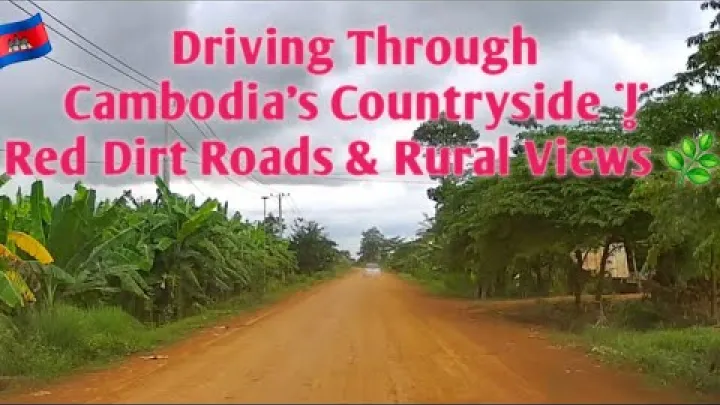
Check local road and excursion conditions before leaving the city during periods of heavy rain, especially if using rural routes. This is more useful than relying on a fixed route description, because recent rainfall can affect conditions differently from one area to another. If you have a river-based plan, confirm the current local schedule and conditions with the operator before committing to the day.
What to Wear and Pack by Season
For November to February, bring light clothing, comfortable walking footwear, and one modest layer for an occasionally cooler-feeling morning or evening. Modest clothing can also be useful when visiting religious sites.
For March and April, prioritize breathable fabrics, a wide-brimmed hat or other sun cover, sunglasses, sunscreen, and a reusable water bottle. Shoes should be comfortable for hot pavements and short walks.
From May to October, add a compact rain layer, quick-drying clothing, and footwear that can handle wet conditions. A waterproof pouch or cover for a phone and camera is useful during sudden showers. Rain gear helps, but it does not remove the need to adjust an outdoor plan when conditions are poor.
How to Use Climate Averages When Planning Your Dates
Climate information is valuable for selecting a season, but it should not be treated as a day-by-day promise. This distinction matters most during the monsoon and for travel that depends on rural access or the river.
Climate Normals Are Not a Live Forecast
Climate averages describe long-term patterns, such as January tending to be drier and September tending to be wetter. They do not predict the weather on the day you arrive. Available city-level information includes modeled and secondary climate summaries, including data presented by Meteoblue, rather than a single guarantee of exact local conditions.
Use averages to choose your broad travel window. Then use current conditions closer to departure to decide details such as the time of a countryside ride, the length of a river outing, or whether a rainy-day alternative is worthwhile. Rainfall timing, Mekong levels, and road conditions can depart from the monthly pattern.
A Simple Date-Selection Decision Rule
Use this recommendation ladder when choosing dates:
- Choose November to February for the best overall balance of lower rainfall, outdoor flexibility, and relative comfort.
- Choose October or November for greener scenery and possible high-water Mekong views, with a better weather balance than peak monsoon.
- Choose May to September for lush landscapes and possible value only if you accept rain and a flexible schedule.
- Choose March or April only if you can adapt to strong heat or have a specific cultural reason to visit.
Once you have selected a season, check a live forecast before each day trip and adjust plans when storms are expected. This final step turns a sensible seasonal choice into a safer, more comfortable daily itinerary.
Final Recommendation for Visiting Kampong Cham
November to February is generally the best time to visit Kampong Cham for most travelers. It offers the most reliable combination of drier weather, manageable heat, and freedom to explore Kampong Cham city, the Mekong riverside, and nearby countryside at an unhurried pace.
Choose October or November if green scenery and fuller Mekong views matter more than fully dry conditions. Choose the wet season for a quieter, greener trip only when rain-related changes are acceptable, and approach March and April with a heat-conscious daily plan. Whatever month you choose, treat seasonal averages as a guide and let current local conditions shape the details of your stay.
Select area
Create a post
Posting is free and no registration is required.