Kep Travel Guide: Plan a Quiet Coastal Trip in Cambodia
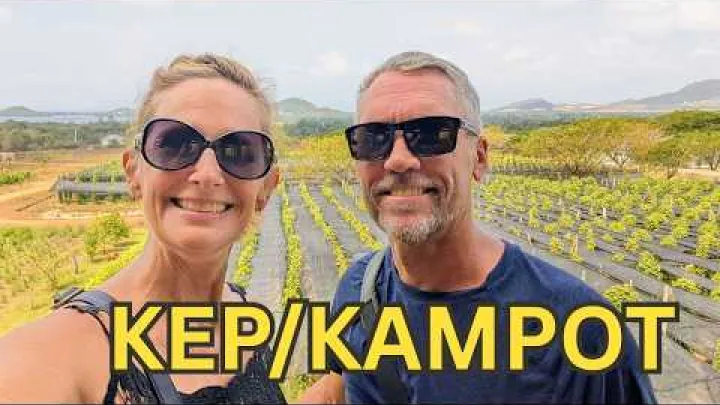
Kep is a small coastal destination in southwestern Cambodia, known for seafood, a modest public beach, forested hills, and a slower pace than Cambodia’s larger visitor hubs. It is a good choice for travelers who want crab meals, short nature walks, sea views, and an uncomplicated break from busy city itineraries. This Kep travel guide explains how long to stay, whether to combine Kep with Kampot, how to get around, and how to plan Rabbit Island, accommodation, and daily spending. It also helps set realistic expectations: Kep rewards flexible, low-pressure travel rather than a packed resort schedule.
The town is easiest for first-time visitors who are comfortable with a dispersed layout and a little advance planning. You may not find every service concentrated around one central street, and the most appealing hotel may be uphill from the places you want to visit. In return, short distances between the coast, market, hills, and nearby countryside make it possible to create a relaxed itinerary without changing hotels every night.
Kep at a Glance for First-Time Visitors
Kep is compact in scale but spread along the coast and into the surrounding hills. Most visitors divide their time between Kep Beach, the waterfront near Kep Pier, the Kep Crab Market, and Kep National Park. Its appeal lies in combining these places at an unhurried pace.
What Makes Kep Different from Cambodia's Larger Beach Destinations
Kep is not built around large resorts, nightlife districts, or a long stretch of dramatic white sand. Instead, it has a low-rise coastal character shaped by local seafood culture, small hotels and guesthouses, wooded hills, and remnants of an earlier resort era. The result is a place where a seafood lunch, a coastal walk, and a park viewpoint can be the main events of the day.
This makes Kep particularly suitable for couples, independent travelers, families seeking a quiet stop, and food-focused visitors exploring the Kampot area. Travelers looking for extensive evening entertainment, many organized water sports, or a dense choice of beach clubs may prefer a larger coastal destination. Ordinary weekdays can feel very quiet, while Cambodian weekends and public holidays can bring more local visitors to the beach and market area.
Kep’s layout also shapes the experience. Coastal accommodation can make it easy to walk to food and the waterfront, while hillside properties may feel more secluded but usually require a tuk-tuk, moto taxi, or scooter. The visible villas and older resort remains add atmosphere, but they should be understood as part of Kep’s history rather than as a promise of a fully restored heritage district. Think of the town as a collection of coastal and hillside settings connected by roads, not as a compact urban center with a single main square.
How Long to Stay in Kep
A day trip from Kampot is enough to see the crab market, walk part of the coast, and choose either Kep Beach or a short visit to the national park. It works best for travelers with limited time who mainly want a seafood meal and a look at the shoreline.
One night gives Kep a more relaxed rhythm. You can arrive without rushing, enjoy sunset by the coast, have dinner near the market, and walk or swim the following morning. Two or three nights are worthwhile if Rabbit Island, a longer park walk, a countryside excursion, or time by a pool is important to you. The short journey between Kampot and Kep also makes a split stay practical: use Kampot for cafés and broader services, then finish in Kep for a quieter coastal pause.
Choose your length by separating “seeing the highlights” from “having time for Kep.” A day trip covers the main visitor anchors but leaves little room for a delayed transfer or a weather change. One night is a useful compromise for a first visit. Two nights allow one activity day and one deliberately open period, which is valuable if you want a boat trip or hike without making the whole itinerary depend on perfect conditions.
Kep and Southwestern Cambodia: Choosing a Base
Kep is easiest to understand as part of a small southwestern Cambodia circuit rather than as an isolated beach town. Kampot and Kep are close enough to combine, but they deliver different experiences and make different practical bases.
Kep or Kampot: Which Base Suits You?
| Factor | Kep | Kampot |
|---|---|---|
| Atmosphere | Quiet, coastal, food-focused | Riverside, social, café-oriented |
| Best for | Sea views, crab, beach, park walks | Dining choice, town life, regional trips |
| Layout | Dispersed coastal and hillside stays | More concentrated visitor area |
| Transport need | Often useful beyond the seafront | Lower within central areas |
| Ideal traveler | Traveler seeking a slower retreat | Traveler wanting more options nearby |
Choose Kep if your priorities are the sea, the Kep Crab Market, seafood with Kampot pepper, national park walking, and a stay that feels removed from town activity. Staying near the coast can make meals and waterfront walks easy, though many appealing properties are farther uphill.
Choose Kampot if you want a wider choice of cafés, restaurants, accommodation, and evening activity. It is also a convenient base for countryside stops in the wider Kampot–Kep area. A split stay is most useful when you have at least three or four nights in the region. If you have only one free day and mainly want crab and coastal views, a Kep day trip from Kampot is usually enough.
For families, travelers arriving late, or anyone who prefers to organize less on arrival, Kampot may feel easier because more services are concentrated there. For couples, food travelers, and visitors who value a pool, garden, or sea view over nightlife, Kep is often the better overnight base. Neither choice is universally superior: compare the location of your accommodation with your planned activities, not just the town’s reputation.
Adding Rabbit Island and Other South Coast Stops
Rabbit Island, also known as Koh Tonsay, is the most natural island addition to a Kep itinerary because boats leave from Kep Pier. It is best approached as a simple, rustic escape rather than a resort island: expect basic facilities, limited services, and a slower routine centered on beach time, simple meals, and walking.
Kampot, Kep, and Rabbit Island can form a compact sequence with little backtracking. Farther south-coast islands reached through Sihanoukville involve a different transport day and should not be treated as a quick extension of Kep. If your trip is short, decide whether you want Kep’s mainland comforts or a basic island overnight, rather than trying to add every coastal stop. Check each connection separately; a nearby destination on the map does not necessarily mean there is a direct or dependable onward service.
Best Time to Visit Kep
Weather affects how you use Kep more than it affects what there is to see. A coastal meal and a short drive can work in many conditions, but hiking, swimming, and boat plans benefit from choosing a season and daily schedule carefully.
Dry and Wet Season Planning
Cambodia has a tropical wet-and-dry pattern. For many first-time visitors, the generally drier period from about December through March is the easiest window for a Kep trip, with more dependable conditions for outdoor plans. It is also a popular period, so weekends and holiday periods can affect room availability and the atmosphere around the seafront.
Shoulder periods can suit travelers who value quieter surroundings and are comfortable with some uncertainty. The wetter part of the year can still be rewarding for flexible visitors, particularly if the main goal is rest, food, and greenery rather than a tightly timed beach itinerary. Humidity, showers, cloud cover, and changing conditions are part of the trade-off. Season and crowd levels are separate considerations: a dry-season weekday may feel calm, while a holiday weekend can be busy.
Weather Planning for Hikes, Beaches, and Boat Trips
Plan exposed activities early in the morning or later in the afternoon, when walking the coastal road or the hills is usually more comfortable than at midday. For Kep National Park, choose shoes with grip and expect trails to be muddy or slippery after rain. For Kep Beach, treat swimming as a condition-dependent activity rather than the only purpose of the day.
Boat travel is especially sensitive to weather. Before committing to a park hike, beach day, or boat trip, check a current local forecast and keep a practical alternative ready. A seafood meal near the market, a slower coastal walk, or time at your accommodation can replace an outdoor plan when rain or storms arrive. Local conditions on the day matter more than broad seasonal averages.
A simple decision rule is useful: walk the park when the ground is dry and you have daylight, plan the beach when visibility and water conditions are comfortable, and confirm the island boat on the day rather than building a tightly timed onward journey around it. If the forecast is uncertain, put the least flexible activity first and keep food, the promenade, or a rest period as the backup.
Getting to and Around Kep
Most travelers reach Kep by road. The key practical point is that Kep is small and spread out: the final transfer from a road-transport drop-off to your hotel can matter as much as the intercity journey.
Getting to Kep from Phnom Penh and Kampot
Direct road services connect Phnom Penh and Kep. Current listings from redBus Cambodia describe a journey of roughly three and a half to four hours, with fares and departure times varying by operator and date. From Kampot, Kep is a short regional transfer of about 27 to 30 kilometers; BookMeBus lists an average journey around 30 minutes, although road traffic and pickup arrangements can affect the actual time.
Do not assume that arrival will be at a large, central bus terminal. Before booking, confirm the current departure point, scheduled arrival point, luggage conditions, and final ride to your accommodation. This is particularly important for hillside properties, late arrivals, and travelers continuing to another destination on a tight schedule.
When comparing services, check five details together: the date, departure location, expected arrival point, luggage policy, and whether the operator offers hotel pickup or drop-off. Save the booking details offline and send the accommodation’s exact location to the driver when possible. A short Kampot–Kep transfer can be arranged more flexibly than the longer Phnom Penh journey, but it still helps to confirm where you will meet the vehicle and how you will complete the last part of the trip.
Getting Around Kep's Beach, Market, Hills, and Park
The main visitor area forms a loose triangle: Kep Beach and Kep Pier lie along the coast, the Kep Crab Market sits around the western coastal curve, and Kep National Park rises inland. Parts of the coastal road can be pleasant on foot, especially in cooler hours, but distances, heat, slopes, and scattered accommodation make walking impractical for many full days.
Tuk-tuks, moto taxis, and rented scooters are common ways to move between the coast, the market, hillside hotels, and park access points. A scooter gives more independence for the coastal road around Kep Peninsula, but only use one if you are experienced and comfortable with local road conditions. Ask your accommodation to help arrange a return ride if you will be dining after sunset or staying away from the busier coastal strip.
Before setting out, ask whether a driver will wait, return at a stated time, or help you find a ride later. This matters more for hillside lodging and countryside stops than for a short coastal walk. If you rent a scooter, inspect it before leaving, clarify the fuel arrangement, and carry only what you need for the outing.
Taking a Boat to Rabbit Island
Rabbit Island is reached from Kep Pier. The crossing is commonly described as about 20 minutes in normal conditions, and BestPrice Travel provides indicative examples of day-trip and overnight boat fares. Treat both price and timing as planning estimates, not guarantees.

Tickets may be arranged at the pier or through your accommodation. Departures can be less formal than a major ferry network, so confirm the boat operator’s departure and return arrangements before you travel to the pier. For a day trip, establish the final return boat before leaving the mainland. For an overnight, ask where you will board on departure day, what luggage is practical, and whether your island accommodation coordinates the return. Bring essentials with you, since facilities, electricity, and connectivity can be limited.
Where to Stay in Kep
Kep does not have one dense downtown hotel zone. Choosing the right area is therefore less about a neighborhood name and more about deciding between coastal convenience and a quieter hillside setting.
Seafront and Hillside Areas
Stays near Kep Beach, the coastal road, or the crab market area favor walkability. They are useful if you want spontaneous seafood meals, easy access to the waterfront, and a simple journey to Kep Pier. The trade-off can be less privacy and fewer broad views than at elevated properties.
Hillside hotels and resorts, including places toward the Kampot–Kep road, often appeal to travelers seeking gardens, pools, views, and a retreat-like atmosphere. They can be excellent for a two-night stay, but transport dependence is higher. Before booking, look at the exact map location rather than relying on a description that says “near Kep.” Consider what you can realistically reach on foot in daytime heat, after dark, and with luggage.
Also compare likely noise and access. A coastal room may be more convenient but can feel livelier during domestic holiday periods, while a hillside property may be quieter but involve steep paths, stairs, or an unlit final approach. Ask how vehicles reach the property, where they stop, and whether staff can help with a late return from the market.
Choosing Accommodation by Budget and Booking Needs
Kep has simple guesthouses, mid-range nature-oriented resorts, and a smaller number of boutique or higher-end properties. A budget stay can be a practical base for market meals and day excursions; a resort stay can make sense if pool time, gardens, and quiet are central to the trip. Prices vary substantially by season, Cambodian weekends and holidays, room type, included facilities, and booking channel.
Before paying, verify the total price, cancellation terms, included facilities, and operating dates directly with the property or booking provider. Also check whether the room has air conditioning, what Wi-Fi is available, whether breakfast and pool access are included, and whether staff can arrange transport. Travelers with mobility needs should ask about stairs, paths, road access, bathroom layout, and the distance from vehicle drop-off to the room.
Things to Do in Kep
Kep’s best activities are easy to combine, but they should not be rushed. A good day usually pairs one active element, such as a park walk or island visit, with a coastal meal and time to enjoy the setting.
Kep Crab Market and Seafood Culture
The Kep Crab Market is the town’s best-known food anchor. It is closely associated with blue swimmer crab, often served with Kampot pepper, and offers a direct connection between the coast, fishing culture, and the agricultural identity of the neighboring Kampot area. You can choose between informal market stalls and restaurants nearby, depending on the meal style and comfort you prefer.

Ask about the day’s catch, preparation, portion size, and price before ordering, especially when selecting seafood by weight. Combine a meal with a walk along the waterfront and the coastal road toward Kep Beach. If a late arrival depends on eating in the market area, check current market and restaurant opening times in advance because daily operations can vary.
For a simple food-focused visit, arrive with enough daylight to look at the waterfront, choose where to eat, and continue along the coast afterward. The market area can be more active at some times than others, so do not treat a single visit as a guarantee of identical stalls or menus on a later day. Travelers who do not eat seafood can still use the market as a convenient coastal landmark, then choose another nearby meal.
Kep National Park Hiking and Viewpoints
Kep National Park is the main nearby nature option, with forest walking, hill routes, and viewpoints toward the coast and surrounding countryside. It is better thought of as a half-day walking activity than technical trekking. Routes differ in length and effort, so choose one that matches your fitness, available daylight, and the weather.

Carry enough water, use suitable footwear, and allow time for heat, stops, and slower ground after rain. Trail condition can change more quickly than route difficulty: an otherwise straightforward walk may become slippery or uncomfortable when wet. Pair the park with a later seafood meal or a relaxed stop near Kep Beach rather than trying to fit in a long countryside circuit on the same day.
Start with a realistic turnaround time instead of assuming that every trail can be completed before sunset. Keep your phone, water, and accommodation details with you, and tell someone where you are going if walking independently. The park is a good choice for travelers who want nature without committing a full day to a distant excursion, but it is not a substitute for a fully equipped urban attraction.
Kep Beach and the Coastal Promenade
Kep Beach is a modest public beach rather than a large resort shoreline. It suits a swim when local conditions are favorable, a short walk, and watching how local visitors use the seafront. The adjacent coastal promenade and road make it easy to link beach time with food stalls, sunset views, and the route toward the crab market.
For many travelers, a coastal walk is more satisfying than planning an entire day on the sand. The beach can feel much livelier on domestic holidays than on a normal weekday. Bring sun protection and set expectations around a simple local beach experience, not an isolated island-style setting.
Countryside Excursions, Pepper Farms, Salt Fields, and Caves
Pepper farms, salt fields, lakes, and caves are generally in the wider Kampot–Kep area rather than inside Kep itself. They can make a full-day excursion from either town, especially for travelers interested in food production and rural landscapes. Kampot pepper provides a useful theme: see how the product is grown, then try it with Kep seafood.
Short-stay visitors should choose one coherent route rather than attempting every regional attraction. A food-focused day might center on a pepper farm and a countryside lunch. A landscape-focused day might combine salt fields, a lake, and a cave, with transport arranged in advance. Consider the travel time from your accommodation, particularly if you are staying on Kep’s coast rather than in Kampot.
Practical Safety, Costs, and Local Logistics
Practical planning makes Kep easier to enjoy. The town’s small scale can keep daily choices simple, but basic precautions, realistic budgeting, and clear transport arrangements remain important.
Safety, Advisories, and Responsible Travel
Use ordinary travel precautions in Kep: secure valuables, choose reputable transport, take care on roads, and avoid walking alone in poorly lit or unfamiliar places after dark. On trails and rural roads, stay on recognized routes and follow local instructions where access is unclear. Do not enter restricted, unmarked, or unfamiliar terrain.
The current Cambodia advisory from Travel.State.gov advises increased caution because of crime and landmines and identifies elevated risks in some areas, including border areas. Kep is not the same as the Cambodian–Thai border zone, but a national advisory is still a reason to review the latest official guidance before departure. Conditions and warnings can change, so use current information alongside local common sense.
Keep valuables out of sight, use lights when walking near roads at night, and take extra care if riding a scooter. On a hike or countryside trip, do not leave established paths simply to reach a viewpoint or shortcut. If access is unclear, ask locally or choose another route rather than relying on an old map or an unmarked track.
Typical Costs and Daily Budget Choices
Your Kep budget depends mainly on accommodation style, private versus shared transport, and whether you add Rabbit Island or a countryside tour. A lower-cost day can be built around a simple guesthouse, local meals, walking along the coast, and shared local rides. A more comfortable day may include a resort room, private tuk-tuk transport, a pool, and an organized excursion.
Use online route and accommodation prices only as rough planning signals. The Phnom Penh road route, the short Kampot transfer, island boats, meals, park-related costs, and hotel rates can all change with timing and provider. Kep’s compact visitor area can limit transport spending, but hillside lodging, late-night rides, private drivers, and regional tours can add quickly to the total.
A useful way to budget is to separate the overnight cost from the activity cost. First choose the accommodation level and number of nights; then allow for one or two local rides, meals, and any boat or countryside excursion. This makes it easier to compare a Kep day trip with an overnight stay and prevents an apparently inexpensive room from hiding substantial transport costs. Treat any quoted fare as an example until the provider confirms the total for your date.
Booking, Cash, Connectivity, and Local Timing
Book key road and boat connections ahead when traveling on weekends, public holidays, or with a fixed onward journey. Keep a practical cash reserve for small food stalls, local rides, park-related expenses, and island purchases, while confirming current payment options with your hotel and activity provider.
Save offline copies of your accommodation address, transport bookings, and essential contact details. This is especially useful if you continue to Rabbit Island, where connectivity and electricity can be more limited than on the mainland. Keep your schedule simple enough to accommodate a delayed pickup or an earlier-than-expected return to town.
Before leaving for Kep, note your accommodation’s phone number, check-in arrangement, and location in a form a driver can use. Reconfirm any boat or road connection that is essential to the next day, and ask whether the property operates throughout your dates. Carry only the cash and equipment you need for an outing, keep a small reserve separate, and avoid assuming that every mainland or island business accepts the same payment methods.
Sample Kep Itinerary Frameworks
The best Kep itinerary is modular. Build around your arrival time, outdoor priorities, and appetite for slow travel instead of treating every attraction as mandatory.
Day Trip, Overnight, and Two-Night Options
Day trip: Arrive from Kampot or Phnom Penh, start with a coastal walk or Kep Beach, have lunch at or near the Kep Crab Market, then choose one focused activity: a short park walk or a brief countryside addition. Leave enough time for your return transfer rather than adding Rabbit Island.
One night: Use the first afternoon for the market, seafront, and sunset. Spend the next morning in Kep National Park or at the beach, then travel onward after lunch. This option is especially useful when weather or transport timing makes a day trip feel rushed.
Two nights: Reserve one full day for Rabbit Island or a wider countryside route, then keep the other day flexible for the park, seafood, and rest. This is the best format for travelers who want Kep’s quiet character rather than a checklist of stops.
Choose the shortest framework if transport is the priority, and the longer one if island time, hiking, or unplanned relaxation matters. Kep works best as a compact coastal base: arrive with a few clear priorities, leave space around weather-sensitive activities, and let the crab market, coast, and hills set the pace.
Select area
Create a post
Posting is free and no registration is required.