Kratie Best Time to Visit: Weather by Month
The best time to visit Kratie, Cambodia, is usually late November to February, when rain is less frequent and outdoor days are generally more comfortable. This inland Mekong destination is rewarding in every season, but heat, monsoon showers, and the river's seasonal rise can change how easy it is to cycle, travel into the countryside, or spend time on the water. This guide compares the seasons around Kratie town, the Mekong riverfront, Kampi, and Koh Trong. It also gives a simple month-by-month feel so you can choose a visit that suits your priorities.
Best Time to Visit Kratie: Quick Answer
For most visitors, plan a trip between late November and February. This is the most balanced period for riverfront walks, cycling, rural sightseeing, and a visit to the dolphin area near Kampi. Days are still warm, but the intense heat and regular heavy rain of other parts of the year are less likely to dominate the itinerary.
The Best Overall Window: Late November to February
Late November through February is the default recommendation for Kratie because it combines relatively dry conditions with the year's more manageable temperatures. December and January are commonly described as the coolest months in local tourism guidance from Tourism Cambodia. “Cool” in Kratie means more comfortable for Cambodia, not cold: light clothes remain appropriate during the day.
This window makes it easier to plan time in Kratie town, watch sunset along the Mekong riverfront, travel to Kampi, and explore Koh Trong without building the day around frequent rain. Conditions are normally more predictable for outdoor plans, although weather and river conditions can still differ from one year to the next. Bring breathable clothing, sun protection, and a light layer if you feel cool in early mornings or evenings.
Choose a Different Window for Heat, Green Landscapes, or Lower Demand
The best month depends on what matters most. Choose late October or November if you value greener scenery and are willing to accept some remaining rain. Choose March or April if clearer skies matter more than comfort and you can handle strong heat. Choose May to October for lush landscapes and potentially quieter travel, while accepting rain interruptions and more variable rural access.
- Comfort and straightforward sightseeing: late November to February.
- Green scenery with a transition-season feel: late October to November.
- Dry-looking days but high heat: March to April.
- Rainy-season landscapes and possible value: May to October.
Visitor numbers and prices can follow Cambodia-wide seasonal patterns, but Kratie is a smaller destination. Do not assume that every hotel or transport service will be busy in the dry season or discounted in the wet season; compare current options for your exact dates.
Kratie's Climate and Seasonal Pattern
Kratie has a warm tropical climate shaped by the monsoon and by its position beside the Mekong. The broad Lower Mekong pattern includes a wetter monsoon period and a drier season, but the practical experience changes within each season: the early dry months are more comfortable than the late dry months, while the wet season ranges from early showers to sustained rain and high water.
Cooler Dry Season: November to February
November to February is relatively dry and less humid than the rest of the year. It is the easiest season for travelers who want long days outside, including walks in town, cycling on Koh Trong, and countryside exploration. Lower rainfall generally means fewer disruptions on local roads and less need to wait out showers during a riverfront visit.

The regional pattern described by the Mekong River Commission places the cooler, lower-rainfall dry season broadly from December into May. For a Kratie trip, however, November through February is the more useful comfort window. By March, dry weather can remain possible but daytime heat becomes a much larger consideration.
Hot Transition: March to May
March, April, and May are the hot transition months. Heat is strongest in March and April, while humidity and the chance of rain gradually increase toward May. A day may still be suitable for sightseeing, but walking, cycling, and waiting in exposed places for a boat trip can feel demanding by midday.

This is an important distinction for trip planning: a period can be comparatively dry without being comfortable. Active travelers can still enjoy Kratie in these months by arranging cycling and walking for early morning, taking a long shaded break in the middle of the day, and leaving gentler riverfront activities for late afternoon. Carry enough water, use sun protection, and keep activity lengths realistic rather than treating the hottest hours as normal sightseeing time.
Wet Season and Mekong Flood Pulse: May to October
Rainfall generally increases from May. July through September are often the wetter and more humid part of the year, with heavy showers and thunderstorms possible. Rain can be brief, but it can also alter a day of cycling, make rural tracks muddy, and reduce the appeal of exposed outdoor plans.
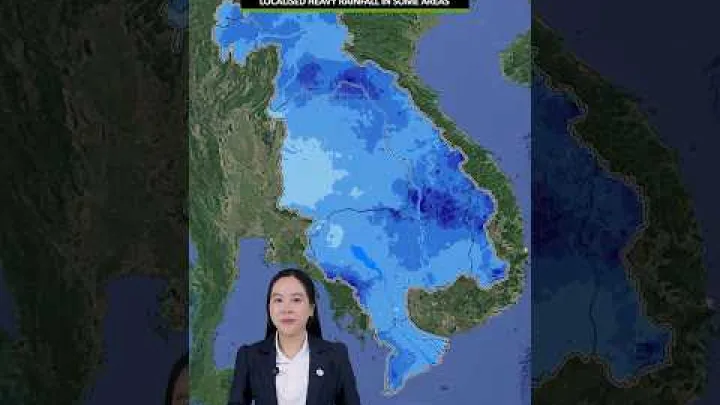
Local rainfall is not exactly the same as the Mekong's seasonal rise. Historical material from the Mekong River Commission archive places the main flood-season period at Kratie broadly from late June into early November, with timing and river height varying between years. Kratie is inland, so planning is shaped by monsoon rain, thunderstorms, river levels, and local flooding rather than beach or sea conditions.
The wet season can be visually attractive: fields are greener, waterways look fuller, and cloud formations can add atmosphere to Mekong views. The trade-off is higher humidity, less reliable dry-weather timing, and changing conditions on rural routes and the river.
Kratie Weather Month by Month
Historical climate information is useful for choosing a season, not for predicting a specific day. Kratie's published climate averages indicate a warm year-round location with an average annual temperature around 27.5°C and annual rainfall around 1,610 mm, according to Kratie climate data. Use the forecast and current river information for your actual travel dates.
A Simple Month-by-Month Travel Guide
| Month | Typical feel | Travel implication |
|---|---|---|
| January | Dry and relatively cool | Excellent for full outdoor days. |
| February | Dry, warming gradually | Good for cycling and riverfront time. |
| March | Hot and often fairly dry | Start active plans early. |
| April | Very hot | Plan shade and a midday break. |
| May | Hot with increasing showers | Carry rain protection. |
| June | Humid and wetter | Allow flexibility for rain. |
| July | Wet and humid | Keep rural plans simple. |
| August | Often very wet | Expect rain-related disruption. |
| September | Wet, high-water period | Prioritize flexible town plans. |
| October | Rain retreating gradually | Green scenery; showers remain possible. |
| November | Transitioning drier | A strong choice for scenery and comfort. |
| December | Drier and relatively cool | One of the best all-round months. |
These descriptions summarize typical patterns, not a fixed timetable. A wet-season morning can be calm, and a dry-season day can still be hot or unexpectedly rainy. Build the daily itinerary around the live forecast rather than the calendar alone.
For a short first visit, January, February, November, and December offer the widest margin for fitting several outdoor plans into one day. March and April are better treated as split-schedule months: put cycling or a Kampi visit early, then keep the hottest hours for rest or shade. From May to October, leave at least one half-day uncommitted so a shower does not eliminate the only chance to visit a rural or riverside attraction.
Best Time to Visit Kratie by Travel Purpose
Kratie's best season changes with the activity. The same conditions that help cycling may not be the main priority for a traveler seeking green river scenery. Use the following comparisons to match your visit to the experience you want.
Dolphin Watching Around Kampi
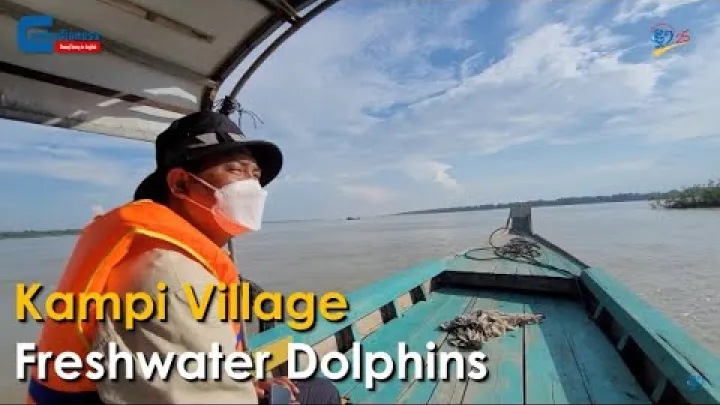
For a visit to the Kampi dolphin area, late November to February is the simplest choice. Lower rainfall, more comfortable air, and generally easier outdoor logistics make it easier to set aside time for the excursion. A morning departure can reduce heat exposure and leave the afternoon open for Kratie town or the riverfront.
Wet-season visits can still be worthwhile, but rain, visibility, river conditions, and boat availability can affect the outing. Dolphin viewing is a wildlife encounter, so no season can guarantee a sighting. Before booking a dolphin or kayaking outing, check the same-day weather, river conditions, and whether the boat operator is running. Ask directly about the planned route, weather limits, and whether conditions are suitable for going on the water.
Cycling Koh Trong and Exploring Rural Areas
The cooler dry months are best for longer cycling and walking around Koh Trong and in the countryside near Kratie. Less rain reduces the chance that an unpaved surface becomes slow or muddy, and lower humidity makes a longer outing easier to enjoy.
March to May can work for active travelers who begin early, use shade, and return before the hottest part of the afternoon. During the wet season, a route that looks easy in dry weather may become muddy after a storm. Pack water, sunscreen, a hat, a compact rain layer, and a flexible plan for getting back to town. This approach matters more than choosing a precise route distance, because local surfaces and ferry arrangements can vary.
Green Landscapes, Wetlands, and High-Water Scenery
The rainy months bring a different version of Kratie. Fields become greener, seasonal waterways are fuller, and the Mekong can look more dramatic than it does in the dry season. Later wet-season months and the transition toward November can appeal to photographers and travelers who value landscape character over consistently clear skies.
Dry-season scenery is often easier to explore on foot or by bicycle, with clearer weather and simpler logistics. Wet-season scenery can be richer and more atmospheric, but cloud, rain, humidity, and access uncertainty are part of the experience. High water is not automatically the easiest or safest condition for every activity, and seasonal wetland or river experiences may not operate in the same way each month. If a particular waterway or wetland excursion is central to your trip, ask locally whether it is operating during your dates rather than assuming the seasonal landscape guarantees access.
Budget Travel and Fewer Crowds
Cambodia's drier travel season often brings stronger demand, while wetter months can be quieter. In Kratie, this may create opportunities for flexible travelers between May and October, but it is not a promise of lower hotel rates or empty transport. The town has a smaller tourism market than Cambodia's major destinations, so availability can be shaped by weekends, holidays, and local operations as much as by season.
If budget is the main priority, compare accommodation and transport prices for several date ranges instead of relying on a presumed monsoon discount. The potential savings of the wetter months should be weighed against the possibility of rain-affected sightseeing and slower travel to rural places.
Practical City-Stay Planning for Kratie
A comfortable Kratie stay is mostly about adapting your schedule to heat and rain. The town itself is easier to manage than a long rural day, but a riverside location and outdoor activities still make weather preparation useful.
Heat, Rain, and What to Wear
Pack lightweight, breathable clothing, comfortable walking footwear, sun protection, and a refillable water bottle. A compact rain layer is useful from May onward and can be helpful in transition months as well. Sandals may suit short town walks, but footwear with grip is more practical for cycling or wet ground.
For hotter or more humid months, accommodation with reliable ventilation or air conditioning can make afternoon rest far more comfortable. Rain logistics also matter on a short visit: a shower can interrupt riverfront time, cycling, transfers, or a walk between restaurants. Let the forecast for your actual dates guide the day's clothing and timing.
For a compact city stay, keep one dry set of clothes and your phone or camera protected from sudden showers. Plan the most exposed activity first when the forecast looks unsettled, then use the riverfront or town as an easier fallback. This keeps a rainy spell from turning a short Kratie visit into a completely lost day.
Roads, Ferries, and Local Access After Rain
Staying in Kratie town is usually less weather-sensitive than reaching rural attractions. Smaller local roads, unpaved approaches, and river crossings can be affected after heavy rain, even when the main overland journey appears straightforward. This is particularly relevant for a trip toward Kampi or a visit involving Koh Trong.

During wetter months, allow extra time and confirm local road conditions and ferry access before leaving town. If access is uncertain, choose a town-based alternative such as the Mekong riverfront, local streets, or a relaxed café stop rather than committing to a route that may be slow or impractical. Do not rely on old ferry times, fares, or online reports as a substitute for current local information.
A useful rule is to leave only when a current local check confirms that the route and crossing are operating. If that check is unavailable, keep the outing short and close to town, and avoid making a fixed return connection depend on a rural road after heavy rain.
Planning Dolphin and River Outings Around Live Conditions
A historical monthly table cannot tell you whether a specific river outing is appropriate on the day. Before any boat or kayaking activity, review the latest local forecast, thunderstorm warnings, current river conditions, and operator status. Ask the operator whether the trip is running safely, what weather may cause cancellation, and whether safety equipment is provided.
Keep water-based activities flexible in the rainy season. A change of plan is often better than trying to fit a river trip into a poor weather window, especially when thunderstorms are possible.
When to Reconsider a Visit to Kratie
Kratie is not closed to visitors in the hot or rainy season, but some travelers will enjoy it more at another time. The decision depends on your tolerance for heat, need for reliable outdoor logistics, and interest in river and rural activities.
Reconsidering the Hottest Months
March to May is the least comfortable period for travelers sensitive to heat or planning long daytime activity. Clear skies do not remove the effect of high temperatures and rising humidity. Cycling, walking, and waiting for a boat can become tiring much earlier in the day than expected.
If comfort and extended exploration are your priorities, choose late November to February instead. If you must travel during the hot period, schedule demanding activities in the morning or late afternoon, carry water, seek shade, rest at midday, and keep the planned distance or activity length realistic.
Reconsidering the Wettest and Highest-Water Periods
August and September are typically the hardest months for travelers who need dependable dry-weather logistics. October can still be wet as the monsoon transitions. Heavy showers, lightning, muddy access routes, reduced visibility, high river levels, and local flooding can affect a rural or river-focused plan.
Conditions can differ sharply from historical averages in an unusual flood year, and places near the Mekong may change faster than a monthly summary suggests. Follow current official warnings and postpone low-lying or river activities when flooding, lightning, strong winds, or unsafe currents are reported. A safer response is to remain in Kratie town, move the activity to a better weather window, or reschedule the excursion rather than forcing it.
Final Recommendation for the Best Time to Visit Kratie
Visit Kratie from late November to February for the best overall balance of lower rainfall, relatively comfortable temperatures, and easier access to outdoor experiences. December and January are especially strong choices for time on the Mekong riverfront, a Kampi dolphin outing, and cycling around Koh Trong.
Choose the rainy season if green landscapes and seasonal river scenery matter more than predictable logistics, or choose March and April only if you are prepared to organize days around the heat. Whatever month you select, treat climate patterns as a guide and make final daily decisions using the live forecast, river conditions, and local advice.
Select area
Create a post
Posting is free and no registration is required.