Kampong Cham Where to Stay: Best Areas & Lodging

Choosing where to stay in Kampong Cham is mainly a choice between central convenience and a slower rural experience. For most visitors, the riverside park and nearby central streets make the easiest base for meals, errands, and short stays. Rural homestays and retreats offer more scenery and quiet, but need more deliberate planning. This guide compares the main areas and accommodation types so you can match your base to your time, comfort needs, and travel style.
How to Choose Where to Stay in Kampong Cham
Kampong Cham has a smaller accommodation market than Cambodia's largest visitor cities, so it is more useful to choose an area first and then compare the available rooms. Decide whether you want to be able to walk to food and everyday services, or whether the lodging itself is a key part of the trip.
The Riverside Is the Best Default Base
The riverside park and the streets close to the central waterfront are the best default base for first-time visitors, one-night stopovers, and travellers who want simple logistics. This area puts you near the Mekong riverbank, central services, and a concentration of hotels and restaurants. It is also the most practical choice if your arrival or departure time is uncertain, because you are not dependent on a long transfer to a rural property.
A central base suits independent travellers, families who need easy access to shops, and visitors who prefer to decide on meals and short outings as they go. The riverfront has atmosphere and views, while streets just behind it can be equally convenient. Choose a room a little inland if a view is less important than a calmer setting or a lower room rate.
Convenience does not mean every room will be quiet. Waterfront roads can have passing traffic and early-morning activity, while central hotels may have more nearby business noise than a countryside stay. For evening movement, use active central streets or arranged transport rather than relying on unfamiliar routes that may be poorly lit.
When a Rural Stay Is the Better Choice
Choose a rural stay when the accommodation is part of the purpose of your visit. Village lodging and riverside retreats can suit travellers interested in quiet, local surroundings, river scenery, or a community-oriented experience. They are not simply distant versions of a city hotel: dining choices, facilities, and the ability to move around independently may be more limited.
A useful decision rule is simple. Stay in town if you have one night, want flexible dining, or expect to spend most of the day exploring from a convenient base. Stay outside town if you have time to enjoy the property, are comfortable with a slower schedule, and value the setting more than immediate access to services. For a longer visit, combining central nights with one or two rural nights can give you both options.
Before making a rural property your only base, confirm a daytime arrival transfer and an evening transport plan with the property. Also ask what food, drinks, and basic services are available on site, rather than assuming they will match a central hotel.
The Best Areas to Stay in Kampong Cham
The following areas are practical ways to think about Kampong Cham lodging. They are not strict administrative hotel districts, and the exact position of each property matters as much as its general area.
Riverside Park and Central Waterfront
The riverside park and central waterfront are the main visitor-oriented lodging zone. This is where river views, central walking routes, food options, and local services are most likely to come together. LBN Asian Hotel is a useful location reference: its own information places it on Sihanouk Boulevard beside the riverside park. See LBN Asian Hotel for its current address and property details.
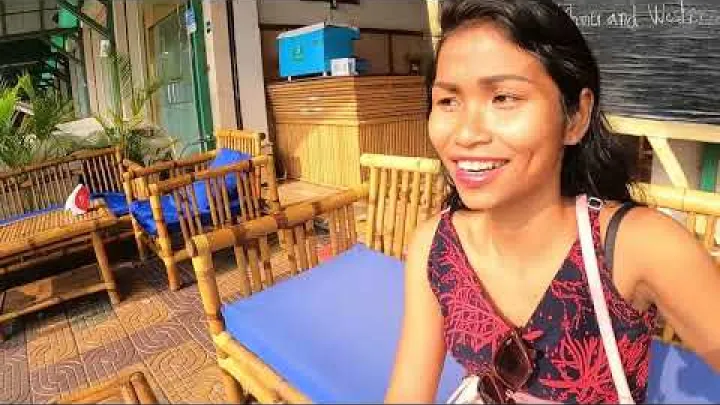
KC River Hotel is another riverside reference point. A current listing describes it as a three-star riverside hotel, but availability, room types, and guest feedback can change over time. The area is a strong match for travellers who want a river-facing room, a straightforward place to eat nearby, and an easy base for short visits.
Direct waterfront rooms may provide the best outlook, but they can also be closer to road activity. A hotel a few blocks inland may have no river view yet still be close enough for a short walk to the park and may feel less exposed to traffic. Older budget buildings are also more common in smaller provincial cities, so look beyond photographs and read recent comments about room condition, ventilation, and noise.
Inner-City Streets Behind the Riverside
The streets behind the waterfront are a sensible alternative for visitors who want to remain central without paying extra for a river-facing location. This is not a single clearly bounded district; it is a practical description of the central streets set back from the river. You may find guesthouses, smaller hotels, and places with easier vehicle access or parking.

Compared with the waterfront, these streets usually trade views for a more local setting. They can suit budget travellers, road-trippers, and anyone who expects to use the room mainly for sleep. Price differences are not guaranteed, but rooms without a riverfront position can sometimes be better value.
Inspect the exact map pin rather than booking only from an area label. Look at the route to restaurants and the riverfront, note whether there are active businesses nearby in the evening, and check recent guest photos for pavements, entrances, and parking. If you arrive by motorcycle or car, ask about secure parking and access before reserving.
Chiro Village and Nearby Rural Riverbanks
Chiro village and nearby rural riverbanks appeal to visitors who want village surroundings rather than an urban base. OBT Chiro Village Homestay is a named example of community-based lodging in the wider Kampong Cham area. Its attraction is the possibility of a more immersive stay, with simple bamboo-style accommodation, river scenery, and a setting where the pace is different from central Kampong Cham.
This style of lodging is best for travellers who value social-impact travel and local atmosphere over hotel-like convenience. Expect fewer independent dining options, simpler facilities, and less flexibility if you want to go into town after sunset. A city-and-Chiro combination is often more flexible than treating the homestay as the base for every night: use town for arrival and sightseeing logistics, then allow enough time to enjoy the rural stay.
Confirm your arrival, departure, and after-dark movement in advance with the homestay. Ask specifically about the route, transfer price, meal arrangements, bathroom type, bedding, and the facilities available during your dates. These details matter more in a village setting than a general accommodation category label.
Hanchey and Other Out-of-Town Retreats
Hanchey and other out-of-town properties are for travellers who want a retreat rather than a convenient city base. Hanchey Bamboo Resort presents itself as an eco-friendly retreat that combines Khmer hospitality with sustainable design, as described by Hanchey Bamboo Resort. That positioning makes it a relevant option for visitors who want landscape, design, and time at the property to be part of the experience.
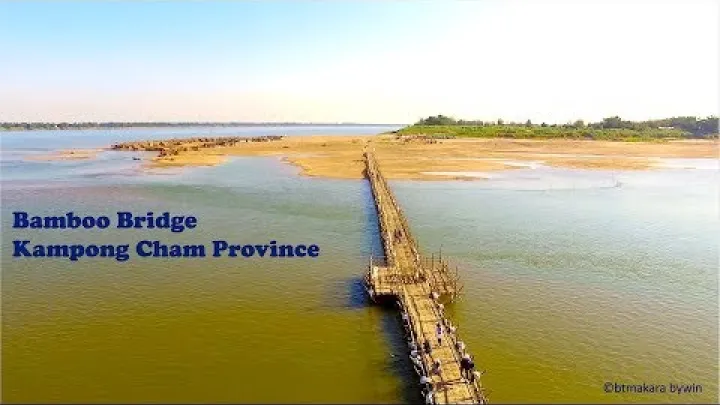
A retreat can be a good choice for couples seeking privacy, travellers who want to slow down, or anyone happy to organize their days around the property. It is less suitable if you expect to move freely between restaurants, shops, and town sights throughout the day. Treat it as a destination stay, not as an interchangeable substitute for a central hotel.
Before arrival, ask about dining hours, mobile signal or Wi-Fi, and the transfer schedule. For trips in wetter periods, check current road conditions and the expected transfer timing with the property, since access outside town can be more sensitive to local conditions.
Accommodation Types in Kampong Cham
In Kampong Cham, the right lodging type depends more on verified facilities and location than on a star label. Compare the actual room, property services, and map position for your dates.
Budget Hotels and Guesthouses
Budget hotels and guesthouses work well for short stopovers, independent travellers, and visitors who plan to be out most of the day. They can offer a private room in a central location without the cost of larger hotels, especially on streets close to but not directly on the waterfront.
The important questions are practical: is the room air-conditioned or fan-cooled, is there a private bathroom, is hot water available, and does the Wi-Fi reach the room? Also check room photos for window size, natural light, and the general state of furnishings. In this category, dated interiors, limited sound insulation, and uneven amenities are possible, so a good location should not replace a close look at recent guest feedback.
Published price examples can become outdated quickly. Use current listings to compare the actual rate for your travel dates, then choose based on the room features you need rather than an old advertised starting price.
Mid-Range Hotels
Mid-range hotels are the practical upgrade for visitors who want more predictable comfort, formal reception, air conditioning, parking, or potentially additional facilities. They can be particularly useful for families, business travellers, older visitors, and anyone who expects to spend meaningful time in the room.
LBN Asian Hotel and KC River Hotel are central examples worth comparing when available. Expedia currently describes KC River Hotel as a riverside three-star property with a reported guest rating of 8.2; its listing also mentions Wi-Fi, parking, and a sauna. Review the current Expedia details alongside the hotel information before relying on any individual feature.
A higher rate may buy a better location, a larger room, or more consistent facilities, but it does not automatically guarantee quiet, strong Wi-Fi, or excellent maintenance. Read recent reviews for these specific issues, and ask directly if pool access, room brightness, a lift, or a quieter room matters to you.
Homestays and Community-Based Lodging
A homestay differs from a hotel because the experience can include closer contact with local life and a more informal setting. The trade-off may be less privacy, fewer standardized services, and a greater need to understand what is included. OBT Chiro Village Homestay is the principal local example for travellers looking for a rural, community-oriented stay.
This option suits visitors who welcome a slower schedule, village surroundings, and simpler accommodation. Do not assume that every homestay has the same room standard. Ask whether bathrooms are private or shared, what bedding is provided, whether there is air conditioning or a fan, and how meals are arranged. It is also sensible to ask how the property manages heat, insects, water, and electricity during your stay.
Respectful behaviour matters in community settings. Follow local guidance on shared spaces, dress appropriately for the setting, and agree on meals, activities, and transport arrangements clearly. Two nights can offer better value than a rushed overnight, because it gives time to settle in and experience the place without turning the stay into a transfer stop.
Eco-Resorts, Bungalows, and Retreat Lodging
Eco-resorts and bungalow properties are experience-led stays. Their design, natural setting, and on-site atmosphere are part of what you are booking, rather than simply a place to sleep near town. Hanchey Bamboo Resort is the clearest documented local example of this category.
These properties can work for couples wanting more privacy and for travellers seeking a quieter base. However, bungalows vary greatly. One may have reliable cooling, a restaurant, and strong connectivity, while another may be deliberately simple. Confirm air conditioning or fan provision, mosquito protection, Wi-Fi or mobile signal, restaurant hours, and the cost of transfers before choosing.
The main trade-off is flexibility. A central hotel makes it easier to change your dinner plans or run errands; a retreat makes more sense when you are happy to spend much of the day on site. Choose the latter for the setting, not only because it appears quieter on a map.
Where to Stay by Trip Type
Your ideal base changes with the length and purpose of the trip. Start with the amount of time you have, then decide how much daily transport you are willing to arrange.
One-Night Stopovers and First-Time Visits
For one night, choose a central riverside or nearby inner-city property. The priority is reducing friction: an easy arrival, food within the central area, and a simple departure the next day. A riverfront hotel can add atmosphere, but an inland hotel close to the waterfront may be equally practical.
Use a simple booking sequence. First select the central zone. Next inspect the map pin and nearby services. Then confirm your likely arrival time against the property's check-in arrangements, and finally compare the room comfort features that matter most. Moving to a rural property is usually inefficient for a brief stop unless the lodging experience is the main reason for the visit.
Sightseeing, Cycling, and Two-Night Stays
With two nights, a city base gives you more flexibility to combine the riverside with time in the surrounding countryside. It also lets you decide whether a separate rural overnight is worth the transfer. Visitors who want evening town access usually benefit from remaining central, while those focused on a village or retreat experience may prefer to split the stay.
Cycling and rural exploration depend on current local conditions, not just a map. Before relying on a remote route, confirm the condition of roads, bridges, and access to the places you intend to visit. This is especially important after periods of heavy rain, when smaller routes and riverside paths can change more quickly than central streets.
Families and Couples Seeking Comfort or Privacy
Families often benefit from a central mid-range hotel because food, shops, and everyday needs are easier to reach. Check the exact room configuration, whether extra beds are available, parking, meal options, and access to pharmacies or basic supplies. If a pool is important, confirm that it is open and appropriate for the children in your group rather than assuming it from a general hotel description.
Couples can choose between the riverfront atmosphere of central Kampong Cham and the seclusion of an out-of-town retreat. The waterfront is better for spontaneous meals and short walks; a retreat is better when privacy and time at the property matter more. Neither option is universally more romantic or family-friendly, because current room layouts and facilities vary by property.
Longer Stays and Remote Work
For a longer stay, prioritize reliable connectivity, a usable desk or table, power reliability, air conditioning, laundry, and nearby food. A central hotel or guesthouse is generally the more flexible choice for errands and changing work routines. A quiet retreat may suit focused work, but only if its connection and workspace are confirmed.
There is limited current evidence for dedicated coworking facilities and long-stay services in Kampong Cham. Do not treat a good general hotel rating as proof that it is suitable for remote work. Start with a short reservation where possible, test the Wi-Fi and room environment yourself, and extend only when noise, power, workspace, and practical services meet your needs.
What to Check Before Booking
A careful booking process is especially useful in a small lodging market, where a property may have limited room types and information can change quickly.
Check Current Listing Status and Exact Location
Listings, prices, operating status, and facilities can change. A current booking page shows a limited selection of Kampong Cham properties, including LBN Asian Hotel, Hanchey Bamboo Resort, and other hotels and bungalows; use Booking.com to compare what is currently bookable for your dates. Where possible, compare the platform page with the property's own current information.
Before paying, check the exact map position, distance to food and services, check-in time, cancellation terms, included facilities, and any transfer arrangements. Treat older travel-guide prices and old reviews as historical context rather than a promise of present conditions. Direct confirmation is particularly valuable for rural properties and any facility that will materially affect your stay.
Compare Room Comfort, Noise, and Night-Time Walking
Room comfort in Kampong Cham is shaped by the warm climate as much as by the room rate. Air conditioning or effective ventilation, hot water, mosquito protection, natural light, and sound insulation can all make a meaningful difference. Ask for a quieter room when possible and look at recent reviews for repeated comments about traffic, maintenance, or noise.
Riverfront accommodation can be close to traffic and early activity, while inner streets or rural settings may be calmer but less convenient. For personal security, keep valuables secure and prefer active central routes at night. If a route is unfamiliar or poorly lit, arrange transport rather than assuming that walking will be comfortable.
Plan for Rain, Flooding, and Rural Access
Heavy rain and changing river conditions can affect low-lying paths, rural roads, riverbank walkways, islands, and seasonal crossings. This does not mean every riverside property will flood or close, but it does mean access can be less predictable during wetter periods.

If conditions are uncertain, a central hotel is usually the more flexible base. Before travelling to a rural property during the rainy season, ask about current road access, bridge status, riverbank conditions, and transfer timing. A practical fallback is to keep a central-city option available or select a flexible booking that allows you to adjust plans if local access changes.
Final Recommendation for Where to Stay in Kampong Cham
For most first-time visitors, stay near Kampong Cham's riverside park or on nearby central streets. You will have the simplest access to food, services, and the central waterfront, with a choice between river views and quieter rooms set back from the road.
Choose Chiro village or Hanchey only when the rural or retreat experience is a central part of your trip and you can plan transfers and on-site needs in advance. For a longer visit, the most balanced approach is often to begin in town and add a rural overnight if you want more quiet, scenery, or community-based accommodation.
Select area
Create a post
Posting is free and no registration is required.