Sen Monorom Budget: Daily Travel Costs and Price Guide

Sen Monorom can be one of Cambodia's more affordable places to slow down, especially for travellers who use simple guesthouses, eat local food, and keep remote excursions selective. The main budgeting challenge is not everyday spending in town; it is deciding how much to allocate to transport and major conservation activities. This guide gives practical Sen Monorom prices and planning ranges for different travel styles, with separate allowances for one-off costs. All figures are indicative estimates in US dollars unless stated otherwise, and international flights are not included.
Compared with Phnom Penh, Siem Reap, or Cambodia's coastal resort areas, Sen Monorom can offer lower everyday costs and a quieter setting. It is also more rural, so a remote waterfall trip, private driver, or organised forest experience can cost more than a day spent walking between the central market, guesthouses, and cafes. The most useful approach is to budget ordinary town days first, then add the specific excursions you actually want.
Sen Monorom Budget at a Glance
Sen Monorom is a rural provincial town rather than a large city or resort centre. Everyday costs can be moderate, but the distance to waterfalls and forest activities means transport choices have a large effect on the final total. Plan ordinary days separately from premium activity days.
How Much to Budget Per Day
For an ordinary day in Sen Monorom, a careful budget traveller can plan around $25–35 per person. This assumes a dorm bed or a shared basic room, mostly local meals, modest local movement, and free or low-cost exploration. A mid-range traveller should allow about $50–80 per person for a private room, mixed local and Western food, and paid local transport. A comfortable trip starts around $120 per person per day when it includes better accommodation, restaurant meals, and private or pre-arranged transport.
| Travel style | Accommodation | Food and drinks | Local transport | Activities and discretionary spending | Ordinary daily total |
|---|---|---|---|---|---|
| Careful budget | $5–10 | $7–12 | $3–7 | $2–6 | $25–35 |
| Mid-range | $20–40 | $15–25 | $8–15 | $5–15 | $50–80 |
| Comfortable | $40–80 | $25–40 | $20–35 | $35–60 | $120+ |
These are evidence-based planning bands, not official averages or guaranteed rates. The category figures are typical allocations rather than a promise that every minimum and maximum will occur together; the rounded total also leaves room for small purchases and uneven spending between days. The budget and mid-range examples assume a solo traveller who can share some transport; a couple sharing a room can reduce the accommodation cost per person. Add an elephant sanctuary programme, a private vehicle, or a multi-day guided trek as a separate expense. Recheck accommodation, transport, and activity prices before booking, and keep a small contingency above the stated daily range.
What Each Daily Budget Includes
A budget day means basic lodging, Khmer meals, walking around the central guesthouse and restaurant area, and either no paid excursion or a low-cost one. A scooter rental shared over a full day may fit this level for an experienced, properly licensed rider, but it is not necessary for every day. A traveller staying in a private room alone may exceed the lower end even when eating cheaply, while two people sharing a basic room can come closer to it.
A mid-range day normally allows a private room, a cafe breakfast or one Western-style meal, and a scooter, tuk-tuk, or arranged transfer for an outing. It also leaves room for a modest entrance fee, a guide contribution, or a few drinks. A comfortable day prioritises a higher-quality room, frequent restaurant meals, and convenient private transport rather than trying to keep every category low. These daily bands work best for comparing travel styles, not for pricing a fixed itinerary line by line.
Intercity buses, sanctuary visits, and overnight packages are not recurring daily costs. Treat them as separate lines in your trip fund. Sharing a private room commonly improves value for two people, while sharing a tuk-tuk or vehicle can make an otherwise expensive waterfall day much more reasonable per person. If you stay only two nights, divide the return journey by two nights; on a five-night stay, the same access fare has a much smaller effect on the daily average.
Why Ordinary Days Are Cheap but Signature Experiences Are Expensive
The practical implication is simple: Sen Monorom can be inexpensive until you add a signature experience. A basic day with a dorm bed, local meals, and town exploration may be close to $30. A day that includes a $50-class elephant experience can reach $80 or more before accommodation and meals, even if the rest of the trip remains careful.
This is not a reason to avoid the paid highlight. Conservation-focused programmes fund staff, animal care, guiding, transfers, and interpretation, so their price structure is different from a guesthouse or market meal. A balanced itinerary can place one sanctuary day between lower-cost days for Bousra Waterfall, local cafes, viewpoints, or a relaxed walk around town. The key budgeting decision is whether the experience is a planned centrepiece or an unplanned addition that comes out of your food and accommodation money.
Accommodation Costs in Sen Monorom
Accommodation is usually the easiest category to control. Inventory is smaller than in Phnom Penh, Siem Reap, or Cambodia's coastal resort areas, so compare the actual room, location, and inclusions rather than relying only on a low headline rate.
Dorms and Basic Guesthouses
Dorm beds have been listed from about $4, making them the lowest-cost base for solo travellers. Current availability changes, but Booking.com has shown Sen Monorom properties from roughly $7 and private-room offers around the high teens for selected dates. A dorm-bed price is per person; a private-room price is for the room and can become better value when two people share it.

For planning, simple private rooms and bungalow-style stays often fall around the high teens to high-$20s, although dates, bathroom type, and location matter. A very low rate can mean a shared bathroom, fan cooling, fewer facilities, or a setting outside the most convenient central area. It should not be treated as a guaranteed town-wide rate.
Location is part of the real price. A room near Sen Monorom's central guesthouse and restaurant area may save money on short tuk-tuk rides, while a countryside property may offer gardens, views, or a quieter atmosphere but require a transfer whenever you go into town. Compare the nightly rate with the transport you expect to use, not just the room price shown in a search result.
Mid-Range and Comfortable Rooms
A useful mid-range private-room band is approximately $20–40 per night. At $40–80, travellers may find more space, a private bathroom, hot water, gardens, views, a restaurant, a pool, or more dependable Wi-Fi. The value depends on priorities: a central location may save local transfer costs, while an outdoor lodge may be worth more to a traveller who wants a quieter setting.
Sen Monorom has fewer conventional luxury hotels than Cambodia's major urban and resort destinations. Spending more can make a stay more comfortable, but it does not always produce the full-service luxury experience found elsewhere. Look at current photos, recent guest comments, room conditions, breakfast terms, and the exact cancellation policy before choosing between Nature Lodge-style countryside accommodation and a central guesthouse.
For couples, the $20–40 private-room band can be especially useful because the cost is divided between two people. For solo travellers, a dorm may remain the clearest saving unless privacy, quiet, or a dependable bathroom is worth the difference. A higher rate is most defensible when it replaces other spending, such as a paid breakfast, repeated town transfers, or the need to arrange separate transport.
How to Lower the Real Cost of a Room
Compare the whole stay rather than only the nightly price. A dorm is usually cheapest for one person, while a shared private room may be better for two. Ask whether breakfast, Wi-Fi, water refills, parking, or assistance arranging local transport is included. These items are only real savings if you would otherwise pay for them.
Sen Monorom's cooler highland conditions can make fan-cooled rooms acceptable for some travellers, but blankets, hot water, and basic insulation may matter more during cooler periods. During busier dry-season dates, reserve desirable low-cost rooms earlier rather than expecting last-minute availability. Read recent reviews and cancellation terms carefully before selecting a very cheap property.
Food and Drink Prices in Sen Monorom
Food can keep a Sen Monorom travel budget low if most meals are local. Cafe meals, desserts, alcohol, and frequent Western dishes are still affordable for many international visitors, but they change the daily total quickly.
Local Meals and Market Eating
Khmer restaurants and market eating are the main low-cost options. Local main dishes can begin at about $2, so a day based on simple local food may fit roughly $5–10 for meals, depending on portions and drinks. The markets in Sen Monorom are useful for fruit, snacks, and simple supplies, although individual item prices vary.
Check the current menu or ask the price before ordering if it is unclear. This is particularly useful for dishes sold without posted prices and for add-ons such as drinks or rice. Local Sen Monorom prices should not be assumed to match a Cambodia-wide average.
A market purchase is not always a full meal, so allow for a second dish, fruit, or a drink when building a daily total. Guesthouse kitchens and nearby shops can also help with breakfast supplies, but the saving depends on whether the accommodation actually provides useful preparation facilities. The practical comparison is between the total cost of a meal and the convenience of eating at a cafe or restaurant.
Cafes, Western Food, and Shared Meals
Cafes provide an easy way to add variety. As a time-sensitive local example, Bamboo Cafe has offered breakfast items around $2.50–3, but its menu and prices can change. A cafe breakfast plus a local lunch and dinner can still be moderate; three restaurant-style meals, desserts, and coffee stops will push the food budget toward the mid-range level.
Mondulkiri Pizza is a useful example of a larger meal that can work well when shared. The local guide from Mondulkiri Project highlights local markets, cafes, and pizza as food options in town. Sharing larger items reduces the per-person cost, while ordering individual Western meals repeatedly raises it.
A local-food day may be around $7–10 including basic drinks. A mixed day with a cafe breakfast, local lunch, and a Western dinner may be closer to $15–25. Use those figures as a choice guide rather than a fixed menu prediction. If your accommodation includes breakfast, move that allowance to lunch, dinner, or an excursion rather than counting it as extra spending.
Drinks and Small Daily Purchases
Small purchases often explain why a careful budget is exceeded. Coffee, bottled water, soft drinks, beer, snacks, laundry, mobile data, and desserts can add several dollars over a day even when main meals are inexpensive. Prices differ between markets, guesthouses, cafes, and remote attractions, so it is safer to add a discretionary allowance than to rely on exact venue figures.
Track these purchases on the first day. That gives a realistic pattern for the rest of the stay and shows whether cafe visits or evening drinks are a meaningful part of your travel style. A traveller who wants a strict $25–35 day should decide in advance whether coffee, alcohol, laundry, and data belong inside that figure or in a separate trip allowance.
Transport Costs to and Around Sen Monorom
Transport is a major difference between a short trip and a longer stay. Overland access has a fixed cost, while local transport depends on whether you travel independently, hire a driver, or split vehicles with other visitors.
The Cost of Reaching Sen Monorom from Phnom Penh
For most visitors, an overland bus or minivan from Phnom Penh is the main access expense. A practical standard-seat planning range is about $10–17 each way, although booking listings can show a broader range. Rome2Rio lists bus costs from $10 to $35, illustrating why the operator, timing, and service type matter.
Allow a little extra for getting to the Phnom Penh departure point and from the Sen Monorom drop-off point to your accommodation. A $30 return seat cost adds about $15 per night on a two-night stay, $10 per night on a three-night stay, and $6 per night on a five-night stay. Staying longer makes this fixed access cost less important in the daily average.
Confirm the current fare, departure point, baggage allowance, and arrival transfer with your selected operator before travel. A shared seat is not comparable to a private car or premium transfer, which should be budgeted separately. Also check whether the quoted fare is one-way and whether the operator drops passengers at a central point or expects a separate local ride.
Scooters, Tuk-Tuks, and Local Transfers
Scooter rental around $7 per day is a useful independent-exploration reference, subject to local confirmation. Add fuel, a possible deposit, a helmet, and any damage terms when comparing it with a driver. For one person, a scooter can be economical only if it replaces several paid trips. For a couple, its cost per person falls; for a group, a shared tuk-tuk or car may be better value.
Tuk-tuk and moto prices are less standardised. Distance, waiting time, road condition, passenger numbers, and whether the driver must return later all affect the quote. A hired driver costs more than self-guided travel but can remove the need to navigate and can be the more practical option for travellers who do not ride confidently. Do not assume every visitor is licensed, insured, or comfortable on hilly rural roads.
Transport to Waterfalls and Remote Activities
Bousra Waterfall and other remote activities may have modest admission charges but meaningful transport costs. Independent scooter travel can be the lowest direct cost for a suitable rider. A shared tuk-tuk, private vehicle, or tour costs more up front but may be preferable when roads are wet, time is limited, or several people can split the price.
Before agreeing to a vehicle, establish whether fuel, driver waiting time, entrance fees, lunch, and the return journey are included. This turns a vague quote into a useful total and prevents comparing an incomplete transport price with a bundled tour. Splitting a longer excursion among several travellers can make a full day outside town far more affordable. If you hire a vehicle for several stops, agree whether the driver is charging by the route, by the day, or by waiting time.
Activities and Entrance Fees
Activity spending is where a low daily budget can change sharply. Separate simple nature days from professionally run sanctuary and trekking programmes, then choose the mix that fits the trip rather than trying to make every day equally cheap.
Elephant Sanctuary Costs
Ethical elephant programmes are the principal high-cost activity around Sen Monorom. The Mondulkiri Project advertises no-riding elephant tours from $50. Elephant Valley Project lists visit options at about $60 and $100 per person, including VAT, depending on the programme. See the current Elephant Valley Project options for the exact itinerary and price.
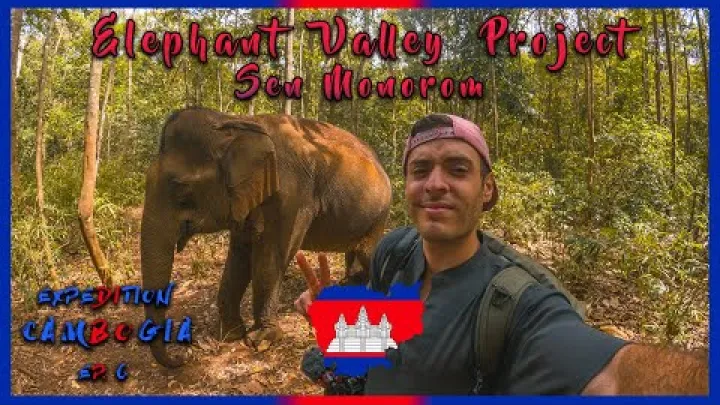
Do not compare two prices without comparing inclusions. A programme may include Sen Monorom transfers, guiding, meals, observation time, and conservation interpretation; another may have different timing or transport arrangements. One-day visits are distinct from multi-day trekking or overnight packages, which can sit much higher in an activity budget.
Choose based on welfare standards as well as price, including whether riding is prohibited and how observation is managed. Review the sanctuary's current official programme, inclusions, welfare policy, and cancellation terms before paying. Availability and departure arrangements may require advance confirmation.
Bousra Waterfall and Low-Cost Nature Days
Bousra Waterfall is a useful lower-cost outing, but the ticket is only one part of the cost. A reported foreign entrance fee is around 10,000 riel, approximately $2.50, as an indicative figure rather than an official tariff. Transport, lunch, facilities, and any vehicle-related charge can make the day notably more expensive than admission alone.
Verify the current entrance fee and any vehicle or facility charges locally before leaving town. Nearby viewpoints, unstructured walks, and time in Sen Monorom's central area can be lower-cost alternatives when no formal fee is documented. Distinguish clearly between free access, a low entry fee, and a paid ride to reach the place.
Treks, Cultural Visits, and Independent Exploration
Guided jungle treks and cultural visits cost more because they may include a guide, transport, food, interpretation, and overnight arrangements. Multi-day elephant and forest packages show why guided outdoor experiences can use a large share of a travel budget. Ask what is included before comparing offers, especially accommodation, meals, transfers, and group size.
Independent town walks, markets, viewpoints, and quiet rest days can lower activity spending. Remote areas should not be treated as casual self-guided attractions without suitable local knowledge. For Bunong cultural experiences, arrange respectfully, pay fairly, and use locally organised guiding where available rather than expecting communities to provide free entertainment.
Seasonality, Payment, and Cost-Saving Decisions
Good budget planning is mostly about choosing when to reserve, how to pay, and which costs to share. The best approach leaves room for changing local conditions instead of relying on a tightly fixed total.
Peak Season, Weekends, and Rainy-Season Contingency
The cooler, generally drier period from November to February can bring stronger demand for rooms and popular activities. Weekends and Cambodian holidays may also create availability pressure, although there is not enough local evidence to assume a standard surcharge. For dry-season travel, reserve the room and any must-do sanctuary programme early.
Rain can affect road access, scooter suitability, vehicle choice, and the feasibility of joining shared excursions. In wetter periods, prioritise a flexible transport plan and keep a contingency instead of assuming large rainy-season discounts. Check current road and weather conditions before committing to a scooter journey or remote excursion.
Currency, Cash, and Payment Checks
Prices in Cambodia may be quoted in US dollars or Cambodian riel, so confirm the currency before paying. Carry small denominations for market food, snacks, local transport, and minor entrance fees. Cards may work at some accommodation and organised activities, but do not assume that every guesthouse, restaurant, operator, or rural attraction accepts them.
Exchange-rate rounding, change, deposits, and payment timing can cause small differences from a planned total. Carry small cash in the currency requested locally and confirm the exchange rate and card acceptance before ordering or checking in. Confirm the final amount and payment method before a booking is treated as final.
Practical Ways to Save Without Cutting the Experience
The highest-impact saving is controlling paid activities: choose one major sanctuary or guided day rather than adding several premium programmes. Next, share a private room or transport where practical, then use local meals for most of the trip. Small purchases matter, but they usually have less impact than accommodation, excursions, and vehicle decisions.
- Reserve low-cost accommodation and major sanctuary visits for busy dates, while comparing cancellation conditions.
- Share private rooms, tuk-tuks, and larger meals when it is safe and practical.
- Mix Khmer meals with selected cafe or Western meals rather than choosing tourist-oriented food every time.
- Alternate one expensive activity day with a low-cost waterfall, town, or rest day.
- Use included breakfast and water refills when they genuinely replace a planned purchase.
Do not treat unsafe or unlicensed scooter use as a saving tactic. A driver or shared vehicle can be the better financial decision when it avoids damage, medical, or weather-related risk. Before booking, rank your savings decisions in this order: choose the room carefully, price the major activity, compare shared transport, and only then trim minor drinks or snacks.
Sample Sen Monorom Budgets by Trip Style and Length
The following examples are illustrative estimates for one person. They show why intercity access and premium experiences should remain visible instead of being hidden inside a daily average. They also assume that the traveller is not paying for international flights, travel insurance, or onward travel after Sen Monorom.
Two-Night Budget Backpacker Example
A two-night backpacker trip can use a dorm or shared basic room, local meals, limited local transport, and one low-cost nature outing. This example assumes accommodation is a dorm bed or a shared room and that the traveller shares a local vehicle where possible.
| Item | Estimated cost |
|---|---|
| Two nights of basic lodging | $8–30 |
| Food and small drinks | $18–30 |
| Local transport | $10–20 |
| Low-cost nature activity | $3–10 |
| Phnom Penh return transport | $20–34 |
| Contingency | $10–15 |
| Illustrative total | $69–139 |
Adding a $50-class sanctuary day changes the total to roughly $119–189 before any upgrade in lodging or food. For this reason, set aside a separate activity fund rather than assuming the ordinary backpacker daily rate covers the trip highlight. If the sanctuary transfer is already included in the programme, do not add the same journey again under local transport.
Three-Night Mid-Range Example
A three-night mid-range stay can include a private room, mixed food, a scooter or occasional tuk-tuk, one waterfall day, and one guided or sanctuary experience. Ordinary spending at $50–80 per day produces $150–240 for three days, but the premium activity should remain a separate visible line.
Add a sanctuary programme of about $50–100, return transport from Phnom Penh of about $20–34, and a small allowance for snacks, drinks, or booking charges. A realistic solo total is therefore around $230–390, depending on the room, vehicle choice, and programme. A couple sharing a $30–40 room and a scooter or tuk-tuk does not double those categories, so their per-person accommodation and transport costs may be lower. Do not count a transfer twice if it is already included in a tour.
For a couple, the main saving comes from dividing the private room and a vehicle, not from assuming that meals or sanctuary admission will be half price. For a solo traveller, joining a shared excursion may be more economical than hiring a private driver, but only if the departure time and itinerary suit the trip.
Comfortable Trip with a Paid Sanctuary Day
A comfortable four-night trip might use a $40–80 room, regular cafe and restaurant meals, arranged local transport, a waterfall outing, and a $60–100 sanctuary programme. With private-room spending, food of $25–40 per day, and convenient transport, the trip can exceed $120 per person per day even though basic living costs in town remain moderate.
Private Phnom Penh transfers and multi-day trekking packages can lift the total well beyond this range. To lower the cost without losing the central experience, keep the sanctuary day, choose a comfortable but not premium room, share a vehicle for Bousra, and use local meals on some days. A comfortable budget should therefore be treated as a flexible ceiling rather than a fixed luxury-hotel rate.
Final Sen Monorom Budget Checklist
Set an ordinary daily budget that matches your room and food preferences, then add transport to Sen Monorom, remote-excursion transport, and premium activities separately. Reserve early for high-demand dates, keep small cash for local spending, and allow a contingency for changing fares or conditions. For many travellers, the best Sen Monorom budget is not the lowest possible total: it is a plan that protects one meaningful conservation or nature experience while keeping the remaining days simple and flexible.
Select area
Create a post
Posting is free and no registration is required.