Sen Monorom Travel Guide: Nature, Wildlife & Tips

Sen Monorom is the small provincial capital and practical travel base for exploring Mondulkiri in eastern Cambodia. It is a destination for travelers who prefer forest walks, waterfalls, wildlife-focused outings, and a slower highland atmosphere to dense sightseeing schedules. The journey takes planning, and the best experiences are usually outside town, so it helps to choose accommodation and activities with transport in mind. This Sen Monomrom travel guide explains how to get there, where to stay, what to do, when to visit, and how to travel with care.
Sen Monorom at a Glance
Sen Monorom works best as a base rather than a city-break destination. The town provides food, shops, accommodation, and tour coordination, while Mondulkiri Province provides the waterfalls, forest landscapes, coffee farms, and guided nature experiences that bring most visitors here.
What Makes Sen Monorom Different
Sen Monorom sits in Cambodia’s eastern highlands, where rolling terrain, forested areas, and a cooler-feeling atmosphere create a noticeable contrast with the hotter lowland routes many travelers follow. It is not a place of large museums, nightlife districts, or a packed historic center. Its appeal is the opportunity to slow down between outdoor days and use one compact town as a base for rural excursions.
Compared with Siem Reap’s temple circuit, Phnom Penh’s urban pace, or Cambodia’s coastal islands, Mondulkiri rewards travelers who enjoy landscapes and guided activities more than landmark collecting. Development and road conditions vary across the province, so it is better to expect a working provincial town and rural surroundings than an entirely isolated wilderness.
Bunong communities are an important part of Mondulkiri’s living identity. Cultural learning can be meaningful when it is locally led, voluntary, and respectful, rather than treated as an attraction to consume. Sen Monorom is therefore a particularly good fit for travelers who value nature, wildlife, and thoughtful cultural encounters over a busy city itinerary.
How Long to Stay and Who It Suits
A one-night stop can be possible, but it is often inefficient after a long overland arrival. A stay of several nights gives most visitors enough room for one major wildlife experience, one scenic or waterfall day, and time to recover from transport. The right length depends on your arrival route, fitness, budget, and whether a particular project or trek is the main reason for visiting.
For a short nature-focused visit, prioritize one full-day activity and one nearby scenic outing. Travelers interested in a multi-day trek, a Bunong community experience, or a quieter eco-lodge rhythm may prefer additional nights. Sen Monorom is strongest for people with enough time in Cambodia to accept rural logistics, or for those with a specific interest in Mondulkiri’s forests and conservation-oriented tourism.
Getting to Sen Monorom and Getting Around
Travel to Mondulkiri is mainly an overland exercise. Build your plan around the journey itself rather than treating Sen Monorom as a quick side trip between major destinations.
Traveling from Phnom Penh, Siem Reap, and Northeastern Cambodia
Phnom Penh is generally the most straightforward major gateway. Intercity options can include minivans, buses, private cars, and taxis. A destination travel guide from Tree Lodge Cambodia describes Phnom Penh as the principal overland connection and notes the range of transport types used for the route. Private transport may suit travelers who want more control over rest stops or are sharing costs, while shared services can be more economical.
From Siem Reap, the journey is usually longer and less direct. Depending on the available routing, breaking the trip elsewhere in northeastern Cambodia may be more comfortable than forcing a difficult same-day connection. Kratie and Banlung can also be useful points in a broader eastern Cambodia route, but connections are less predictable than the Phnom Penh route.
If you are connecting through another town, compare the entire route rather than only the first leg. A cheap ticket can be less useful if it arrives after the last practical onward connection or leaves no time to deal with a delay. Ask whether luggage is transferred automatically, whether you must change vehicles, and where the next departure leaves from.
Before committing to any intercity connection, confirm the current departure point, schedule, fare, luggage rules, expected arrival time, and road conditions directly with the operator or your accommodation. Leave a realistic buffer before onward travel, choose daytime travel where possible, and do not assume an advertised journey time is guaranteed.
Getting Around Town and to Rural Sites
Many travelers can walk around the central area near Sen Monorom central market for meals, small purchases, and casual exploration. The main attractions, however, are spread across hills, villages, forest areas, and rural roads. Waterfalls, sanctuary outings, and coffee farms normally require motorized transport.
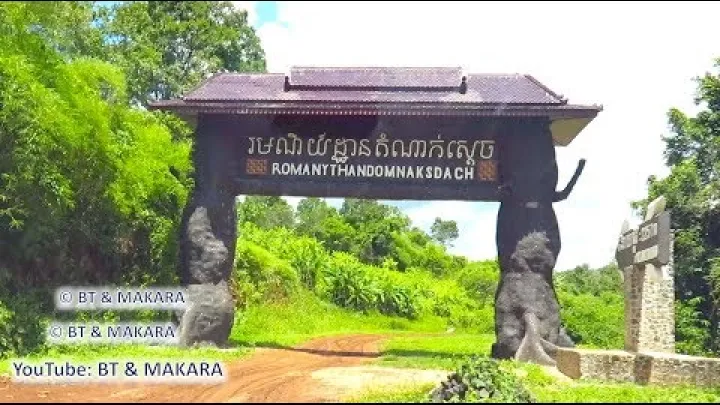
For simple local trips, accommodation-arranged tuk-tuks or motorcycle taxis can be convenient. A private driver is useful for a flexible waterfall day or for travelers carrying equipment. Organized tours are often the easiest choice for wildlife outings because they combine transport, guides, timing, and activity logistics. Self-drive motorbikes offer independence but are best reserved for confident, properly licensed riders who are comfortable with hills, uneven surfaces, rain, and dust.
When choosing between these options, think about the day you want. Use a tour for remote forest activities, a driver for several stops beyond town, and a central base plus short local rides for an easy arrival day. Limited sidewalks and changing road surfaces mean that distances which look short on a map may not feel quick on foot.
Where to Stay in Sen Monorom
The most useful accommodation decision is not finding a single “best” hotel. It is choosing a base that matches your transport, early departures, desired comfort, and interest in spending evenings in town.
Stay Near the Town Center
The streets around the central market are the practical default for first-time visitors. This area puts food stalls, small shops, cafes, and many pickup arrangements within easier reach. It is especially useful for a brief stay, travelers without private transport, and anyone who wants to keep arrival and departure days simple.
Central guesthouses and small hotels tend to prioritize convenience over large grounds, broad views, or resort-style facilities. That trade-off can be worthwhile when you want to walk out for dinner or arrange a last-minute tuk-tuk. Check recent property information for exact location, room type, and operating status rather than relying on older listings.
Choose a Hill, Outskirts, or Eco-Lodge Base
Properties on the hills or outskirts can offer a quieter setting, gardens, valley views, bungalows, or a more countryside-oriented stay. Some may have facilities such as a pool or an on-site restaurant, while simpler lodges may focus on the setting rather than extensive services. They can be appealing for couples, travelers planning a rest day, and visitors who want to spend more time at their accommodation.
The trade-off is greater dependence on arranged transfers for meals, town errands, and early activities. Before reserving, ask about blankets or heating for cooler mornings, mosquito protection, restaurant hours, Wi-Fi expectations, and transport to town. An “eco-lodge” description alone does not demonstrate environmental practice or community benefit, so look at the practical details and the property’s own information.
| Base style | Best for | Main trade-off |
|---|---|---|
| Town center | Short stays and easy meals | Less rural atmosphere |
| Hill or outskirts | Views and quiet time | More transfer dependence |
| Eco-lodge or bungalow | Nature-focused stays | Facilities may be simpler |
Match Your Base to Your Activities
Early wildlife departures make reliable pickup arrangements more valuable than a distant view alone. If you have limited mobility, no private transport, or only a short visit, prioritize central accommodation or a property that clearly offers dependable transfers. Ask where vehicles collect guests and whether the access road is suitable for the season.
Families may value space, meal access, and flexible transport. Budget travelers may prefer walkability and shared local rides. Couples seeking quiet may accept the extra transfer time of an out-of-town bungalow. Travelers interested in cultural immersion may look for locally connected stays or homestays, while recognizing that comfort levels can be basic.
Before paying, use a short checklist: confirm the location, transfer arrangements, breakfast or restaurant access, room comfort, cancellation terms, and whether your activity dates align with the stay. Coordinate accommodation with any pre-booked wildlife or trekking day rather than assuming all providers collect from every property.
Best Things to Do in Sen Monorom and Mondulkiri
The best activities in Mondulkiri are usually guided and outdoors. Plan around one major experience per day so that transport, walking time, and weather do not turn a nature trip into a rushed sequence of stops. A broad overview from Anywhere We Roam reflects the area’s main mix of elephant experiences, trekking, gibbon tours, waterfalls, and local day trips.
Choose an Elephant Experience Carefully
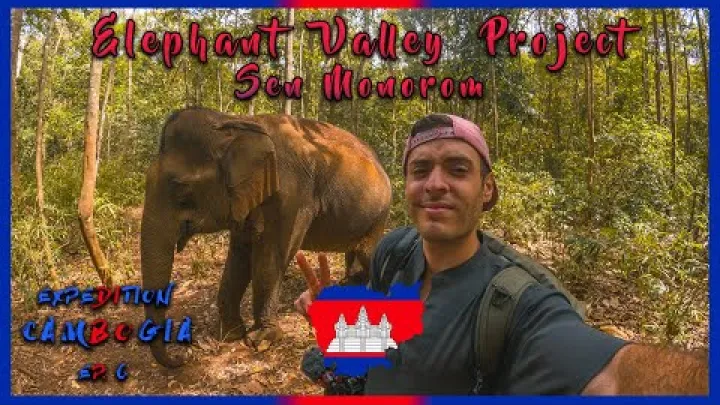
Elephant-focused visits are a major reason people come to Mondulkiri. The Mondulkiri Project and Elephant Valley Project are among the names travelers may encounter when researching the area. An ethical choice should emphasize observation rather than riding, performances, bathing sessions, or forced close interaction. Elephants should be able to behave naturally, move away from visitors, and be interpreted by guides without being made to entertain a group.
Expect a forest-based day rather than a guaranteed close encounter. Routes may involve walking over uneven terrain, an early start, waiting quietly, and adapting to the animals’ behavior. This can be rewarding for visitors who accept that respectful wildlife viewing is not staged for a perfect photograph.
Before paying, check each project’s current welfare policy, group size, guide arrangements, physical requirements, inclusions, payment rules, and cancellation terms. The Mondulkiri Project provides its own current booking information, but travelers should distinguish an operator’s stated mission from independently verified outcomes. Useful questions include: Is riding prohibited? Can elephants choose their distance from visitors? How is group size managed? What support is described for caretakers and local communities?
Join a Gibbon and Wildlife Tour
Gibbon and wildlife tours offer a different kind of forest experience. Keo Seima Wildlife Sanctuary is associated with guided gibbon-focused outings, including those offered by Jahoo. These trips commonly require a pre-dawn start, quiet walking, patience, and attention to guide instructions. Seeing or hearing wildlife can be memorable, but no responsible operator should promise a sighting.
Jahoo Cambodia presents gibbon and wildlife tours in Keo Seima and describes a connection with Bunong communities. Tourism can provide income and create reasons to value forests, but it is not a complete answer to wider land-use pressures. Treat the outing as a guided learning experience, not as a wildlife guarantee.
Wear sturdy footwear, long comfortable clothing, and protection from sun or rain. Carry water and follow rules on noise, distance, food, and photography. A patient traveler who is happy to listen as well as look will usually get more from this type of day.
Visit Bou Sra, Dak Dam, and Other Waterfalls
Bou Sra Waterfall is a major day-trip anchor from Sen Monorom and is often combined with scenic stops. Dak Dam Waterfall can be a nearer alternative when access is available. Depending on your route, a coffee farm, viewpoint, or short walk can fit into the same day, but avoid packing too many distant stops into one itinerary.
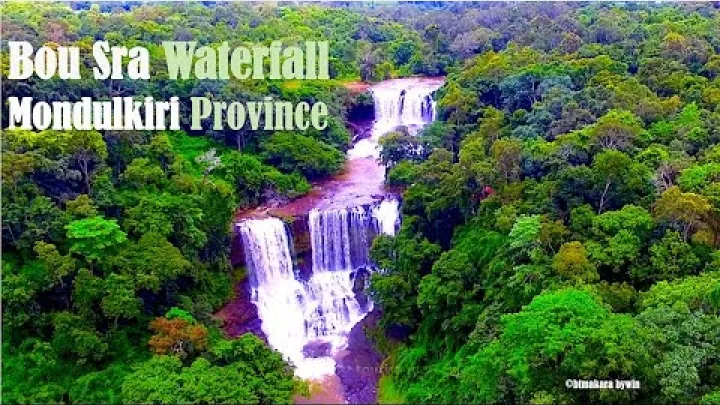
Organized tours simplify the day if you want a guide and shared transport. A private driver gives more control over pace and stops, while a tuk-tuk arrangement may suit a shorter, simpler route. Water level, trail access, swimming conditions, and facilities can differ substantially by season and recent weather. Confirm entrance arrangements, current trail conditions, and whether swimming is considered safe locally before setting out.
Add Treks, Coffee Farms, Markets, and Bunong Community Experiences
Guided jungle and waterfall treks range from short walks to demanding multi-day routes. Choose based on trail conditions, your walking experience, and the amount of time you want to spend away from town. A guide adds local route knowledge and can help make a forest walk more informative than an independent drive-and-look visit.
For a lower-intensity day, visit Sen Monorom central market to observe everyday town life and try local food, or include Pida Coffee Farm as part of a rural outing. These stops can work well after a long arrival or between more physical excursions. They also provide a useful balance to early starts and long forest days.
Community-based activities and Bunong homestays can add depth when they are designed and led by local hosts. Expect facilities and schedules to reflect real household life rather than a standardized resort experience. Choose activities that explain what visitors are contributing to, welcome questions with consent, and allow participants to set the boundaries of the encounter.
When to Visit Sen Monorom
Mondulkiri’s elevation and rainfall patterns make season an important planning factor. Climate averages are useful for broad expectations, but they are not a forecast for the week of your trip.
November to February: Cooler and Easier for First-Time Visitors
The period from November to February is generally the most straightforward choice for first-time visitors because conditions are often cooler and drier than later in the year. It can make trekking and long outdoor days more comfortable, while post-rain landscapes may still look green and waterfalls may retain good flow. Demand for rooms and popular tours can be higher during this period.
Climate information from Climate-Data.org supports the broad picture of a relatively cool, rainy highland climate compared with much of Cambodia. Bring light layers for early mornings, particularly for wildlife departures, plus basic rain protection. Seasonal boundaries are not exact, and a cool season visit can still include rain or warm afternoons.
Rainy and Shoulder Seasons: Lush Scenery with More Uncertainty
The rainy season can bring lush scenery and more dramatic waterfalls, but it also makes rural travel more demanding. Mud, slippery paths, leeches, reduced visibility, thunderstorms, and route changes can affect treks and waterfall days. Transitional months may have fewer visitors, but they are less predictable rather than automatically cheaper or easier.
For rural excursions, check local weather and road conditions shortly before departure and leave a buffer day for delays or cancellations. Pack waterproof layers, footwear with traction, dry bags for electronics, and clothing that can get muddy. A flexible plan is more valuable than trying to lock every outdoor activity into consecutive days.
Costs and Booking Logistics
Sen Monorom can suit several budgets, but the largest costs are often not meals or short local rides. Transport into the province, private transfers, ethical wildlife experiences, and multi-day treks can shape the total much more than everyday spending.
Plan Around Transport, Accommodation, and Activity Costs
Build your budget in categories: intercity transport, local transfers, accommodation, food, entrance or tour fees, and a contingency amount. Budget guesthouses usually trade extra facilities for a lower nightly cost. Mid-range bungalows may add more comfort or setting, while eco-lodges and resort-style stays can cost more because of location, grounds, meals, or transfers.
Wildlife programs and guided treks can represent a significant share of a Mondulkiri trip. Compare group and private arrangements carefully. Ask what is included: transport, guide services, meals, entrance fees, accommodation on overnight routes, and any stated conservation or community contribution. This comparison is more useful than choosing solely from a headline price.
A simple framework is to set aside a daily amount for lodging and food, then price major activities separately before booking. Add the full cost of getting into and out of Sen Monorom, plus room for a driver, a changed plan, or an extra night if your route requires it. If you are comparing quotes, put inclusions beside each price so a private vehicle, guide, meal, or entrance fee is not counted twice or omitted.
Cash, Payments, and Advance Reservations
Payment methods vary between small businesses, accommodation, transport providers, and tour projects. Carry a reasonable cash reserve and confirm whether your accommodation, transport, and activities accept cards, transfers, or cash. Do not rely on a single payment method for a rural itinerary.
Wildlife tours and sought-after accommodation can require advance coordination, especially during busier periods. Keep written confirmation of dates, pickup points, deposit or prepayment terms, cancellation rules, and the contact details of the person arranging your transfer. Confirm your planned arrival time when a provider is collecting you from town.
Safety and Responsible Travel
Sen Monorom is generally approached as a rural nature destination, which means everyday travel judgment matters as much as destination-specific planning. Take the same sensible care you would use on unfamiliar roads, trails, and in small towns.
Road, Trail, and Remote-Area Safety
Cambodia-wide travel advice from the U.S. Department of State highlights crime and landmines among the reasons for increased caution. This is national guidance, not a precise risk rating for Sen Monorom, but it supports practical care in remote areas.
Stay on established paths and use a local guide for unfamiliar forest or rural areas instead of exploring off-road alone. Take road travel seriously: wear an appropriate helmet on a motorbike, avoid riding beyond your experience, be cautious on wet or unsealed surfaces, and limit night travel on unfamiliar roads. On walks, use shoes with grip, keep water with you, and follow guide decisions around river crossings or changing terrain.
Wildlife Welfare and Bunong Community Respect
Choose wildlife activities that do not require animals to perform, carry visitors, or tolerate forced contact. Look for clear explanations of animal handling, visitor distance, guide behavior, and how any claimed local or conservation benefit is described. A project can have good intentions without guaranteeing a particular sighting or outcome, so avoid judging quality by how close a photograph appears.
Bunong people are contemporary communities with their own rights, priorities, and daily lives. Ask local hosts for permission before taking photographs or entering homes, ceremonies, animal areas, or culturally sensitive places. Choose community-led experiences where possible, pay agreed prices fairly, listen to local environmental rules, and accept a refusal without pressure.
How to Build a Sen Monorom Itinerary
Good Sen Monorom itineraries leave room for the long approach, early activity starts, and different physical energy levels. Group activities by area and effort instead of trying to visit every named attraction.
A Practical Three-Night Framework
On arrival day, keep plans light. Settle into your accommodation, have a walk around the central market area, arrange any local transport, and choose a simple meal or cafe stop. This is more realistic than booking a demanding excursion immediately after a long overland journey.
Use the first full day for one major wildlife or elephant experience. Keep the following day for Bou Sra Waterfall, Dak Dam if suitable for your plan, a coffee farm, or a guided short trek. This sequence balances physical effort and avoids moving between distant areas unnecessarily. On departure morning, allow enough time for checkout and your onward connection.
If rain, a late arrival, or an unavailable activity changes the plan, replace the rural day with time in town, a relaxed accommodation day, or a coffee stop, then move the major activity to your buffer day if available. Treat this as a framework, not a fixed schedule.
A Longer Nature-Focused Stay
With extra nights, add a second wildlife or community experience, a multi-day trek, a quieter stay at an out-of-town lodge, or a genuine rest day. More time makes it easier to absorb an early start or a changed outdoor plan without losing the whole trip.
Wildlife-focused travelers may prefer a gibbon outing plus an elephant day. Hikers can use the extra time for a longer guided route. Travelers drawn to culture can choose a carefully arranged community activity and leave time for conversation rather than treating it as a quick stop. Those on a lower budget can balance one major paid excursion with market visits, local food, and slower time around their accommodation.
More days do not guarantee more wildlife sightings, but they do reduce the pressure to do everything at once. The trade-off is simple: longer stays offer more comfort and flexibility, while every added excursion increases transport and activity costs.
Final Tips for Planning Your Sen Monorom Trip
Sen Monorom is worth including when you want Cambodia beyond the busiest temple, city, and beach routes. Base yourself according to your transport needs, choose one or two meaningful outdoor experiences rather than an overloaded checklist, and allow enough time for the overland journey. With respectful wildlife choices, thoughtful engagement with Bunong hosts, and a flexible rhythm, Mondulkiri can become one of the most distinctive parts of a Cambodia itinerary.
Select area
Create a post
Posting is free and no registration is required.