Siem Reap Best Time to Visit: Monthly Weather Guide
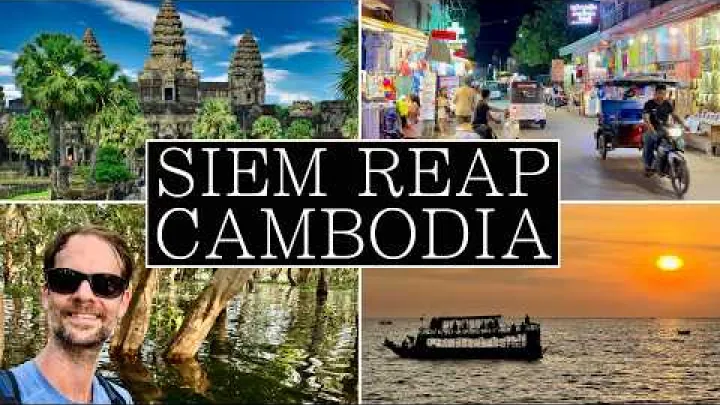
The best time to visit Siem Reap is generally from November to February, when conditions are relatively dry, less humid, and more comfortable for long days outdoors. This is the easiest season for exploring Angkor Wat, Bayon, Ta Prohm, and Siem Reap city, but it can also bring stronger visitor demand. The rainy season has a different appeal, with green landscapes and a quieter atmosphere, although it requires more tolerance for heat, rain, and changing plans. This guide explains Siem Reap weather by season and month, then helps you choose dates that match your priorities.
The Best Time to Visit Siem Reap at a Glance
For most travelers, the decision comes down to a simple trade-off: choose the cooler dry months for weather reliability, or choose the greener wet months for a potentially quieter and better-value stay. Siem Reap stays warm throughout the year, so “cool season” means relatively cooler conditions rather than cold weather.
Best Overall: November to February
November to February is the best overall time to visit Siem Reap. These months usually offer the most favorable balance of lower rainfall, less humidity, and more manageable heat for temple sightseeing. They are especially well suited to first-time visitors who want to spend full days moving between Angkor Wat, Bayon, Ta Prohm, and other parts of the Angkor temple complex.
The practical benefit is not only drier weather. Walking on temple grounds, waiting for changing light, cycling short distances, and exploring Siem Reap city are generally easier when the air feels less heavy. Mornings and late afternoons are still the most pleasant times for outdoor activity, even in the dry season.
This recommendation comes with a tourism trade-off. Accommodation and popular activities can be in higher demand during the dry season, especially around year-end holidays. Compare room availability and rates before booking if your dates fall in the busiest dry-season or holiday periods. The conditions are favorable, but crowds and prices vary by exact travel dates, events, and individual properties.
Best Alternatives for Lower Crowds or Lower Costs
Travelers who value greenery, a slower pace, and possible accommodation savings may prefer the wet and green season from May to October. Rainfall is more common, but the surrounding countryside becomes vivid, vegetation around Angkor is fuller, and temple visits can feel less busy. Lower rates are possible in this period, though they are not guaranteed and can vary widely by hotel and date.
March is another alternative. It is usually still relatively dry, while visitor demand may feel less intense than in the core cool-season months. The cost of that advantage is stronger daytime heat. Early wet-season months, especially May and June, can also work well for travelers who can accept showers and adjust the order of their activities.
A useful decision rule is simple: choose November through February for the strongest chance of comfortable outdoor sightseeing; consider March if dry conditions matter more than lower heat; and choose May through October if greenery and lower demand matter more than predictable weather.
When to Reconsider a Visit
There is no universally bad month for Siem Reap, but some periods are less suitable for particular travel styles. Reconsider April if you are sensitive to intense heat or plan to spend many hours walking outdoors. It can be culturally appealing because of Khmer New Year, but the heat can make a temple-focused itinerary physically demanding.
Reconsider September and October if reliably dry conditions are your main priority. These months are commonly among the wetter parts of the year, so rain can affect the timing of temple visits and excursions beyond Siem Reap city. They can still suit flexible travelers who enjoy green scenery and do not need a fixed outdoor schedule.
The monthly guide below gives a more detailed comparison. Your best month depends on how you weigh heat, rain, visitor demand, and the ability to change plans.
How Siem Reap Weather Changes Through the Year
Siem Reap has a tropical monsoon pattern, with a distinct drier period and a wetter period. Cambodia’s broader climate is shaped by monsoon circulation, while local conditions can still vary from one year to another. The World Bank Climate Knowledge Portal describes Cambodia as having a moist tropical monsoon climate with one main rainy season.
Cooler Dry Season: November to February
From November to February, Siem Reap usually experiences its most reliable period for outdoor travel. Rainfall is generally lower, skies are often clearer, and humidity is less oppressive than during the main monsoon. This is why the period is so popular for visits to Angkor and for days that combine temples with time in Siem Reap city.
For visitors, the difference is practical. Longer walks between temple areas are more comfortable, dirt paths are less likely to be muddy, and countryside excursions are easier to plan. Sunrise and sunset viewing may also be more appealing when cloud and rain are less frequent, although no month can guarantee a clear sky at a particular time.
November is a transition month rather than a fully uniform dry-season month. Early November can retain more wet-season character than late November. December through February is generally the more consistently dry part of this broader window.
Hot Transition: March and April
March and April are the hot transition months before the main monsoon. Rain may still be relatively limited, but daytime heat rises and the combination of strong sun and increasing humidity can change how much sightseeing feels comfortable. April is widely treated as the hottest time of year in Siem Reap.

Dry conditions do not automatically mean easy temple days. Stone courtyards, open paths, and exposed viewpoints around the Angkor temple complex can feel demanding around midday. March is often manageable for visitors who plan around the heat, while April is better suited to travelers who are comfortable with a slower, more selective itinerary.
In April, place strenuous temple walking in the cooler parts of the day. Take regular shade, hydration, and rest breaks, and avoid treating the middle of the day as the main sightseeing period. Shorter visits with a return to Siem Reap city during the hottest hours are often a more comfortable approach.
Wet and Green Season: May to October
May to October is the wet and green season. It is hotter and more humid overall, and rainfall becomes a regular part of travel planning. Showers can be heavy, but a rainy-season day is not necessarily a day of uninterrupted rain. Timing and intensity can vary, so visitors should avoid assuming that rain will always arrive at the same hour.
![Preview image for the video "Angkor Wat Full Tour Day Tour [Rainy Season]".](/sites/default/files/styles/media_720x405/public/oembed_thumbnails/2026-07/396wmSb5cfKzJrjw_Im2VUdZ3g8v9F7nfZXPooVwtOE.jpg.webp?itok=ZpPao2JY "Preview image for the video \"Angkor Wat Full Tour Day Tour [Rainy Season]\".")
The rewards are clear for some travelers. The surrounding countryside becomes greener, vegetation around the temples is more lush, and water features may look fuller. The atmosphere can be especially appealing around Angkor Wat, Bayon, and Ta Prohm, where rain-darkened stone and softer light can produce a very different experience from the dry months.
The practical effects include wet walking surfaces, muddy edges on less-developed routes, and more need for quick changes to a daily plan. Bring rain protection, allow extra time between activities, and keep indoor or sheltered options available in Siem Reap city. May is a transition into the wet period, while the later months are generally wetter and less predictable.
Monthly Guide: January to April
The first four months of the year move from the most comfortable dry-season conditions toward the strongest heat. The weather difference between January and April is important, even though both can include many dry days.
January: Driest and Most Comfortable for Temple Days
January is one of the strongest months for a Siem Reap visit. It is usually dry, comparatively comfortable, and well suited to full temple days. Travelers can start early at Angkor Wat, continue to Bayon or Ta Prohm, and still have energy for a walk or meal in Siem Reap city later in the day.
Climate summaries classify Siem Reap as a tropical savanna climate and indicate warm conditions across the year; the useful distinction in January is its relative comfort rather than a dramatic drop in temperature. See Climate-Data.org for a city-specific climate overview.
January is a strong choice for first-time visitors who prioritize dependable outdoor conditions. Its likely downside is high visitor demand after the year-end holiday period, so plan key accommodation and major activities earlier than you might in the green season.
February: Dry Weather with Slightly More Heat
February generally keeps the dry-season advantages of January while becoming gradually warmer. It remains an excellent month for temple circuits, photography, and city exploration, especially for visitors who want low rain risk without traveling during the late-December holiday period.
The change from January is usually one of degree rather than a sudden seasonal shift. Longer outdoor days remain realistic, but midday breaks become more valuable as the month progresses. February can be a good compromise for travelers who want dry weather and can accept slightly warmer afternoons.
Demand may remain strong at well-known hotels and during popular travel weeks. Treat crowd and price expectations as patterns rather than promises: one week can feel very different from another.
March: Hotter but Still Relatively Dry
March is noticeably hotter than January and February, but it is often still relatively dry. It can suit travelers who prefer to avoid the busiest part of the cool season and who are comfortable organizing their days around heat.
Clearer periods can be useful for photography, but heat changes the experience of visiting temples. A long midday circuit can feel much harder in March than it did in January, even if rain is unlikely. Begin with priority sites early, use the middle of the day for food or rest, and return outside later if conditions are comfortable.
Choose March if a mostly dry itinerary matters more than mild daytime conditions. Choose January or February instead if you want the easiest balance of dry weather and outdoor comfort.
April: Hottest Month with Khmer New Year Interest
April combines intense heat, rising humidity, and the possibility of pre-monsoon showers. It is often the most demanding month for visitors whose main goal is extensive temple walking. However, it has cultural interest because Khmer New Year takes place in April and can give a Siem Reap stay a more festive local context.

Holiday timing can affect accommodation demand, transport availability, and the general pace of the city. Exact dates and local arrangements change by year, so travelers interested in the celebrations should confirm current schedules with their accommodation or local organizers.
April is best for visitors who value cultural timing and are willing to build a heat-aware itinerary. Focus on a small number of major sites in the morning, avoid trying to see every temple in one day, and reserve flexibility for weather changes.
Monthly Guide: May to August
May through August brings the transition into, and then the middle of, the rainy season. These months can reward flexible visitors with green views and a calmer feel, but they are less suitable for travelers who want fixed, weather-dependent plans every day.
May: Monsoon Begins
May is a compromise month. Heat and humidity remain high, while rainfall increases noticeably from April as the rainy season begins. There can still be useful dry periods for Angkor visits, but a plan that assumes uninterrupted sunshine is less reliable.
The landscape begins to change quickly, with greener vegetation in the surrounding countryside and around the temple grounds. Visitor demand may begin to ease compared with the dry-season peak, making May appealing for travelers who can accept occasional disruption.
Build your day around priorities rather than a rigid hour-by-hour schedule. Visit a key temple early, keep later activities adjustable, and treat the forecast for your actual dates as more important than a monthly average.
June: Green Landscapes and Regular Showers
June is wetter and more humid than May, with regular showers becoming part of the normal travel experience. Cloud cover and rain can reduce direct sun at times, but they do not make the climate cool. The air can still feel very warm and moist.
This month can work well with a flexible rhythm: temple time in the morning, a sheltered break in Siem Reap city, then an adaptable afternoon. Carry a compact rain layer or umbrella for walking and protect electronics, documents, and camera equipment from sudden rain.
June has a distinctly green-season atmosphere. It may offer fewer visitors than the dry-season peak, though temple crowd levels still depend on the day, time, and major tour schedules.
July: Humid, Wet, and Often Quieter
July is a humid mid-monsoon month with frequent rain and lush surroundings. It can appeal to travelers who prefer fewer visitors, deeper green scenery, and possible value in accommodation, rather than those seeking predictable dry days.
Outdoor photography can be rewarding when breaks in the weather create softer light or dramatic clouds. At the same time, rain can last longer than expected or arrive at inconvenient times. Keep Angkor plans adaptable and avoid building an important outdoor photo session around a single narrow time window.
Countryside routes and less-developed areas may be more affected by wet conditions than central Siem Reap. If an excursion depends on road quality or remote-site access, ask the operator about current conditions when arranging it.
August: Very Wet with Lush, Atmospheric Conditions
August is commonly near the wetter peak of the year. High humidity, cloud, and frequent rain are likely features of a visit, although the exact pattern differs from year to year. It is not always the single wettest month in every climate dataset, but it is a month to choose only if you accept substantial weather uncertainty.

The visual rewards can be striking. Saturated greenery, rain-washed stone, reflective water, and softer light can make Angkor feel especially atmospheric. Visitors who enjoy photography may value these conditions, provided they also protect equipment and accept disrupted schedules.
Before committing to remote temple plans or countryside travel in August, check local road and site-access conditions and keep a practical backup plan. Wet surfaces and short-term access issues can affect plans beyond the main urban and temple areas.
Monthly Guide: September to December
The final four months of the year move from the wettest part of the monsoon toward the increasingly reliable dry season. This is often the most important period to compare carefully if you are choosing between lower demand and stronger weather reliability.
September: Wettest Conditions in Many Climate Records
September is a high-rainfall and high-humidity month in many Siem Reap climate summaries. Heavy showers can influence temple timing, movement around Siem Reap city, and countryside plans. It is usually best for travelers who are comfortable changing their schedule and who see rain as part of the experience rather than a major problem.
Green scenery and potentially lower visitor pressure remain meaningful advantages. Temples may feel quieter between rain events, and the landscape around Angkor can look particularly full and vibrant. Still, lower demand should not be interpreted as empty sites or guaranteed low prices.
Choose September for flexibility, greenery, and a less peak-season atmosphere. Choose a drier month if your trip depends on consistent outdoor conditions.
October: Still Very Wet but Moving Toward Transition
October generally remains rainy and humid, though it begins the gradual movement toward the drier period. The timing of that shift is not fixed. Early October can feel strongly monsoonal, while later weeks may show signs of improving conditions.
Travelers can still enjoy green landscapes, temple visits, and time in Siem Reap city, but a rigid itinerary remains risky. This month is better for people who can reorder activities and who do not need every day to be dry for photography or excursions.
For trips beyond the city or visits to less-central sites, use current local information to judge access rather than assuming that the seasonal transition has already arrived.
November: A Shoulder Month with Improving Conditions
November is a useful shoulder month between the wet season and the most dependable dry months. Rainfall generally declines, humidity begins to ease, and sightseeing conditions often improve. It can offer a favorable balance for visitors who want better weather than September or October without relying on the busiest holiday period.
The month is not uniform. Early November may still have more wet-season character, while late November is often closer to the dry-season pattern. This makes exact travel dates more important than the month name alone.
Choose November if you want a practical middle ground. Choose December through February if maximum dry-season reliability is more important than avoiding stronger demand.
December: Dry Season and Holiday Demand
December is generally dry and favorable for visiting Angkor, walking around Siem Reap city, and spending extended time outdoors. It is a strong option for comfort-focused travelers and for visitors who have limited time and want a good chance of workable sightseeing weather.
The trade-off is holiday demand. Late December and early January can be particularly popular, which may affect room choice and the atmosphere at headline sites. Booking accommodation earlier is sensible if you travel during this period.
Compared with January, December offers similarly strong dry-season appeal but may overlap more directly with end-of-year travel. January may feel slightly more settled after holiday travel, although demand can still remain high.
Choose the Best Time for Your Travel Priorities
There is no single perfect month for every visitor. The best season depends on whether you prioritize temple comfort, photography, lower crowds, value, or a wider Cambodia itinerary.
For Angkor Temples, Culture, and Photography
For the most reliable combination of dry weather, clearer conditions, and manageable outdoor comfort, choose November to February. These months are particularly good for visitors who want to see Angkor Wat, Bayon, and Ta Prohm over several days without constantly planning around rain.
March and April can still offer dry periods and useful light, but heat management becomes central to the experience. They suit visitors who are happy to start early, reduce midday walking, and prioritize a smaller selection of sites.
The wet season can be rewarding for photographers and culture-focused travelers who prefer greener scenery, reflective water, and a quieter mood. It does not guarantee dramatic light or clear sunrise views, so weather-sensitive photography should always be planned with a current forecast in mind. Responsible Travel notes that June through October tends to be quieter, while also being hotter and wetter, with mornings often useful for exploration.
For Fewer Crowds and Better Value
The wet and green season is the period most likely to provide a quieter experience and possible accommodation savings. May through October is not one uniform low season: May may retain more usable dry periods, June and July offer green scenery with regular rain, and August through October generally require greater tolerance for wet conditions.
| Priority | Best period | Main trade-off |
|---|---|---|
| Reliable temple weather | November to February | Higher demand |
| Dry days outside peak | March | More heat |
| Green scenery and possible value | May to October | More rain and humidity |
| Balanced transition | November | Conditions can vary by week |
For a middle ground, consider March or November. March is generally drier but hotter; November is often improving after the rains but can vary between early and late month. Compare current hotel prices for your exact dates instead of assuming a particular month will always be cheaper.
For a Combined Cambodia Itinerary
Siem Reap is an inland destination in northwestern Cambodia, so its seasonal pattern should be assessed separately from coastal and island stops in southern Cambodia. A month that works well for temple sightseeing may not offer the same conditions at the coast, and a country-wide recommendation can hide these differences.
When combining Siem Reap with other regions, start with your priority destination. If Angkor is the central purpose of the trip, November to February is usually the safest broad choice. If a beach or remote-region stop is equally important, compare current regional forecasts and destination-specific guidance before fixing the itinerary.
Practical Weather Planning for a Siem Reap Stay
Good planning does not remove weather uncertainty, but it can make a Siem Reap stay more comfortable in any month. The key is to match your daily rhythm and packing list to heat, rain, and the amount of time you expect to spend outdoors.
Plan Temple Days Around Heat and Rain
For longer Angkor days, schedule the most important outdoor sites for the earlier part of the day. This is particularly helpful in March and April, when direct sun and heat can make open temple areas more tiring. A flexible afternoon can include a meal, rest, museum visit, or time in Siem Reap city before deciding whether conditions suit further outdoor exploration.
In the wet season, use a priority-first approach. Visit the site you most want to see when the weather window is favorable, rather than assuming the day will follow a fixed route. Keep room in the itinerary for sheltered breaks, but do not assume every temple area provides convenient cover during a shower.
The surrounding countryside can be attractive in the green season, but it is more weather-sensitive than a central city plan. Leave enough time to adjust an excursion if conditions are poor.
What to Wear and Pack for Siem Reap Weather
For most months, pack lightweight, breathable clothing, comfortable walking footwear, sun protection, and a reusable water bottle. A hat and sunglasses can make a significant difference during dry-season afternoons and the hot transition months.
For May through October, add a compact rain layer or umbrella and a waterproof cover or pouch for phones, passports, and cameras. Footwear with a secure grip is useful on wet stone, uneven paths, and muddy edges around outdoor sites.
Dress respectfully at Angkor, which is both a major heritage site and a place of cultural and religious importance. Choose clothing that is practical for heat and walking while meeting the expectations of the sites you plan to enter.
Climate Averages Versus Live Forecasts
Monthly climate averages describe long-term patterns, not the weather on a particular temple day. They are useful for choosing a travel month, but they cannot tell you whether rain will arrive during your Angkor Wat visit or how intense the heat will feel during your stay.
Check a current, location-specific forecast shortly before departure and again during the stay, particularly during the monsoon or periods of extreme heat. A service such as the Met Office Siem Reap forecast is an example of the short-range information that can help you arrange the next few days. Use it for day-by-day decisions, not as permanent evidence of the normal climate.
Forecasts and historical averages answer different questions. Use averages to choose the season, then use the forecast to decide when to visit key temples, carry rain protection, or reduce outdoor time.
Final Recommendation: Match the Month to Your Priorities
If you want the most straightforward answer, visit Siem Reap from November to February. This period normally provides the best balance of lower rainfall, relatively comfortable heat, and reliable conditions for exploring Angkor and Siem Reap city.
Choose March if you want a mostly dry visit and can handle hotter afternoons. Choose April for Khmer New Year interest only if you can plan carefully around heat. Choose May through October if lush scenery, a potentially quieter atmosphere, and possible value are worth the extra rain and flexibility. For every season, let current local weather guide the final details of your daily plan.
Select area
Create a post
Posting is free and no registration is required.