Sihanoukville Best Time to Visit: Monthly Weather Guide

The best time to visit Sihanoukville is usually late November to early April, when the chance of prolonged rain is lower and beach plans are generally easier to arrange. This coastal city is warm throughout the year, so the main decision is not how to avoid cold weather. Instead, consider rainfall, humidity, cloud cover, sea conditions, and how much flexibility you have for boat trips. This guide explains the seasons, the month-by-month pattern, and the practical trade-offs for a stay in Sihanoukville and nearby islands.
The Best Time to Visit Sihanoukville at a Glance
Sihanoukville suits different travel styles at different times of year. Choose the drier season for the strongest chance of beach weather and smoother island plans. Consider the wetter months only if quieter surroundings, broader availability, and a flexible itinerary matter more than day-to-day weather reliability.
Best Overall Period for Beach Weather
For most travelers, the best time to visit Sihanoukville is from late November to early April. This is the broad drier-season window, when outdoor days are usually more predictable and a beach-focused trip is less likely to be interrupted by frequent rain. December through February are the core months for visitors who want the lowest typical rainfall and the best chance of clear, usable beach days.
Temperatures stay tropical in every month, and the sea remains warm enough for swimming year-round. That means the important differences are rain, humidity, clouds, and the condition of the water for boats and marine activities. Travel guidance from Audley Travel similarly places November to April in the favorable visiting period for clearer skies and lower humidity.
These are seasonal patterns, not promises of uninterrupted sunshine. Even in January or February, a brief shower, a cloudy day, or rougher water can occur. Still, travelers whose priority is a conventional Gulf of Thailand coast holiday will normally find the best balance of conditions in this period.
When to Visit for Lower Costs or Fewer Crowds
May to October can be appealing for travelers who are comfortable trading weather certainty for a quieter stay. Demand may be lower in the rainy season, and some accommodation or tours may have more availability. However, lower demand does not mean every hotel, activity, or ferry option will be cheap, and it does not mean all services will run as they do in the drier months.
May to June and late September to October can work as compromise periods for flexible visitors. There can be sunny intervals, warm water, and fewer people on the beach, but showers and humid conditions are more likely. July and August are the least favorable months for travelers who need dependable beach weather or want island transfers to be a central, fixed part of their trip.
Compare current accommodation and tour prices for your exact dates rather than assuming every rainy-season service will cost less. Public holidays, school breaks, group travel, room type, and short-term demand can affect prices more than the month alone.
Understanding Sihanoukville's Coastal Climate
Sihanoukville, officially in Preah Sihanouk province, sits on Cambodia's Gulf of Thailand coast. Its coastal position gives it a tropical climate with warm temperatures across the year, but rainfall changes sharply between the drier and wetter seasons. This matters especially for visitors using the city as a gateway to Koh Rong and Koh Rong Sanloem.
Why the Southwestern Coast Is Wetter Than Inland Cambodia
Cambodia does not have identical weather in every region. The southwestern coast is exposed to coastal and monsoon influences that can make it wetter than many inland destinations. A UNDP Cambodia climate-zone study notes the distinct coastal effects observed in Preah Sihanouk, which is useful context when comparing Sihanoukville with cities farther inland.
For travel planning, the southwest monsoon is the main reason Sihanoukville has a long wet season. Rainfall, clouds, wind, and changing sea conditions can affect a beach day more than the air temperature does. The annual temperature range is relatively small, while the difference in rainfall between the drier and wetter parts of the year is much more significant.
This also explains why a countrywide Cambodia itinerary needs more thought than a simple dry-season label. A date that is acceptable for an inland city may bring a wetter experience on the coast, particularly when the monsoon is established.
Dry Season, Wet Season, and Transition Months
As a simple planning guide, November to April is Sihanoukville's broadly drier period, while May to October is the wetter monsoon period. The drier season is usually better for beach time, waterfront walks, and island excursions. The wetter season brings higher humidity, more frequent showers, and a greater chance that marine plans will be less comfortable or need adjustment.
November and April are transition months. Early November can still feel like the retreating wet season, while later November often becomes more favorable. March is often dry but increasingly hot; by late April, rainfall may start to become more noticeable. Likewise, October can improve as the wet season fades, but it should not be treated as reliably dry.
Neither label should be taken too literally. A dry-season trip is not necessarily rain-free, and wet-season rain does not always fall continuously all day. The practical difference is probability: the drier months offer better odds for consistent beach and boat conditions, while the wetter months require more acceptance of changing plans.
Climate Averages Versus the Live Forecast
Climate averages are useful for choosing a travel month, but they cannot tell you what will happen on a particular beach day. A monthly rainfall figure may represent a few intense downpours, many shorter showers, or rain that arrives mainly overnight. It cannot show whether a morning ferry, afternoon swim, or evening walk will be affected.
Use a two-step approach: select your season from long-term climate patterns, then use a live local forecast to organize daily activities. Month-level data from Climate-Data.org identifies February as the lowest-rainfall month in its Sihanoukville pattern and August as the rainfall peak, but this does not replace day-specific information.
Check a current local forecast shortly before departure and again before each major outdoor activity. The Met Office forecast is one example of a live weather tool that can help with immediate decisions; use it for current conditions rather than as evidence of the usual climate.
The Best Time for Different Types of Trips
The right month depends on what is non-negotiable in your itinerary. A traveler who mainly wants a quiet hotel stay can accept more rain than someone whose trip depends on several island transfers, snorkeling sessions, and full days on the sand.
Best Months for Beaches and Island Hopping
Late November through early April is the strongest period for beaches and island hopping from Sihanoukville. December to February are especially suitable for travelers who want the lowest typical rainfall and a more reliable setting for time outdoors. The combination of warm days, lower seasonal rain, and generally more favorable conditions makes these months the practical first choice for a beach holiday.
This timing is especially relevant for Koh Rong and Koh Rong Sanloem. These islands are closely associated with a Sihanoukville stay, but the experience depends on more than the temperature. Rain can shorten beach time, while wind and sea state can affect the comfort and timing of transfers. A drier-season date gives you more room to enjoy the islands rather than simply reach them.
November can be a good choice for travelers arriving later in the month, although it may still bring residual showers. March and early April remain workable for beach travelers who tolerate stronger heat. No month can guarantee blue skies or calm water every day, so avoid building a short trip around one single irreplaceable excursion.
Best Months for Swimming, Snorkeling, and Marine Activities
Water temperature is rarely the limiting factor around Sihanoukville because the sea stays warm through the year. For swimming, snorkeling, and other marine activities, rain, wind, waves, and water clarity are usually more important. January to March generally provide a better chance of comfortable conditions, with the drier season reducing the likelihood of rain-related disruption.
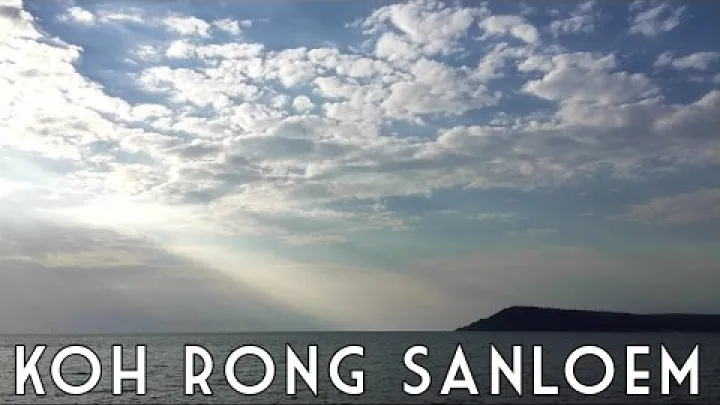
During the monsoon, heavy rain and wind can make boat rides less pleasant and may reduce visibility in the water. Runoff and unsettled seas can also change the character of a snorkeling day. This does not mean marine activities are impossible in every wet-season week, but it makes them less dependable as a central reason to choose Sihanoukville.
If snorkeling, diving, or a boat-based excursion is important to your trip, leave enough time in your schedule to choose the better day rather than booking every activity for one fixed date. Sea conditions and the activity provider's operating decision are more useful than a general monthly expectation when you are already in town.
Best Months for Budget Travel and Quiet Beaches
The rainy season can be a reasonable value option for travelers who prioritize a quieter atmosphere and can accept a less predictable day. Hotels may have wider availability, and some rates or packages may be more attractive outside the main beach season. A quieter beach can be appealing even when a shower changes the timing of the day.
May to June offer an early wet-season option, while late September to October may suit visitors looking for a possible late-season improvement. In both cases, the reward is potentially lower demand; the risk is that rain, humidity, and unsettled sea conditions can limit the activities that make a coastal holiday appealing.
Do not treat the wet season as an equal substitute for December to February if your main goal is island hopping, snorkeling, or long beach days. It is a better choice for travelers happy to slow down, use accommodation facilities, and enjoy outdoor time when conditions allow. Quiet surroundings also do not guarantee that every restaurant, tour, or transport service will operate in the same way as during busier months.
Best Timing for Heat-Sensitive or Mixed Itineraries
December to February are usually the most comfortable months for travelers who prefer less intense heat and humidity while still wanting beach time. Days remain warm, but the drier-season setting is generally easier for city walks, meals outdoors, and a mixed routine of sightseeing and relaxation.
March and April are better suited to travelers who are comfortable with stronger heat. These months can still be favorable for swimming and coastal relaxation, but midday sightseeing may feel more demanding. Plan beach time, meals, and shorter walks for the cooler parts of the day, and use shade and indoor breaks during the hottest hours.
If Sihanoukville is only one stop on a longer Cambodia itinerary, compare its weather with the needs of the whole journey. The coast may be your preferred place for beach weather, while another stop may be chosen for temples, city exploration, or inland travel. A date that is ideal for one activity can be a compromise for another, so decide which part of the trip matters most.
Sihanoukville Month-by-Month Weather Guide
This month-by-month guide gives a practical feel for the usual annual rhythm. It is designed to help you narrow your dates, not to replace a forecast for a specific week.
November to February: The Most Reliable Beach Window
November is an improving transition month. Later in the month can be a good time for a beach trip, but early November may still bring more residual showers and cloud than the drier core of the season. It is a sensible choice for visitors who want to arrive before the busiest part of the beach season and can accept some variability.

December usually marks a more dependable period for outdoor plans. January and February are the strongest months for visitors focused on dry beach weather, island outings, and comfortable time by the sea. February is particularly notable in the available monthly climate pattern for having the least rainfall.
The trade-off is demand. The main holiday period and the drier-season appeal can mean more travelers and potentially higher accommodation prices. Book according to your budget and preferred location rather than assuming that every part of the city or every island will have the same availability.
March and April: Hotter Dry-Season Travel
March usually remains relatively dry, but heat and humidity become more noticeable. It can be an excellent month for travelers who want to swim, spend time at a beach hotel, or take island trips while accepting that midday can be intense. Start active plans early, pause in shade, and keep water with you.
April is generally among the hottest parts of the annual pattern, and rainfall begins to rise as the wet-season transition approaches. Early April may feel more similar to March, while later April can be more variable. It remains a possible beach month, but it is not the best choice for travelers who strongly dislike hot, humid conditions.
For both months, lightweight clothing, sun protection, and a less tightly scheduled daytime plan make a major difference. The sea can be a welcome part of the day, but strong sun should not be treated casually.
May and June: Early and Established Monsoon Conditions
May marks the start of the wetter season. Showers become more frequent, humidity rises, and the weather can change quickly. There may still be bright periods, but visitors should not plan every day around long, uninterrupted outdoor activities.

June is usually wetter and more consistently humid. Sunny breaks remain possible, and the warm coastal setting can still be enjoyable, but rain becomes a meaningful factor for city movement, beaches, and marine plans. This is a better time for a relaxed stay than for a tightly timed itinerary.
Travelers choosing May or June should allow spare time between major plans and favor quick-drying clothing. The goal is not to predict rain on every day, but to avoid a schedule where one shower causes the rest of the trip to fail.
July to October: Peak Monsoon and Late-Season Improvement
July and August are typically the wettest part of Sihanoukville's yearly pattern. August is the precipitation peak in the available climate data. These months are the least reliable for visitors whose trip depends on consistent beach days, snorkeling, or smooth island-hopping conditions.
September is still generally very wet, although some years may show signs of change later in the month. October is another transition period and can offer improving conditions as the monsoon withdraws. However, neither month should be treated as reliably dry, and sea disruption remains a meaningful possibility.
These months are best for travelers with a flexible purpose: a slower city stay, accommodation time, and outdoor plans that can be rearranged. The timing of the monsoon's retreat varies from year to year, so a late-season trip should be chosen for flexibility rather than a promise of dry beach weather.
Practical Planning for a Sihanoukville City Stay
Seasonal planning is most useful when it changes how you pack and organize each day. Sihanoukville's warmth is consistent, but heat, humidity, and rain can affect comfort, local movement, and the value you get from a short visit.
What to Wear and Pack for the Heat and Humidity
Pack lightweight, breathable clothing for any month. Sun protection, such as a hat, sunglasses, and sunscreen, is important in the drier and hotter periods. Comfortable walking footwear is useful for city streets and waterfront areas, while quick-drying items are practical throughout the year.
For the wet season and transition months, add a compact rain jacket or umbrella and a light layer that dries quickly. A waterproof pouch or bag for a phone, documents, and electronics can also make sudden showers less disruptive. Sandals can be useful near the beach, but bring footwear that is stable for wet pavement.
When booking accommodation during hotter or more humid periods, effective cooling and ventilation can have a real effect on rest and comfort. This is especially useful after a day outdoors in March, April, or the wetter months.
Rain Logistics, Streets, and Flexible Daily Plans
Heavy rain can make walking, local road travel, and short journeys around Sihanoukville less convenient even though the temperature remains warm. In the wet season, it helps to arrange the day around the most promising weather period and keep a nearby alternative for a rainy interval, such as a meal, a rest at the accommodation, or another indoor activity.

After intense rain, ask your accommodation or local authorities about current flooding and road conditions before setting out. This is more useful than relying on a general seasonal description, particularly if you have a transfer, a long road journey, or limited time before departure.
Boat Transfers and Weather-Sensitive Excursions
Warm sea water does not guarantee calm crossings, clear visibility, or uninterrupted ferry service. This is most relevant for trips between Sihanoukville and Koh Rong or Koh Rong Sanloem, as well as boat-based snorkeling and other marine excursions. The wetter months bring greater uncertainty because wind, rain, and waves can affect both comfort and operations.
Confirm ferry and island-transfer departure times with the operator on the travel day, because monsoon conditions can change schedules. Also ask about cancellation terms and same-day operating status when booking a weather-sensitive activity. In the rainy season, avoid making one boat excursion the only essential plan for a particular day.
Final Recommendation: Choosing Your Sihanoukville Travel Dates
Choose December through February if you want the most dependable combination of lower typical rainfall, beach time, and island access. Late November and March to early April are strong alternatives, with more variable conditions in November and more heat later in the dry season.
Choose May to October only if you value quieter travel or possible value opportunities and are willing to accept rain, humidity, and greater uncertainty for marine plans. For most first-time visitors planning a classic Sihanoukville beach holiday, late November to early April remains the clearest recommendation.
Select area
Create a post
Posting is free and no registration is required.