Kampot Travel Guide: Where to Stay & What to Do
Kampot is a compact riverside base in southwestern Cambodia for travelers who prefer a slower stay with food, heritage streets, rural scenery, and day trips rather than a busy beach resort. Its strongest experiences are spread between Kampot Old Town, the Kampot River, agricultural countryside, and the mountain landscape of Bokor. This Kampot travel guide explains where to stay, how to arrive, what to do, how much to budget, and how to plan with realistic expectations. It is designed for first-time visitors who want enough structure to travel independently while leaving room for local conditions and personal pace.
Kampot at a Glance
Kampot works best as a town-and-countryside destination. Spend time in the central streets and along the river, then choose one or two excursions that match your interests rather than trying to see every attraction in a short visit.
What Makes Kampot Different
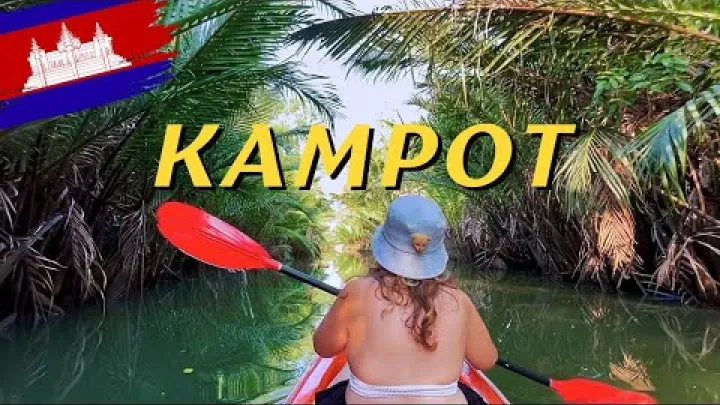
Kampot combines a small-town riverside setting with easy access to farms, salt flats, rural roads, and mountain scenery. The central area has older shophouses and colonial-era buildings, cafés, restaurants, guesthouses, and a relaxed evening scene along the Kampot River. Cambodia’s official tourism information describes Kampot as a small town with a relaxed atmosphere, which remains a useful starting point for setting expectations. See Official Cambodia Tourism for a broad introduction to the province.
Its appeal is not based on a single landmark. Visitors come for slow walks through Kampot Old Town, local food flavored with Kampot pepper, sunset by the water, and day trips into the surrounding province. The countryside is a separate part of the experience: pepper farms, the Kampot salt fields, Secret Lake, caves, and Bokor are not all within the walkable center.
Kampot is not primarily a beach destination. Travelers who want sandy beaches and island time should consider adding another stop to their Cambodia itinerary. Kampot instead suits people who enjoy a practical base with a mix of town life, food, agriculture, and nature. It is well established on the traveler route, so it is better approached as a lived-in provincial town than as an undiscovered place.
Where Kampot Fits on Cambodia’s Southern Coast
Kampot is a useful inland base for exploring southern Cambodia. It offers more choices for eating, accommodation, and everyday services than many smaller nearby stops, while still being close enough for rural and coastal excursions. Most first-time visitors use it as a place to slow down after Phnom Penh or before continuing toward Kep, Sihanoukville, or the islands.
For a simple Kampot versus Kep decision, choose Kampot if you want a walkable town, a wider range of lodging, cafés, and countryside trips. Choose Kep if your priority is a quieter coastal setting and seafood. Kep can also work as a day trip from Kampot for travelers who want a change of scene without changing hotels, but it is usually more enjoyable when not rushed.
Map out each day separately. A pepper farm, salt-field route, Secret Lake, or Preah Monivong Bokor National Park may require transport beyond the central town, and combining distant stops can turn a relaxed day into a long one.
How Many Days to Plan in Kampot
Two nights are enough for a first impression. Arrive, walk through Old Town and the riverfront, enjoy an unhurried meal, then devote the full day between your nights to one countryside route or one organized excursion.
Three to four days provide a much better pace for travelers who want more than the town. This allows separate time for a pepper farm and rural landscape, a Bokor Mountain trip, and a slower afternoon by the river. It also makes a Kep visit possible without treating it as another rushed checklist item.
The right length depends on your travel style. Food-focused travelers may be satisfied with two nights; photographers, cyclists, families, and travelers seeking rest often appreciate an extra day. If Kampot is part of a larger southern-coast route, use it as the main base and choose the most distinctive excursions rather than trying to visit every nearby site.
Best Time to Visit Kampot
Season affects comfort, visibility, rural roads, and what agricultural landscapes look like. There is no single perfect month for every traveler, but understanding the trade-offs makes planning easier.
Dry, Wet, and Hot-Season Trade-Offs
Kampot is hot and humid for much of the year. The generally drier part of the year is commonly preferred for walking, motorcycle routes, and outdoor sightseeing because roads are often easier to manage and clear weather can improve mountain views. It can also feel very hot around the middle of the day, so plan outdoor activity for morning and late afternoon.
During wetter months, rain can make rural tracks muddy, reduce visibility on Bokor, and alter the character of the river and countryside. This does not make Kampot unsuitable: town-based food, cafés, farm visits, and relaxed riverfront time can still be rewarding. The landscape may also look greener, and a flexible schedule is more valuable than a rigid itinerary.
Before scheduling countryside activities, check a current forecast and confirm road or boat conditions with your accommodation or activity provider. Seasonal patterns are only broad guidance; a specific day’s rainfall, wind, and route conditions matter more for your plan.
Match Your Travel Season to Activities
Dry conditions are generally most convenient for visiting the salt fields, riding a scooter through the countryside, cycling on unpaved routes, and seeking wider views from mountain roads. Salt production and visible harvesting are seasonal, however, so dry weather alone does not guarantee that workers or salt pans will look as expected.
Pepper farms and the central town can be worthwhile outside the driest period. A farm visit is less dependent on a perfect blue-sky day than a long scooter circuit, although heavy rain may alter the timing of outdoor walks. Travelers who prefer cafés, food, and short outings can visit in many seasons with fewer compromises.
River cruises, kayaking, swimming spots, and other water activities depend on local conditions and operator decisions. Treat them as optional additions rather than the fixed centerpiece of a short trip.
Getting to and Around Kampot
Kampot is straightforward to reach overland, but schedules, pickup points, and vehicle standards differ between operators. Plan the transfer as part of the trip rather than assuming every connection is interchangeable.
Getting to Kampot from Phnom Penh and Other Hubs
Phnom Penh is the main overland gateway for many international visitors. Buses and private cars are common choices, and rail may be available on some dates or routes. A current listing from Bookmebus gives an indicative Phnom Penh to Kampot journey of about three hours over roughly 146 kilometers, with an average listed ticket price of about US$8. Treat these as examples rather than promises.

From Siem Reap or other northern destinations, compare a direct service, if offered, with a connection through Phnom Penh. From Sihanoukville, Kep, or other southern stops, route choices may be more limited and can change by season. A private car can be useful for families, groups, or travelers arriving with bulky luggage, but it is usually more expensive than a shared bus.
Where practical, aim for a daytime arrival so you can orient yourself, reach your hotel, and arrange local transport in daylight. Before paying, verify the current departure time, pickup point, fare, luggage policy, arrival location, and operator details directly with the seller or transport company.
Moving Around Central Kampot
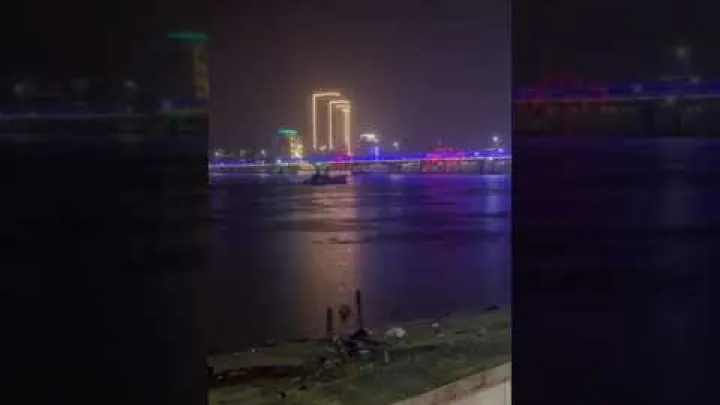
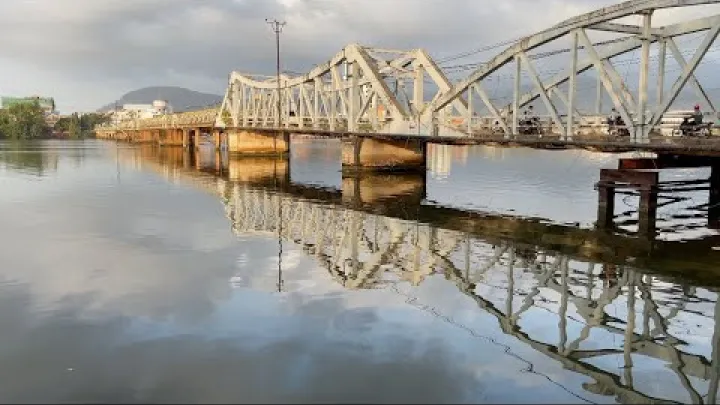
Central Kampot is manageable on foot. Kampot Old Town, the Durian Roundabout, the riverfront, and Entanou Bridge, also known as the Old Bridge, can fit into an easy walk with café and meal stops. A bicycle is useful when your lodging is slightly beyond the center or when you want a gentler ride beside the river.
| Transport | Best for | Main trade-off |
|---|---|---|
| Walking | Old Town and riverfront | Limited range in heat |
| Bicycle | Short, flat outings | Weather and road surface |
| Tuk-tuk | Simple local trips | Less independence |
| Scooter | Flexible countryside days | Requires confidence |
| Car with driver | Groups and longer routes | Higher cost |
Scooters offer independence but are not automatically the best choice. Traffic, uneven surfaces, rain, and unfamiliar rural routes can make a tuk-tuk or private car more comfortable. Local fares, app coverage, and sidewalk quality vary, so agree on the arrangement before leaving and choose the vehicle for the route, not only the lowest price.
Reaching Pepper Farms, Salt Fields, Secret Lake, and Bokor
The experiences that give Kampot its distinct character are spread beyond the central grid. Pepper farms, the Kampot salt fields, Secret Lake, and Bokor are normally reached by scooter, tuk-tuk, private car, bicycle, or a tour. A scooter suits confident riders traveling light on a short, dry-weather route. A tuk-tuk is practical for a simple outing with a driver, while a car is the more comfortable choice for families, groups, rainy conditions, or a longer multi-stop day.
Ask the accommodation provider or tour operator whether the planned route and vehicle are suitable for current road conditions. This matters especially on dirt roads, mountain routes, and countryside tracks after rain. Do not assume that a route shown on a map has the same surface, access, or travel time as a main road.
Travel in daylight, leave extra time between stops, and avoid a schedule that depends on driving back after dark. Visitors new to Cambodia’s mixed traffic should be conservative about distance and choose a driver when road confidence is low.
Where to Stay in Kampot
Your lodging area shapes the rhythm of the trip. The key choice is between central convenience and a quieter riverside or rural setting.
Old Town and the Central Riverfront
Old Town and the central riverfront are the simplest base for a first visit. You can walk to restaurants, cafés, shops, local landmarks, and evening river views, and it is easier to meet a bus, tuk-tuk, or tour pickup. This area has options across hostels, guesthouses, and smaller boutique hotels.
The trade-off is that central rooms may have less space, fewer resort-style facilities, or more street and evening noise than a property outside town. Travelers who expect quiet should read recent guest comments and ask about room position, music, traffic, and construction before booking. Practical local guidance from Indie Traveller can help with understanding the central layout, but confirm current property details directly.
Across the River, Fish Island, and Riverside Resorts
Across the river and around Fish Island, also known as Koh Trey, accommodation can offer more space, views, gardens, and a quieter atmosphere. These stays are often attractive for couples, families, and travelers whose main goal is rest rather than walking to several venues each evening.
The practical cost of tranquility is greater dependence on a scooter, tuk-tuk, hotel transfer, or private driver. Check how far the property is from central dining, whether transport is available after dinner, and whether the access road suits your planned vehicle. Outside-town lodging can also feel very different in wet weather.
Choose a Base by Travel Style
| Travel style | Best base | Why |
|---|---|---|
| First-time visitor | Old Town or riverfront | Walkable and convenient |
| Food and social evenings | Central Kampot | Close to dining and cafés |
| Quiet break | Riverside or Fish Island | More space and views |
| Family or couple | Depends on transfers | Prioritize room and transport needs |
| No scooter | Central Kampot | Fewer transport demands |
For any location, confirm the exact map pin, room type, pool or dining facilities if important, and recent reviews. Families and scooter-free travelers should give extra weight to transfer options, meal distance, and access to everyday services rather than choosing solely for a river view.
What to Do in and Around Kampot
A good Kampot itinerary mixes one easy town day with one or more focused excursions. Choose activities for contrast: food and heritage in town, agriculture in the countryside, then mountain or coastal scenery if time allows.
Explore Old Town, the Riverfront, and Local Landmarks
Start with a walk through Kampot Old Town. Use the Durian Roundabout as an easy orientation point, then continue through the central streets toward the clock landmark and the riverfront. From there, walk toward Entanou Bridge for a different view of the river and town. This sequence leaves room for a coffee, lunch, and sunset without needing a vehicle.
Look at the older building facades as part of the town atmosphere rather than expecting a formal open-air museum. Kampot’s food and café scene is often as important as its landmarks, and a relaxed riverfront meal can be a better use of time than trying to fit in every small attraction.
A Kampot Museum visit may suit travelers seeking an indoor activity or local context, especially when rain interrupts an excursion. Small museums and local venues can have variable opening arrangements, so confirm hours before building a day around them.
Visit Pepper Farms and Understand Kampot Pepper
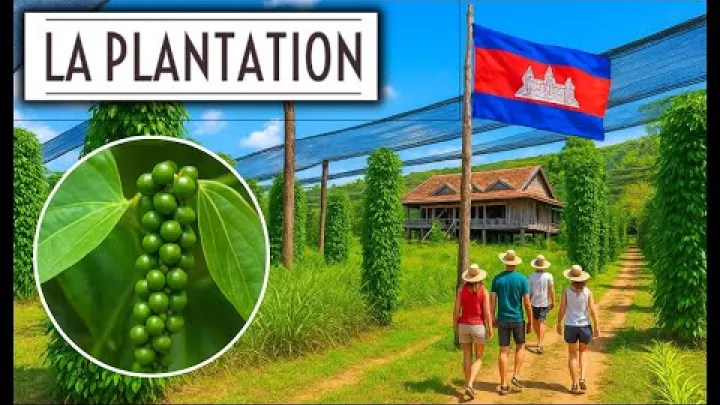
Kampot pepper is one of the region’s defining products. It is associated with a protected geographical indication, or PGI, tied to a specific growing area and production standards. According to La Plantation, Kampot Pepper has held PGI status since 2010 and is grown within a defined zone using natural, manual farming methods.
A farm visit can turn a familiar kitchen ingredient into a local agricultural experience. Depending on the farm, visitors may walk among vines, learn about cultivation and processing, taste different pepper forms, and buy products on site. Some farms offer guided visits while others may provide a more independent experience; do not assume a free tour, fixed duration, or daily opening hours.
When buying pepper as a souvenir, look for clear PGI and traceability information rather than relying only on packaging design. A visit is valuable not just for shopping, but for understanding why soil, farming methods, harvest, drying, and processing are central to the product’s identity.
See Salt Fields, Secret Lake, and Rural Landscapes
The Kampot salt fields are a working agricultural landscape, not a permanent staged attraction. Their appearance depends on weather and the production cycle. At some times you may see active harvesting or bright geometric pans; at others the visual experience is quieter. Treat the area as a chance to observe rural work respectfully, not as a guarantee of a particular photograph.
Secret Lake and nearby countryside are commonly combined into a scenic half-day route. The appeal is the drive through rural surroundings, open views, and time to pause, rather than a major urban-style attraction. Swimming, relaxation areas, caves, and other optional countryside stops may have changing access or facilities, so ask locally about what is currently practical.
Stay respectful around farms, homes, and religious sites. Keep clear of work areas, ask before photographing people closely, dress appropriately at temples, and leave no litter on rural roads or shorelines.
Plan a Bokor Mountain Day Trip
Preah Monivong Bokor National Park is Kampot’s main mountain excursion. It brings forested scenery, cooler highland conditions at times, viewpoints, and a mix of historic and religious places. The park is located in Kampot Province; see Preah Monivong Bokor National Park for protected-area context.
Plan Bokor as a full, focused outing. The ascent, stops, and return take time, and mist or rain can change the experience quickly. Views may be limited even when conditions are pleasant in Kampot town. Historic structures, viewpoints, services, and site access should be treated as variable rather than guaranteed.
Do not combine Bokor with a long pepper-and-salt-field circuit unless you have ample time and a clear reason to do so. The more relaxed choice is to reserve a separate day, enjoy the changing landscape, and return before your schedule becomes dependent on late travel.
Food, Costs, and Practical Planning
Kampot can suit several budgets, but the cost of the trip depends heavily on where you sleep and how you explore the countryside. Build your budget around transport choices and paid excursions, not only meals.
What to Eat and Drink in Kampot
Eat Khmer dishes alongside the broad range of café and international restaurant options found around central Kampot. Fresh produce, rice dishes, grilled foods, soups, and riverfront meals are easy ways to explore local flavors without needing a formal food tour. Ask how Kampot pepper is used in a dish if you want to compare its flavor with the packaged product.
Pepper can be both an ingredient and a souvenir. Try it in a meal, taste it at a farm, and then buy a clearly labeled product if you enjoy it. This approach is more useful than treating every pepper purchase as identical.
Kep is an optional regional food excursion for travelers interested in coastal seafood. It is a good complement to Kampot’s town-based dining, but do not let a Kep meal replace time in Kampot if your stay is only two nights.
Indicative Daily Budgets and Payment
Daily spending varies with season, room type, alcohol, private transport, and activities. As broad planning bands, a budget traveler using hostels, simple meals, and shared or local transport may aim for about US$25 to US$45 per day. A mid-range traveler choosing a private room, regular restaurant meals, and one paid activity or driver can expect roughly US$50 to US$100. A more comfortable trip with boutique lodging, private transport, and organized day trips can exceed US$100 per day.
Accommodation, meals, local rides, countryside transport, entrance costs, and water activities are the main categories. Cambodia commonly uses both Cambodian riel and US dollars in everyday transactions. Cash and small change are useful for small purchases, while card acceptance, fees, exchange rates, and ATM access vary by business and location.
Carry small change and confirm the total price and accepted payment method before using a service. Keep a modest cash reserve for rural outings, where payment options may be more limited than in central Kampot.
Booking Accommodation, Tours, and Activities
Book accommodation according to location first. A lower room price can be less useful if you must pay for repeated rides into town, while a central room may be worth more if you do not plan to rent a scooter. Check the property’s exact location, arrival instructions, and whether it can help arrange a transfer from the bus stop.
For a tour or activity, confirm the pickup point, vehicle type, inclusions, meal and entrance costs, expected duration, weather policy, cancellation terms, and recent operating status directly with the provider. Recent reviews can help identify recurring issues, but direct contact is the best way to confirm what is operating now, especially for river activities, rural tours, and services that depend on weather or a minimum number of participants.
Safety and Responsible Travel
Kampot’s relaxed setting should not replace ordinary travel preparation. Sensible choices about information, roads, valuables, and water activities help keep the trip enjoyable.
Check Current Conditions Before You Go
Travel advisories, border conditions, transport operations, weather, and local access can change after an article is published. Conditions in Kampot may differ from conditions elsewhere in Cambodia, so avoid making decisions based on broad social-media claims or reassurance about the whole country.
Review your government’s current Cambodia travel advisory and relevant local notices before departure. Cambodia’s Ministry of Tourism website is also a useful official starting point for general tourism updates: Ministry of Tourism.
Use calm judgment. Most visitors are focused on ordinary travel activities, but every traveler should maintain awareness, keep important documents accessible, and make plans based on current official information rather than assuming conditions are fixed.
Stay Safe on Roads, Waterways, and Rural Routes
Road travel deserves particular attention. Wear a helmet on a scooter, do not ride beyond your skill level, and avoid treating a rental scooter as the default answer for every excursion. Mixed traffic, loose surfaces, rain, poor visibility, and travel after dark can make a car or reputable driver the more sensible choice.
Keep valuables secure on foot and in open vehicles, use care around uneven ground, and remain on established routes in rural areas. Do not touch unknown objects. If you cycle, carry water, use sun protection, and plan a route that lets you return before dark.
For river and water activities, follow the operator’s instructions and do not enter water or board a boat if conditions appear unsafe. Safety equipment, weather, and local water conditions matter more than a planned itinerary.
Build Your Kampot Itinerary
The best itinerary leaves room for heat, rain, arrival delays, and the pleasure of doing less. Pick one main excursion per full day and use the town as the flexible part of the plan.
A Relaxed Two-Day Kampot Itinerary
Day one: Arrive, check in, and orient yourself around the Durian Roundabout and Kampot Old Town. Walk to the riverfront, continue toward Entanou Bridge if the weather is comfortable, then choose a café or restaurant for dinner. A sunset river activity can be a pleasant addition if it is operating and suits the conditions, but an evening walk is enough for a first night.
Day two: Choose one focused countryside experience. A pepper farm paired with the salt fields and rural scenery offers a strong introduction to local agriculture. Alternatively, select another currently accessible nearby attraction and leave time for lunch and a slow return to town. This structure works well without a private vehicle because a tuk-tuk, car, or organized outing can cover a single route without excessive transfers.
A Three- to Four-Day Kampot Itinerary
Day one: Use the arrival day for Old Town, the riverfront, food, and an early night if you have traveled far. Day two: Visit a pepper farm and spend time in the rural landscape, adding salt fields or Secret Lake only if the route and conditions make sense. Day three: Reserve for Bokor Mountain as a separate experience. Day four: Keep for a relaxed river day, a café-and-market morning, or an optional Kep excursion for seafood and coastal atmosphere.
Rank choices by what feels most distinct to you: pepper farms for food and agriculture, Bokor for mountain scenery, Kep for coast and seafood, and central Kampot for relaxed town life. Adjust the order around weather, road conditions, and operator schedules, and leave at least one flexible half-day rather than treating every option as mandatory.
Final Planning Takeaways
Kampot rewards travelers who plan lightly but thoughtfully. Stay in central Kampot for easy walking and dining, or choose a quieter riverside base if you are comfortable arranging transport. Give yourself at least two nights, add a third or fourth day for Bokor or Kep, and select countryside trips according to weather, road confidence, and the experience you value most.
The most satisfying visit usually combines a simple Old Town walk, time by the Kampot River, a meal featuring local ingredients, and one well-chosen excursion. Confirm the changeable details close to departure, then leave enough open time to enjoy Kampot at its own unhurried pace.
Select area
Create a post
Posting is free and no registration is required.