Koh Kong Best Time to Visit: Weather by Month

The best time to visit Koh Kong is generally December to February, when the weather is usually drier and outdoor plans are easier to organize. Koh Kong is warm all year, but its coast and proximity to the Cardamom Mountains give it a wetter, greener character than many other parts of Cambodia. The right month depends on whether you prioritize beach time, rainforest scenery, waterfall flow, hiking comfort, or lower-season flexibility. This guide explains Koh Kong weather by month and the practical differences between staying in Koh Kong town, visiting Tatai, and travelling into mountain or coastal areas.
The Best Time to Visit Koh Kong at a Glance
For most first-time visitors, the dry-season months offer the simplest balance of weather reliability and activity choice. The wetter months can still be rewarding, especially for rainforest landscapes and waterfalls, but they require a less fixed itinerary.
Best Overall Months: December to February
December to February is the best overall time to visit Koh Kong for travellers who want the strongest chance of drier weather, brighter days, and smoother planning for outdoor activities. This period is usually well suited to time around the coast, mangroves, rivers, beaches, and nature excursions. It is also the most practical season for travellers who have only a few days and do not want rain to determine every plan.
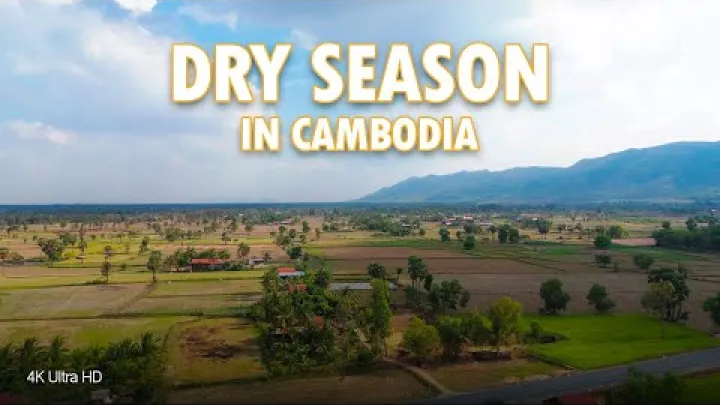
Koh Kong does not have a cold season. Days remain tropical and warm, while the main comfort advantage comes from lower rainfall and generally less oppressive humidity than during the monsoon. The broader Cambodian climate follows monsoon winds, with a drier northeast-monsoon period and a wetter southwest-monsoon period, as outlined by Britannica.
The trade-off is demand. December, especially around holiday periods, may bring more interest in accommodation and tours. Koh Kong is not as crowded as Cambodia's largest tourism centres, but travellers wanting a particular riverside stay, guide, or room type should not assume last-minute availability. Even in the dry season, a tropical shower remains possible, so this is a seasonal recommendation rather than a promise of cloudless weather.
Shoulder-Season Alternatives: March, November, and October
March is a useful alternative for visitors who accept stronger heat in return for weather that is often more workable than the main rainy months. It can suit beach time, boat outings, and early morning nature trips, but midday walking becomes more demanding. Choose March if warmth does not limit your plans and you prefer a period that is still generally dry.
November is often a better shoulder-season choice for travellers who want landscapes that remain green after the rains while moving toward more reliable outdoor weather. Conditions commonly improve as the month progresses, so later November is usually the safer choice for a trip dependent on several outdoor days. It can be a good compromise between dry-season convenience and a quieter atmosphere, although prices and availability vary by property and date.
October is more uncertain. It may appeal to flexible travellers who value lush scenery and are willing to rearrange plans around rain, but it is less suitable for a short, tightly scheduled coastal trip. These months are not universally better or worse than one another: March favours weather reliability but brings heat, November offers a transition toward dry conditions, and October can reward flexibility with a distinctly green landscape.
Koh Kong Climate and Seasons
Koh Kong has a tropical monsoon climate, but local experience is shaped by its coastal setting and the nearby Cardamom Mountains. Seasonal labels are useful for planning, yet transition dates can shift from year to year.
Dry Season and Rainy Season Patterns
Koh Kong's comparatively drier period usually runs from about November to April. The wetter southwest-monsoon season generally falls from roughly May to October. In practical terms, the dry period brings better odds for outdoor sightseeing and coastal activities, while the wet period brings more frequent showers, heavier downpours, cloudier intervals, and more uncertainty for remote excursions.
Koh Kong is among Cambodia's wetter areas because moist air reaches the coast and nearby mountain terrain. Climate summaries for Cambodia identify July and August as especially rainy around Koh Kong, with average monthly rainfall above 300 mm in those months in the cited dataset; see Climates to Travel. Exact totals differ between weather stations, datasets, and micro-locations, so the useful message is the pattern rather than a single number.
Rainy season does not mean rain falls continuously every day. Some days have dry breaks or rain concentrated in shorter periods. However, the seasonal likelihood of rain is much higher, and a wet afternoon, prolonged cloudy spell, or intense downpour can alter plans that depend on trails, rivers, or open water.
Temperature, Humidity, Sunshine, and Sea Conditions
Temperatures in Koh Kong stay warm through the year. The practical change between seasons is usually not a dramatic fall or rise in temperature, but the combination of heat, humidity, cloud cover, wind, and rainfall. The pre-monsoon period can feel particularly hot, while wet-season days may feel close and humid even when clouds reduce direct sun.

The drier months generally provide more comfortable conditions for long walks, beach time, and photography with brighter light. March and April can still offer useful sunshine, but shade and a slower pace matter more. During the wet season, greener vegetation and softer light may suit some photographers, while frequent cloud and rain can reduce the reliability of broad coastal views.
For trips on the Gulf of Thailand, the dry season is generally the more favourable period for beach and island plans. That does not mean the sea is always calm or that every outing is suitable. Wind, waves, visibility, tides, and storms are day-specific conditions rather than climate averages.
Koh Kong Weather Month by Month
This overview gives a simple monthly feel rather than a precise forecast. Use it to choose a travel window, then match it to the activities that matter most to you.
January to March: Dry Conditions with Increasing Heat
January and February are usually the most straightforward months for Koh Kong travel. Rain is less likely than in the monsoon season, making these months strong choices for beach days, mangrove outings, boat excursions, and walks around natural areas. They also provide the best overall chance of combining several activities in one short visit.
March remains viable for many visitors, but the character of the trip changes. Heat and humidity become more noticeable, and short showers become somewhat more possible as the dry season progresses. It is still a reasonable month for travellers who can begin active plans early, rest during the warmest hours, and use late afternoon for easier sightseeing.
For trekking or longer Cardamom Mountain excursions, January and February usually offer the most comfortable balance. March can work well for early starts, but it is less forgiving if an itinerary assumes long exposed walks in the middle of the day.
April to June: Hot Transition into the Green Season
April is often one of the hottest and most humid times to be in Koh Kong. It can still be suitable for relaxed coastal stays and short nature visits, but outdoor comfort depends heavily on shade, hydration, and sensible timing. It is less ideal for travellers hoping to spend every hour outdoors.
May is a transition month. Rainfall becomes more frequent, the landscape begins to look greener, and plans become less predictable than in the core dry season. A visitor may still have usable outdoor periods, but it is wise to value flexibility over a strict day-by-day programme.
By June, Koh Kong is more firmly in the wet season. Forests and rivers can look more dramatic, but rainy conditions can affect the ease and comfort of remote-area plans. June may suit visitors drawn to a rainforest atmosphere, while travellers seeking dependable beach weather or a sequence of fixed outdoor activities will usually find the dry season easier.
July to September: Peak Rain and Lush Landscapes
July through September are the wettest part of the year in Koh Kong, with August and September often requiring the greatest patience. Heavy rain can arrive at different times of day, and some periods may be far wetter than others. It is not accurate to assume every day is entirely lost to rain, but reliable sunshine is harder to plan around.

This season has genuine appeal for the right traveller. The Cardamom region can be intensely green, waterways may be full, and waterfalls can be more visually powerful. Nature photographers and visitors who enjoy mist, dense vegetation, and changing weather may find the atmosphere memorable. Quieter accommodation or lower-season value may also be possible, though neither should be assumed without checking individual providers.
It is usually the least suitable period for travellers who need guaranteed beach days, calm-looking crossings, or an itinerary with little room for change. The difference is not simply rain versus no rain: it is the higher chance that weather will interrupt a particular activity at the time you planned it.
October to December: Recovery, Improvement, and Dry-Season Reliability
October can still be wet and unsettled, particularly earlier in the month. It is a reasonable choice for travellers who place greenery and waterfall scenery above certainty, but it remains a weather gamble for a fixed boat-dependent itinerary.
November is a transition toward drier conditions. Early November may still carry meaningful wet-season uncertainty, while later November often offers better prospects for outdoor travel. This makes it a useful compromise for visitors who want a greener setting than the late dry season but do not want the full monsoon risk of August or September.
December is one of Koh Kong's strongest months for dependable outdoor plans. It is well suited to visitors combining Koh Kong town with coastal and nature activities, although broader holiday travel can increase demand. If weather reliability is more important than a potentially quieter stay, December is usually the better choice than October or early November.
Best Time to Visit Koh Kong by Activity
There is no single perfect season for every experience. Choosing by activity helps turn a general weather recommendation into a realistic Koh Kong itinerary.
Beaches, Islands, Swimming, and Snorkelling
For beaches, island trips, swimming, and snorkelling, aim for December to February when possible. These months usually offer the best combination of drier weather, more sunshine, and a stronger chance that a coastal day will go as planned. They are the most sensible choice for visitors whose main reason for coming is time on or near the water.
March and parts of April can still work for marine activities, especially for travellers comfortable with heat. The downside is that the hottest hours can make beach exposure tiring, and weather becomes gradually less settled. Early morning and later afternoon may be more pleasant than extended midday time outdoors.
Wet-season marine outings are not impossible, but they are less reliable. Conditions depend on the particular day's wind, waves, rain, and visibility, as well as the operator's assessment. Choose this season only if water activities are a welcome possibility rather than the one essential part of the trip.
Hiking, Waterfalls, and Rainforest Trips
The drier months are generally best for hiking and longer rainforest outings in and around the Cardamom Mountains. Trails are more likely to be manageable, access is more predictable, and walking is usually more comfortable than in periods of persistent rain. For visitors who want the simplest conditions for a full-day nature trip, December through February is the strongest window.
The wet season offers a different reward. Forest vegetation becomes richer, rivers are more active, and waterfalls such as Tatai Waterfall may look more dramatic. The same rain that improves the scenery can make paths muddy, surfaces slippery, and longer walks less pleasant. The best time therefore depends on your priority: choose dry months for access and hiking comfort, or the greener months for water flow and rainforest atmosphere.
At waterfalls and river sites, ask a local guide about current water levels and trail conditions before setting out. Do not swim or walk on slippery areas when water is high. Conditions at a specific site matter more than a general description of the season.
Wildlife, Photography, and Budget Travel
The green season can appeal to photographers and nature-focused travellers. Saturated foliage, active waterways, low cloud, and mist can create a very different visual experience from the brighter dry months. Wildlife viewing depends on place, timing, and local guidance, so it is better to choose this season for its overall natural atmosphere than to expect a guaranteed sighting.
Lower-season travel may bring quieter sites or better value at some accommodations, but these are tendencies rather than rules. Remote stays may have their own operating patterns, and a lower room price is not useful if the activities you want are unavailable or weather disrupted. Compare the actual value of your dates rather than assuming the rainy season is always cheaper.
Dry-season travellers gain easier logistics, brighter conditions, and a better chance of following a full itinerary. Wet-season travellers may gain richer scenery and a more secluded feeling, but should be comfortable changing pace when weather dictates the day.
How Local Conditions Change Around Koh Kong
Koh Kong weather is not experienced in exactly the same way everywhere. A town-based day, a river stay near Tatai, and a remote mountain excursion can have different practical needs.
Koh Kong Town and Coastal Plans
Koh Kong town is a practical base for riverside, coastal, mangrove, and nearby nature plans. Even during the comparatively drier season, lowland heat and humidity can be noticeable. Plan the most active sightseeing for earlier hours, and leave room for a relaxed meal, indoor break, or shaded stop when the day is hottest.
A simple town-stay kit is useful in every season: breathable clothing, comfortable footwear, sun protection, a reusable water bottle, and light rain protection. In wetter months, quick-drying clothing and a small waterproof cover for electronics add useful protection. This approach lets a brief shower change the order of the day rather than end it.
Tatai and the Cardamom Mountain Areas
Conditions can differ between Koh Kong town, river corridors near Tatai, and higher or more forested Cardamom Mountain areas. Terrain and exposure can affect rainfall, trail surfaces, visibility, and the feel of the temperature. A town forecast may be helpful as a broad guide but cannot fully describe a particular trail, waterfall, or lodge area.
Rain can improve the visual appeal of Tatai and the forested landscape, while also changing the comfort of longer excursions. River levels, muddy ground, and reduced visibility can matter more than the rainfall total shown on a weather app. Contact the specific accommodation, guide, or site operator for the conditions at the place you intend to visit.
Boat Routes, Roads, and Remote Accommodation
Trips involving boats, unpaved roads, remote eco-lodges, or mountain access need more flexibility during the wet season. Seasonal climate information can indicate a greater chance of rain, but it cannot confirm whether a particular boat will depart, whether a route is comfortable to travel, or whether a lodge transfer is operating on your date.

If your Koh Kong itinerary depends on one crossing or one remote transfer, allow a buffer day rather than connecting it immediately to an important onward journey. Shortly before departure, confirm boat departures, road conditions, remote-lodge access, and the return plan directly with the accommodation or operator. This is especially important from June through October, when local conditions may change quickly.
When to Reconsider Visiting Koh Kong
Koh Kong remains visitable in every season, but some travel styles are a poorer match for particular months. Reconsidering a date does not mean avoiding the destination entirely; it means aligning expectations with the weather pattern.
Peak Monsoon for Fixed Beach or Boat Itineraries
August and September, and sometimes early October, are the months to reconsider if your trip depends on consistent sunshine, dependable sea access, or a tightly timed sequence of transfers. Heavy rain episodes, high water, muddy access, and rapidly changing conditions are more likely than in the dry season. Cambodia's water-sector planning has also highlighted the likelihood of more concentrated intense rainfall and greater flood and drought variability; the Ministry of Water Resources and Meteorology document provides broader national context for this uncertainty.
A flexible visitor focused on rivers, waterfalls, and rainforest scenery may still enjoy this period. The practical rule is simple: if one cancelled boat outing or one rainy day would make the trip unsuccessful, choose December to February instead. If you can stay longer, alter the order of activities, and enjoy the landscape between showers, the green season may still be worthwhile.
The Hottest Period for Heat-Sensitive Travellers
March and April are the periods most likely to challenge heat-sensitive travellers. Koh Kong's coast can feel different from the hottest inland areas, but high heat and humidity can still make hiking, cycling, exposed beach time, and sleep less comfortable. A long Cardamom excursion can feel much harder when it includes midday exertion.
Use early mornings and late afternoons for strenuous activities, take shaded breaks, wear breathable clothing, and carry sufficient water. Sun protection is important even when clouds are present. Visitors who prefer cooler-feeling conditions for all-day walks may be happier in January or February than in late March or April.
How to Plan Around Climate Averages
Climate data is valuable for choosing a season, but it should not be treated as a schedule for a specific day. A practical plan combines long-term patterns with short-term information.
Climate Averages Are Not a Live Forecast
Historical averages show the usual rhythm of rain and temperature, but they cannot predict the timing of a shower, sea conditions, road access, or stormy weather during your particular visit. Use averages to decide whether dry-season reliability or green-season scenery is the better match for your trip.
Shortly before travel, check a current forecast and any relevant weather advisories, then check again before a boat outing or remote-area activity. A service such as AccuWeather can provide a current starting point, but no single forecast can guarantee conditions across coastal and mountainous areas. Compare it with direct local updates from your accommodation, guide, and transport operator.
Packing and Itinerary Flexibility by Season
For December to April, pack breathable clothing, sun protection, comfortable walking footwear, and a light rain layer. The key Koh Kong challenges are heat, strong sun, humidity, and the possibility of an isolated shower. A small day bag that can carry water and protect a phone or camera is useful for town and coastal outings.
For May to October, add quick-drying clothing, dependable rain protection, footwear that can handle mud, and a waterproof pouch or cover for electronics. These items are particularly useful for rainforest trips, river areas, and wet transfers. Do not overfill each day: keep one activity as the priority and retain an easier alternative if rain changes the timing.
Final Recommendation for the Best Time to Visit Koh Kong
Choose December to February for the best overall time to visit Koh Kong. These months give most travellers the best chance of drier weather, comfortable outdoor planning, and dependable conditions for a mix of coast, town, and nature experiences.
Choose March if you accept more heat, or later November if you want a greener transition-season feel with improving weather. Visit from June to September for lush rainforest scenery and stronger waterfalls only if you are comfortable with rain and a changeable itinerary. Whatever month you choose, match the season to your main activity and treat conditions in Tatai, the Cardamom Mountains, and on the Gulf of Thailand as local, day-specific realities.
Select area
Create a post
Posting is free and no registration is required.