Stung Treng Best Time to Visit: Month-by-Month Weather Guide
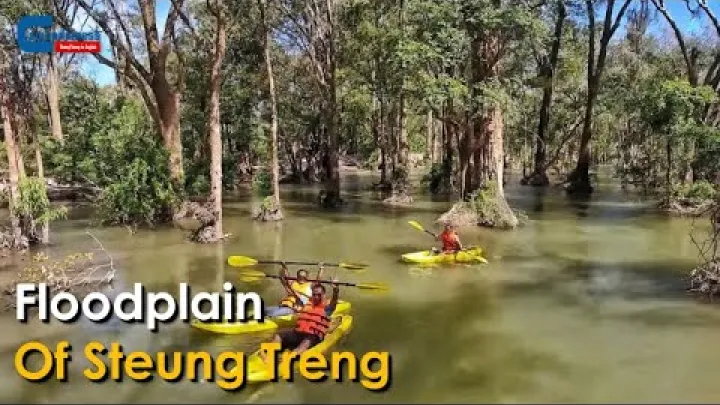
The best time to visit Stung Treng is usually December to February, when the weather is comparatively dry, humidity is lower, and daytime travel is easier to plan. This northeastern Cambodian destination is warm throughout the year, but the character of the Mekong River, the Sekong River confluence, wetlands, and sandbanks changes strongly between dry and rainy seasons. Travelers who want comfortable sightseeing should favor the cool-dry months, while those interested in green high-water landscapes may prefer the wet season. This guide explains the monthly pattern, the practical effects of heat and rain, and how to choose a season for your travel style.
Quick Answer: When Is the Best Time to Visit Stung Treng?
For most visitors, the best season combines lower rainfall with manageable heat. That makes the middle of the dry season the most dependable choice for a first visit, especially if your plans include time outdoors in Stung Treng town and on the Mekong.
Best Overall: December to February
December through February is the best overall period for visiting Stung Treng. These months are generally the driest and relatively moderate part of the year, so they offer the most comfortable balance for walking around town, cycling, visiting the riverfront, and arranging a river excursion. It is still tropical and warm during the day, rather than cold, but mornings and evenings can feel more pleasant than in the hotter months.

The main advantage is not simply temperature. Lower humidity, fewer rain interruptions, clearer conditions, and more predictable outdoor logistics make this period easier for travelers with limited time. It is a climate-based recommendation, not a guarantee: a short rain shower, haze, unusual heat, or changing river level can occur in any month.
Best Months by Travel Priority
| Travel priority | Best period | Why it fits |
|---|---|---|
| General comfort | December to February | Drier air and easier outdoor planning |
| Sandbanks and lower-water scenery | December to April | More likely to suit open river views |
| Green wetlands and high water | July to October | Lush, rain-fed river landscapes |
| Possible lower demand | May to October | Wetter travel period with variable local supply |
Choose December to February if comfort and reliable outdoor time are the priority. For lower-water scenery and potentially exposed sandbanks around places such as Koh Han, the broader dry period from roughly December to April is often more suitable, although water levels differ from year to year.
Flexible travelers may find the rainy season rewarding for fuller waterways and greener wetland views, particularly around the Stung Treng Ramsar Site. This is also the period when demand may be lower, but do not assume that every hotel, boat trip, or transfer will be cheaper. Stung Treng has a smaller tourism market than Cambodia's major destinations, so availability and seasonal pricing can be uneven.
Stung Treng Climate: Dry, Hot, and Rainy Seasons
Stung Treng has a tropical inland climate shaped by the monsoon and by the Mekong basin. The year is easiest to understand as a dry season, a very hot pre-monsoon period, and a rainy season with changing river and wetland conditions.
Dry Season: November to April
The dry season broadly runs from November to April. Rainfall is lower, skies are often clearer, and it is generally easier to arrange travel around Stung Treng town, the Mekong waterfront, and nearby river areas. A regional climate assessment notes that northeastern Cambodia receives heavy monsoon rainfall from May to October, which helps explain the contrast with the drier months described in the UNDP Cambodia climate zone assessment.
November is a transition month: rain normally decreases, but the landscape can still look fresh after the monsoon. December begins the more reliably dry travel window. January and February are usually the most comfortable dry-season months, while March and April remain relatively dry but become much hotter.
Dry season does not mean every unpaved rural route is always easy or that every river trip can operate. It does mean that rain is less likely to dominate the day. For trips beyond town, local conditions still determine the practical route and the best departure point.
Hot Pre-Monsoon Months: March to May
March to May is the hot pre-monsoon period. March and especially April can be demanding for visitors who want to walk, cycle, or spend long periods in exposed boats. High air temperature is only part of the experience: direct sun, dry-season dust in some areas, and rising humidity can make midday feel significantly more strenuous.
Plan active sightseeing early in the morning or later in the afternoon. Use shade when possible, carry sufficient drinking water, wear sun protection, and schedule a long shaded or indoor break in the middle of the day. These habits make April viable for travelers who can adapt their pace, but it is a less comfortable choice for people sensitive to heat.
May often remains hot, while humidity and rainfall begin increasing. Some days can still feel dry and bright, yet the growing chance of storms makes it unwise to treat May exactly like the settled dry season. Build time into the day rather than relying on a tightly timed outdoor schedule.
Rainy Season: May to October
May to October is the rainy season. Rain does not necessarily fall without pause all day; it often arrives as heavy showers or thunderstorms separated by cloudy or dry intervals. However, humidity is high, surfaces can become muddy, and a fixed outdoor itinerary is harder to maintain. The middle and later rainy-season months are generally the wettest and most changeable.
The benefits are substantial for the right traveler. Vegetation becomes greener, waterways are fuller, and wetland scenery takes on a more dramatic scale. The Stung Treng Ramsar Site is especially shaped by seasonal water: rainfall and river flows influence its floodplain habitats and the appearance of the landscape, as discussed in the IUCN Stung Treng Ramsar Site assessment.
The trade-off is reduced certainty. Remote access, equipment drying, boat departures, and comfort outdoors can all be affected by a wet day. Rainy-season travel is best for visitors who value atmosphere and green landscapes more than a rigid daily plan.
Stung Treng Weather by Month
Monthly conditions overlap, and river levels do not follow the calendar in precisely the same way every year. Use this overview as a planning guide rather than as a forecast for specific travel dates.
November to February: The Most Comfortable Travel Window
November: The transition from wet to dry is underway. Rain becomes less frequent, while post-monsoon greenery may still be visible. It can be a good compromise for travelers who want a fresher landscape without the full intensity of the rainy season.
December: Conditions are usually much drier and easier to plan around. It is a strong month for exploring Stung Treng town, arranging time along the Mekong River, and considering excursions where lower water and clearer weather are useful.
January: Often one of the driest and relatively coolest months. Mornings and evenings may feel pleasant, but daytime remains warm. It is among the best choices for visitors combining river activities with town-based sightseeing.
February: Dry conditions commonly continue, offering another excellent month for outdoor travel. Heat begins building gradually toward the end of the dry-season comfort window, but February is still generally easier than March or April.
River levels, sandbank visibility, and the precise look of the river can vary between years, even within these favorable months. Treat the season as an advantage, not a fixed landscape guarantee.
March and April: Hotter, Brighter, and More Demanding
March: Rainfall is often still limited, but the heat becomes much more noticeable by late morning. It can work well for travelers whose main goal is dry weather and who are willing to start early.
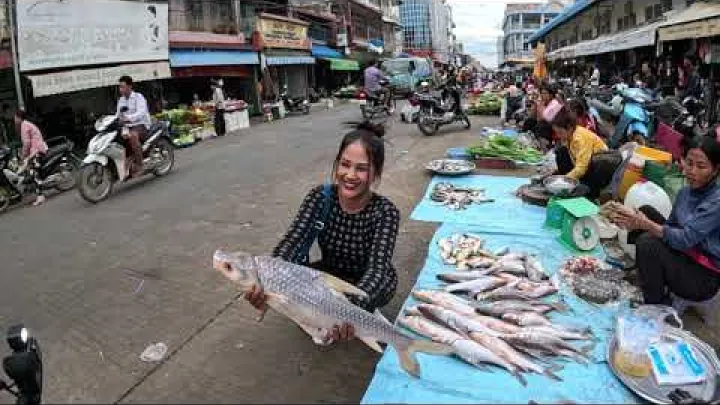
April: This is commonly the hottest part of the year in climate summaries for Cambodia. Strong sunshine can turn simple activities, including a walk along the river or a bicycle ride, into physically demanding plans. Outdoor time is most enjoyable close to sunrise and late in the day.
Bring a refillable water bottle, a hat, sunscreen, and breathable clothing. Choose accommodation with a shaded resting area or a cool room, and leave space for recovery between excursions. Late April can also bring occasional storms, so dry weather should not be assumed for every hour of the day.
May and June: Green Season Begins
May: The green season begins as rainfall and humidity rise sharply. Temperatures can remain high, but rain may reduce the severe dry heat of April. The visual landscape starts changing quickly, especially near rivers and low-lying areas.
June: The wet season is established. Expect frequent rain, humid air, and increasingly green surroundings. A shower may be brief, but a heavy downpour can affect a planned walk, leave paths slippery, or make it harder to keep cameras and bags dry.
May and June are useful for travelers who prefer a greener setting and can accept occasional disruptions. Water levels may begin altering views and access around rivers and wetlands, but the exact local situation depends on recent rainfall and should not be assumed from the calendar alone.
July to October: Peak Rainfall and High-Water Landscapes
July and August: Expect frequent rain, high humidity, lush vegetation, and occasional useful dry periods between showers. These months can be visually rewarding, but outdoor equipment and footwear need to cope with wet conditions.
September: This is often among the wetter and less predictable periods. It may suit visitors who are specifically interested in high-water landscapes, but it is less suitable for travelers who need every transfer and excursion to operate on a precise timetable.
October: The move toward drier weather begins gradually, although wet conditions and elevated water can persist. October can appeal to travelers seeking a transition period with green scenery, but it should not be treated as reliably dry.
The Mekong setting is central to this seasonal change. In Cambodia's broader floodplain system, high Mekong water influences connected waterways and floodplain environments; this hydrological context is outlined by Britannica. Around Stung Treng, the high-water season can create a very different experience from dry-season riverbanks and sandbars.
Choose the Best Season for River, Wetland, and Wildlife Experiences
Stung Treng is not only a town stay. The Mekong River, the Sekong River confluence, seasonal wetlands, and river islands give each season a distinct appeal. Choose the time of year according to the landscape and activity you want rather than weather alone.
Dry-Season River Trips and Exposed Sandbanks
Lower water in the dry season can reveal sandbanks and create more open river views. This is why December to February is the most comfortable period for longer outdoor river excursions, while March and April may still suit travelers who can manage the heat.
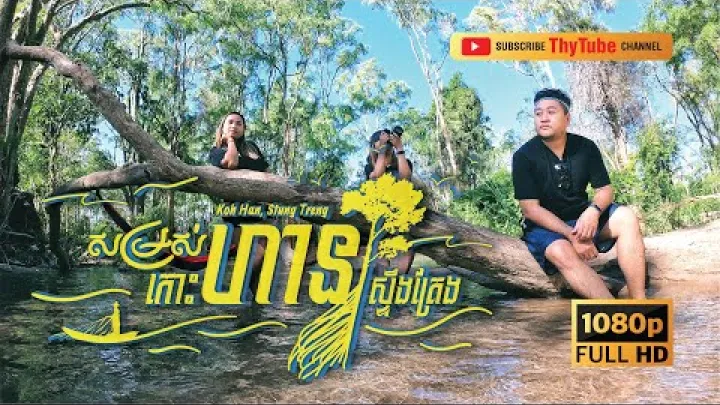
Koh Han is a useful local example of the dry-season landscape: exposed sandbanks and riverside settings may be more apparent during lower-water months. Depending on current local arrangements, this can support quiet viewing, kayaking, camping, or boat-based exploration. The experience depends on the route, launch point, current water level, and the operator rather than the month alone.
Low water does not automatically mean calm or simple navigation. A scenic river outing should be selected according to the actual river channel and weather on the day, not only the season.
Rainy-Season Flooded Forests and Wetlands
Monsoon rain and Mekong flows transform the Stung Treng Ramsar Site and nearby floodplain landscapes. From roughly July to October, flooded vegetation, fuller channels, and deep green riverside scenery can be the main attraction. The landscape may look especially different from the dry season, when sandbanks and open banks are more prominent.
Wet-season boat or kayak trips can offer views of flooded vegetation and channels that are not the focus in lower-water months. The most dramatic timing varies by year, depending on rainfall and river behavior. The same water that creates this scenery also brings practical limits: humidity is higher, storms may develop, currents can be stronger, and access can change.
Use an experienced local boat or kayak guide for river activities. Postpone an outing during thunderstorms, dangerous currents, or official high-water warnings. This is particularly important in exposed river areas, where conditions can change faster than a general town forecast suggests.
Wildlife Watching and Seasonal Visibility
Season affects the setting for wildlife watching, but it does not guarantee sightings. In drier months, some river wildlife excursions may be easier to arrange and observe because weather is more predictable and viewing areas may be more accessible. In the wet season, expanded wetlands can create different opportunities for birds and aquatic wildlife.
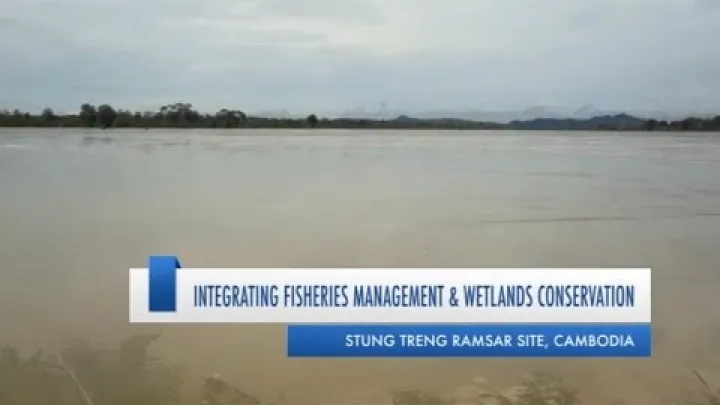
What you see depends on the exact habitat, guide knowledge, water conditions, time of day, and the behavior of wild animals. Do not plan an entire visit around a promised encounter with a particular species. Descriptions of wildlife opportunities elsewhere on the Mekong should not be assumed to apply in the same way to every Stung Treng location.
Before relying on a wildlife or boat excursion in your itinerary, confirm that the specific trip is operating and verify its departure point. Seasonal operations can change, especially when water levels or weather affect local routes.
Heat, Rain, Crowds, and Prices: When Conditions May Be Less Suitable
There is no universally bad time to visit Stung Treng. Instead, some periods are less suitable for particular priorities, whether that is avoiding heat, maintaining a fixed schedule, or seeing low-water river scenery.
Periods to Avoid for Specific Travel Styles
Heat-sensitive travelers may prefer to avoid April and the hottest part of the pre-monsoon season. The issue is not whether the town can be visited, but whether long daytime exploration will be enjoyable. A shorter, slower visit with early starts is more realistic at this time.
Travelers with fixed onward connections, limited days, or a tightly scheduled program may find the wetter months more difficult than December to February. Rain does not necessarily stop travel, but it can reshape the timing of outdoor activities and remote excursions. Visitors seeking dry sandbanks and low-water river views should also avoid expecting that experience during the peak rainy season.
For travel to remote wetlands or river communities, ask accommodation staff or a local tourism contact to confirm road, bridge, and boat access before setting out. This gives you route-specific information rather than relying on a seasonal generalization. Cambodia's Mekong floodplain setting makes local water conditions an important practical factor, as reflected in material from the Ministry of Water Resources and Meteorology.
Crowds, Availability, and Budget Trade-Offs
Cambodia's cooler and drier period is generally the more popular travel season, so December to February can bring greater holiday demand. Stung Treng is quieter and less developed for tourism than major destinations such as Siem Reap, but that does not mean accommodation or local excursions will always be available at short notice.
The rainy season may bring lower demand and sometimes better value, particularly for travelers who can change plans around weather. However, exact discounts are not assured. Local accommodation, transport, and excursion supply can be limited, and some activities may operate less frequently rather than becoming cheaper.
Compare current accommodation options and ask directly about excursion availability for your intended dates. If visiting in December or early January, reserve key stays or planned trips earlier, especially around holiday travel periods.
How to Plan a Weather-Ready Stung Treng Visit
A weather-ready plan allows you to enjoy Stung Treng town while leaving room for the river conditions that make the region distinctive. Pack for heat in every season, then add rain protection and extra flexibility as the monsoon becomes stronger.
Climate Averages Versus the Current Forecast
Climate averages describe what is typical across a month or a long period. They cannot tell you whether your specific travel day will have a thunderstorm, extreme heat, a clear morning, or altered river conditions. This distinction matters most for remote Mekong and Ramsar Site excursions.
Check a current weather forecast before traveling to Stung Treng town and again before leaving for a remote river or wetland trip. During the wet season, also look for heavy-rain, flood, river-level, or severe-weather notices. Check immediately before departure and move exposed activities to the morning when storms or extreme heat are forecast.
A flexible itinerary is especially valuable from July through October and after unusual rainfall. Use fixed days for town-based activities where possible, and keep the most weather-dependent river outing on a day when conditions are favorable.
What to Wear and Pack for a City Stay
Wear lightweight, breathable clothing in every season. A light layer can be useful for relatively cooler dry-season mornings and evenings, while a hat and sun protection are important year-round. Carry drinking water, insect protection, and footwear that can handle uneven, wet, or muddy surfaces.
For rainy-season travel, add quick-drying clothing and a waterproof bag or cover for electronics. A compact rain layer is useful, but avoid relying on it as your only protection during a heavy tropical downpour. Allow time to dry shoes and equipment between outings.
Stung Treng town is a practical base for checking local conditions before committing to a longer river or wetland excursion. City-stay packing is usually sufficient for sightseeing, but guided kayaking or boat activities may require additional equipment supplied or specified by the operator.
Final Recommendation for the Best Time to Visit Stung Treng
For most travelers, visit Stung Treng from December to February. This period offers the best combination of lower rainfall, lower humidity, relatively comfortable temperatures, and dependable conditions for exploring Stung Treng town and the Mekong River.
Choose March or April only if dry weather matters more than heat comfort. Choose May to October if you are prepared for rain and want greener scenery, fuller waterways, and the seasonal transformation of wetlands around the Stung Treng Ramsar Site. Whatever month you choose, let the current forecast and local river conditions shape the final version of your itinerary.
Select area
Create a post
Posting is free and no registration is required.