Battambang Travel Guide: What to See and How to Plan

This Battambang travel guide is for first-time visitors who want to experience a slower side of northwestern Cambodia. Battambang combines a compact riverside center, heritage streets, active markets, Buddhist sites, countryside roads, and a notable contemporary arts scene. It works especially well as a calm complement to Siem Reap or as an overland stop between Phnom Penh and Siem Reap. This guide explains where to stay, how to arrive, what to do, how to plan your time, and how to make thoughtful choices around transport and sensitive historic places.
Battambang at a Glance
Battambang is best approached as both a city break and a gateway to nearby rural attractions. The central area is manageable on foot or by bicycle, but several of the best-known temples, hills, and activity sites sit beyond the center. A good visit balances unhurried city exploration with one or two well-planned outings.
What to Expect from Battambang
Set beside the Sangkae River, Battambang has a low-rise, lived-in character that differs from Cambodia's larger urban centers. Visitors come for streets with French-era commercial and civic buildings, Khmer religious sites, market life, rice-growing countryside, and creative institutions. The Old French Quarter and surrounding central streets are useful places to notice how Khmer, Chinese, colonial-era, and contemporary businesses share the same urban landscape.
This is a strong choice for travelers who prefer cafés, independent restaurants, architecture, local arts, cycling, and a more relaxed rhythm than a major resort or nightlife center. It is not the best base for someone seeking large clubs, a dense concentration of major temples within walking distance, or a tightly scheduled list of headline attractions. Its appeal is in pacing: time to walk, eat, observe, and take a short trip outside town.
Think of Battambang as two connected areas. The center around the river and Central Market, also known as Phsar Nath, is compact and convenient. The wider visitor area includes Phnom Sampeau, Wat Banan, Wat Ek Phnom, Wat Kor, and other rural locations that need a bicycle, motorbike, tuk tuk, guide, or private driver. Planning the urban and countryside parts separately makes the trip much easier.
How Long to Stay in Battambang
For most first visits, allow two full sightseeing days. That gives enough time for a heritage walk and food stops in the center, plus one focused countryside circuit. A traveler who arrives on an afternoon bus or leaves on a morning train should not count that travel day as a full day of exploration.
| Stay length | Best for | A realistic focus |
|---|---|---|
| Two full days | First-time visitors | Heritage center plus one countryside outing |
| Three days | Balanced pacing | City, Phnom Sampeau, and temple circuit |
| Four to five days | Arts and slow travel | Cycling, classes, food, rest, and rural stays |
Three days is a more comfortable choice if you want Phnom Sampeau, Wat Banan, Wat Ek Phnom, and time for an arts activity without rushing. Four or five days suits travelers interested in architecture, photography, cooking, social-enterprise visits, countryside cycling, or simply a quieter pause in a Cambodia itinerary. More time does not need to mean more driving; it can mean earlier starts, cooler breaks, and room to return to the riverfront in the evening.
Where Battambang Fits in Northwestern Cambodia
Battambang is often paired with Siem Reap, but the two places serve different purposes. Siem Reap is the practical base for Angkor and has a more developed visitor infrastructure. Battambang offers smaller-scale temples, a broader sense of provincial daily life, architectural walks, and rural experiences. Travelers who want a temple-intensive trip may give more time to Siem Reap, while those seeking a calmer cultural stop can add Battambang for two or more nights.
On an overland route, Battambang can fit naturally between Phnom Penh and Siem Reap. It can also be a useful stop before continuing elsewhere in northwestern Cambodia, but travel toward western border areas should be treated as a separate planning decision, not as an automatic extension. Choose that route only after considering current official advice and the purpose of the trip.
When to Visit Battambang
Weather affects how comfortable Battambang feels more than it changes the city's basic character. Cambodia is hot throughout the year, and the main planning choice is between generally drier conditions and greener, wetter landscapes. Build your plans around heat, rain tolerance, and the type of countryside activity you want.
Dry and Wet Season Travel Conditions
Broadly, Cambodia has a drier period and a wetter monsoon period. During relatively dry months, outdoor walks, long tuk tuk circuits, temple climbs, and cycling are often easier to organize. Conditions can still be hot, especially around midday, and dry weather should not be mistaken for cool weather.
In wetter periods, fields and vegetation can look especially green, and rain may bring welcome relief from the heat. The trade-off is that showers can interrupt plans, unpaved rural surfaces may become more difficult, and travel can take longer. A rainy day does not make Battambang unsuitable; it simply rewards a less rigid schedule and a willingness to shift between outdoor and city-based activities.
There is no single best season for every traveler. Those who prioritize reliable outdoor movement may prefer a generally drier time, while photographers and slower travelers may enjoy the richer rural scenery associated with wetter months. In every season, use early morning and late afternoon for the most physical sightseeing.
Choose Travel Timing by Travel Style
If your priority is walking the heritage core, visiting several temples in one day, or cycling through the countryside, aim for a period that is usually drier and plan the active part of the day before the strongest heat. Bring breathable clothing, drinking water, and time for a midday meal or café break rather than trying to sightsee continuously.
Shoulder-season travel can appeal to visitors who value green landscapes, softer light, and a less crowded atmosphere. It may also suit travelers who are happy to keep an indoor alternative ready. Food-focused trips, art visits, architecture walks, and relaxed time near the river are less dependent on perfect conditions than full-day cycling or boat plans.
Heat-sensitive visitors should not schedule a long climb at noon. Phnom Sampeau and Wat Banan involve stairs and exposed sections, while rural roads can offer little shade. A later start is not always the answer if a sunset activity is planned, so choose one main physical objective rather than combining several demanding stops.
Check Weather Before Fixing Countryside Plans
Check a current Battambang forecast close to your visit before committing to a boat trip, cycling day, temple circuit, or sunset outing. Rain can change the condition of unpaved roads, make steps slippery, reduce visibility, and alter how long an outdoor trip takes. Ask your accommodation or local driver how conditions are affecting the specific route you intend to use, rather than relying on a general seasonal description.
Keep a city-based backup plan. A wet or very hot afternoon can be used for Central Market, a café, a heritage walk with shorter distances, a museum or local-history resource, or an arts activity. This approach protects the rest of the itinerary without assuming that every outdoor attraction will be closed after rain.
How to Get to Battambang and Get Around
Road transport is the practical default for most travelers. Once in Battambang, the right way to move around depends on whether you are staying in the central core or visiting sites outside the city. Choose transport for the actual day you have planned, not simply for the lowest advertised price.
Travel from Phnom Penh by Bus or Train
Buses and minivans are usually the more frequent and straightforward way to travel from Phnom Penh to Battambang. The road connection is commonly advertised as taking around five hours, but traffic, stops, vehicle type, and pickup arrangements can change the actual journey. redBus Cambodia lists this route and illustrates why travelers should compare operators, departure points, and current booking conditions rather than treating one schedule as permanent.

Rail can be an attractive slower alternative for travelers who enjoy the journey itself. It may be less frequent than buses and can require more careful coordination with accommodation and onward plans. Check the current timetable, service status, station access, and the practical location of your arrival before choosing rail. Battambang railway station is part of the city's heritage setting, but a scenic arrival is not useful if it leaves you with an inconvenient transfer or no time for the activities you planned.
When comparing options, look beyond the headline fare. Consider where the vehicle actually departs and arrives, how much luggage is included, whether a seat is assigned, the provider's cancellation terms, and recent traveler feedback about comfort and timing. A slightly more expensive service can be worthwhile if its terminal and arrival time reduce the need for extra local transfers.
Travel from Siem Reap and Consider the Seasonal Boat
For the Siem Reap to Battambang connection, buses and vans are generally the most predictable choice. They are appropriate for travelers who want a defined travel day and a straightforward arrival. Private transfers can make sense for small groups, families, or travelers carrying substantial luggage, particularly if they want to stop along the way.
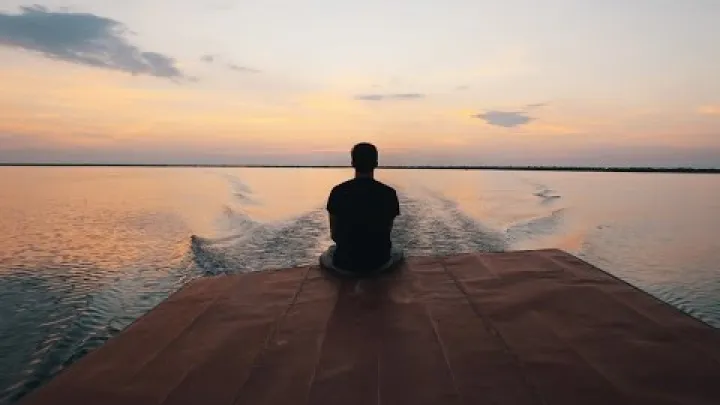
A boat journey through Tonle Sap and connected waterways can be a memorable, experience-led alternative when services are operating. It is not a dependable year-round replacement for road transport: water levels, route conditions, departure timing, price, and the type of vessel can all affect availability. Treat it as a full-day scenic activity rather than a quick transfer, and book only when the operator can clearly explain the current route and practical arrangements.
The choice is simple. Pick road transport for greater predictability and easier scheduling. Consider a boat only if you have flexibility, accept a longer journey, and value the landscape and waterborne experience as part of the trip itself.
Use Tuk Tuks, Bicycles, and Motorbikes Locally
Walking works well around the Sangkae River, Central Market, the Riverside Nights Market, and central heritage streets. A bicycle can extend that area at a relaxed pace and is a pleasant option for travelers comfortable with heat and local traffic. Use a lock, avoid leaving valuables in a basket, and choose a route that does not put you on busy roads after dark.

For Phnom Sampeau, Wat Banan, Wat Ek Phnom, and other outlying places, a tuk tuk with a negotiated itinerary is usually the easiest choice. It allows you to set a sensible number of stops, carry water and extra clothing, and avoid the fatigue of cycling long distances in the heat. A local guide can add context when visiting religious or memorial sites, although the value of a tour depends on the guide's knowledge and your interests.
Motorbike rental offers independence but is best reserved for experienced riders who understand Cambodia's road environment. Before renting, consider your licence, insurance coverage, helmet use, confidence on uneven roads, and ability to manage traffic. A motorbike is not necessary for a satisfying first visit, and a tuk tuk often provides a more relaxed choice for a short stay.
Confirm Transport Details Before Departure
Reconfirm every intercity journey shortly before departure directly with the provider. Check the departure terminal or pickup point, reporting time, route, arrival location, luggage allowance, payment method, cancellation conditions, and whether the advertised vehicle type is guaranteed. For trains, confirm the operating day and station procedures; for boats, confirm the boarding point and what happens if water or weather conditions affect the service.
Booking platforms are useful for comparing options, but the operator's confirmation is the practical information to follow. Leave a buffer between an intercity arrival and a countryside tour, and do not schedule a distant temple circuit immediately before a fixed bus, train, or flight connection. This small amount of space makes delays far less disruptive.
Where to Stay and How to Budget
Your accommodation location shapes the feel of a Battambang visit. Central stays make it easy to walk to food, markets, and heritage streets. Quieter properties can provide more space and a rural atmosphere, but require more planning for meals and transport.
Base Yourself Near the River, Market, and Heritage Core
For most first-time visitors, the best base is near the Sangkae River, Central Market, the Riverside Nights Market, and the Old French Quarter. This area gives you walkable access to cafés, restaurants, local shops, heritage buildings, and casual evening activity. It also makes it easier to arrange a morning tuk tuk pickup without spending extra time traveling from an outer neighborhood.
Accommodation in and around the center ranges from basic guesthouses and hostels to boutique hotels and heritage-style properties. Choose by practical needs as much as appearance: air conditioning or a reliable fan, sound levels, breakfast, bicycle availability, luggage storage, and help with transport arrangements can matter more than a small difference in room size. A central room is particularly useful if you have only two nights.
Consider Quieter Stays and Countryside Access
Areas around Wat Kor and properties outside the central core may appeal if you want gardens, village surroundings, or a quieter pace. These stays can be rewarding for travelers who have several days, want to cycle nearby, or prefer to return to a calm setting after sightseeing. They can also be a good fit for families or visitors who value open space over immediate access to restaurants.
The trade-off is convenience. Check the property's exact map location, road access in the season of your visit, transfer arrangements, food options, and the availability of a safe evening return from town. A countryside stay is not automatically more authentic or more practical; it simply offers a different rhythm. If your itinerary centers on markets, cafés, and night-time food, a central base will usually save time and money.
Estimate Daily Costs for Different Travel Styles
Costs in Battambang depend heavily on room type, transport choices, and whether you take private countryside trips. It is more useful to set a flexible daily framework than to rely on a fixed promise. Accommodation, meals, drinks, attraction fees, local transport, and optional activities should be considered separately from one-time intercity tickets.
| Travel style | Typical choices | Main cost pressure |
|---|---|---|
| Budget | Hostel or simple guesthouse, local meals, walking | Private day transport |
| Mid-range | Comfortable hotel, mixed dining, tuk tuk circuit | Room quality and activities |
| Comfort-oriented | Boutique stay, private driver, guided experiences | Private services and dining |
Central walking days can keep costs low. Spending rises when you book a full-day private tuk tuk, choose boutique lodging, add guided activities, or rely on frequent transfers from a rural property. Keep a separate reserve for arrival and departure transport, as these costs do not disappear simply because the daily budget looks modest. Check current room rates, entrance fees, and activity prices when booking because they can vary by season and sales channel.
Eat Locally and Plan for a Modest Nightlife Scene
Eating is one of the easiest ways to enjoy Battambang. Khmer meals, market snacks, noodle shops, bakeries, cafés, social-enterprise restaurants, and international dining are all part of the visitor experience. The riverfront, Central Market area, and Riverside Nights Market are practical starting points when deciding where to eat, especially if you are staying centrally.
For a low-cost meal, look for busy local stalls and simple restaurants with a clear turnover of food. For a longer meal or coffee break, cafés and social-enterprise venues can offer a comfortable pause between sightseeing stops. Ask your accommodation for current recommendations if you have dietary requirements, since menus and opening times can change.
Nightlife is generally relaxed and earlier than in larger Cambodian visitor centers. Expect casual bars, restaurants, and evening market activity rather than a major club scene. Plan dinner and social time as part of an easy evening, not as a reason to delay an early countryside departure the next day.
Best Things to Do in Battambang
The most rewarding Battambang itinerary mixes city history, religious sites, rural scenery, and contemporary culture. Avoid trying to complete every attraction in one rushed circuit. Grouping places by location and energy level gives each stop more meaning.
Walk the Central Heritage Area
Start with a self-guided walk near the Sangkae River, then move toward Central Market and the Old French Quarter. Continue past civic and commercial streets, looking at balconies, shutters, shopfronts, and the varied use of older buildings. The Governor's Residence, former Provincial Hall, and Battambang railway station are useful landmarks for understanding the civic side of the city's heritage landscape.
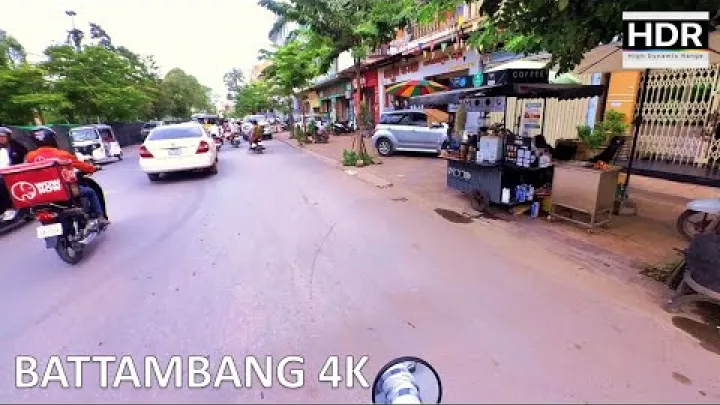
The former Provincial Hall has particular historical importance in the city. The Battambang Provincial Administration provides background on the building, making it a useful starting point for travelers who want more than an architectural photograph. Access to government or heritage buildings may be limited, so appreciate exterior views and follow any site rules.
Allow time to stop rather than treating the route as a checklist. The Battambang Tourist Information Centre, local museum resources, or a knowledgeable guide can provide historical context that is easy to miss when walking alone. Finish near the river or market for a meal, then return later in the evening when the central streets feel cooler and more social.
Visit Phnom Sampeau, the Caves, and the Bat Emergence
Phnom Sampeau is one of Battambang's most layered excursions. The hill combines a religious setting, broad views, caves connected to Khmer Rouge-era violence, and a natural bat emergence often viewed near sunset. It deserves more time and sensitivity than an ordinary photo stop.
The Killing Caves can be emotionally difficult. Visit quietly, listen to local guidance, and allow time to process what you see. The bat emergence is a separate experience and should not overshadow the memorial significance of the hill. Viewing conditions, access, and timing can vary, so ask locally how to approach the evening visit respectfully and practically.
Wear suitable footwear and carry water. The stairs, heat, uneven surfaces, and descent after dark can be demanding, particularly for visitors with limited mobility or families with young children. A tuk tuk or arranged driver is useful for the return journey, allowing you to focus on the site rather than navigating rural roads in low light.
Explore Wat Banan, Wat Ek Phnom, and the Temple Circuit
Wat Banan and Wat Ek Phnom are often combined in a countryside day, but they offer different experiences. Wat Banan is known for its hilltop position and stair climb, so it is better for travelers comfortable with a physical ascent and open views. Wat Ek Phnom combines older ruins with a modern pagoda setting and can feel more accessible as a countryside stop.
These sites complement an Angkor-focused Cambodia trip without replicating Angkor. Their value lies in their own setting, scale, active religious context, and the road journey through the Battambang countryside. Use careful expectations: they are rewarding for visitors interested in regional history and atmosphere, not substitutes for a large Angkor temple itinerary.
Plan temple visits in the cooler part of the day where possible. Dress modestly, carry water, and use footwear that can manage steps and uneven ground. A tuk tuk itinerary is usually the simplest way to combine sites efficiently, but choose a manageable circuit instead of adding every attraction on the same day.
Experience the Bamboo Train, Arts, and Community Projects
The bamboo train is widely associated with Battambang, but it is an evolving visitor experience rather than a fixed, permanent attraction. Railway development and local operating arrangements can affect its route, opening status, price, and instructions. Confirm those details locally before traveling out to it, and decide whether the experience fits your available time and interest.
For a deeper view of contemporary Battambang, consider Phare Ponleu Selpak. The organization describes itself as a non-profit arts and circus school in Battambang, and its work can add an important present-day cultural dimension to a trip. Check the Phare Ponleu Selpak website for current performance, tour, workshop, and visitor information before making plans.
Other slower options include countryside cycling, cooking classes, social-enterprise cafés, and craft or livelihood visits. Choose activities that explain how participation supports local people, respect household privacy, and avoid presenting community life or traumatic history as a product. A smaller number of well-chosen experiences is usually more meaningful than a packed activity list.
Safety and Responsible Travel in Battambang
Most practical safety decisions in Battambang concern route choice, road awareness, heat, and respectful conduct. Prepare for the specific type of day you are taking, especially when leaving the center for rural sites or memorial locations.
Check Current Advisories and Route Conditions
Read current government travel advice before visiting Cambodia, especially if you are considering western border areas or remote rural districts beyond established visitor routes. Conditions can change, and broad assumptions about an entire province are not a substitute for current guidance. The Smartraveller Cambodia advice is one official resource covering safety and health considerations for international visitors.
Stay on recognized visitor routes, use reputable local providers, and ask current local authorities or your accommodation about conditions before traveling farther into the countryside. Do not explore unfamiliar trails, former conflict areas, or remote shortcuts independently. This is particularly important where landmines, unexploded ordnance, border tensions, limited services, or poor road conditions may be a concern.
Visit Memorials and Religious Sites Respectfully
Memorial locations such as the Killing Caves, and places connected with Khmer Rouge-era violence, require quiet and reflective behavior. Do not treat them as quick photo opportunities. Learn enough context to understand why the place matters, avoid disruptive conversation, and follow instructions from guides or site staff.
At active religious sites, cover shoulders and knees where appropriate, remove footwear when asked, and keep your manner calm. Ask before photographing people, monks, ceremonies, or private devotional activity. Religious etiquette and memorial etiquette overlap in their need for respect, but each place also has its own practical rules and emotional context.
Manage Heat, Roads, and Evening Movement
Carry drinking water, sun protection, a charged phone, and suitable footwear for every temple or countryside day. Uneven steps, loose surfaces, and long exposed roads can make an otherwise easy outing more difficult. Keep an eye on your energy level and take breaks before heat exhaustion becomes a problem.
Traffic requires attention whether you are walking, cycling, or riding. Wear a helmet when on a motorbike, do not assume drivers will follow the same road habits as at home, and avoid riding if you are tired or unsure of the route. For late returns from Phnom Sampeau or other outlying sites, arrange a reputable tuk tuk or transfer in advance. Limit alcohol if you still need to travel through traffic or navigate unfamiliar streets.
Sample Battambang Itineraries
These itineraries are frameworks, not rules. They assume that arrival and departure days may be partly consumed by transport. Adapt the order to your accommodation location, energy level, and the experiences that matter most to you.
A Focused Two-Day Battambang Plan
On day one, explore the central area at an easy pace. Walk near the Sangkae River, visit Central Market, continue through the Old French Quarter, and look for the Governor's Residence, former Provincial Hall, and railway station from accessible public areas. Break for lunch, spend time in a café or local-history resource, then finish with dinner near the riverfront or Riverside Nights Market. If available and suitable for your schedule, add an evening arts experience.
On day two, make a deliberate choice. For a history, landscape, and wildlife-focused day, visit Phnom Sampeau and stay through the bat emergence if conditions and timing permit. For a temple-focused day, build a tuk tuk circuit around Wat Banan and Wat Ek Phnom instead. Trying to combine both major options in one day can leave too little time for climbing, reflection, meals, and a comfortable return.
This plan works best when you arrive the evening before day one and leave after day two. If your bus or train occupies part of either day, reduce the schedule rather than rushing. Battambang is more enjoyable when its calmer pace is allowed to remain calm.
A Slower Three-to-Five-Day Plan
With three to five days, spread the city walk, Phnom Sampeau, and the temple circuit across separate days. Use the additional time for an arts visit, a cooking class, a responsible local learning experience, or countryside cycling. This reduces heat exposure and lets you choose better times for photography, meals, and rest.
A four-day version might use one day for the heritage center, one for Phnom Sampeau, one for Wat Banan and Wat Ek Phnom, and one for arts, food, or a quiet stay near Wat Kor. A fifth day can be held for cycling, a bamboo train visit if operating, a slower riverfront day, or a revised plan after poor weather.
Extra time is most valuable as flexibility. Use it to return to a favorite café, linger at the market, rest during the hottest hours, or choose a city-based activity if outdoor plans are uncomfortable. There is no need to add unnecessary long-distance or border-side travel simply to fill the schedule.
Final Battambang Travel Planning Advice
Plan Battambang around a central base, one or two meaningful countryside days, and enough empty time to absorb the city's rhythm. Two full days are enough for a first impression; three to five days give room for temples, arts, food, and slower travel. Choose road transport for predictability, use a tuk tuk for distant sites, and treat weather, seasonal boat travel, and changing activity operations as factors to plan around.
The best Battambang trip is not the one that checks off every stop. It is one that connects the Sangkae River and heritage streets with the surrounding countryside, approaches memorials and religious sites with care, and leaves space for the people, food, and arts that give this Cambodian city its distinctive character.
Select area
Create a post
Posting is free and no registration is required.