Siem Reap Travel Guide: Angkor, Itineraries and Tips

Siem Reap is the most practical base for visiting Angkor Archaeological Park and exploring a broader part of northwestern Cambodia. The town combines major heritage sites with a compact center for hotels, food, markets, and evening activities, while Tonle Sap Lake, rural landscapes, and selected regional trips are within reach with planning. This Siem Reap travel guide explains how to arrive, choose an area to stay, organize Angkor days, manage costs, and build an itinerary that leaves room for heat, rain, and rest. It is designed for a first visit, with Siem Reap as the anchor rather than an attempt to cover all of Cambodia.
Start Here: What a Siem Reap Trip Includes
A successful Siem Reap trip usually has three parts: time inside Angkor Archaeological Park, time in town, and one or more optional experiences beyond the temples. The balance depends on your interests, energy, season, and transport arrangements.
Why Siem Reap Works as a Northwestern Cambodia Base
Siem Reap is the main visitor base for Angkor, including Angkor Wat, Bayon, Ta Prohm, and many smaller temple sites spread across a large archaeological landscape. It is also a workable starting point for Tonle Sap excursions, countryside activities, Banteay Srei, and longer onward travel in northwestern Cambodia. Cambodia’s tourism authorities present cultural heritage as a central part of the country’s visitor offer; the Cambodia Ministry of Tourism is a useful official starting point for broader national tourism information.
The central town is relatively easy to use: accommodation, restaurants, cafés, shops, drivers, and tour desks are concentrated around the Siem Reap River, Old Market and Psar Chas, and nearby streets. This does not mean the province is uniformly urban or equally serviced. Outside the center, distances become more significant, roads and facilities can vary, and a prearranged vehicle is often the practical choice. Treat Siem Reap as a comfortable base with a wider, less predictable landscape around it.
How Many Days to Plan
Two days can work for travelers with limited time, but it requires choices. Plan one substantial Angkor day, then use the second day for a shorter temple visit or a town-based cultural activity. This approach is best for people who accept that they will not see every major site.
Three days is a balanced first-visit framework. It allows a main temple day, a second day for another circuit or a selected outlying site, and a flexible block for Tonle Sap, museums, food, rest, or weather changes. Four or more days suit travelers who prefer a slower temple pace, want to include Banteay Srei or Phnom Kulen, or simply need recovery time between early starts.
Heat, walking, stairs, and long vehicle days matter more than a list of attractions. A longer stay can reduce pressure without filling every hour with paid activities. Choose the length that fits your preferred pace, not a universal minimum.
Getting to and Around Siem Reap
Transport planning has two separate parts: reaching Siem Reap and arranging the trips you will make once based there. Keep arrival transport distinct from temple-day transport, especially if you land late or have significant luggage.
Arriving at Siem Reap Angkor International Airport
Siem Reap Angkor International Airport is the principal air gateway for visitors arriving directly for Angkor and the town. For current passenger guidance, airport services, transport information, and immigration-related links, use the official Siem Reap Angkor International Airport website rather than relying on an old itinerary.
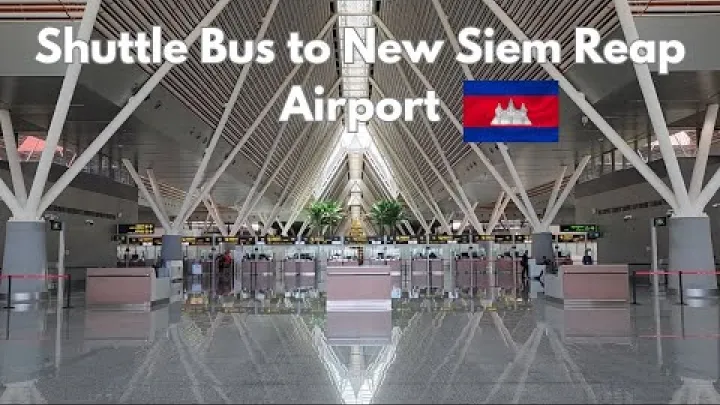
Common airport-to-town choices are the official shuttle bus, a hotel-arranged transfer, and a private car or tuk-tuk arrangement where available. The Siem Reap Airport Bus provides an official shuttle booking option; check its current stops, operating times, luggage terms, and fare before committing to it. A shuttle stop may still require a short final transfer to your accommodation.
A prearranged private transfer is often simpler for late arrivals, families, travelers with heavy bags, or stays outside the central area. Before departure, confirm passport and visa requirements through the appropriate official channels, then reconfirm your flight arrival time, pickup instructions, and hotel contact details. Do not assume a previously published timetable or transfer price still applies.
Overland Routes from Phnom Penh, Battambang, and Neighboring Countries
Buses and minivans are the usual overland connection between Siem Reap and Phnom Penh, Battambang, and some regional border routes. The main trade-off is usually simple: lower-cost services may have less space or fewer amenities, while more comfortable options may cost more or leave from a different terminal. Border journeys add immigration procedures, possible delays, and the need to understand exactly where a service ends.
Compare operators by current departure point, scheduled duration, luggage policy, vehicle type, arrival point, and cancellation conditions. Build a buffer into any same-day flight, tour, or hotel transfer. Road conditions, traffic, stops, and border formalities can make a journey longer than a static online timetable suggests.
The current Travel.State.gov advisory specifically advises caution with intercity buses, including routes to popular destinations such as Siem Reap. Check the current route, departure time, travel duration, and operator conditions directly before booking, and avoid planning an important connection with no margin for delay.
Getting Around Town, Angkor, and the Countryside
Walking is useful in the central area, particularly around Old Market, Pub Street, riverside streets, and nearby dining areas. It is not a realistic way to cover Angkor or most countryside sights. Tuk-tuks are a common choice for short urban rides and temple days, while cars are useful in hotter weather, for groups, longer distances, or travelers who need more shelter. Bicycles can suit confident riders for selected nearby routes, but they require heat tolerance, road awareness, water, and a realistic view of distance. Motorbikes involve additional legal, insurance, and road-safety considerations.

For a full Angkor day, a driver-based arrangement is generally more practical than trying to walk or cycle between distant temples. A tour can simplify routing, while an independent driver gives more control over the pace. Before any trip, agree on the route, pickup time, total price, waiting arrangement, passenger capacity, return plan, and whether the vehicle is for town transport or a full day. This avoids confusion when the itinerary includes sunrise, a midday hotel break, or a remote site.
Where to Stay in Siem Reap
Choose accommodation by daily rhythm rather than hotel category alone. Central locations make evening meals and short walks easier; locations farther out can offer more space and a quieter setting but increase reliance on transport.
Comparing the Main Central Areas
The Old French Quarter and Old Market area are convenient for first-time visitors who want restaurants, markets, nightlife, and many services within a short walk. Psar Chas and Pub Street create a lively center, which can be useful for dining but may not suit travelers sensitive to evening noise. The Siem Reap River gives a helpful orientation line through this central zone.

Wat Bo and nearby riverside streets can feel calmer while remaining close to central activity. They often suit travelers who want an easier walk back from dinner without staying at the busiest intersection of town. Taphul Village is another practical central-to-near-central area with broad access to everyday services.
National Road 6 is useful for road access and can suit travelers arriving by road or looking for practical connections beyond the old center. The Charles de Gaulle Boulevard corridor is positioned toward the Angkor route and can appeal to travelers who prioritize early temple departures. Current hotel conditions, construction, road noise, and the practical feel of individual blocks can change, so use recent guest feedback and local details rather than treating any neighborhood label as a guarantee. The Siem Reap Department of Tourism is a local institutional reference point for provincial tourism information.
Choosing the Best Base for Your Travel Style
For a first visit, a central base near the Old Market, riverside, Wat Bo, or Taphul area is usually the easiest choice if you value walkability, food options, evening activity, and quick access to drivers. It gives you the freedom to return after temples, rest, and decide later where to eat.
A quieter hotel or resort-style property may be better if a pool, larger rooms, garden space, or a calmer atmosphere matters more than walking to nightlife. This can be especially appealing during hot or wet periods, but it makes evening transport and early-morning coordination more important. Accommodation closer to the Angkor road can be convenient for temple departures, though it may feel less connected to the town center.
Before booking, check the exact map location, recent comments on noise and nearby construction, breakfast timing for early departures, airport-transfer options, and whether any advertised shuttle is included. Do not rely on an area name alone to estimate the walking experience.
Planning Your Visit to Angkor Archaeological Park
Angkor is not one attraction with one entrance. It is a large heritage area with sites at different distances, variable walking demands, and access conditions that can change. Plan the pass first, then choose a pace that fits your time and energy.
Angkor Passes, Official Tickets, and Entry Planning
Entry to Angkor Archaeological Park is separate from permission to enter Cambodia. Passes are offered in different durations, and the best choice depends on how many temple days you genuinely want rather than how many sites you can list. A longer pass supports slower mornings, a return to favorites, and room for rain or rest; a shorter pass suits focused visits.
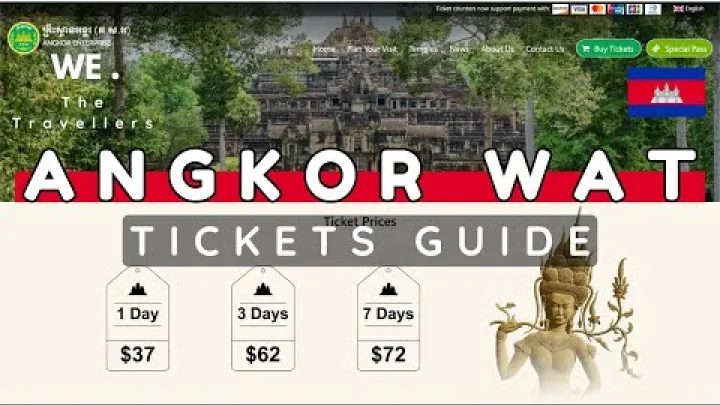
Buy Angkor tickets only through the official Angkor Enterprise channel and confirm current ticket rules before visiting. The Angkor Enterprise website states that it is the official government channel for Angkor passes. Check current prices, purchase methods, validity rules, photo requirements, collection procedures, and park notices there. Do not treat an old price, unofficial seller, or social-media offer as proof that a ticket is valid.
Match the pass to temple days, not arrival and departure days unless your schedule truly allows a visit. Keep the pass accessible during park days and follow staff instructions at entrances.
Small Circuit, Big Circuit, and a More Flexible Temple Plan
“Small Circuit” and “Big Circuit” are useful planning labels, but they are not a promise that every driver follows an identical route. The smaller loop commonly centers on major temples such as Angkor Wat, Bayon in Angkor Thom, and Ta Prohm. The broader loop can add sites such as Preah Khan, Neak Pean, Ta Som, and other temples farther from the central cluster.
Use these labels to discuss a route with your driver, then name the sites you actually want. Angkor Wat often needs a substantial visit on its own. Bayon rewards unhurried walking, while Ta Prohm can take longer than expected because of its layout and interest. Preah Khan and the outer circuit sites can make a rewarding second day for travelers who want more variety than a repeat of the busiest core.
Banteay Srei is an outlying destination and should be treated as a separate transport decision, not casually added to a packed central circuit. A better temple day often includes an early start, a break during the strongest heat, and one less crowded or less obvious site rather than an attempt to visit everything. Sunrise and sunset conditions, access, and crowd levels cannot be guaranteed.
Dress, Conduct, Guides, and Physical Preparation
Angkor includes active religious places as well as archaeological monuments. Wear clothing that is modest enough for temple settings, follow posted requirements, respect worshippers, and do not cross barriers or climb where access is restricted. Rules can differ by site, so staff instructions take priority over assumptions from a previous visit.
Prepare for uneven ground, steep steps, long walks, little shade in some areas, and slippery surfaces after rain. Bring water, sun protection, footwear with grip, and clothing that remains comfortable in heat and humidity. Plan a slower route if stairs, extended walking, or high temperatures are difficult for you.
A driver provides transport; a historical guide provides interpretation and route support. Independent exploration works well for travelers who enjoy reading and moving at their own pace. A registered or reputable guide can add historical context, help shape a manageable day, and reduce logistical effort. Clarify which service you are booking before you pay.
Things to Do Beyond Angkor
Non-temple time can make a Siem Reap stay more balanced. It also provides useful alternatives when weather, energy, or interest makes another long archaeological day less appealing.
Tonle Sap Lake and Floating Village Visits
Tonle Sap is a major lake and part of the Mekong river system, distinct from the Angkor temple landscape. A visit to a floating or stilted village can offer a different perspective on the region, but it is not a simple replacement for a temple day. Travel time, boat departure points, water levels, scenery, and the character of the visit vary by season and route.
Kampong Phluk is one name commonly considered by travelers from Siem Reap, but conditions and access should be treated as current operational questions rather than permanent facts. Choose providers thoughtfully because these are living communities, not staged attractions. Behave respectfully, ask before photographing people closely, and avoid treating residents’ homes or livelihoods as entertainment.
Confirm the route, boat departure point, inclusions, total price, weather policy, and current operating conditions before booking. A lake visit can be most rewarding when you are interested in the landscape and community context, not when it is sold as a quick extra stop after a full temple circuit.
Museums, Arts, Food, and Countryside Experiences
Siem Reap has enough town-based options to vary a temple-heavy schedule. Museums and cultural venues can provide historical context or a rain-friendly activity. Galleries, craft activities, cooking and food experiences, and cultural performances can add a more contemporary view of the town. Check current opening times and operating status directly with any venue before building a day around it.
Old Market, the riverside, and Kandal Village are useful areas for a slower afternoon of food, cafés, shops, and browsing. A market visit can fit well after an early temple start, while a structured cooking class or guided food experience may suit travelers who want a planned evening. Independent exploration is more flexible, but a booked activity can be helpful when your time is short.
For countryside experiences, favor an itinerary with a clear purpose, realistic travel time, and a respectful local approach. A short village or farm stop can be meaningful when it is not rushed between unrelated attractions.
Banteay Srei, Phnom Kulen, Battambang, and Other Extensions
Banteay Srei is a logical addition for travelers with an extra temple day because it offers a different scale and style from the central Angkor monuments. Its location means it needs dedicated transport planning. Phnom Kulen can appeal to travelers seeking landscape and a change from temple circuits, but access, weather, route conditions, and the amount of walking should be checked for the date of travel.
Battambang is better treated as a separate regional stop than as a casual half-day outing from Siem Reap. Moving there can be worthwhile for travelers with enough time, but it introduces an intercity transfer and a new accommodation base. Keep distant extensions optional rather than packing them into an already short Siem Reap stay.
For remote, border-adjacent, or little-visited destinations, use current official access information and travel advice before making plans. Do not assume that a route described in an older guide remains appropriate.
Best Time to Visit and How to Budget
Season affects comfort, road and boat conditions, vegetation, and the value of keeping open time in your itinerary. Budgeting works best when you separate destination-specific fixed costs from personal choices such as hotel standard and dining style.
Dry, Wet, Hot, and Shoulder-Season Trade-Offs
Broadly, the drier period is often busier and can make outdoor movement more straightforward, while the wetter period brings greener landscapes and a greater chance that rain will reshape the day. November through April is commonly described as Cambodia’s drier travel window by Audley Travel, but no seasonal label guarantees a particular day in Siem Reap.
Hotter conditions can make a full midday temple schedule uncomfortable even when rain is unlikely. During wetter months, rain may be brief or may disrupt a plan, and paths can be slippery. Green scenery and changing water conditions can improve some landscape experiences, while boat trips and outdoor logistics may require more flexibility.
Check the current forecast and schedule strenuous temple visits for cooler hours with a rain or heat backup. Early morning and late afternoon are usually the most sensible periods for exposed outdoor activities. Use the middle of the day for lunch, a hotel rest, a museum, or a flexible town activity rather than treating every hour as sightseeing time.
The Main Costs to Include in a Siem Reap Budget
Build your budget in categories: accommodation, Angkor admission, airport or intercity transport, local drivers, food and drinks, tours or activities, connectivity, tips where appropriate, and a contingency reserve. Angkor admission and long-distance transport are usually destination-specific costs; hotel choice, dining, and private transport depend more heavily on comfort level, group size, and season.
Do not use old blog prices as a final budget. Instead, collect current quotes for your travel dates and make a simple daily estimate. Add the official Angkor pass you need, arrival and departure transfers, the number of temple-driver days, one or two desired activities, meals, and a margin for changes. Travelers sharing a car or guide may divide some costs, while solo travelers may find group activities more economical.
A longer stay can lower the average daily cost by spreading airport transfers and pass costs across more days. It can also reduce expensive last-minute decisions caused by an overpacked itinerary.
Currency, Cash, Cards, and Payment Preparation
Prepare for a mixed cash environment. Cambodian riel is the national currency, while United States dollars are commonly used in many tourist-facing transactions. The practical mix of currencies, change, card acceptance, and ATM availability varies by business and location, so do not assume that one payment method will work everywhere.
Carry small, clean notes for everyday purchases and retain a backup card or additional payment method. Keep separate funds for the Angkor pass, transport deposits, tours, daily spending, and emergencies. Ask how a provider expects to be paid before confirming a booking, especially for early pickups or privately arranged excursions.
Check your bank’s foreign-use terms and make sure your cards can be used abroad. When receiving change, look at the notes before leaving the counter. Avoid depending on a single card, a single ATM, or a large note for small purchases.
Safety and Booking Practicalities
Most practical problems can be reduced by keeping valuables secure, understanding what you are purchasing, and reserving extra time for transport or weather. The level of planning should increase as a trip moves farther from the central visitor area.
Current Advisories, Petty Crime, and Remote-Area Boundaries
Use ordinary city-travel precautions in Siem Reap: keep phones, bags, cameras, and cash under control in markets, nightlife areas, crowded streets, and open vehicles. Carry only what you need for the day, use secure bags, and arrange a clear ride home if you stay out late. These measures are practical precautions, not a reason to portray central Siem Reap as uniformly unsafe.
Remote and frontier travel raises different concerns. Landmines and unexploded ordnance, border tensions, variable road conditions, and uneven emergency services matter most when travelers consider isolated countryside, unofficial paths, or border-adjacent destinations. Do not leave marked routes or attempt independent exploration in unfamiliar remote areas.
Review the latest government travel advisory and avoid restricted border or remote areas that it identifies. The Travel.State.gov Cambodia advisory is one current source for road, border, and security considerations. Check the advice issued by your own government as well, particularly if your plans include locations beyond the usual Siem Reap and Angkor area.
Booking Drivers, Tours, Hotels, and Backup Plans
For a tuk-tuk, car, guide, boat trip, hotel transfer, or multi-stop day, ask for the full arrangement in writing. Confirm the pickup point and time, itinerary, total price and currency, waiting time, vehicle type, passenger capacity, included entrance fees, meals, fuel, guide language, and cancellation terms. For a boat trip, also clarify the departure point and weather procedure.
Confirm the driver or tour operator, total price, itinerary, waiting time, inclusions, and cancellation terms before paying. A driver and a licensed historical guide are different services. If interpretation matters, confirm that a guide is included rather than assuming a driver will provide it. Established accommodation channels can be particularly useful for early starts, boats, remote roads, or plans involving multiple connections.
Keep booking messages, phone numbers, and meeting instructions available offline. Have a backup for weather, delays, or site closures: a town activity, a later pickup, or a less demanding temple plan. This is not overplanning; it protects limited vacation time.
Build Your Siem Reap Itinerary
The following templates are flexible frameworks, not fixed timetables. Adjust them for pass duration, weather, mobility, opening conditions, and the amount of time you want to spend at each site.
A Compact Two-Day Plan
On day one, make Angkor the priority. Start early and focus on a manageable central group such as Angkor Wat, Bayon, and Ta Prohm, with a rest or meal break when the heat rises. Your exact order should depend on your driver arrangement and desired pace, not a promise that you will avoid crowds.
On day two, choose between a shorter second temple block and a town-focused afternoon. A temple-minded traveler might visit selected outer-circuit sites such as Preah Khan or another location that was not rushed on day one. A slower traveler could use the morning for one meaningful site, then spend the afternoon around Old Market, the riverside, museums, food, or a cultural activity.
Tonle Sap is an alternative to a second intensive temple day, especially for visitors who want nature and a different local landscape. Do not combine a remote excursion with a full major-temple circuit simply to maximize the list of places seen.
A Balanced Three-Day Plan
Use the first day for the main Angkor temples at a measured pace. Keep the second day for a broader circuit or a selected outlying destination such as Banteay Srei, depending on your pass and transport plan. Give the third day a flexible purpose: Tonle Sap, an arts or food activity, a countryside experience, a hotel rest, or a return to a favorite temple.
This structure creates room for weather changes and personal energy. If heat is the main concern, put the most demanding walking day first, when enthusiasm is highest, and use earlier starts for exposed sites. If rain is likely, keep a museum, cooking experience, or slower town afternoon available as a low-energy alternative.
History-focused travelers can use the flexible day for another temple block. Nature-focused travelers may prefer the lake or countryside. Travelers with limited mobility should reduce the number of sites per day and prioritize transport breaks over completing a conventional circuit.
Longer Stays and Regional Add-Ons
With four or more days, you can explore Angkor more slowly and add Banteay Srei, Phnom Kulen, Tonle Sap, or a countryside experience without turning every day into a long transfer. A longer stay is also useful if you want to divide temple visits into shorter morning sessions.
Remain based in Siem Reap when the extra experiences are day trips and you value keeping one hotel, one set of local transport contacts, and easy evenings in town. Consider moving accommodation only when an extension is genuinely a separate regional stop, such as Battambang, rather than a rushed side trip.
Before leaving, confirm official Angkor access details, arrival and onward transport, your hotel’s exact location, weather expectations, available cash and backup payments, and current travel advisories. For most first-time visitors, the best approach is simple: choose a central base, protect enough time for Angkor, and leave at least one block open for rest, rain, or an experience that becomes more appealing once you arrive.
Select area
Create a post
Posting is free and no registration is required.