Banlung Budget: Daily Travel Costs, Prices, and Money-Saving Tips
Banlung can be an affordable base for exploring Ratanakiri, but it is not a destination where the lowest room price tells the whole story. The town has inexpensive local food and simple accommodation, while transport to this remote northeastern area, private day trips, and guided trekking can change the final total quickly. This guide separates everyday Banlung prices from one-off access and activity costs, so you can build a realistic Cambodia travel budget. All amounts are planning ranges in US dollars, not guaranteed current prices.
Banlung Budget at a Glance
For most independent visitors, the best starting point is a daily estimate that includes a bed, meals, small local journeys, and an allowance for activities. The figures below exclude international flights, visas, travel insurance, shopping, and the cost of reaching Banlung from another Cambodian city.
Set a Daily Budget for Three Travel Styles
A practical Banlung budget is about $15–27 per person per day for a careful budget traveler, $30–60 for a mid-range traveler, and $50–120 for a comfortable or activity-heavy day. These ranges work best as a planning tool rather than a price promise. Banlung has a small accommodation market and limited transport choices outside the center, so availability and individual plans matter more than a single average.
| Travel style | Daily range | Typical choices |
|---|---|---|
| Budget | $15–27 per person | Shared or simple room, local meals, walking, low-fee visits |
| Mid-range | $30–60 per person | Private room shared by two, mixed dining, tuk-tuks, one paid outing |
| Comfortable or active | $50–120 per person | Better room, frequent rides, drinks, private transport or guided activity |
At the low end, the accommodation share may be a dorm bed or a basic private room split between two people. Food is mainly local meals, fruit, market snacks, and refilled or purchased drinking water. Local transport is limited to walking or an occasional shared ride, and activities are town exploration, a lake visit, or another low-cost attraction.
In the mid-range band, a couple or two friends can share a private room, eat one more tourist-oriented meal each day, and pay for several tuk-tuk journeys or a shared excursion. The upper end is for travelers who want air conditioning, a boutique or nature-oriented property, imported food and alcohol, a private vehicle, or a guide. A trekking day can also push an otherwise modest trip into this category.
Separate Daily Spending from Arrival and Departure Costs
Banlung is often cheaper on the ground than Cambodia's major visitor centers, but its remote location makes arrival and departure a meaningful budget category. Do not hide the intercity ticket inside a daily estimate. Calculate access separately, then divide the return fare by the number of nights if you want to compare the effective daily cost of different stays.
A simple total-trip formula is: return access + accommodation + meals and drinks + local transport + activities + contingency. For a short visit, the first term has a large effect. A traveler paying a combined $30–90 for return intercity transport and staying two nights adds roughly $15–45 per night before paying for a room or meal. Spread that same cost across seven nights and it becomes roughly $4–13 per night.
For example, three nights with modest daily spending of $22 produce $66 on the ground; adding a $30–90 return transfer makes the trip roughly $96–156 before optional tours. Seven nights at $22 produce $154, and the same return transfer brings the working total to roughly $184–244. These are examples of cost structure, not fixed itineraries. International flights, insurance, visas, and personal purchases should remain outside the Banlung daily total.
Accommodation Prices in Banlung
Accommodation is usually the largest recurring expense, especially for solo travelers. Compare the final room cost and useful inclusions, not only the first rate displayed online.
Budget Guesthouses, Dorms, and Homestays
Simple lodging can make Banlung workable on a low budget. A recent Momondo search snapshot showed rooms from around $7 per night, but that is a lowest observed listing, not a rate available for every date or room type. A cautious working band for a basic bed, fan room, or uncomplicated private room is roughly $7–20 per night, with the lower end requiring flexibility.
Dorms and hostel-style beds are less consistently available than in Phnom Penh or Siem Reap. A listed low rate may refer to a bed rather than a private room, a room without air conditioning, or a rate with limited cancellation options. Homestays and trekking-oriented stays, including places such as Family House & Trekking Homestay, can be useful options to compare when you value local advice or activity arrangements. They should not be treated as a guaranteed price level.
Before choosing the cheapest option, establish whether the rate is for one guest or a whole room and whether it includes a private bathroom, fan or air conditioning, breakfast, Wi-Fi, drinking water, parking, and taxes or fees. If a trekking package is mentioned, ask what part is lodging and what part is the activity. Also confirm the final total, payment method, and cancellation terms in writing.
Private Rooms, Boutique Hotels, and Eco-Lodges
A basic private room commonly fits the lower-to-middle part of a Banlung accommodation budget, while rooms with air conditioning, a pool, breakfast, a garden setting, or a lake-side location can cost substantially more. A planning band of roughly $15–45 for a private room is useful for many dates, but demand can move individual properties above or below it. Higher-comfort properties and secluded bungalows may exceed that band.
Ratanakiri Boutique Hotel is one local example of the type of property where air conditioning, a pool, and room amenities may justify a higher price than a simple guesthouse. Norden House Yaklom is another useful example when comparing a quieter setting near Yeak Laom with central-town convenience. Neither name is a current quotation; enter your dates and compare the full offer.
Sharing changes the calculation. A $24 room is $24 for a solo traveler but $12 per person for two people. That difference may allow a pair to choose a more comfortable private room for little more than two separate budget beds. Compare the room rate with included breakfast, transport needs, and the practical value of being close to restaurants and services.
Compare Rates by Date, Inclusions, and Length of Stay
In a small provincial market, room prices can change sharply when a few properties fill. Booking platforms may show different totals because of dates, taxes, payment rules, occupancy, and cancellation policies. A lower rate outside town can be less economical if you must pay for breakfast and multiple tuk-tuk rides each day. Conversely, a rural or lake-area stay may offer a setting or included meal that makes it better value for your plans.
Use a short comparison checklist: room type; number of guests; final total; bathroom and cooling; breakfast and drinking water; location; transport or parking; payment method; and cancellation conditions. If direct contact is appropriate, a message or walk-in question can clarify the rate and inclusions. It may provide another option, but do not assume cash payment or bargaining will always be cheaper.
Longer stays can sometimes create room for a direct weekly quote, but only accept a price you understand. Ask whether the figure includes every night and whether cleaning, breakfast, transfers, or activities are extra. Keeping this information in a message reduces misunderstandings on arrival.
Food and Drink Prices in Banlung
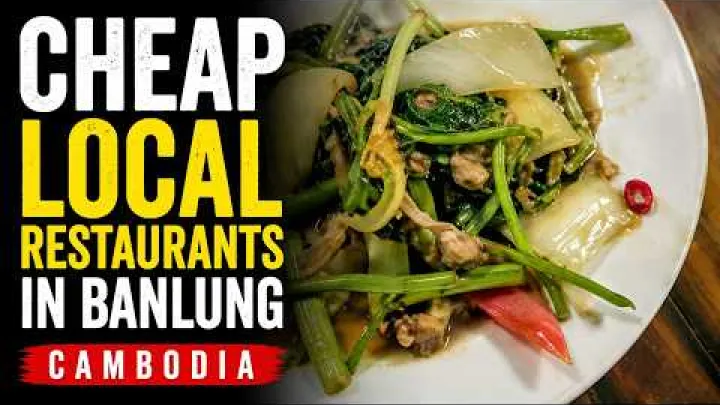
Food is one of Banlung's strongest budget advantages when you eat where local residents eat. The difference between local meals and tourist-facing restaurants is often more important than small differences in room rates.
Local Restaurants, Markets, and Simple Meals
Local restaurants, markets, fruit sellers, and uncomplicated rice-based meals are the most reliable route to a low food budget. Travelers who choose this pattern can reasonably set aside about $6–12 per day for basic meals, snacks, and drinking water, depending on appetite and how often they buy drinks. This is a conservative planning allowance, not a claim that every meal will cost the lowest amount seen in visitor reports.
Markets can be especially useful for fruit and packaged snacks between outings. Shared dishes can also reduce the cost per person for couples and small groups, although a solo visitor should not count on having someone to share with. Use visible prices where offered, ask the total before ordering when it is unclear, and retain a little flexibility for higher spending after a long travel or trekking day.
Tourist Restaurants and Western Food
Restaurants serving international dishes, imported ingredients, cocktails, or a bar-focused menu generally cost more than simple local eateries. The Green Carrot Restaurant & Bar is a useful local reference for the presence of tourist-facing dining in Banlung, but menus and prices can change, so check the current menu rather than budgeting from an old review.
A mixed approach keeps spending predictable: choose a local breakfast or lunch, then have one more comfortable dinner if that matters to you. Travelers who eat every meal at tourist restaurants, order imported products, or add alcohol can move from a low food budget to the middle or upper end quickly. A meal pattern matters more than trying to identify one universally cheap venue.
Drinks, Water, Snacks, and Self-Catering
Small purchases are easy to overlook. Bottled water, coffee, beer, fruit, soft drinks, and packaged snacks can add several dollars to a day even when main meals are inexpensive. Add a separate daily allowance for these extras rather than assuming that your meal estimate covers everything.
Ask whether your accommodation provides drinking water or breakfast. Long-stay travelers may save by buying market fruit and snacks rather than purchasing every item at a restaurant. However, many guesthouses do not have a full guest kitchen, so do not build a budget that depends on cooking without confirming the facilities first.
Transport Costs to and Around Banlung
Transport is the category most likely to surprise visitors. It includes both the long journey to Banlung and the smaller but often negotiated costs of reaching lakes, waterfalls, and rural starting points.
Intercity Buses and Minivans
The Phnom Penh–Banlung connection is a useful benchmark for access costs. Rome2rio lists Virak Buntham service with an indicative fare range of $15–45 and a journey of about eight hours. Treat this as a planning benchmark rather than a ticket quote: price depends on vehicle type, operator, date, departure time, and booking channel.
Siem Reap can also be a gateway, but do not assume a fixed fare without a current listing. The budget question is not only the ticket price. An early departure, a late arrival, baggage rules, or an inconvenient endpoint can create meal, accommodation, or local-transfer costs around the trip.
Before paying, confirm the current operator, fare, departure point, arrival point, baggage terms, travel time, and cancellation conditions. Include the return ticket in your initial budget, even if you plan to purchase it later.
Tuk-Tuks, Shared Rides, and Short Excursions
Many central Banlung errands can be done on foot, which makes town days inexpensive. Yeak Laom volcanic lake and the waterfall areas generally require transport unless you have your own vehicle. Tuk-tuk prices are often quoted for the whole vehicle, not per passenger. This can make a solo day trip costly while making the same ride good value for two to four people.
Older visitor reports provide only broad local benchmarks for shared transport and Yeak Laom return rides; use them to understand the fare structure, not as a present-day tariff. The crucial comparison is the total vehicle cost divided by the number of passengers, plus entrance fees, food, and any extra stops. A driver waiting through a swim or a waterfall visit may charge differently from a simple one-way transfer.
Agree on the total tuk-tuk fare, waiting time, stops, and return arrangements before leaving Banlung. If you are sharing, confirm each person's contribution and whether the agreed price covers the whole vehicle or each passenger.
Motorbike Rental, Fuel, and Group Cost Sharing
For experienced riders visiting several nearby places, a motorbike can cost less than repeated private tuk-tuk hires. It is not automatically the cheapest option: include the rental, fuel, deposit, possible damage liability, helmets, insurance, and the cost of a different transport plan if conditions are unsuitable.
A local Motor Rent Ban Lung listing is a useful lead, but it uses mixed currencies and appears to refer to different vehicles or rental arrangements. Do not convert it into a standard dollar rate. Request a current quote for the exact bike, rental length, deposit, insurance, and fuel policy.
Motorbike travel suits only riders who are genuinely comfortable with rural Cambodian roads and variable surfaces. Inspect brakes, tires, lights, mirrors, and helmets before accepting a vehicle. For groups, compare one rental per capable rider against a shared tuk-tuk; the best value depends on passenger numbers, distance, and how long you need the vehicle.
Attraction and Tour Costs Around Banlung
Ratanakiri's volcanic lake, waterfalls, waterways, and national-park experiences are the reason many travelers make the long journey. Best Price Travel describes the wider area as an eco-tourism destination with waterfalls, volcanic lakes, and national-park landscapes. For budgeting, separate small gate fees from the often larger cost of getting there.
Low-Fee Nature Attractions Near Banlung
Yeak Laom volcanic lake is the clearest low-cost nature anchor near Banlung. Visitor reports have described a modest foreign-visitor entrance fee, but fees, payment arrangements, and access conditions can change, so treat any reported amount as indicative rather than official. The real cost of a lake visit is admission plus transport, food, drinks, and the value of the time you choose to spend there.
Balance paid outings with low-cost time in Banlung town. Walking, market visits, quiet town exploration, and respectful visits to accessible public religious sites can provide a slower day with little spending. Before visiting a paid site, ask locally about the current fee, opening conditions, facilities, and accepted payment method.
Waterfall Day Trips
Kachang Waterfall, Cha Ong Waterfall, and Ka Tieng Waterfall are useful anchors when comparing a waterfall day. Individual entrance charges are generally reported as small and variable, while transport, waiting time, and the number of stops commonly determine the larger share of the budget. Instead of budgeting only for gates, build one combined day-trip allowance.
A shared tuk-tuk circuit can work well when several travelers want similar stops and can divide a total vehicle fare. Independent motorbike travel may cost less for a capable rider, but it carries the rental and fuel costs described above. Confirm current gate charges, road access, opening conditions, and whether swimming or facilities are available before committing to the outing.
Guided Trekking and Virachey Trips
Guided jungle trekking is the main Banlung activity that can transform a low-cost stay into an expensive activity day. Older planning benchmarks of roughly $25–45 per person per day can be useful as a broad starting point, but they are not a current package price. Solo travelers may pay more because guide and transport costs cannot be shared; small groups may achieve a lower per-person cost.
Distinguish a one-day nature outing from a multi-day Virachey National Park trek. A multi-day quote may include a guide, transport to the trail, meals, camping or hammock arrangements, equipment, park access, and overnight logistics. It may also exclude some of these items. Comparing only a headline daily rate can produce an inaccurate budget.
Request a current trekking quote that lists group size, guide service, meals, transport, park fees, equipment, and overnight arrangements. Ask what happens if conditions require a route change or cancellation, then compare like-for-like offers rather than relying on old review prices.
Choose a Base and Stay Length That Match Your Budget
Where you sleep and how long you stay determine whether transport savings outweigh the appeal of a quieter setting. Banlung is small enough that this decision can be made around your daily movement pattern rather than prestige alone.
Town-Center Stays Versus Lake and Outskirts Bases
A town-center stay is usually easiest for travelers who want to walk to restaurants, markets, ATMs, and transport arrangements. It suits solo visitors, people without a motorbike, and anyone planning several independent meals or short errands. Fewer everyday rides can offset a slightly higher room rate.
A lake-area, outskirts, or trekking-homestay base may offer quiet surroundings and can be convenient when a particular activity starts nearby. Norden House Yaklom and trekking homestays are examples of the kinds of properties worth comparing. However, a remote base can create extra costs for dinner, supplies, and return travel into town. It is not automatically cheaper or more expensive.
Walkers should prioritize central convenience. Experienced motorbike riders can consider an outer base if parking and road access are suitable. Families may value a pool, breakfast, or room space enough to accept a higher rate. Travelers on guided excursions should compare whether pickup, meals, or transfers are included before choosing location.
Short Visits Versus Longer Stays
A two- or three-night stop can have a high effective daily cost because the return bus or minivan fare is concentrated into a few days. It can still be worthwhile if your goal is one lake visit and one waterfall or trek, but it is not the most economical way to experience the area. A longer stay spreads fixed access costs and leaves time for inexpensive town days between paid excursions.
For a three-night plan, use a low, expected, and high daily spend such as $18, $35, and $70. This produces $54, $105, and $210 on the ground, then add return access and any separate trek. For seven nights, the same daily estimates produce $126, $245, and $490 before access. The longer stay reduces the access cost per night but does not guarantee a lower final bill if it adds tours, room upgrades, or regular drinking expenses.
Choose a short visit when time is limited and one or two priority experiences justify the journey. Choose a longer regional base when you want slower days, flexibility for weather, and a better chance to share transport or tours with other travelers.
What Raises Costs and How to Save
The most effective savings come from choices made before arrival: stay length, room type, group size, and the number of private transport or guided days. Small meal savings help, but they rarely outweigh a costly transfer or private tour.
Season, Weekends, and Local Demand
Cambodia's cooler, hotter, and wetter periods affect Banlung differently. Weather can influence comfort, rural road conditions, trail suitability, and waterfall visits, while demand can affect the limited supply of rooms and guides. Weekends, public holidays, local events, and popular trekking dates may reduce availability and push travelers toward the upper end of their accommodation or transport range.
Do not assume that a particular month will always be cheap or expensive. Check current room availability and operator schedules for your dates. Before booking a rural excursion, check the current forecast and local road and trail conditions with your accommodation or tour operator. This is especially important when a trip depends on unpaved roads, water levels, or multi-day trekking logistics.
Practical Ways to Lower Daily Costs
Rank savings by impact. First, choose an appropriate stay length and a room that matches your real needs; sharing a clean private room can be better value than two separate beds. Second, share vehicle-based trips and decide in advance which waterfall, lake, or trek is worth a paid day. Third, eat mainly at local restaurants and markets, then control discretionary coffee, beer, and imported food.
- Walk for central errands instead of treating every movement as a tuk-tuk trip.
- Compare rooms by final price and inclusions, especially breakfast, water, location, and air conditioning.
- Share a tuk-tuk or guide cost when schedules and comfort levels match.
- Combine one carefully chosen guided trek with low-cost town time and nature visits.
- Ask for the complete price before accepting accommodation packages, transfers, rentals, or tours.
Do not base the plan on guaranteed bargaining discounts. A clear total price, appropriate service, and a workable return arrangement are more valuable than a small saving that creates uncertainty.
Build a Flexible Trip Budget
Use low, expected, and high estimates for each category. For three nights, a compact worksheet might include accommodation of $21–90, food of $18–60, local transport and entrances of $10–70, activities of $0–135, return access of $30–90, and a contingency. For seven nights, scale recurring categories upward while keeping return access separate.
| Category | Low estimate | Expected and high estimate |
|---|---|---|
| Accommodation | Simple shared or basic room | Private, air-conditioned, boutique, or remote base |
| Food and drinks | Local meals and market snacks | Mixed dining, alcohol, imported items |
| Local travel | Walking and shared rides | Private tuk-tuk or motorbike costs |
| Activities | Town time and low-fee visits | Waterfall circuit or guided trek |
Add a contingency for fare changes, unexpected tuk-tuks, ATM charges, weather-related plan changes, and a spontaneous activity. If lodging or food costs come in below your expectation, reallocate the difference deliberately rather than forgetting the return transport or a desired tour. Keep flights, insurance, visas, shopping, and unrelated personal costs outside this worksheet.
Cash, Currency, and Payment Planning in Banlung
Payment planning is part of a realistic Banlung budget because many small transactions are easier with cash. Plan the practical form of your money as carefully as the total amount.
Carry Cash and Use Riel or US Dollars Carefully
In Cambodia, both Cambodian riel and US dollars are commonly encountered in day-to-day pricing. Small purchases at markets, local restaurants, tuk-tuks, and attraction gates are more likely to require cash than a card. Keep a mix of small denominations, and check the change received on low-value purchases.
For informal services, confirm the accepted currency and the final price before payment. Do not rely on an assumed fixed exchange rate when comparing small cash amounts. A clear agreement prevents a minor transport or entry charge from becoming an avoidable budget problem.
ATMs, Card Acceptance, and an Emergency Buffer
ATMs and card payment may be less convenient outside Cambodia's largest cities, and individual hotels, restaurants, and tour providers can have different payment rules. Card acceptance is useful when available, but it should not be the only plan for a town-and-rural itinerary. Withdrawal charges and foreign-transaction fees can also raise the real cost of spending.
Withdraw a cash buffer in Banlung before traveling to remote attractions and keep a separate backup payment method. Include planned excursion cash, transport, meals, admission, and an emergency reserve rather than carrying only the amount you expect to spend. Check current ATM access near your accommodation, and keep a backup card or emergency cash separately from your daily wallet.
The Bottom Line for a Banlung Budget
Banlung can suit a very modest Cambodia travel budget when you choose simple lodging, eat locally, walk in town, and share transport. A realistic independent traveler should still budget separately for the long journey from Phnom Penh or another gateway, because access costs have an outsized effect on a short visit. For the best balance, set a daily range for normal days, reserve a separate amount for one priority nature activity or trek, and keep enough cash and contingency for this remote part of Ratanakiri.
Select area
Create a post
Posting is free and no registration is required.