Sen Monorom Best Time to Visit: Weather by Month

The best time to visit Sen Monorom is usually November to February, when Mondulkiri province is relatively cool, dry, and easy to explore on foot. This highland town has a different feel from Cambodia’s hotter lowland destinations: mornings can be fresh, forest walks are more comfortable, and rural excursions are generally simpler to plan. The rainy months bring a very different reward, with intensely green hillsides and stronger waterfalls around Bou Sra Waterfall. This guide explains the seasonal trade-offs, the month-by-month weather pattern, and the best travel window for your priorities.
Quick Answer: When to Visit Sen Monorom
Choose your dates according to the experience you want. The dry season is the most convenient choice for a first trip, while the green season is often more memorable for travelers who value dramatic scenery and do not mind rain. Sen Monorom is worth visiting in every season, but the balance between comfort, landscape, and access changes noticeably through the year.
Best Overall: November to February
November to February is the best overall time to visit Sen Monorom. These months combine relatively low rainfall with comfortable daytime temperatures and cooler early mornings. The result is a practical window for forest walks, countryside drives, waterfall visits, and stays at eco-lodges in and around town. Drier ground also makes ordinary day plans less dependent on sudden weather changes.
This period is especially suitable for a first-time visitor who wants to combine several activities without building the itinerary around rain. It is the easiest season for walking-based experiences, scenic viewpoints, visits to local communities, and day trips into the Mondulkiri countryside. A light layer can be useful at breakfast or after sunset, while breathable clothing is still appropriate during the day.
Local guidance from the Mondulkiri Project describes November through February as the peak dry-season period, with clearer skies and more favorable trails. That popularity can mean stronger demand for small eco-lodges, guides, and limited-capacity elephant programs. Availability and rates can vary considerably by property and date, so travelers who have a particular lodge or experience in mind should reserve earlier than they would in quieter months.
Best Green-Season Alternative: June to August
June to August is the best alternative for travelers who place lush scenery above easy logistics. The wet season changes the appearance of Sen Monorom and the surrounding hills: vegetation becomes denser, the landscape looks richer, and waterfalls have more force. This is an appealing time for photographers, nature-focused travelers, and visitors who enjoy misty, atmospheric conditions rather than uninterrupted sunshine.
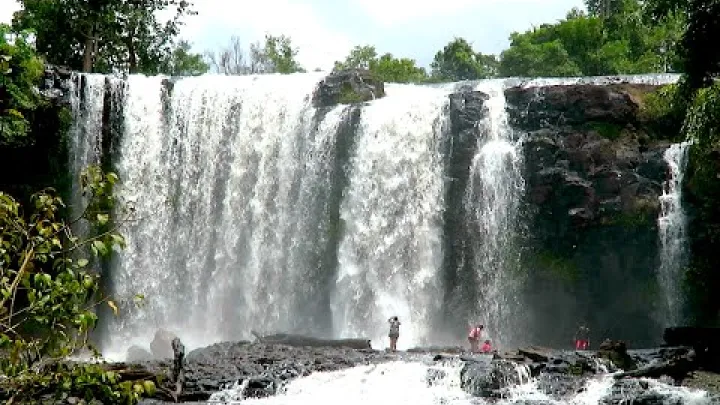
Bou Sra Waterfall is the clearest local example of this seasonal contrast. During the rainy period, increased runoff can make the falls far more powerful and visually dramatic than in the driest months. Tour Cambodia identifies the rainy season as the time when the waterfall is at its most powerful. The trade-off is that paths, viewpoints, and onward rural travel may be wetter and more difficult.
Rainy season does not necessarily mean rain without pause all day. There can be usable dry periods, and the timing of showers changes from one day to the next. However, this is a trip style that rewards patience: leave room for a delayed walk, a changed route, or a slower journey. Choose June to August if greenery and waterfall scenery matter more than predictable dry trails.
Best Shoulder-Season Value: March to May and October
March to May and October are transition periods with useful compromises. March often still feels fairly manageable for outdoor travel, although days become warmer and occasional showers begin to appear. April and early May are more demanding for people who are sensitive to heat, even though Sen Monorom’s higher setting can feel less severe than Cambodia’s lowland cities. Start active days early, take a longer midday break, and choose shaded or shorter walks when needed.
May brings more frequent rain and a visible return of green vegetation. It can suit travelers who want a quieter setting but do not need the firmest possible trails. October moves in the other direction: the wet season begins to ease, but the countryside can still be green and rainfall may remain substantial. It is a reasonable choice for visitors who want some wet-season character while moving toward more comfortable travel conditions.
Shoulder months may offer more choice at accommodations and tours than the main dry-season window, but savings are not guaranteed. Prices depend on the property, booking conditions, group size, and demand at the time. These months are most rewarding for travelers who can accept heat in March to May or occasional rain in October in exchange for a less busy atmosphere.
Sen Monorom Climate and Monsoon Pattern
Sen Monorom follows Cambodia’s monsoon rhythm, but its highland position in eastern Cambodia shapes how that rhythm feels on the ground. Temperature changes through the year are modest compared with the sharp change in rainfall. For visitors, rain is usually the bigger factor in deciding when to walk, travel on rural routes, or plan a waterfall day.
What the Climate Normals Show
Climate averages show a warm destination throughout the year, with typical daytime highs broadly in the high 20s to low 30s Celsius. The available Sen Monorom climate series lists average daily maximum temperatures of about 28.9°C in January, around 30°C through the March-to-May warm period, and similarly warm conditions later in the year. Nights are generally most refreshing in the early dry season, particularly around January.
Rainfall has the stronger seasonal pattern. The core dry months have much lower average rainfall, showers build from March into May, and June through October is the wettest part of the year. The available Sen Monorom climate table is useful as a broad monthly baseline, but its figures are long-term averages rather than a promise for any particular week.
This difference matters when choosing activities. A few degrees of daytime warmth may be manageable with an early start, but a period of heavy rain can change a forest path, obscure a view, or make a waterfall outing more complicated. Use the averages to select a season, then plan each day according to actual local conditions.
Cool, Hot, and Rainy Seasons
For travel planning, Sen Monorom can be divided into three practical seasons. November to February is cool and relatively dry. It is the most comfortable period for full-day outdoor activity and is the simplest time for travelers who prefer dependable conditions. March to May is hotter and increasingly unsettled, with a gradual shift toward pre-monsoon showers. June to October is the wet or green season, when rain supports thick vegetation and fuller waterfalls but can make outdoor travel more variable.
These patterns reflect Cambodia’s monsoon climate. The country’s broad rainy phase is associated with southwest monsoon winds, while the drier season follows the shift in prevailing winds later in the year. Britannica explains the national monsoon framework, which provides the larger climate context for Mondulkiri province.
Sen Monorom’s elevation moderates the experience compared with Cambodia’s lowland plains, especially in the morning and at night. That does not make it cold, and it does not remove the effect of the monsoon. Instead, it means that dry-season mornings can feel pleasantly cool and that the hottest months may be more tolerable than in lower, more built-up places.
Climate Averages Versus Live Forecasts
Climate normals answer the question, “What is this month usually like?” They cannot answer the more important short-term question, “Will a particular route or outdoor activity work on my travel day?” A monthly rainfall average cannot show whether a heavy shower will arrive during a planned hike, whether recent rain has affected a rural road, or whether a guide has adjusted an excursion.
Shortly before departure, look at a current forecast for Sen Monorom, ask your accommodation about recent local weather, and contact your guide or activity provider about the conditions relevant to your plan. This is most useful for waterfall trips, forest walks, remote drives, and any itinerary with a limited number of outdoor days. A simple pre-departure check can help you decide whether to bring stronger rain gear, move a major excursion, or allow an extra day in Mondulkiri.
Choose the Best Time for Your Trip Purpose
The ideal month depends on what you want to do. A traveler seeking dry walking conditions and a traveler hoping for the most dramatic waterfall photographs may make opposite but equally sensible choices.
Trekking and Forest Walks
November to February is the strongest period for trekking and forest walks. Cooler mornings reduce the physical strain of longer walks, and relatively dry trails are generally easier to negotiate. This is the best choice for visitors who want to spend several hours outdoors, combine a walk with a rural excursion, or prefer to keep their schedule simple.

March and April can still work well for walking if you begin early and avoid the hottest part of the afternoon. Carry water, choose breathable clothing, and make the day’s most active part the first activity rather than the last. Shorter walks, scenic stops, and a relaxed lodge afternoon can be a better warm-season rhythm than trying to complete a demanding route at midday.
Wet-season trekking is possible for travelers who welcome a more immersive forest setting. It is also more physically demanding: mud reduces traction, surfaces can be slippery, insects may be more noticeable, and guides may choose a different route when the ground is saturated. The reward is a greener landscape, not the certainty of an easier hike.
Waterfalls and Lush Landscapes
For waterfalls and the deepest green scenery, aim for June to September. Rainfall feeds the streams and gives Mondulkiri’s forested landscape its fullest color. Bou Sra Waterfall can be especially impressive in this part of the year, with a larger and more forceful flow than during the dry season.
The dry season offers a different advantage. The approach to attractions is often easier, paths are usually firmer, and a waterfall visit may fit more smoothly into a day that includes other stops. This can be preferable for families, visitors with limited time, or anyone who wants scenery without the greater physical challenge of wet paths.
Water volume is never fixed by the calendar alone. A season can be wetter or drier than usual, and conditions can differ between locations. Treat the wet months as the best bet for dramatic flow, rather than as a guarantee of a particular waterfall scene.
Wildlife and Elephant Sanctuary Visits
The cool dry season is comfortable for walking-based elephant sanctuary and forest experiences. November to February is therefore a sensible choice if your main priority is a relaxed, active day outdoors. Clearer conditions and less rain can also make it easier to combine a sanctuary visit with other time in Sen Monorom.

The wet season has a separate appeal. Nature Lodge Cambodia describes Mondulkiri’s rainy period as lush and green and notes its potential appeal for wildlife-focused trekking. Dense vegetation, rain-fed forest, and quieter travel conditions can create a more immersive nature experience, even when the weather requires a slower pace.
The Nature Lodge Cambodia seasonal description is a helpful local perspective, but wildlife sightings are never guaranteed in any month. For a visit to the Mondulkiri Project or another sanctuary, contact the operator directly before arrival to confirm its current schedule, access arrangements, group size, and responsible-visit standards. Choose experiences that prioritize animal welfare and do not promise close interaction or predictable sightings.
Culture, Relaxation, and Budget Travel
November to March is generally the most convenient period for cultural visits and relaxed stays around Sen Monorom. Pleasant mornings make it easier to explore town, spend time at a lodge, visit nearby viewpoints, and travel between activities without organizing every decision around rain. This is a good period for visitors who want nature but do not want a demanding outdoor itinerary.
March to May may suit travelers who are content with a slower daily rhythm: early activity, a rest during the warmest hours, and a quiet evening. The wet season can appeal to visitors who prefer a peaceful lodge stay, green views, and unhurried time in Mondulkiri province. Rain can be part of the experience rather than an interruption when the itinerary is intentionally light.
For lower-cost travel, quieter periods may bring more availability, especially outside the main November-to-February demand window. However, there is no reliable fixed discount by month. Compare current accommodation options, consider weekday stays, and be flexible about room type or excursion timing instead of assuming a particular season will always be cheaper.
Sen Monorom Weather Month by Month
The month-by-month guide below translates the broad climate pattern into travel choices. It describes likely conditions based on long-term seasonal behavior, not a live prediction for a specific trip.
| Month | Typical feel | Best for |
|---|---|---|
| January | Cool mornings, very dry | Trekking and easy touring |
| February | Dry, slightly warmer | Outdoor days and rural trips |
| March | Warmer, mostly manageable | Early starts and quieter travel |
| April | Warmest-feeling period | Short walks and relaxed stays |
| May | More showers, greener views | Flexible shoulder-season trips |
| June | Wet season established | Waterfalls and greenery |
| July | Very green and rainy | Nature-focused travel |
| August | Wet, lush, atmospheric | Waterfalls and quiet stays |
| September | Often very wet | Flexible scenic trips |
| October | Rain easing gradually | Green-to-dry transition |
| November | Increasingly dry and pleasant | Most travel styles |
| December | Cooler and drier | Trekking and first visits |
January and February: Coolest and Driest
January is one of the most comfortable months in Sen Monorom. Mornings can feel cool by Cambodian standards, rainfall is typically low, and daytime conditions are suitable for being outdoors. It is an excellent time for trekking, sanctuary visits, rural excursions, and travelers who want a straightforward itinerary with minimal weather disruption.
February remains dry but gradually becomes warmer during the day. Nights and early mornings are still usually pleasant, so it remains a strong month for active travel. Pack a light sweater or jacket for the start and end of the day, but expect warm sunshine when walking or riding through open countryside.
These months are also among the most popular. They work particularly well for travelers with limited time because they provide the strongest overall chance of completing a mixed itinerary of walks, waterfalls, and relaxed lodge time.
March, April, and May: Hotter Transition
March is a practical shoulder month. Days are warmer, but it can still offer a good balance of outdoor time, occasional early showers, and less peak-season pressure. It is well suited to travelers who can begin activities early and do not need the coolest possible weather.
April is commonly the hottest-feeling part of the year in Cambodia. Sen Monorom’s elevation can soften the experience compared with lowland locations, yet exposed daytime activity can still be tiring. Plan around heat rather than fighting it: drink regularly, use sun protection, take breaks in shade, and schedule demanding walks for morning.
May signals the shift toward the rainy season. Showers become more frequent, the landscape starts to regain its richer green color, and outdoor plans benefit from extra time. It can be rewarding for visitors who want a transition-season atmosphere and are comfortable with some changing weather.
June, July, August, and September: Wettest and Greenest
June marks the clear arrival of the lush wet season. Waterfalls strengthen, vegetation grows quickly, and Sen Monorom takes on the deep green appearance many visitors associate with Mondulkiri. It is a good month for scenery, but travel days and walks may take longer than they would in the dry season.
July and August often bring the fullest green landscapes and high rainfall. There may be useful dry intervals, but a trip works best when there is no need to follow a rigid outdoor schedule. This is a strong period for visitors who value forests, rain-fed waterfalls, and a quieter atmosphere more than guaranteed dry days.
September can be among the most dramatic months for water and vegetation. It may also bring the muddiest ground and the greatest chance that a remote outing needs adjustment. Choose it for scenery and a flexible pace, not for maximum predictability.
October, November, and December: Transition to the Dry Season
October is a transition month rather than a fully dry one. Rain may remain substantial, but the monsoon pattern begins to ease and the countryside is still richly green. It can suit travelers who want a scenic trip near the end of the wet season and can accept some damp conditions.
November moves toward drier and more comfortable weather. Early November can still have lingering showers, while later parts of the month often feel more dependable for outdoor travel. It is an attractive choice for visitors deciding between wet-season greenery and dry-season convenience.
December begins the most broadly favorable period. Cooler mornings, reduced rainfall, and easier conditions for walking make it a dependable month for first visits, longer outdoor days, and a varied Sen Monorom itinerary.
How Rain Affects Roads, Trails, and Day Plans
In Mondulkiri, rainfall affects more than the view from your accommodation. It can change travel times, walking surfaces, and the practicality of reaching remote natural sites. The effect is often greatest outside central Sen Monorom, where routes may include unpaved stretches and forest tracks.
Wet-Season Access to Bou Sra and Rural Areas
During the wet season, rain can make unpaved roads, forest trails, and routes toward rural attractions slower and more difficult. This matters for outings to places such as Bou Sra Waterfall and for visits beyond the main town area. The exact effect depends on recent rainfall, the route chosen, and the type of transport, so there is no fixed wet-season rule that applies to every day or every destination.
Before booking a remote excursion, ask your accommodation, local guide, driver, or operator about current road conditions, trail conditions, and any stream crossings on the intended route. They can advise on realistic travel times and whether an alternative plan is more suitable. This route-specific information is more useful than relying only on a general rainy-season label.
Plan Outdoor Activities Around Rain Windows
When local guidance suggests that mornings are more usable, schedule longer walks, viewpoints, and travel to more distant attractions early in the day. This is a useful wet-season pattern, not a promise that the morning will remain dry. Keep a spare block of time in the itinerary for a shower, slower travel, a changed route, or an outdoor window that does not materialize.
On wet trails, use secure footwear with good grip and follow the guide’s instructions. Avoid swollen stream crossings, damaged paths, and exposed areas after heavy rain. A cautious approach is particularly important around waterfalls and on muddy forest ground, where conditions can change quickly.
What to Pack for Sen Monorom's Seasons
Pack for warm tropical days, cooler highland mornings, and the possibility of outdoor activity. The right items depend more on your season and trip style than on the town itself.
Cool-Season Layers and Sun Protection
From roughly November to February, bring a light jacket, long-sleeve top, or sweater for early mornings and evenings. It is not heavy winter weather, but the contrast with warm daytime conditions can be noticeable. A light layer is especially useful for motorbike rides, lodge breakfasts, and time spent outside after sunset.
For daytime, breathable clothing, a hat, sunglasses, sun protection, and a refillable water bottle are useful throughout the year. Highland mornings can be cool without removing the strength of tropical sun later in the day. Lightweight clothing that covers shoulders and legs can also be useful for longer forest walks.
Wet-Season Rain and Trail Gear
From June through October, take reliable rain protection, quick-drying clothing, and footwear that stays secure on wet ground. A waterproof bag or protective pouch for a phone and camera is useful on waterfall outings and during rainy transfers. Footwear with grip matters more than fashion when paths become muddy or slippery.
Bring an extra dry layer for after a walk and organize valuables so that they remain protected if a shower begins. Avoid building a tightly timed itinerary during the wettest months; allowing room for changes makes rain gear more effective and the trip more enjoyable.
Final Recommendation for the Best Time to Visit Sen Monorom
For most travelers, visit Sen Monorom between November and February. This is the best balance of cool mornings, relatively dry weather, firmer walking conditions, and simple planning for forest, countryside, and sanctuary experiences.
Choose June to September if powerful waterfalls, lush forests, and dramatic green scenery are your main goals and you can travel with patience. Consider March to May or October for a quieter transition-season visit, while accepting either hotter weather or lingering rain. The best date is ultimately the one that matches your preferred pace: dry-season convenience, wet-season spectacle, or a flexible compromise between the two.
Select area
Create a post
Posting is free and no registration is required.