Siem Reap Budget: Daily Costs, Prices, and Money-Saving Tips

A Siem Reap budget can be very modest, but the total changes quickly when you add Angkor tickets, temple transport, private rooms, and nights around Pub Street. A useful plan separates ordinary daily spending from the larger costs that occur only once or on temple days. This guide gives practical ranges for budget, mid-range, and comfortable travel, then shows how accommodation, food, activities, and location affect the final amount. International flights, visas, and onward travel are not included in the daily figures below.
Siem Reap Daily Budget at a Glance
Use these bands as planning ranges rather than fixed promises. Your trip average may be lower on a quiet city day and much higher on a day that includes an Angkor pass, a driver, a guide, or a paid tour.
| Travel style | Working daily range | Typical pattern |
|---|---|---|
| Budget | About $25–$35 | Dorm or simple room, local meals, selective rides |
| Mid-range | About $60–$90 | Private air-conditioned room, mixed dining, regular tuk-tuks |
| Comfortable | $120 or more | Higher-end stay, private transport, paid extras |
Budget Travel: What to Plan Per Day
A lean Siem Reap travel budget of about $25–$35 per day is possible for a traveler using a dorm bed or simple guesthouse, choosing mostly Khmer food, walking where practical, and limiting paid extras. A rough ordinary-day split might be $5–$12 for a bed or basic room, $5–$10 for food, $1–$5 for short local transport, and a small amount for snacks or low-cost activities.
This is best treated as a trip-average target, not a guarantee for every calendar day. An Angkor visit can add a substantial pass cost and a vehicle for the day, so a temple day may exceed the lean range by a wide margin. Travelers who stay longer can spread those fixed costs across more nights; those on a short visit should budget from the trip total first.
Mid-Range Travel: Comfort Without Luxury
About $60–$90 per person per day is a practical mid-range band for a private air-conditioned room, a mix of Khmer and Western meals, regular tuk-tuk use, and core sightseeing. A sample allocation could be $25–$50 for a room when shared by two people, $12–$25 for food and drinks, $5–$15 for local rides, and an activity allowance that rises on temple days.
The lower end is more realistic when breakfast is included, the hotel is walkable to evening dining, and most meals are local. The upper end becomes likely with a central pool hotel, café breakfasts, restaurant dinners, cocktails, or several paid activities. A guided temple day or premium meal is better entered as an occasional splurge than assumed to be part of every normal day. On a two- or three-night trip, the same Angkor and airport costs are divided by fewer days, so the average can look high even when daily habits are moderate.
Comfortable Travel: Higher-End Stays and Experiences
Comfortable travel starts around $120 per person per day and can readily reach roughly $145–$200 when travelers choose upscale hotels, fine dining, private cars, spa visits, or frequent guided experiences. The largest difference from mid-range travel is usually accommodation and discretionary experiences, not the cost of a basic meal or a short city ride.
A comfortable baseline may mean a well-reviewed hotel with a pool, private bathroom, dependable air-conditioning, and a few chosen upgrades. Luxury or special-occasion travel is different: suites, premium resorts, private guides, elaborate dining, and multiple private transfers can move the total beyond this range. Decide which upgrades matter most rather than treating them as unavoidable Siem Reap prices.
Accommodation Costs in Siem Reap
Accommodation is the biggest recurring cost for many visitors. Rates vary by date, room occupancy, amenities, booking conditions, and distance from the busy tourist core, so compare the all-in cost for your actual stay.
Hostels and Simple Guesthouses
Dorm beds and simple budget guesthouses are the lowest lodging tier. As a planning guide, a dorm bed may fall around $5–$10, while a simple private room may be about $12–$20. The cheapest options can involve shared bathrooms, limited reception, weaker soundproofing, no breakfast, or a less central location. Air-conditioning, recent reviews, and quiet at night can matter more than a small difference in the headline price.
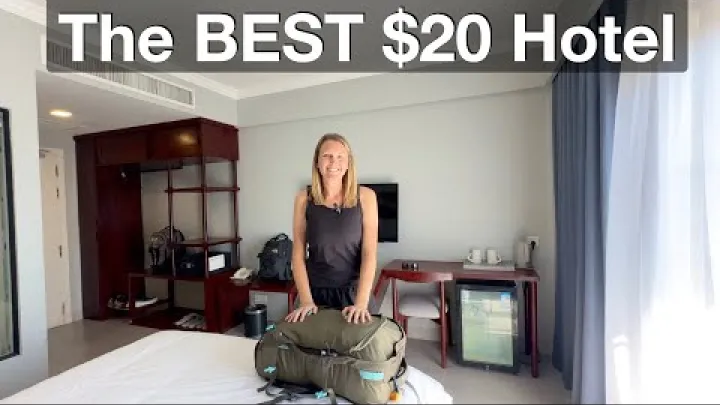
Budget hotels and budget guesthouses in Siem Reap sometimes appear at very low promotional rates, but availability is limited and the final cost can differ from the first figure shown. A current Expedia snapshot shows cheap-hotel listings from about $15, while also showing how widely prices can vary. Treat such listings as a starting point for date-specific comparison, not as a permanent citywide rate.
Private Rooms and Mid-Range Hotels
Private rooms range broadly from the high teens into roughly $30–$70 or more, depending on dates, location, room size, and facilities. In this band, paying more may bring a private bathroom, reliable air-conditioning, breakfast, pool access, quieter rooms, and a stronger recent review record. A booking snapshot from Agoda illustrates the wide spread between lower-priced rooms and broader hotel averages, rather than one dependable standard rate.
Compare total trip value, not only room quality. A low-cost guesthouse farther out can be ideal for a longer, quiet stay with arranged transport. A somewhat pricier central property can be better value for a short visit if walking replaces several evening rides and breakfast reduces food spending. Couples and friends sharing a room should divide the all-in room total before comparing it with dorm pricing.
Read the Total, Not Just the Nightly Rate
The final accommodation charge can change with taxes, service charges, breakfast, occupancy, payment terms, and cancellation conditions. Before confirming, compare the same room type and dates across booking platforms and, when convenient, the hotel’s direct channel. Do not compare one listing’s pre-fee rate with another listing’s final total.
- Confirm the total for all nights and all guests.
- Check whether taxes, service charges, and breakfast are included.
- Read the cancellation deadline and payment conditions.
- Check the map position, walking distance, and recent comments about noise and air-conditioning.
- Ask whether airport assistance or pickup is included if that affects your arrival plan.
A slightly higher room cost can be worthwhile if it includes breakfast, avoids regular tuk-tuk use, or has terms that protect a changing itinerary. Live listings should be checked for the exact dates, because weekends, busy periods, and local events can make working ranges unreliable.
Food and Drink Prices
Food is flexible in Siem Reap. The main decision is not simply where you eat, but whether you favor local restaurants and markets or tourist-focused cafés, Western dining, alcohol, and late-night venues.
Khmer Meals, Markets, and Everyday Food
Local Khmer restaurants, market stalls, and food around the Siem Reap Night Market can help keep meals affordable. A useful meal range is roughly $3–$10: simple noodles, rice dishes, fruit, skewers, and snacks can sit toward the lower end, while fish amok and meals in more visitor-oriented settings may cost more. Menus and informal-stall prices are not uniform, so use current posted prices when choosing where to eat.

Venue and cuisine choice often matter more than the city itself. A traveler who has local breakfasts and lunches, then one restaurant dinner, can eat well without using the same budget as someone who chooses imported ingredients and international menus for every meal. Vegetarian travelers can use the same allowance structure, but should assess the options and portion sizes at the chosen venue rather than assuming every inexpensive stall meets their needs.
Western Restaurants, Pub Street, and Nightlife
Pub Street and nearby tourist venues are convenient for nightlife, cafés, restaurants, and late dining, but Western dishes, cocktails, imported drinks, and repeated evening entertainment can raise the daily total. For travelers who regularly choose this pattern, about $15–$25 or more per day for food and drink is a realistic starting range. Alcohol and entertainment should be separate lines in the budget, because several drinks can cost as much as a meal.

One premium dinner or a nightlife-heavy evening does not define the price of the entire destination. Balance it with a lower-cost meal elsewhere, or make it a planned splurge. Nearby streets and markets may offer simpler choices, but compare menus and cleanliness locally instead of assuming that every venue outside the tourist core is cheaper.
Set a Daily Food and Drink Allowance
A deliberately local, low-cost pattern can fit about $5–$10 per day. A more varied moderate pattern is often around $9–$15. Frequent Western meals, coffee stops, drinks, and nightlife can require $18–$25 or more. Breakfast included with the room can reduce the food allowance, while coffee, snacks, service charges, and alcohol can quietly increase it.
| Day type | Food and drink approach | Planning range |
|---|---|---|
| Low-cost day | Local meals, market snacks, no alcohol | About $5–$10 |
| Moderate day | Mixed local and café meals | About $9–$15 |
| Splurge day | Western dinner, coffee, drinks | $18–$25 or more |
Families can multiply meal allowances by the number of diners while allowing for shared dishes. Alcohol-free travelers may redirect the nightlife portion to a cooking class, a performance, or a nicer meal. The useful goal is not the lowest possible food figure; it is an allowance that matches your normal habits.
Angkor Passes and Other Activity Costs
Angkor Archaeological Park is a primary reason to visit Siem Reap, and it is also the cost that most often changes a simple daily budget. Put park entry and temple-day transport in their own category before estimating ordinary sightseeing days.
Include the Angkor Pass as a Fixed Cost
The Angkor pass is a major fixed cost and should not be hidden inside a general daily allowance. A commonly used planning structure is $37 for one day, $62 for three days, and about $72–$74 for seven days. For the current price, validity rules, and purchase choices, consult Angkor Enterprise, which provides official ticket information and purchase options.
Choose a pass based on the number of park-entry days you genuinely plan to use. On a three-night stay, a one-day pass can add more than $12 per night to the trip average before transport. On a week-long stay, the same pass is spread over more days, and a multi-day option may suit a slower schedule. A multi-day pass is not automatically better value if heat, time, or changing plans mean you leave entries unused.
Temple Transport, Guides, and Activity Add-Ons
Build an Angkor day from separate components: pass, vehicle and driver, optional guide, food and water, and any added tour costs. Traveler-reported market context places a full-day tuk-tuk around $20–$25, with about $30–$40 sometimes used as a guide add-on. These are not official fares. Route length, language, vehicle type, timing, and negotiation can change the total.
A no-guide day might therefore include the pass, a driver, and your own meals. A guided day adds interpretation and convenience, but it is optional. Cars, private guides, photography services, sunrise arrangements, and longer circuits can increase the cost considerably. Decide whether you value the guide before booking rather than adding it impulsively on the day.
Free and Low-Cost Ways to Spend Non-Temple Time
Use non-temple time to balance expensive Angkor days. Free options include city walks, browsing markets, and exploring neighborhoods at a relaxed pace. Low-cost time can include a simple local meal, a café break, or a bicycle rental where appropriate. Paid options such as cultural performances, cycling tours, cooking classes, and floating-village visits should be separate optional line items because prices and inclusions differ by operator.
A stable budget comes from choosing expensive experiences deliberately. For example, pair one paid evening performance with a quieter market evening rather than assuming every night needs a ticketed activity. Ask what transport, meals, equipment, pickup, and cancellation terms are included before treating any tour price as comparable.
Local Transport and Airport Costs
City transport can be modest, but it follows a different pattern from temple transport. Keep short rides, arrival transfers, and full-day drivers in separate budget lines so one does not conceal the other.
Short Tuk-Tuk Rides and Airport Transfers
Walking, bicycles, and short tuk-tuk rides can keep ordinary city transport low when your hotel is near the main areas. About $1–$3 is informal context for a plausible short ride, depending on distance and agreement; it is not a fixed tariff. A hotel outside the center may save on the room rate but create more rides each day.
Treat the airport transfer as a separate arrival or departure cost. Compare the total transfer price for a solo traveler, couple, or group, and distinguish shared transport from a private taxi or hotel-arranged service. Airport fare evidence is informal and can change, so ask the hotel or transfer operator to confirm the current fare, pickup arrangement, and payment method before arrival.
Budgeting for Temple-Day Transport
Temple-day transport can be much more expensive than ordinary city rides because the driver is waiting through multiple stops and covers a longer route. A working range of about $20–$30 for a full-day tuk-tuk and driver is useful before any separate guide fee, but the itinerary and distance determine the real quote. Sharing the vehicle can reduce the per-person amount, while a private car increases comfort and cost.
Before leaving the hotel, agree on the temple-day itinerary, waiting time, vehicle type, guide inclusion, total price, fuel expectations, pickup time, and return arrangement. Recent traveler discussion provides only negotiable market context, not a tariff, so use a local tuk-tuk discussion as a prompt for comparison rather than a quote to rely on. Booking several days with one driver may improve convenience, but compare the full package and do not assume a discount.
Intercity Transport as a Separate Trip Cost
Buses and minivans between Siem Reap, Phnom Penh, Battambang, and other Cambodian destinations belong in the overall Cambodia trip budget, not in the city’s daily spending figure. Some selected domestic bus journeys are often planned around $8–$10, while cross-border travel can cost more. These examples are only rough planning context, not route-specific fare promises.
Keep three categories: in-city rides, Angkor-day transport, and intercity transfers. Confirm the current schedule, luggage rules, pickup point, and fare directly with the selected operator. That approach prevents a cheap local-food day from making a longer transfer day look artificially inexpensive.
Which Siem Reap Area Fits Your Budget?
Neighborhood choice affects more than the room rate. It changes how much you walk, where you eat in the evening, how much noise you accept, and whether you need regular rides.
Pub Street and the Night Market Area
The area around Pub Street and the Siem Reap Night Market is convenient for nightlife, restaurants, markets, and short evening walks. That convenience can reduce short-ride costs and make a brief stay simpler. However, it can also lead to higher dining, drinks, and accommodation spending if you choose the busiest tourist-facing options.
Choose this area if nightlife, late dining, and walkability are priorities. Travelers seeking quiet evenings or a more controlled food budget may prefer to compare nearby streets and quieter central areas. The decision is convenience versus price and atmosphere, not a rule that every business in the core costs the same.
Wat Bo and Quieter Central Areas
Wat Bo and other quieter central areas are worth comparing if you want access to the city without sleeping immediately beside the busiest nightlife strip. The value depends on the exact map location, walking distance to your preferred restaurants, breakfast inclusion, room noise, and likely need for tuk-tuks.
Inspect the property’s position and recent reviews rather than booking by neighborhood name alone. A practical comparison uses four questions: Can you walk to dinner? Is the room quiet enough? Does the hotel include breakfast? Will the location require rides after dark? The answers give a better total-cost estimate than an assumption that one central area is always cheaper.
Outskirts and Rural Bases Near Siem Reap
Outskirts and rural bases near Siem Reap may offer different accommodation styles, more space, and sometimes lower headline room rates. They can also have fewer dining choices, less activity at night, and higher transport needs. The room saving should be compared with extra tuk-tuks, meals, transfers, and time spent returning to the city.
For example, a lower-priced rural room may suit a longer stay if breakfast, quiet surroundings, and prearranged transport are important. For a two-night visit focused on Angkor and evening dining, a central room may cost more but reduce daily friction. Quiet-seeking travelers and visitors with a driver or planned transport are the profiles most likely to benefit from a more remote base.
What Can Push Your Budget Higher?
Most budget surprises come from a few repeatable drivers: timing, short stays, and preference-based conveniences. Identifying them early lets you decide where to spend rather than discovering the difference at the end of the trip.
Season, Weekends, and Event Demand
Accommodation and some tourist services can become more expensive when demand rises during popular travel periods, weekends, holidays, or local events. Published ranges are planning anchors, not date-specific offers. Flexible dates can affect the total more than saving a small amount on individual meals, especially if better rooms are limited.
Check live accommodation prices for your exact dates, compare availability across a few suitable properties, and consider cancellation flexibility if plans are still moving. This is particularly useful when choosing between a central hotel and a quieter alternative, because the best value can change from one week to the next.
Short Stays and Fixed Angkor Costs
One-off costs have a larger effect on short trips. Consider a three-night visit with a one-day Angkor pass, an airport transfer, and a full-day driver: those items can add a significant amount per night even if the traveler eats locally and stays in a simple room. On a seven-night stay, the same arrival and temple costs are divided across more days.
Plan by trip total first: add rooms, pass, transfers, temple-day vehicle, and booked activities; then add daily food, short rides, and personal spending. Divide by nights only at the end. This makes the difference clear between one expensive temple day and a generally high daily travel style.
Convenience, Imported Food, and Paid Extras
Private cars, guides, frequent tuk-tuks, Western meals, imported drinks, spa treatments, and premium tours can move a traveler from one budget tier to another. They are usually choices rather than unavoidable city costs, so they work best as planned splurges. Small recurring purchases also matter: coffee, alcohol, snacks, and late-night rides can become a meaningful total over several days.
- Do you want private transport or are shared rides acceptable?
- Will you hire a guide for one temple day or several?
- How often do you expect to choose Western food or imported drinks?
- Are spa visits, tours, and shopping part of the trip plan?
- Will your hotel location reduce or increase evening transport?
Ways to Save Money in Siem Reap
Saving money does not require removing every comfort. The strongest approach is to spend intentionally on the experiences that matter most and reduce costs that add little value to your trip.
Choose the Right Angkor Pass
Start with a simple decision: plan one park-entry day, several definite entry days, or an uncertain schedule. Choose the pass that fits the planned number of visits instead of automatically selecting the longest option. Multi-day passes can improve the cost per entry when used fully, but unused entries remove that expected value.
Also consider heat, available time, and your interest in slower temple visits. A single focused day can be a better fit than pushing through several days solely to justify a pass. Use the official Angkor Enterprise information for current prices and validity before making the final comparison.
Choose Value Accommodation and Inclusions
Compare total room cost, breakfast, pool access, air-conditioning, map location, cancellation terms, and transport needs. A central budget room with breakfast may cost more than a farther room, but it may remove a morning meal and several rides. Conversely, a cheaper distant room can be good value for a traveler who prefers quiet and has transport already arranged.
Keep recommendations category-based unless you have checked current availability and recent reviews. Hotel listings change quickly, and the best choice is the property that fits your dates, occupancy, sleep needs, and planned daily movement.
Lower Variable Costs with Local Food, Walking, and Shared Rides
Use local Khmer eateries and markets for some meals, walk between nearby sights, and share temple transport when it suits your group and comfort level. Alternate expensive activity days with lower-cost city days so the trip average remains manageable. These are options, not strict backpacker rules: a traveler can save on lunch and local rides while deliberately paying for a guide or a comfortable hotel.
Do not build savings around unsafe riding, unclear operator terms, or an unrealistically low food allowance. The practical goal is fewer unplanned purchases and clearer choices, not a trip that feels restricted.
Build and Check Your Siem Reap Budget
A useful budget is a short worksheet that distinguishes fixed costs from flexible spending. It will give you a more reliable answer than multiplying one attractive daily figure by the number of nights.
Start with Nights, Temple Days, and Travel Style
List the number of nights, accommodation tier, Angkor entry days, dining style, local transport habits, and any paid activities. Use the budget, mid-range, and comfortable bands as starting points, then adjust them for your own choices. Temple days often matter more than ordinary sightseeing days because they combine entry, a driver, food away from the city, and possible guide costs.
- Accommodation: nightly total multiplied by nights.
- Angkor: selected pass plus temple-day transport and optional guide.
- Daily spending: meals, drinks, short rides, snacks, and small purchases.
- Activities: performances, classes, tours, or other booked experiences.
- Separate trip costs: international flights, visas, and onward or intercity transport.
Separate Fixed Costs from Daily Spending
Fixed or semi-fixed costs include accommodation, Angkor passes, airport transfers, temple-day transport, and prebooked activities. Variable costs include meals, drinks, short rides, shopping, and spontaneous entertainment. A simple formula is: trip total = fixed costs + total variable spending. Then calculate average daily cost = trip total divided by number of nights or travel days, using one method consistently.
US dollars are commonly useful for travel spending, while Cambodian riel is useful for small change. Card acceptance, exchange costs, minimum charges, and service charges can vary by business. Carry sensible small denominations, ask about the payment method before ordering or booking, and keep a little flexibility for cash-only situations.
Verify Current Prices and Add a Practical Buffer
Before booking, recheck live hotel totals, official Angkor information, transport quotes, menus, and activity terms. Accommodation listings and traveler-reported driver figures are indicative, while pass details should come from the official ticket source. Use a range rather than one exact total, then add a modest buffer for a meal upgrade, an extra ride, exchange costs, or a changed plan.
Finish with a simple check: does your room match your sleep and location needs, does the Angkor pass match planned entry days, have you priced temple transport separately, and does your food allowance reflect your real dining habits? Siem Reap can support lean travel, but Angkor access, accommodation choices, and tourist-area spending determine the real total.
Select area
Create a post
Posting is free and no registration is required.