Banlung Best Time to Visit: Weather and Monthly Guide

The best time to visit Banlung is usually November to February, when relatively dry weather, lower humidity, and more comfortable temperatures make it easier to explore Ratanakiri Province. This period is especially suitable for first-time visitors who want to combine Banlung town with Yeak Laom Lake, nearby waterfalls, rural scenery, and outdoor excursions. The green season has a different appeal, with lush forest and stronger waterfall flow, but it requires more tolerance for rain and changing road conditions. This guide compares Banlung weather by season and month so you can choose dates that match your travel style.
The Best Time to Visit Banlung at a Glance
Banlung is worth visiting in every season, but the practical experience changes substantially through the year. Choose the dry months for easier movement and longer outdoor days, or consider the wetter months if green landscapes matter more than fixed plans.
For a short visit, the drier months make it easier to combine several attractions without building large weather buffers into each day. If your dates fall outside November to February, prioritize the activities that matter most and keep the rest of the itinerary adjustable.
Best Overall: November to February
November to February is the best overall time to visit Banlung. These months normally bring the most comfortable balance of warm daytime weather, relatively cooler mornings and evenings, lower humidity, and less rain. The result is a simpler trip for travelers planning walks, lake visits, waterfall stops, and drives beyond the town center.

November often still has a fresh green appearance after the rainy season, although showers can occasionally linger. December through February are generally the more consistently dry part of this window. Drier ground usually makes it easier to reach attractions along secondary roads and to plan full days outside Banlung without frequent weather interruptions. Climate-normal information for Banlung describes a tropical pattern with much less rainfall in the cooler part of the year than in summer, as shown by Climate-Data.org.
This is the strongest choice for travelers who value comfort and dependable access. It is not the only rewarding season, however: visitors focused on dense greenery or a quieter atmosphere may find a different month more appealing.
Best Alternatives in the Shoulder Months
Late October and November can suit travelers who want a greener version of Banlung while rainfall is beginning to ease. Conditions can improve gradually rather than on a fixed calendar date, so this period offers a useful compromise rather than a guarantee of dry travel.
March is another practical alternative. It is often still largely dry, and rural access can remain easier than in the monsoon, but heat becomes increasingly important. It can work well for visitors who are comfortable arranging outdoor activities early in the day and keeping afternoons less demanding.
April and May are more changeable transition months. April can be very hot, while May may bring rising humidity and more regular storms. They are best approached as months for adaptable travelers, not as extensions of the cool dry season.
Who May Prefer the Green Season
May to October can be an attractive time for travelers who prioritize vivid vegetation, forest scenery, fuller waterfalls, and quieter attractions. Rain changes the appearance of Ratanakiri Province: fields and forest become more intensely green, and nearby waterfalls may look more dramatic than they do late in the dry season.
The trade-off is practical. Humidity is higher, showers are more frequent, and red-earth rural roads and forest tracks can become muddy. A rain shower may be brief, but heavier events can delay or alter an excursion. Accommodation or tour offers may sometimes be more attractive outside the popular dry period, although prices and availability differ by property and operator.
The green season is therefore a valid choice for visitors with room to adjust their days. It is less suitable for a short itinerary that depends on reaching several remote places at exact times.
Banlung's Climate and Seasonal Pattern
Season matters in Banlung because much of the region's appeal lies beyond indoor spaces and paved urban streets. Rain, heat, humidity, visibility, and ground conditions influence how comfortably you can experience the area.
Banlung's Inland Highland Setting
Banlung is the provincial center of Ratanakiri in eastern Cambodia. Its inland setting and plateau landscape can feel different from Cambodia's lowland cities and coastal destinations, but it remains tropical: warm conditions are normal throughout the year, and the main travel decision is usually when to trade dry access for greener scenery.
There are no beach or sea conditions to consider here. Instead, seasonal planning affects visits to Yeak Laom Lake, nearby waterfalls, forested routes, rural communities, and excursions toward Virachey National Park. The region's distinctive red-earth roads are part of the journey, but their surface can be dusty in dry weather and slow or muddy after heavy rain.
Cool and Relatively Dry Season: November to February
This is Banlung's most comfortable season for general sightseeing. It is still warm by many international standards, especially in the afternoon, but mornings can feel fresher and walking is usually easier than during the hottest or wettest periods. Rainfall is commonly limited compared with the middle of the year.
Drier conditions generally improve movement around the area, including journeys to Yeak Laom Lake, waterfalls, and countryside attractions. Treks are often more manageable when trails are firmer. Later in the season, unpaved roads can become dusty, so a scarf or light face covering can be useful during longer motorbike or vehicle rides.
Hot Season: March to May
Temperatures rise from March, and outdoor activity can feel demanding by midday. March is often the easier of the two main hot months because it may retain drier conditions. April is commonly the period when heat is most difficult for long walks, cycling, motorbike travel, and exposed sightseeing.
By May, humidity and storm activity may begin to increase. This does not mean every day is rainy, but the travel pattern shifts away from reliably dry conditions. Heat-tolerant travelers can still enjoy Banlung by planning active outings for early morning or late afternoon and reserving the hottest hours for meals, rest, or shorter visits.
Rainy or Green Season: May or June to October
The rainy season generally develops from May or June and lasts into October. It brings higher humidity, frequent showers, and occasional thunderstorms. Rain is often intermittent rather than constant from morning to night, but a heavy downpour can have a significant effect on a trail, rural route, or waterfall excursion.
This is Banlung at its greenest. Forests, farmland, and roadside vegetation are lush, while waterfall flow may be more impressive. At the same time, trails can be slippery and remote access can be slower. The precise start and end of the wetter season vary from year to year, so month labels should be treated as broad planning guidance rather than fixed weather promises.
Banlung Climate by Month
A grouped monthly guide is useful for choosing a travel window, but climate averages show typical patterns rather than the conditions of a particular week. Use them to set expectations, not to predict an individual day.
January and February: Dry, Bright, and Comfortable
January and February are among the most reliable months for an all-purpose Banlung trip. Rainfall is usually low, mornings can be comparatively fresh, and afternoons are warm rather than at their annual peak. This supports a straightforward schedule of lake visits, waterfall stops, town exploration, and outdoor activities.
These months are particularly suitable for first-time visitors who want the simplest weather choice. Dry ground can make travel more efficient, although unpaved roads may become dusty. Even in this favorable period, a brief shower or unusually hot day remains possible.
For a short stay, these months are useful because a weather-related change is less likely to affect the whole plan. You can still leave room for a slower morning or a rest period, but usually need less contingency time than during the wet season.
March and April: Hotter Days and Building Storms
March often remains mostly dry, but the increase in heat becomes noticeable. It can be a good option for travelers who want dry-season access without needing the coolest available conditions. Earlier starts make a clear difference to comfort.
April is generally hotter and can feel uncomfortable during the middle of the day. Afternoon storms may occur as the seasonal pattern begins to shift, though not every day will be stormy. Keep activities shorter, prioritize shade when possible, and make the morning the main time for walking or visiting exposed sites.
May to August: Humid, Wet, and Lush
May is often a transition into more regular monsoon conditions. By June through August, humidity, rain, and wet ground become a central part of the Banlung travel experience. The landscape is richly green, and waterfall visits can be rewarding for travelers who enjoy nature in wetter conditions.
The disadvantages are muddy tracks, slippery paths, and the possibility that an excursion takes longer or needs a different route. Pack waterproof protection for yourself and your electronics, as well as shoes with grip that can handle wet ground. A rainy day does not always mean nonstop rain, but plans should allow for pauses and adjustments.
If you travel in this period, avoid placing every outdoor activity on one day. A flexible sequence lets you use a clearer interval for a longer excursion and keep an easier town-based option available when rain affects rural routes.
September and October: Wet Season Easing
September may still be one of the wetter parts of the year, with persistent humidity and heavy showers possible. October often begins a gradual move toward drier conditions, but this transition is not identical every year. Green scenery remains a major advantage across both months.
Late October can be a useful compromise for flexible visitors seeking lush views with a chance of improving road and trail conditions. It should not be treated as a guarantee that every remote route will be dry or quick to travel.
November and December: Drying Ground and Green Landscapes
November is appealing because it can combine leftover wet-season greenery with improving weather and firmer ground. It is a strong option for photographers and nature-focused visitors who want more color in the landscape without committing to the wetter core season.
December is usually more settled and dry, with warm days and milder-feeling nights. Together, November and December offer one of Banlung's best balances between scenery, comfort, and practical access. November retains more transitional uncertainty, while December normally provides a more dependable dry-season rhythm.
Best Time for Trekking, Waterfalls, and Local Experiences
The ideal month depends on what you want to do. In Banlung, the key choice is often between easier travel and the richer green-season landscape.
Trekking and Jungle Excursions
For trekking and jungle excursions, November to February offers the best overall combination of cooler conditions, firmer trails, and more comfortable full-day activity. This is the preferred period for travelers who want to walk longer distances and reduce the chance of rain disrupting a route.
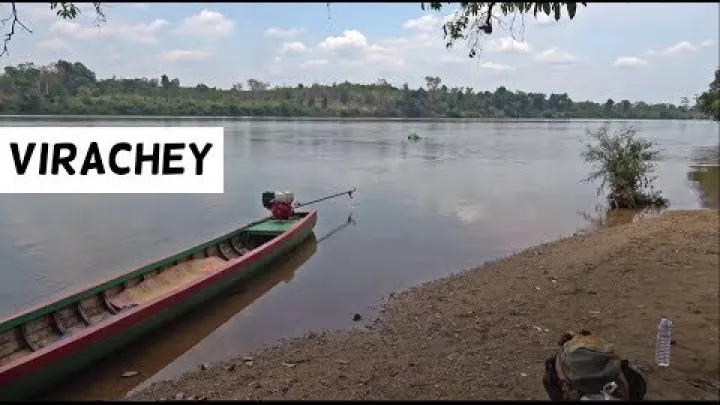
Wet-season treks can still be available through experienced operators, but route choice, distance, timing, and equipment needs can change after rain. A Virachey National Park trekking operator describes the dry season as better for clearer trails and the green season as lush but potentially affected by heavy rain, according to At Cambodia. Availability and access are operator-specific, so ask about the exact route rather than assuming all excursions run in the same way.
Waterfalls, Yeak Laom Lake, and Green Scenery
For Yeak Laom Lake and nearby waterfalls, dry-season travel is usually easier to organize into one full day because rain and road conditions are more predictable. It is the better choice if smooth movement between several sights is your priority.
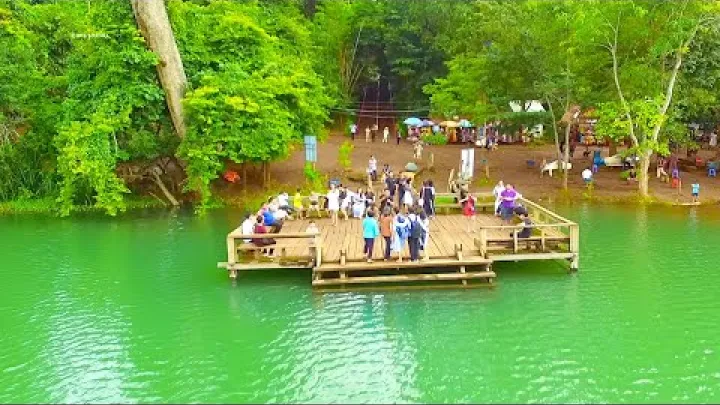
The wet season can be better for travelers whose main goal is lush vegetation and more dramatic waterfall flow. This comes with less certainty around walking surfaces and rural travel time. Water levels and swimming conditions can change, so base decisions on current local information rather than seasonal assumptions alone.
Village Visits and Cultural Experiences
The cooler, drier months are generally more comfortable for rural travel and outdoor visits arranged from Banlung. Secondary roads are often easier to navigate, and spending time outside is less tiring than in the hottest months. This can help when a day involves travel between several places.
The green season offers a different view of the agricultural landscape and rural rhythm, but weather can have a greater effect on access. Arrange visits respectfully through local contacts or suitable local operators, and avoid treating communities as a fixed attraction with guaranteed activities.
Budget Travel and Fewer Crowds
November to February is commonly the more popular period for travel in Cambodia, while the rainy or green season may feel quieter and may sometimes bring better accommodation or tour value. Banlung is generally less crowded than Cambodia's major tourism centers, so the difference may be moderate rather than dramatic.
Compare current rates directly rather than expecting an automatic low-season discount. A cheaper room is not always the best value if weather delays reduce the number of excursions you can comfortably make. Travelers with longer stays and adaptable plans are usually better placed to benefit from the green season.
When comparing options, also look at what happens if a tour or transfer changes because of rain, including cancellation terms and whether a replacement day is possible. These practical details can matter more than a small difference in the advertised rate.
How Weather Affects a Banlung City Stay
A stay in Banlung itself is usually easier than travel to distant attractions, but weather still shapes comfort, packing, and day planning. Small preparations can make a large difference.
Heat, Humidity, and What to Wear
Bring breathable clothing, a hat, sun protection, and comfortable walking shoes for every season. A light layer can be useful during comparatively cooler mornings from November to February, while a compact rain shell or umbrella is particularly useful in shoulder and wet-season months.
Humidity can make ordinary walking feel more demanding, especially from May to October and during the hot transition into the rains. For motorbike rides and rural outings, choose clothing that dries quickly and footwear appropriate for both paved streets and uneven ground.
Rain Logistics, Red-Earth Roads, and Remote Access
Rain has its greatest effect beyond central Banlung. Unpaved red-earth roads and forest tracks can become muddy, slow, or temporarily difficult after heavy rain; in the dry months, the same routes may be dusty instead. This affects journeys to waterfalls, rural villages, and some Virachey-area excursions more than a town-based day.
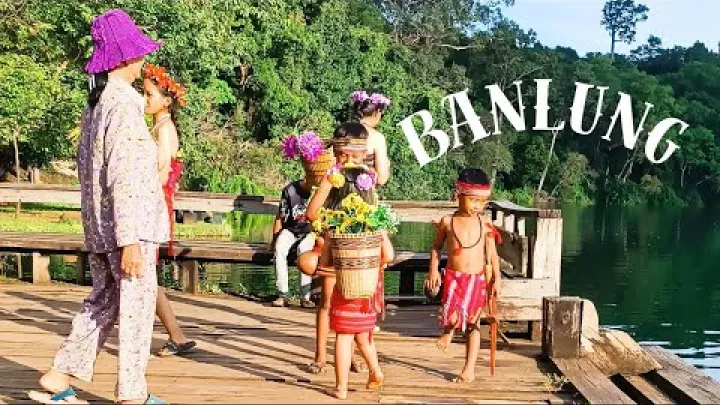
Before travelling to remote attractions, confirm current road and trail conditions with your accommodation or a local operator. Seasonal averages cannot tell you whether a particular route is passable after recent rainfall, roadwork, or a local weather event.
Climate Averages Versus the Live Forecast
Climate averages describe the usual pattern for a month over time. They are useful for selecting dates, but they cannot tell you whether your planned day will be sunny, stormy, or affected by a recent period of rain. This distinction matters most in transition months and during the monsoon.
Check an up-to-date local forecast and official weather warnings shortly before each excursion. The Ministry of Tourism, Cambodia website includes weather and forecast resources, which can complement advice from people on the ground.
When to Avoid or Reconsider a Banlung Visit
No month is automatically unsuitable, but two periods deserve extra consideration when comfort, remote access, or a tightly organized schedule are central to your trip.
The Hottest Period Around April
April may be a poor fit for travelers who dislike heat or hope to spend long hours trekking, cycling, or walking outdoors. The main challenge is not that Banlung becomes impossible to visit, but that midday activity can be much less pleasant and less productive than in the cooler dry months.
If April is your only option, choose early starts, seek shade during the hottest hours, drink water regularly, and keep the itinerary less crowded. If you are sensitive to heat, choose November to February and schedule strenuous activities outside the hottest midday hours.
Peak Rainfall in July and August
July and August can bring the greatest uncertainty for remote roads, trails, and overland movement. They are the least convenient months for travelers with a short itinerary that depends on visiting several distant attractions or making tight travel connections.
They can still be rewarding for flexible visitors who value lush scenery, powerful waterfalls, fewer visitors, and possible off-season value. During the wettest months, leave extra time for overland travel and avoid itineraries that depend on tight connections.
Final Recommendation for Choosing Your Dates
For most travelers, plan a Banlung visit between November and February. This period offers the most comfortable overall conditions for exploring Banlung, Yeak Laom Lake, nearby waterfalls, and rural Ratanakiri with fewer weather-related complications.
Choose late October or November for a greener landscape with improving conditions, or March if you can manage increasing heat. Select May to October when lush scenery and waterfall flow are more important than predictable roads and fixed daily plans. Whatever month you choose, let current weather and local access information shape the final version of your itinerary.
In simple terms, choose November to February for the easiest all-purpose trip, March for a drier but hotter alternative, and the green season for scenery and flexibility. The best dates are the ones that match your priorities and leave enough room to respond to the weather.
Select area
Create a post
Posting is free and no registration is required.