Stung Treng Travel Guide: Rivers, Wetlands, and Trip Planning
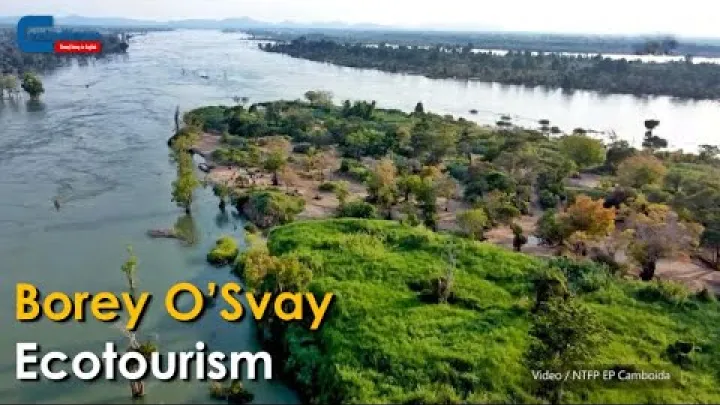
Stung Treng is a quiet riverside town in northeastern Cambodia where the Sekong meets the Mekong. It is a practical stop on overland routes, but it is also a rewarding base for wetlands, river islands, village-based tourism, and slow travel. This Stung Treng travel guide explains who will enjoy the area, what to do, where to stay, and how to plan transport without expecting the facilities of Cambodia's larger tourist centers. It is best approached with time for local arrangements and an interest in landscapes rather than a packed sightseeing schedule.
Stung Treng at a Glance: Is It Worth Visiting?
Stung Treng rewards travelers who see the town as a gateway to a wider river landscape. The center is modest, but the surrounding province offers a different side of Cambodia: broad waterways, seasonally flooded forest, islands, fishing communities, and quieter roads.
Who Stung Treng Suits
Stung Treng suits travelers looking for a low-key northeastern Cambodian stop rather than a major attraction city. It is a good match for people interested in river scenery, birdlife, conservation, kayaking, cycling, and community-based experiences. The town also works well for independent travelers moving between Kratie, Banlung, and southern Laos.
Set expectations carefully. Stung Treng is not an alternative to Siem Reap for large-scale heritage sites, Phnom Penh for urban life, or Banlung for a more established highland and waterfall circuit. Kratie is often chosen for its southern Mekong setting and more familiar dolphin-viewing trips, while Stung Treng is stronger for wetlands, islands, and a quieter sense of remoteness. Visitors seeking nightlife, shopping, or a dense list of landmarks may prefer to keep their stay short.
The town itself is functional and relaxed. Its best features are the riverfront atmosphere, local market life, and its usefulness as a base for places outside the urban center. Travelers who enjoy an unhurried day, local meals, and scenery that changes with the river level are more likely to find it worthwhile.
How Long to Stay and Where It Fits in a Cambodia Route
One night is enough when Stung Treng is mainly a transport stop. Arrive, walk by the river, eat locally, organize the next journey, and leave the following day. This is a sensible option for travelers connecting long road journeys rather than trying to fit in a rural excursion.
Two or three nights is a better starting point for a real visit. That gives time to settle in, arrange a wetland or island outing, and add a community activity or cultural stop. A longer stay can suit birdwatchers, cyclists, and travelers who want an overnight homestay, although rural plans may require coordination rather than spontaneous booking.
| Stay length | Best for | Realistic focus |
|---|---|---|
| One night | Transit travelers | Riverfront, meal, onward journey |
| Two nights | First-time visitors | One wetland or island outing |
| Three nights or more | Slow travelers | Community stay, cycling, nature time |
Stung Treng's Rivers, Wetlands, and Local Setting
The geography is the reason to visit. The rivers influence the town's daily rhythm and lead outward to channels, forested islands, sandbars, and communities whose livelihoods remain closely tied to the water.
The Town Layout and Riverfront
The most useful visitor area is compact. The riverfront, main market, modest hotels and guesthouses, food options, and places to ask about transport are generally within or near the central town streets. This makes Stung Treng manageable on foot after arrival, especially if you choose accommodation near the river or market.
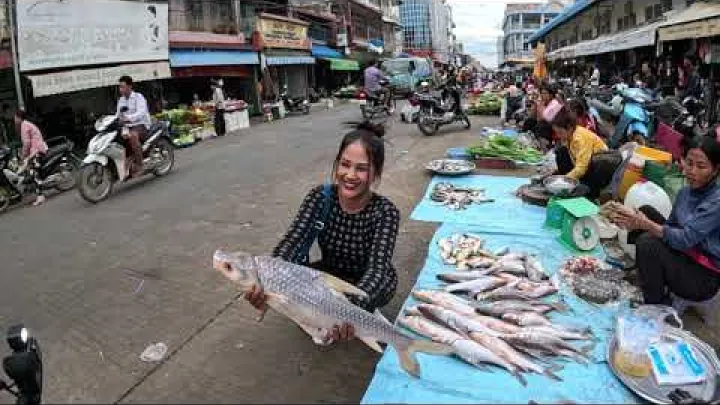
The town sits close to the meeting area of the Sekong and Mekong rivers, which gives the riverfront its open views and calm atmosphere. A late-afternoon walk is one of the simplest ways to understand the place. Away from the central streets, the town quickly becomes residential and local; it does not have a large tourist district filled with formal attractions.
The Stung Treng Ramsar Site and River Islands
The Stung Treng Ramsar site is the province's main wetland reference point. It includes river channels, flooded forest, islands, sandbars, and river-dependent settlements. Mekong Tourism describes the site as a biodiverse wetland and highlights its connection with community-based tourism at Koh Han.
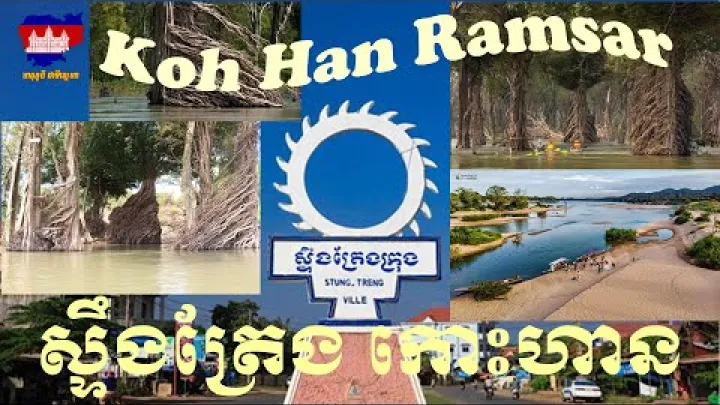
Koh Han and Koh Thmor Komboul are among the island names associated with this landscape. They are useful geographic anchors, but access can depend on the route, water level, and local boat arrangements. The appeal is not a fixed set of built attractions. It is the experience of moving through a living river environment where flooded trees, channels, exposed roots, and beaches can look very different at different times of year.
Wildlife and Conservation Context
The upper Mekong around Stung Treng and Kratie is associated with Irrawaddy dolphin habitat. However, travelers should not assume that a Stung Treng excursion will include dolphins or guarantee a sighting. For many nature-focused visitors, flooded-forest habitat and birdlife are more realistic reasons to spend time here.
Community tourism can make a useful connection between visitor spending, local livelihoods, and conservation when services are locally organized. Choose guides who respect wildlife, avoid crowding animals or requesting close approaches, and treat fishing grounds and village spaces as working places rather than open attractions. Not every local provider has the same standards or resources, so responsible behavior from visitors remains important.
Best Things to Do in Stung Treng
The strongest activities are nature-based and usually take place beyond town. Build a trip around one priority experience rather than trying to collect every named site in a short visit.
Take a Boat or Kayak Trip in the Wetlands
A guided boat trip or kayak outing through wetland channels and flooded forest is the signature Stung Treng experience. Depending on the route, it may combine river scenery, village life, birdwatching, photography, and time near islands or sandbars. Some trips may include opportunities to swim where local conditions are considered suitable, but this should be treated as an optional part of a particular route rather than an expectation.
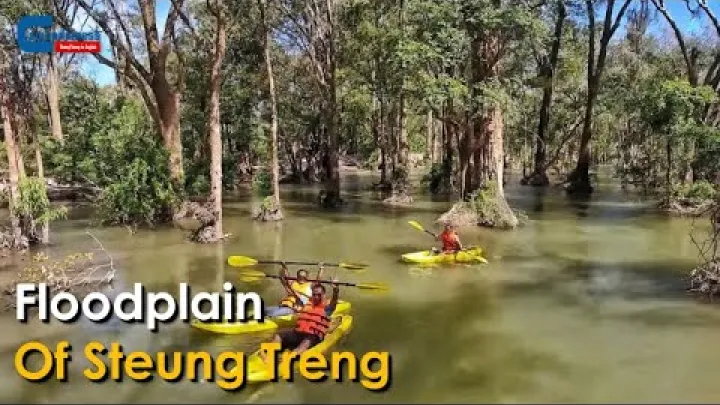
Water levels shape the experience. High water can create an immersive flooded-forest setting with boats moving among submerged trees. Lower water can reveal roots, wider sandbars, and river beaches. Wildlife sightings are possible but never guaranteed; a guide can improve interpretation of the landscape without controlling what appears.
Before committing to a trip, ask about the route, total duration, boat type, guide language, safety equipment, shade, drinking water, meals, and what the quoted price includes. Ask whether the plan is suitable for your swimming ability or kayaking experience, and whether the outing is private or shared. This simple conversation helps match the excursion to the actual day rather than an idealized description.
Visit Koh Han and Borey O'Svay Community Tourism Sites
Koh Han and Borey O'Svay are community-based options for travelers who want more than a quick river view. Depending on current local arrangements, visits may involve boats, flooded forest, village walks, local meals, homestays, and time with residents. They can offer closer contact with the river landscape than a town-based visit, but facilities are usually more basic and choices are fewer.
Choose a town-based day trip if you want a private room, easy restaurant access, and a simple return to Stung Treng in the evening. Choose an overnight community stay if local interaction and a slower pace matter more than comfort and convenience. A hybrid plan can work well: use town for arrival logistics, then spend one night in a community when it is available.
Contact the community, a current local tourism contact, or a helpful guesthouse before traveling to confirm boat transport, guides, homestay space, meals, and prices. These services can be limited, and direct confirmation is more useful than relying on older travel accounts.
Explore O'Russey Kandal and Community Forest Landscapes
O'Russey Kandal offers a different kind of outing from the Mekong islands. It is associated with forest and stream landscapes, local food, community trails, swimming areas, and possible homestay experiences. It may appeal to travelers who prefer a road-based community excursion over a boat-focused wetland trip.
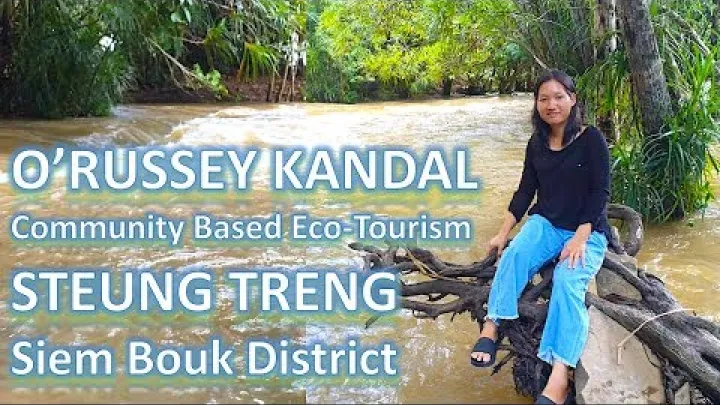
Think of it as a separate choice, not an extension of the Ramsar-site experience. The character of a visit can depend on the season, road access, and what the local community is currently able to host. Confirm entry arrangements, guide availability, food, homestay conditions, and transport before setting out.
Add Temples, River Views, or a Cycling Segment
Wat Phnom in Stung Treng, Hang Kho Ba Pagoda, and Phnom Preah Theat can add cultural or scenic variety to a nature-centered stay. These are modest local stops, not substitutes for the monumental temple complexes around Siem Reap. Dress respectfully, cover shoulders and knees where appropriate, remove shoes when requested, and avoid entering private worship areas without invitation.
Stung Treng can also serve as a northern rest point or endpoint for the Mekong Discovery Trail, a cycling route commonly described as linking Kratie with the Laos border. Short rides near town are easier to fit into a brief stay. A multi-day route requires more commitment because heat, road surfaces, navigation, luggage, and repair support can all affect the experience.
How to Get to Stung Treng and Get Around
Stung Treng is reached mainly by road. It functions as a northeastern junction, but transport is less frequent and less predictable than on Cambodia's busiest routes.
Travel from Phnom Penh, Kratie, and Banlung
Most visitors arrive overland from Phnom Penh, Kratie, or Banlung. National Highway 7 is an important road corridor in this part of Cambodia. Phnom Penh is usually the main long-distance origin, Kratie is a logical southern Mekong connection, and Banlung links Stung Treng with Ratanakiri's highland region.
| Origin | Typical travel pattern | Planning note |
|---|---|---|
| Phnom Penh | Long-distance road journey | Allow a full travel day |
| Kratie | Regional road connection | Useful for a Mekong route |
| Banlung | Regional bus or minivan | May have limited frequency |
As a broad reference, the Banlung to Stung Treng journey is listed by 12Go at about three hours on available services, but this should not be treated as a guaranteed timetable or fare. Reconfirm the exact departure time, pickup point, seat availability, and luggage arrangements with the bus company or your guesthouse before each intercity journey. This is especially important when arriving late or connecting onward.
Cross the Laos Border at Trapaing Kreal
Stung Treng is a staging town for the Trapaing Kreal to Nong Nok Khiene crossing into Laos. Reaching the Cambodian border and continuing to a destination in Laos are separate steps. You may need to arrange transport to the border, complete exit formalities, cross on foot, and then find or pre-arrange onward transport on the Laos side.
Verify current opening hours, visa rules, fees, passport requirements, and onward transport before building a route around this crossing. Do not schedule a tight same-day Laos connection after a long road journey to Stung Treng. A night in town before the crossing can reduce the pressure if transport runs late.
Getting Around Town and Reaching Rural Sites
The central town is usually walkable for accommodation, food, the market, and the riverfront. For farther locations, travelers may use motodops, tuk-tuks, a vehicle arranged through a guesthouse, or transport organized with a community visit. Rural excursions can combine road transfers, boats, pickup vehicles, and local guides.
On arrival, it is practical to check in, buy water and any personal supplies near the market, then ask your accommodation to help organize the following day. Do not assume that formal city buses, ride-hailing coverage, or a large choice of late-night transport will be available as they might be in Phnom Penh.
Where to Stay in Stung Treng
Accommodation decisions are mainly about convenience versus immersion. Most first-time visitors will find it easiest to begin in town, while a community homestay is better treated as a planned experience.
Stay in the Riverfront Town Center
The riverfront and nearby central streets are the most practical base. Staying here puts restaurants, the market, transport help, and basic supplies within easier reach. It is especially useful for travelers arriving by bus, leaving early, or arranging an excursion after arrival.
The accommodation market is generally made up of budget guesthouses and modest hotels. Room comfort can vary considerably between properties, including air conditioning, hot water, Wi-Fi, cleanliness, and noise levels. River views can be attractive, while an inland room may be quieter or better positioned for the market. Check recent room details for your travel dates rather than assuming all properties offer the same standard.
Choose a Community Homestay for Immersion
A homestay near Koh Han, Borey O'Svay, or another community site can suit visitors who value local interaction and close access to river landscapes. The trade-off is a higher level of planning. Facilities may be basic, meals may need to be arranged in advance, communication may be limited, and there may be few alternatives if plans change.
| Base | Advantages | Trade-offs |
|---|---|---|
| Stung Treng town | Easy logistics and food access | Farther from nature sites |
| Community homestay | Local setting and immersion | Basic facilities and pre-planning |
For many travelers, the most balanced approach is to use Stung Treng town for transport and supplies, then add an overnight community stay once arrangements are confirmed. Do not assume private bathrooms, reliable internet, or a particular room type unless the host confirms them.
Best Time to Visit Stung Treng
Season affects road travel, river levels, scenery, and the style of wetland activities. There is no single best period for every traveler; the better choice depends on whether you prioritize easier travel or high-water landscapes.
The Dry and Cooler Travel Period
Roughly November to February is often the easier period for overland travel, cycling, and outdoor sightseeing. Conditions are generally more comfortable than the hottest months, although daytime heat still matters. Lower water levels can expose roots, sandbars, and river beaches, giving island and wetland landscapes a more open appearance.
This period can suit visitors who want clearer route planning, road travel, and lower-water scenery. Bring sun protection, drink regularly, and plan active hours for early morning or late afternoon rather than the middle of the day.
The Wet Season and Shoulder Months
Roughly May to October can bring heavier rain, higher humidity, greener vegetation, and fuller rivers. High water can make flooded forests especially appealing from a boat, but it can also bring stronger currents, storms, muddy rural roads, and changes to boat operations.
Before booking a rural or river trip, check a current local forecast and ask the excursion provider about water levels and road conditions. Build spare time into the plan if you are considering a homestay, rural transfer, or activity dependent on access by water.
Stung Treng Travel Costs and Practical Planning
Stung Treng can be a lower-cost part of a Cambodia itinerary, but the final budget depends more on transport and private activities than on the town itself. Plan by spending category rather than expecting one fixed daily price.
Build a Budget for Rooms, Food, Transport, and Activities
Budget rooms, simple local meals, and short local transport are the basic costs for a town stay. Intercity tickets are a separate category, while private boats, guides, arranged vehicles, community meals, and homestays can change the cost of a nature-focused visit significantly.
A traveler using public transport and staying in town will usually spend differently from someone arranging a private wetland boat and overnight community experience. Ask for the complete price of an excursion, including transport, guide, boat, food, and any overnight costs. If you see old price lists online, use them only as background, not as a promise of current rates.
Booking, Cash, Connectivity, and Supplies
Arrange rural excursions, community stays, and border transport before leaving town. Ask each accommodation or operator how payment works, whether cash is needed, where to meet, what meals are included, and how to contact the driver or guide. Buy essential water, snacks, medication, sun protection, and personal items in Stung Treng before leaving for a remote community or border area.
A useful pre-departure check is simple: confirm your departure point and time, carry the agreed payment method, save a local contact number, pack drinking water and weather protection, and make sure you know whether food and an overnight bed have been included. This reduces avoidable problems where mobile access and services are limited.
Safety and Responsible Travel in Stung Treng
Stung Treng is best enjoyed with practical preparation. The main considerations are remote-area travel, river safety, respect for local communities, and keeping official information current.
Check Current Advisories and Remote-Area Conditions
Read a current official Cambodia travel advisory before departure, particularly if your route includes remote roads or border areas. UK Foreign Travel Advice notes that Cambodia remains affected by landmines and unexploded weapons, alongside other safety considerations that can change over time.
Stay on marked routes and do not explore unfamiliar rural land, forest tracks, or unmarked areas unless a qualified local guide confirms that the area is safe. Remote travel also means fewer services, longer travel times, and less room for error than in Cambodia's larger cities. Carry charged phones, water, suitable clothing, and enough time for the journey.
Stay Safe on Rivers and Support Local Conservation
Follow local guidance on currents, weather changes, boat capacity, and swimming locations. Use a life jacket when one is provided or required, protect yourself from sun exposure, and do not assume that a calm-looking river is safe for swimming. Tell the guide if you are not confident in the water or have a medical concern relevant to a boat or kayak trip.
Use local guides and community services where possible, avoid leaving waste, and do not disturb wildlife or fishing activity for photographs. The river and wetland system supports both biodiversity and local livelihoods. Small decisions, such as taking your rubbish back to town and respecting requests from hosts, help keep tourism useful rather than disruptive.
Sample Stung Treng Itineraries and Final Planning Advice
These routes are designed around the pace of the area. Treat them as flexible frameworks, not fixed schedules, and choose one main nature experience rather than trying to cover every site.
One Night for a Transit Stop
Arrive in Stung Treng, check into a central guesthouse, and take a gentle walk along the riverfront before sunset. Have a local dinner, buy supplies, and use the evening to confirm your onward ticket or pickup. Depart the following day.
This is the right plan when Stung Treng is a route break between Phnom Penh, Kratie, Banlung, or Laos. It gives you a sense of the town without pretending that several rural excursions can fit around uncertain long-distance arrival times.
Two or Three Nights for Wetlands and Community Tourism
On the first day, arrive, settle in, and arrange the next day's priority activity. On day two, take one wetland or island trip, choosing a boat or kayak experience that matches the current river conditions. Use the final day for a community visit, a modest temple or river-view excursion, or simply a slower morning before departure.
An alternative version replaces the second town night with a confirmed community homestay. Keep the wetland outing as the priority, then add cultural stops only if time and transport allow. This approach leaves space for rest and avoids treating rural transfers as fixed-time urban tours.
Combine Stung Treng with Kratie, Banlung, or Laos
Choose Kratie for a southern Mekong continuation and a more established river-town rhythm. Choose Banlung when your main interest is Ratanakiri's upland landscapes, forests, and waterfalls. Choose Laos when you want an overland journey and are prepared for border logistics. In all three cases, add buffer time before flights, fixed bookings, or major connections.
Choose Stung Treng when quieter river landscapes, wetlands, and community-based experiences are the main goal. Choose another base if your priorities are major heritage sightseeing, a dedicated dolphin-viewing program, or extensive trekking infrastructure. The best final step is to confirm current transport, accommodation, activity access, weather, and border details before leaving for northeastern Cambodia.
Select area
Create a post
Posting is free and no registration is required.