Timor-Leste Public Holidays: Dates, Calendar and Work Rules

Timor-Leste public holidays combine national remembrance days, Catholic observances, Islamic holidays, and other dates set in national law. This guide explains how the Timor-Leste holiday calendar is structured, which dates stay the same each year, and why some dates must be confirmed annually. It also covers the practical effects of holidays on offices, payments, schools, businesses, and travel. For any year-specific plan, use the current official announcement rather than copying dates from an older calendar.
How the Timor-Leste Public Holiday Calendar Works
The national calendar has a legal framework, but the usable calendar for a particular year also depends on the Government of Timor-Leste’s annual holiday notice. Understanding that distinction helps residents, employers, students, and visitors avoid treating an old date list as current information.
Because searches often omit the year, treat a general calendar as a planning framework rather than as a dated government notice. A year-specific calendar should show the year in its heading and add weekdays only after the relevant dates are confirmed. If you are checking 2026 or another current year, compare the publication date of the government notice with the date of your booking, roster, or appointment. An older annual list is useful for identifying recurring patterns, but it cannot confirm every date for the current year.
The legal basis for public holidays
Timor-Leste’s public holiday framework is based on Law No. 10/2005. The law identifies public holidays and also distinguishes official commemorative dates. Its application can be supplemented by later legal changes and by annual government announcements that identify the dates used in a specific calendar year.
This matters because the framework includes more than one type of observance. It covers fixed-date public holidays, religious holidays whose dates move, official commemorative dates, and, in some circumstances, additional time off granted through a government decision. The Ministry of Justice publication of Law No. 10/2005 is a useful starting point for understanding these categories.
A legal list is not a substitute for a year-specific calendar. The annual notice is the practical reference for variable religious dates and for any separate arrangements announced for public administration. Readers should therefore use the latest government publication when arranging work schedules, official appointments, or travel.
Fixed-date and variable-date holidays
Fixed-date holidays occur on the same date in the civil calendar every year. New Year’s Day is always 1 January, Restoration of Independence Day is always 20 May, and Christmas Day is always 25 December. The weekday changes from year to year, but the date does not.
Variable-date holidays follow a religious calendar or liturgical calculation. Good Friday and Corpus Christi move within the Gregorian calendar because they follow the Catholic liturgical calendar. Idul Fitri and Idul Adha follow the Islamic lunar calendar, so their Gregorian dates also change. A useful Timor-Leste holiday calendar separates these two groups clearly.
| Calendar type | How the date is set | Examples |
|---|---|---|
| Fixed date | Same civil-calendar date each year | 1 January, 20 May, 25 December |
| Variable date | Religious calendar or calculation | Good Friday, Idul Fitri |
A fixed date does not, by itself, mean that a weekday replacement holiday will be provided when it falls on a weekend. That question depends on the applicable annual notice and workplace arrangements.
Public holidays, commemorative dates, and cultural events
A public holiday should not be confused with every date that appears on a national, school, church, or community calendar. Statutory public holidays are the dates with the formal national holiday status set under the legal framework and annual list. They are the most relevant dates for official closures, leave planning, and national service schedules.
Official commemorative dates have a different status. Law No. 10/2005, for example, identifies fixed official commemorative dates including Children’s Day on 1 June and Armed Forces Day on 20 August. These dates may be marked publicly, but they do not automatically have the same effect as a national public holiday. The central bank’s operating calendar may also treat listed commemorative dates separately for its own purposes.
Cultural festivals, religious pilgrimages, local celebrations, and tourism events are important parts of community life, but they should not be assumed to create nationwide closures. Before assuming that a date affects banks, schools, paid leave, or government access, confirm whether it is a public holiday, an official commemorative date, or an event with local arrangements.
Timor-Leste Fixed-Date National Holidays
Fixed dates provide the stable core of a Timor-Leste holiday calendar. Their dates can be planned well in advance, although the services available on any given date may still differ by institution and location.
National history and independence observances
Several fixed-date public holidays reflect Timor-Leste’s struggle for self-determination, its independence, and national remembrance. Veterans Day is observed on 3 March. Restoration of Independence Day is on 20 May. Popular Consultation Day is on 30 August, and Proclamation of Independence Day is on 28 November.
The final weeks of the year also include Memorial Day on 7 December and National Heroes Day on 31 December. Together, these dates link the public calendar to major moments of national history, remembrance, and state formation. Their official names should be checked against the annual government list when preparing formal notices or public-facing schedules.
These are national public holidays rather than a guarantee of a standard visitor programme. There may be ceremonies or institutional observances, but the appropriate practical assumption is that official services may be affected and that individual venues can set their own arrangements.
Religious and social fixed-date holidays
The other fixed-date public holidays, in chronological order through the year, are New Year’s Day on 1 January, Labour Day on 1 May, All Saints’ Day on 1 November, All Souls’ Day on 2 November, National Women’s Day on 3 November, National Youth Day on 12 November, the Day of Our Lady of Immaculate Conception and Timor-Leste Patroness on 8 December, and Christmas Day on 25 December.
These dates remain fixed even though their meaning and the way they are observed vary. Some are religious observances, some recognise social groups or work, and some have a strong role in public administration and family schedules. The official 2025 list published by the Government of Timor-Leste identifies these as fixed-date public holidays.
The concentration of holidays from November through December is especially useful to note when planning year-end administration. A deadline that seems workable on paper can be affected by consecutive holiday periods, reduced internal staffing, or delayed processing between offices and payment institutions.
Moveable Religious Holidays and Date Changes
Moveable holidays are a major reason that a Timor-Leste public holiday calendar must be checked for each year. The name of the holiday may recur, but its civil-calendar date should not be carried forward from the previous year.
Catholic holidays that change each year
Good Friday and Corpus Christi are national public holidays with dates tied to the Catholic liturgical calendar. Their timing changes from one year to the next. In the government’s 2024 holiday list, Good Friday was 29 March; in the 2025 list, it was 18 April. This simple comparison shows why a calendar from an earlier year cannot confirm the current date.
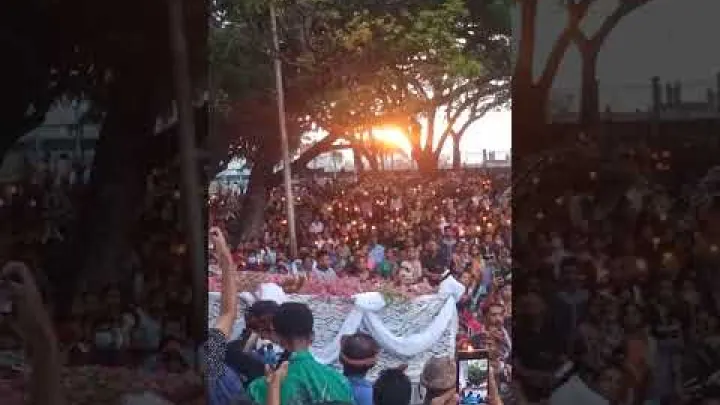
Corpus Christi also moves. It follows the annual liturgical cycle rather than a fixed Gregorian date, so it should be entered only from the relevant year’s official calendar. There is no need to master the religious calculation for practical planning: the important point is that the date must be taken from a current, confirmed list.
For employers, this affects rosters and payroll calendars. For students and visitors, it can affect class schedules, office availability, and the timing of ordinary errands. A calendar should identify these holidays as variable rather than presenting them alongside fixed dates without a status label.
Islamic holidays and lunar-calendar movement
Idul Fitri and Idul Adha are also included in Timor-Leste’s national holiday calendar. Their dates follow the Islamic lunar calendar, which is shorter than the Gregorian calendar. As a result, their Gregorian dates generally move earlier over successive years.
International calendar services can provide an estimate of when these holidays may occur, but an estimate is not the same as an official Timor-Leste holiday date. Religious-calendar calculations and the final administrative publication can affect the date used in the national list. The 2025 government announcement, for example, lists Idul Fitri on 31 March, illustrating the need to use the annual notice rather than a permanent date template.
When a future-year date has not been officially announced, describe it as expected or tentative, not confirmed. This is particularly important for organisations that need to set payment cut-offs, staffing plans, school events, or contractual deadlines.
How to verify moveable dates for the target year
For Good Friday, Corpus Christi, Idul Fitri, and Idul Adha, start with the latest annual holiday announcement from the Government of Timor-Leste. Look for a notice that clearly names the target year, then compare the variable entries with the fixed-date list. Keep the year visible in any calendar title, shared spreadsheet, booking note, or internal schedule.
The government’s earlier 2024 list and its 2025 list show how the recurring holiday names remain while moveable dates change. This is why a year label is not a minor detail: it is essential information. A future calendar can safely show the recurring fixed-date pattern, but variable entries should remain provisional until the official annual list is issued.
Before relying on dates for bookings, work schedules, or official appointments, check the Government of Timor-Leste announcement for the target year. International holiday websites can be useful reminders, but they should not be treated as final confirmation of a national public holiday.
Finding a Year-Specific Timor-Leste Holiday Calendar
A useful annual calendar does more than list holiday names. It makes clear which dates are confirmed for that year, which are fixed by the civil calendar, and which require annual confirmation.
How to present confirmed annual calendars
A confirmed annual Timor-Leste holiday calendar should combine the stable fixed-date holidays with the year’s officially published variable dates. A simple table with the date, holiday name, and status helps readers see the difference immediately. It also avoids accidentally mixing dates from two different years.
The Government of Timor-Leste’s 2025 announcement is a confirmed example of this approach. It provides the year’s holiday list and identifies fixed-date entries. The 2024 announcement provides a useful comparison point because it shows that the variable religious dates cannot simply be reused.
| Date pattern | Holiday | Status in an annual calendar |
|---|---|---|
| 1 January | New Year’s Day | Fixed date |
| 3 March | Veterans Day | Fixed date |
| Good Friday date | Good Friday | Confirm for the year |
| Idul Fitri date | Idul Fitri | Confirm for the year |
| 20 May | Restoration of Independence Day | Fixed date |
| 25 December | Christmas Day | Fixed date |
Even a confirmed annual list can be followed by a later government update or a separate administrative announcement. For that reason, organisations should retain the publication date of the calendar they are using and monitor official notices when a holiday period is close.
For practical use, add the weekday, the type of observance, and the operational source to an internal calendar only after checking the annual notice. A separate status column such as fixed, confirmed variable, commemorative, or additional day off helps prevent a commemorative date or provisional estimate from being treated as a statutory holiday. This is particularly useful when the same spreadsheet is shared by payroll, customer-service, travel, and administration teams.
How to handle future or provisional years
For a future year, fixed-date holidays can be shown as recurring dates. New Year’s Day, Labour Day, Restoration of Independence Day, Popular Consultation Day, Proclamation of Independence Day, and Christmas Day are examples of dates that remain stable in the civil calendar.
Moveable Catholic and Islamic holidays should be visually separated from confirmed entries. Use terms such as “expected” or “provisional” when an official national announcement is not yet available. Do not present a complete future-year list as settled when some of its most important entries remain unconfirmed.
Calendar aggregators can help identify dates to watch, but they cannot replace the national announcement. Before making non-refundable bookings, setting payroll cut-offs, or arranging an administrative appointment around a future holiday, use the most recent official information available for that year.
What Changes on Public Holidays in Timor-Leste
The effect of a public holiday is not identical across every institution. National holidays generally shape official operations, while private businesses, schools, banks, markets, and transport providers may apply their own schedules.
Government offices and additional days off
National public holidays generally affect government-office operations. This can be important for civil registration, licensing, immigration matters, document collection, and other administrative tasks that require a public office to be open. Avoid assuming that a routine weekday has normal service simply because it does not appear on an older holiday list.
The government may also announce tolerance days or additional days off around a holiday. Such a decision can affect public-sector access, but it is not automatically identical to a statutory public holiday for every private employer or business. The legal category and the scope of the announcement matter.
Before visiting a government office, verify any tolerance-day or additional-day announcement and check the office’s own operating notice. This is more reliable than assuming that a long weekend or a holiday falling near a weekend creates a closure for all services.
Banks and payment settlement
Holiday planning is particularly important for payments that depend on banking and interbank settlement. Banco Central de Timor-Leste states that its R-TiMOR payment system operates Monday to Friday except for public holidays and official commemorative dates in the calendar maintained by the central bank. The Banco Central de Timor-Leste R-TiMOR calendar is therefore relevant for payment operations.
When the settlement system is closed, transfers and interbank processing may not complete until the next operating day. This does not mean that every retail-facing bank service, card service, cash machine, or branch has identical arrangements. Commercial banks can have different customer-service hours and channels.
For payroll, invoices, supplier payments, and time-sensitive transfers, schedule important transactions with the BCTL operating calendar in mind and allow processing time after a holiday closure. Confirm branch-specific arrangements directly if an in-person service is necessary.
Schools, shops, and markets
Schools commonly incorporate national public holidays into their academic calendars, but each institution can set its own term dates, examinations, events, and make-up arrangements. A national holiday does not answer every question about whether classes, student services, libraries, or transport arranged by a school will operate.
Shops and markets should also be treated as variable. Some may open with reduced hours, while others may close or adapt their services for a major holiday. The pattern can differ by business, neighbourhood, and the importance of the particular observance to the operator and its customers.
Families, students, and visitors should check the individual school, shop, market, or venue rather than relying on a single nationwide assumption. Obtaining essential items before a major holiday can reduce inconvenience if local hours change.
Transport and travel logistics
Public holidays can affect transport frequency, ticketing, deliveries, local traffic conditions, and the connection between accommodation, shops, and appointment locations. However, there is no single documented nationwide transport timetable that can safely be applied to every route, operator, or holiday in Timor-Leste.
The practical effect may be most noticeable when a holiday coincides with an appointment, a change of accommodation, a supply delivery, or a connection to a transport point. A service may operate differently without being completely unavailable, and private arrangements may not follow public-office hours.
Confirm local transport and service-provider schedules directly for the relevant date and route, and allow extra time around public holidays. This is especially important when an onward connection or a time-sensitive appointment depends on a service operating normally.
Weekend Holidays, Substitute Days, and Work Rules
The calendar date is only one part of holiday planning. Whether a holiday produces a replacement day off or affects pay depends on the legal status of the day, any specific government arrangement, and the rules that apply to the workplace.
Do weekend holidays create a substitute weekday?
The reviewed Timor-Leste legal and annual holiday materials do not establish a general automatic rule under which every holiday falling on a Saturday or Sunday becomes a day off on the following Monday. A fixed-date holiday normally remains on its calendar date unless an official announcement provides another arrangement.
This distinction is important because some countries use automatic substitute-holiday systems, but those systems should not be assumed to apply in Timor-Leste. A tolerance day or separately granted day off is also different from a general, permanent Mondayisation rule.
Do not assume that a weekend holiday automatically creates a substitute weekday. Check the year’s official notices and the workplace rules that apply to the relevant employer, because a later decree or sector-specific arrangement may create a particular-year exception.
Labour protections and working on a public holiday
Statutory public holidays interact with labour law and workplace rules on remuneration, leave, and work performed during a holiday. The practical result can depend on the current Labour Code, an employment contract, collective arrangements, the type of work, and any later legal changes.
For that reason, it is not safe to apply payroll examples from another country or to assume a particular overtime or holiday-pay rate without checking the current Timor-Leste rules. Employers should classify statutory public holidays separately from discretionary days off when preparing rosters and payroll. Workers should similarly distinguish a national holiday from an administrative closure that may not carry the same employment consequences.
Where the result affects wages, leave, or a requirement to work, obtain current advice from the employer, a qualified local labour professional, or the relevant authority. Employment contracts and sector rules may affect the practical outcome.
A Practical Checklist for the Current Year
A short, organised review is often more effective than relying on a generic online calendar. The following checklists separate the needs of organisations from those of people planning daily activities.
Checklist for employers, businesses, and administrators
- Obtain the target year’s Government of Timor-Leste holiday announcement and record its publication date.
- Classify each relevant date as fixed, variable, commemorative, or additionally granted time off.
- Enter confirmed public holidays into payroll, staffing, customer-service, supplier, and appointment calendars.
- Compare payment deadlines with the BCTL R-TiMOR operating calendar, particularly for payroll and interbank transfers.
- Ask banks, government offices, schools, suppliers, and business partners whether they have separate operating notices.
- Review weekend holidays individually instead of automatically adding a replacement weekday.
This checklist supports planning, but it does not replace a current legal notice or an institution’s own operating announcement. For organisations with contractual deadlines, documenting the calendar source and any later update can help keep teams aligned.
Checklist for travelers, students, and daily errands
- Check the exact holiday date and weekday before arranging travel, classes, appointments, shopping, or payments.
- Confirm the opening hours of accommodation, restaurants, markets, attractions, schools, and service providers directly.
- Arrange essential cash, supplies, documents, and transfers early when a major holiday may affect access.
- Allow extra time if a journey depends on local transport, ticketing, deliveries, or a connection between services.
- Do not count on a weekday substitute for a weekend holiday unless it has been officially announced.
Shortly before the date, recheck both the official holiday information and the provider-specific schedule. This final step is useful because national status and local operating hours are related but not always the same.
Select area
Create a post
Posting is free and no registration is required.