Maliana Budget: Daily Travel Costs in Timor-Leste

A Maliana travel budget depends on whether you choose simple lodging and public transport or add a private vehicle for excursions across Bobonaro District. Direct, current price data for Maliana are limited, so the figures below are indicative planning ranges rather than guaranteed tariffs. They cover the Maliana phase of a trip, including accommodation, food and drink, local transport, activities, and incidentals, but exclude international flights, insurance, and major spending in Dili. You will also see how room sharing, cash planning, and the choice between a Maliana base, a rural stay, or a district splurge can change the final cost.
Maliana Budget at a Glance
Maliana is best budgeted as a smaller destination where simple local arrangements may be affordable but transport and limited accommodation supply can create large one-off costs. Use the following ranges to set a starting budget, then adjust them for occupancy, excursions, and the number of private travel days.
What to Budget Per Day in Maliana
For one person, a practical starting range is USD 20-35 per day for budget travel, USD 50-90 for mid-range travel, and USD 100-200 for comfortable travel. These figures are planning estimates for the Maliana stay, not confirmed current prices for every property, restaurant, or vehicle.
A budget traveller might use a basic room, eat simple local meals, walk for short trips, and use public transport. A mid-range traveller may choose a more comfortable room, eat more flexibly, and arrange an occasional private ride. Comfortable travel allows for higher-priced accommodation, flexible transport, better meals, and paid excursions. A solo traveller can exceed the comfortable range on a day with a private vehicle, while a couple or group may reduce the per-person total by sharing fixed costs.
As a country-level comparison, Backpackmoments gives a Timor-Leste backpacker benchmark of about USD 25-50 per day. That reference is useful for general context, but it is not a live Maliana tariff. The lower end of the Maliana range assumes unusually controlled spending and should not be treated as a guaranteed daily price.
A Daily Budget Breakdown by Travel Style
The table uses per-person amounts. Accommodation is shown per person when a room is shared; the underlying room price may be higher. The comfortable lodging line can represent two people sharing a higher-cost district room, while a solo guest may pay the full room rate.

| Travel style | Stay | Food and drink | Local transport | Activities and incidentals | Indicative total per person per day |
|---|---|---|---|---|---|
| Budget | USD 10-18 | USD 5-8 | USD 1-4 | USD 3-5 | USD 20-35 |
| Mid-range | USD 25-40 | USD 15-25 | USD 5-15 | USD 5-10 | USD 50-90 |
| Comfortable | USD 45-80 | USD 25-45 | USD 15-45 | USD 15-30 | USD 100-200 |
These categories are not a requirement to spend the upper end every day. Transport and activities are often concentrated on one or two days. For example, a public-transport day may be inexpensive, followed by an excursion day when a vehicle, guide, food, and site costs make the daily total much higher. A room shared by two people also makes the stay line more efficient than the same room occupied alone.
Accommodation Costs in Maliana and Bobonaro District
Accommodation prices vary considerably between basic lodging in Maliana town, more comfortable properties in the surrounding area, and heritage or resort-style options elsewhere in Bobonaro District. Compare the full arrangement, not only the room headline: bathroom access, meals, transport, taxes, and booking certainty can matter as much as the nightly rate.
Budget Guesthouses and Pousada Maliana
For basic lodging, a broad outside-Dili guesthouse planning benchmark is roughly USD 10-35 per night. Use that only as context for a simple stay. It does not confirm the current price of any particular Maliana property, and it may not describe the same level of privacy or service as a conventional hotel.
Pousada Maliana is the clearest local accommodation anchor in the available information. Its listing describes 11 guest rooms, including six large rooms with double beds and five single-bed rooms, as well as four toilets. Meals are described as available by arrangement. The listing helps establish the type and scale of the property, but it does not provide a dependable live rate. You can view the accommodation details through Timorleste.
The value of a low-cost room depends on details that can change the real daily budget. Ask whether the bathroom is private or shared, whether the room has a fan or air conditioning, whether breakfast is included, and whether taxes or meals are extra. Also ask whether the quoted price is for the room or for each person, especially when comparing a double room with a single room.
Contact the chosen property directly to confirm its current room rate, availability, taxes, breakfast, and bathroom arrangement. Direct communication is particularly important when a property has a small room inventory or when your arrival depends on an early bus.
Mid-Range Stays Near Maliana
Ramascora Resort is a useful, evidence-limited mid-range reference. A reported price of approximately USD 60 per room supports a rough planning band of about USD 50-70 per room, but this is an approximate date-sensitive reference rather than a guaranteed current quote. If two people share a USD 50-70 room, the lodging cost is about USD 25-35 per person before any extras. A solo traveller would normally carry the full room allowance.

Uma Du'ut Cottage represents a different type of choice. It is described as a semi-modern, semi-traditional cottage built with local resources. Its character and setting may appeal to travellers who value a local-resource experience, but a reliable current price is not established in the available information. Treat it as a property to compare by direct arrangement rather than assigning it an assumed Maliana hotel rate.
Do not treat every Bobonaro District property as lodging in Maliana town. A rural cottage or resort near the town may offer more quiet, scenery, or a distinctive setting, while central accommodation may reduce the need for short rides and make everyday meals easier to arrange. Compare comfort, food availability, access, and booking certainty alongside the room price.
Higher-Cost Options and District Splurges
Balibo Fort Hotel is a Bobonaro District option, not a Maliana-town hotel. Reported rates of roughly USD 90-160 per room can be used as a date-sensitive planning reference only. Its boutique or heritage positioning and limited number of rooms help explain why a district-wide accommodation average may be much higher than a basic Maliana guesthouse.
For two people, a USD 90-160 room represents about USD 45-80 per person. For one person, it can use the entire room amount before meals, transport, taxes, or booking conditions. One splurge night can also change a short-trip average: a USD 120 room added to a three-night room budget contributes USD 40 per night when averaged across the stay. Compare the experience you want with the cost of reaching Balibo and returning to your wider itinerary.
Food, Drinks, and Everyday Spending
Food can remain modest when you eat simple local meals, but Maliana menu information is sparse. Build an allowance rather than relying on a precise restaurant list, and keep additional room for water, snacks, imported products, and dietary needs.
Local Meals and a Practical Food Allowance
A reported reference for a simple meal in Timor-Leste is about USD 1-3. A national cost benchmark from Numbeo lists an inexpensive restaurant meal at about USD 5 and a mid-range meal for two at about USD 42.50 without drinks. Neither figure should be read as a verified Maliana menu price; national averages may reflect Dili and more formal restaurants.
For a frugal local-eating pattern, allow about USD 5-8 per person per day for food and basic drinks when simple meals are available and breakfast is included or inexpensive. For more flexible dining, snacks, drinks, and an occasional higher-priced meal, use about USD 15-30 per day. A basic day might combine a rice or noodle meal, another simple meal, fruit or snacks, and water. A more comfortable day may include restaurant meals, coffee, or an imported drink.
Breakfast inclusion, restaurant opening times, portion choices, and the need to travel for a meal can all move the total. If your accommodation includes breakfast, the lower food range becomes more realistic. If you need a particular diet or want restaurant meals at every sitting, choose the flexible allowance instead of assuming that the lowest local-meal reference will apply.
Drinks, Water, Snacks, and Imported Items
Within a food budget, roughly USD 2-5 per day may be used for water, snacks, and small food-related incidentals. This is a flexible allowance, not a Maliana price list. A frugal traveller can include these items within the USD 5-8 total food allowance, while a traveller using the USD 15-30 flexible allowance can keep them as a separate tracking line.
Separate recurring food from one-time purchases such as a SIM card, toiletries, laundry, or special dietary products. Imported drinks, coffee, alcohol, and other limited-supply items may cost considerably more than a simple local meal. Travellers with vegetarian, allergy-related, medical, or other dietary requirements should carry a specific food reserve and avoid building the whole plan around the assumption that a preferred item will be available locally.
USD, Cash, and Payment Planning
Plan the Maliana budget in US dollars and expect cash to be central to everyday spending. Small shops, simple meals, buses, microlets and bemos, and informal local services are easier to pay for with small notes and coins than with a large bill. Keep the cash needed for daily spending separate from an emergency reserve.
Do not build the itinerary around card rewards or assumed card acceptance. Carry enough small USD notes and coins for the Maliana stay, including a reserve for a delayed departure, an unexpected ride, or a one-off necessity. Before leaving Dili, confirm your access to cash and ask the accommodation or a trusted local contact what payment methods are currently practical. This avoids treating an unconfirmed card or cash-withdrawal option as part of the budget.
Transport and Access Costs
Transport is often the largest variable after accommodation. Public buses can keep the intercity cost low, while a private car or 4WD can make a regional excursion possible but may cost more than several days of meals or basic lodging.
Public Buses and Local Rides
Public buses are the main low-cost option for reaching Maliana from Dili. Available travel references include a comparable intercity fare of about USD 5 and a reported fare associated with travel to Maliana. Because the Dili-Maliana fare and schedule are not confirmed by dependable current local evidence, use USD 5-10 one way as a provisional planning allowance rather than a guaranteed fare.
A transport overview from Timorleste transport information describes intercity buses as a daily option, but exact departure patterns still need local confirmation. One travel account records a very early Maliana departure, including a 1:30 a.m. departure in its report. Treat that as an anecdotal scheduling warning, not as the current timetable; an early departure may create an extra Dili night or require a larger buffer in your plan.
Once in Maliana, choosing accommodation near central services and walking for short trips can reduce the local transport line. A Dili-focused reference gives a typical microlet or bemo fare of about USD 0.25 per ride, paid in cash, but that is a Dili benchmark only and must not be presented as a Maliana fare. You can see that benchmark from Timor Getaway.
Confirm the current Dili-Maliana fare and departure time locally before travelling, then keep a buffer for schedule or fare changes. The practical budget effect is more important than a precise route: a low bus fare may still require an additional night, meal, or local ride if the departure does not fit your itinerary.
Private Cars, 4WDs, Taxis, and Shared Costs
Private hire is optional, not necessary for every Maliana itinerary. A broad Timor-Leste transport reference reports about USD 120-150 per day for a 4WD and about USD 30-50 per day for a smaller vehicle. Use these as illustrations of the cost structure, not as a confirmed Maliana operator tariff. A private vehicle may be worthwhile for Marobo Hot Springs, Balibo, or several stops that are difficult to combine with public transport, but it can dominate a solo budget.
Sharing changes the calculation substantially. A USD 120-150 4WD day would be about USD 60-75 per person for two travellers, or USD 30-37.50 per person for four travellers if the vehicle safely and comfortably accommodates that group. A USD 30-50 smaller vehicle would be about USD 15-25 per person for two people. These are divisions of a fixed quoted cost, not evidence that the operator reduces the underlying daily rate.
For a short comparison, a bus-based return using the provisional USD 5-10 one-way allowance might place intercity transport at roughly USD 10-20 before local rides. A smaller private vehicle may cost USD 30-50 for one day, while a 4WD may cost USD 120-150. Dili taxi benchmarks should not be transferred to Maliana without local confirmation.
Obtain a written or message-based vehicle quote before paying. The quote should state the vehicle type, driver, fuel, waiting time, insurance, parking, and return terms. Also ask whether the price is for a fixed route, a full day, or a transfer only. A low first number can become expensive if fuel, waiting, or the return journey is added later.
Activities, Heritage, and Nature Costs Around Maliana
Many Maliana activities may have little or no fixed admission cost, but reaching a regional site can be much more expensive than entering it. Separate the activity allowance into local exploration, site payments, guides, food, and transport.
Low-Cost Things to Do in and Around Maliana
Walking through Maliana, visiting markets, observing everyday activity, and exploring nearby central areas can be low-cost ways to spend time. These activities may not have a standard ticket, but that does not guarantee that every visit is free. A small donation, guide payment, local contribution, or site charge may apply at some places.
Marobo Hot Springs, Balibo Fort, and the Balibo Veterans' Museum are useful local anchors for planning, but do not assume that entry to any of them is free. For a day focused on walking and nearby exploration, keep a small flexible activity allowance rather than assigning a large fixed admission fee. The larger question is often how you reach a site, not the amount paid at the entrance.
If a place is informal or locally managed, use respectful practical judgment. Ask about any donation or guide expectation before the visit, and keep small USD notes available. This makes the activity budget more realistic without claiming an unverified admission price.
Marobo Hot Springs and Other Regional Excursions
Budget a visit to Marobo Hot Springs or another Bobonaro attraction as a combined excursion cost. The calculation should include transport, a possible guide, entry or donation, food and water, waiting time, and the cost of returning to Maliana. There is no dependable standardized Maliana attraction-fee list in the available evidence, so a precise entrance price should not be treated as fact.
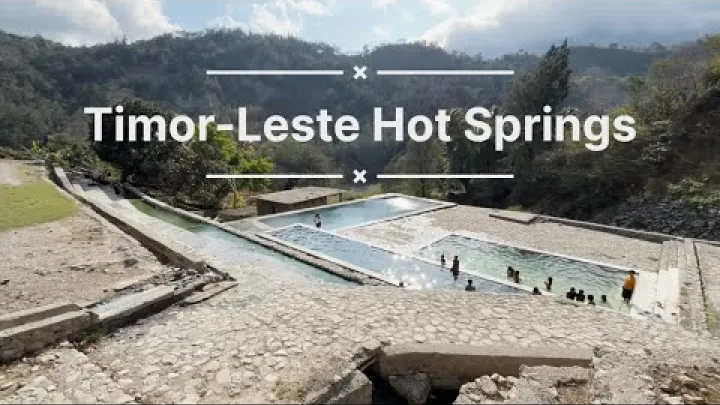
A private 4WD day at USD 120-150 can cost more than several days of simple meals or basic lodging, particularly for a solo traveller. For two people, the vehicle alone may be USD 60-75 each; a larger group can reduce the per-person share if the vehicle is appropriate. An independent visit may have a lower cash cost when public transport and access conditions make it practical, while an arranged visit may offer simpler timing at a higher fixed price.
Ask the accommodation or a local contact about current road conditions, site access, and any entry or donation expectations before booking a regional excursion. Include enough time and money for the return rather than calculating only the outward ride. If access is uncertain, a complete arranged quote can be easier to compare than a series of separate informal costs.
Organized Guides and Special Activities
Bespoke guides, private vehicles, and accommodation-arranged excursions may carry a premium because the local tourism market has limited volume and fixed vehicle or guide costs. No standardized Maliana tour price is established by the available evidence, so do not use a national activity average as if it were a local quote.
Request a complete price for the actual activity. It should identify what is included, such as transport, guide time, waiting, meals, site payments, and return arrangements. Compare three choices when possible: self-guided travel, a shared arrangement, and a private arrangement. Dili or Atauro activities may have very different pricing and operating conditions, so they are not direct proxies for Maliana. Treat a specialist excursion as an optional line item outside the daily base budget.
What Changes the Cost of a Maliana Trip
The headline daily range is only a starting point. Occupancy, vehicle sharing, the distribution of fixed costs, and the dates of travel can change the per-person total more than the price of one meal.
Solo, Couple, and Group Economics
Room sharing is the simplest major saving for couples. A reported USD 50-70 room at a mid-range property becomes about USD 25-35 per person when two people share, but it remains USD 50-70 for a solo guest. A reported USD 90-160 room at Balibo Fort Hotel becomes about USD 45-80 per person for two people, before meals and transport. Sharing lowers each traveller's result by dividing a fixed room cost; it does not necessarily change the property's rate.
Vehicle sharing works in the same way. A USD 120-150 4WD day is USD 120-150 for one traveller, USD 60-75 each for two, and approximately USD 30-37.50 each for four if the vehicle is suitable for the group. A smaller USD 30-50 vehicle is USD 15-25 each for two people. A solo traveller should therefore give public transport greater weight, while a couple or group may find a private excursion more reasonable when it provides access or saves substantial time.
The headline daily ranges are per person, but they assume a mix of shared or modest fixed costs. A solo traveller using a private room and vehicle can move above the stated range even without luxury spending. Couples should compare both the total room price and the per-person result, while groups should divide only costs that are genuinely shared.
Peak Periods, Weekends, and Local Events
Maliana and nearby Bobonaro properties have less accommodation supply than a large urban market. Availability and rates may therefore be more sensitive to weekends, local events, or other high-demand dates. The available evidence does not establish a specific peak season, standard event premium, or percentage increase, so do not add an automatic surcharge to every itinerary.
Ask accommodation providers whether your dates coincide with a weekend, local event, or high-demand period that could affect availability or rates. If your itinerary depends on one property or one departure, keep flexibility in the lodging and transport budget rather than assuming that a low-cost alternative will be available at the last minute.
Turning Daily Estimates into a Full Trip Cost
Use a simple calculation:
- Choose a daily Maliana range based on your room, food, transport, and activity style.
- Multiply that range by the number of Maliana days or nights, taking care not to count an arrival or departure day twice.
- Add intercity access, Dili nights, regional excursions, and one-time purchases separately.
- Keep international flights, travel insurance, and major Dili spending outside the Maliana-phase total.
For example, three days at a budget planning figure of USD 28 per day gives USD 84. Adding a provisional round-trip bus allowance of USD 10-20 produces about USD 94-104 for the Maliana phase, before Dili nights, insurance, flights, and one-time purchases.
For a comfortable illustration, three days at a base allowance of USD 100 per day gives USD 300 for lodging, food, ordinary local spending, and basic activities. Adding one 4WD day at USD 120-150 produces about USD 420-450 before intercity access and other extras. This example is useful only if the USD 100 daily base does not already include that private vehicle. If the comfortable daily range already includes a private excursion, do not add the vehicle a second time.
A longer stay can spread a fixed transfer or excursion cost across more nights. On a short visit, one bus transfer, one private vehicle day, or one expensive room can dominate the average. This is why a three-day itinerary should be calculated line by line rather than by multiplying the lowest daily estimate.
How to Save Money Without Underestimating Costs
The safest savings come from choosing the right fixed-cost arrangement, not from assuming that every local service will be available at the lowest national benchmark. Decide which experiences matter most, then protect the budget for access and practical necessities.
Choose the Right Base and Room Setup
Use basic Maliana lodging when cost control and central access matter most. Consider Ramascora Resort or a similar property when added comfort or a different setting justifies the higher room allowance. Choose a district splurge such as Balibo Fort Hotel only when its heritage or boutique experience is important enough to justify the room, meals, and transport costs.
Share a double room where practical and compare the per-person result. A higher room price can be reasonable for two people if it includes useful services, while a cheaper-looking room may become less economical if breakfast, bathroom access, meals, or transport must be purchased separately. Limited supply also makes a realistic reservation plan part of saving: replacing an unavailable low-cost room at the last moment can cost more than choosing a suitable option early.
Eat Locally and Separate Optional Splurges
Keep the base food allowance centred on simple local meals, water, and ordinary snacks. Track imported drinks, coffee, alcohol, special dietary items, and restaurant meals in a separate optional-splurge line. This lets you see whether the underlying Maliana budget is affordable even when you choose an occasional more expensive item.
Use a daily ceiling that matches your travel style. A frugal traveller can start around USD 5-8 for food and basic drinks when simple options are available. A flexible traveller can allow USD 15-30 for meals, drinks, and snacks. Carry an additional reserve for dietary requirements rather than cutting the basic meal budget so tightly that one unavailable item disrupts the itinerary.
Use Public Transport Strategically and Share Vehicle Hire
Use public buses for intercity movement when their timing fits your plans, and reduce short-trip costs by staying near central services and walking where practical. A private car or 4WD is most economical when shared and when it gives access to a regional attraction that would otherwise require several difficult connections or an additional night.
Compare the cost of the experience, not only the vehicle price. A smaller vehicle at the reported USD 30-50 daily range may be enough for a simple shared plan, while a 4WD at USD 120-150 may be justified by access needs or a larger group. Keep a transport contingency instead of building an itinerary around an unverified departure or a very tight connection. Do not rely on hitchhiking or informal arrangements that lack clear safety and operator information.
The Bottom Line for a Maliana Travel Budget
For planning purposes, start with USD 20-35 per person per day for a tightly managed Maliana visit, USD 50-90 for a mid-range stay, and USD 100-200 for comfortable travel. Treat those figures as indicative ranges, then add Dili nights, international travel, insurance, intercity access, and any private regional excursion separately. The biggest decisions are usually room occupancy, vehicle sharing, and whether you base yourself in Maliana or pay for a higher-cost district experience. A realistic cash reserve and a line-by-line plan will make the final Maliana travel budget more reliable than any single national average.
Select area
Create a post
Posting is free and no registration is required.