Dili Travel Guide: How to Plan Your First Trip to Timor-Leste

Dili is more than the arrival point for Timor-Leste. The compact waterfront capital combines coastal scenery, important independence history, Catholic and Portuguese influences, and practical connections to the north coast, highlands, and Atauro Island. This Dili travel guide explains where to stay, how to arrive and move around, what a trip may cost, when to visit, and how to plan safely. It is written for first-time visitors who want to use Dili as both a destination and a flexible base.
Dili Travel Basics: What to Expect Before You Go
Why Dili Works as a Gateway to Timor-Leste
Dili is Timor-Leste's low-rise waterfront capital and the country's main practical base for international visitors. From the city, travelers can organize coastal outings, visits to cultural and historical sites, transport to other municipalities, and boat trips to Atauro Island. Staying in Dili also gives you more access to accommodation, restaurants, cash services, transport contacts, and local advice than you may find on the road.
Travel here requires a little more preparation than a trip to a large regional tourism center. Online booking information may be limited, transport arrangements can be informal, and English is not used equally in every setting. A hotel, guesthouse, driver, or boat operator may communicate most effectively by direct message or telephone rather than through a fully automated booking system.
These conditions should be treated as planning factors, not as a reason to expect a completely unstructured experience. Dili suits travelers who can prepare the essentials, carry offline information, and leave room for local arrangements. It is especially useful for a first visit because you can begin with manageable city activities before deciding how far and how quickly to travel elsewhere in Timor-Leste.
How Many Days to Spend in Dili
The right length of stay depends on whether you mean Dili itself or a wider Timor-Leste itinerary. A short city visit can cover the waterfront, a cultural or historical site, and the Cristo Rei area. Two nights may work for a tightly planned stop, while three nights gives more room for heat, arrival fatigue, and a change in plans.
If you want to include Atauro Island, plan a separate island block rather than treating it as a guaranteed add-on to a short stopover. Ferry schedules, sea conditions, and return arrangements can affect how much time you need. A longer Dili stay also allows selected eastbound, westbound, or inland excursions without changing accommodation every night.
- Short city stay: Allow time for arrival, waterfront orientation, one cultural route, and Cristo Rei or another coastal outing.
- Dili and Atauro: Keep an island block and spare time in Dili if a boat connection matters to your onward flight.
- Dili-based longer trip: Add carefully chosen road excursions, with the understanding that travel time can vary more than a map suggests.
When Dili is the connection point for the rest of the country, flexibility is often more valuable than adding another fixed sightseeing stop.
Dili Neighborhoods and Where to Stay
Central Waterfront: Farol, Lecidere, and Motael
Farol, Lecidere, and Motael are useful orientation areas for a first visit because they sit around the central coastal part of Dili. The waterfront and Avenida da Portugal provide recognizable reference points, with access to hotels, restaurants, embassies, public spaces, and visitor information. The exact feel and availability of individual properties can change, but this area usually offers the clearest combination of services and scenery for leisure travelers.
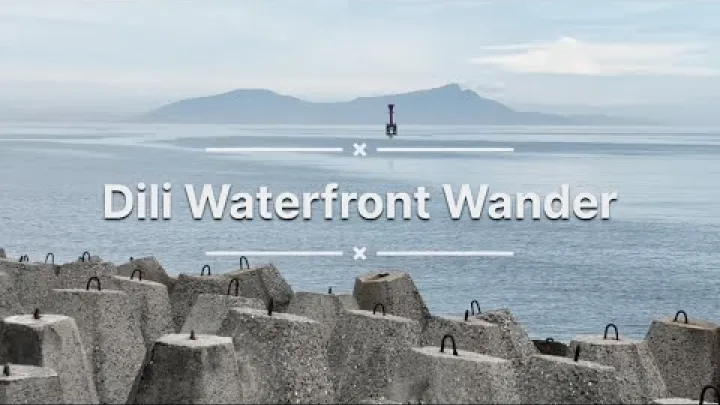
The central waterfront is the default base I would recommend for most first-time visitors who are not staying with local contacts. It reduces daily transport friction and makes it easier to return to your accommodation between activities. It also gives you a practical starting point for arranging taxis, drivers, meals, and excursions.
Dili is not a dense city with every attraction concentrated in one walkable center. Roads, open spaces, residential areas, and commercial areas spread across a relatively broad low-rise urban landscape. Central walking is most useful during daylight, when you can combine the waterfront with nearby food, cultural, and administrative stops. Do not interpret a waterfront location as a promise that every route is comfortable or well lit after dark.
Comoro and the Airport Corridor
Comoro and the western airport corridor can be convenient when you have a very early departure, a late arrival, work in the western part of the city, or a short overnight between flights. The main advantage is reduced airport transfer time and easier access for a pre-arranged pickup.
The trade-off is that you may be farther from the central waterfront, central dining, visitor information, and several cultural stops. Comoro is therefore a specialized convenience base rather than the automatic best area for a multi-day sightseeing stay.
Before booking, ask the property about airport transfers, reception hours, late-night arrival procedures, payment methods, and the precise pickup point. Save the accommodation address and a local contact number offline so that you are not dependent on a working connection immediately after landing.
Inland Neighborhoods and Smaller Guesthouses
Bairo Pite and other inland residential areas may suit travelers staying with local contacts, working with an organization, or looking for a more residential setting. Smaller guesthouses can provide useful local support and may be less visible on international booking platforms. They may require direct communication about room availability, transport, connectivity, meals, and payment.
Choose an inland base by looking at practical decision points rather than a neighborhood label alone. Confirm that the booking is reliable, that someone can help with arrival, that the property is reachable by your expected transport, and that daily services are close enough for the length of your stay.
Ask about street access, lighting, luggage assistance, and arrangements for returning at night. A residential base can work well when the host or organization helps with transport. It can be less convenient when you need to arrange every trip independently from a location away from the waterfront.
Getting to Dili and Managing Arrival
Arriving by Air and Planning the First Transfer
Dili International Airport is the usual starting point for international visitors. Flight routes and frequencies can change, so check the schedule close to booking and again before departure rather than relying on an old route list. If your arrival is late or your accommodation is outside the central waterfront, arrange the first transfer before you fly.
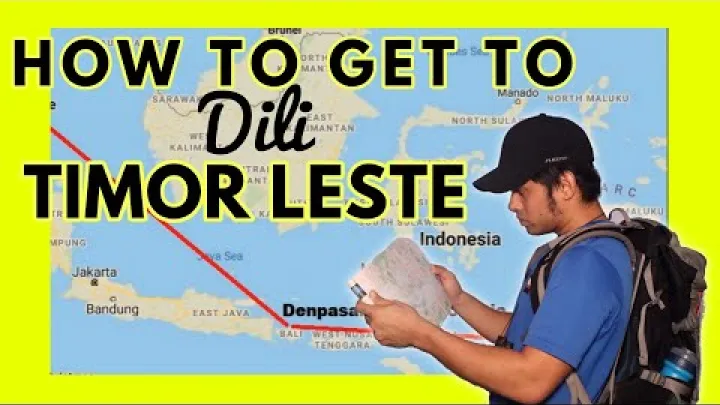
The simplest options are a hotel transfer, a driver arranged through a trusted local contact, or a taxi obtained locally. A pre-arranged transfer is particularly useful when you are arriving after normal reception hours, traveling with substantial luggage, or staying in a property that is difficult to identify from the road.
Keep your accommodation name and address, a local phone number, booking confirmation, passport documents, and initial cash available offline and in an accessible place. Do not put every essential detail inside an app that may require mobile data after landing. Ask the driver to confirm the destination before leaving the airport and keep the property contact available if directions are unclear.
Visa and Entry Requirements
Entry requirements depend on your nationality, passport, and entry point. The Timor-Leste Customs Authority explains the visa-on-arrival framework and the differences between airport, seaport, and land-border arrivals. It specifically states that Indonesian nationals may apply on arrival at any border post, including land border crossings, Dili International Airport, and Dili Sea Port. That example should not be treated as a rule for every passport holder.
Before departure, use the official Customs guidance for your nationality and review the requirements for passport validity, onward or return travel, accommodation details, the visa fee, and the accepted payment method. The requirements may not be identical at Dili International Airport, Dili Sea Port, and a land border. If your passport is not clearly covered by the published information, contact Timor-Leste Customs, a Timor-Leste consulate, or another official authority before traveling.
Check the permitted stay, any extension conditions, and the current document and payment rules close to departure. Keep proof of accommodation and onward travel easy to show, even if you believe the information has already been submitted elsewhere. A visa rule that applied to another traveler, another passport, or another entry point is not enough evidence for your trip.
Getting Around Dili and Beyond
Microlets, Taxis, and Daylight Walking
Microlets, taxis, and walking serve different purposes in Dili. Microlets are shared local vehicles and are generally the low-cost option, but route numbers, destinations, and boarding practices may not be obvious to a first-time visitor. Taxis offer more direct door-to-door travel and are useful for airport transfers, luggage, heat, or places outside a simple central route.

For a microlet, ask your accommodation or the Tourism Information Centre which route and direction serve your destination. Showing the destination in writing can be easier than trying to pronounce an unfamiliar place name. Confirm where to board and where to get off, and carry small US dollar notes for local transport.
For a taxi, confirm the fare before departure. If your accommodation arranges the vehicle, ask for the driver's name or vehicle details and the agreed pickup point. Do not assume that a dependable ride-hailing service will always be available, especially when your phone has limited data or you are outside the central city.
Walking is most practical around the central waterfront during daylight. Heat, uneven or incomplete sidewalks, traffic, limited shade, and variable lighting can make a short distance more demanding than it appears on a map. Use walking for nearby activities and choose a taxi when you are carrying luggage, traveling in the hottest part of the day, or moving between separated districts.
Intercity Buses and Private Drivers
Dili is the main departure hub for travel toward the east, west, and inland areas of Timor-Leste. Travelers may hear Becora, Taibessi, and Tasi Tolu mentioned when asking about bus departures, but terminal names, route assignments, and departure practices should be confirmed locally rather than copied from an old map or travel post.

Intercity buses are usually the budget-oriented choice. They may leave early, wait for more passengers, or carry cargo as well as people. Journey times can therefore vary, and the most convenient departure may not be the one that appears in a static online schedule. Carry water, snacks, small cash, an offline destination name, and only the luggage you can manage without assistance.
A private driver or a suitable hired vehicle costs more but can be valuable for travelers who want flexibility, several stops, or access to mountain and secondary roads. Before agreeing, clarify the vehicle type, total price, fuel, waiting time, overnight arrangements, and whether the driver will return you to Dili. Ask whether the vehicle is appropriate for the planned road rather than assuming that a standard city car can handle every route.
Before taking an intercity bus, confirm the departure terminal, current timetable, fare, and road conditions with your accommodation, a current local tourism contact, or the operator. Treat any quoted travel time as indicative. Rain, road works, traffic, passenger loading, and mountain conditions can all change the practical length of a journey.
Ferries and Speedboats to Atauro Island
Atauro Island is the most natural maritime extension of a Dili itinerary. Public ferries suit travelers who value a lower fare and can accept a slower or less frequent service. Private speedboats are generally the faster and more flexible choice, but they normally involve a higher cost and may still depend on sea conditions, passenger numbers, and operator availability.
Schedules should be treated as working information, not as a permanent timetable. For example, the Atauro Dive Resort currently lists a Tuesday Success ferry leaving Dili at 7:30 in the morning and returning the same day at 3:00 in the afternoon. The same page also lists a Saturday Nakroma departure at 7:30 in the morning. These details illustrate the type of service available, but they do not guarantee a sailing on your travel date.
Reconfirm the departure day, time, fare, luggage rules, arrival point, and return arrangement with the operator shortly before departure. Ask how cancellations or delays are handled and whether you need to reserve a seat or organize transport on Atauro separately. A same-day island visit may be possible on some schedules, but it leaves little margin if the boat is late or the return service changes.
Keep Dili as a practical fallback. If a sailing is delayed, cancelled, or unsuitable for the sea conditions, you can use the day for the waterfront, a museum, Arte Moris, or another city activity instead of losing the entire itinerary. Avoid placing a critical international flight immediately after a boat connection unless you have a substantial buffer.
Best Time to Visit Dili
Dry and Wet Seasons
Dili is hot for much of the year. A broad climate pattern divides Timor-Leste into a generally drier period from about May to October and a wetter period from about November to April. Responsible Travel describes the country as hot year-round, with broad conditions commonly around 20 to 30 degrees Celsius, although the temperature, humidity, and rainfall you experience will vary by place and day.
| Period | Typical pattern | Planning advantage |
|---|---|---|
| May to October | Generally drier and often easier for outdoor plans | Useful for coastal sightseeing, road trips, and marine activities |
| November to April | Generally wetter, with greener landscapes and less predictable logistics | Can suit travelers who accept rain and keep plans flexible |
| Any season | Heat remains an important factor | Plan shade, water, sun protection, and slower sightseeing |
The drier period is usually the simpler choice for a first visit focused on outdoor sightseeing, road travel, and Atauro. The wetter period can bring greener scenery and may feel quieter, but rain can make a road or boat plan less predictable. Neither season guarantees clear skies or prevents every activity, so use the climate pattern for broad planning and a current forecast for the specific week.
Planning Around Heat, Rain, Roads, and Sea Conditions
Schedule exposed activities such as Cristo Rei, Cape Fatucama, and long coastal walks in the early morning or late afternoon. Carry water, sun protection, a hat, and light clothing that dries easily. A compact rain layer is useful even when the day begins bright.
Heavy rain can affect road travel, particularly on longer routes and inland roads. Rough seas can also affect Atauro plans, and a calm forecast in Dili does not remove the need to ask the boat operator about conditions. If a hike, road journey, or boat crossing is important to your trip, check a current forecast and local transport update and allow a spare day before a flight or other fixed commitment.
Higher inland destinations can feel cooler than the coast, especially in the evening or early morning. Pack a light layer if your itinerary includes mountain or highland travel. This small addition is more useful than preparing only for beach weather.
Dili Costs, Cash, Connectivity, and Language
Typical Costs and Cash Planning
The United States dollar is the practical currency for visitors in Timor-Leste. Carry a mix of notes, including small denominations, because local transport, simple meals, markets, and small services may be easier to pay for in cash. Do not build a trip around the assumption that every hotel, restaurant, driver, guesthouse, or boat operator accepts cards.
The largest difference between travel styles is often accommodation and transport. Local meals and shared city transport can be relatively accessible, while international-standard accommodation, imported goods, private drivers, airport transfers, and island crossings can raise the daily cost. A basic guesthouse may also operate differently from a hotel, with direct booking and cash payment more common.
Organize your budget by category rather than using one universal daily figure:
- Accommodation: Compare the room rate with what is included, such as breakfast, airport transfer, Wi-Fi, or assistance with local transport.
- Food: Separate simple local meals from hotel restaurants, imported products, and higher-priced international menus.
- City transport: Allow for microlets or taxis, with extra money for airport transfers and trips outside the center.
- Intercity travel: Compare the lower cost of a bus with the added flexibility and higher price of a private driver.
- Atauro: Budget separately for the ferry or speedboat, island accommodation, local activities, and the return connection.
Ask about the total price before confirming a driver, boat, room, or transfer. Keep visa or entry-related funds separate from your normal spending budget, since an administrative payment is not the same as a realistic allowance for meals and transport.
SIM Cards, Internet, and Offline Preparation
Do not assume that international roaming or hotel Wi-Fi will be reliable throughout your trip. A local SIM may be practical, and a compatible eSIM may work for some phones, but network coverage, registration, activation, and purchase options can vary. Check that your phone is unlocked and ask about current requirements before choosing a plan.
If buying a SIM at the airport is important, confirm availability and opening arrangements in advance. Otherwise, ask your accommodation or a reliable local contact where visitors can obtain a working connection in Dili. Coverage and Wi-Fi are more likely to be useful in the capital than in rural or island areas, but even in Dili you should keep essential information offline.
Before leaving home, download offline maps, translation tools, accommodation details, transport contacts, and copies of your passport, insurance, visa documents, and reservations. Save addresses in text form as well as on a map. Offline preparation is especially valuable when you are arranging a bus, meeting a driver, or explaining a destination without a strong data connection.
Language and Communication
Tetum and Portuguese are important in daily life and public communication. English is more likely to be available in some hotels, organizations, and tourism-facing businesses, but it is not consistent across every neighborhood or transport setting. Communication becomes easier when you use short sentences and avoid relying on complex explanations.
Use a translation app with offline functionality and keep the written names of your accommodation, destination, driver, and meeting point. Basic local greetings can be useful, but accuracy matters more than attempting a long phrase. If you are unsure, show the destination in writing and ask the other person to confirm it.
Confirm prices, destinations, departure points, and meeting times clearly. Repeat the agreed amount or show it in writing when necessary. This is particularly helpful when a conversation takes place quickly beside a road, at a bus departure point, or through an intermittent phone connection.
Things to Do in Dili
Cristo Rei and the Eastern Coast
Cristo Rei and Cape Fatucama are signature Dili outings. The landmark, elevated coastal views, and eastern shoreline make this a useful half-day plan for first-time visitors. The setting also shows how quickly Dili's urban area gives way to open coast and hills.
Go early in the morning or later in the afternoon, when exposed paths and steps are more comfortable than in the middle of the day. Carry water, sun protection, and secure footwear. Allow more time than the distance alone suggests if the heat is strong or you want to stop for views and photographs.
Nearby coastal areas include Areia Branca and the beach sometimes called Jesus Backside. Names, access conditions, facilities, and local use may differ between maps and conversations. Do not assume that an undeveloped beach has lifeguards, secure storage, reliable shade, or safe swimming conditions. Ask a local contact about current access, avoid leaving valuables unattended, and arrange your return transport before you are far from the main road.
Resistance History, Cemeteries, and Cultural Sites
Dili's cultural route can help explain Timor-Leste's independence struggle, Catholic identity, education, and contemporary creative life. The Archives and Museum of East Timorese Resistance is a natural starting point for learning through documents, objects, and personal accounts. It is more meaningful when visited as a place of memory and history rather than as a quick photo stop.
Santa Cruz Cemetery is a commemorative and active religious site. Visitors should dress and behave respectfully, avoid disrupting worship or mourning, and ask before photographing people. The Immaculate Conception Cathedral is also an active place of worship, so check whether a service is taking place before entering or taking photographs.
The Xanana Gusmão Reading Room adds an education and public-history perspective, while Arte Moris provides a window into Timor-Leste's contemporary creative scene. These places may have different visitor arrangements from a conventional museum. Check current opening hours, photography rules, holiday closures, and whether casual visitors can enter before building the route around them.
Recent history remains complex and personal for many Timorese people. Listen to local context, read the material provided at each institution, and avoid reducing the independence struggle to a promotional attraction. A respectful visit should leave room for reflection as well as sightseeing.
Waterfront, Markets, and Everyday City Life
The Dili waterfront is a useful place to orient yourself, observe local routines, find informal food, and enjoy the changing light near sunset. It can also be the starting point for asking practical questions about transport, current visitor services, and city activities.
The tourism contact page for Timor-Leste Tourism identifies a tourism information contact on the Dili waterfront opposite Novo Turismo Resort. Use it as a place to seek current local information, but confirm the location, opening pattern, and contact details before relying on a visit at a specific time.
Markets, small handicraft sellers, public gathering spaces, and local eateries are best approached as everyday experiences rather than fixed tourist attractions. Operating days and hours may change. Carry cash, use ordinary food and water care, and ask before photographing sellers, workers, or people eating. A simple greeting and patient communication are often more useful than trying to hurry through a transaction.
Safety, Health, and Emergency Preparation
Current Safety Considerations
Plan for Dili with calm, practical awareness. The Australian government's Smartraveller reports gang-related violence, robbery, arson, and vandalism in major towns including Dili, and notes that rocks are sometimes thrown at vehicles and property. This describes reported risks; it does not mean that every visitor will be targeted. It does mean that visitors should read the latest official advice and avoid treating normal tourist routines as a guarantee of safety.
- Keep phones, wallets, cameras, and passports out of easy reach, especially in crowded areas and vehicles.
- Avoid isolated roads, beaches, and poorly lit areas after dark. Use a trusted or pre-arranged taxi for night movement.
- Remain alert around public gatherings, demonstrations, and unusual crowd activity, and leave calmly if the situation changes.
- Use extra care around traffic and informal transport. Road conditions, driving standards, and lighting may differ from what you know at home.
- Do not assume that a quiet coastal location is automatically secure. Plan how you will return and avoid leaving valuables unattended.
Check official travel advice again before excursions, not only before the international flight. Follow local instructions if an area is closed or a public situation develops, and share your basic itinerary with someone you trust.
Health, Insurance, and Emergency Preparation
Healthcare capacity is limited compared with major regional capitals, so medical planning matters. Current travel advice from Smartraveller supports arranging suitable travel insurance, including medical evacuation cover. Check what the policy covers, how to contact the assistance provider, and whether it remains valid for road travel, water activities, and areas outside Dili.
Use safe drinking water and take care with food, especially in hot conditions. Protect yourself from insects, sun exposure, dehydration, and heat exhaustion. Drink regularly, rest during the hottest hours, and carry enough personal medication for the full trip plus a reasonable delay. Keep medicines in their original packaging and bring prescriptions or medical information that may help if treatment is needed.
Save current emergency contacts, your insurer's assistance details, your accommodation contact, and embassy or consular information before departure. Do not rely on memory for emergency numbers, since contact details can change. General travel guidance cannot replace advice from a doctor who understands your health history, vaccinations, medications, and planned activities.
A Flexible Dili Itinerary and Final Checklist
Short Stay, Dili Plus Atauro, and Longer Routes
Dili works best when your itinerary has a clear order but not too many fixed connections. Use the following frameworks as starting points rather than as a rigid day-by-day promise.
- Short Dili city stay: Use the arrival period for check-in, cash, connectivity, and waterfront orientation. Spend the next available period on the resistance-history and cultural sites, then choose Cristo Rei and the eastern coast if the heat and access conditions are suitable. With only two nights, keep the route compact and avoid depending on a late return from a distant outing.
- Dili plus Atauro: Base yourself in a central waterfront area, reserve a separate island block, and keep a spare night in Dili if an onward flight or long road journey is important. Place the boat trip after you understand the local schedule, rather than assuming it will fit automatically between arrival and departure.
- Longer route from Dili: Use the capital for cultural sites and planning, then select one or more realistic east-coast, west-coast, or highland excursions. A private driver may make several stops easier, while a bus may suit travelers with more time and a tighter budget. Avoid adding distant destinations simply to make the itinerary look comprehensive.
Build a low-logistics alternative into every plan. If a boat cannot operate, use the waterfront, a museum, Arte Moris, the cathedral, or another city activity. If a road journey becomes unsuitable, keep the Dili accommodation instead of forcing a rushed departure. This approach makes the capital a useful base rather than a place you must leave at the first sign of disruption.
What to Confirm Before Departure
- Entry: Confirm the rules for your nationality, passport validity, entry point, visa payment, onward travel, and accommodation evidence.
- Flights: Recheck flight times, baggage rules, arrival time, and the plan for reaching your accommodation.
- Accommodation: Confirm the address, reception hours, payment method, transfer arrangements, and a local contact number.
- Money: Carry enough US dollars in useful denominations for arrival, local transport, meals, and places that do not accept cards.
- Connectivity: Check phone compatibility and prepare offline maps, translations, reservations, documents, and transport contacts.
- Transport: Confirm the departure terminal, fare, timetable, and road conditions for intercity travel. Reconfirm boat schedules, luggage rules, and return arrangements for Atauro.
- Conditions: Check the current forecast and leave spare time before a flight, hike, road journey, or boat crossing.
- Safety and health: Review current travel advice, arrange insurance with medical evacuation cover, carry essential medication, and save emergency and consular contacts.
Dili rewards first-time travelers who plan the essentials carefully while leaving room for local conditions. Choose the central waterfront if you want the easiest base, use the city for both cultural discovery and practical arrangements, and add Atauro or an overland route only when the timing suits the conditions. With that flexible approach, Dili becomes more than a gateway: it becomes the most useful place to begin understanding Timor-Leste.
Select area
Create a post
Posting is free and no registration is required.