Suai Travel Guide: Timor-Leste's South Coast
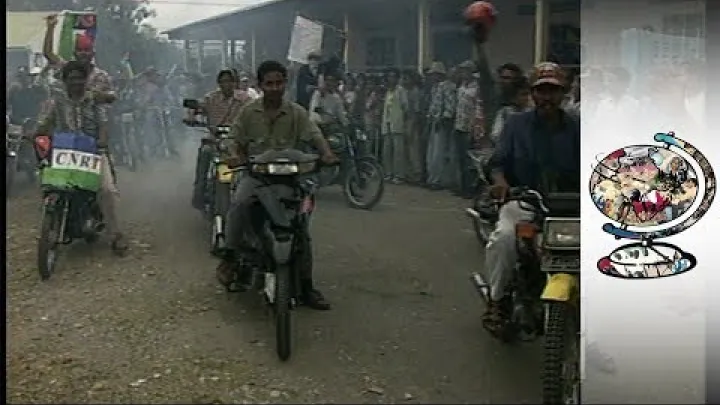
This Suai travel guide is for travelers who want to explore one of Timor-Leste's less visited regional centres rather than stay in a fully developed resort town. Suai combines a rural south-coast setting with independence history, traditional communities, coastal landscapes, and new infrastructure. This guide explains how to reach Suai from Dili, where to base yourself, what to see in town and at Suai Loro, how to plan costs and timing, and which safety and practical issues deserve attention. Because transport, accommodation, weather, and local services can change, a flexible plan is more useful than a fixed schedule.
What to Expect from Suai
Suai is best understood as a working regional centre and a gateway to Covalima rather than as a conventional tourist destination. The town rewards travelers who value time, local context, and independent exploration.
A Remote South-Coast Regional Centre
Suai is the regional centre of Covalima Municipality on Timor-Leste's south-western coast. The settlement has a rural character and is often described as feeling more like a collection of villages than a dense town. Suai town centre provides the main point for accommodation, food, markets, local transport, and several important landmarks, while Suai Loro and the surrounding Covalima landscape provide a different coastal and rural experience.
The destination's appeal comes from its combination of elements. You may see traditional communities and thatched houses alongside concrete buildings, a market beside places of remembrance, and major road infrastructure crossing a landscape that still has limited visitor services. Suai also has a difficult and important independence-era history, which is visible in the cathedral and memorial area. A useful local overview is available from Exploring Timor-Leste.
Expect fewer restaurants, transport choices, booking platforms, and medical services than you would find in Dili. Suai is a deliberate destination for travelers who are comfortable with basic logistics and slower decisions. It is not a place where every attraction has an information desk, posted opening hours, or a reliable online listing.
Who Suai Suits and How Long to Stay
Suai suits travelers interested in history, rural life, slow travel, coastal scenery, photography, and destinations with little commercial tourism. It can also suit researchers, development workers, and visitors with personal or professional reasons to spend time in Covalima. The town is less suitable for travelers seeking nightlife, a choice of polished hotels, organized sightseeing, or a dependable beach-resort experience.
Two or three nights is a practical starting framework. This gives you time to arrive, orient yourself in central Suai, visit the cathedral and memorial, and make a daytime trip to Suai Loro without forcing every activity into one day. Transport delays or a desire to explore inland Covalima may justify a longer stay. Treat the suggested length as a planning guide, not a rule.
How to Get to Suai
For many international visitors, the journey begins in Dili. The main decision is whether to accept a long overland journey for the scenery and flexibility or investigate a possible air connection that may reduce road time but offer fewer options.
Traveling Overland from Dili
The overland route from Dili to Suai is reported to pass through the central highlands and the Maubisse area before continuing toward the south coast. It can be a scenic way to see how Timor-Leste's landscape changes from the capital and mountain roads to Covalima's lower, more rural areas. It is also potentially long and demanding, particularly when route conditions, vehicle condition, stops, and weather affect progress.

Travelers generally need to compare three arrangements: a public bus, a private vehicle, or a driver with a vehicle arranged through a trusted contact. A bus may be the lowest-cost choice, but it can offer less control over departure timing, stops, luggage, and onward arrangements. A private vehicle or driver costs more but may be more practical for travelers carrying equipment, traveling in a group, or wanting to stop along the route.
Older traveler accounts can help explain the character of the journey, but historical prices, departure times, and journey durations should not be treated as current promises. A recent road account also discusses the Suai Expressway and the different experience of traveling by road and air; use it as route context rather than as a live timetable. Plan for a long travel day and avoid connecting the arrival to a non-refundable activity or a tight onward departure.
Flying to Suai Airport
Suai Airport, also known as Covalima Airport, serves the Suai area. The airport can make the journey much faster than traveling overland when a suitable passenger service is operating. Its existence, however, does not by itself mean that regular, bookable flights are available for every traveler.
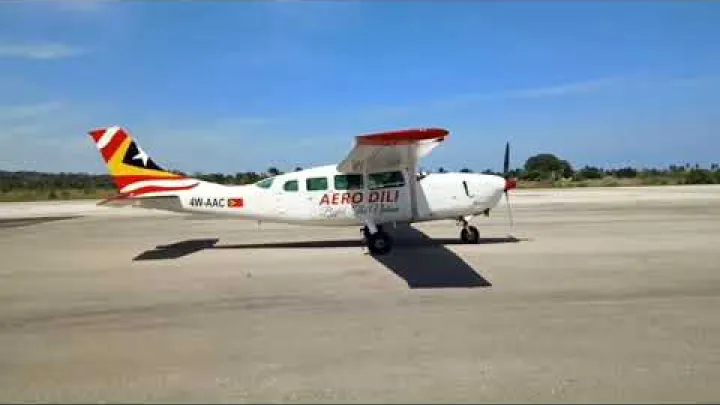
Some travel accounts describe air travel between Dili and the Covalima area, but current frequency, passenger availability, operators, and booking procedures are not established by the information available for this guide. If you are considering flying, confirm the operator and booking channel directly. Ask about baggage limits, check-in arrangements, weather-related operating rules, cancellation or delay procedures, and how you will travel from the airport to your accommodation.
Flying is the better choice when saving road time is more important than flexibility. Overland travel may be preferable when you want a land journey, need to carry more luggage, or cannot fit an uncertain flight into your itinerary.
Entry, Route, and Booking Checks Before Departure
Visa and entry requirements vary by nationality and can also depend on the point of entry. Do not assume that a rule applying to one passport applies to all travelers. Check the current Timor-Leste immigration information for your nationality, including passport validity, visa authorization, permitted entry points, fees where applicable, and the allowed length of stay.
For travelers arriving internationally by air, the practical gateway is usually Dili, so the first night in Dili and the onward Suai connection should be considered together. Anyone approaching Timor-Leste overland from Indonesia needs separate confirmation of border procedures, opening arrangements, and transport on both sides. Do not treat a Dili flight plan and a land-border plan as interchangeable.
Confirm these details before leaving Dili:
- Check passport validity and ensure any required visa or authorization is in place.
- Confirm the road vehicle, driver, bus arrangement, or flight operator, including the meeting point and expected arrival process.
- Confirm the first night's accommodation, arrival time, contact number, and late check-in arrangement.
- Save transport and accommodation details offline in case mobile data is unavailable.
- Leave room for delays instead of scheduling a same-day connection that cannot be changed.
Administrative and transport information should be checked again close to departure. For security and broader travel-condition updates, the U.S. advisory page available for this guide is also a useful reference, although travelers should read the advisory issued by their own government.
Where to Stay in Suai
The main lodging decision is simple: central Suai is the practical base for most first-time visitors, while Suai Loro is better treated as a coastal outing unless a trusted local contact confirms dependable accommodation there.
Central Suai as the Main Base
Central Suai is the most convenient base because the reported accommodation, food options, market access, and major town landmarks are concentrated in or around this area. Staying centrally also makes it easier to arrange a local ride, ask for directions, purchase supplies, and change plans if a road journey takes longer than expected.
Eastern Dragon Hotel and Hotel Suai are reported lodging options associated with Suai. Their current operation, room standards, availability, facilities, and prices should be confirmed directly rather than assumed from an older guide or traveler report. Ask specifically about air conditioning or fans, water availability, electricity, bathroom arrangements, payment methods, and whether staff can receive a late arrival.
Suai Loro may be more attractive for a coastal atmosphere, but it is not automatically the better base. A central hotel reduces the number of daily logistics decisions and allows Suai Loro to remain a daytime excursion. Choose the coast for an overnight stay only when local information confirms the property, access, food, and return arrangements.
Booking Accommodation in a Small Market
Suai has a small lodging market. Rooms may be occupied by government workers, business travelers, NGO staff, or people connected with regional projects, so availability can change even when a property appears open in an old online listing. Online booking information may also be incomplete or outdated.
Contact the property by phone or email when possible, or ask a trusted local intermediary to confirm the booking. Confirm the room for at least the first night, your expected arrival time, the facilities included, the payment method, and whether the property can hold the room if your road journey is delayed. Keep the property phone number separate from your email account or booking application.
If the preferred property is full, ask the driver, Dili accommodation, or a local contact about currently operating alternatives rather than relying on an unverified list of hotels. If arrival becomes late, prioritize a confirmed room and safe check-in over trying to continue to another district.
Getting Around Suai and Covalima
Suai is a low-rise and dispersed settlement. The town is manageable when you focus on a few central landmarks, but regional travel requires more preparation than movement within the centre.
Orienting Yourself in Town
A useful mental map of central Suai includes the central roundabout, Mercado de Suai, Ave Maria Cathedral, and the nearby memorial area. These landmarks can help you explain where you want to go, even when a digital map does not show every road or building clearly. Ask your accommodation which local name or landmark drivers use for the entrance and avoid assuming that a map pin is accurate.

Some central sights may be within walking distance of one another. Heat, the distance between village-like areas, uneven surfaces, and limited lighting can make a short local ride more comfortable, especially with luggage or during the middle of the day. Download an offline map before traveling and mark your accommodation, the market, the cathedral, the memorial, and your return meeting point.
Local Rides, Drivers, and Regional Excursions
Local movement may involve walking, informal rides, motorbikes, or a vehicle arranged through your accommodation. Suai should not be approached as a city with a fixed urban transit network serving every landmark. Vehicles may be easier to find in the centre than at a remote beach, village, or inland road.
Before accepting an informal ride, agree on the destination, fare, waiting time, and whether the driver will return for you. If you are visiting Suai Loro or another outlying place, arrange the return before leaving central Suai. Keep the driver's phone number and agree on a clear meeting point instead of relying on finding the same vehicle later.
For highland roads, remote villages, and longer coastal excursions, a local driver with a suitable vehicle is usually more practical than attempting an unfamiliar route alone. A vehicle with appropriate clearance may be important on rough roads. Arrange regional travel during daylight and confirm the return plan before setting out.
Things to See and Do in Suai
Most visits combine central historical and community sites with one coastal excursion. The value of Suai is less about a long list of attractions and more about understanding how the town, its history, and its surrounding landscape fit together.
Ave Maria Cathedral and the 1999 Memorial
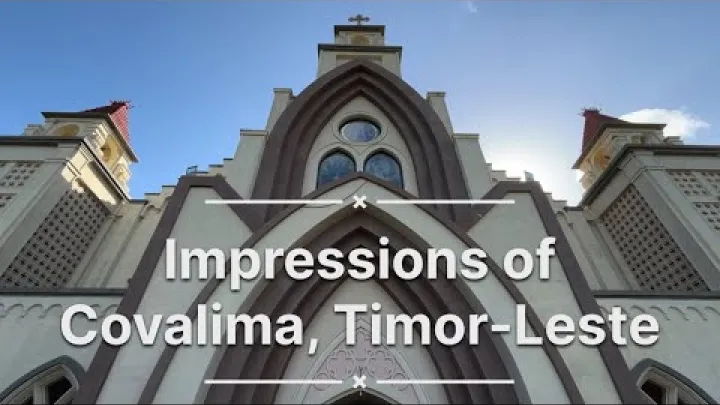
Ave Maria Cathedral and the Monumento Massacre Septembro Negro 1999 are central to Suai's modern identity. The present cathedral is connected with a former church site and with the violence of September 1999, including the events of 6 September that remain part of the town's public memory. These places should be approached as spaces of worship, remembrance, and learning.
The memorial is not a dramatic attraction to be consumed quickly. Spend time reading any information that is available, observe whether worship or a remembrance activity is taking place, and ask before taking photographs. Avoid repeating casualty figures unless they are provided by a reliable historical or heritage authority, because accounts may differ and an unverified number can distort the significance of the site.
The cathedral and memorial can be considered together with Mercado de Suai. The market represents everyday commerce and community life, while the religious and memorial sites carry the memory of the town's recent past. A local overview from Exploring Timor-Leste provides additional context for the town's landmarks and history.
Suai Market and Traditional Townscape
Mercado de Suai is a practical place to observe daily commerce and purchase basic food or supplies. Market activity can vary by day, season, and local demand, so do not plan around a fixed opening schedule unless accommodation staff confirm it. Go with enough time to look, ask permission, and buy only what you need.
In and around Suai, concrete or corrugated buildings may stand near traditional thatched houses. This contrast reflects a living town shaped by both long-established community patterns and changing infrastructure. Residential areas and market stalls are not staged cultural displays. Avoid blocking paths, handling goods without permission, or photographing people at close range without asking.
Suai Loro: Beach, Fishing Village, and Fort Remains
Suai Loro is a coastal excursion from town, known in traveler descriptions for its black-sand shoreline, fishing activity, simple restaurants, sunset views, and reported remains of a Portuguese fort. The area offers landscape viewing, local food when available, and a chance to see a coastal community rather than a developed beach resort.
Confirm the road condition, the visibility of the fort remains, and whether a restaurant is operating when arranging the visit. Ask a local contact where visitors may walk and where they should not enter. The coast should be treated primarily as a viewing and community experience, not as a guaranteed swimming location.
Keep the visit unhurried and respectful. Fishing areas are workplaces, not scenery arranged for visitors. Ask before photographing boats, homes, people, or catches, and avoid promising yourself a particular sunset or wildlife sighting.
The Suai Expressway and Covalima Hinterland
The Suai Expressway is useful route context and a visible example of uneven modernization in the region. A January 2025 travel account described a roughly 30-kilometre four-lane section within a much longer planned corridor. Treat those figures as a dated travel observation, not as a current transport guarantee or an invitation to stop on the road.
The expressway should not be confused with a tourist attraction or with complete regional access. Proposed petroleum-related projects and the wider Tasi Mane development plans are development context, not operating attractions. A proposed Suai Supply Base should not be presented as a visitor facility.
Fatululic, Fatumea, and other inland areas may interest experienced independent travelers, field researchers, or people with a local connection. Visit only with suitable transport, local knowledge, enough daylight, and realistic expectations about food, fuel, accommodation, and communications. Remote districts should be planned as exploratory drives, not as places with dependable tourist infrastructure.
When to Visit, What to Budget, and What to Bring
A Suai trip depends on more than choosing a month. Road access, lodging availability, transport arrangements, and the supplies you carry can affect the experience as much as the season.
Wet- and Dry-Season Planning
Use a broad wet-season and dry-season framework rather than relying on a precise list of best months. The available local information is not sufficient for a reliable month-by-month weather guide. A drier period may make some roads and outdoor plans easier, but it cannot guarantee clear conditions or ideal coastal weather.
Heavy rain can affect mountain roads, unpaved tracks, river crossings, and access to remote parts of Covalima. It may also turn a road journey into a slower experience or make a planned inland excursion unsuitable. Before setting out from Dili or Suai, check the current forecast and ask a local contact about road conditions relevant to your route.
Pack according to the forecast while allowing for changing conditions: sun protection, light clothing for heat, a rain layer, shoes that can handle dust or wet ground, and a small dry bag for documents and electronics. If your plan includes long periods without services, add enough drinking water, snacks, medication, and power capacity for the journey.
Accommodation, Food, and Daily Costs
Build the budget around separate categories rather than one daily figure. The main costs are accommodation, meals, transport from Dili, local rides, driver or vehicle hire, drinking water and other supplies, and a reserve for an additional night or a changed departure.
Some traveler reports describe Suai as relatively expensive for a remote Timorese town. This is an evidence-limited observation, not a definitive ranking of costs across Timor-Leste. Limited supply and the need to arrange private transport can make the total trip more expensive than a simple room-and-meals calculation suggests.
A central hotel may be the easiest lodging choice but may cost more than a basic local room. A warung can be useful for simple meals, while a hotel restaurant may be more convenient when you need predictable service or are arriving late. A meal at Suai Loro may depend on which businesses are operating. Ask current providers about prices and payment methods rather than using old published rates as a current budget.
Create three planning totals: a normal stay, a transport-heavy stay that includes a driver or private vehicle, and a contingency total that includes an extra night and additional supplies. This approach is more useful than a single low estimate that assumes every connection works perfectly.
Cash, Connectivity, and Practical Supplies
The U.S. dollar is the working currency in Timor-Leste, and travelers should expect many transactions in Suai to be handled with cash. Current ATM access, card terminals, and mobile-payment options in Suai should be confirmed locally. Do not base the trip on being able to withdraw money or pay by card after arrival.
Withdraw enough money in Dili for the complete stay, transport, food, supplies, and an emergency reserve. Divide it between secure locations and keep a small amount accessible for ordinary purchases. Connectivity may also be less dependable than in Dili, so save offline maps, accommodation contacts, driver details, copies of important documents, and transport confirmations before leaving the capital.
Bring essential medication, sealed drinking water or a reliable purification method, snacks for long journeys, a power bank, insect protection, and a small first-aid kit. Treat network coverage maps as indications rather than guarantees for the exact road or building where you will be staying.
Safety, Health, and Responsible Travel
Safety planning for Suai has two parts: ordinary travel security and the environmental limits of a remote destination. Both are manageable with preparation, but neither should be dismissed because the town feels quiet.
Current Advisories and Basic Security
Read the current official travel advisory immediately before departure. The U.S. advisory page used for this guide lists an advisory dated June 18, 2026, and recommends increased caution in Timor-Leste because of crime and unrest. Read it alongside updates from your own government, your insurer, and local contacts because national advisories can change at different times. The live guidance is available from Travel.State.gov.
Avoid demonstrations, political gatherings, and crowds, even when they appear calm. Keep your phone, passport, cash, and other valuables secure; do not display large amounts of money; and tell your accommodation or driver where you are going. Limit unnecessary movement after dark, particularly when you are unfamiliar with local roads and have not arranged a return ride.
Travel insurance is especially important when you are far from Dili. Choose a policy that covers medical treatment, transport disruption, and evacuation where appropriate, and check whether remote road travel and activities are included. Carry information about allergies, prescriptions, and emergency contacts. Local medical options may be limited, so a minor health problem can become a more complex logistics issue.
Water, Wildlife, Roads, and Remote Conditions
Take the crocodile warning around Suai Loro, river mouths, marshes, and other local water environments seriously. Do not enter the water, wade near a river mouth, approach an animal, or assume that a quiet beach is safe for swimming. Stay back from the edge where local guidance recommends it and follow instructions from residents or authorities who know the area.
Beaches and waterways should be treated as viewing areas unless current local authorities explicitly advise that a particular activity is safe. Do not seek wildlife encounters, feed animals, or walk through vegetation around water without local guidance. If you see warning signs or hear a local warning, change the plan rather than trying to judge the risk for yourself.
Use safe drinking water and clean your hands before eating. Avoid relying on rapid rescue in an isolated coastal or inland location. Carry basic supplies, tell someone your plan, and choose prevention over a response that may take time to arrive.
Respect at Sacred, Memorial, and Community Sites
Ave Maria Cathedral and the massacre memorial are active religious and remembrance spaces. Dress and behave with restraint, lower your voice, and pause if worship or a memorial activity is taking place. Do not treat the 1999 events as a dramatic story for entertainment or press people for personal accounts.
Ask before photographing worship, memorial activities, residents, traditional houses, market sellers, or people working in fishing areas. A friendly greeting and a simple explanation of your purpose can make an interaction more respectful. Learn a few basic Tetum phrases, communicate patiently, and accept that a request to stop taking photographs is final.
Local guidance is particularly valuable when entering a village, discussing recent history, or visiting a place that is not clearly marked for tourists. Observe first and photograph second. This approach helps ensure that your visit supports dignity and community control rather than turning poverty, grief, or ordinary work into a visual spectacle.
A Practical Two- to Three-Night Suai Itinerary
The following plan is a flexible framework. It works for travelers arriving by road or air, but the first day should remain open enough to absorb an unpredictable transfer.
Arrival and Central Suai
Use the arrival day for check-in, a cash and supply review, and a short orientation around central Suai. If you arrive early enough and the sites are accessible, walk or arrange a local ride to Mercado de Suai, Ave Maria Cathedral, and the Monumento Massacre Septembro Negro 1999. This sequence introduces daily town life, religious history, and remembrance without requiring a long transfer.
If your road journey or flight is delayed, make the day a simple arrival and rest day. Confirm the next day's driver or ride, charge your devices, and ask about current access to Suai Loro. Do not force the market, cathedral, and memorial into an evening arrival simply to follow a timetable.
A Coastal Day at Suai Loro
Use the second day for a daytime trip to Suai Loro. With a locally arranged ride, combine the black-sand coast, the fishing-village setting, reported fort remains, and a locally arranged meal if a suitable business is operating. Leave enough time to look around without turning the visit into a sequence of rushed stops.
Arrange the return before leaving central Suai and keep the visit focused on landscape and community life. Understand the water restrictions before you arrive, remain away from risky water edges, and ask before taking photographs. Return with enough daylight for the driver and for any final supplies or town errands.
A Flexible Inland Excursion or Departure Buffer
On a third day, consider an inland Covalima drive or a short excursion that uses the expressway as route context only when you have a suitable vehicle, local advice, and enough daylight. Fatululic and Fatumea may be possible interests for travelers with a specific reason to visit, but they should not be treated as dependable sightseeing circuits with regular tourist services.
When transport information is uncertain, the safer and often more enjoyable choice is to use the final day as a buffer. Revisit the central market area, purchase supplies, rest, or allow time for a changed departure. Build the return around confirmed transport, and avoid a tight same-day connection after a long road journey.
Final Planning Checklist for a Suai Trip
Suai is most rewarding when you arrive with realistic expectations and enough time to adapt. Before departure, confirm your entry permission, route, first night, and return plan. Then prepare for a small lodging market, cash-based services, limited connectivity, changing road conditions, and a coastal environment that requires local safety guidance.
- Choose central Suai as your default base unless a coastal overnight stay is directly confirmed.
- Keep transport arrangements, accommodation contacts, maps, and emergency information available offline.
- Budget separately for lodging, meals, regional transport, private driving, supplies, and contingency time.
- Check the latest forecast, road information, entry rules, and travel advisory before setting out.
- Visit the cathedral, memorial, market, and fishing areas with patience and respect.
- Treat Suai Loro and other waterways as viewing areas and follow all local crocodile warnings.
For the right traveler, a Suai travel guide is not a promise of convenience. It is a way to prepare for a meaningful south-coast journey shaped by history, community, landscape, and the practical realities of traveling beyond Timor-Leste's main tourist base.
Select area
Create a post
Posting is free and no registration is required.