Gleno Budget: Daily Costs in Ermera, Timor-Leste

A Gleno budget is easier to plan as a range than as a single room price. Gleno is an inland town in Ermera District, where local accommodation, drivers, meals, and activity arrangements may be less consistently published than in Dili. This guide separates per-person daily spending from per-vehicle transport quotes and compares Gleno with the Ermera highlands, Dili, Liquiçá, and the north coast. The figures are planning estimates unless a specific published reference is identified, and international flights are excluded from all daily totals.
Gleno Budget at a Glance
Daily Gleno Budget Ranges by Travel Style
For a Gleno-focused trip, use about $30–45 per person per day for frugal travel, $50–90 for a mid-range trip, and $100–150 or more for comfortable travel. These are working estimates rather than guaranteed Gleno rates. They assume that a one-off transfer is either shared or spread across several days. A solo traveler hiring a private vehicle, staying in Dili or at a coastal retreat, or booking a highland tour may spend more.
| Travel style | Accommodation | Food and drinks | Transport | Activities | Working total |
|---|---|---|---|---|---|
| Frugal | $12–20 | $8–15 | $5–12 | $0–5 | $30–45 |
| Mid-range | $20–40 | $15–30 | $8–25 | $5–20 | $50–90 |
| Comfortable | $35–70 or more | $30–45 or more | $20–50 or more | $15–35 or more | $100–150 or more |
The categories do not always add up to the exact top or bottom of each band because transport and activities vary greatly. A low-cost highland day may involve walking and included meals, while a transfer day may be dominated by a vehicle quote. The table is intended to show the shape of a Gleno travel budget, not to promise that a specific guesthouse, restaurant, or driver will match each line.
Transport deserves special attention. A quote can be charged for the vehicle rather than for each passenger, so the per-person amount falls when two, four, or more travelers share it. Conversely, a solo traveler can find that one private transfer exceeds the ordinary daily cost of food and accommodation combined.
What a Gleno Travel Budget Covers
A useful calculation is:
Total trip budget = daily spending multiplied by the number of days, plus intercity or private transfers, paid activities, one-time costs, and a contingency line.
The daily figures normally cover:
- Accommodation for one person, with the assumption that a room may be shared when relevant.
- Food, drinking water, coffee, snacks, and other ordinary drinks.
- Local movement around Gleno, Ermera, or a selected base.
- Low-cost exploration or a modest allowance for activities.
Keep these costs separate from one-time or occasional expenses. International flights, travel insurance, entry formalities, an eSIM or other connectivity, shopping, tips, deposits, and unusually expensive excursions can distort a daily average if they are hidden inside it. A coastal extension, a special coffee experience, or a private driver for a full day should be shown as its own line.
The estimate combines rural Ermera references with Dili and north-coast comparisons because Gleno-specific room, menu, and public-transport prices are not consistently available. A national or Dili price can show the general scale of spending, but it is not a direct Gleno quote. Treat an inferred Gleno figure as a placeholder until a guesthouse, driver, restaurant, or activity operator gives you the current terms.
For a short itinerary, make two calculations: the ordinary daily Gleno cost and the cost of reaching Gleno. Then compare that total with a Dili-based excursion or a multi-base itinerary. This prevents a low room estimate from hiding an expensive return journey.
Choose the Best Base for Your Budget
Your choice of base can matter as much as your choice of hotel category. Gleno and the Ermera highlands may reduce visitor-oriented spending and place you closer to local activities, while Dili offers more predictable services. Liquiçá and the coast can add comfort but may also add resort prices and another connecting transfer.
Gleno and the Ermera Highlands: Rural Prices and Limited Booking Evidence
Gleno suits travelers who want direct access to Ermera and who are comfortable arranging a simpler stay. The local market is more likely to depend on guesthouses, homestays, personal contacts, or direct messages than on a large inventory of standardized online hotels. That can make the final price attractive, but it also makes the contents of the price important: a private bathroom, breakfast, dinner, transport from the road, room occupancy, and arrival support may all need to be discussed separately.

An adjacent highland reference comes from Letefoho Coffee. Its published meal-inclusive accommodation reference is about $35 per person on weekdays and $45 per person on weekends or public holidays, with three meals included. The Letefoho Coffee offer is useful for understanding the Ermera highland price structure, but it is not a confirmed Gleno room rate. It is also date-sensitive, and its per-person package basis should not be compared directly with a room-only price.
The main benefit of a Gleno or nearby Ermera stay is local access. If your priority is highland scenery, coffee landscapes, walking, or time in the area, several nights may spread the cost of reaching the district over more days. The trade-off is that facilities and booking procedures may be simpler, availability may be limited, and a low advertised price may not include every meal or transfer.
Before leaving Dili, contact the intended Gleno or Ermera accommodation and confirm the room, arrival instructions, meal arrangements, occupancy, accepted payment method, and whether someone can help coordinate a driver. Ask for the total price in US dollars and keep the contact person's phone number available. This is more important than relying on a directory entry that does not show a current rate or confirm that the property can receive you on your arrival date.
Dili as a More Predictable Staging Base
Dili has a broader supply of hotels, guesthouses, restaurants, taxis, tour contacts, ATMs, and businesses used to serving international visitors. That makes it a practical staging base before and after a Gleno trip. You may pay more for accommodation, restaurant meals, and visitor-oriented services than on a simple highland day, but you gain easier comparison, more predictable booking, and a better chance of arranging a vehicle in person.
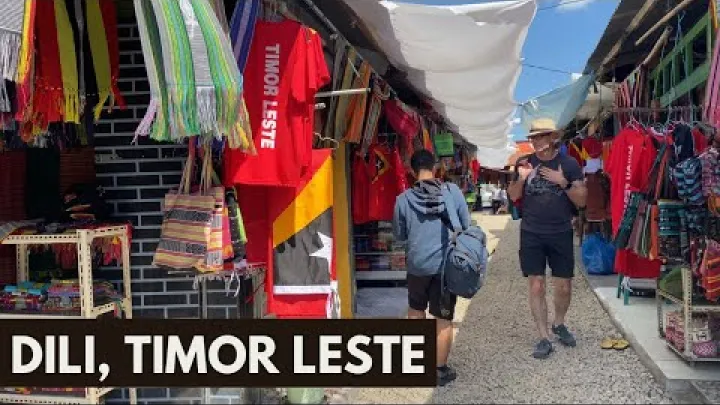
Published Dili accommodation examples range from basic rooms to modern business-oriented properties. These listings are useful for comparing standards and availability, but they should not be treated as a current citywide average. Dates, holidays, room type, breakfast, cancellation terms, and taxes or service charges can change the total.
Dili is especially useful if you arrive late, need to withdraw cash, want to buy supplies, or need time to arrange a highland vehicle. It can also work well for a short Gleno excursion. However, repeated day trips from Dili may cost more than an overnight Ermera stay because the vehicle, fuel, waiting time, and return journey are repeated. Compare the cost of one Dili night and a return transfer with several nights in or near Gleno, rather than comparing room prices alone.
Dili can also be a comfortable base for adding urban activities such as Cristo Rei, shopping, restaurants, or a rest day. If those activities are part of the plan, Dili may provide better overall value despite a higher nightly rate. If the itinerary is mainly about Ermera, the transport share may outweigh that convenience.
Liquiçá and the North Coast: Coastal Comfort at a Different Price Point
Liquiçá District and the north coast offer a different budget profile from Gleno. Coastal accommodation is often chosen for comfort, views, beach access, and easier leisure planning rather than for the lowest possible daily total. For planning purposes, Liquiçá accommodation references have been around $52–100 per night, while an approximately $90 bungalow reference at Tibar Beach Retreat provides a separate coastal comparison. These are indicative, date-sensitive references, not universal prices for every property.
| Base | Price evidence for planning | Budget advantage | Main trade-off |
|---|---|---|---|
| Gleno or Ermera | Current direct quote needed | Closer to highland activities and local access | Limited online supply and less standardized inclusions |
| Dili | Broad range of listed properties | More booking, food, cash, and transport choices | Higher service costs and possible repeated transfers |
| Liquiçá District | About $52–100 per night as an indicative reference | Coastal comfort and a different leisure setting | Room and dining costs can exceed simple highland spending |
| Tibar Beach Retreat | About $90 for an indicative bungalow reference | Predictable retreat-style accommodation | Not necessarily economical for a Gleno-focused itinerary |
A coastal property may make dining and relaxation more predictable, but it is not automatically the cheapest base for Gleno. Add the cost of connecting the coast, Gleno, and Dili, as well as any paid water activity, beach transfer, or restaurant meal. A lower-priced room can lose its advantage if it requires an additional private vehicle on several days.
Choose Liquiçá or Tibar when the coast is a significant part of the trip. Choose Gleno or another Ermera base when highland access is the main purpose. Choose Dili when booking certainty, cash access, and services matter most. The best base is the one that lowers the total itinerary cost for your priorities, not necessarily the one with the lowest nightly price.
Accommodation, Food, and Activity Costs
These three categories are closely connected. A meal-inclusive highland stay may look more expensive than a room-only arrangement until you add three meals, drinks, and the time needed to find food. Likewise, a free hike may still require a vehicle or guide. Compare the full package and the access cost rather than looking at the headline price alone.
Accommodation: Compare Room-Only Rates with Meal-Inclusive Stays
Room-only and meal-inclusive prices use different units. A room-only rate is often quoted per room per night, while a highland package may be quoted per person and include several meals. A room for two at $40 is not directly comparable with a $35 per-person package that includes breakfast, lunch, and dinner. The package could be better value if you would otherwise buy three meals and arrange transport to restaurants.
| Place or arrangement | Price basis | Likely inclusions | How to use it |
|---|---|---|---|
| Gleno or informal Ermera stay | Current direct quote needed | May vary by room, meals, bathroom, and arrival support | Ask for a complete total before comparing |
| Letefoho highland reference | About $35 weekday or $45 weekend and public holiday per person | Three meals included | Adjacent Ermera benchmark, not a Gleno guarantee |
| Dili listed property | Current date-specific rate | May include breakfast or other hotel services | Useful for predictable staging and comparison |
| Liquiçá or coastal property | About $52–100 per night as an indicative range | Varies by property, room, and coastal services | Compare against connecting transport and meals |
The Letefoho reference of about $35 on weekdays and $45 on weekends or public holidays is valuable because it shows how meal-inclusive highland pricing can be structured. The difference is $10 per person, so travel dates can affect the total even before transport is considered. The operator's current page, package contents, occupancy rules, and date-specific terms should be read together. Do not transfer this figure to Gleno or describe it as a guaranteed current hotel rate.
When asking about a Gleno or Ermera stay, request the price for your exact number of travelers and nights. Ask whether breakfast, lunch, dinner, drinking water, coffee, a private bathroom, towels, transport, extra guests, late arrival, and cancellation terms are included. If a driver is arranged through the accommodation, ask whether that is a separate charge. These questions make a simple direct booking easier to compare with an online Dili or coastal hotel.
Food and Drink Budgets in Gleno, Dili, and the Coast
For a broad national reference, Numbeo lists an inexpensive restaurant meal at about $5 and a three-course mid-range meal for two, without drinks, at about $42.50. These are crowd-sourced Timor-Leste indicators, not Gleno menu prices. The second figure is a restaurant-for-two benchmark, so it should not be read as a standard individual daily food allowance.
For planning, use three broad food bands:
- $8–15 per person per day: very simple local meals, water, and limited snacks or non-alcoholic drinks.
- $20–35 per person per day: a mixture of local food, cafés, coffee, and occasional more substantial meals.
- $30–40 or more per person per day: frequent restaurant or hotel dining, specialty coffee, imported products, snacks, and alcohol.
Local eateries may be less expensive than visitor-oriented cafés, while coastal retreats, hotel restaurants, specialty coffee, imported food, and alcohol can quickly raise the bill. Dili generally gives you more choice, but greater choice can also encourage more frequent café or restaurant spending. In Gleno and the highlands, availability may be simpler, so a meal-inclusive arrangement can make the daily total easier to control.
Subtract included meals from the separate food allowance. If breakfast, lunch, and dinner are part of the accommodation package, budget mainly for drinks, snacks, and meals taken outside the property. Do not count the same meal once inside the room package and again in the daily food estimate. Conversely, if a room is cheap but includes no food and restaurants are not convenient, the apparent accommodation saving may not be a real saving.
Activities: Low-Cost Highland Days versus Paid Coffee Experiences
Many Gleno and Ermera days can be planned around walking, viewpoints, town exploration, photography, and time in the highland landscape. These activities may have no confirmed admission fee, but access can still create a cost through a local ride, guide, vehicle waiting time, or a voluntary contribution. Treat them as low-cost activity categories rather than automatically free activities.

Railaco is a useful named access anchor for travelers considering a loop or highland walking area, and Letefoho is another important coffee-region reference. Keep the activity budget separate from the journey to reach these places. A walk may be free once you arrive, but it is not free to the total itinerary if a private car is needed to reach the start and return.
The Letefoho Coffee Tour page publishes a regular-package reference of $90 per person on weekdays and $100 on weekends or public holidays. See the current Letefoho Coffee Tour details for the package contents and date terms. Use one clearly dated current package price rather than combining older figures or differently structured premium offers. Confirm whether transport, meals, tastings, guiding, and other elements are included, because counting them again would inflate the budget.
For a Gleno-focused trip, rank activities in three tiers: free exploration, modest local contributions or guide costs, and organized specialty experiences. Put the last tier in a separate activity envelope. Dili and the north coast can add optional costs for diving, massages, shopping, beach excursions, or visits around Cristo Rei. Those expenses belong outside the basic highland daily budget unless they are central to your itinerary.
Transport Costs for Reaching Gleno and Exploring Ermera
Transport is the least certain major part of a Gleno travel budget because the available references do not establish a standard public fare from Dili to Gleno or a complete schedule for local movement. The safest approach is to separate published urban benchmarks from private operator quotes and from estimates that still require a local conversation.
Dili-to-Gleno Access: Shared Transport and Private Vehicles
There is no confirmed standard Dili-to-Gleno fare in the researched material. Do not treat a guessed route price as a fixed current public fare. The official Timor-Leste Tourism transport information gives urban Dili benchmarks of about $3–6 for city taxi rides and at least $15 for an airport taxi. Those figures help with arrival planning, but they do not establish the cost of traveling from Dili to Gleno.
A separate adjacent highland reference is a private vehicle quote of about $250 per day. It is quoted per vehicle, not per traveler, and it should not be presented as a confirmed Dili-to-Gleno fare. A group of four would divide that reference into $62.50 per person for the vehicle day; a group of five would divide it into $50, while a solo traveler would carry the full $250 before food, accommodation, or activities. The actual quote may use different terms or may cover a different service.
Spreading a one-off vehicle cost across several highland nights also changes the daily average. For example, a $250 vehicle day shared by four travelers and associated with three highland nights works out to an accounting allocation of about $20.83 per person per night. This is not a new fare and does not mean that the driver will charge by the night. It only shows why a longer stay or a shared vehicle can make the total more manageable.
Ask for the current Dili-to-Gleno fare or quote, the departure point, vehicle type, driver availability, return terms, fuel treatment, waiting time, number of stops, and whether the price is for one way, return travel, or a full day. Confirm whether the driver will wait during an activity and how a late return is handled. These details can change the transport line more than a small difference in the room price.
Local Movement Around Gleno, Ermera, and Nearby Activity Areas
Exact intra-Gleno fares and local schedules are not sufficiently documented to support a fixed budget line. Use a flexible local-transport allowance and decide each day whether walking, a short local ride, a hired motorbike guide, a private car, or an organized transfer is the sensible choice.
Walking is the lowest-cost option for nearby town exploration and viewpoints, but it may not work for dispersed coffee areas or hiking starts. A motorbike guide or private car can save time and make a multi-stop day possible, while also adding waiting, fuel, and return costs. The right choice depends on group size, luggage, weather, road conditions, and how much time you want to spend arranging local rides.
Railaco and Letefoho can be treated as access anchors for budget planning, not as a promise that one local fare covers every nearby activity. Ask whether the vehicle price includes the return journey, waiting, fuel, and multiple stops. If a quoted vehicle is used for more than one day, clarify the driver's accommodation and any overnight or early-start charge rather than assuming the first quote covers them.
| Planning case | Calculation | Illustrative vehicle share |
|---|---|---|
| Four travelers, one vehicle day | $250 divided by 4 | $62.50 per person |
| Four travelers, two days served | $250 divided by 4 divided by 2 | $31.25 per person per day |
| Five travelers, one vehicle day | $250 divided by 5 | $50 per person |
| One traveler, one vehicle day | $250 divided by 1 | $250 per person |
This worksheet uses the adjacent $250 vehicle reference only to demonstrate the arithmetic. Replace it with the quote for your own itinerary. Always calculate the vehicle on a per-vehicle basis first, then divide by the actual number of travelers and the number of days it genuinely serves. Do not divide a quote by extra days if the driver is only available for one day.
Daily Budget Scenarios and Ways to Save
The following examples show how different travel styles produce different Gleno trip costs. They are sample calculations, not promises. The most useful method is to budget ordinary days separately from transfer days, tour days, and coastal or Dili hotel nights, then average the complete itinerary.
Backpacker Gleno Budget
A broader Timor-Leste backpacking reference places simple travel at about $40–55 per person per day when travelers use dorms or basic rooms, eat locally, and use low-cost urban transport. That range is useful context, but Gleno may not offer the same supply of dorms or low-priced bookable rooms. On a date with only a more structured highland stay, the lowest national backpacker band may not be realistic.
A Gleno backpacker calculation might look like this on an ordinary day:
- Basic room or homestay allocation: about $15–25 as a planning placeholder, not a confirmed Gleno quote.
- Simple food and drinks: about $8–15.
- Walking and occasional local movement: about $3–8.
- Self-guided exploration: $0–5 for local contributions or small access costs.
- Dili-to-Gleno or other rural transfer: a separate uncertain line, shared where possible.
The ordinary subtotal may be modest, but the transfer must still be paid. A backpacker who spends $50 on daily living and then adds a solo private vehicle will not have a $50 total day. Share transport, stay several nights, and average the transfer across the full highland stay. A remote detour, dive day, or paid coffee experience can move a broader backpacking budget toward $70–90 or more for that day.
Keep a separate contingency line for an unconfirmed rural fare, an extra night caused by limited transport, or a direct-booking deposit. The lowest-cost plan is only useful if it can absorb the practical uncertainty of reaching and staying in a small inland destination.
Mid-Range Gleno Travel Budget
The $50–90 mid-range band works for a traveler who wants a private room or a structured homestay, mixed local and café meals, occasional hired transport, and one or two modest experiences. It is a synthesized planning range rather than a standardized Gleno hotel category.
An ordinary highland day could be modeled as:
- Private room or meal-inclusive stay allocation: $30.
- Food not already included: $15.
- Local movement: $10.
- Low-cost activity or guide contribution: $5.
- Shared-transfer allocation: $15 when a vehicle cost is divided across travelers and averaged over the itinerary.
This illustrative total is $75 per person. The $15 transfer allocation is an example of how to spread a shared quote, not a Dili-to-Gleno fare. If three meals are included in the accommodation, the food line may fall while drinks and snacks remain. If the traveler stays in Dili or on the coast, the accommodation and restaurant lines may move toward the upper end of the band.
Keep ordinary days separate from activity days. A $90 or $100 per-person coffee package, if chosen, can exceed the entire ordinary daily allowance by itself. Do not assume that a mid-range budget includes every premium excursion. Average a quiet hiking day, a high-cost transfer day, and any paid tour across the entire itinerary.
Comfortable Gleno and North-Coast Budget
A comfortable budget of about $100–150 or more per person per day fits travelers who prefer comfortable Dili or coastal accommodation, restaurant dining, private drivers, and organized highland experiences. This is a trip-style scenario, not evidence of a premium Gleno accommodation market. Comfortable travel in a Gleno-focused itinerary may mean using Dili or a north-coast property as the reliable base and arranging a private highland excursion.
One illustrative comfortable day might allocate $45 for accommodation, $35 for restaurant meals and drinks, $25 for a shared or averaged private-transport line, and $15 for an activity. That produces a $120 planning total. The amounts are allocations for budgeting, not current quotes for a particular hotel, restaurant, or driver.
Group size has a major effect. Using the adjacent $250 vehicle reference, four travelers would allocate $62.50 each for one vehicle day, while a solo traveler would allocate $250. A solo private-car itinerary can therefore exceed the comfortable band even when accommodation and food are moderate. A group can stay within the band more easily by sharing transport and limiting the vehicle to activity or transfer days.
Keep premium extras visible rather than hiding them in the daily allowance. Private guiding, a paid coffee package, coastal water activities, imported food, shopping, massages, and upgraded rooms can be added or removed without rebuilding the essential Gleno budget.
What Raises Costs and How to Save
The largest budget pressures are usually limited accommodation supply, private vehicle hire, paid coffee tours, coastal retreat stays, imported food and drinks, and shopping. Weekends, public holidays, peak-demand periods, and local events may also affect room or operator prices. The Letefoho reference provides a concrete example: its accommodation figure is about $35 per person on weekdays and $45 on weekends or public holidays, a $10 difference before transport or other spending.
Prioritize savings in this order:
- Share the vehicle. This is often the most significant saving when access requires private transport. Divide the quote by the actual group size and clarify whether the vehicle can serve several activity days.
- Stay longer in the highlands. A transfer spread across several nights can lower its average daily effect, provided the extra nights do not require unnecessary meals or services.
- Compare meal-inclusive lodging. Add the cost of three meals, drinks, and local transport before deciding that a room-only option is cheaper.
- Eat locally when practical. Use cafés, hotel restaurants, specialty coffee, alcohol, and imported products selectively rather than as the default for every meal.
- Walk on nearby activity days. Use paid transport for dispersed coffee or hiking areas and walk for town exploration where the conditions and timing are suitable.
- Choose bases by total itinerary cost. A cheaper room in Liquiçá or Dili may require more transfers, while a higher structured highland package may include meals and reduce daily decisions.
- Protect a contingency line. A scarce booking, late arrival, changed return plan, or unconfirmed rural fare can remove the benefit of a budget built with no margin.
Do not confuse shifting costs with saving money. Skipping breakfast is not a saving if it leads to a more expensive café meal later, and choosing a low room rate is not a saving if every activity requires a long private transfer. Compare the complete cost of each base and travel pattern.
Cash, Cards, and a Pre-Trip Budget Checklist
US Dollars, Cash, Cards, and Rural Payments
Plan to use US dollars as the practical working currency for a Gleno trip. Dili has the strongest access to ATMs and card-enabled businesses, while larger hotels and established businesses are more likely to accept major international cards. Rural guesthouses, local drivers, small eateries, and informal arrangements may have limited card acceptance or no terminal at all. The Timor-Leste Currency and Banks guidance also distinguishes the more dependable banking and card environment in Dili from rural payment conditions.
Carry enough cash for the part of the trip where you will be away from Dili. The amount depends on your confirmed room, meal package, driver, activities, and length of stay, so a single universal figure would be misleading. A practical cash plan should cover:
- Direct accommodation payments and any deposit.
- Food and drinks outside a meal-inclusive package.
- Local rides and the confirmed share of a driver or vehicle.
- Tips, small contributions, snacks, and unexpected access costs.
- A separate reserve for an extra night, changed transport, or another rural payment.
Use small US-dollar notes when possible. Small notes make local transport, food, tips, and direct accommodation payments easier when change is limited. Keep the main reserve separate from the money used during the day, and do not assume that a card terminal or a working ATM will be available once you leave Dili.
Before paying a direct booking deposit, confirm the accepted payment method, the currency, the total amount, the deposit conditions, the cancellation terms, and any extra charge for meals, guests, transport, or late arrival. A low quoted price is not useful if the payment method or included services are unclear.
What to Confirm Before Leaving Dili
Use this final checklist in your trip-planning note:
- Accommodation: Confirm the Gleno or Ermera property, room type, number of guests, arrival instructions, check-in timing, bathroom arrangements, and contact person.
- Meals: Ask which meals are included, whether drinking water or coffee is included, and what happens if you arrive late or need an early breakfast.
- Transport: Obtain the current Dili-to-Gleno fare or quote, departure point, vehicle type, one-way or return terms, driver availability, fuel treatment, waiting time, and return arrangements.
- Activities: Check the current price, inclusions, group size, guide or vehicle costs, and weekend or public-holiday rate directly with the operator. This is especially important for a coffee tour or organized highland experience.
- Payment: Confirm whether the accommodation, driver, restaurant, and tour accept cash or cards, whether a deposit is required, and whether small notes are useful.
- Calculation: Add accommodation, food, local movement, intercity or private transfers, activities, one-time costs, and contingency. Keep per-person and per-vehicle amounts in separate columns.
Recalculate the budget if you change from Gleno to Dili or the coast, travel alone instead of sharing a vehicle, book a weekend or public holiday, add a paid coffee tour, or extend the trip to Liquiçá or Tibar. Preserve flexibility for services whose prices are arranged locally, but make the largest commitments clear before departure.
Gleno Budget: The Bottom Line
For planning purposes, allow about $30–45 per person per day for frugal Gleno travel, $50–90 for mid-range travel, and $100–150 or more for comfortable travel. The most important variables are not only the room rate but also accommodation supply, meal inclusions, private transport, group size, and whether Dili or the north coast is added to the itinerary. Use the Ermera highland references as context, confirm Gleno arrangements directly, divide vehicle quotes correctly, and compare the total cost of each base. That approach gives you a more realistic Timor-Leste travel budget than relying on one headline price.
Select area
Create a post
Posting is free and no registration is required.