Viqueque Travel Guide: Timor-Leste South Coast
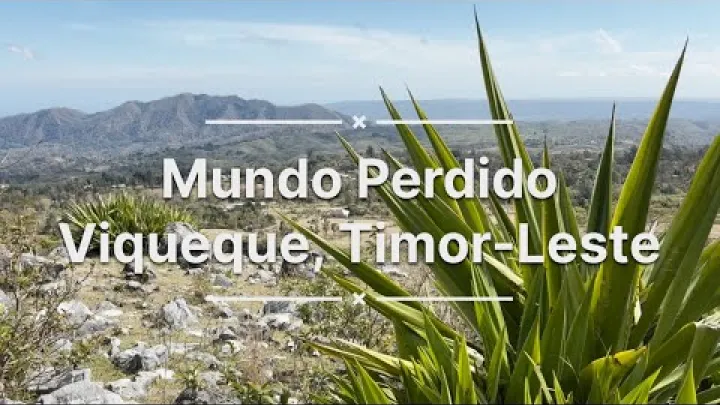
Viqueque is one of Timor-Leste's quieter destinations, where mountain landscapes, river valleys, village life, and the South Coast meet. It is better suited to travelers who value rural experiences and flexible planning than to visitors seeking resort facilities or a tightly scheduled holiday. This Viqueque travel guide explains where to stay, how to arrive from Dili or Baucau, what to do around Ossu and Loihuno, and how to plan for weather, cash, transport, and safety. Use it as a practical framework, then confirm local conditions before committing to remote routes.
What to Expect from a Trip to Viqueque
A trip to Viqueque is most rewarding when you treat the destination as a rural journey rather than a conventional sightseeing stop. The municipality has several distinct environments and experiences, so the best plan depends on whether you want a mountain hike, a riverside stay, a cultural introduction, or a slower South Coast road trip.
Where Viqueque Fits on Timor-Leste's South Coast
Viqueque is a rural municipality on Timor-Leste's South Coast. Its landscape extends from coastal plains and dense lowland areas to river valleys and the higher country around Ossu and Mundo Perdido. That variety gives the area a stronger sense of geographical change than a short visit to one town might suggest.
A local overview from Exploring Timor-Leste presents Viqueque as a remote and lightly visited part of the country. Compared with Dili or Baucau, it generally offers fewer published tourism services, less predictable road travel, and a smaller choice of accommodation and restaurants. These limits are part of the experience, but they also mean that transport, food, and overnight arrangements need more attention.
The main reasons to visit are mountain scenery, rainforest and montane landscapes, riverside settings, countryside walks, village encounters, and historical context. Viqueque is not primarily a destination for a large range of organized tours or developed beach facilities. Its appeal lies in time spent outdoors and in local communities, with enough flexibility to adapt when a road, trail, or activity does not work as expected.
Who Viqueque Suits and How Long to Stay
Two or three nights is a useful starting point for a focused visit. That length can allow one travel day, one major activity such as Mundo Perdido, and time for a town or river-valley experience. Add a buffer day if you are traveling overland, visiting remote areas, hiking, or arranging transport and guides locally. The suggested length is a planning guide, not a fixed requirement.
- Hikers: Viqueque is a strong choice if Mundo Perdido and upland scenery are the main goals.
- Slow travelers: The town, market, rural valleys, and community lodging suit visitors who prefer unhurried travel.
- Independent travelers: People comfortable with simple facilities and changing arrangements will find the destination easier to manage.
- Families and first-time visitors: A shorter, town-based stay may be more practical than a remote hiking itinerary.
- Travelers with limited time: Consider a focused excursion from Baucau or a stop within a wider South Coast route instead of trying to cover every area.
Viqueque may be a poor fit if you need seamless online bookings, frequent public transport, varied restaurants, or fixed departure times. In that case, use a better-serviced base for most of the trip and visit Viqueque only when you can allow extra time.
Viqueque Areas and the Best Places to Base Yourself
The most useful way to choose a base is to match it with your main activity. Viqueque town is the practical service center, Ossu is the mountain gateway, and Loihuno offers a quieter riverside setting. Moving between them can take more time than a map suggests.
Viqueque Town for Services and Orientation
Viqueque town is the municipality's main point for orientation and basic services. Travelers can use the town market for provisions, look for simple eateries and accommodation, and ask locally about onward transport. Administrative functions and prominent church landmarks also make the town a useful place to understand the area before heading into smaller settlements.
The Church of the Immaculate Conception in Viqueque town is a practical landmark for a short town walk. The market is another useful orientation point, especially for buying water, snacks, and other supplies. Treat both as community spaces rather than packaged tourist attractions, and be considerate when taking photographs.
Town is usually the most practical base for travelers who need food, supplies, local information, and more than one transport option. It should not, however, be treated as a dense tourism center with a wide selection of international-standard hotels, restaurants, booking platforms, or organized excursions. Confirm whether a room, meal, or transport service is available on the day you need it. Do not assume that the immediate coast has developed beach facilities or a swimming area suitable for visitors.
Ossu as the Gateway to Mundo Perdido
Ossu is the highland gateway for Mundo Perdido and an important staging point on the route between Baucau and Viqueque. It makes the most sense as a base when the mountain trek is the central purpose of your visit. Staying nearby can reduce the pressure of trying to travel from the lowlands and begin a demanding hike on the same day.

Basic accommodation and a market may help visitors arrange an early start and buy simple provisions, but Ossu is not a fully developed trekking center. Facilities, guesthouses, and transport connections can be limited or change without much online notice. The uplands may also feel cooler and cloudier than Viqueque town, particularly around the mountain routes.
Choose Ossu when mountain access matters more than restaurant choice or service variety. Arrange a local guide through your accommodation or village contacts and establish the departure plan before the hiking day.
Loihuno and the Loi Hunu Valley for a Rural Stay
Loihuno, also written Loihunu in some material, lies near the Loi Hunu River valley. It is a quieter choice for travelers interested in river scenery, countryside walks, rural hospitality, and recovery time after a mountain trip. Compared with Viqueque town, the valley offers fewer choices for dining, shopping, and onward transport.
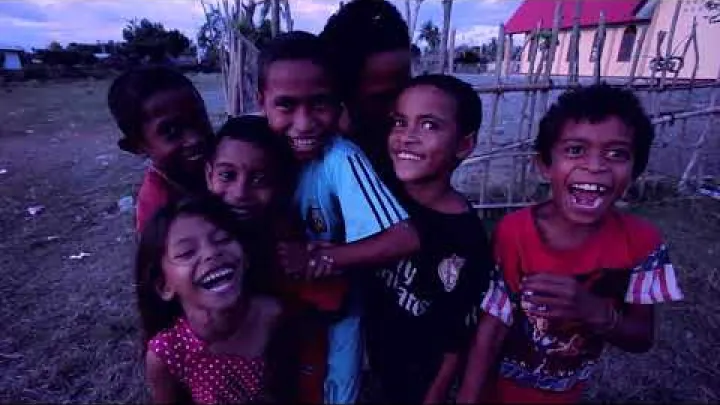
Hotel Comunitaria Wailakurini is a named community-oriented riverside lodging option reported in tourism material. Contact a host or local contact before traveling there to confirm that it is operating, accepting guests, and able to provide meals or an arrival arrangement. Do not assume that a listing reflects current room standards, electricity, water, or access.
Loihuno Waterfall should remain a possibility rather than a guaranteed part of the itinerary. Available listings do not establish consistent current public access or operating status. Ask local hosts about the route, permission, recent conditions, and whether the site is appropriate on the day of your visit.
How to Get to Viqueque and Travel Around
Getting to Viqueque is part of the trip. Road travel can be scenic but slow, and transport information is less standardized than in more visited destinations. Choose the arrival method according to your budget, comfort, flexibility, and tolerance for delays.
Traveling from Dili by Bus or Road
Travel material reports a direct bus connection from Terminal Becora in Dili to Viqueque. A local bus is usually the lower-cost option, but the departure point, vehicle, route, fare, and travel time should be confirmed close to departure. A private car or four-wheel-drive transfer costs more, but can provide greater flexibility for stops, luggage, and onward travel to Ossu or rural areas.
Some reports give specific journey times and fares, but these should be treated as changeable third-party estimates rather than a dependable timetable. Confirm the current departure time at Terminal Becora or through a trusted local contact, and ask whether the service is direct or requires a vehicle change. Road conditions and loading delays can affect the total journey.
Small-aircraft connections to Viqueque have also been reported. Do not plan around one unless the operator or a reliable local contact confirms passenger availability, booking rules, operational priorities, and weather procedures. Such a connection may not function like a regular scheduled tourist service, and weather can affect air access.
Do not arrange a tight connection after arriving in Viqueque. Allow enough time for a delayed bus, private transfer, or flight to avoid losing a night, missing a guide, or beginning a remote journey after dark.
Using the Baucau–Ossu Route
The Baucau–Ossu–Viqueque route is useful for travelers combining Baucau, Mundo Perdido, and the South Coast. It can create a logical overland itinerary because Ossu sits between the northern travel network and the mountain and lowland areas of Viqueque.
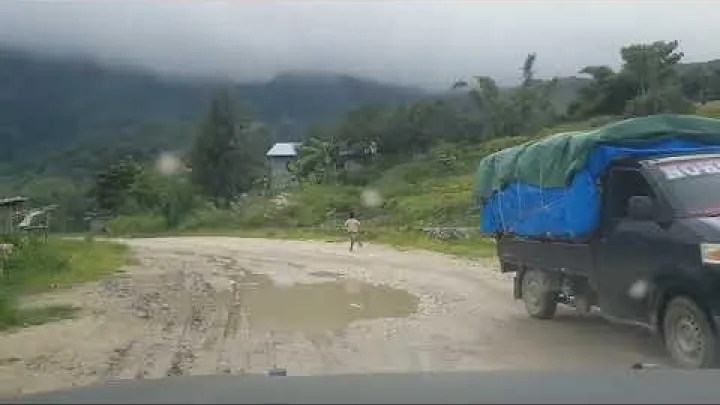
This is a scenic route, but it should be treated as a potentially rougher and less predictable alternative rather than automatically the fastest way to Viqueque town. Public transport frequencies and connections on this segment are not well documented. You may face a wait, a vehicle change, or an informal local connection.
Use an experienced driver when the route is central to your plans, especially if you are carrying hiking equipment or continuing into a remote valley. Build extra time into the route and avoid making a fixed international departure depend on a single connection from Ossu or Viqueque.
Choosing Transport Inside the Municipality
Short trips around the main town may be possible with locally arranged transport, but exploration beyond town often requires a suitable four-wheel-drive vehicle, a capable motorbike, or a driver who knows the local routes. Rough tracks, stream or river crossings, limited roadside assistance, and uncertain public transport coverage can become important once you leave the main road.
A high-clearance four-wheel-drive vehicle with an experienced local driver is the safest practical choice for remote trailheads, waterfalls, and villages when you do not have local route knowledge. A standard two-wheel-drive rental should not be assumed to reach every site. Ask the driver about the route, recent road surface, turning points, fuel, and what happens if the vehicle has a problem.
A motorbike can offer flexibility, but it is appropriate only for a confident rider with relevant off-road experience. Use a properly fitting helmet and protective clothing, carry only what you can control, and avoid remote riding when rain, poor visibility, fatigue, or uncertain fuel supply is a factor. Before leaving, consider whether you have breakdown support, a way to communicate, offline navigation, and realistic access to medical help. If any of these are missing, hire a local driver instead.
Best Time to Visit Viqueque
Weather affects more than comfort in Viqueque. It can change the quality of mountain views, the condition of unpaved roads and trails, the safety of crossings, and the reliability of remote transport. Plan around conditions and route stability, not temperature alone.
Dry and Wet Seasons
May to October is a broad framework for a drier-season visit, while late-year to early-year months are generally wetter. Climate summaries differ on the precise boundaries. One broad Timor-Leste climate overview from Facts and Details describes a strong wet period from January to April and a longer dry period through much of the rest of the year. Treat this as regional climate context, not as a forecast for Viqueque on a particular date.
Rainfall matters because mountain roads, unpaved tracks, river crossings, trail surfaces, visibility, and possible air connections may all be affected. The South Coast and the uplands around Ossu and Mundo Perdido can also have different cloud and rainfall conditions from northern Timor-Leste. Wet-season travel may bring greener landscapes and more active rivers, but it also creates greater uncertainty for remote plans.
Before leaving, check a current forecast and recent local reports. If rain could make a mountain road, ford, or trail unsafe, postpone that part of the itinerary rather than trying to preserve a fixed schedule.
Choosing Conditions for Mountains, Rivers, and Roads
June to October is generally a practical window for road-based exploration. August to October is often favored for clearer mountain conditions around Mundo Perdido, but no month guarantees a clear summit or stable road. Earlier in the dry season, scenery may remain greener and rivers may have more flow. Later in the dry season, roads may be more stable but landscapes can be dustier and drier.
Match the timing to your objective. Choose the most stable period available for a mountain trek, accept more flexibility if river scenery is the priority, and keep a town-based plan for a simple cultural visit. If you travel outside the preferred period, shorten remote routes, avoid stacking several difficult transfers together, and keep an extra day available for a change of plan.
Where to Stay, Eat, and Handle Daily Logistics
Viqueque is manageable when daily logistics are handled before you leave a larger service center. Accommodation, meals, fuel, connectivity, and cash may be available in basic form, but remote areas offer fewer alternatives when one arrangement fails.
Accommodation in Town, Ossu, and Loihuno
Viqueque town is the most practical base for simple hotels or guesthouses, basic meals, supplies, and onward transport. Ossu is better positioned for Mundo Perdido and an early mountain start. Loihuno is the choice for a quieter riverside and countryside experience, especially if you are comfortable with fewer services.
Online listings and booking channels are limited, so confirm more than the name of a property. Ask about current availability, room type, meals, electricity, water, mobile coverage, arrival time, and whether someone can meet you if you arrive by local transport. A named community lodging option can be valuable, but its current operation still needs to be confirmed directly.
Keep a backup option or an extra night in your plan when staying in a remote area. A property may be full, closed, difficult to reach, or unable to provide the service you expected. Viqueque town is the most useful fallback because it offers a broader range of basic supplies and local contacts.
Food, Water, and Trip Provisioning
Dining choices are more limited outside Viqueque town. In rural areas, a guesthouse or community lodging may be the main place to obtain a meal, and meal times may need to be arranged in advance. Ask what food is available before arriving, especially if you will reach the property late or leave early for a hike.
Buy drinking water, snacks, and simple provisions in Viqueque or Ossu before hiking or traveling into remote areas. This is particularly important for Mundo Perdido, long road segments, and locations where there may be no shop between settlements. Carry enough for delays rather than planning only for the fastest version of the journey.
If you have allergies, a strict diet, or medication-related food needs, explain them clearly to hosts and carry suitable backup food. Avoid assuming that a rural kitchen can provide substitute ingredients at short notice. Food and water hygiene should be part of your general health preparation, covered in the safety section below.
Typical Costs and Cash Planning
Build a Viqueque budget by category instead of relying on one headline daily price. Include:
- Transport from Dili or Baucau and local transfers.
- Accommodation in town, Ossu, or a rural community property.
- Meals, drinking water, snacks, and provisions.
- A local guide for Mundo Perdido or other remote routes.
- Private vehicle hire, driver costs, and fuel.
- Extra nights, route changes, and a contingency reserve.
A local bus can reduce the transport cost, while a private four-wheel-drive vehicle and driver provide more flexibility at a higher cost. Reported bus fares and guide fees should be treated as historical or indicative unless a current local quote confirms them. Accommodation and meal prices are not sufficiently consistent to justify invented figures.
Carry enough cash for extra nights and transport, and confirm ATM access, card acceptance, and fuel availability before leaving a larger service center. Rural payment options and prices may not be reliable enough to support a card-only plan. A cash reserve also protects the rest of your itinerary if a vehicle change or delay becomes necessary.
Connectivity, Fuel, and Booking Backups
Mobile coverage, internet access, fuel supplies, mechanical help, clinics, and other services may be concentrated in larger settlements and uncertain in remote valleys. Buy or activate a local SIM where possible, test it before leaving a connected area, and download offline maps. Share your planned route and expected return with a host, driver, or trusted contact.
Refuel and deal with vehicle problems in larger centers before entering remote parts of the municipality. Do not assume that a rural valley will have a fuel station, repair service, reliable data connection, or quick roadside assistance.
For bookings, keep the contact details of your host, driver, and any guide separate from your phone's online accounts. A flexible arrival date and a town-based backup can be more useful than depending on a global booking platform to show every available room. Ask local contacts what alternative is realistic if your first property or transport arrangement is unavailable.
The Best Things to Do in Viqueque
Viqueque's activities are centered on landscape and community rather than a long list of formal attractions. Choose one main objective, then leave room for a town visit, a riverside stop, or a slower day.
Hike Mundo Perdido with a Local Guide
Mundo Perdido is Viqueque's main mountain experience. It reaches a reported elevation of 1,763 metres and includes montane forest, karst terrain, pasture, and potential views toward the coast. Gunung Bagging describes it as a one-day trek with important remaining closed-canopy tropical montane forest on Timor Island.
Route reports describe a demanding hike from a high saddle near Ossu, taking roughly six to seven hours. Sections may be unmarked or difficult to follow, and cloud can change quickly. The duration is a reported estimate, not a promise for every group; fitness, navigation, weather, and the exact route will affect the day.
Arrange a local guide through accommodation or village contacts. Carry enough water and food for the full outing, and make the main viewpoint the realistic objective unless a local guide confirms that continuing toward the true summit is appropriate. A late dry-season visit may improve the chance of clear views, but it does not remove the need to assess the trail and weather before starting.
Explore the Loi Hunu River Valley
The Loi Hunu valley and the riverside setting near Wailakurini provide a lower-intensity alternative to a mountain trek. Travelers may spend time by the river, walk through the countryside, rest at community lodging, or use the valley as a recovery stop after Mundo Perdido. The experience is about scenery and local hospitality rather than a fully developed attraction circuit.
River depth, current, clarity, and access can change after rainfall. Local hosts can explain which places are currently used for bathing or recreation and whether access is suitable on that day. Treat Loihuno Waterfall as a verify-before-you-go possibility because available listings do not establish consistent current public access or operating status.
Keep the valley plan flexible. A riverside stay can work well even if a waterfall route is unavailable, provided you are interested in walking, resting, and experiencing the rural setting rather than expecting a sequence of managed attractions.
See Viqueque's Churches, Market, and Historical Context
A short cultural visit can begin at the Church of the Immaculate Conception in Viqueque town, continue through the local market, and include the church in Ossu if your route passes through the highlands. These are useful orientation points for observing daily life and understanding how settlements function, even when there is no formal visitor program.
Catholic religious life and Viqueque's resistance history are important parts of the municipality's wider identity. They should be approached as local context, not as a claim that a particular museum, memorial, former hideout, or historical site is open to tourists. Ask hosts about places that can be visited appropriately and whether a local person should accompany you.
Wear respectful clothing and behave quietly during services. Ask permission before photographing people, religious spaces, homes, or community activities. Local encounters are best treated as relationships and conversations rather than staged attractions.
Safety and Responsible Travel
Remote travel requires more preparation than a short visit to Dili or Baucau. The most important distinction is between national safety guidance and local route decisions: a country-level advisory cannot provide a Viqueque-specific risk rating, while a local host may know whether a road, river, or trail is currently practical.
Current Safety Guidance and the Dili Connection
At the time of writing, the U.S. Department of State advises travelers to exercise increased caution in Timor-Leste because of the risk of crime and unrest. This is national guidance, not a conclusion that Viqueque is categorically safe or unsafe. Recheck the advisory and other official guidance before departure because conditions and recommendations can change.
Dili matters to a Viqueque trip because many international arrivals, transport arrangements, and overland departures connect through the capital. Avoid demonstrations and large crowds, use extra caution at night, and allow time to move through urban areas without rushing to a South Coast departure. Keep your itinerary, accommodation details, and transport plans available to a trusted contact.
Arrange suitable travel insurance, emergency contacts, and a realistic communication plan before leaving connected areas. Check that your insurance covers hiking, motorbike travel if relevant, medical evacuation, and changes caused by transport disruption. Remote routes can make help slower to reach, so the plan should account for that distance.
Health, Hiking, and Water Precautions
Rural medical services may be limited, and a long or rough transfer can complicate treatment after an accident or serious illness. Prepare treated or bottled drinking water, sensible food hygiene, sun protection, insect precautions, suitable footwear, and a small personal first-aid kit. Bring essential medication in sufficient quantity and keep it accessible during road travel.
For a remote hike, use a guide or trusted local contact, carry adequate water and food, download navigation information, and tell someone your expected return time. Choose footwear and clothing for uneven ground, changing temperatures, sun, and rain. Do not begin a demanding route simply because the plan says it should fit into one day.
Ask local hosts where swimming is currently considered safe before entering a river, waterfall pool, or coastal water. Never enter a river or ford after heavy rain, and stay away from fast-flowing or recently flooded water. If local advice is unavailable or conditions are unclear, replace swimming with a walk or town-based activity.
How to Build a Flexible Viqueque Itinerary
A good Viqueque itinerary has a clear main objective but does not depend on every connection working perfectly. Use the following plans as frameworks that can be shortened, rearranged, or changed locally.
A Mountain-Focused Two- or Three-Night Plan
For a mountain-focused visit, travel from Dili or Baucau toward Ossu or Loihuno, depending on the route and lodging you arrange. Use the first arrival period to settle in, buy provisions, and arrange a guide. Do not combine a long arrival journey with the Mundo Perdido hike on the same day.
- Arrival day: Reach Ossu or a nearby base, settle into accommodation, and confirm the guide, route, food, water, and start time.
- Mountain day: Reserve a full day for Mundo Perdido if the local guide considers the trail and weather suitable.
- Recovery or culture day: Use the Loi Hunu valley, Wailakurini, or Viqueque town for a slower riverside and cultural experience.
- Departure day: Continue toward the next South Coast stop or return through the route that best matches your confirmed transport.
A spare day is valuable for rough roads, cloud, a delayed guide, or a change to the hiking plan. If the mountain day does not work, substitute a town-and-river day rather than forcing the trek into poor conditions.
A Town-and-River Plan for a Slower Visit
Travelers who do not want a demanding trek can base themselves in Viqueque town or Loihuno. Spend time at the market and church landmarks, arrange a countryside walk, rest near the river, and ask local hosts about nearby activities that are currently accessible. This approach is also useful during uncertain weather because it reduces dependence on a high mountain route.
Keep waterfalls, swimming, coastal visits, and other remote activities conditional on local advice and access. The plan remains worthwhile if one activity is unavailable because its main purpose is to experience the town, valley, and pace of rural life.
Compared with the mountain-focused option, this itinerary usually requires less physical effort and can use a more stable base. It still needs transport planning and a food and cash reserve, but it offers more options to shorten the day or remain near accommodation if conditions change.
What to Confirm Before Leaving Dili or Baucau
Use this prioritized checklist before entering remote parts of Viqueque:
- Entry and documents: Confirm passport validity and nationality-specific entry or visa requirements through current official channels.
- Safety: Review the current official travel advisory and understand how you will receive urgent updates.
- Transport: Confirm the departure point, schedule, fare, vehicle, driver, route, and expected arrival time.
- Vehicle and roads: Confirm that the vehicle is suitable for the route and that the driver knows the current access conditions.
- Weather and activities: Check the forecast and recent local reports, then confirm whether the mountain, river, or village plan is appropriate.
- Accommodation and guide: Confirm the room, meals, arrival arrangement, guide, meeting point, and fallback option.
- Supplies: Carry enough cash, fuel planning, food, water, medication, and basic equipment for delays.
- Communication: Download offline maps, charge your phone and backup power, and share your route and expected return.
Proceed when transport, lodging, weather, and local access are sufficiently confirmed. If several of these remain uncertain, delay the remote route or simplify the trip to a town-based plan.
Final Takeaways for Planning a Viqueque Trip
Viqueque is worth visiting for travelers who want a less-developed South Coast experience built around mountains, rivers, rural communities, and local context. Base in Viqueque town for services, Ossu for Mundo Perdido, or Loihuno for a quieter valley stay. Allow at least two or three nights when possible, use local knowledge for remote routes, and budget for basic facilities and changing transport arrangements.
The strongest Viqueque travel plans are flexible. Confirm transport and accommodation, prepare food and cash before leaving a service center, choose a capable vehicle and driver for difficult roads, and make weather and local advice part of every mountain or river decision. With those precautions, Viqueque can be a rewarding addition to a Timor-Leste South Coast itinerary rather than a rushed detour.
Select area
Create a post
Posting is free and no registration is required.