Liquiçá Travel Guide, Timor-Leste: Beaches, Heritage & Planning
This Liquiçá travel guide is for first-time visitors planning a practical coastal escape from Dili. Liquiçá combines beaches and coves on the Savu Sea with colonial heritage, rural villages and inland hills, but it is not a large resort or nightlife destination. The most important decisions are how to travel from Dili, whether to make a day trip or stay overnight, and how much flexibility to allow for dispersed sites and changing local conditions. This guide covers the route, activities, bases, seasons, costs, safety and sample itineraries.
Liquiçá at a Glance
Liquiçá is a coastal municipality west of Dili on Timor-Leste’s north coast. Its appeal is the combination of a relatively accessible road journey, a low-key seaside setting and several places connected with Timor-Leste’s colonial and local history. The official Timor-Leste Tourism overview describes a coastline of beaches, coves and rocky headlands.
What to Expect from a First Visit
Liquiçá suits travelers who enjoy coastal scenery, quiet beach time, heritage sites and flexible road trips. It can work well for visitors who have already spent time in Dili and want a slower change of pace without committing to a remote expedition. The municipality also offers a chance to observe ordinary coastal and rural life rather than a fully packaged resort experience.
That character brings useful expectations. You should not plan around a large selection of restaurants, nightlife venues, organized tours or guaranteed visitor facilities. A beachfront property may provide a more self-contained stay, while a town visit can feel more connected to local daily activity. In either case, treat Liquiçá as a destination where simple planning matters: know how you will arrive, how you will return, and which one or two sites matter most to you.
How Many Days to Allow
A day trip from Dili is possible because Liquiçá is close to the capital by road. It is the right choice when your priorities are a beach stop, a short walk around town, one heritage site and a coastal drive. A day trip is less suitable if you want to include both Maubara and Lake Maubara, attempt a hill walk or leave substantial time for unplanned stops.
One night is the most balanced option for a first visit. It gives you time for Liquiçá beach, a relaxed afternoon or sunset, the town and at least one heritage stop without making the day feel like a series of rushed transfers. It also gives you more room if road traffic or site access takes longer than expected.
Allow two nights only when you want a slower coastal stay or have a confirmed plan for Maubara, Lake Maubara, rural exploration or a property-based beach break. The extra night is valuable for pacing, but it does not automatically create more activities. Confirm accommodation and transport before building a longer itinerary.
Where Liquiçá Fits on the Timorese North Coast
The easiest way to understand the area is to picture a coastal road linking several different types of stop. Liquiçá town is the main local anchor, while Lauhata, Maubara, the beaches and inland areas add heritage, scenery and rural context at different points along or near the coast.
Liquiçá Town, the Coast, and the Inland Hills
Liquiçá municipality is better understood as a connected coastal area than as one compact tourist center. Liquiçá town provides the clearest base for a first visit, with a beach and a compact civic area. From there, the landscape extends through beaches, coves, rocky coastal sections and hill country that rises inland. Lauhata and Maubara are useful anchors for planning a westward coastal route, while Lake Maubara provides an inland contrast.

Parts of the town may be explored on foot, especially if your plan is centered on the beach and nearby landmarks. The municipality’s more dispersed attractions require a vehicle or a locally arranged transfer. Public, religious and memorial landmarks may be visible in or around the town, but access, signage and opening arrangements should be treated as matters to confirm locally rather than assumed from an old map or listing.
Most visitors spend time in one or more of four ways: relaxing at the coast, driving for scenery, visiting colonial heritage sites, or making a short rural excursion. Roadside produce, villages and hill views can be part of the experience, but they should be approached as real communities and working landscapes, not as staged attractions.
How Liquiçá Compares with Other North Coast Stops
The best base depends on the kind of trip you want. Dili is the practical urban base, with a larger service and accommodation supply and easier access to national transport. Liquiçá offers a quieter coastal setting with a stronger combination of beach time and heritage. Tibar is closer to Dili and can suit travelers who prefer a retreat-style property and views across the coast. Maubara is a useful westward extension for visitors interested in a fort, a lake and a more rural landscape.
- Choose Dili if you want the widest choice of services, restaurants, transport and day-trip support.
- Choose Liquiçá town or its nearby coast if you want to wake near the beach and spend more time in the municipality itself.
- Choose Tibar if quiet surroundings and proximity to Dili are more important than being in Liquiçá town.
- Add Maubara if your priorities include colonial history, craft sellers and Lake Maubara.
- Plan Atauro Island separately if snorkeling or diving is the main purpose of your trip. Atauro is a boat-access destination and is not a direct substitute for a road-based Liquiçá visit.
Best Things to Do in Liquiçá
Liquiçá works best when you combine one coastal experience with one cultural or nature stop. That approach leaves time for the road, local encounters and changing conditions instead of treating the municipality as a checklist of attractions.
Enjoy the Beaches and Coastal Scenery
Liquiçá beach is a natural starting point for a visit. It is described as a long coastal beach used by Timorese residents, with weekends potentially bringing more local activity. The setting is more communal than private: visitors share the shore with local families and other beach users, so the experience depends as much on atmosphere and scenery as on facilities.
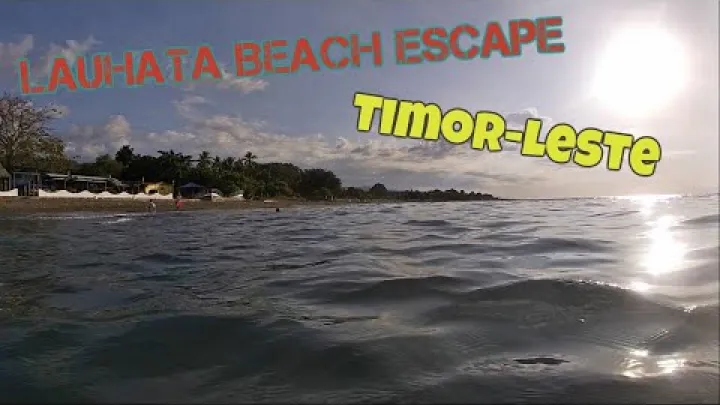
Beyond the main beach, the municipality includes rocky headlands, coves, sea views and reef areas promoted for swimming, snorkeling and diving. These descriptions should be treated as an invitation to explore rather than a guarantee of clear water, strong reef visibility, lifeguards or safety signage. Water conditions can change, and not every attractive coastal section is necessarily suitable for swimming.
For a safer beach stop, assess waves, currents, tide and visibility when you arrive, and stay within your ability. Carry drinking water and sun protection because exposed coastline can feel hot even during a short stop. Leave space for local users, avoid taking over family areas and ask before photographing people. The coast is a shared local space, not a private resort shoreline.
Explore Ai Pelo Prison and Maubara Fort
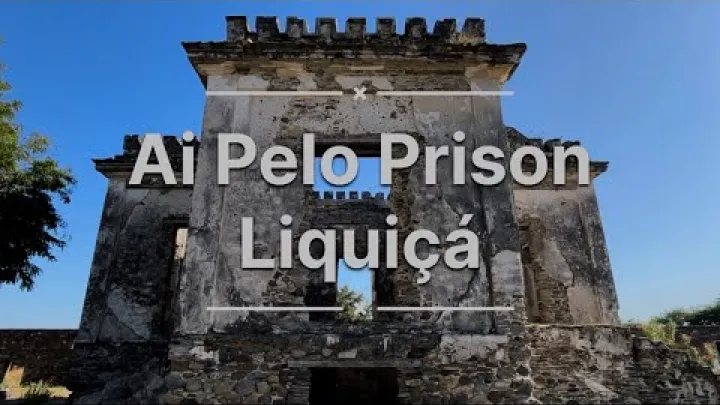
Ai Pelo Prison near Lauhata adds historical depth to a beach-focused route. It is associated with the Portuguese colonial period and is known as a ruined heritage site. Its condition, restoration history and any restrictions around the structures make it especially important to treat the site as a place of history and memory, not simply as a photography stop. Do not assume that all parts are open or safe to enter.
Maubara Fort is a Dutch colonial-era landmark. Its original stone walls and cannons remain central to the site’s character. The official Timor-Leste Tourism listing describes a restaurant and small craft-selling facilities within the fort grounds, but present services, opening arrangements and conservation work can change.
These two sites can give a coastal drive a clear historical theme. Allow time to look at the setting and understand the different colonial histories represented, rather than trying to visit quickly between beach stops. Before you go, ask a local host, guide or the site’s current contact about access, restoration activity, signage, payment and photography restrictions.
Add Lake Maubara, Rural Walks, and Coastal Wildlife Stops
Lake Maubara offers a quieter inland contrast to the coast and fort. It is associated with birdlife, including reported pelican sightings, but sightings are possibilities rather than a scheduled attraction. Bring patience and keep expectations modest. A lake visit can be worthwhile even when no notable wildlife appears because it adds a different view of the municipality’s landscape.

Hill walks around the lake are described as informal and unmarked. They are better suited to experienced hikers who have local guidance than to casual visitors expecting a maintained trail. Before attempting an unmarked route, ask a local host or guide about current conditions, navigation, water, footwear and whether the route crosses private or community land. Do not rely only on a phone map, and turn back if the route becomes unclear.
Elevated coastal sections west of Maubara may offer opportunities to look for whales or dolphins. Such sightings are seasonal and not guaranteed, so use them as an optional observation stop rather than the central reason for a tightly timed trip. Binoculars can be useful, but careful observation of the sea and landscape is more realistic than promising a particular species or sighting success.
Roadside produce, villages and the inland hills also form part of the municipality’s character. Stop only where it is appropriate, ask permission before photographing people or homes, and buy from local sellers respectfully. Everyday life should be observed with consent and patience, not turned into an unplanned performance for visitors.
Getting to Liquiçá and Getting Around
Liquiçá is close enough to Dili for a road-based visit, but the distance does not mean that every connection is frequent or simple. The route and the vehicle you choose will shape which sites are realistic.
Travel from Dili to Liquiçá by Road
Road estimates put the Dili–Liquiçá journey at approximately 31 kilometers, with indicative travel times of about 45 to 52 minutes in ordinary conditions. A Rome2Rio route listing reports a local bus from Tasi Tolu Bus Station to Liquiçá once daily, with a fare of about 2 US dollars and a journey of around 45 minutes. Other public information may show different fares or schedules, so these figures are examples, not fixed promises.

Before leaving Dili, confirm the day’s departure time, fare, destination point, remaining seats and return option at Tasi Tolu Bus Station or through a trusted local host. Ask specifically whether a bus will be available for your return, rather than assuming that an outbound service guarantees a convenient trip back. If the timing does not fit your plan, compare a taxi, private car or hired driver. A private vehicle costs more but gives you control over stops at Lauhata, Maubara, beaches and viewpoints.
The coastal road is part of the attraction, but it is also a working road with mixed traffic and variable driving conditions. Keep the schedule generous, avoid building an itinerary around an exact arrival minute, and use a driver familiar with the route when you plan several dispersed stops.
Moving Between Town, Beaches, and Sites
The coastal road connects Liquiçá town, Lauhata, Maubara, beaches, heritage sites and nearby villages, but the attractions are not arranged as one walkable visitor district. A town-centered day can be partly explored on foot. Reaching Ai Pelo, Maubara Fort, Lake Maubara or inland areas requires more planning than walking between nearby town landmarks.
For several sites in one day, the practical fallback is to arrange a driver for a defined route or ask your accommodation whether it can organize a transfer. Agree in advance on the stops, waiting time, total price, fuel or meal arrangements and the point where you will finish. Some properties may be able to arrange transport, but availability and pricing vary.
If you are traveling without a private vehicle, reduce the number of stops rather than assuming that informal local transport will appear when needed. A focused plan around Liquiçá town and the beach is more reliable than attempting the lake, hills and far-western coast without a clear local arrangement.
Where to Stay in Liquiçá Municipality
Overnight accommodation changes the pace of a Liquiçá visit. A town or nearby beachfront base is usually the most useful for a first visit, while Tibar offers a different balance between seclusion and access to Dili.
Choose Liquiçá Town or a Beachfront Stay
Liquiçá town or the nearby beachfront is the most balanced base for travelers who want the local beach, town landmarks and a relaxed coastal atmosphere. Staying close to town can make short walks and local observation easier. A beachfront property can make the accommodation itself part of the trip, especially when you want fewer transfers and more time by the sea.
Caimeo Beach Resort and Lauhata Beach Escape are examples of documented coastal accommodation options in the area. Their names and published descriptions should not be treated as quality rankings or guarantees of current service. Ask each property directly about room availability, meals, beach access, electricity or water arrangements, transfers and the total nightly price.
The central trade-off is convenience versus connection. A more self-contained property may offer meals, views or arranged transport if those services are operating. A town stay may place you closer to everyday activity but require more planning for meals or excursions. Choose based on your priorities instead of assuming that one property is best for every traveler.
Choose Tibar for a Quieter Base Near Dili
Tibar is an alternative base closer to Dili and should be understood as distinct from Liquiçá town, even though it can fit into a wider Liquiçá-area itinerary. Retreat-style accommodation such as Tibar Beach Retreat is suited to travelers who prioritize quiet surroundings and elevated coastal views, including views toward Atauro Island.
A Tibar stay works well when you want a regional coastal escape with easier access to Dili. It is less suitable if your main goal is to walk around Liquiçá town, use local transport from the town center or spend several days exploring Maubara and Lake Maubara. Treat Tibar as a base with its own atmosphere, not as an interchangeable address for staying in Liquiçá.
What to Confirm Before Booking
Accommodation in the municipality is more limited and less consistently listed online than in Dili. Lower-cost choices may exist locally without having complete, current online information. Dry-season weekends and periods of stronger local demand can also reduce availability, so contact properties earlier when your dates are fixed.
Before booking, contact the chosen property and confirm:
- Availability: the exact room type, dates and check-in time.
- Total price: the full amount, including meals, taxes, transfers or other charges if applicable.
- Services: which advertised amenities are operating now, especially meals, internet, water, electricity and beach access.
- Transport: whether a pickup or site transfer is available, where it starts and what it costs.
- Payment: accepted currency, payment method and any deposit requirement.
- Changes: cancellation terms and what happens if your transport is delayed.
Keep the written confirmation or message with you, but also make sure the arrangement is clear in simple language. A listing is a starting point; the property’s direct confirmation is the more useful basis for planning.
When to Visit and How to Prepare
Seasonal conditions affect beaches, roads, side trips and marine visibility. There is no single best month for every traveler, so choose the period that matches your activity priorities and tolerance for flexible plans.
Dry Season and Wet Season Trade-offs
Timor-Leste has warm conditions through the year, with a broad pattern of drier weather from about May to November and wetter conditions often concentrated between December and March. The World Bank Climate Knowledge Portal presents historical climate context based on observed data from 1991 to 2020. That information helps with broad planning, but it is not a forecast for your travel dates.
The drier period is generally more convenient for coastal road travel, beach time and marine activities. It may be the better choice if you have a short visit and need a higher chance of keeping an outdoor plan. The wetter period can still suit travelers who are comfortable with rain, slower changes of plan and choosing activities on the day.
Choose timing according to your priority. For easier overland movement, favor the broader dry season. For a beach-centered visit, also consider sea conditions and visibility rather than rainfall alone. If you prefer a quiet stay and can accept changes, shoulder or wetter months may remain possible, but avoid presenting historical seasonal patterns as guaranteed daily conditions.
Plan Around Heat, Rain, and Sea Conditions
Strong sun and heat affect exposed beaches, dark sand, roadside stops and walks around uneven heritage sites. Plan demanding outdoor activity for earlier or later in the day, take breaks in shade and carry enough drinking water for the period when you will be away from your base.
Rain can change the practical value of a side road, an informal hill walk, a coastal drive or a marine activity. It can also reduce visibility and make uneven heritage areas more difficult to visit. Before a wet-season side trip, check a current forecast and ask locally about road conditions. Keep a coastal or town-based alternative available if the lake, hills or a remote section becomes unsuitable.
Sea conditions deserve the same attention as weather. A beach that looks calm from the road may still have currents or changing surf. Make the decision at the water, swim within your ability and do not treat the absence of warning signs as evidence that conditions are safe.
Pack for the Coast and Respect Local Spaces
Pack for a destination where rental services and visitor infrastructure may be limited. Useful basics include:
- Drinking water and a small day bag.
- Sun protection, including a hat, sunscreen and sunglasses.
- Light rain protection, particularly outside the drier period.
- Swimwear and a towel if your accommodation or beach plan supports swimming.
- Secure footwear for hot sand, uneven ground and heritage sites.
- Any medication you need, plus a small personal first-aid kit.
Use modest, context-sensitive clothing at beaches used by local families and at religious, memorial and heritage locations. Ask permission before photographing people. At Ai Pelo, memorial spaces, villages and craft areas around Maubara Fort, move carefully, follow local instructions and avoid touching or climbing on historic structures.
Costs, Safety, and Essential Logistics
Liquiçá can be planned at several spending levels, but the most useful budget is a list of cost categories rather than one attractive daily number. Published information is not comprehensive, especially for local transport, small properties and informal activities.
Build a Realistic Liquiçá Budget
Separate your budget into the parts that can change the total most:
- Transport from Dili: a local bus may be the lower-cost option when its timing works, while a taxi, private car or hired driver provides more flexibility.
- Accommodation: compare a town room, a beachfront property and a retreat-style base, noting what is included in the quoted rate.
- Meals: distinguish meals at a property from local food or roadside purchases, and confirm whether breakfast or dinner is included.
- Local transfers: include transport between town, beaches, Lauhata, Maubara and Lake Maubara if you are not walking.
- Guides and activities: allow for a local guide if you want to attempt an unmarked hill route or arrange a specific nature activity.
- Contingency: keep a reserve for a different vehicle, an extra night or a change caused by weather or access.
A lower-cost day trip may combine public transport, local food and one main stop. A mid-range overnight plan may combine a private room, meals and a property-arranged transfer. A higher-flexibility plan will usually rely more on a private driver, a beachfront property and optional guiding. These are planning models, not fixed price bands.
Request a current all-in quote and confirm accepted payment methods before booking transport, accommodation or activities. Ask what is included, which currency is required, whether meals and transfers are separate, and whether payment is due in advance. This prevents a low headline price from becoming an unexpectedly expensive arrangement.
Safety, Health, and Emergency Planning
Check the current official advisory immediately before departure. At the time of writing, Smartraveller lists Timor-Leste under exercise a high degree of caution. A national advisory does not provide a complete Liquiçá-specific crime picture, so use it as a starting point and combine it with information from your accommodation or trusted local contacts.
Practical precautions are straightforward. Secure your phone, money and passport; avoid displaying valuables; and avoid isolated areas after dark. Stay away from demonstrations and large gatherings, even if they appear peaceful, and monitor local developments that could affect roads, public services or your planned return. Do not describe Liquiçá as uniformly dangerous, but do not assume that a quiet coastal setting removes normal travel risks.
Medical capacity outside Dili may be limited compared with the capital. Arrange travel insurance that covers your activities and possible medical transport, carry necessary medication in its original packaging, and bring a personal first-aid kit. Keep emergency and consular contact details accessible, tell someone your route and accommodation, and know how your driver or property would help if you became ill or were unable to continue.
Language, Local Identity, and Respectful Travel
Tocodede is an important part of Liquiçá’s local identity. Tetum and Portuguese also matter in Timor-Leste’s national, administrative and visitor contexts, while English ability may vary considerably outside tourism-facing accommodation. You do not need to speak all these languages, but patience and clear communication are valuable.
Confirm names, times, prices and meeting points in simple language. Keep your accommodation’s name and contact details available, and ask the property or driver to repeat arrangements when a transfer involves several stops. A translation tool can help, but it should support a clear conversation rather than replace confirmation of an important booking or payment.
Respectful travel includes asking before photographing people, villages, craft sellers and family groups. At Maubara Fort and other heritage or memorial places, listen to local instructions and treat the setting as part of the community’s history. Supporting locally operated accommodation, guides, food sellers and craftspeople can make your visit more useful to the communities you pass through.
Sample Liquiçá Itineraries
Use these itineraries as structures rather than fixed timetables. Select fewer stops when transport is informal, access is uncertain or weather changes the road plan.
A One-Day Trip from Dili
A realistic day trip should have one main theme and one secondary stop. Two routes work particularly well:
- Beach and town route: travel from Dili to Liquiçá, spend time at Liquiçá beach, explore the compact town area and allow a slow coastal stop before returning.
- Heritage coast route: travel along the coast with Ai Pelo near Lauhata and Maubara Fort as the main historical priorities, adding only a short beach or viewpoint stop if time and access allow.
Do not try to cover every beach, the lake, the hills, several villages and both heritage sites in one day. A scenic drive, a short beach stop and one heritage visit are more realistic than a full municipality circuit. Build the return journey into the plan from the beginning and choose the route that matches your confirmed vehicle or local transport arrangement.
A One- or Two-Night Coastal Stay
For one night, arrive from Dili with enough daylight for a beach stop and a relaxed check-in. Use the afternoon for Liquiçá town or the coast, then keep the evening simple with a meal at your accommodation or another confirmed option. The next morning, choose one heritage or nature excursion, such as Maubara Fort or Lake Maubara, before returning to Dili or continuing west.
With two nights, slow the same plan rather than adding a long list of stops. Use the middle day for Maubara Fort and Lake Maubara, or choose one site and spend the rest of the day at the coast. Informal rural observation can replace a second attraction if you prefer a less hurried visit, but unmarked hill routes should only be attempted with suitable local guidance.
Your base changes the balance of the itinerary. Liquiçá town gives better access to local activity and town walks. A nearby beachfront property gives more seclusion and may simplify meals or beach time if its services are operating. Tibar gives easier proximity to Dili and a retreat setting, but it is not the same experience as staying in Liquiçá town.
A Slower Timorese North Coast Extension
Liquiçá can serve as a westward extension of a Dili stay. A simple corridor might connect Dili with Tibar, Liquiçá town, Lauhata and Maubara, with the exact sequence shaped by your accommodation and vehicle. Maubara and other coastal stops can be added when road, opening and lodging conditions make them practical.
Treat remote or poorly documented inland and far-western sections as optional. Do not assume that a scenic road forms a fully serviced touring route with regular fuel, food, accommodation or transport. For each extension, confirm the road, a realistic place to stay and how you will reach the next stop. A local host or driver can help distinguish an appealing map route from a practical one.
If snorkeling or diving is the central goal, plan Atauro Island as a separate component with its own boat and accommodation arrangements. It can complement a Timorese North Coast itinerary, but it should not be forced into a road-based Liquiçá day or overnight plan.
Final Takeaways for Planning a Liquiçá Trip
Liquiçá is a good choice for travelers who want beaches, colonial heritage and rural coastal scenery within reach of Dili, provided they are comfortable with a low-key destination and limited certainty around local services. Choose a day trip for Liquiçá beach and one main stop, one night for a more relaxed first visit, and two nights only when you have a clear reason and confirmed arrangements.
For the simplest plan, base yourself in Liquiçá town or nearby, travel with time to spare, and combine the coast with either Ai Pelo, Maubara Fort or Lake Maubara. Check transport, accommodation, weather, access and current safety advice as part of the trip itself. That preparation leaves you free to enjoy the Savu Sea, local life and the quieter pace that makes Liquiçá different from Dili.
Select area
Create a post
Posting is free and no registration is required.