Liquica Budget: Daily Travel Costs in Timor-Leste
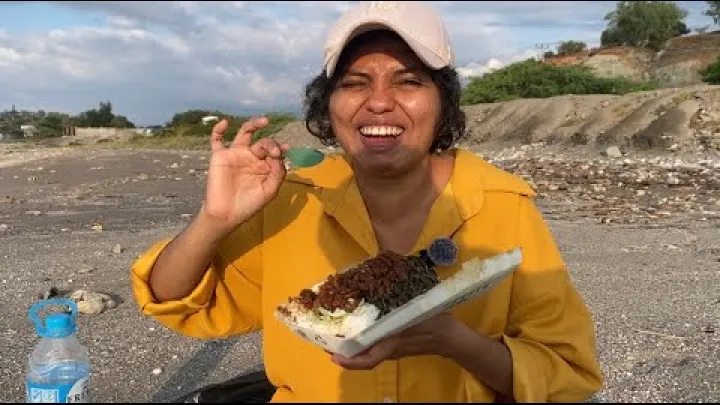
A Liquica travel budget can stay moderate, but the final amount depends heavily on where you sleep and how you move around the district. Liquica town, Maubara, Tibar, and the coastal resort areas serve different types of travelers, so one daily price does not fit every itinerary. This guide gives practical budget, mid-range, and comfortable estimates, then separates lodging, food, transport, activities, cash needs, and fixed arrival costs. Use the figures as planning ranges rather than guaranteed tariffs, especially for small guesthouses, informal transport, and seasonal accommodation.
Liquica Travel Budget at a Glance
For on-the-ground spending, plan approximately USD 35–45 per person per day for budget travel, USD 80–100 for a mid-range trip, or about USD 150–170 for a comfortable stay. These figures assume different accommodation, dining, transport, and activity choices. They exclude international flights, visa or entry costs, insurance, nights in Dili, and other one-time expenses.
Indicative Daily Budgets for Budget, Mid-Range, and Comfortable Travel
The table uses amounts per person. Accommodation is shown as the amount assigned to each traveler, so a shared room or villa rate must be divided between the occupants. Some local listings do not clearly state whether a price is per room, per person, or part of a meal package. Apply the rate only after confirming its basis.
| Travel style | Accommodation | Food | Transport | Activities | Daily total |
|---|---|---|---|---|---|
| Budget | USD 15–25 | USD 10–15 | USD 0–5 | USD 0–5 | USD 35–45 |
| Mid-range | USD 35–50 when shared | USD 20–30 | USD 5–10 | USD 10–20 | USD 80–100 |
| Comfortable | USD 45+ shared or USD 100+ single | USD 35–45 | USD 20–40 | USD 30–60 | USD 150–170 |
The budget tier assumes a basic guesthouse, local meals, shared or limited transport, and mostly free beach or walking days. The mid-range tier allows for more comfortable lodging, a mix of local and property-based meals, occasional private transport, and some paid activities. The comfortable tier assumes a resort or higher-quality room, restaurant meals, hired transport, and organized excursions.
These are indicative planning ranges assembled from limited local snapshots and broader Timor-Leste travel reports. They are not an official Liquica price list. Rates can also change when a property sells a whole villa, applies a weekend rate, or requires meals or transport as part of the booking.
What Each Daily Range Includes
A budget traveler might allocate USD 15–25 for a basic room or a shared portion of a room, USD 10–15 for three simple meals, water, and snacks, and a small amount for local movement. A beach walk, village visit, or quiet day near the accommodation may require no separate activity payment. This pattern works best when local food and simple lodging are available near the chosen base.
For mid-range travel, USD 35–50 per person is a reasonable accommodation allowance when two people share a more comfortable room. Food can rise to USD 20–30 per day when breakfast is purchased at the property, meals are more substantial, or drinks are added. Transport may include occasional transfers, short private hires, or a contribution toward a vehicle shared with other travelers. A modest activity allowance can cover entrance-related costs, a local guide contribution, or an occasional organized visit.
Comfortable travel has a wider accommodation spread. A resort room may cost about USD 45 per person when shared, while single occupancy can push the accommodation portion to USD 100 or more. Resort dining, private transport, and organized marine or inland activities then raise the total. A comfortable daily average does not mean that every day costs the same. One dive or private excursion can exceed the activity allowance for a normal beach day.
Breakfast deserves special attention. A room that includes breakfast can make a higher nightly rate more competitive, while a full-board rate can make spending predictable without being the cheapest option. Always compare the total package, not only the headline room price. Ask whether the amount is per room or per person and whether breakfast, other meals, taxes, and extra occupants are included.
Trip Totals: Separate Daily Costs from Fixed Costs
Use this simple planning formula: local daily budget multiplied by the number of spending days, plus international airfare, entry or visa costs, insurance, Dili accommodation, and one-time access or transfer costs. This prevents a short stay from appearing to have an unusually high Liquica daily price simply because airfare and arrival expenses are divided across only a few days.
The following examples show local spending only. They use the daily ranges above and do not include a dive, private day trip, international flight, visa or entry charge, insurance, Dili nights, or the transfer from Dili to the chosen base.
| Liquica spending days | Budget traveler | Mid-range traveler | Comfortable traveler |
|---|---|---|---|
| 3 days | USD 105–135 | USD 240–300 | USD 450–510 |
| 5 days | USD 175–225 | USD 400–500 | USD 750–850 |
| 7 days | USD 245–315 | USD 560–700 | USD 1,050–1,190 |
Spending days and accommodation nights are not always the same. A five-day itinerary might contain four or five nights, depending on arrival and departure times. Put Dili nights on their own line, then add the confirmed number of Liquica nights. Add planned high-cost activities separately instead of hiding them inside the average. For example, two days with no paid activity and one day with a dive should remain visible as different parts of the worksheet.
Accommodation Costs in Liquica District
Liquica District is not one uniform accommodation market. Liquica town may be useful for access to everyday services, Maubara is a strong budget reference point, and Tibar and the coastal resort areas may appeal to travelers who value a beach setting or convenience near Dili. Online availability is limited, so the price you find may depend as much on direct contact and room configuration as on the location itself.
Budget Guesthouses and Full-Board Stays in Maubara
Maubara provides one of the clearest local budget benchmarks. A reported rate snapshot lists a general room-only option at approximately USD 15, a VIP room at around USD 30, and full-board versions at about USD 40 or USD 60, depending on the room or package. These figures should be treated as a dated indication rather than a guaranteed current tariff. A traveler discussion also places some Timor-Leste guesthouses around USD 15–25 per night, sometimes with breakfast included.
The important comparison is not only the price. A room-only stay may allow you to use local eateries and control each meal, but it may offer fewer inclusions and less predictability. Full board can simplify a remote or quiet stay because meals are arranged in advance. It may be useful when you plan to spend most of the day at the property, but it reduces the flexibility to find cheaper local food elsewhere.
Do not assume that a quoted Maubara rate includes air conditioning, a private bathroom, hot water, Wi-Fi, breakfast, or transport. Ask the property to state the room type, occupancy, meal basis, bathroom arrangement, check-in conditions, and cancellation terms. Also confirm whether the quoted USD 40 or USD 60 is a per-room amount, a per-person amount, or the total for a full-board package.
Beach Resorts and Shared Villa Rates
Resort accommodation can change a Liquica budget quickly. An advertised Alma do Mar Resort rate has started at about USD 55 per night and included complimentary breakfast, with a two-bedroom villa configuration mentioned in the property information. An external listing has displayed a starting rate around USD 65. These figures show the approximate level of a coastal stay, but they do not establish a permanent price for every date or room type. The property information is available through Alma do Mar Liquica.

Higher-cost coastal listings can provide a useful comparison with guesthouses, but prices vary by date, room type, occupancy, included meals, taxes, and facilities. Properties such as Lauhata Beach Escape, Alma do Mar Resort, Tibar Beach Retreat, and Caimeo Beach Resort can sit in different price bands, so use a direct, date-specific quote rather than assuming one standard resort rate.
Sharing can make a villa more attractive to couples, families, or friends. A USD 55 room shared by two people represents USD 27.50 per person before any taxes or additional charges, while the same room used alone costs the full amount for one traveler. This calculation is useful only when the rate covers the whole room or villa and the property permits the planned occupancy.
Before paying, confirm the current room rate, taxes, breakfast, occupancy, and cancellation terms directly with the property. Also ask whether the rate is per room or per person, whether a two-bedroom villa is sold as a complete unit, and whether minimum stays or weekend conditions apply.
Which Base Fits Your Budget: Liquica, Maubara, or Tibar
The best base depends on whether you prioritize the lowest room cost, local services, or resort convenience. The comparison below is a budgeting guide, not a guarantee of current availability.
| Base | Likely accommodation style | Best budget fit | Price confidence |
|---|---|---|---|
| Liquica town | Local lodging and informal guesthouses | Travelers who want local services and a simple base | Moderate to low |
| Maubara | Guesthouses and full-board stays | Travelers seeking the strongest low-cost benchmark | Moderate for reported snapshots |
| Tibar and nearby coast | Beach resorts and comfortable properties | Short stays focused on convenience and comfort | Low to moderate; date-sensitive |
Liquica town may suit travelers who prefer access to local services and do not need a resort environment, but informal lodging is not always listed online. Maubara is a useful starting point for a budget comparison because reported guesthouse and meal packages are available. Tibar and the coastal resort area may reduce the inconvenience of moving between Dili and the coast, but a more convenient location does not automatically mean a lower total cost.
Ask the chosen property or a local tourism contact to confirm current availability and the exact base location before finalizing the itinerary. This matters when a property name is used for a broad coastal area, when the address is described differently across listings, or when you are budgeting transport from Dili.
Food and Drink Prices in Liquica
Food can remain one of the more manageable parts of a Liquica trip when you eat locally. The daily total rises when you depend on resort restaurants, imported ingredients, alcohol, or meals included in a full-board package. Plan food by eating style rather than assuming that every meal will have the same price.
Local Meals and the USD 10-15 Daily Food Benchmark
A cautious local-food allowance is about USD 10–15 per person per day for three simple meals, water, and a few snacks. This is a broader Timor-Leste traveler benchmark rather than the result of a complete menu survey in Liquica. The same reported examples place local meals at approximately USD 1–2 and a simple restaurant meal at around USD 2.50. The figures are useful for building a range, but they are informal and date-sensitive. The discussion describing these food benchmarks is available through the Budget Travel Guide to Timor-Leste.
The lower allowance is most realistic when local eateries are open near your base and you choose simple dishes. It is less realistic if you need imported food, frequent restaurant meals, large quantities of bottled drinks, or alcohol. Food availability, portions, opening hours, and drink choices may differ between Liquica town, Maubara, and a coastal resort.
Three meals at reported local prices could fit below USD 10, but a practical budget should leave room for water, snacks, a larger portion, or an occasional more expensive meal. Using USD 10–15 avoids relying on the lowest possible meal price every day.
Guesthouse, Resort, and Imported-Food Spending
On-site dining is often more predictable than searching for a local meal, but it may cost more. One reported Maubara example uses approximately USD 5 for breakfast and USD 10 each for lunch and dinner. That pattern would total about USD 25 before water, snacks, coffee, desserts, alcohol, or other drinks. It is a useful illustration of convenience-based spending, not a current menu for every Maubara property.
Resort restaurants and Western-style meals can move the daily food total above the USD 10–15 local benchmark. Imported ingredients, desserts, coffee, soft drinks, and alcoholic beverages are separate cost drivers. A traveler who chooses a resort room with complimentary breakfast may need to budget only for lunch, dinner, and drinks on some days, but should not assume that every coastal room includes breakfast.
Full board can be valuable when transport to other eating places is inconvenient or when you want a fixed daily total. Room-only accommodation can be cheaper when you are comfortable eating locally. Compare the package price with the meals you would actually buy, including drinks and transport to outside restaurants.
Food Choices That Change the Daily Total
Three approaches are practical:
- Choose a breakfast-included room, then budget for local lunch and dinner.
- Use a full-board package when convenience and predictable spending matter more than restaurant choice.
- Mix local meals with one more comfortable dinner instead of buying every meal at the highest available price.
Alternating eating styles can keep the trip comfortable without making the resort restaurant the default for every meal. Alcohol, imported snacks, café visits, minibar purchases, and extra bottled drinks should appear as optional lines in the worksheet rather than being hidden inside the basic food allowance.
Transport and Access Costs
Transport costs have two parts: reaching Liquica District from Dili and moving around after arrival. Public transport can keep the first part affordable, while private vehicles offer more flexibility for groups and multi-stop visits. Published tourist fare information is limited, so compare any quote by its total vehicle cost and inclusions.
Bus and Private Transfer Costs from Dili
A general Timor-Leste transport guide places intercity bus fares around USD 5–12, depending on the destination. A Dili–Liquica fare may fall toward the lower end of that broad range, but it should not be treated as a confirmed Liquica tariff without local confirmation. The guide also reports that buses may begin departing from about 3 a.m. and may leave when full rather than following a dependable published timetable. The relevant western travel gateway in Dili is Tasi Tolu bus station. See the Rezerva transport guide for the broader intercity context.
A bus is usually the lower-cash option, but it can be less flexible for luggage, early arrival, or a property located away from the main town. A private car, taxi, or driver arrangement may cost more per vehicle but can reduce waiting and connect directly with a guesthouse or resort. Do not convert an unconfirmed private quote into a fixed per-person fare. Ask whether the quote is for the vehicle, driver, hour, day, fuel, waiting time, or return trip.
Confirm the Dili–Liquica fare, departure point, and departure practice locally before scheduling a connection. Leave time for an early departure or a full vehicle, and keep a separate allowance for the short transfer between a bus arrival point and the accommodation if one is needed.
Local Mobility: Walking, Shared Transport, and Motorbikes
Travelers staying near a beach, town center, or landmark may keep local transport costs low by walking and using occasional shared vehicles. Liquica does not have a fully documented tourist fare table for every informal taxi or local hire, so a small local-mobility allowance is safer than assuming a metered price.
A reported motorbike benchmark is about USD 20 per day. Treat this as a comparison point, not a guaranteed rental rate or proof that a motorbike is available at every base. A rental quote may exclude fuel, helmet use, insurance, parking, delivery, or damage charges. Check the vehicle condition and the requirements for a valid license before accepting the rental.
Separate the main transport categories in your budget: rental charge, fuel, driver payment, parking, waiting, and luggage. A low daily rental price may not be the cheapest choice if the vehicle must be collected elsewhere or if you need a driver for a full day.
How Group Size Changes Transport Cost
Solo travelers may find a bus more economical because the fare is charged per passenger. Two or more travelers can sometimes make a private vehicle or guide more reasonable when the quote is shared. The correct comparison includes the return journey, waiting time, fuel, luggage, and planned stops rather than only the headline transfer amount.
Use a simple division formula: total vehicle quote divided by the number of paying travelers equals the transport cost per person. For example, if a driver quotes a total amount of USD X for a group of four, each person’s share is USD X divided by four. Keep the actual quote in the worksheet rather than replacing it with a general average.
You can also spread a one-time Dili–Liquica transfer across the stay for planning purposes. Divide the total transfer by the number of Liquica days to understand its effect on the daily average, but keep it labeled as a one-time access cost. This preserves the difference between reaching the district and moving locally each day.
Activities and Attractions by Cost
Liquica can support low-cost days based on beaches, coastal walks, village areas, and heritage visits. Paid marine activities and private excursions create a different budget level. Build the itinerary around inexpensive days, then add only the organized activities that matter most to you.
Beaches, Maubara Fort, and Other Low-Cost Days
North-coast beaches, coastal walks, village areas, and Maubara Fort can form the foundation of a low-cost itinerary. A day spent walking, swimming where appropriate, and visiting nearby public areas may have little or no separate activity charge. However, free access does not mean zero spending: transport, parking, local donations, a guide, food, and crafts can still add to the day.
Do not assume that every beach or heritage site is permanently free. Local access arrangements may involve an entry payment, parking charge, donation, or guide contribution. Ask locally about the current arrangement before setting the activity line to zero. Treat tais and other crafts as discretionary purchases. Their prices depend on design, materials, size, and labor, so they should not be assigned a standard amount in the core budget.
A useful budget structure is to record attraction access separately from shopping and meals. This makes it clear whether a higher-cost day resulted from visiting Maubara Fort, buying a craft, hiring transport, or eating at a resort.
Diving and Organized Marine Excursions
Organized diving can be one of the largest single activity costs. Dive Timor publishes examples of approximately USD 50 for a single dive, USD 120 for two coastal shore dives, and USD 120 for two boat dives. These are operator-specific prices, not a confirmed Liquica activity tariff or proof that a dive center and pickup service are based in Liquica.

Travelers staying in Liquica may need to coordinate with a Dili-based operator, which can add transport time or a separate transfer cost. A dive day should therefore be recorded separately from the normal daily activity allowance. A no-dive itinerary may remain close to the budget or mid-range activity estimate, while one or two dive days can add USD 50–120 or more depending on the selected package and any additional transport.
Request a current written operator quote stating the pickup point, equipment, meals or refreshments, and cancellation terms. Also confirm sea conditions, equipment availability, minimum participant numbers, the number of dives, guide arrangements, and whether transport from your base is included. The published headline price alone may not answer these questions.
Guides, Crafts, and Optional Day Trips
A reported Timor-Leste example places a guide-and-scooter arrangement near USD 30 per day. This is a broad negotiation benchmark rather than a confirmed Liquica guide tariff. Guided visits, boat outings, fishing, and inland day trips should be priced from a current local quote because operator coverage, route length, and inclusions vary.
When requesting a quote, ask for the duration, pickup and return points, transport type, fuel, meals, entrance charges, language support, group size, and waiting time. These details determine whether a seemingly affordable day trip fits the rest of the budget. If you are traveling with trusted companions, sharing a guide or vehicle may reduce the per-person cost, but the group should agree in advance on the itinerary and total price.
Keep crafts, tips, and spontaneous excursions outside the core daily budget. Use a flexible activity reserve rather than assigning unsupported prices to every possible attraction. This keeps the worksheet realistic while leaving room for local opportunities.
Cash, Fixed Costs, and Seasonal Price Changes
Liquica budgeting is easiest when everyday spending is separated from arrival costs and date-sensitive charges. Plan in USD for the main worksheet, then check how each property, restaurant, transport provider, and operator accepts payment.
Currency, Cash, and Payment Planning
Small guesthouses, local food sellers, shared transport, and informal services may require cash even when a larger resort accepts cards. Card acceptance at one property does not show that payment by card is available throughout Liquica District. Ask the accommodation whether it accepts cash, cards, transfers, or deposits, and ask about any card surcharge.
Before leaving Dili for the selected base, verify the payment method used by the accommodation and activity providers and check where you can access cash in Dili. Carry a reserve of USD cash for small purchases, transport changes, delayed departures, or a property that cannot process a card payment. Keep the reserve separate from the amount used for normal daily spending, rather than carrying only the exact amount for each day.
Currency denomination and payment acceptance are different questions. A price quoted in USD does not mean that every seller accepts a card or has change for a large note. Carry practical denominations where possible and keep a written record of confirmed deposits, balances, and cancellation conditions.
Airfare, Visa, and Other Fixed Costs
International flights to Dili should appear as a separate line from the Liquica daily rate. The same applies to any visa or entry charge, travel insurance, accommodation in Dili, airport costs, and the one-time transfer to the district. These costs can be large compared with a short three-day stay, but they do not become cheaper simply because the local daily budget is low.
For a three-, five-, or seven-day estimate, add the fixed costs once and divide them by the trip length only if you want to understand their daily effect. The clearer worksheet keeps them visible:
- International airfare to and from Dili.
- Visa or entry cost, when applicable.
- Travel insurance.
- Airport transfer and Dili accommodation.
- One-time Dili–Liquica access cost.
- Liquica accommodation, food, local transport, and activities.
Airfare and entry rules are sensitive to travel date, route, nationality, and visa type. Before booking nonrefundable travel, check current visa and entry requirements with an official Timor-Leste source. Do not rely on an old travel account or a general visa summary as a universal current fee.
Peak Season, Weekends, and Limited Accommodation Supply
Peak travel periods, weekends, local events, and the limited number of formal coastal properties can reduce room choice or raise accommodation prices. Food bought locally may remain relatively inexpensive while the available resort room becomes much more costly. A low room rate on one date does not establish a month-by-month seasonal calendar for the whole district.
High- and low-season snapshots can also differ because one rate includes breakfast, another covers a whole villa, and a third applies to a standard room. Platform listings may display different taxes, occupancy rules, minimum stays, or cancellation conditions. Compare like with like before deciding that one base is cheaper.
Check the actual dates, weekend conditions, minimum-stay rules, breakfast inclusion, and cancellation flexibility. Use a flexible buffer for date-sensitive accommodation and activities instead of assuming a fixed low-season discount. This is particularly important when a small property has only a few rooms available.
Ways to Save on a Liquica Trip
The most effective savings usually come from choosing the right base and accommodation before trying to reduce small daily purchases. A low-cost trip does not require avoiding every paid activity; it requires deciding which costs improve the experience and which costs are optional.
Save on the Biggest Cost Drivers First
Start with accommodation. Compare a Maubara guesthouse, a breakfast-included room, a shared villa, and a resort room by the total cost per person. A higher room price may become competitive when two people share it and breakfast is included. A full-board stay may also be worthwhile when it avoids repeated transport to find meals, even if the package is not the lowest headline rate.
Next, control food by mixing local meals with selected guesthouse or resort dining. A local lunch and a more comfortable dinner can preserve convenience without making every meal a resort purchase. Keep alcohol, imported snacks, desserts, and frequent café visits outside the basic food allowance so you can see their effect on the total.
Transport is the next major decision. Use shared or public travel when the timing and comfort suit you, and compare the full cost of a private vehicle before booking. Include return travel, waiting, fuel, luggage, and stops. Finally, use beaches, walks, village areas, and heritage visits as the low-cost foundation, then select one or two paid activities that matter most rather than scheduling an organized tour every day.
Each saving choice has a trade-off. The lowest room rate may provide fewer facilities, a shared vehicle may take longer, and a local meal may offer less predictable opening hours than a resort restaurant. Decide whether you are saving money, time, or effort, and record the trade-off in your plan.
Use a Flexible Budget Buffer
Build a worksheet with separate sections for daily spending, fixed arrival costs, one-time access, planned activity quotes, and a flexible reserve. Do not use an arbitrary percentage if you do not know the final rates. Instead, add a clearly labeled amount for rate changes, additional cash needs, transport delays, or one extra meal and night if the schedule changes.
Create at least two accommodation scenarios:
- Solo traveler using a basic or single room.
- Two travelers sharing a room or villa.
Then create two activity scenarios: one with beaches, walks, and heritage visits only, and another with one or more organized marine activities. This shows the cost of the choice instead of blending a dive into an average that may not apply to every day.
Before departure, update the worksheet with the confirmed room rate and occupancy, meal inclusions, transport fare and departure point, payment method, activity quote, and current entry requirements. Add the total cash requirement and keep the flexible reserve separate. A written quote with its date and inclusions is easier to compare than a remembered headline price.
Bottom Line for a Liquica Budget
For a simple Liquica trip based on guesthouse lodging, local food, limited transport, and mostly free activities, USD 35–45 per person per day is a realistic starting range. A more flexible mid-range plan is about USD 80–100, while resort accommodation, private transport, restaurant meals, and organized activities can bring a comfortable trip to roughly USD 150–170 per person per day. Maubara is the clearest budget anchor in the available local price snapshots, while Liquica town and the Tibar and coastal resort areas may fit travelers who value services or comfort.
Calculate the local daily total first, then add flights, entry costs, insurance, Dili nights, one-time transport, and any high-cost activities. Confirm the basis of every room and meal rate, keep cash available for smaller providers, and let the final itinerary reflect the trade-off between price, convenience, and comfort.
Select area
Create a post
Posting is free and no registration is required.