Maubisse Travel Guide: Timor-Leste Highlands & Planning Tips
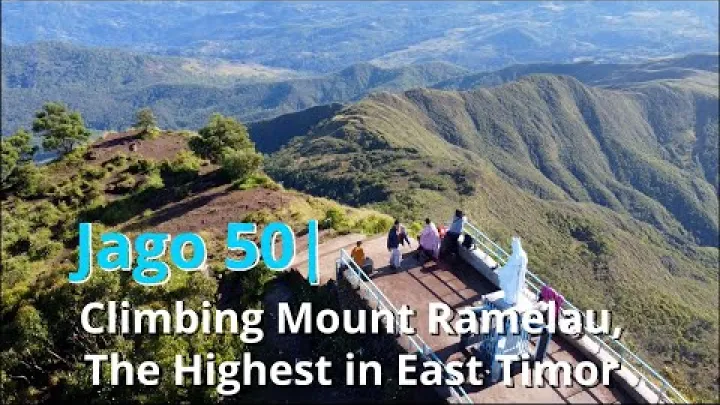
This Maubisse travel guide explains how to plan a first visit to one of Timor-Leste's quieter highland destinations. Maubisse suits travelers who value mountain landscapes, coffee-growing areas, markets, village life, and flexible overland travel more than a long list of formal attractions. This guide covers the best time to visit, transport from Dili, where to base yourself, activities, budgeting, safety, and practical itineraries. It also explains how Maubisse relates to Ainaro, Hato Builico, Mount Ramelau, and the Timorese South Coast.
Maubisse at a Glance
Maubisse is a small inland highland town in Ainaro municipality. Its setting gives it a very different character from Dili and from the beaches and fishing communities of Timor-Leste's southern coast. The town is best approached as a base for scenery, walking, agricultural landscapes, and local encounters rather than as a conventional resort destination.
What Maubisse Is Like
Maubisse is associated with cool upland scenery, mountain roads, coffee and agriculture, town markets, and a slower pace of travel. Cloud and changing conditions can add to the highland atmosphere, while the surrounding slopes provide views that are a central part of the experience. A visit is often as much about moving through the landscape and observing daily life as it is about reaching a particular attraction.
The town has fewer tourism services than a major city. Accommodation, meals, transport, and local activities may be arranged informally, and opening arrangements may not be obvious from online information. This does not make Maubisse inaccessible, but it does mean that patience, clear communication, and a flexible plan are important. A traveler who expects a dense attraction circuit, frequent scheduled transport, or extensive online booking may find the destination demanding.
Maubisse is a good choice for:
- Travelers who want a highland contrast to time in Dili.
- Visitors interested in coffee landscapes, farming communities, markets, and rural scenery.
- Walkers who are comfortable with slopes, uneven paths, and routes that may not be formally marked.
- Independent travelers who can adapt when transport or local arrangements change.
- Travelers combining the central highlands with Ainaro or a longer Timorese South Coast route.
It may be less suitable for a short, highly scheduled holiday based on guaranteed facilities. If comfort, predictable transfers, and extensive restaurant or hotel choice are the main priorities, use Maubisse as a carefully planned short stop or choose a more developed base for most of the trip.
For wider national context, the Official Timor-Leste Tourism portal is a useful starting point for understanding the country's beaches, mountains, heritage, and outdoor travel options.
Where Maubisse Fits in a Timor-Leste Itinerary
From Dili, the practical overland direction is south through the central highlands, with Aileu forming part of the route toward Maubisse. From Maubisse, travelers can continue toward Ainaro and consider onward journeys toward the Timorese South Coast. This route description is more useful than thinking of the destination as a separate coastal stop.
Maubisse is inland and mountainous. Ainaro provides a geographic and administrative link between highland areas and southern routes, but that connection does not give Maubisse a coastal setting. Travelers wanting beaches, fishing villages, and open southern coastal landscapes should plan additional travel rather than assuming those experiences are immediately outside town.
A simple comparison can help shape an itinerary:
- Maubisse: upland views, coffee and agriculture, walking, markets, and village life.
- Ainaro and nearby southern routes: a transition between mountain areas and destinations farther south.
- The Timorese South Coast: beaches, fishing communities, traditional landscapes, and longer overland journeys.
For many first-time visitors, Maubisse works best as a destination in its own right for at least one night. It can also be a useful pause between Dili and the south, but a rushed transfer gives little time to experience the town or respond to changing road arrangements.
Best Time to Visit Maubisse
Season choice affects more than scenery in Maubisse. It can influence road comfort, walking conditions, mountain visibility, and how much flexibility is needed. National travel guidance commonly treats May to November as a broad travel window, while available research indicates that June to September is generally the drier part of the year. These are planning patterns, not guarantees for a particular day in Maubisse.
Dry, Wet, and Shoulder Seasons
Use the following comparison as a starting point rather than a local forecast:
| Period | Road reliability | Walking and views | Planning style |
|---|---|---|---|
| May to November | Generally the broader national travel window | Often suitable for highland scenery and outdoor plans | Allow normal flexibility |
| June to September | Generally drier, but local conditions still matter | Often the easiest period for clear views and walking | Good for a first mountain trip |
| December to March | More dependent on rain and local road conditions | Greener landscapes but less predictable outdoor plans | Build in extra flexibility |
| Shoulder months | Conditions may be changing | A possible balance between greenery and improving conditions | Useful for weather-flexible travelers |
The drier period is usually the simplest choice for a first visit centered on road travel, village walks, and mountain viewpoints. The wetter period may appeal to travelers who value greener scenery and are comfortable changing their plans. Shoulder months can work well when the itinerary is not dependent on a single summit morning or a tightly timed onward connection.
Before setting out, check a current local forecast and confirm road conditions with your accommodation provider or driver. This is especially important when traveling on mountain roads, arranging a connection to Hato Builico, or planning a waterfall or swimming visit. A forecast for Dili may not describe conditions in the Maubisse highlands accurately enough for a walking decision.
What to Pack for Highland Conditions
Pack for changing conditions rather than for a warm lowland city. Layered clothing is more useful than one heavy item because mornings, evenings, shade, rain, and walking effort can feel different during the same day. Avoid relying on exact temperature expectations unless you have checked current local information.
- Everyday town items: light layers, a warmer outer layer, rain protection, personal medication, a phone and charging equipment, and enough cash for the planned stay.
- Day-walk items: sturdy footwear with good grip, water, snacks, sun protection, a small first-aid kit, and a bag that leaves both hands free on uneven paths.
- Mountain-excursion items: warmer layers, reliable footwear, extra food and water, a headlamp or other useful light, and clothing that remains practical if the weather changes.
If your plan includes Hato Builico or Mount Ramelau, pack as though shops and meal stops may not be available at the time you need them. Keep essential medication and important documents with you rather than in checked or inaccessible luggage.
How to Get to Maubisse
Dili is the practical international gateway for most visitors, and road travel is the relevant way to plan the journey to Maubisse. The route passes through the central highlands and may involve Aileu, a change of vehicle, or a private transfer. Because the road is winding and mountain-based, a map estimate should not be treated as a dependable door-to-door travel time.
The Road Journey from Dili
Available route information describes options that combine transport from Dili with a connection through Aileu, as well as driving by car. The Rome2Rio listing is useful for seeing the general structure of these options, but it should not be treated as a guarantee of a current timetable, fare, vehicle, or direct service.

For an arrival day, use a sequence that leaves room for uncertainty:
- Arrive in Dili with enough time to rest, obtain cash, organize luggage, and contact a driver, host, or transport operator.
- Confirm the departure point, current service, fare, expected arrival, luggage arrangement, and any change required in Aileu or elsewhere.
- Depart with a generous daylight window instead of planning around the latest possible departure.
- Allow time for stops, loading passengers, traffic, road work, weather, and vehicle changes.
- Tell your accommodation when you expect to arrive and keep a local contact available if the plan changes.
There is no identified air connection to Maubisse in the available route information, so do not plan around a domestic flight. A road transfer arranged through a trusted local contact is often the simplest option for a traveler who has a fixed arrival day, substantial luggage, or limited experience with informal transport.
Public Transport and Private Transfers
Local travel accounts describe buses, pickup-style vehicles, and shared vehicles sometimes called anggunas operating in the Dili area, with possible connections through Aileu. Public transport can reduce the cost of the journey, but it requires more time and tolerance for uncertainty. Departure points, fares, seating, luggage space, and final connections may not be clear until the day of travel.
| Option | Best for | Advantages | Main trade-off |
|---|---|---|---|
| Public bus | Flexible, budget-conscious travelers | Lower-cost overland travel | Less predictable timing and comfort |
| Shared pickup or angguna | Independent travelers comfortable with local systems | Can connect smaller places and reduce cost | Departure and luggage arrangements may be informal |
| Private car or driver | First-time visitors, groups, or travelers with luggage | More control over departure and stops | Higher cost and need to choose a reliable operator |
| Accommodation-arranged transfer | Travelers who want help coordinating the route | One local contact can connect transport and lodging | Terms, price, and vehicle details must be agreed clearly |
Confirm the departure point, current service, fare, and expected arrival with a local host or operator before leaving Dili. If you use public transport, carry small notes where possible, protect your luggage from rain and dust, and avoid building the rest of the itinerary around an exact arrival time. Hitchhiking appears in some independent travel accounts, but it is not a recommended default for a first-time visitor, particularly when the road, vehicle, and arrival arrangements are not known.
Continuing Toward Ainaro and the Timorese South Coast
Maubisse can be the main destination for a highland stay or a stop on a longer route toward Ainaro and the Timorese South Coast. These are different travel styles. A mountain-focused visit gives you time for town walks, local conversations, coffee landscapes, and a possible Mount Ramelau excursion. A through-route itinerary prioritizes geographic progress and may leave less time for local activities.
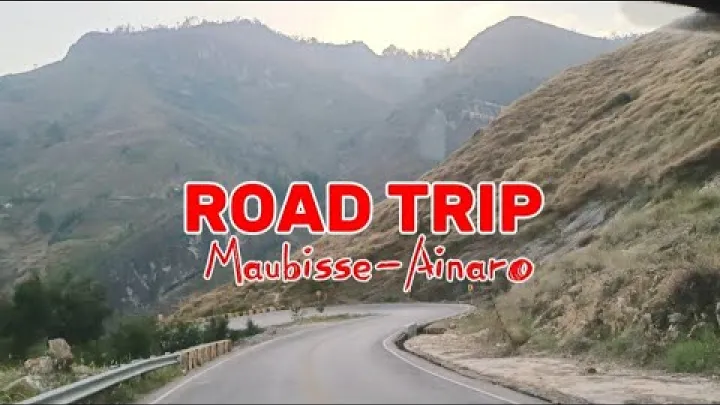
Onward travel should be treated as a separate transport decision. The road conditions, vehicle suitability, passenger demand, and travel time toward southern destinations may differ from the approach from Dili. Ask a local host or driver about the next leg rather than assuming that a vehicle used for the first journey will also be available for the onward route.
| Trip plan | Choose it if you want | Planning trade-off |
|---|---|---|
| Mountain-focused stay | Walking, coffee areas, markets, and highland views | Requires a later separate journey to the coast |
| Mountain and coast combination | A contrast between uplands and southern landscapes | Needs more road time and flexible onward transport |
| Simple overnight stop | A highland break between larger route sections | Leaves little time for remote excursions |
If the highland scenery is a main reason for visiting, an additional night in Maubisse is usually more rewarding than treating the town as a rushed transfer point. If the South Coast is the main objective, keep the Maubisse stop short and arrange the onward connection before committing to a tight schedule.
Where to Stay and How to Get Around
Maubisse and Hato Builico serve different purposes. Maubisse is generally the more practical first-time base because it offers a town setting, market activity, accommodation options, and easier access to everyday supplies. Hato Builico is more specialized for travelers whose main goal is Mount Ramelau.
Choosing Between Maubisse and Hato Builico
For most first-time visitors, choose Maubisse when you want a balance between rural scenery and basic town convenience. A stay in or near the town makes it easier to arrange meals, ask about local walks, find supplies, and adapt the itinerary after arrival. It is also the better choice when Mount Ramelau is only one part of a broader highland visit.

The Maubisse Pousada is associated with a hilltop setting, views, historic character, and the possibility of staying in a distinctive local property. Local travel reporting, including Sophie in Timor, provides useful background on the pousada and the practical feel of visiting Maubisse. Such reports are not a substitute for current confirmation. Contact the property directly to confirm that it is open, accepts the booking, and can provide the agreed room, meals, and transfer.
| Base | Best for | Main advantage | Main limitation |
|---|---|---|---|
| Maubisse town | Most first-time visitors | Town services, markets, and flexible local planning | Excursions may still require transport or a guide |
| Maubisse Pousada area | Travelers seeking a hilltop setting and historic character | Views and a distinctive place to stay | Current opening, rooms, meals, and prices need confirmation |
| Hato Builico | Visitors focused mainly on Mount Ramelau | Closer to the mountain gateway | Fewer services should be expected than in Maubisse |
Do not assume that Hato Builico offers the same food, water, transport, booking convenience, or supply access as Maubisse. It can be the right base for a dedicated mountain plan, but it is not automatically the best base for every traveler.
Moving Around Town and Nearby Villages
The central part of Maubisse is compact enough for walking, but the town is shaped by slopes and uneven roads. A short distance on a map can feel tiring when it includes an incline, loose surfaces, rain, or limited lighting. Travelers who need flatter routes or shorter walks should ask for a room and activities that reduce unnecessary hill travel.
Walking is suitable for seeing the town, markets, nearby views, and everyday activity when the route is clear. Nearby villages, coffee areas, viewpoints, and natural sites may require an arranged vehicle, local guide, or route advice from a host. Informal local mobility should not be treated like a fixed urban taxi network or a scheduled sightseeing system.
Before leaving town for a rural walk, tell a host or guide your route and expected return time. Ask whether the path crosses private farmland, a church area, a sacred place, or a route that becomes difficult after rain. A local introduction can make the walk more respectful and can prevent you from mistaking a working community area for a public attraction.
Budgeting, Booking, and Communication
Current Maubisse costs are difficult to summarize responsibly with fixed prices. The available evidence does not provide a dependable current price list for rooms, meals, local transport, or mountain excursions. Plan with broad budget categories and confirm the actual total with each provider.
- Lower-cost approach: shared road transport, simple accommodation, locally available meals, and self-directed town walks.
- More controlled approach: a private car or driver, a confirmed room, arranged meals, and transport between separate activities.
- Mountain-focused approach: the cost of the Dili transfer, a connection to Hato Builico, any guide or driver, extra food and water, and possible additional lodging.
Online booking coverage and English-language communication may be limited outside Dili. Allow time for phone calls, messages, translation, or help from a local contact. Carry enough usable cash for the planned stay because card acceptance and nearby cash services should not be assumed.
Use this short pre-departure checklist:
- Confirm the accommodation dates, room type, current price, and payment method.
- Ask whether meals are available and whether they must be arranged in advance.
- Confirm pickup location, vehicle type, luggage space, departure time, and the final destination.
- Check how to contact the property or driver if the arrival time changes.
- Keep the booking message, contact name, and agreed price available offline.
Things to Do in Maubisse
Maubisse is most rewarding when activities are combined with time to observe the town and surrounding landscape. The following options range from easy local sightseeing to more involved mountain planning.
Visit the Maubisse Pousada and Town Markets
The Maubisse Pousada can be both a place to stay and a sightseeing stop. Its hilltop position is associated with views over the surrounding highlands, while its building has historic character linked to the Portuguese period. If you are not staying there, ask whether visitors may enter, where access is permitted, and whether the property is operating normally.

The town markets offer a direct way to see local routines. Reports describe central market activity involving fresh produce and everyday goods, as well as secondhand clothing and vegetable-market activity. The exact location, operating day, and selection may change, so ask your host rather than planning around a market visit at a precise hour.
Allow time for slow sightseeing: walk through the central area, look for views, drink or buy local coffee where available, and observe how people use the town. Markets are working places, not staged attractions. Ask before photographing people, stalls, homes, or religious activity, and avoid blocking paths while taking pictures.
Explore Coffee Landscapes and Village Life
Coffee is one of Maubisse's distinctive identity anchors, but coffee-related travel here should not be assumed to follow a standardized tourism format. The surrounding agricultural landscape is the attraction: farms, slopes, village paths, and the relationship between cultivation and daily life. A host may know whether a producer, farm area, or local coffee experience can be visited respectfully during your stay.
Walking through nearby rural areas can reveal mountain scenery, agricultural work, and village architecture that cannot be experienced from a vehicle. Use a local guide or host when possible, especially if the route leaves the town or crosses areas that are not clearly public. A local person can explain where you may walk, introduce you to residents, and help with language differences.
Ask permission before photographing homes, people, farms, churches, or culturally important places. Keep a respectful distance from work and family activities, and do not enter a field or building because it looks open to visitors. Tell your host or guide your walking route and expected return time before leaving town.
Ask Locally About Waterfalls and Swimming Spots
Some local travel reporting mentions a waterfall and swimming-hole experience near Maubisse, but detailed official information and stable international listings are limited. Treat this as a locally known possibility, not a guaranteed attraction with a published route or facility.
Ask your accommodation host or a trusted local contact about current access, water levels, route conditions, and whether the site is used by the community. Ask how long the walk takes in current conditions, whether a vehicle is needed, and what time you should return. Do not rely on an old online description if the route has not been confirmed locally.
Use conservative judgment around water. Rocks may be slippery, currents can change, and formal rescue or supervision should not be expected. Do not swim if the water is fast, cloudy, unusually high, or difficult to exit. Carry drinking water and take all waste back with you.
Plan a Mount Ramelau Excursion
Mount Ramelau, also known as Tatamailau, is outside Maubisse but is the major nearby mountain excursion commonly paired with a highland stay. The peak has national prominence and spiritual significance, so a visit should be approached as more than a simple viewpoint stop. Learn from local hosts or guides about the cultural meaning of the mountain and behave respectfully on the route.
Hato Builico is the relevant gateway described in available travel information. The connection from Maubisse may require a prearranged vehicle, and it should not be treated as an effortless local taxi journey. Arrange the Hato Builico connection before leaving Maubisse and carry enough food and water for the transfer and planned hike. Confirm where the vehicle will meet you, where you will finish, and how you will return.
A Mount Ramelau plan should cover:
- Transport between Maubisse and Hato Builico.
- Food and drinking water for the entire excursion.
- Warm layers, rain protection, and sturdy footwear.
- Route support, a local guide, or a reliable person who understands the current path.
- A start and return plan that does not depend on arriving at the last possible connection.
An organized or locally guided excursion is usually easier to manage when services are limited. Independent travelers may prefer to walk without a formal tour, but they should understand the route, transport, weather, food, water, and return arrangements before setting out. Avoid promising yourself a fixed trail time or a particular summit view without current route information.
Safety and Practicalities
Maubisse requires ordinary travel awareness plus preparation for rural mountain access. The most important habits are to understand current national guidance, complete road transfers in daylight, prepare for limited services, and keep hosts or trusted contacts informed of significant route changes.
Current Advisory, Road, and After-Dark Safety
The current U.S. Department of State advisory says travelers should exercise increased caution in Timor-Leste because of crime and the risk of unrest. This is national-level guidance, not a claim that Maubisse is specifically identified as a high-risk town. Conditions can differ between Dili, rural highlands, and southern routes, so read the full advisory that applies to your nationality and travel dates.
For Maubisse, road safety and access are central practical concerns. Mountain roads may include bends, changing surfaces, animals, vehicles in different conditions, and limited lighting. Keep phones, cash, passports, and luggage secure during transfers. Avoid demonstrations and large gatherings, keep a low profile if tension develops, and follow the instructions of your host or driver.
Schedule every road transfer in daylight. This includes the journey from Dili, the return from Maubisse, and any onward trip toward Ainaro or the Timorese South Coast. Do not accept a plan that depends on a late arrival at an unfamiliar property or a night-time connection on a mountain road.
Health and Emergency Preparation
Medical infrastructure can be limited outside major centers, and remote mountain travel makes preparation more important. This guidance supplements, and does not replace, professional medical advice, official health information, or travel insurance terms.
- Choose travel insurance that addresses medical treatment and evacuation.
- Carry enough personal medication for the complete itinerary, with extra time if possible.
- Bring basic first-aid supplies, safe drinking water, snacks, sun protection, and rain protection.
- Keep a written or offline record of your accommodation, driver, and trusted local contacts.
- Tell someone at home where you will stay and tell your host or driver when you expect to return from a longer walk.
- Know how your accommodation contact would respond if transport is delayed or a planned route becomes unavailable.
Do not assume that a remote excursion will have a clinic, pharmacy, rescue service, reliable phone signal, or food stop nearby. The more distant the activity, the more important it is to carry what you need and to leave a clear route plan with someone who knows the area.
Respectful and Low-Impact Travel
Maubisse is an active agricultural and village environment, not an open-air attraction. Ask before photographing people, entering homes, visiting sacred spaces, or observing religious and community activities. A simple greeting and a clear request are more respectful than taking a photograph first and asking later.
Stay on routes that your host or guide identifies as appropriate. Do not enter fields, touch belongings, interrupt work, or treat private homes as viewpoints. Be patient when language differences slow down a conversation, and use a local host or guide for cultural context instead of making assumptions about every community around Maubisse.
Carry a reusable bottle and a small bag for waste. In areas without reliable disposal services, take essential rubbish back to a place where it can be handled properly. Avoid leaving packaging, damaging plants, or taking natural or cultural objects as souvenirs. Low-impact behavior helps protect the landscapes and community relationships that make Maubisse worth visiting.
How Long to Stay and Sample Maubisse Plans
Your ideal length of stay depends on whether Maubisse is the main destination or one part of a longer Timor-Leste route. One night can provide a highland contrast to Dili, while two to four nights allow more room for walking, local conversations, weather changes, and a properly planned mountain excursion.
A One-Night Maubisse Stop
A one-night visit works best when the goal is to experience the town and scenery without depending on a remote activity. Use the day as a sequence rather than a rigid timetable:
- Arrive from Dili during daylight and settle into central Maubisse or the pousada area.
- Ask your host about the current market, a short town walk, and a nearby viewpoint.
- Take a low-commitment walk if conditions and daylight allow.
- Have dinner at the confirmed accommodation or another locally recommended option.
- Use the second morning for coffee, town observations, a market visit if operating, or a short walk before the onward transfer.
This plan suits travelers adding a highland contrast to a wider Timor-Leste itinerary. A market visit, viewpoint, and longer walk are optional because access and local opening arrangements may differ. A Mount Ramelau climb, distant waterfall, or complicated onward connection should not be added to a one-night stop unless the transport and timing are already clearly arranged.
Two to Four Nights for Hiking and Rural Exploration
Two to four nights make Maubisse a more useful base for slow exploration. Spend time in the town markets, walk through locally approved rural areas, learn about coffee and agriculture, and leave space for viewpoints or natural sites recommended by your host. A longer stay is most valuable to travelers who enjoy landscapes, walking, cultural encounters, and flexible overland travel rather than constant sightseeing.
For a walking-and-culture plan, use one day for town markets and the Maubisse Pousada area, one day for a guided or host-recommended rural walk, and another half-day for coffee landscapes, a viewpoint, or a locally confirmed natural site. Keep at least one half-day uncommitted so the trip remains workable if transport, weather, or access changes.
For a Mount Ramelau-focused plan, use Maubisse for arrival and preparation, reserve a separate day or overnight arrangement for Hato Builico and the mountain, and return to Maubisse only if the transport plan makes that practical. Do not treat the climb as a casual addition to a full day of road travel.
A longer highland stay can connect naturally with Ainaro or the Timorese South Coast. You can either continue south after a rested morning or return toward the Dili area, depending on the route and vehicle arrangements. Discuss the next leg with your host or driver before the last morning so that Maubisse does not become an accidental delay in a tightly planned itinerary.
Final Takeaways for First-Time Visitors
Maubisse is a highland travel experience built around place rather than a long attraction list. Its strongest qualities are mountain scenery, coffee and agriculture, markets, village life, historic character, and the chance to slow down between Dili and southern Timor-Leste.
For a first visit, use Maubisse as the main base unless Mount Ramelau is the clear priority, in which case Hato Builico may suit a dedicated mountain plan. Arrange road travel with daylight and time to spare, choose accommodation that confirms its current services, carry what you need for rural excursions, and approach local communities with patience and permission. With those expectations, Maubisse can be a rewarding highland stop or the beginning of a broader journey toward Ainaro and the Timorese South Coast.
Select area
Create a post
Posting is free and no registration is required.