Pante Macassar Best Time to Visit: Weather by Month
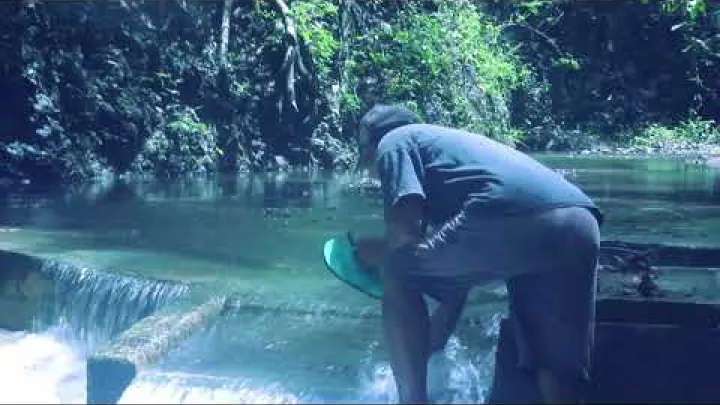
Choosing the best time to visit Pante Macassar is mainly a rainfall decision, not a search for a cool season: the town and the Oecussi coast stay warm throughout the year. For most travelers, May to October is the most practical overall window, with June to September forming the driest core in the available local climate pattern. The wetter months can still offer green scenery and town-based cultural experiences, but rain may complicate outdoor plans and movement beyond town. This guide explains the Pante Macassar rainy season, climate by month, activity-based timing, packing needs, and the checks that make an itinerary more resilient.
Quick Answer: When Is the Best Time to Visit Pante Macassar?
In simple terms, choose the dry season if dependable outdoor access matters most. Choose April or November if you want a transition period and can accept changing conditions, or choose December to March for a wetter, greener trip with greater limits on rural and marine plans.
Best Overall Months for Comfortable Travel
May to October is the best overall time to visit Pante Macassar for many travelers. June, July, August, and September are the consistently dry core of that period, while May and October sit closer to the seasonal transitions. Lower rainfall generally makes beach time, hiking, photography, and travel on surrounding routes easier to plan, although daytime heat remains a factor.
The most specific month-by-month reference used for the town is the Pante Macassar climate table. Its figures should be treated as indicative averages rather than as a confirmed official station normal. A dry-season average describes a tendency over many years; it does not mean that rain is impossible during a particular visit.
This recommendation is based mainly on rainfall and comfort. The available evidence does not establish exact monthly crowd levels, transport reliability, or accommodation prices in Pante Macassar. If a trip depends on a particular road, boat, flight, or rural day outing, the practical quality of the trip will also depend on current local conditions and the flexibility of the itinerary.
Shoulder Months for Greenery and Flexibility
April and November are useful shoulder months, but they are not identical. April is the late wet-to-dry transition: rainfall may be easing, yet humidity, showers, and soft ground can remain. November is the early wet-season build-up: the dry period may linger at times, but humidity and showers usually become more noticeable as the month progresses.
These months may suit travelers who value greener scenery or a less conventional experience and who are comfortable choosing activities day by day. They can also be a reasonable compromise between the wetter and drier parts of the year. However, there is no dependable evidence here for lower visitor numbers or guaranteed shoulder-season savings. Compare current prices and availability rather than assuming that April or November is automatically cheaper or quieter.
| Travel priority | Most suitable period | Planning expectation |
|---|---|---|
| Most dependable outdoor plans | June to September | Driest seasonal baseline |
| Weather and greenery balance | Late April to June | Improving conditions with some variation |
| Late dry-season travel | October | Often dry, but still hot |
| Green scenery and flexibility | November to March | More rain and less predictable outdoor access |
| Potential budget comparison | Shoulder and wet dates | Check actual room and transport prices |
How Pante Macassar's Local Climate Shapes a Visit
Pante Macassar is in the Oecussi enclave on Timor-Leste's north coast, so its travel climate is shaped by a strong seasonal rainfall pattern. The difference between the wetter and drier parts of the year is usually more important for planning than a large change in temperature.
Dry and Wet Seasons on the Oecussi Coast
Pante Macassar and the Oecussi north coast generally have a longer drier period and a shorter wetter period. The local pattern used in this guide places the core dry season around June to September, with May and October near the edges. December through March requires the most caution for travelers who need firm roads and uninterrupted outdoor days.
Season boundaries are approximate rather than fixed dates. One source may describe the wet season as November to April, while another may group April or May differently. This is not necessarily a contradiction: transition months can contain both drier and wetter spells, and rainfall varies between years. For trip planning, it is more useful to think in terms of a dry-season core, two transition periods, and a wet-season peak.
For broader national context, UNDP Timor-Leste climate information describes the country as hot and humid with a tropical climate. Pante Macassar's local coastal pattern should be used for the month recommendation, while national descriptions are best treated as background rather than as a precise forecast for the town.
Temperature, Humidity, and Perceived Comfort
Pante Macassar remains warm in every season. Indicative local conditions are generally in the high-20s to low-30s Celsius across much of the year, with warm nights rather than a clearly defined cool season. The dry season may feel more comfortable because the air is often more breathable and nights can feel cooler, but strong sun can still make daytime activity demanding.
Temperature and perceived heat are not the same thing. Humidity, cloud cover, wind, direct sunlight, clothing, and physical effort all affect how a day feels. Wet-season conditions may feel heavier because humidity combines with rain interruptions and damp clothing, even when average temperatures are not dramatically higher. The country-level World Bank climate data uses a 1991-2020 historical climatology, but its broad coverage should not be read as a Pante Macassar daily forecast.
There is no strong reason to pack for cold weather for a coastal stay in Pante Macassar. Instead, plan for heat in all months: wear breathable clothing, protect exposed skin from the sun, and place strenuous activities in the cooler part of the day. A dry month can improve access and comfort without removing the effects of tropical heat.
Coast, Town, and Inland Conditions
Conditions in Pante Macassar town and along the Oecussi north coast should not automatically be applied to every surrounding route. Coastal lowland weather may feel different from conditions on rural or higher inland roads, where cloud, rainfall, runoff, and ground conditions can change with elevation and exposure.
The practical difference is important. A clear morning in town does not guarantee that an unpaved inland route is firm, and rain inland may affect a route even when the coast remains suitable for a short walk. During the wetter period, water can collect on roads, wash across low sections, or leave surfaces muddy and eroded. During the dry period, routes may be easier to use but more exposed, dusty, and hot.
Use Pante Macassar town as the base for general climate expectations, then treat each rural or inland outing as a separate practical decision. Do not assume that a seasonal average confirms the condition of a particular road, trail, viewpoint, or beach access point. Local accommodation staff, drivers, and activity providers may have more current information about route conditions.
Pante Macassar Weather Month by Month
The following guide gives a simple month-by-month feel for Pante Macassar. It summarizes seasonal tendencies rather than promising the weather on a specific date. Rain can vary from year to year, and conditions can differ between town, coast, and inland routes.
| Month | Seasonal feel | Travel planning |
|---|---|---|
| January | Peak wet season | Allow flexibility for rain and rural access |
| February | Peak wet season | Shorter outdoor plans may work better |
| March | Wet season | Green scenery, but ground may remain saturated |
| April | Transition | Improving conditions with variable showers |
| May | Dry-season transition | Useful balance of greenery and access |
| June | Dry season | Strong month for outdoor plans |
| July | Core dry season | Good baseline for beaches and hiking |
| August | Core dry season | Generally dry, with continued daytime heat |
| September | Dry-season core | Lowest indicative rainfall pattern |
| October | Late dry season | Often favorable before the build-up |
| November | Wet-season build-up | Expect increasing humidity and showers |
| December | Wet season begins | Use greater caution with long outdoor days |
January to March: Peak Wet-Season Conditions
January and February are typically the wettest part of the indicative Pante Macassar climate pattern. March is still a wet-season month, even if rainfall may begin to ease in some years. The main issue is not lower temperature but the effect of heavy showers on time, ground, and access.
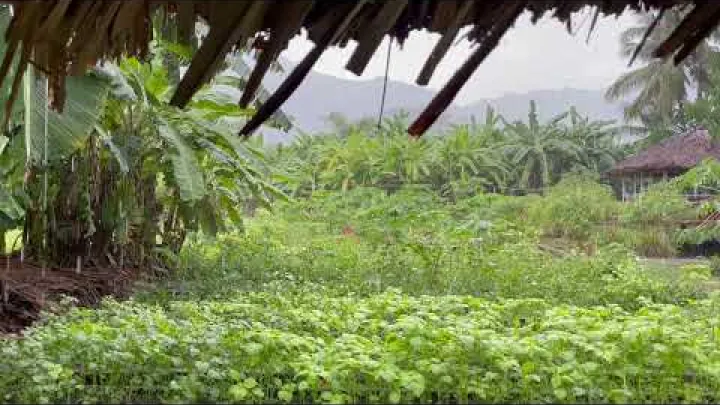
Rain can leave unpaved surfaces muddy, create runoff, and make rural or inland travel less predictable. Saturated ground may also reduce the appeal or feasibility of long hikes. A visit is still possible, especially when the focus is on Pante Macassar town, rest days, and cultural time, but a full program of outdoor excursions should not be treated as dependable. Green scenery is a clear advantage of this period, while uninterrupted full-day views and road movement are less certain.
Wet-season conditions are route-specific. It would be inaccurate to say that every rural road closes or becomes impassable. Some routes may remain usable, while others become difficult after particular storms. The best itinerary in these months has shorter alternatives and does not depend on one long overland day.
April to June: Transition into the Dry Season
April is a variable transition month. The wet season may be losing strength, but showers, humidity, and soft ground can continue. May is usually the beginning of much drier conditions, and June normally belongs to the more stable dry-season pattern.
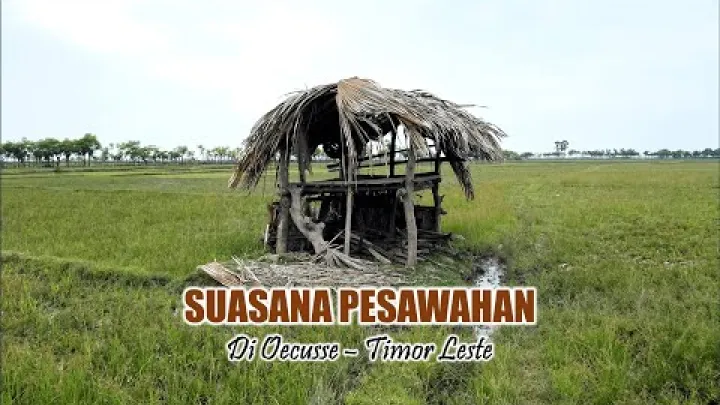
This period offers a useful trade-off. Landscapes may still retain some of the greenery produced by earlier rain, while access often improves as surfaces dry. The trade-off is that April and early May can still bring interruptions, and a gradual seasonal change does not provide a guaranteed cutoff between wet and dry weather.
Late April through June is most suitable for travelers who want improving conditions and can tolerate some variation. If the trip depends on a rural route or a tightly timed outdoor program, later in this window is generally the safer planning preference. If flexibility matters more than a completely dry forecast, the earlier part may provide a more varied landscape.
July to September: Core Dry Season
July and August are reliably dry in the available local climate pattern, and September has the lowest indicative rainfall. This makes the period attractive for beach time, hiking, photography, and overland exploration around Pante Macassar and Oecussi. Firmer ground and fewer rain interruptions can make it easier to organize several outdoor days in a row.

Dry does not mean cool. Days can still be hot, especially on exposed coastal areas or inland routes without shade, so a strong itinerary includes early starts, breaks, and realistic distances. Nights may feel more comfortable than during the humid wet season, but visitors should still expect warm conditions.
The landscape is another consideration. Extended dry weather can make lowland scenery look less green and more brown or dusty than it does after the rains. Travelers who want the most dependable access should favor these months; travelers who prioritize fresh greenery may prefer a transition month and accept greater weather variation. A low monthly rainfall average also does not rule out an individual rainy day.
October to December: Late Dry Season and Wet-Season Build-Up
October is generally part of the late dry season and can still provide strong conditions for outdoor plans. November is a transition month in which humidity and showers usually become more noticeable. December marks the beginning of substantially wetter conditions in the local pattern and requires progressively more flexibility.
As the wet season develops, rain can affect visibility, ground conditions, coastal plans, and the timing of day trips. A short morning outing may remain practical even when a long afternoon journey is less attractive. November can work well for travelers who are comfortable adjusting the order of activities, while December is better suited to a plan that can absorb delays and substitutions.
These are tendencies, not fixed rules for every year. October may receive an early shower, and November may still contain dry spells. The important planning change is the direction of the season: outdoor reliability generally decreases from October into December, while the chance of greener scenery increases.
Best Time to Visit Pante Macassar by Travel Purpose
The best month depends on what you want to do after arriving. The dry-season core is the strongest general choice, but transition and wet-season travel can make sense when scenery, cultural time, flexibility, or an individual price comparison matters more than predictable outdoor access.
Best Months for Beaches, Snorkelling, and Sea Days
For beach-focused travel and potential snorkelling, June to September is the preferred climate window. Lower rainfall can reduce interruptions to beach days and may reduce the amount of runoff-related cloudiness after storms. It also gives a stronger baseline for planning several coastal activities without building the whole trip around rain breaks.
Dry-season averages do not guarantee calm water or clear visibility. Wind, waves, currents, local exposure, and conditions at a particular site can change from day to day. A beach may be pleasant while a boat trip is unsuitable, or a dry week may still include a windy day. Treat the dry season as a favorable seasonal starting point, not as a promise of safe or ideal marine conditions.
May and October can also work when the priority is a broader Oecussi visit rather than a schedule made entirely of sea days. November to March is less suitable for travelers who would be disappointed by repeated changes to boat, snorkelling, or long coastal plans.
Best Months for Hiking and Rural Exploration
May to October is generally the most practical period for hiking and exploring rural or unpaved routes around Pante Macassar and inland Oecussi. The core dry season usually offers firmer ground and a lower chance that rain will interrupt a route. It is especially useful for travelers who want several outings rather than one short walk close to town.
Route quality still needs to be treated separately from the calendar. A road or trail may have been affected by the preceding wet season, and dry conditions do not repair erosion or remove every rough section. Avoid assuming that a dry-season month makes an unnamed route easy or accessible.
Heat can be as important as rain. Start early when possible, carry enough water for the planned distance, take shade breaks, use sun protection, and keep the pace realistic. These measures matter on exposed coastal paths as well as on inland routes. May and October offer a useful balance for travelers who want improving or fading seasonal conditions, while June to September favors access reliability.
Best Months for Culture, Greenery, and a Quieter Experience
Cultural experiences in Pante Macassar can be pursued throughout the year. The dry season usually makes movement between town and surrounding areas easier, so it is the simplest choice when a visitor wants to combine town time with several nearby outings. No specific seasonal festival or event calendar is established in the available information, so travel dates should not be chosen on the assumption that a particular month contains a major local celebration.
The wetter period may appeal to travelers who value greener scenery and a less conventional travel experience. Rain and humidity become part of the visit, and outdoor time may need to fit between showers. A town-based cultural plan can be more resilient than a schedule built around long rural routes.
Pante Macassar should not be described as definitively crowded or empty in any month because dependable local visitor data is not provided. A quieter experience is possible when demand is lower, but it is better treated as a possibility than as a measured seasonal fact.
Best Months for a Lower-Cost Trip
There is no dependable monthly accommodation, transport, or visitor-price data in the available evidence for Pante Macassar. For that reason, the dry season can be recommended for weather, but not automatically for price, and the wet season should not be advertised as a guaranteed low season.
Shoulder or wet-season travel may be worth comparing if current rooms or connections are available at a better rate. The comparison should use the same room type, length of stay, and transport requirement across dry, shoulder, and wet dates. This helps separate a real price difference from a change in accommodation quality, connection availability, or included services.
Choose cheaper dates only when the saving is meaningful and the weather trade-off is acceptable. A lower room price may not be useful if rain causes a missed connection or removes the activities that justified the trip. Current quotes from accommodation and transport providers are more useful than general assumptions about low-season pricing.
When to Avoid Pante Macassar or Plan More Carefully
Pante Macassar is not a destination that must be avoided for an entire season. The more useful question is whether the timing matches the reliability your itinerary needs. December to March deserves the greatest caution for tight overland schedules and uninterrupted outdoor programs, while all seasons require realistic planning for heat and marine conditions.
Peak Rainfall, Flooding Risk, and Muddy Routes
December through March is the period to plan most carefully if dependable access beyond Pante Macassar town is essential. Intense rain can contribute to muddy or eroded unpaved routes, runoff across low sections, and localized flooding. These effects can shorten a day trip, slow a vehicle, or make a hike unsuitable even when the town itself remains accessible.
Do not turn this seasonal risk into a blanket statement that all roads close. Conditions are local and can change after individual storms. A route in the surrounding rural or inland areas may be affected differently from a road along the north coast. The key decision is whether the itinerary has a reasonable town-based alternative if a particular route cannot be used.
National hazard information can provide useful background about the vulnerability of Timor-Leste to heavy rainfall and related impacts, but it is not a Pante Macassar-specific flood map. Travelers should distinguish general seasonal risk from the condition of a particular road, crossing, or settlement at the time of travel.
Storms, Cyclones, and Marine-Weather Checks
The available evidence does not establish a dependable Pante Macassar-specific cyclone calendar or direct-hit frequency. It is therefore not responsible to describe the town as completely typhoon-free or to claim that one season is immune from marine disruption. Regional weather systems can still affect rain, wind, waves, and coastal transport without making a direct landfall in Oecussi.
Long-term climate research discusses possible future warming and uncertainty in rainfall change for Timor-Leste. The Timor-Leste climate projections are useful background for understanding why historical averages should not be treated as permanent guarantees, but they are not a current forecast and cannot provide a month-by-month storm prediction for Pante Macassar.
For a boat or snorkelling plan, an official marine warning or a local operator cancellation is a no-go decision. Do not substitute a generally dry month for a same-day marine assessment. If coastal transport is important to the trip, allow enough flexibility for a weather-related change rather than treating a missed sea day as an emergency timetable problem.
Heat, Humidity, and Outdoor Comfort
Pante Macassar is warm throughout the year, and wet-season humidity can make outdoor activity feel more difficult even when temperatures are not dramatically higher. The dry season often feels more breathable and may bring more comfortable nights, but strong daytime sun can still create a demanding environment on exposed beaches, roads, and inland routes.
Plan strenuous activities for early morning or later afternoon when practical. Carry water, use shade breaks, wear breathable clothing, and protect yourself from direct sun. A realistic pace is more important than trying to complete an ambitious route simply because the forecast is dry.
These are general comfort measures, not a guarantee that every traveler will respond to heat in the same way. People unused to tropical conditions may need more rest and shorter activity periods. Build recovery time into the itinerary rather than scheduling consecutive long outings in the hottest part of the day.
How to Plan a Weather-Resilient Pante Macassar Stay
A weather-resilient visit combines seasonal choice with practical preparation. The most useful approach is to match clothing, activity timing, route plans, and transport arrangements to the difference between a town-based stay and travel into surrounding rural or inland areas.
What to Wear and Pack for Each Season
For the dry season, pack lightweight, breathable clothing, sun protection, comfortable walking footwear, and a light layer for nights that feel cooler. A hat, sunglasses, and a reusable water container are useful for exposed coastal or inland activities. Footwear should be selected for the actual plan: comfortable town shoes may not be suitable for rough or uneven rural ground.
For the wet season and shoulder months, add quick-drying clothing, a reliable rain layer, footwear that can handle wet ground, and waterproof protection for phones, documents, and other electronics. A small dry bag or sealed pouch can be more useful than extra bulky clothing when rain arrives during a day outing.
A town-based stay and an inland travel program require different levels of preparation. If most time will be spent in Pante Macassar, a compact day bag may be enough. If plans include surrounding rural routes, carry essential water, rain protection, and personal supplies rather than assuming that every needed item or service will be available along the way.
- Dry season: breathable layers, sun protection, walking footwear, and a light night layer.
- Wet or shoulder season: quick-drying clothes, rain protection, secure waterproof storage, and shoes suited to wet ground.
- All seasons: water, a practical day bag, and clothing that remains comfortable in warm conditions.
Climate Averages Versus Live Forecasts
Climate normals show long-term tendencies, such as the usual dry or wet pattern. They do not describe the weather on a particular travel date, the condition of an individual road, or the safety of a particular sea crossing. The local month-by-month information in this guide is indicative, and the available research does not provide a clearly identified authoritative forecast archive specific to Pante Macassar.
Use the seasonal guide when choosing the broad travel window, then check a current, location-specific forecast close to departure and during the trip. Also check official weather or disaster warnings, especially for shoulder and wet-season travel. A forecast for Dili, another part of Timor-Leste, a mountain area, or a broad national region may not represent conditions in Pante Macassar or along the Oecussi coast.
A simple planning sequence is useful:
- Use the month pattern to decide whether the likely weather suits your activities.
- Check a forecast that represents Pante Macassar or the relevant Oecussi area.
- Review official warnings before a marine or remote rural outing.
- Ask the accommodation or local provider about conditions that a broad forecast may not show.
This separates a climate-based booking decision from a current go or no-go decision. It also reduces the risk of treating a dry-season average as a promise of clear weather.
Transport, Route Access, and Buffer Days
Seasonal weather can affect road conditions and any scheduled sea or air connection, particularly when heavy rain or rough marine conditions coincide with a tightly timed itinerary. The risk is greatest when one delayed journey would cause a missed departure, remove an outdoor activity, or leave no practical alternative.
Confirm the current status of the relevant road and scheduled connection directly with the provider, your accommodation, or a trusted local contact. Do not rely on an old timetable, an outdated online post, or a generic national travel schedule. The available information does not verify specific route numbers, operators, fares, or guaranteed connection times for Pante Macassar, so those details should be confirmed for your dates.
Keep at least one flexible day when travel depends on rural access, marine activities, or a connection to or from Pante Macassar. A buffer is especially valuable in the wetter period, but it can also protect a dry-season trip from an isolated road or sea disruption. If a buffer day is impossible, keep the first and last parts of the itinerary simple and avoid placing an essential connection immediately after a remote excursion.
Final Recommendation for Visiting Pante Macassar
For the best balance of comfort, outdoor access, and lower rain disruption, visit Pante Macassar between May and October. Choose June to September for the strongest dry-season baseline, especially for beaches, possible snorkelling, hiking, and rural exploration. Choose April or November when you value transition-season greenery and can adapt your plans, and choose December to March only when you are comfortable with wetter conditions, flexible route access, and more town-based time.
Pante Macassar remains warm year-round, so the best month is ultimately the one that matches both your activities and your tolerance for change. Use climate averages to select the season, prepare for heat and rain, and make current local conditions the basis for individual route and marine decisions.
Select area
Create a post
Posting is free and no registration is required.