Pante Macassar Travel Guide: Routes, Sights, and Practical Tips

Pante Macassar is the coastal administrative center of Oecusse, Timor-Leste’s separated western region. Choose it for open coastline, green or dry hills, Portuguese-era history, Catholic heritage, and a small-town travel experience rather than resort facilities or busy nightlife. This Pante Macassar travel guide explains how to arrive from Dili or Indonesian West Timor, where to stay, how to move around, what to see, and how to plan safely. Transport schedules, border rules, prices, accommodation availability, and local conditions can change, so use the guide as a framework and confirm the final details through current local channels.
Pante Macassar at a Glance
Why Visit Pante Macassar
Pante Macassar sits on the north coast of Oecusse, an area of Timor-Leste separated geographically from the country’s main territory by Indonesian West Timor. The regional identity is closely connected with coastal scenery, historic Portuguese-era sites, local government, and public services, as outlined by RAEOA. For a first-time visitor, the town is the most practical place to understand Oecusse before exploring its rural coast and hills.
The main appeal is the combination of experiences. You can walk along the waterfront, visit churches and memorials, climb to viewpoints, explore the historical setting at Lifau, and arrange longer trips into valleys or coastal villages. The pace is usually more useful for travelers who enjoy observation, conversation, and flexible planning than for visitors who want a full timetable of organized attractions.
Set realistic expectations. Pante Macassar is remote and has a developing visitor infrastructure. Services may be modest, online information may be limited, and a day trip may depend on finding a vehicle or local contact. That is part of the destination’s character, but it also means that independent travelers should prepare more carefully than they would for a conventional resort town.
How Long to Stay and Who It Suits
Two full days are enough for a first introduction: one day for the town and waterfront, and another for a focused outing such as Lifau and the Via Sacra, Fatu-Suba, or a nearby coast. Allow three to four days if you want to combine heritage with rural landscapes, hills, and more than one coastal excursion.
Transport connections can determine the practical length of a visit more than the number of sights. A traveler arriving by ferry may need to build the day around the sailing, while someone using a flight may have more time but less tolerance for a delayed connection. Pante Macassar suits flexible, culturally curious travelers, independent visitors, photographers, and people interested in slow travel. It is less suitable for anyone expecting dense nightlife, seamless online booking, abundant restaurants, or highly scheduled tours.
Plan Your Arrival: Routes, Documents, and Timing
Getting to Oecusse requires more advance planning than moving between many destinations on Timor-Leste’s main territory. The practical choice is usually between a flight from Dili, a ferry, or an overland route through Indonesian West Timor.
Flying from Dili
A small-plane service from Dili can be the fastest way to reach Pante Macassar when a suitable flight is operating. It is attractive for a short visit or for travelers who want to preserve time for sightseeing. Aircraft size can affect luggage allowances, seating, and comfort, while weather or operational changes can affect the connection.
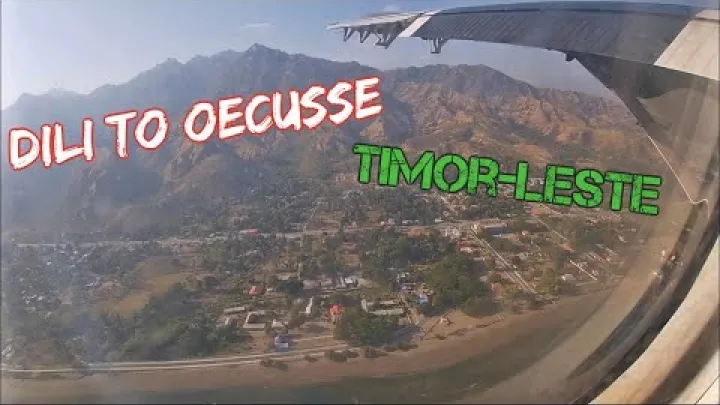
Use the current booking and contact pathway provided by Aero Dili rather than relying on an old timetable copied into a travel forum. Ask about the operating date, check-in process, baggage rules, airport transfer arrangements, and what happens if the flight changes. The Pante Macassar airport is small, so do not assume that normal large-airport services or late-night transport will be available.
| Option | Main advantage | Main trade-off | Best for |
|---|---|---|---|
| Flight | Fastest connection when operating | Small aircraft, baggage limits, and less schedule flexibility | Short visits and travelers prioritizing time |
| Ferry | Usually the lower-cost travel experience | Longer journey and sailing-dependent plans | Travelers with spare time and flexible itineraries |
Taking the Ferry from Dili
The Dili–Pante Macassar ferry is the slower option and has traditionally been an important link with Oecusse. It can cost less than flying and gives the journey a stronger maritime and regional character. However, the ferry is not a useful choice for a tightly timed itinerary because the sailing, port process, and arrival may take much of the day.
Older references describe services associated with the Berlin Nakroma ferry reference. That background does not establish the current vessel, sailing days, fare, ticketing process, or operating condition. Treat the ferry as a dated transport snapshot rather than a permanent timetable.
Prepare for a basic sea journey. Carry drinking water, snacks, sun protection, a hat, and a light layer for wind. Travelers who experience motion sickness should plan medication in advance and keep it accessible. Keep valuables and documents secure, and avoid arranging a flight, border crossing, or other fixed connection immediately after the expected arrival.
Crossing via Indonesian West Timor
The overland route is most appealing if you are already traveling through Indonesian West Timor or want a borderland journey rather than the simplest arrival. A general sequence may involve reaching Kefamenanu, continuing toward the Napan crossing, entering the Oecusse side, using local transport toward Pasar Tone, and then continuing to Pante Macassar. Local bemos and ojeks can form part of the journey, but this is not a fully integrated route with one booking reference.
Its appeal is also its difficulty. You combine two immigration systems, two sets of entry conditions, local transport with limited advance booking, and a border whose operating arrangements must be understood before travel. Visa eligibility, passport validity, permitted crossing points, exit and entry records, vehicle rules, and fees can differ by nationality and can change. Do not assume that a Timor-Leste entry arrangement also covers Indonesia, or that a process used by one nationality applies to another.
Use the land route when you have time for delays and a clear plan for both sides of the border. Keep copies of documents, allow daylight for the final local connections, and arrange how you will continue from Pasar Tone or another arrival point. If your priority is a short and predictable first visit, a direct flight or ferry is usually easier to organize.
Choose the Best Season for Your Trip
Timor-Leste generally has a drier period from May to October and a wetter period from November to April. The broad seasonal pattern is also described by Responsible Travel, but it should not be treated as a guarantee for a particular week in Oecusse.
- May to October: Often the more predictable period for road outings, hill walks, and coastal views. Conditions can still be hot, and a dry landscape may offer less greenery.
- November to April: Rain can make hills greener and rivers fuller, but it may complicate rural roads, ferry operations, river crossings, and outdoor plans.
For a first trip with several road or walking excursions, the drier period is usually the simpler choice. Before departure, compare the current forecast with transport and road conditions and leave flexibility during the wet season. Good Friday processions and the June celebration associated with Saint Anthony may be meaningful times to visit, but dates, routes, and local arrangements should be confirmed with a host or local institution.
Where to Stay and How to Get Around
Central Pante Macassar is the most practical base because it concentrates accommodation, food, civic areas, the waterfront, the port, and several heritage sights. The town is compact for central activities, but the wider Oecusse region is not a walking destination.
The Best Base: Central Pante Macassar
For a first visit, choose accommodation near the central town or waterfront rather than positioning yourself far outside the settlement. The waterfront offers open views and an easy place to observe daily life, while the central area is more convenient for errands, meals, local transport, and arranging a driver.
Central Pante Macassar also makes short independent walks possible. You can combine the waterfront, church areas, civic buildings, and nearby viewpoints without arranging transport for every stop. Beaches, hills, Lifau, Aosnak, Ponte Noefefan, and other rural sites require more planning. A central base therefore provides a practical concentration of services, not a large selection of tourist facilities.
Guesthouses, Hotels, and Booking
Expect small guesthouses and modest hotels rather than large resorts. Listings and traveler reports have mentioned names such as Janisa Guest House, Oé-Cusse Amasat Guesthouse, and JE Garden Guest House, but names alone do not confirm current operation, availability, price, or facilities. Treat them as possible leads and contact each property directly.
Choose by need. A waterfront property may suit travelers who value views and a relaxed setting; a central property may be better for food, errands, and arranging rides; and a quieter place outside town may work for visitors who already have transport. Ask about air conditioning or fans, electricity, internet, breakfast, private bathrooms, laundry, drinking water, payment methods, and whether staff can help arrange a vehicle. Confirm the room is actually held for your arrival, especially if you are traveling on a fixed ferry or flight.
Walking, Cycling, Bemos, and Local Rides
Walking is practical for the central waterfront and town sights when the heat, distance, and luggage are manageable. A bicycle can extend the range, but ask where one can be borrowed or rented and whether the route is suitable for cycling. Roads outside the town may be more comfortable with a local driver than on foot or by bicycle.
Bemos, ojek rides, taxis, and guesthouse-arranged drivers are the main options for farther sites. Availability and fares may be negotiated locally, and a ride to an attraction does not automatically guarantee a ride back. Before leaving town, agree on the destination, waiting time, return plan, and payment. For a rural outing, a driver who knows the route is often more useful than simply finding the cheapest one-way ride.
Top Things to See in Pante Macassar
The best Pante Macassar sightseeing combines a short town walk with one or two focused excursions. Do not judge the destination only by the number of formal attractions; some places are valuable because of their setting, religious meaning, or connection with everyday town life.
Beaches and the Waterfront
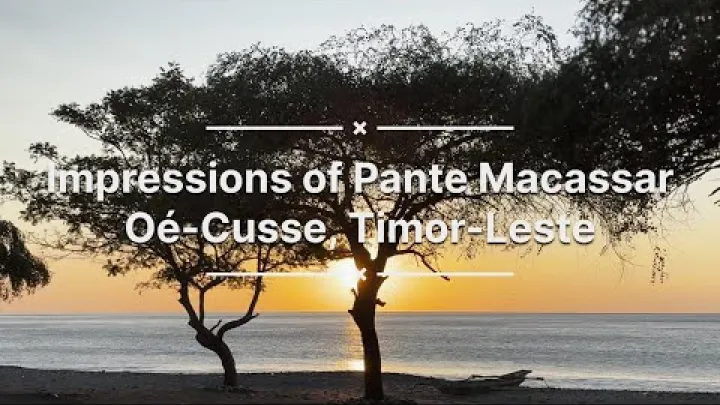
The central waterfront and nearby grey-sand shoreline are suitable for a coastal walk, open views, sunrise or sunset, and watching local activity. These are largely undeveloped scenic areas rather than fully managed swimming beaches, so do not expect resort facilities, lifeguards, equipment rental, or organized services at every location.
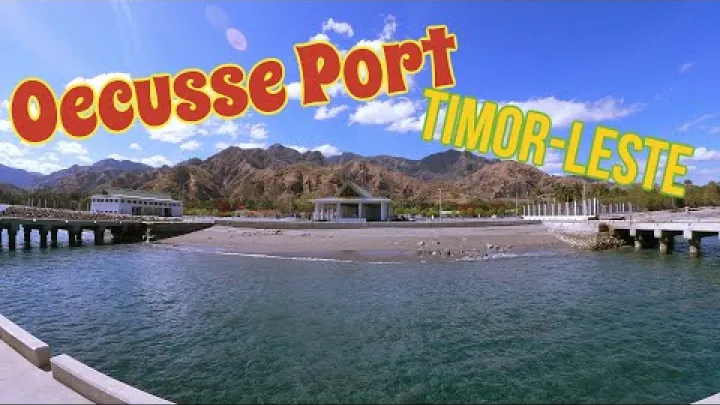
Choose the waterfront for easy access and town atmosphere. Choose an outlying beach for a quieter landscape when transport has been arranged. Christ Statue Beach may interest travelers looking for a more marine-focused outing, including possible snorkeling or diving, but access, providers, equipment, visibility, and current water conditions need local confirmation. Ask a host or guide which shoreline is appropriate for your planned activity.
Lifau and the Via Sacra Trail
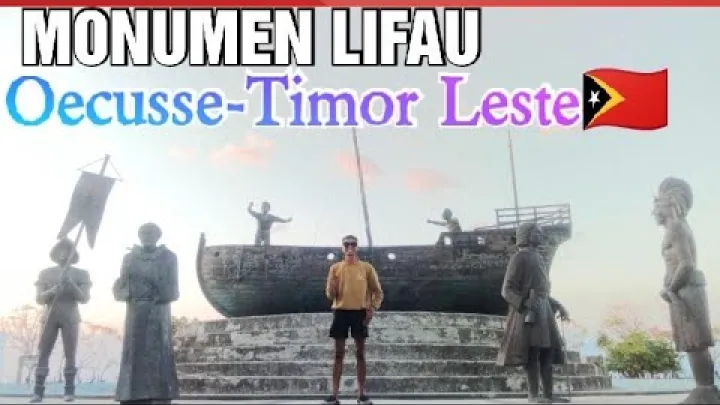
Lifau is one of Oecusse’s major historical anchors. It is associated with the early Portuguese presence on Timor and includes a monument complex that helps place the region within a longer history of contact, colonial administration, Catholic influence, and local change. Visit it as a historical and cultural site, not only as a photo stop, and avoid assuming that every part of the complex has formal interpretation or visitor services.
The Via Sacra Trail is a religious hill route marked by Stations of the Cross. It offers elevated views toward the coast and town while also showing the continuing local importance of Catholic practice. Lifau and the Via Sacra can make a half-day heritage and walking outing. Wear sturdy footwear, carry water, protect yourself from the sun, and dress modestly. A normal visit is different from a major procession, when movement and access may follow religious arrangements.
Fatu-Suba and the Historic Town Core
Fatu-Suba is a hilltop viewpoint associated with historical ruins and a Virgin Mary statue. The climb from town may be short in distance but hot in the middle of the day, so it is better suited to an early or late walk. The site can provide a strong sense of the relationship between the settlement, the coast, and the surrounding hills.
A useful walking circuit starts near the waterfront, continues to Igreja de Nossa Senhora do Rosário, passes older civic areas and nearby memorials, and then climbs toward Fatu-Suba. The Chinese Cemetery and other named landmarks can add context, but access and local significance should be confirmed respectfully rather than assumed from a map or travel list. Treat ruins as sensitive historic places; do not climb unstable structures or remove objects.
Civic Spaces and Memorials
Travelers interested in recent history can include the Jardim dos Heroes e Mártires da Pátria, memorial parks, colonial-era civic structures, and community sports spaces in a self-guided town walk. These places may explain more about independence, conflict, religious identity, and everyday community life than a short attraction description suggests.
Keep this walk secondary to the main heritage and coastal experiences. Signage, maintenance, and opening conditions may be limited, and memorials should not be treated as entertainment sites. Walk quietly, ask before photographing people or ceremonies, and use a local explanation when you want historical context.
Day Trips and Outdoor Activities in Oecusse
Beyond town, Oecusse offers rural roads, hills, river landscapes, and quieter coastal settings. These outings are more rewarding when the route, vehicle, daylight, and return arrangements are agreed in advance.
Ponte Noefefan and the Tono River
Ponte Noefefan and the Tono River can serve as anchors for a western Oecusse outing. The bridge is interesting as infrastructure within a rural landscape, while the river helps explain why movement between communities can be affected by seasonal conditions. The value of the trip is the combination of road travel, landscape, and regional context rather than a single formal attraction at the bridge.
Arrange a vehicle and judge the outing by the road, weather, daylight, and the condition of the river area on the day. Do not rely on a fixed excursion duration or assume that a driver will wait unless this has been agreed. Combine the bridge with other western stops only when the route remains realistic and you have a clear return plan.
Hills, Valleys, and Short Hikes
Fatu-Suba and the Via Sacra are relatively accessible starting points for walking. Longer routes into rural hills and valleys may have limited signage, mapping, rescue support, and standardized difficulty information. A path used regularly by local residents may not be an official hiking trail for visitors.
Progress gradually: begin with a town walk, then try a named viewpoint, and only afterward consider a longer local-guided outing. Use a host or guide for unfamiliar routes, especially if you do not speak the local language. Match the walk to daylight, heat, water, footwear, and fitness, and tell your accommodation where you are going.
Aosnak and Other Coastal Stops
Aosnak can be considered for a quieter coastal excursion when the central waterfront feels too urban or when you want a more open beach setting. Its value is likely to be the change of atmosphere and scenery rather than a guaranteed set of facilities. Compare it with the town beach by access, privacy, views, and the need to arrange transport.
Ask locally about the road, the best time to go, and whether a return ride can be arranged. Other coastal names, including Christ Statue Beach, should be treated as possibilities rather than a fixed list of services. Confirm the route, access, and any marine activity with a current local contact before building the day around it.
Food, Costs, and Practical Daily Planning
Pante Macassar is easier to plan when you budget for simple services, direct communication, and a contingency allowance rather than assuming that every price or booking option will be posted online.
What to Eat and Where to Find Meals
The food experience is likely to center on simple Timorese and Indonesian-influenced meals, including rice, fish, vegetables, and meat. Guesthouse breakfasts, accommodation restaurants, small cafés, and local eateries may be more useful than a long restaurant list. Opening hours, menu language, and available dishes can vary, so ask accommodation staff what is serving that day.
Café Dominican is one venue name that appears in travel references, but confirm that it is operating and accessible before making it part of your plan. If you have allergies, a vegetarian diet, or other restrictions, explain them when booking and again when ordering. Carry a small snack for longer drives because meal stops outside central Pante Macassar may not be predictable.
Typical Costs and Cash Planning
Build the budget around six items: accommodation, the Dili–Oecusse connection, meals, local rides, day trips, and optional guides or drivers. Published operator prices should be separated from negotiated local transport. Older ferry or land-route figures are useful only as historical context, not as promises about what you will pay.
| Category | Indicative amount or tier | Usually includes | Currency and price date | How to confirm |
|---|---|---|---|---|
| Accommodation | Modest to mid-range; varies by room | Room only unless breakfast or extras are stated | Ask the property for its current quote | Contact the property directly |
| Dili flight | Operator-set fare | Ticket and stated baggage terms | Use the current quote date | Ask Aero Dili |
| Ferry | Generally lower-cost than flying in historical comparisons | Passenger crossing; ticket and port conditions vary | Use the current fare date | Ask the port or current operator |
| Meals | Low to moderate local budget | Simple meal; drinks and special items may cost extra | Local price at time of purchase | Ask the accommodation or eatery |
| Local rides | Usually a negotiated per-trip cost | Bemo, ojek, taxi, or one arranged transfer | Agree the currency and price first | Ask a host or driver |
| Day-trip vehicle | Largest variable cost | Vehicle, route, waiting time, fuel, or guide only if agreed | Request a dated quote | Arrange through a trusted local contact |
Keep a cash reserve for transport, food, and a change of plan. Ask whether a property accepts cards or requires cash, and whether a quoted room price includes meals, electricity, internet, laundry, or transport. For an overland trip, plan for payment arrangements on both sides of the border rather than assuming that one currency or payment method will work throughout.
Connectivity, Supplies, and Flexible Daily Logistics
Limited online information means that direct phone or messaging contact and local introductions may be more useful than a booking platform. Before leaving the town base, identify the current contact for your accommodation, transport provider, meal arrangements, activity, and return ride. Save important numbers and addresses offline in case your connection is unreliable.
For a hot day or rural outing, carry drinking water, snacks, sun protection, practical footwear, and a way to contact your accommodation. Use a short local confirmation list for payment options, electricity, phone connectivity, meal availability, laundry, transport, and activity arrangements. RAEOA, your accommodation, and the current operator channel are more useful for final details than an old third-party listing.
Culture, Safety, and Health
Pante Macassar rewards respectful travel. Religious sites, memorials, waterways, and rural communities are part of daily life, not only items on a sightseeing route.
Religious Sites, Festivals, and Local Etiquette
Catholic churches, chapels, shrines, statues, cemeteries, the Via Sacra, and pilgrimage sites are important parts of Oecusse’s cultural landscape. Their meaning is continuing and local; it should not be reduced to Portuguese colonial history. A visit is more respectful when you observe how residents use the space and follow their lead.
Wear modest clothing that covers shoulders and upper legs when visiting religious places, keep your voice low, and ask before photographing people, statues, rituals, or processions. Good Friday processions and other observances can affect movement, accommodation demand, and access to sacred spaces. The same applies to celebrations associated with local patron saints, including the June observance linked with Saint Anthony. Do not walk through a procession for a photograph or treat a shrine as a casual backdrop.
Personal Safety and Current Travel Advice
Read the latest official travel advice for Timor-Leste before departure and note its publication or update date. National political and security conditions can change, and a calm experience in Pante Macassar is not a guarantee that every situation across the country will remain calm.
Avoid demonstrations, political gatherings, and visibly tense situations. Keep valuables discreet, secure your passport and phone, use care after dark, and tell your accommodation when you are leaving for a remote area. Distinguish country-level advisory information from unverified claims about crime or safety in a particular street or neighborhood. Do not use an anecdote that the town feels peaceful as a substitute for current official guidance.
Food, Water, Mosquitoes, and Water Safety
Use conservative food and water habits: choose food that is cooked and served hot when possible, wash or sanitize your hands, and drink sealed, treated, or otherwise reliably safe water. Travelers with medical conditions or dietary restrictions should prepare a clear explanation of their needs and carry suitable backup food or medication for longer outings.
Use repellent, cover exposed skin, and follow advice from a travel-health professional about itinerary-specific vaccinations and medicines. Coastal, river, and freshwater recreation needs separate local guidance. Some Timor-Leste waterways have reported crocodile hazards, so never assume that a river mouth, swimming area, or snorkeling location is safe because it looks calm. Ask a local host or guide about current conditions before entering the water, and do not enter an unfamiliar area alone.
Medical Care and Emergency Contingencies
Expect advanced medical services to be limited in Pante Macassar. Routine needs may be manageable through local services or a pharmacy, but serious illness, injury, or complications may require travel elsewhere. Do not depend on finding a specific medicine after arrival.
Travel with essential personal medicines, a basic first-aid kit, copies of prescriptions, and insurance details. Choose insurance that includes appropriate medical and evacuation support. For hikes, rural roads, water activities, or transport disruptions, know how to contact your accommodation and how you would reach more advanced care. Ask locally for the current emergency procedure rather than relying on an old clinic name, phone number, or estimated evacuation time.
Sample Itineraries and Final Checklist
Use these itineraries as flexible sequences rather than fixed schedules. Your arrival mode should determine how much sightseeing you attempt on the first day.
A Two-Day Pante Macassar Itinerary
Day one: Arrive, settle into central Pante Macassar, and keep the first activities close to your accommodation. Walk the waterfront, find a simple meal, and make a short heritage circuit through the church area, civic spaces, and an accessible viewpoint. If you arrive late or after a long ferry journey, treat this as an orientation day rather than trying to reach Lifau.
Day two, heritage version: Arrange an outing to Lifau and the Via Sacra, then return through the town core or continue to Fatu-Suba if energy and daylight allow. Day two, beach and viewpoint version: Walk the waterfront, visit Fatu-Suba, and arrange a nearby coastal stop such as Aosnak if access and a return ride are clear. Select one main outing instead of attempting every named attraction.
A Three- to Four-Day Oecusse Itinerary
- Day one: Orient yourself in Pante Macassar, visit the waterfront and historic core, and confirm transport for the following days.
- Day two: Combine Lifau, the Via Sacra, Fatu-Suba, and selected civic or religious sites, keeping the walking route realistic.
- Day three: Use a local vehicle for Ponte Noefefan and the Tono River, a coastal excursion, or a guided hill and valley outing. Choose one regional direction rather than combining distant stops.
- Day four: Keep a shorter local activity or reserve day before departure. Travelers focused on heritage can revisit sites with more context; beach-focused travelers can choose a second coast; walkers can use the day for a locally guided route.
The longer itinerary works best when the vehicle, guide, and return ride are arranged for the regional outings. Place the departure connection after the main sightseeing rather than relying on a tightly timed same-day transfer from a remote attraction.
What to Confirm Before Departure
- Documents: Check passport validity, Timor-Leste entry conditions, and any documents required for your nationality.
- Transport: Reconfirm the chosen flight, ferry, or land connection directly with the operator or port before fixing onward connections.
- Land borders: Check current Timor-Leste and Indonesian entry, exit, visa, and border requirements with the relevant official authorities before choosing an overland crossing.
- Accommodation: Save the property’s direct contact, arrival instructions, payment terms, meal arrangements, and transport options.
- Money: Carry a contingency reserve and confirm the currency, cash needs, card acceptance, and quoted inclusions.
- Packing: Bring sun protection, walking shoes, rain protection when appropriate, drinking-water supplies, modest clothing for religious sites, motion-sickness medication if needed, and essential personal medicines.
- Local plans: Record the contact for your driver, guide, activity provider, and accommodation before leaving central Pante Macassar.
Transport schedules, prices, room availability, border rules, road conditions, and local services are changeable information, not permanent facts. Use current official authorities, operator and port contacts, RAEOA, and your accommodation for the final decision. With that preparation, Pante Macassar can provide a rewarding introduction to Oecusse through its coast, history, religious heritage, hills, and slower local rhythm.
Select area
Create a post
Posting is free and no registration is required.