Viqueque Budget: Daily Travel Costs and Saving Tips

A realistic Viqueque budget is shaped less by entrance tickets than by access, room availability, meal arrangements and whether transport is shared. As a working guide, plan on about 55-80 USD per person per day for highly budget-conscious travel, 90-150 USD for mid-range travel, or 150-237 USD and more for comfortable travel with private transport and added flexibility. These are planning bands rather than guaranteed prices because direct, current price data for Viqueque is limited. The guide below separates reported local prices from wider Timor-Leste comparisons and explains how to plan for Viqueque town, Loi Huno and Ossu.
Viqueque Travel Budget at a Glance
Viqueque can be inexpensive at the room and meal level, but a short trip can become costly when a round-trip journey from Dili, a private vehicle or a remote activity is divided among only one or two nights. The most useful budget is therefore a total-trip estimate converted into a daily figure, not simply a room price multiplied by the number of nights.
Daily Budget Ranges for Budget, Mid-Range, and Comfortable Travel
Use the following ranges as starting points for one traveler. They combine accommodation, food, local movement, an allocated share of access costs, activities and a modest amount of flexibility. They are synthesized planning ranges from limited Viqueque evidence and Timor-Leste-wide comparisons, not a published Viqueque tariff.
| Travel style | Daily planning band | Typical stay | Food approach | Transport and activities |
|---|---|---|---|---|
| Budget-conscious | 55-80 USD | Basic fan room or shared room | Local meals and included breakfast | Public bus, walking and low-cost nearby experiences |
| Mid-range | 90-150 USD | More predictable guesthouse or shared ensuite room | Local meals with occasional guesthouse dining | Shared rides, selected guided visits or limited private transport |
| Comfortable | 150-237 USD or more | Private or more reliable accommodation | Regular prepared meals, drinks and snacks | Private vehicle days, remote outings and a larger flexibility allowance |
The budget-conscious range assumes that you accept basic facilities, use the lowest-cost practical access option and avoid arranging a private vehicle for every day. The mid-range band allows more predictable lodging and occasional paid support. The comfortable band is mainly a planning allowance for travelers who value private transport, better reliability, organized activities or the ability to absorb an extra night.
For comparison, a country-level guide from ATM Fee Saver describes about 50-80 USD per day as a comfortable Timor-Leste benchmark. That figure is not a Viqueque-specific price and should not be treated as proof that a rural South Coast trip will fit the same range. In this article, the reported local anchors are the Guest House Luminar rate, the Hotel Wailakurini rate and meal example, the Ossu package examples and the Dili-to-Viqueque bus fare. The private-vehicle allowance, local-ride allowance and three daily bands are planning estimates.
What a Daily Budget Should Include
A daily Viqueque budget should include the costs that occur every day: the room, meals, drinks and snacks, local rides, mobile data, laundry and small purchases. It should also include a sensible share of intercity access. If a round trip from Dili costs 16 USD and you stay one night, the access cost adds 16 USD per night. Across four nights, it adds 4 USD per night; across seven nights, it adds about 2.29 USD per night.
Private vehicle days, airport or city transfers in Dili, guides and special activities are better shown as separate lines. This makes it easier to compare a bus-based stay with a vehicle-supported itinerary. International flights, unrelated time in Dili and separate trips to places such as Atauro should remain outside the core Viqueque budget unless you are building a complete Timor-Leste itinerary.
All figures in the ranges are per person. A room may be priced per room, while a meal is usually described per person and a vehicle is often priced per day or per group. Breakfast included in a room rate, two people sharing a room, four people sharing a vehicle and an included guide can change the per-person total substantially.
Accommodation Costs in Viqueque and Nearby Bases
Accommodation is where the largest difference between a very low-cost and a more predictable Viqueque trip appears. The named local examples should be read as useful anchors, not as evidence that every property or room has the same price and facilities.
Basic Rooms in Viqueque Town
A reported rate for Guest House Luminar is about 10 USD per night including breakfast. This is a valuable low-end anchor for a traveler who mainly needs a place to sleep and is comfortable with simple infrastructure. The reported room is a very basic fan room with limited electricity and basin-style washing. It should not be presented as a guaranteed modern private-bathroom room or as the standard price for all accommodation in Viqueque town.
The low rate can work well for a longer, independent stay, especially when the traveler walks in town and uses local meals. It may be less suitable if reliable electricity, a full bathroom, air conditioning, private space or consistent water service is essential. A cheap room also does not remove the cost of reaching Viqueque or traveling onward to rural sites.
Contact the guesthouse directly before relying on this rate. Ask for the current nightly price and confirm:
- Whether the quoted amount is per room or per traveler.
- Whether breakfast is included every day and what it contains.
- Water supply, washing facilities and electricity hours.
- Room privacy, fan availability and the bedding arrangement.
- Payment method, cancellation conditions and arrival arrangements.
This direct check is especially important for a short trip, when a difference of even 10 or 20 USD can materially change the daily average.
Loi Huno Community Lodging and Included Meals
Near Loi Huno, Hotel Wailakurini provides a different cost pattern. Reported room rates are around 40-50 USD including breakfast. Reported rooms include fan-cooled accommodation and ensuite facilities, while lunch and dinner have been reported at about 7 USD per person per meal. These figures describe a community-lodging option with a meal arrangement; they do not imply hotel standards comparable with a large tourism market.
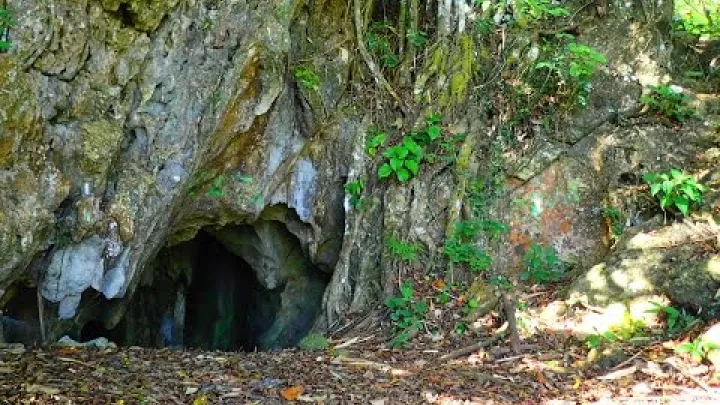
Read the 40-50 USD figure as a room-price reference until the property confirms whether it is charged per room or per traveler. If two people share a room, the room component may be 20-25 USD per person before other costs. If a solo traveler pays the full room amount, the same stay moves closer to the comfortable end of the daily budget. Two reported meals add up to 14 USD per person per day, before drinks or snacks.
The higher room cost may buy more predictability: an identified place to stay, breakfast, an ensuite arrangement and an on-site option for meals. It can be a practical choice when the priority is being near Loi Huno or reducing the need to arrange food independently. A traveler focused only on the lowest room cost may prefer the basic Viqueque-town anchor, provided that the simpler facilities and separate access costs are acceptable.
Ossu and Package-Style Stays
Ossu-area accommodation can also appear as a package rather than a separate room booking. A reported guesthouse post lists prices from about 750 GBP for two people for one week and about 1,160 GBP for nine people for one week. Simple division gives roughly 53.57 GBP per person per day in the two-person example and 18.41 GBP per person per day in the nine-person example. Those calculations show how strongly group size can affect a bundled rural stay, but they are not a universal daily accommodation rate.

The package description indicates a combination of accommodation, local food and guiding, but it does not fully establish what transport, meals, guiding hours, activities, room arrangements or other services include. The listing is therefore best used to demonstrate package economics rather than to set a final Viqueque budget. A Facebook guesthouse post can be a useful starting point for a lead, but the provider should supply the practical details directly.
Before comparing a package with self-guided travel, request a written summary of inclusions and exclusions. Ask about the number and type of rooms, meals and drinks, transport to and from the property, guiding, activities, group-size limits, extra-person charges and cancellation terms. A package may cost more than a basic room but save money on coordination and separate rides. Independent arrangements may be cheaper for a flexible traveler, but the price is less predictable when each room, meal and trip must be organized separately.
Food and Everyday Spending in Viqueque
Food prices in Viqueque are difficult to document through current menus, so the safest approach is to use a broad planning range and then adjust it for the base you choose. Breakfast inclusion and the availability of a guesthouse kitchen can make a larger difference than the price of a single local meal.
Local Meals, Guesthouse Dining, and Food Ranges
For a basic Timor-Leste travel budget, a fallback planning range of about 3-7 USD per visitor meal is reasonable for simple local food. This is a wider country-level planning range, not a confirmed Viqueque menu. A practical daily food allowance is about 10-18 USD per person when breakfast is included and the traveler combines simple local meals with occasional guesthouse dining.
The reported Hotel Wailakurini example is 7 USD per person for lunch and 7 USD for dinner. With breakfast included in the room rate, that gives a straightforward food plan of 14 USD per day before drinks and snacks. A simpler local plate may cost less, while a remote guesthouse meal can cost more because convenience, preparation and supply are part of the service.
Plan toward the lower end when breakfast is included, meals are simple and you buy few drinks or snacks. Plan toward the higher end when you need more protein, packaged food, bottled drinks, coffee, dietary alternatives or meals ordered at a rural guesthouse. Do not subtract breakfast from the budget until the property confirms that it is included for the dates of your stay.
Cash, US Dollars, and Small Daily Expenses
Timor-Leste uses the US dollar together with centavo coins. In rural Viqueque, many everyday transactions should be planned as cash-based, with limited card or ATM fallback outside major centers. Small expenses can include water, coffee, snacks, mobile data, laundry, small contributions and unexpected purchases. A separate allowance of about 2-5 USD per person per day is a reasonable planning estimate for these extras, not a confirmed local tariff.
Withdraw enough physical US dollars in Dili before leaving for Viqueque, carry small denominations and keep a separate contingency reserve. Small notes make modest purchases and shared payments easier, while a reserve protects the trip if a transfer changes, a night is added or a provider cannot process a card. Keep cash in more than one secure place and record what has already been paid.
- Ask whether a quoted room or package must be paid in cash.
- Keep small notes separate from the main reserve.
- Confirm the price and inclusions before accepting a meal, ride or activity.
- Do not build the budget around a card, ride-hailing application or distant ATM that has not been confirmed for your route.
Transport Costs to and Within Viqueque
Transport is the main reason a low room price does not always produce a low total trip cost. The Dili connection is relatively clear as a public-transport reference, while local rides and private vehicle prices require a more flexible allowance.
Public Bus from Dili Through Terminal Becora
Rome2Rio reports a Local Bus Timor Leste service from Terminal Becora in Dili to Viqueque once daily, with a fare of about 8 USD and a journey time of approximately 3 hours 30 minutes. This is the clearest intercity cost anchor for a budget traveler: about 16 USD for a reported round trip, before reaching Terminal Becora or moving between Dili accommodation, the airport and the terminal.
A once-daily bus can be the lowest-cost option, but it gives less flexibility than a private vehicle. Treat the fare, departure time, terminal, operating status and journey duration as source-reported references rather than fixed guarantees. Confirm them locally in Dili before travel, especially if your connection depends on a single departure or if road conditions have changed.
For budgeting, add Dili airport or city transfers as separate items because no fixed transfer price is established here. Then divide the reported 16 USD round-trip bus cost by the number of Viqueque nights. The access share is 16 USD for one night, 8 USD for two nights, 4 USD for four nights and about 2.29 USD for seven nights. A longer stay often makes public transport more efficient on a per-day basis.
Private Cars, 4x4 Vehicles, and Shared Costs
A country-level planning estimate of about 85-120 USD per day for a 4x4 vehicle with driver can help frame a private-transport budget. It is not a confirmed Viqueque operator tariff. A private vehicle should be treated as a purchase of time, route flexibility and support, not as a normal local taxi fare.
Sharing changes the calculation. If the vehicle quote is 85-120 USD for the day, two travelers would pay about 42.50-60 USD each, while four travelers would pay about 21.25-30 USD each. Six travelers would pay about 14.17-20 USD each if the vehicle and operator accept that capacity. These are arithmetic examples only; vehicle size, passenger comfort and route conditions must be agreed with the provider.
Request a written vehicle quote that states:
- The driver and vehicle type.
- Whether fuel is included.
- Daily driving hours, waiting time and overnight costs.
- The route scope, distance limits and duration.
- Passenger capacity and luggage limits.
- Whether a guide, meals, accommodation or activity access is included.
Also ask whether the quote is for a full vehicle day or only a point-to-point transfer. A one-way transfer and a vehicle waiting for an entire remote outing should not be compared as if they were the same service.
Local Transport Around Viqueque and Rural Sites
Direct, current fare evidence for local rides within Viqueque and nearby villages is sparse. Do not build the trip around a fixed moto-taxi, taxi or shared-car price. For a walking-based stay in town, a few dollars per day is a reasonable provisional local-transport allowance. For occasional short rides, use a flexible envelope of about 5-10 USD per day, while recognizing that a longer rural journey belongs in a private-vehicle or driver budget instead.
For context, 22places gives a 25-cent ride example for public transport in Dili. That is a city comparator only and must not be treated as a Viqueque fare. A rural ride can have a different price because of distance, waiting, road conditions, fuel and the need for the driver to return.
Ask your guesthouse whether a local driver is available for the particular village, river, beach, viewpoint or community visit you want to reach. Agree the price, waiting time and return arrangement before the ride begins. Walking-based town activities are usually the easiest way to keep local movement costs low; remote sites need their own access line.
Activities, Access, and Free-Cost Experiences
Many Viqueque experiences may have little or no formal ticket cost, but a free or low-cost activity can still require transport, guidance, food, permission or a community contribution. Budget the access arrangement rather than assuming that an activity costs nothing.
Low-Cost Nature and Cultural Experiences
Walk-based exploration around suitable town or village surroundings can keep the activity line close to zero when no formal fee applies. Landscapes, markets, rivers, viewpoints and everyday cultural encounters may be more affordable than organized attractions. The absence of a published ticket price does not confirm that every site is freely accessible.
Use a simple cost ladder:
- Walk-based exploration: little or no formal activity fee, with a small allowance for food, water or local transport.
- Locally arranged visit: possible guide, contribution, transport or permission cost, which should be agreed in advance.
- Vehicle-dependent outing: the main expense is usually the ride or driver time rather than an entrance ticket.
Villages and community spaces are lived places, not unrestricted attractions. Ask whether visitors are welcome, follow local guidance, request permission before taking photographs and respect any contribution or guide arrangement. Because a reliable current Viqueque attraction-fee list is not available, it is safer to budget for access and support than to invent a ticket price.
Guides, Vehicles, and Access Costs for Remote Experiences
For less-developed South Coast experiences, the cost of reaching the place can exceed the cost of the experience itself. A guide may be useful for communication, local permissions, cultural context or finding a safe approach, even when there is no formal entrance fee. Guide prices are not established here, so request a local quote rather than inserting an unsupported amount into the budget.
Choose among three arrangements:
- Self-guided nearby activity: best for a walking-based day with no known ticket fee and limited transport needs.
- Locally guided outing: useful when a community visit or rural site requires local knowledge; add the quoted guide, contribution and ride costs.
- Full vehicle-supported day: most flexible for several distant stops, but add the complete vehicle-day quote and divide it among the passengers.
A community package in or around Ossu may combine these costs into one price. That can make the total easier to understand, but it is only good value when the included transport, guiding, meals and activities match your plans. Keep expensive Timor-Leste activities elsewhere, such as specialist diving or whale-watching arrangements, outside the core Viqueque estimate unless you are intentionally adding them to a wider itinerary.
What Raises the Viqueque Travel Budget
Viqueque has a central trade-off: basic lodging can be inexpensive, while limited supply and difficult access can reduce flexibility. The following factors can push a trip above the initial daily estimate.
Weather, Weekends, and Local Events
Heavy rain can affect road reliability, travel time and the practical need for private support. Weekends, public holidays, community events and limited room supply can also make a basic room or a vehicle harder to secure. These effects are conditional, and there is not enough reliable evidence to assign exact peak months or standard event surcharges for Viqueque.
Short itineraries are most exposed to these changes. A delayed journey can create an extra night, a missed connection or a replacement vehicle cost. When the itinerary matters, allow enough time for a change rather than planning every transfer at the narrowest possible margin. An extra night or a backup lodging option may protect the total budget even if it increases the initial estimate.
Before committing to remote travel, check current rain and road conditions with the accommodation provider or a local contact. Keep a weather-related time and transport reserve separate from the general 2-5 USD daily allowance for small expenses. The first protects the itinerary from disruption; the second covers ordinary drinks, data and minor purchases.
Limited Supply, Comfort, and Imported Costs
A rural destination is not automatically cheaper than a better-served Timor-Leste city. Viqueque may have fewer competing rooms, fewer meal choices, longer supply lines and higher fuel or coordination costs. When services are limited, a traveler may pay for convenience or reliability even if the room itself is inexpensive.
Think of the choice as three levels. A very basic fan-and-basin room minimizes the lodging bill but requires greater tolerance for simple infrastructure. A more predictable guesthouse with an ensuite arrangement and included breakfast costs more but may reduce food and coordination problems. A private vehicle increases the total again, but may provide the flexibility needed for Loi Huno, Ossu or other rural sites.
Do not assume that a named property has air conditioning, continuous electricity, a specific bathroom standard or a broad restaurant menu unless the provider confirms it. The cost decision is not only about comfort. It is also about how much uncertainty you are willing to manage and how much you value saving time on food, transport and local coordination.
How Group Size Changes the Per-Person Budget
Group size affects each cost differently. Accommodation is often priced per room, vehicles are commonly priced per day or group and packages may be priced for a stated number of travelers. This makes solo travel disproportionately expensive for remote excursions. A couple can divide a room and a vehicle, while four travelers may reduce the vehicle share further.
The reported Hotel Wailakurini information includes a multi-bed room configuration, which may help a small group if the arrangement and extra-person rules are confirmed. The Ossu package examples show the same principle more strongly: 750 GBP for two people for one week equals about 53.57 GBP per person per day, while 1,160 GBP for nine people for one week equals about 18.41 GBP per person per day. The difference may reflect group pricing and shared guiding or transport, not a simple change in room quality.
Use these formulas when comparing options:
- Room cost per person: total room price divided by the number of paying occupants.
- Vehicle cost per passenger: vehicle-day quote divided by the number of passengers, plus any separate fuel, waiting or overnight charges.
- Package cost per person: total package price divided by the confirmed number of travelers and nights, after removing services that your group will not use.
Never assume that an extra occupant, bedding, meal or passenger fits without approval. Capacity, room layout and included services must be confirmed with the provider.
How to Save Money in Viqueque
The biggest savings usually come from choosing the right access method and base, not from cutting a small amount from every meal. Compare the whole trip cost, including the time and coordination required by the cheapest option.
Save on Access and Choose a Cost-Matched Base
The public bus is the main budget-access option when the reported service, fare and departure details are confirmed for your travel date. A private car becomes more reasonable when several people share it or when it replaces several separate rides. Staying several nights also spreads the round-trip access cost more effectively than a one-night visit.
Choose the base that matches the purpose of the trip:
| Base | Best fit | Main cost pattern |
|---|---|---|
| Viqueque town | Lowest room cost and a simple independent stay | Basic lodging may be inexpensive; remote activities and separate meals can add cost |
| Loi Huno | Community lodging, included breakfast and a more predictable meal option | Reported 40-50 USD room reference plus 7 USD per-person lunch and dinner examples |
| Ossu | Group experience or bundled accommodation, food and guiding | Package convenience; value depends heavily on group size and inclusions |
For one short remote experience, a closer or package-style base may be better value than moving between several places. For a longer independent stay, Viqueque town may make the low room anchor more useful. The cheapest base is not always the cheapest complete itinerary if it creates extra vehicle days.
Reduce Food and Lodging Costs Without Assuming Availability
Start with a room rate that includes breakfast when the price difference is reasonable. Then compare the reported 7 USD guesthouse meal with the broader 3-7 USD local-meal planning range. A guesthouse dinner may be worthwhile when there are few nearby food options, while a local meal can reduce costs when it is available and convenient.
Do not assume that every village has a reliable restaurant, a broad menu or late-night food. Ask about meal ordering times, included items, drink prices and dietary options before rejecting a higher room rate. Buying simple food and drinks earlier in the day can also reduce the risk of paying for an unplanned remote meal, but availability should be treated as a local question rather than a guarantee.
Two simple planning patterns illustrate the choice:
- Basic-room traveler: about 10 USD for a reported room including breakfast, 10-18 USD for the rest of the day’s food, 2-5 USD for small extras and a few dollars for local movement, before adding the allocated intercity cost.
- Community-guesthouse traveler: a reported 40-50 USD room reference including breakfast, up to 14 USD for two reported meals, plus drinks, extras and local access. The room amount must first be clarified as per room or per traveler.
Share rooms and vehicles only when the provider confirms the arrangement. Advance coordination is safer for the budget than relying on last-minute availability, especially when the number of rooms and drivers is limited.
Build a Verification Checklist and Contingency Reserve
Use a worksheet with separate lines instead of one rounded daily number. Create low, likely and high columns for each item:
- Accommodation rate, room occupancy, number of nights and included breakfast.
- Lunch, dinner, drinks, snacks and any dietary or preparation costs.
- Dili airport or city transfer, Terminal Becora access and the intercity bus or private transfer.
- Local rides around Viqueque, Loi Huno or Ossu.
- Private vehicle days, fuel, driver waiting, overnight costs and passenger capacity.
- Guides, community contributions, permissions and activity-related transport.
- Mobile data, laundry and miscellaneous daily spending.
- A separate weather or road-disruption allowance and an optional extra night.
For a simple calculation, add the room total, food total, local transport, intercity access, vehicle days, guide or activity costs and daily extras. Divide the total by the number of travelers and then by the number of Viqueque nights. For one-time access, dividing by more nights lowers the daily share; for a vehicle used on only one day, include the full vehicle cost in the trip total rather than pretending it occurs every day.
Record the date of every quote and write down its inclusions. A low quote with no breakfast, no return ride or no waiting time may be less useful than a higher quote that covers the service you actually need. Treat optional activities as removable lines, but keep lodging, food, access and a realistic disruption allowance in every likely and high scenario.
Final Viqueque Budget Checklist
Before finalizing a Viqueque trip, use this short checklist:
- Choose Viqueque town, Loi Huno or Ossu according to your room, meal, access and support priorities.
- Record the accommodation price per room or traveler, occupancy, breakfast, facilities and payment method.
- Set a food allowance of about 10-18 USD per person per day when breakfast is included, then adjust for guesthouse meals, drinks and snacks.
- Separate the Dili-to-Viqueque access cost from daily spending and divide it across the nights you will stay.
- Use the reported 8 USD bus fare only as a planning reference until the current service details are confirmed.
- For a private vehicle, obtain the route, duration, fuel, waiting, driver and passenger-capacity details in writing.
- Budget local movement and remote access separately; do not treat a walking-based town allowance as enough for a rural outing.
- Keep guide, contribution, permission and optional activity costs as separate lines.
- Use low, likely and high totals, and keep a separate reserve for weather, road changes or an added night.
- Carry physical US dollars in useful denominations and keep contingency money separate from ordinary daily spending.
For most travelers, the most dependable Viqueque budget is not the absolute cheapest one. It is the plan that accepts basic facilities where appropriate, shares transport when possible, stays long enough to spread access costs and leaves room for limited supply or changing conditions.
Select area
Create a post
Posting is free and no registration is required.