Maliana Travel Guide: Timor-Leste, Marobo & Bobonaro

This Maliana travel guide is for travelers who want to see a quieter, rural side of Timor-Leste. Maliana is the capital of Bobonaro municipality, an inland town surrounded by agricultural land and mountain landscapes, with links toward the Timorese north coast and the western border corridor. It works best as a practical base for regional excursions rather than as a city filled with formal attractions. The guide explains how to reach Maliana, where to stay, what to do around town, how to plan for changing road conditions, and what to consider for costs, health, and personal safety.
Maliana at a Glance: Setting and Travel Style
Maliana rewards travelers who plan with flexibility. The town provides a useful base for exploring Bobonaro municipality, but the quality of the experience depends heavily on road access, local arrangements, and the time available.
Where Maliana Fits in Timor-Leste
Maliana is the capital of Bobonaro municipality in western Timor-Leste. It lies inland from the Timorese north coast and is connected to the wider western route leading toward Batugade and the Mota'ain border corridor. Travelers approaching from Dili commonly combine a westbound road journey with possible stops near the coast or at Balibo before continuing inland toward Maliana.
![Preview image for the video "[English Video] Explore Bobonaro Municipality│Maliana│Visit Timor-Leste 🇹🇱 │dirciasjourney".](/sites/default/files/styles/media_720x405/public/oembed_thumbnails/2026-08/QVHb3p-D6Roq2xtxXFI1QuwtMnLvdASLMirjAwfMEcA.jpg.webp?itok=Q0ZLPtk3 "Preview image for the video \"[English Video] Explore Bobonaro Municipality│Maliana│Visit Timor-Leste 🇹🇱 │dirciasjourney\".")
The town's setting is different from Dili. Maliana is associated with a broad rice-growing basin and nearby mountain scenery, while Dili offers more urban services, a larger choice of accommodation, and easier access to national transport and medical resources.
In Maliana, daily life is more closely connected to farming, local markets, and movement between rural communities.
The official Timor-Leste Tourism profile presents Bobonaro as a western gateway with hot springs, scenic mountains, and cultural appeal. That description is useful for understanding the area, but it should not create the expectation of a dense urban sightseeing program. Maliana is mainly a rural hub and a gateway to nearby places.
Why Visit and How Long to Stay
Include Maliana if you want a slower journey through western Timor-Leste, an agricultural landscape, and access to regional sites. The main reasons to stop include the Marobo Hot Springs, the historical significance of Balibo, local markets, rice-field scenery, tais textiles, and the opportunity to observe everyday life away from the capital.
One night can work for a transit stop or for travelers whose main purpose is a short visit to Marobo. Two nights give you more room for the road journey, a planned excursion, and a relaxed town orientation. Three nights are more suitable if you want to spend time around the market and rice-growing basin, arrange a locally introduced village or textile visit, or keep a spare day for changes in weather and transport.
Maliana may not suit travelers who expect frequent public transport, international-style hotels, nightlife, or a fixed timetable of organized activities. It is a better choice for independent travelers, photographers, cultural travelers, and visitors comfortable with basic services and locally arranged transport. The area rewards patience and curiosity more than a tightly packed attraction checklist.
How to Reach Maliana
For most visitors, reaching Maliana is primarily a road-planning question. Your best transport choice depends on whether you value the lowest possible cost, more control over stops, or a dependable vehicle for regional excursions.
Driving from Dili: Route, Timing, and Daylight
The commonly used overland approach travels west from Dili along the north-coast corridor before turning inland toward Maliana. The exact sequence of stops can vary, but Balibo is a possible addition when the road plan and opening arrangements allow. This route can provide a useful introduction to western Timor-Leste, although a stop should not be added if it would make the arrival in Maliana late.
A commonly quoted planning range for Dili to Maliana is roughly three to four hours by road. Treat that figure as indicative rather than as a fixed travel time. Road conditions, weather, traffic, stops, vehicle type, and the final approach all affect the journey. An older route account from Mission for the Poor describes the approach as slow and winding and notes that the travel time varies. Because that account dates from 2016, use it for route context, not as a current schedule.
For a first trip, arrange an early departure from Dili and aim to reach Maliana in daylight. Allow a generous buffer instead of planning around the shortest published estimate. Daylight makes it easier to identify the accommodation, complete a late route adjustment, and deal with a driver or vehicle problem without arriving in an unfamiliar rural town after dark. A private driver is especially useful if your plan includes a scenic stop, Balibo, or onward arrangements for Marobo.
Buses, Shuttles, and Limited Flights
Public buses are usually the lower-cost option, but they may be basic, crowded, less flexible, and more difficult to combine with sightseeing stops. They can make sense for travelers whose priority is price and who are prepared for a less predictable road day. Confirm where the bus leaves from, whether it operates on your intended day, how much luggage is accepted, and where passengers are dropped in or near Maliana.
A private vehicle with a driver costs more than public transport, but it offers greater control over departure time, luggage, stops, and onward travel. It is also the simpler choice when you want to continue to Marobo or explore rural areas that are not well suited to a standard bus. Ask whether the quoted vehicle is appropriate for the full route, rather than assuming that a car used for the Dili transfer is also suitable for a rougher mountain road.
Shuttle services and domestic flight possibilities can change, have limited capacity, or operate only on selected days. Do not build an itinerary around a reported service without confirming it directly. A transport option mentioned online may be seasonal, newly introduced, temporarily suspended, or different from the service available when you travel.
Before paying for any changeable service, confirm these details with the operator:
- Departure point and required check-in time.
- Operating days and whether the service is running on your date.
- Total price and whether it is charged per person, vehicle, or piece of luggage.
- Luggage limits and the type of vehicle used.
- What happens if the departure is delayed or canceled.
Choose transport according to your luggage, delay tolerance, budget, and plans for remote sites. Saving money on the first leg may not be useful if it leaves you without a practical way to arrange the second leg.
Approaching from West Timor via Batugade
Travelers arriving overland from Indonesian West Timor may use the Mota'ain and Batugade border corridor before continuing into Timor-Leste. Maliana is inland, so it is not the direct endpoint of the main coastal border route. Reaching the town requires a separate onward transfer and should be treated as an inland detour within the wider western itinerary.
Separate the border crossing from the journey to Maliana when making your plan. Border formalities, vehicle arrangements, immigration processing, and the onward road leg are different parts of the trip. Do not rely on an informal connection or a historic fare as though it were a current, guaranteed service.
Visa rules, border hours, customs requirements, vehicle documentation, and entry conditions can change.
Check current requirements with the relevant Indonesian and Timor-Leste authorities before choosing this route. Also ask your accommodation or transport contact how you will travel onward after the crossing. Allow a contingency period so a border delay does not force a late arrival or an improvised transfer in Maliana.
Where to Stay in and Around Maliana
Accommodation in Maliana is best chosen for logistics rather than for a long list of hotel facilities. The right base gives you a manageable arrival, reliable communication with a host, and a practical way to arrange meals and regional transport.
Choosing a Town-Center or Peri-Urban Base
A town-center property is useful if you want to be closer to the market, everyday services, and local activity. It can make short walks and basic errands simpler, especially when you are not traveling with a private vehicle. A quieter property on the edge of town or in a countryside setting may offer more space and broader views, but it can make meals, transport, and evening movement more dependent on the host.
For most first-time visitors, Maliana town is the most practical base. It keeps you closer to services than a remote overnight arrangement while still allowing access to regional routes. This is particularly helpful when your main excursion is Marobo and you need to arrange a suitable vehicle and driver rather than find transport after arrival.
Detailed online maps and district information for Maliana are limited. Confirm the property's exact location instead of relying only on a town name or a map pin. Ask about the road surface, vehicle access, pickup arrangements, distance from the market, and what happens if you arrive after normal business hours.
An online listing such as Uma Du'ut Cottage can be a starting point for research, but treat it as an example rather than a guaranteed recommendation. Confirm current availability, facilities, meal arrangements, and payment conditions directly with the property.
Booking and Service Expectations
Maliana has a smaller and more locally run accommodation market than Dili. Online information may be incomplete, and a property may offer a different level of service from what an international traveler expects from a standardized hotel. A simple room can still be a good choice when the host is responsive and the location fits your route.
Contact the property before arrival when your trip depends on one room, a meal, a driver, or a Marobo excursion. This is especially important for a late arrival or for a stay during a busy local period. Ask practical questions rather than assuming that a booking platform description covers everything:
- Is the room available for your exact dates, and what facilities are included?
- Can the property provide meals, and do meals need to be requested in advance?
- Can the host help arrange a driver or a suitable 4WD for Marobo?
- What is the easiest way to reach the property from the town or your arrival point?
- What communication method works if mobile data or internet access is limited?
- Which payment methods are accepted, and is a deposit required?
- Who should you contact if you arrive late or the driver is delayed?
Do not assume that shops, market supplies, restaurants, connectivity, or payment services operate on the same schedule or at the same level as in Dili. A useful backup plan is to save the host's phone number offline, carry a second accommodation contact, arrange an arrival meal when possible, and tell someone your expected arrival time.
Things to Do Around Maliana
The best things to do around Maliana are mostly regional experiences. Plan them as excursions from a rural base, and allow enough time for transport rather than measuring the area by the number of named attractions.
Marobo Hot Springs
Marobo Hot Springs is the principal nature-focused excursion from Maliana. The attraction combines geothermal bathing pools with a mountain setting, making it appealing for travelers who want scenery and a quiet outdoor stop rather than a developed resort.
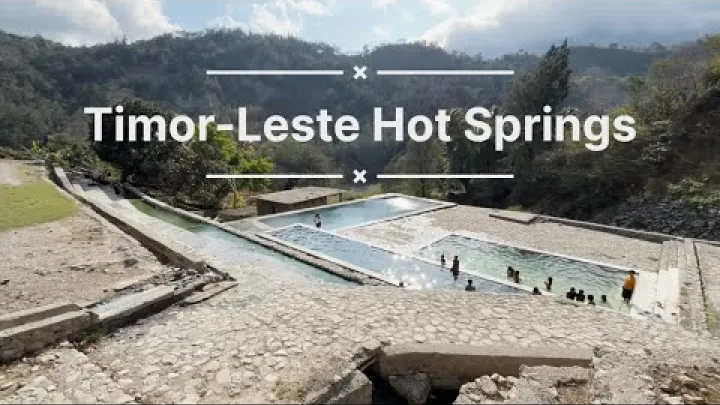
Access feasibility should come before the appeal of the springs. The route is steep and winding, and reported travel times of about one to two hours from Maliana are only planning estimates. Road conditions and the vehicle used can change the journey considerably. Treat a suitable high-clearance 4WD and an experienced driver as a planning requirement, not as an optional comfort upgrade.
Arrange the vehicle and return plan before leaving Maliana. Carry drinking water, sun protection, suitable walking footwear, and clothing that is practical for bathing and changing in a basic outdoor setting. Do not assume that the site has full-service changing rooms, food, communications, medical support, or reliable visitor facilities.
A simple decision framework can help:
- Go ahead when your host or driver confirms that the route is passable, the vehicle is suitable, and you have enough daylight for the return.
- Postpone when the road condition is uncertain, the vehicle is not high-clearance, or the planned return would be late.
- Choose a local alternative when you have only one night, limited transport time, or no reliable way to arrange the excursion.
The hot springs are more rewarding when treated as a half-day or longer road excursion with an agreed return time, rather than as a quick stop that can be added without preparation.
Balibo History Stop
Balibo is a possible historical stop on the western route between Dili, the coast, and the Maliana area. It is not inside Maliana town, so it should be planned as part of a transfer day or a separate route extension.
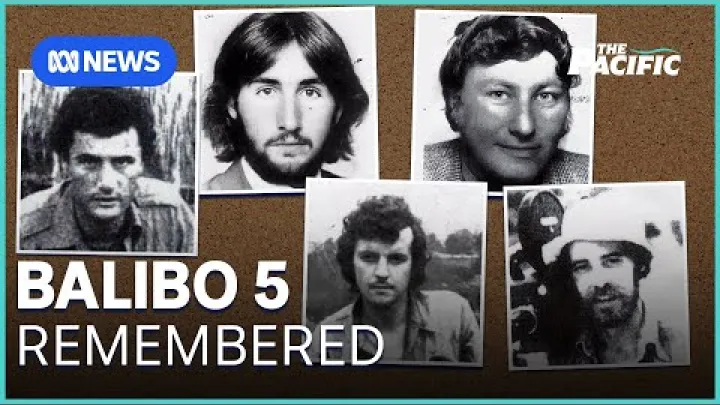
Balibo is associated with the Balibó Five, the five journalists whose deaths in 1975 are commemorated through local historical interpretation and a museum or memorial setting. A visit is an opportunity for respectful historical learning, not simply a scenic photo stop. Keep the historical summary focused and avoid combining the site with unrelated political claims.
Confirm opening arrangements and access before building the stop into your itinerary. If traveling from Dili to Maliana, include Balibo only when the road plan leaves enough time for the visit and a daylight arrival. If the timing is tight, a separate stop on another day is more sensible than treating the museum as a guaranteed part of the transfer.
Markets, Rice Fields, Textiles, and Village Landscapes
Maliana market and the surrounding rice-growing basin show the everyday side of Bobonaro. The market is best approached as a place of local commerce and food supply, not as a formal tourist attraction with a guaranteed visitor schedule. Walking near cultivated land can also provide a clearer sense of how the town relates to its rural surroundings.

Tais textiles and other local craft traditions may be part of the broader cultural landscape. Availability, artisans, and working hours are not fixed from a visitor's perspective, so ask your accommodation host or a local contact where a respectful purchase or introduction may be possible. Tourism material also refers broadly to cultural charm and traditional architecture associated with local communities, but that does not mean every village or home is open for unplanned visits.
Dress modestly in markets, neighborhoods, and villages. Ask permission before photographing people, homes, ceremonies, fields, or work. A host-arranged or locally guided visit is preferable when you are walking beyond the main town because an introduction can explain where visitors may go and how to behave. Learn a few basic Tetun greetings, listen before taking photographs, and buy textiles directly from makers or local sellers when available and appropriate.
When to Visit Maliana
Seasonal planning matters because much of the Maliana experience depends on road travel. A general climate pattern is useful, but it cannot replace a local check for the specific route you intend to use.
Dry and Wet Seasons
Timor-Leste generally has a drier period around May to November and a wetter period around December to April. The Timor-Leste Tourism portal provides the broad national climate and travel baseline, while local conditions can vary with elevation, landscape, and recent rainfall.
For a first-time road itinerary, the drier period is usually the more practical starting window. It may make the journey to Marobo and other unsealed or steep routes easier to plan, but it does not guarantee that every road will be reliable. The wet season can bring greener landscapes and a stronger mountain atmosphere, but it also requires more flexibility when a route becomes slow or unsuitable.
Before committing to a remote excursion, check a current local forecast and ask your accommodation host or driver about the road. Reassess the plan if rain is expected or if people familiar with the route advise against it. A flexible itinerary is more useful than a promise that a particular month will always provide ideal conditions.
Build Each Day Around Flexibility
Schedule the longest or most uncertain road segments in the morning. This leaves open time for delays, route changes, stops, and finding the accommodation in daylight. It also prevents one slow section from affecting every later activity on the same day.
Avoid combining a border crossing, a long transfer, and a remote excursion in one tightly timed plan. Each part has different uncertainties, and a delay at the first stage can remove the daylight and vehicle time needed for the last one.
Use the cooler parts of the day for a market visit, a rice-field walk, or a village activity arranged through a local contact. Keep midday available for rest, meals, or transport recovery. If Marobo is unsuitable, use the time for Maliana market, nearby agricultural landscapes, textile arrangements, or a slower town orientation instead of trying to replace it with another distant site.
Safety and Health for a Maliana Trip
Maliana can be approached calmly with ordinary preparation, but its rural setting means that travelers should take changing security conditions, limited services, and distance from higher-level care seriously.
Current Advisory, Personal Security, and Local Events
The current SafeTravel advisory dated 10 August 2026 recommends exercising increased caution in Timor-Leste because of crime and isolated incidents of civil unrest. Treat that advisory as the authority for changing conditions. Available travel information does not support describing Maliana as uniquely high-risk, so the appropriate approach is careful, practical security rather than alarm.
Keep valuables discreet, avoid displaying large amounts of cash, and use accommodation advice when deciding where to walk after dark. Keep copies of important documents separately from the originals and make sure someone knows your basic route. If political tension develops, avoid demonstrations, political gatherings, and crowds that may become difficult to leave. Monitor local developments and change your plan rather than attempting to observe an incident.
Friendly local interactions and a quiet rural setting can make the visit feel relaxed, but neither replaces normal precautions nor guarantees that conditions will remain unchanged. Check the latest government advice shortly before departure and again if your route changes.
Medical Access, Mosquitoes, and Animal Contact
Medical services and pharmaceutical supplies are more limited outside Dili. That does not mean that no local care exists, but it does mean that a minor problem can be harder to manage when you are staying in a rural base or traveling toward the mountains. Prepare before leaving the capital, particularly if you take regular medication or have a condition that requires a specific treatment.
Use mosquito repellent, wear clothing that reduces exposed skin when practical, and follow current travel-health advice about dengue prevention. Do not approach stray dogs or other unfamiliar animals. Advisory information for Timor-Leste includes rabies concerns, so a bite or scratch should be treated as a medical matter rather than as a minor travel incident.
Arrange comprehensive travel insurance with medical-evacuation coverage before departure. Read the policy conditions, including whether remote road travel and planned activities are covered, and save the assistance number offline. Carry sufficient personal medication in its original packaging, a basic first-aid kit, any required prescriptions, and a simple plan for seeking higher-level care if local treatment is not enough. A travel clinic and current health authorities can give advice suited to your medical history; this guide cannot diagnose or treat illness.
Respectful Travel in Town and Villages
Modest clothing and considerate behavior are appropriate in markets, neighborhoods, religious settings, and rural communities. Dress in a way that is practical for the heat while avoiding clothing that may be viewed as too revealing outside a bathing setting.
Ask permission before photographing people, homes, ceremonies, fields, or work. Do not assume that a public road gives permission to enter a yard, approach a household, or join an event. Use a local host or guide when an introduction is needed, and accept a refusal without pressure.
Learning a few basic Tetun greetings can make simple interactions more respectful. When available, buying local textiles directly and paying a fair agreed price can support local sellers. The goal is exchange and learning, not access to private life or a staged cultural performance.
Costs, Packing, and a Sample Itinerary
Planning for Maliana is easier when you budget by logistics instead of relying on one daily average. Transport, vehicle requirements, and contingency time can affect the total more than basic meals or a simple room.
Build a Budget Without Relying on Old Prices
Reliable, current price matrices for Maliana are scarce. Avoid treating old online fares, informal reports, or prices from Dili as dependable local averages. Obtain live quotes directly and record the date of each quote, what it includes, and whether it is charged per person, room, or vehicle.
Organize your Maliana travel budget into these categories:
- Long-distance transport: the road journey from Dili or the border, including a private vehicle, driver, bus, or any confirmed shuttle.
- Accommodation: the room rate, deposits, meals, and any extra charge for late arrival or transport assistance.
- Food and daily supplies: meals, drinking water, snacks, and items needed for a road day.
- Local transport: town transfers, a driver for market or countryside visits, and any vehicle arranged through the property.
- Marobo logistics: a possible full or partial day with a suitable 4WD and experienced driver.
- Communications and contingency: phone access, an extra night, delayed transport, or a change of route.
A lean plan might use public transport, a basic local room, simple meals, and few paid excursions. A more flexible plan will cost more because of private transport, a driver, and the 4WD needed for Marobo. A useful contingency budget should cover an additional night and a replacement transfer without forcing you to choose an unsafe or unsuitable option.
Ask each provider how payment is accepted and whether a deposit is required. Carry a sensible cash reserve for a rural itinerary, but do not assume that every property, driver, shop, or service accepts the same payment method. Confirm the arrangement before departure from Dili or the border.
What to Pack Before Leaving Dili
Pack for a warm rural road journey and for the possibility of delays. Essential items include:
- Personal medication, prescriptions, and a basic first-aid kit.
- Mosquito repellent and practical clothing that reduces exposed skin.
- Sun protection, a refillable water bottle or sufficient drinking water, and snacks.
- Sturdy footwear for uneven ground and a light layer for changing conditions.
- Modest clothing and suitable swimwear or bathing clothing for the hot springs.
- Important travel documents, offline accommodation details, and driver contact information.
- Chargers, a power bank, and any communication items needed for a low-service journey.
Local availability is not consistently documented, so do not assume that a shop in Maliana can replace a particular medicine, specialty item, or piece of equipment. Arrange the accommodation before leaving Dili when possible, and confirm any specialist vehicle requirement for Marobo in advance. Carry enough food, water, and practical supplies to manage a slower road day without making an unplanned stop essential.
A Two- or Three-Day Maliana Itinerary
Use the following as a planning template, not as a fixed timetable. The best version depends on your arrival point, the road, your driver, and the local advice available on the day.
- Day one: travel and orientation. Leave Dili early and travel west toward Maliana. Add Balibo only if the route is progressing well, the historical site is open, and the stop still allows a daylight arrival. After checking in, keep the rest of the day simple: confirm the next day's vehicle, walk near the town center if appropriate, and arrange food and water.
- Day two: Marobo excursion. Travel to Marobo Hot Springs with the pre-arranged high-clearance 4WD and experienced driver. Treat the visit as the main activity of the day, allow for the road in both directions, and return while there is still a comfortable margin for changing conditions and reduced visibility.
- Day three: local Maliana experience or onward travel. Visit the market, observe the rice-growing basin from appropriate public areas, and ask your host about a respectful textile or village introduction. Alternatively, use the day as a buffer or continue toward your next Timor-Leste destination or the West Timor border route.
For a one-night version, travel directly from Dili to Maliana, avoid stacking several stops onto the transfer, and choose Marobo only if transport and return timing are already settled. If access is unsuitable, replace the springs with a town orientation and continue the regional journey the following day.
In the wet season, make the fallback plan concrete before departure: reserve the town market, rice-growing landscape, textiles, or a locally introduced village activity as the main alternative. If the host or driver advises against the remote road, accept that change and keep the day local rather than trying to force a mountain excursion into poor conditions.
Planning Bottom Line: Who Should Choose Maliana
Choose Maliana if you want a rural Bobonaro base, an inland view of the Timorese north coast region, and access to places such as Marobo and Balibo. It is well suited to travelers who enjoy agricultural landscapes, local markets, historical context, flexible road journeys, and smaller-scale accommodation.
Maliana is less suitable for visitors who need frequent scheduled transport, extensive online booking choices, nightlife, or a highly predictable list of attractions. Plan at least one overnight for a transit visit and two nights when Marobo or slower cultural exploration is central to the trip. With daylight road planning, direct accommodation arrangements, suitable transport, current safety information, and a realistic backup plan, Maliana can be a rewarding gateway to western Timor-Leste rather than merely a stop between larger destinations.
Select area
Create a post
Posting is free and no registration is required.