Mongolia Public Holidays 2026: Calendar and Planning Guide
Mongolia public holidays in 2026 combine fixed Gregorian dates with dates set by lunar or Buddhist calendars. The main calendar includes three days of Tsagaan Sar, six days for Naadam, and several national, religious, and family-related holidays. This guide separates statutory nationwide rest days from observances and one-off schedule changes, then explains what they may mean for work, government services, banks, schools, businesses, and travel. Use it as a 2026 planning baseline, while checking official notices and individual operator schedules for arrangements that affect you.
Mongolia Public Holidays in 2026 at a Glance
If you need the dates first, the table below provides the core Mongolia public holidays 2026 calendar. The dates are shown in the Gregorian calendar and distinguish fixed civil dates from holidays calculated through lunar or Buddhist calendars.
The 2026 Statutory Holiday Calendar
The following list covers the statutory public holidays in the 2026 guide. The current calendar from Qppstudio is useful as a calendar cross-check, but annual government notices remain important for movable dates and transferred working days.
| Holiday | Date in 2026 | Date type | Calendar status |
|---|---|---|---|
| New Year’s Day | 1 January | Fixed civil date | Nationwide public holiday |
| Tsagaan Sar | 18–20 February | Lunar-based | Three public-holiday days |
| International Women’s Day | 8 March | Fixed civil date | Nationwide public holiday |
| Buddha’s Day | 31 May | Buddhist-calendar date | Movable public holiday |
| Children’s Day | 1 June | Fixed civil date | Nationwide public holiday |
| Naadam | 10–15 July | Fixed civil dates | Six-day public-holiday period |
| Chinggis Khaan’s Day | 10 November | Lunar-based | Movable public holiday |
| Republic Day | 26 November | Fixed civil date | Nationwide public holiday |
| National Freedom and Independence Day | 29 December | Fixed civil date | Nationwide public holiday |
This table is intentionally limited to public holidays. It does not turn every commemorative day, cultural event, or local festival into a nationwide day off. If a listed date is still ahead when you use the guide, or if you need to plan payroll, travel, or an official transaction, check the latest government announcement for any change or additional rest day.
How to Use This Calendar for Work and Travel
This article concerns the sovereign country of Mongolia, including Ulaanbaatar and the provinces, rather than Inner Mongolia in China. It also concerns statutory public holidays, not commercial holiday packages or a general festival program.
A public holiday normally establishes a nationwide rest date, but it does not guarantee identical opening hours for every private company, bank branch, school, restaurant, hotel, or transport operator. Essential services may continue, while other businesses may close or use reduced hours.
For practical planning, keep three labels separate:
- Statutory public holiday: a date established in the national holiday framework.
- Transferred rest day: an additional or rearranged day declared through a government decision.
- Make-up working day: a day that would normally be a rest day but is designated for work to balance the schedule.
This distinction prevents a schedule adjustment from being counted as a new national holiday. It also helps employers, visitors, and remote workers understand why an extended break may be followed by an unusual Saturday workday.
What Counts as a Public Holiday in Mongolia?
The phrase Mongolia national holidays is often used broadly online. For reliable planning, however, it is useful to separate holidays that create nationwide rest arrangements from days that are commemorative or locally observed.
Public Holidays, National Holidays, and Observances
The Law on Public Holidays and Observances provides the framework for days celebrated nationwide and for commemorative dates. The purpose of the law is to establish public holidays and observances and regulate matters connected with their recognition. The legislation is available through LegalInfo.
In everyday English, public holiday and national holiday may be used almost interchangeably. In a planning document, statutory public holiday is the clearer term for a nationwide rest date. An observance can have cultural, historical, social, or civic importance without creating the same general closure requirement.
Calendars may place observances such as Constitution Day, Soldiers’ Day, Family Day, or Human Rights Day beside the statutory holidays. That makes the annual list appear longer, but the presence of a date on a calendar does not by itself mean that all government offices, banks, schools, and businesses will close.
Cultural and tourism festivals should also be kept separate from the main public-holiday list. A local celebration, a provincial event, or a commercial festival may influence transport and opening hours in one area without being a statutory holiday throughout Mongolia.
The Laws Governing Rest Days and Holiday Work
Two legal frameworks are particularly important. The law on public holidays identifies the holiday and observance categories, while the Labour Law addresses working time, rest arrangements, and work performed on public holidays. The labour provisions can be reviewed in the current text on LegalInfo.
In plain language, an employee who is required to work on a public holiday may be entitled to another rest day or to compensation at a higher rate, where the applicable legal conditions are met. The correct result can depend on the employee’s work arrangement, the employer’s roster, the type of operation, and the relevant contract or collective agreement.
Public access and employee rights are separate questions. A hotel, hospital, transport provider, utility, security service, or other necessary operation may need to continue during a public holiday. That operational decision does not automatically remove an employee’s entitlement to the rest or compensation arrangement required by law.
For payroll, staffing, or a dispute about holiday work, use the current Mongolian public-holidays and labour laws rather than a generic international employment summary. Also check the employment contract, collective agreement, sector rules, and later legal amendments before relying on a specific rule. This article provides general planning information, not an individual legal determination.
Fixed-Date and Lunar-Based Holidays
The Mongolia holiday calendar is easier to use when the two date systems are separated. Fixed holidays can be entered into a recurring civil calendar, while lunar-based holidays need a year-specific conversion.
Fixed-Date Holidays in the Civil Calendar
The fixed-date group in 2026 consists of New Year’s Day on 1 January, International Women’s Day on 8 March, Children’s Day on 1 June, the Naadam period from 10 to 15 July, Republic Day on 26 November, and National Freedom and Independence Day on 29 December.
These dates recur on the same Gregorian calendar dates each year, although their weekdays change. That makes them relatively simple for annual meeting plans, school calendars, payroll systems, and reservation tools. Naadam is a period of six fixed civil-calendar dates rather than a single day.
A fixed holiday that falls on a Saturday or Sunday creates a separate scheduling question. The weekend position does not, by itself, tell you whether a substitute rest day or make-up working day will be declared. Treat the statutory date and any later government schedule adjustment as separate entries.
Movable Holidays Based on Lunar or Buddhist Calendars
Some Mongolia public holidays move because their dates are calculated through a lunar or Buddhist calendar rather than by a recurring Gregorian date. In 2026, the main examples are Tsagaan Sar on 18–20 February, Buddha’s Day on 31 May, and Chinggis Khaan’s Day on 10 November.
Tsagaan Sar is based on the first three days of the first spring lunar month. Buddha’s Day follows a specified Buddhist-calendar date. Chinggis Khaan’s Day is associated with the first day of the first winter lunar month. These descriptions explain why the dates can move across the civil calendar from one year to another.
For example, a holiday that appears in May in one year may occur in a different month in another year. Calendar providers may also use a tentative marker until the annual conversion or government calendar is settled. Do not copy a 2026 lunar date into a future-year schedule without checking a current calendar for that year.
Why Annual Dates and Names Can Differ
The same holiday may appear under more than one English translation. Chinggis Khaan’s Day may be shown as National Pride Day, while Republic Day may appear under wording connected with the proclamation of the constitution. National Freedom and Independence Day may also be shortened to Independence Day in a general calendar.
Different names do not necessarily indicate different holidays. When comparing sources, identify the year, the Gregorian date, and the legal status. Useful status labels are statutory date, lunar date, government-declared rest day, and make-up workday.
A practical source hierarchy is simple. Use current legislation for whether a date is a public holiday or an observance. Use a government or ministry announcement for transferred working days and additional rest days. Use a current annual calendar for lunar-to-Gregorian conversion, then compare the result with official notices when the date affects travel, payroll, publication, or an important appointment.
Mongolia’s Major Public Holidays and Their Meaning
The dates have different cultural and historical roles. Knowing the basic meaning helps explain why some periods create more family travel or service disruption than a single fixed-date holiday.
Tsagaan Sar: Lunar New Year and Family Travel
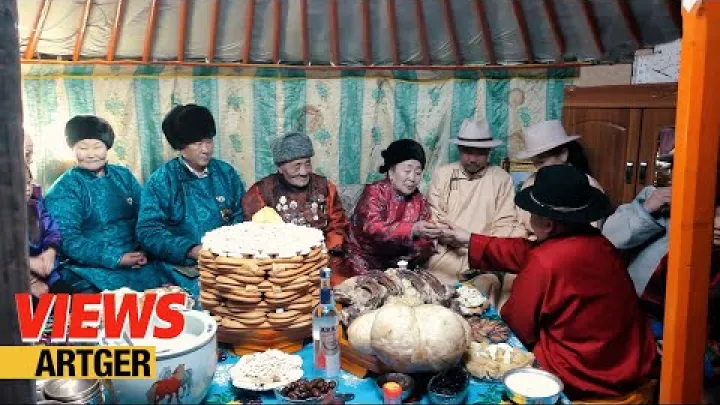
Tsagaan Sar, often translated as the White Moon Festival, is Mongolia’s lunar New Year. It is closely associated with family visits, respect for elders, renewal, and traditional social customs. For many people, the holiday is a major annual family period rather than only an administrative day off.
The statutory public holiday covers the first three days, which fall on 18–20 February in 2026. Bituun, the lunar New Year’s Eve, is a separate date in the calendar. It is not the same thing as the three statutory Tsagaan Sar days, although an annual government decision may give Bituun special treatment in the working schedule.
The period can affect office hours, retail activity, banking, domestic movement, and family travel. The effect is not identical in every province or business. Some services may operate on a limited schedule, while families and smaller businesses may organize their own closures around the official days.
Naadam: The Fixed July Holiday and National Identity
The statutory Naadam holiday period runs from 10 to 15 July. It is one of Mongolia’s most prominent national holidays and is connected with national history and the traditional sports of wrestling, horse racing, and archery.
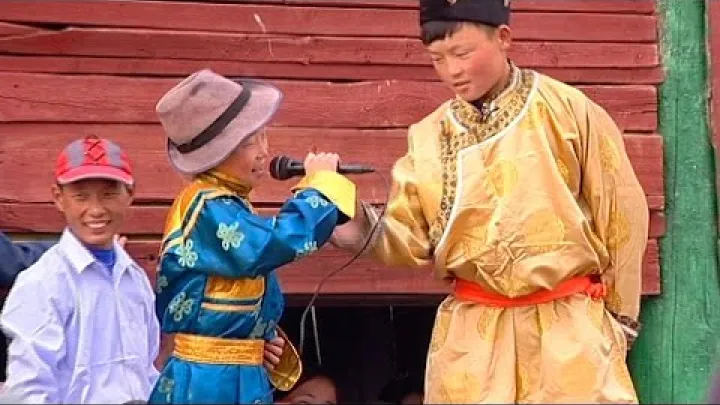
The legal holiday window should be separated from local event programs. Ulaanbaatar may have a central program, while provinces and local communities can organize celebrations on schedules that do not exactly match the national calendar. A tourism activity, concert, or provincial event may therefore begin before or continue after the statutory dates.
Do not add local event days or an assumed long weekend to the national holiday table. If an additional 2026 rest day is announced around Naadam, record it separately as a transferred rest day and follow the specific government decision.
Chinggis Khaan’s Day, Republic Day, and National Freedom and Independence Day
These are three distinct late-year public holidays. Chinggis Khaan’s Day falls on 10 November in 2026 and is lunar-based. It is associated with the historical legacy of Chinggis Khaan and may be labeled National Pride Day in English-language calendars.
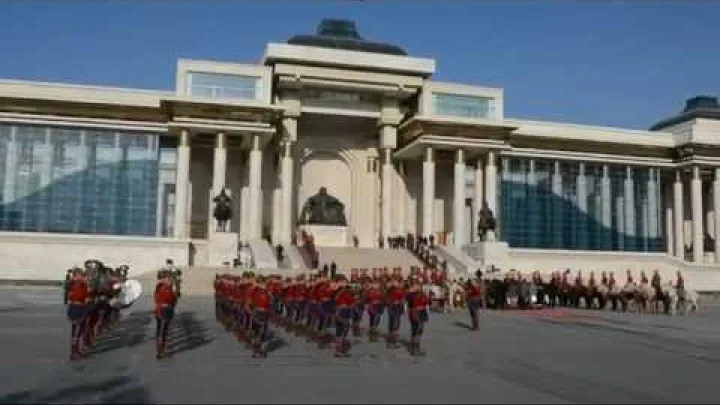
Republic Day falls on 26 November and uses a fixed civil-calendar date. Its historical association is with the republican state tradition. National Freedom and Independence Day falls on 29 December and represents a separate independence-related national narrative. The dates should not be treated as interchangeable simply because they all have national significance.
The late-year concentration matters for administration and operations. Government offices, businesses, employers, and international partners may need to plan around two November holidays and the 29 December holiday, followed closely by New Year’s Day. Year-end payments, approvals, document processing, and meetings should not be left to the last available working day.
Buddha’s Day, International Women’s Day, and Children’s Day
These three holidays have different roles in the public calendar. Buddha’s Day has religious significance and is movable; International Women’s Day has a social and civic focus and falls on 8 March; Children’s Day centers on children and family life and falls on 1 June.
In 2026, Buddha’s Day is listed for 31 May. International Women’s Day and Children’s Day remain on their recurring civil-calendar dates. This combination shows why a date list should identify both the holiday and the system used to calculate its date.
Public recognition does not mean that every community follows identical customs or programs. In Ulaanbaatar, an institution may publish its own event schedule, while a school, workplace, or local organization may mark the day differently. The national holiday date is not a complete timetable for religious services, public events, or private activities.
Weekend Overlaps, Substitute Days, and Holiday Pay
Holiday planning often becomes difficult when a public holiday meets a weekend or when the government rearranges the working calendar. The key is to identify which date comes from law and which date comes from a temporary administrative decision.
Government Decisions That Move Working Days
A statutory public holiday is part of the national holiday framework. A transferred rest day is created or rearranged by a government decision, and a make-up working day is used to balance that change. A make-up day is therefore not a new public holiday, even if it appears in a calendar as part of a long break.
The 2026 Bituun arrangement provides a clear example. The working day scheduled for Tuesday 17 February was moved to Saturday 28 February. In practical terms, 17 February was treated as a rest day under the decision, while 28 February became the make-up working day.
| Date | Original schedule | 2026 arrangement |
|---|---|---|
| 17 February, Tuesday | Working day | Rest day under the Bituun schedule adjustment |
| 28 February, Saturday | Ordinary weekend day | Make-up working day for 17 February |
The official Ministry of Labour and Social Protection notice describes this 2026 change; it can be read through MLSP. The example shows why a calendar should label an extra day precisely instead of calling every extended break a new national holiday.
Weekend overlaps, Bituun arrangements, and other extended breaks must be confirmed through the current government or ministry decision. Before finalizing a 2026 work roster, travel booking, payroll run, or meeting date, check whether a later notice has transferred another working day or added a rest day, and check the exact scope of that decision.
Working on a Public Holiday
Some employees may be required to work when most offices are closed. The labour-law principle is that work on a public holiday can trigger another rest day or compensation at a higher rate where the law applies. It should not automatically be treated as an ordinary weekday shift.
Continuous production, public services, transport, health care, security, hospitality, and other necessary operations may need staffing throughout a holiday. Employers should plan coverage, communicate rosters, and record the arrangement clearly. Employees should know whether they are receiving a substitute rest day, higher compensation, or another arrangement permitted by the applicable rules.
Whether a business opens and how an employee is compensated are separate issues. A company can decide to close even when the law allows certain work, and a company that opens must still handle holiday work under the applicable labour framework. Exact outcomes can depend on the contract, collective agreement, sector, and current legal text.
What Public Holidays Mean for Daily Services
The legal holiday calendar gives a useful national starting point, but daily services are operated by different institutions. A government office, bank branch, school, supermarket, restaurant, and bus operator may each publish a different schedule.
Government Offices and Banks
Government offices and bank branches generally follow statutory public-holiday closures. Hours on the days immediately before or after a holiday, and hours affected by a transferred working day, may follow a separate government or institutional schedule.
Plan important in-person tasks before the holiday period. These may include immigration matters, licensing, tax administration, document certification, government payments, account services, and access to cash. Online banking, mobile applications, ATMs, and customer support may continue in some form, but availability, settlement timing, and branch access are not necessarily the same.
Ulaanbaatar is a useful urban planning example because many international visitors and businesses handle administrative and banking tasks there. However, the hours of one central office or branch do not establish the hours of every institution in the city or in other provinces. Complete priority transactions before the relevant holiday and confirm any exceptional opening hours directly with the office or bank.
Schools, Shops, Restaurants, and Other Private Services
Schools follow academic calendars, which may include term breaks or special arrangements that extend beyond the statutory public-holiday dates. A school closure is therefore not proof that every business or government office is closed, and a public holiday is not necessarily the full length of a school break.
Shops, restaurants, hotels, museums, clinics, gyms, and other private services may close, reduce their hours, or remain open. Large operators may announce holiday hours in advance, while smaller businesses may make decisions closer to the date. Hospitality services may remain active for visitors even when administrative offices are closed.
Observances also do not automatically create the same nationwide closure as statutory public holidays. An individual school, employer, shop, or organization may still hold a related activity or change its hours. Check the exact current opening time of each provider instead of assuming that a national date creates a uniform schedule across Mongolia.
Planning Travel, Meetings, and Operations Around Holiday Periods
A holiday can affect more than office closures. Family movement, accommodation demand, local events, and staffing can change the practical conditions for travel and business.
The Busiest Periods for Domestic Travel
Tsagaan Sar can increase family and intercity travel because people visit relatives and return to their home areas. Naadam can also increase movement between Ulaanbaatar and provincial areas, especially when local celebrations are held alongside the national holiday period.
Transport frequency, fares, departure times, accommodation availability, and local operating hours can vary by route and operator. There is no single holiday table that guarantees the schedule for every train, coach, flight, taxi service, or rural route. Local event programs may create additional pressure in one area without changing the national holiday dates.
For Tsagaan Sar and Naadam, book intercity transport and accommodation early when your dates are fixed. Reconfirm the operator’s departure time, boarding instructions, cancellation terms, and arrival arrangements close to travel. Allow extra flexibility if your plan depends on a connection, a provincial event, or a service that may operate with a reduced holiday timetable.
A Practical Checklist for Visitors, Employers, and Remote Workers
Use the following sequence to turn the Mongolia holiday calendar into an operating plan:
- Set the year and classify the dates. Enter the 2026 statutory holidays first, then mark lunar-based dates separately from fixed civil dates.
- Check schedule adjustments. Add any government-declared transferred rest day and make-up working day as separate entries rather than changing the statutory list.
- Complete administrative and banking tasks. Schedule immigration, licensing, tax, payment, document, and branch-banking work before the relevant closure period.
- Confirm service hours. Ask schools, shops, restaurants, hotels, clinics, and other providers for the hours that apply to your exact date.
- Arrange transport and accommodation. Give priority to Tsagaan Sar and Naadam plans, especially where travel connects Ulaanbaatar with provincial areas.
- Reconfirm meetings and staffing. Send the final meeting time, roster, delivery plan, or remote-work deadline to everyone affected by the holiday.
For international visitors: keep a buffer around public holidays when arranging airport transfers, domestic connections, official appointments, and hotel changes. A hotel may operate while an office or bank is closed, so plan each part of the itinerary separately.
For employers: maintain separate calendar fields for statutory holidays, transferred rest days, and make-up workdays. Review staffing for continuous operations, communicate holiday-work arrangements, and account for the applicable rest or compensation rules.
For remote workers: do not assume that a Mongolian public holiday is covered by your annual leave policy or by the holiday calendar of another country. Agree on deadlines, response expectations, meeting coverage, and substitute working arrangements with Mongolian colleagues in advance.
Key Takeaways
- The Mongolia public holidays 2026 calendar includes fixed dates such as New Year’s Day, International Women’s Day, Children’s Day, Naadam, Republic Day, and National Freedom and Independence Day.
- Tsagaan Sar, Buddha’s Day, and Chinggis Khaan’s Day use lunar or Buddhist calendar calculations, so their Gregorian dates must be identified by year.
- Observances and local festivals should not be confused with statutory nationwide public holidays.
- A transferred rest day or make-up working day changes the work schedule but does not create a new permanent national holiday.
- Government offices and bank branches often close, while schools, shops, restaurants, hotels, transport providers, and essential services may follow different arrangements.
- For 2026 planning, check the latest official schedule decision, finish important administrative tasks early, confirm provider hours, and arrange holiday-period travel in advance.
The most reliable approach is to use the statutory 2026 calendar as the foundation, then add official schedule adjustments and provider-specific operating hours. That method gives visitors, employers, students, and remote workers a clearer picture of how Mongolia’s public holidays affect real plans.
Select area
Create a post
Posting is free and no registration is required.