Tsetserleg Best Time to Visit: Weather by Month
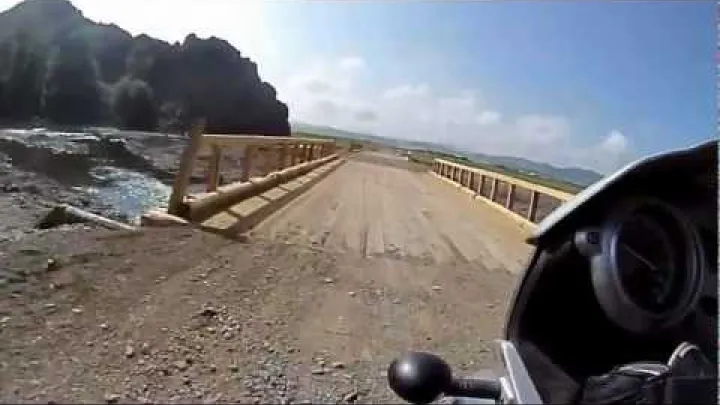
The best time to visit Tsetserleg is generally from mid-June to late August. This period offers the best balance of mild daytime weather, long daylight, green scenery, and access to hiking, horseback travel, camping, and regional excursions. July is usually the warmest and busiest month and is especially appealing for Naadam, while August often provides continued summer conditions after the main festival period. September is the strongest alternative for cooler days, autumn scenery, and a quieter visit, but every season requires planning for rapid weather changes.
Quick Answer: When Is the Best Time to Visit Tsetserleg?
Choose your dates according to whether comfort, culture, scenery, or lower demand matters most. The ideal month depends less on a single temperature and more on how much cold, rain, demand, and route uncertainty you are prepared to accept.
Best Overall Window: Mid-June to Late August
For a first visit, mid-June to late August is the most reliable overall travel window for Tsetserleg in Arkhangai Province. The summer season brings longer days, greener hills and grasslands, and generally comfortable conditions for exploring the city and arranging outdoor activities. This broad recommendation is consistent with Mongolia travel guidance from Audley Travel, but Tsetserleg's inland Arkhangai setting still requires local judgment.
June marks the start of the greener season and can suit visitors who prefer fresh landscapes and somewhat less pressure than the middle of summer. July is generally the warmest month and has the strongest cultural and tourist demand. August remains a good high-summer choice, with favorable conditions for outdoor travel and potentially less festival-related pressure after the main July events. Summer is not completely dry: brief showers, wind, and fast changes can occur, so the recommendation means the best overall balance rather than guaranteed sunshine.
Best Shoulder-Season Choice: September
September is the best alternative for travelers who value quiet scenery, cooler walking conditions, and autumn color more than peak-summer warmth. Rainfall is often lower than in July and August, and daytime conditions can remain suitable for walking, photography, and city visits. Visitor demand may also be lower, although prices and availability vary by operator.
The main trade-off is temperature. Nights become chilly and mornings may feel cold even when afternoons are pleasant. Early October can work for well-prepared travelers with flexible plans, but it marks a clearer shift toward cold weather and early winter conditions. September is therefore a good choice for a shorter scenic stay, while summer is usually easier for a multi-day itinerary that depends on several outdoor activities.
Tsetserleg's Climate and What It Means for Travel
Tsetserleg's travel seasons are shaped by its inland position in Central Mongolia. The city has strong seasonal contrasts, cool nights, and quick transitions in spring and autumn.
Continental Weather in Arkhangai Province
Tsetserleg does not have a mild coastal climate. Its Arkhangai setting produces a short, relatively mild summer and a long, severe winter, with wind and large day-to-day changes during the transition seasons. Conditions can also vary between the city, nearby valleys, mountain routes, and rural grasslands, so broad Mongolia averages should not be applied without adjustment.
Do not use expectations for the southern Gobi to plan a Tsetserleg trip. The practical concerns here are cool nights, summer showers, spring wind, autumn cold, and winter exposure. For national weather monitoring and public warnings, Mongolia's National Agency of Meteorology and Environmental Monitoring is the relevant official institution.
Temperature, Rainfall, and the Rainy Season
In broad historical terms, June through August usually brings daytime highs around the low 20s Celsius, while nights remain cool enough to require an extra layer. January and February generally stay below freezing even during the day, and nights can fall well below minus 20 degrees Celsius during severe cold. These are approximate seasonal patterns, not promises for a particular year.
Most precipitation arrives from late spring through early autumn. July and August generally form the wetter part of the summer, with rain commonly falling as short showers rather than continuous all-day rain. This precipitation helps produce greener grasslands and attractive landscapes, but it can still affect camping, horseback travel, visibility, and remote routes. A local monthly reference such as AccuWeather is useful for viewing historical averages alongside current forecast information.
For trip planning, it is more useful to think of late spring through early autumn as the wetter period than to expect a sharply defined rainy season. A shower may be brief in town but more disruptive on an exposed trail or rural track. If your plans involve camping or a long drive, consider where you can shelter, shorten the activity, or change the order of your days rather than relying only on the monthly rainfall tendency.
Climate Averages Versus the Live Forecast
Climate information and a live forecast answer different questions:
- Climate averages: These help you choose a season by showing the usual temperature, rainfall, daylight, and seasonal character.
- Live forecasts: These help you decide what to wear, whether to camp, when to hike, and whether a driving day needs adjustment.
A pleasant monthly average does not rule out an unusually cold night, strong wind, heavy shower, or poor visibility. Check a live Tsetserleg forecast and official NAMEM weather warnings shortly before each outdoor day. Use the forecast for short-term decisions rather than treating a seasonal summary as a guarantee.
Tsetserleg Weather Month by Month
The following guide gives a broad month-by-month feel for Tsetserleg. It describes climate tendencies, not a forecast for a specific trip.
January to February: Deep Winter
January and February are the coldest part of the year. Days remain below freezing, nights are often far below freezing, and daylight is limited compared with summer. Conditions are generally dry, but snow, ice, wind, and extreme cold can affect outdoor time and transport plans.
These months may appeal to specialist photographers or travelers interested in winter pastoral life and stark landscapes. They are not the normal choice for casual sightseeing and should not be treated as a simple budget alternative to summer. Attempt winter travel only with full cold-weather equipment, reliable heating, an experienced local operator, and a contingency plan for changing conditions.
For a city stay, plan shorter outdoor periods and make sure there is a warm indoor base between activities. Rural accommodation may have different heating arrangements from a city hotel, so confirm the setup before committing to an overnight excursion in the coldest months.
March to May: Windy Spring and Late-Spring Transition
March and April still feel like winter in many practical ways. Cold nights, strong wind, freeze-thaw conditions, and large day-to-day temperature changes can make outdoor schedules difficult. Exposed walks may be uncomfortable even when an afternoon feels temporarily mild.
May is a transition month. Afternoons become milder, nights remain chilly, and greener scenery begins to appear, especially later in the month. Late May can suit flexible travelers who want a quieter or potentially less expensive trip and who accept that warmth and outdoor access may be less consistent than in summer.
Late May is notably different from March and April: it may provide useful afternoons for city walks and short excursions, but it is still not the dependable warm-weather season. Pack for both possibilities, keep the first and last travel days uncomplicated, and avoid building a remote camping plan around a single expected temperature.
June to August: Core Summer Season
June is a strong opening month for outdoor travel. Days are mild, daylight is long, and landscapes become increasingly green. It can be a good choice for visitors seeking fresh scenery and wildflowers without the strongest July demand.
July usually has the warmest summer feel and the highest cultural demand. It is attractive for combining city visits, outdoor activities, and Naadam, but short rain showers are also more likely. August continues the high-summer season, with slightly cooler conditions than July and good opportunities for hiking, horseback travel, camping, and scenic trips. In all three months, rain protection and a flexible daily plan are useful.
June may be preferable if your priority is a quieter start to the outdoor season, while July is the natural choice for festival-focused travel. August can be a practical compromise for visitors who want summer landscapes but prefer not to center the trip on the main July events. Conditions on remote routes can still differ from those in Tsetserleg itself.
September to December: Autumn and the Return of Winter
September is a cool shoulder month with generally lower rainfall than peak summer and the possibility of autumn colors across the Tsetserleg landscape. It can remain comfortable for walking and photography, although mornings and nights become increasingly cold. October is not an absolute no-go, but it requires more insulation, route flexibility, and tolerance for an early winter feel.
November and December mark the return to difficult winter travel. Temperatures drop, daylight shortens, and outdoor activities become more limited. The table summarizes the broad conditions travelers can expect across the year.
Use the month labels as planning shorthand rather than fixed boundaries. A September itinerary may still feel like late summer during the afternoon, while an October route can become uncomfortable quickly after sunset. The further your plans extend beyond the city, the more important it is to allow time for changing ground and weather conditions.
| Month | Temperature feel | Travel planning |
|---|---|---|
| January | Below-freezing days and very cold nights | Deep winter; specialist travel |
| February | Below-freezing days; nights can be far below -20°C | Cold-weather preparation essential |
| March | Cold, windy, and changeable | Difficult for casual outdoor plans |
| April | Cold nights with wind and freeze-thaw changes | Flexible spring travel only |
| May | Milder afternoons and chilly nights | Quiet transition season |
| June | Mild days, often around the low 20s °C, with cool nights | Strong start to outdoor season |
| July | Warmest summer feel, often around the low 20s °C by day | Naadam and peak demand |
| August | Mild to warm days and cool nights | Good summer conditions; showers possible |
| September | Cool days and cold mornings | Quiet scenery and autumn color |
| October | Much colder nights and a winter transition | Prepared, flexible travel |
| November | Early-winter cold and limited daylight | Outdoor access becomes more difficult |
| December | Winter conditions with very cold periods | Specialist cold-weather travel |
Best Time to Visit Tsetserleg for Different Travel Goals
The best month changes when the purpose of the trip changes. Outdoor comfort, cultural events, low demand, and photographic conditions do not peak at exactly the same time.
Hiking, Horse Riding, Camping, and Lakeside Scenery
Late June through August offers the most comfortable combination of daytime temperatures, long daylight, green landscapes, and operating conditions for common outdoor activities. June is attractive for fresh green scenery and wildflowers, while August can suit travelers who want high-summer conditions with somewhat less July pressure.
Tsetserleg is inland, so there is no beach season to plan around. The relevant alternatives are hiking, horseback travel, camping, city walks, and regional lake scenery. Weather in town can be comfortable while a remote trail, camp, or mountain route is colder, wetter, or windier. Outdoor activities may therefore need to change in response to local ground conditions rather than the city temperature alone.
For camping, the warmest part of the day is not the whole decision: evening temperatures, wind exposure, shelter, and access to suitable equipment matter just as much. Horse-riding and hiking plans are easier to adjust when booked with a local operator who knows the nearby routes and can offer a shorter city-area alternative after rain.
Culture and Naadam in Tsetserleg
July is especially appealing if you want to combine summer weather with Naadam. Wrestling, horse racing, archery, and the surrounding community atmosphere can add a strong cultural focus to a Tsetserleg visit.
The exact annual program and local schedule can vary, so confirm the Tsetserleg event timing before booking around it. June, August, and September can also provide cultural insight through everyday city life and visits connected with pastoral communities, without depending on the main July festival period.
Budget Travel, Crowds, and Availability
June through August is Mongolia's main tourism season, and July usually carries the strongest demand because of warm weather and Naadam. Accommodation, guides, and transport may be more difficult to arrange at short notice during this period.
May and September to mid-October are commonly treated as shoulder periods, with the possibility of fewer visitors, better availability, and lower costs than peak summer. These benefits are not guaranteed in Tsetserleg, and the quieter months bring cooler or more changeable conditions. Responsible Travel identifies June to August as peak season, with July the most popular month, and May plus September to mid-October as shoulder periods.
If your dates are flexible, compare the value of a quieter September stay with the extra layers and shorter outdoor schedule it may require. For July, the benefit is easier access to the main summer atmosphere, but the trade-off is stronger demand. Exact prices depend on the provider, route, and event schedule, so treat seasonality as a planning signal rather than a guaranteed discount.
Photography, Autumn Colors, and Clearer Skies
September is a strong choice for travelers who prioritize autumn color, cooler walking conditions, and potentially clearer views over the Tsetserleg landscape. It offers a different visual experience from the green grasslands and wildflowers of June to August.
Winter can produce striking snow scenes, but it requires specialist preparation and a much lower tolerance for cold mornings and short outdoor sessions. Actual photographic conditions depend on the day's cloud, wind, and visibility, so no month can guarantee clear skies or a particular peak for autumn color.
Practical City-Stay Planning in Tsetserleg
Seasonal clothing and daily logistics matter because Tsetserleg can feel comfortable in the afternoon and cold soon afterward. Plan city sightseeing in manageable blocks, especially outside the core summer window, and keep a warmer option available for early starts.
What to Wear from June to Winter
For June through August, pack light daytime layers rather than one heavy outfit. A warm mid-layer, windproof or water-resistant outer layer, sturdy walking shoes, and sun protection are useful for changing conditions. A hat, sunglasses, sunscreen, and a refillable water bottle can also make long outdoor days more comfortable.
May and September need more insulation for early mornings and evenings. A fleece or warm sweater, thermal base layer, and warmer socks are useful because a cool day can be followed by a near-freezing night. October may require winter-weight layers, especially for camping or early departures.
November through March should be treated as full winter-clothing months. Insulated outerwear, thermal layers, warm footwear, gloves, and head protection are important for any extended time outdoors. City hotels and rural ger camps may provide different indoor heating experiences, so keep a warm layer available even when staying indoors.
A layered system is more useful than packing for a single forecast value. It lets you remove insulation during a sunny afternoon and add protection when wind rises or temperatures fall after sunset. Ask rural accommodation or an operator what heating and bedding are provided, then supplement rather than assume that city-stay arrangements apply outside Tsetserleg.
Rain, Wind, Ice, and Daily Movement
Summer showers may interrupt walking or sightseeing for a short period. A rain shell, compact umbrella where practical, and flexible daily schedule make it easier to continue without losing an entire day. Waterproofing for phones, cameras, and other small electronics is also sensible when traveling outside.
Spring wind and dust can make exposed walks less pleasant, even when temperatures are moderate. Tsetserleg should not automatically be planned like the most severe dust-prone areas of the Gobi. In winter, ice and snow can slow walking and shorten the time that is comfortable outdoors, so footwear with traction and shorter activity blocks are practical in the city.
Out-of-Town Roads and Regional Excursions
Weather effects become more important outside Tsetserleg. Rural tracks, mountain routes, and river crossings may respond differently to heavy rain, snow, or thaw than streets in the city. A forecast for Tsetserleg describes the city, not necessarily the full route to a regional destination.
Terkhiin Tsagaan Lake is a useful regional excursion example, but its route length, road condition, and access details should be checked locally rather than assumed from city weather. Before departure, ask the driver or tour operator to confirm out-of-town road and river-crossing conditions. Build extra time into the itinerary and allow the operator to adjust the route if conditions change.
Do not judge a long regional excursion solely by the morning conditions in town. Rain farther along the route, a colder mountain section, or a swollen crossing can change the practical timetable. Carry water, food, warm layers, and a charged phone for long drives, and avoid scheduling a fixed onward connection immediately after an out-of-town day.
How to Choose Your Dates and Build a Flexible Itinerary
Think of the decision as a balance between comfort, culture, scenery, budget, and cold tolerance. A trip built around city walks can tolerate more variation than one built around camping, horse riding, or a long regional drive.
A Simple Decision Rule for Choosing Dates
- For a first visit and outdoor comfort: Choose mid-June to late August.
- For Naadam and a strong cultural focus: Choose July, after confirming the local program.
- For quiet scenery and photography: Choose September, with warm layers for cold mornings.
- For an earlier lower-demand option: Consider late May if variable weather is acceptable.
- For prepared autumn travel: October can work with flexible routes and stronger cold-weather clothing.
- For winter landscapes: November through March is mainly suitable for specialists who specifically want winter conditions.
When comparing two possible windows, give priority to the activity that is hardest to replace. If Naadam is the main purpose, accept July demand; if outdoor comfort is more important, use the wider June-to-August window; if scenery and quiet matter most, accept September's colder mornings. This approach produces a more realistic itinerary than searching for one universally perfect month.
Peak-Season Booking and Flexible Itineraries
Plan earlier for July, particularly if the trip includes Naadam, limited accommodation, a guide, or a multi-day regional route. Higher demand can reduce last-minute choices even when exact prices and availability vary from one provider to another.
Leave at least one flexible day during a summer itinerary. A short rain event or a change to an out-of-town route is easier to absorb when every day is not fixed. Before departure, confirm accommodation, transport, local event timing, heating arrangements, and current weather information. Keep the final plan practical rather than assuming that a long-term average will describe every travel day.
A simple pre-departure check should cover three separate items: the current forecast for Tsetserleg, conditions along any regional route, and the availability of the accommodation or operator you intend to use. Confirm these shortly before leaving, while using climate averages only to choose the broader season. July travelers should also leave room for event schedules or transport changes around Naadam.
Final Takeaway on Tsetserleg's Best Travel Season
For most travelers, mid-June to late August is the best time to visit Tsetserleg, with July offering Naadam and the warmest, busiest summer atmosphere. Choose September for quieter autumn scenery, or late May for an earlier shoulder-season trip if you can accept variable weather. Winter is possible, but it is specialist travel that demands serious cold-weather preparation. Whichever dates you select, use climate averages to choose the season and a live forecast to shape each day's clothing, activities, and regional travel plans.
Select area
Create a post
Posting is free and no registration is required.