Tsetserleg Budget: Daily Travel Costs, Prices, and Saving Tips

A Tsetserleg budget depends less on one fixed daily price than on where you sleep and how far you travel from town. A town-based visit can be planned at a lower daily cost, while ger camps, private vehicles, and multi-day excursions in Arkhangai can increase the total quickly. This guide explains budget, mid-range, and comfortable spending levels, with separate estimates for accommodation, food, transport, activities, payment, and rural access. All figures are planning ranges, not guaranteed quotations, so record the final amounts in Mongolian tugrik for your travel dates.
How Much Does a Trip to Tsetserleg Cost?
For a town-centered trip, a practical starting point is approximately $40 to $70 per person per day for budget travel, $80 to $130 for mid-range travel, and $130 to $237 or more for comfortable travel. These figures normally exclude international flights, travel insurance, shopping, and long regional tour packages. The largest variables are the room type, whether accommodation is shared, the number of rural transfers, and whether meals and activities are bundled into a camp or tour price.
Daily Budget Ranges by Travel Style
The following ranges are provisional Tsetserleg travel budget bands. They are intended to help you compare choices, not to represent a live rate for every hotel, restaurant, or vehicle.
| Travel style | Planning range per person per day | Typical cost pattern | Best fit |
|---|---|---|---|
| Budget | $40–$70 | Shared or basic town lodging, mostly local meals, walking, and limited paid activities | Independent travelers spending most nights in Tsetserleg |
| Mid-range | $80–$130 | Private or more comfortable lodging, a mix of local and hotel meals, occasional rides, and selected activities | Travelers who want convenience without a fully private tour |
| Comfortable | $130–$237+ | Higher-cost rooms or rural camps, frequent café or hotel dining, private transfers, and guided activities | Travelers prioritizing comfort, time, and organized regional access |
Each band should be divided into separate lines for accommodation, food, local movement, activities, and incidental spending. The comfortable range is open-ended because a private vehicle or multi-day package can cost much more than an ordinary town day. A broad Mongolia-wide calculator gives approximately $79 per day for budget travel and $237 per day for comfortable travel, but that is country-level context rather than a Tsetserleg quotation. The Travel Cost Calculator figure may reflect destinations and services that are different from a simple stay in Tsetserleg.
Town-Based Costs Versus Regional Excursion Costs
Tsetserleg town and the surrounding countryside should be treated as two different cost zones. In town, you can often combine walking, local restaurants, cafés, shops, and cultural stops without paying for a vehicle every day. A regional excursion to Khorgo, Terkhiin Tsagaan Nuur, the Orkhon Valley, or a remote ger camp adds access costs and may require a driver, fuel, guide, meals, and several overnight stays.

| Trip day | Main cost lines | How to budget it |
|---|---|---|
| Town day | Room, local meals, walking or occasional short ride, small activity allowance | Use one of the daily bands and keep intercity travel separate |
| Rural day visit | Vehicle or shared transfer, food, possible entrance fees, optional guide or activity | Request a route-specific transport amount rather than using the town daily rate |
| Rural overnight | Camp or lodge, transfer, meals, heating and bathroom arrangements, optional activities | Compare the full bundle and identify which services are already included |
| Multi-day tour | Vehicle, driver, guide, lodging, meals, and sometimes entrance fees | Treat the package as a separate budget block, not as a normal Tsetserleg day |
A camp package can look expensive beside a town room, but it may already include food and transport. Adding separate meals or transfers to that price can produce an inflated estimate. Conversely, a low room rate outside town may not be economical if you must arrange a costly private transfer to reach it.
Budget Assumptions, Currency, and Price Dates
Use Mongolian tugrik, written as MNT, as the main calculation currency. Convert to USD only for broad comparison, and record the exchange-rate date beside the conversion. A USD amount in this article is a rounded planning reference; it is not a promise that a property or operator will accept payment in dollars.
A simple calculation is:
Daily cost = accommodation + meals and drinks + local transport + activities + incidental allowance.
Add intercity transport separately, then divide it across the number of travel days if you want a daily average. For example, a reported return bus allowance of $18 to $28 adds about $6 to $9 per day on a three-day visit, but only about $2.60 to $4 per day on a seven-day visit. Keep a second calculation that shows the real transport total so the daily average does not hide a large one-time payment.
Label every amount as one of three types: a current listing, an operator quote, or an editorial estimate. Older travel writing and review prices can show the general level of spending, but they should not be presented as current 2026 rates without a matching date, room type, occupancy, and list of inclusions.
Accommodation Prices in Tsetserleg and Nearby Areas
Accommodation is often the most important daily budget decision. A room in Tsetserleg gives you flexibility and access to town services, while a ger camp or lodge outside town may cost more but reduce the need to arrange meals and rural transport separately.
Guesthouses and Small Hotels in Town
Town accommodation includes basic guesthouses, family-run rooms, small hotels, and properties with attached restaurants. Fairfield Guesthouse and Travel and Tsakhiur Hotel and Restaurants are useful named examples to investigate, along with other small hotels listed for Tsetserleg. They should be treated as comparison points rather than a ranking of the best properties.
Available online evidence does not establish a stable year-round price for these properties. Older travel writing may describe fair-priced options or show a past room amount, but the date and conditions may no longer match your trip. Check whether the quoted room is private or shared, whether it has a private bathroom, and whether breakfast, heating, Wi-Fi, and transfers are included.
Booking pages and hotel directories can help identify availability and room categories, but they are not proof of a fixed local rate. The final price can depend on dates, occupancy, cancellation conditions, and whether the platform or property displays taxes and service charges separately.
Ger Camps and Lodges Outside Town
Ger camps near Khorgo and Terkhiin Tsagaan Nuur require a different budget model from a town guesthouse. Their price can reflect a remote setting, limited room inventory, heating, bathroom arrangements, meals, scenic location, and the cost of reaching the camp. Some properties sell a room only, while others operate more like a package with meals or activities.
A reported standard-room signal for Maikhan Tolgoi Tourist Camp is approximately $71 to $113 per night. Treat this only as an indicative listing or review signal, not as a guaranteed current rate or a regional average. If you use it in a calculation, ask whether the amount is per room or per person and whether meals, park-related charges, transfers, and activities are excluded.
Tungalag Tamir Lodge in Tayhar is another rural accommodation example. Its available listing describes family-room accommodation, but the supplied information does not provide a reliable nightly amount to use as a price. Do not invent a rate from the property name alone. Compare the current quote with the cost of a town room plus the transport and meals needed to reach the same area.
How to Choose Lodging for Your Budget
| Priority | Usually suits this choice | Main advantage | Main question |
|---|---|---|---|
| Lowest daily cost | Town guesthouse or basic small hotel | Walkability, local food, and flexible plans | Does the low room rate require extra transport or meals? |
| Convenience in town | Small hotel with restaurant | Private room and easier meal planning | Are breakfast, restaurant meals, and payment options included or separate? |
| Scenery and fewer transfers | Ger camp near a regional attraction | Closer access and possible meal bundle | What are the heating, bathroom, meal, and transfer arrangements? |
| Complete regional experience | Organized multi-day tour | Vehicle, guide, lodging, and meals may be arranged together | Which services and fees are excluded from the advertised price? |
Before comparing properties, note the exact occupancy, room type, meals, heating, bathroom arrangement, Wi-Fi, cancellation terms, and transfer cost. A rural camp is worth the extra amount when its location and included services match your plans. A town property is usually the better base when you value food choice, walking access, and the ability to change plans.
Food, Cafes, and Everyday Prices
Food costs in Tsetserleg can be controlled through a mix of local meals, occasional café visits, and planned purchases of water and snacks. The important comparison is not just the price of one dish, but how many meals, drinks, and convenience purchases you make each day.
Local Meals, Hotel Restaurants, and Cafes
An older local price signal places a simple local meal or dish at roughly 3,000 to 5,000 MNT, while a hotel-restaurant dish was reported at roughly 8,000 to 10,000 MNT. These figures are dated and indicative. They should not be read as current menu prices, and they may describe a single dish rather than a complete meal with a drink or side.
Hometown Restaurant, Sky Nomads Restaurant, and Tsakhiur Hotel and Restaurants can be used as local reference points when you compare eating choices. Fairfield Guesthouse Cafe and Bakery is another useful reference for a café or bakery stop. A local guide, Beat the Trail, names several of these places and describes them as reasonably priced, but its information should not be treated as an unchanged menu.
Keep these categories separate in your worksheet: a dish, a complete meal, a coffee or bakery visit, a bottled drink, and a full daily food total. This prevents a low single-dish signal from being mistaken for the cost of breakfast, lunch, dinner, and snacks.
Set a Daily Food and Essentials Allowance
For planning, allow about $10 to $20 per person per day for mostly local dining and about $20 to $30 for a mix of cafés, bakery items, and hotel-restaurant meals. A day with lodge meals, extra drinks, or frequent convenience purchases may require $30 or more. These are provisional allowances, not current menu quotations.
| Food pattern | Planning allowance | Assumptions |
|---|---|---|
| Mostly local | $10–$20 per day | Simple breakfast, local lunch and dinner, water, and limited snacks |
| Mixed town dining | $20–$30 per day | Café or bakery breakfast, local lunch, hotel-restaurant dinner, and a drink |
| High convenience or rural stay | $30+ per day | Bundled lodge meals where applicable, extra drinks, café visits, and convenience purchases |
To reduce spending without making every meal restrictive, combine one café or bakery visit with two simpler local meals. Ask whether a rural room rate includes breakfast or dinner before adding those meals to your daily allowance. Keep bottled water, coffee, snacks, and special dietary purchases on a separate line because they are easy to overlook.
Cash, Cards, and Access to Money
Mongolian tugrik is the practical currency for daily budgeting. Cards or mobile payment may be accepted by some established hotels, restaurants, or booking services, but acceptance is not uniform across smaller businesses. Rural lodges, ger camps, and villages may have limited connectivity or no reliable card payment.
Withdraw or exchange enough MNT while you still have dependable access in town, then keep a separate reserve for remote travel. Ask the accommodation provider or tour operator about card acceptance, ATM access, withdrawal limits, payment timing, and fees before leaving Tsetserleg. The guidance from Tours Mongolia also recommends treating remote-area cash needs seriously.
- Keep your main budget in MNT and write down the exchange-rate date used for any USD conversion.
- Carry some smaller denominations for meals, snacks, and local services.
- Keep a remote-area reserve separate from your normal daily cash.
- Do not rely on one card, one ATM, or mobile payment when travelling beyond town.
- Ask whether a deposit or full payment is required before arrival.
Transport Costs to and Around Tsetserleg
Transport can be modest for a town-centered visit and dominant for a regional itinerary. Separate the cost of reaching Tsetserleg from the cost of moving around Arkhangai so that a cheap intercity bus does not create unrealistic expectations about rural access.
Intercity Bus from Ulaanbaatar
Rome2Rio reports the cheapest Ulaanbaatar to Tsetserleg bus at approximately $9 to $14 each way, with a journey time of about 7 hours and 52 minutes. This gives a useful planning signal: a return bus allowance is roughly $18 to $28 per person before food, local transfers, or other transport. Spread over three days, that is about $6 to $9 per day; spread over seven days, it has a much smaller daily effect.
Use this only as a fare reference. If your current information names Ulaanbaatar Dragon Bus Terminal, confirm that terminal, the departure day, ticket availability, payment method, luggage rules, and current fare before fixing the itinerary. Schedules and conditions can change, and an aggregator is not a substitute for confirmation from the current transport operator or terminal information. The route and fare signal is shown by Rome2Rio.
Local Movement and Rural Transfers
Many town-based errands and cultural stops may be manageable on foot, which keeps the local transport line low. Do not, however, assume that walking in Tsetserleg makes Khorgo, Terkhiin Tsagaan Nuur, Tayhar, the Orkhon Valley, or a remote camp a low-cost day trip.
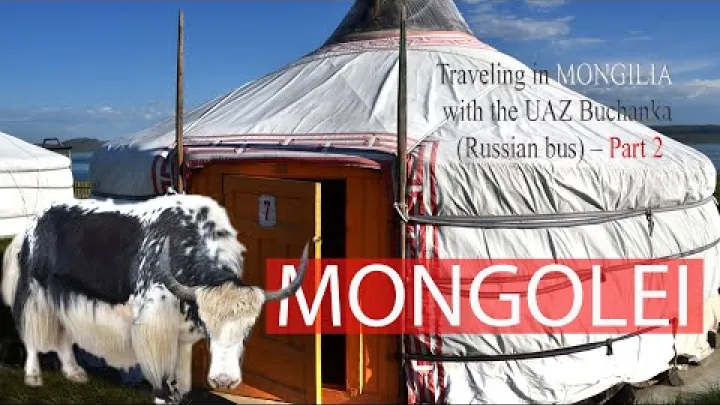
Keep three separate lines in the budget: walking and no-cost movement, occasional in-town rides, and rural transport. The available evidence does not establish a dependable taxi tariff or regular public transport price for remote attractions, so do not insert an invented fare. A shared vehicle, hired driver, or organized tour may be necessary depending on the destination and date.
For each rural attraction, ask the accommodation provider or transport operator for a dedicated quote that states the route, vehicle, number of passengers, waiting time, fuel or driver charges, and whether return travel is included. A low Ulaanbaatar bus fare does not apply automatically to a transfer from Tsetserleg to a lake, valley, monastery, or camp.
Private Vehicles, Shared Trips, and Tour Packages
A private vehicle or guided package combines several costs that are easy to miss when planning independently: vehicle use, fuel, driver time, accommodation, meals, guiding, and sometimes entrance fees or activities. This is why a short town visit can fit a mid-range budget while a comfortable regional itinerary becomes much more expensive.
Published group examples for an eight-day Orkhon Valley trip show the effect of sharing fixed costs. The listed per-person prices are approximately $1,470 for two travelers, $1,060 for three, $865 for four, and $780 for five. These amounts are examples for that operator and route, not Tsetserleg daily rates. The Discover Mongolia Tours listing should be read together with its itinerary, inclusions, exclusions, and travel dates.
| Group size | Published example per person | What it illustrates |
|---|---|---|
| 2 travelers | About $1,470 | High per-person share of fixed tour costs |
| 3 travelers | About $1,060 | Lower share when vehicle and guide costs are divided further |
| 4 travelers | About $865 | Further reduction in the published group rate |
| 5 travelers | About $780 | Lowest listed per-person example in this group range |
Before paying an operator, request a written quote showing group size, vehicle, driver, guide services, number of days, meals, lodging, entrance fees, activities, taxes, deposits, cancellation terms, and exclusions. A larger group can lower the per-person amount, but only if the route, dates, vehicle capacity, and inclusions suit your trip.
Activities and Excursion Costs
Activities in Tsetserleg range from low-cost town exploration to expensive multi-day access into Central Mongolia. The safest budget method is to separate known admission charges, optional activities, and the transport required to reach an attraction.
Low-Cost Things to Do in Town
The Museum of Arkhangai Province is a useful cultural anchor for a town-based itinerary. A published guide lists summer hours from 9:00 to 19:00 every day from June to October and winter hours from 9:00 to 18:00 on weekdays from October to June. The wording creates an overlap in October, so use the hours as a planning signal and ask locally about the schedule for your date. The hours are reported by Mongolia Guide.
The supplied information does not establish a current museum entrance fee. Do not assume that the museum is free or that a particular fee still applies. Put an unknown or locally confirmed admission amount on the activities line. Walking through town, visiting markets, viewing local streets, and using public spaces may keep activity costs low, but workshops, guided walks, cultural programs, and small entrance charges should be budgeted separately when offered.
Khorgo and Terkhiin Tsagaan Nuur
Khorgo and Terkhiin Tsagaan Nuur National Park are regional attractions rather than ordinary in-town stops. Their main budget lines are access, rural lodging, meals, and optional guiding or activities. A day visit may avoid a camp night but still require a vehicle for the route. An overnight stay adds a camp or lodge amount but may reduce the need for a separate return journey on the same day.
| Visit type | Fixed or likely cost lines | Budget treatment |
|---|---|---|
| Lower-cost day visit | Shared or hired vehicle, food, and any confirmed admission | Keep transport and fees separate from the Tsetserleg daily allowance |
| Overnight camp stay | Room or ger, meals if included, access, and optional activities | Compare the complete camp quote with a town room plus transport |
| Organized excursion | Vehicle, guide, camp or lodge, meals, and possible entrance fees | Use the operator total and remove duplicate lodging or meal lines |
Maikhan Tolgoi Tourist Camp can serve as an indicative accommodation anchor for this type of trip, but its reported room range should not be treated as the total cost of visiting the park. Record which items are fixed, which are optional, and which require a local quote.
Orkhon Valley and Other Multi-Day Excursions
The Orkhon Valley belongs to a broader Central Mongolian itinerary. A visit may involve long-distance vehicle use, several ger-camp nights, meals away from town, guiding, and limited flexibility once the route begins. It should therefore be treated as a separate excursion block rather than averaged into a low Tsetserleg daily cost.
Published package prices can demonstrate the scale of this type of travel, but they must be read with the operator’s scope and group size. If the package includes transport, lodging, meals, and guiding, do not add those costs again to your personal daily estimate. If it excludes entrance fees, drinks, insurance, or transfers to the starting point, add those items separately.
For a Tsetserleg-centered trip, decide whether the Orkhon Valley is the main experience or an optional addition. If it is the main experience, build the trip around a current package quote. If it is optional, first set the town budget and then decide whether the additional cost is worth reducing the number of town nights or other excursions.
What Changes a Tsetserleg Travel Budget?
Two travelers can follow the same general route and spend very different amounts. Timing, group size, trip length, included services, and comfort choices all affect the final total more than a small difference between two local meals.
Season, Weekends, and Local Events
Summer demand, weekends, limited room inventory, and local events may affect both price and availability. The evidence does not establish a fixed seasonal premium for every Tsetserleg property, so avoid adding an automatic percentage to your budget. Instead, compare live accommodation, camp, and tour quotes for the exact dates.
Timing also affects what you can do. The published Museum of Arkhangai Province schedule differs between the listed summer and winter periods, and the October wording overlaps. That does not prove that every attraction changes its price seasonally, but it shows why opening hours and operating dates belong in the planning process.
For summer, weekends, and known local event periods, check the final room rate, occupancy, meal arrangement, and excursion availability before committing money. If the price is unchanged, the date check still helps prevent a budget problem caused by sold-out accommodation or an unavailable transfer.
Group Size, Trip Length, and Shared Costs
Use this formula for a shared service:
Per-person fixed cost = total vehicle, guide, or private-transfer cost divided by the number of travelers.
Then add each traveler’s own meals, entrance fees, and personal spending. This is different from an operator discount. A vehicle that costs the same for two or four people becomes less expensive per person when shared, but only if the operator does not change the vehicle or package terms.
A longer stay also changes the calculation. The return bus amount is paid once, so it has a smaller daily effect over seven days than over three. However, every extra night adds accommodation and food. For solo travelers, a private room or private vehicle can make the per-person total higher. For couples, room sharing can reduce the lodging line, while small groups may divide fixed rural transport costs. Do not assume a discount until it appears in a current quote.
Comfort Trade-Offs and Included Services
| Decision | Lower-cost choice | Higher-cost choice | What to compare |
|---|---|---|---|
| Lodging | Town guesthouse or shared room | Private hotel room or rural camp | Bathroom, heating, breakfast, Wi-Fi, and transfer needs |
| Food | Mostly local restaurants | Cafés, hotel restaurants, or included camp meals | Dish size, drinks, meal inclusion, and convenience |
| Access | Walking and shared transport | Private vehicle or organized transfer | Time, route flexibility, waiting time, and passenger count |
| Activities | Town walks and self-guided visits | Guided excursions and paid programs | Guide, equipment, admission, and return transport |
A higher sticker price can be better value when it includes meals, heating, transfers, guiding, or activity access. Comfortable travel does not have to mean luxury. It may simply mean a private room, reliable meals, fewer transport changes, or a guided regional itinerary.
Practical Ways to Save Money in Tsetserleg
The most reliable savings come from reducing duplicated transport and comparing complete prices. Cutting one small meal may save less than choosing a base that avoids an unnecessary rural transfer.
Make Tsetserleg Town Your Budget Base
Choose a town guesthouse or small hotel when flexibility, walkability, and access to local restaurants and shops matter more than sleeping beside a remote attraction. Staying in town can make it easier to combine low-cost meals, café visits, the Museum of Arkhangai Province, and local walking with only one planned regional excursion.
This does not mean every attraction is cheaply reachable from town. If a rural transfer is required, compare its price with the cost of staying at a camp near the attraction. The town is the better budget base when you can avoid repeated transfers and do not need several nights in the countryside.
Share Transport and Plan Excursions Around Fixed Costs
Sharing a vehicle or joining a small group can reduce the per-person cost of a driver, guide, fuel, and transfer. Prioritize one major regional excursion instead of arranging several separate private journeys with overlapping routes. Compare a shared tour, a private vehicle, and a town-based alternative using the same number of travelers, nights, meals, and activities.
Before joining a group, ask for the departure date, group size, vehicle type, route scope, lodging standard, meal plan, guide service, entrance fees, payment schedule, and cancellation terms. An informal shared ride may not be available on your date, so do not build the whole budget around an arrangement that has not been confirmed.
Compare Quotes Before Booking
Compare the final total rather than the first advertised nightly or tour rate. For accommodation, match the dates, occupancy, room type, meals, bathroom, heating, transfer, taxes, and cancellation terms. For tours, match the group size, vehicle, number of days, lodging, meals, guide, entrance fees, and exclusions.
Use booking listings to discover properties such as Fairfield Guesthouse and Travel, Tsakhiur Hotel and Restaurants, or Tungalag Tamir Lodge, then make sure the exact room and terms match the amount in your worksheet. Keeping some itinerary flexibility can help you respond to a changed bus schedule, an unavailable rural vehicle, or a sold-out camp without accepting the first expensive alternative.
Sample Tsetserleg Budget Frameworks
The examples below show how to build a calculation without pretending that uncertain local prices are confirmed. They are per-person planning models and should be adjusted for room sharing, exact dates, and the final rural quote.
Three Days Mostly in Tsetserleg
Assume three days based in town, with a shared basic private room where possible. The daily band covers accommodation, food, local movement, a small activities allowance, and ordinary incidental spending. The Ulaanbaatar return bus is added separately.
| Travel style | Three town days | Return bus allowance | Illustrative subtotal |
|---|---|---|---|
| Budget | 3 × $40–$70 = $120–$210 | $18–$28 | $138–$238 |
| Mid-range | 3 × $80–$130 = $240–$390 | $18–$28 | $258–$418 |
| Comfortable | 3 × $130–$237 = $390–$711 | $18–$28 | $408–$739 |
For a more useful worksheet, split the three-day amount into four daily lines: lodging, food, local movement, and activities or incidental spending. The budget version assumes that you choose local meals, walk when practical, and share a room. A solo traveler paying for a full room may spend more per person. The comfortable version describes a comfortable town stay; it does not include a private multi-day vehicle or a regional package.
These subtotals exclude flights, travel insurance, shopping, and rural excursions. One café-heavy day, a paid transfer, or an extra hotel night can move the result upward.
Seven Days with One Regional Excursion
A seven-day plan should separate town days from the excursion. For example, five town days plus two rural nights can be written as five daily town allowances, the return bus, and one current camp and transfer quote.
| Model | Calculation framework | What remains to be added |
|---|---|---|
| Lower-cost town plus rural stay | 5 × $40–$70 = $200–$350, plus $18–$28 return bus | Two-night camp, rural transfer, meals not included, and activities |
| Mixed mid-range plan | 3 × $80–$130 = $240–$390, plus $18–$28 return bus | Current quote for a three- or four-day bundled excursion |
| Comfort package-led plan | Town days plus a quoted multi-day package | Any excluded transfer, entrance fee, drink, insurance, or personal spending |
If two nights at Maikhan Tolgoi Tourist Camp were assessed using the reported room signal of $71 to $113 per night, the room component alone would be about $142 to $226. That is not a complete two-night excursion total because access, meals, and activities may be separate. It is an example of why a camp rate must not be added to a package that already includes lodging.
The published Orkhon Valley examples of about $780 to $1,470 per person for eight-day group packages show the scale of a fully organized regional experience, but they are not equivalent to a seven-day Tsetserleg itinerary. Use them as a package reference only. Do not calculate a final seven-day total until the current accommodation and excursion quotes show the group size, route, number of rural nights, meals, transport, and inclusions.
What to Confirm Before Departure
Complete the following worksheet in MNT and add the date checked beside every amount. Mark each line as confirmed, estimated, or unknown. This makes it clear which parts of the budget are reliable and which need a reserve.
| Budget item | Amount in MNT | Status and date |
|---|---|---|
| Town lodging per night | ________ | Confirmed / estimated / unknown: ________ |
| Rural lodging or ger camp | ________ | Confirmed / estimated / unknown: ________ |
| Food and drinks per day | ________ | Confirmed / estimated / unknown: ________ |
| Ulaanbaatar to Tsetserleg return transport | ________ | Fare, schedule, and luggage checked: ________ |
| Local movement | ________ | Walking, town rides, or other plan: ________ |
| Rural transfer or tour | ________ | Route, group, vehicle, and inclusions checked: ________ |
| Museum, park, or activity fees | ________ | Confirmed / estimated / unknown: ________ |
| Payment fees and deposits | ________ | Cash, card, or transfer terms: ________ |
| Contingency and cash reserve | ________ | Set aside for changes and emergencies: ________ |
Before departure, confirm the current lodging rate, meal arrangement, bus fare and schedule, rural transport, attraction fees, payment method, cancellation rules, and cash reserve. Keep some flexibility for an extra meal, a changed schedule, unexpected local transport, or a necessary overnight stay. A contingency amount is more useful when it is kept separate instead of being quietly spent as part of the daily allowance.
Tsetserleg Budget: Key Takeaways
A practical Tsetserleg budget starts at approximately $40 to $70 per person per day for a careful town-based trip, rises to about $80 to $130 for mid-range comfort, and can reach $130 to $237 or more when private rooms, rural camps, private transport, or guided activities are involved. Add the Ulaanbaatar return bus separately, and never treat a regional package as an ordinary town day.
The best savings usually come from staying in town when it suits the itinerary, eating a mix of local and café meals, walking where practical, sharing rural transport, and comparing complete quotes. Record every amount in MNT, separate confirmed prices from estimates, and check what is included before paying for accommodation or an excursion.
Select area
Create a post
Posting is free and no registration is required.