Hovd Budget: Daily Travel Costs in Western Mongolia
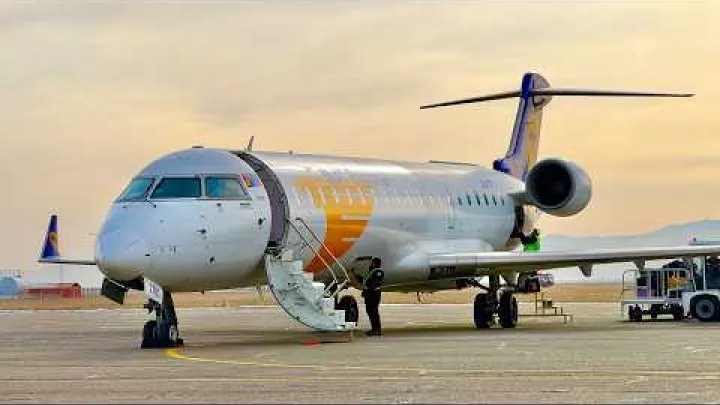
A Hovd budget can be surprisingly manageable once you arrive in town, but reaching Western Mongolia and visiting remote areas can change the total quickly. Hovd town, also known as Jyrgalant, offers modest everyday costs for lodging, local meals, walking, and short taxi rides. Flights, private vehicles, ger camps, horse trips, and guided excursions are different budget categories because they are often fixed, shared, or bundled costs. This guide explains realistic daily travel ranges, Hovd prices, access costs, payment needs, and practical ways to plan without treating estimates as guaranteed tariffs.
How Much Does a Hovd Trip Cost?
The most useful way to estimate a Hovd trip cost is to separate the cost of staying in the province from the cost of reaching it. The daily figures below are per person and are intended mainly for time spent in or near Hovd town. They exclude international travel and should not be treated as official local price lists.
Daily Budget Ranges for Budget, Mid-Range, and Comfortable Travel
| Travel style | Indicative daily range | Typical inclusions |
|---|---|---|
| Budget | About 25–45 USD per person | Simple lodging, local meals, walking, and shared transport |
| Mid-range | About 45–80 USD per person | Comfortable lodging, mixed dining, taxis, and an occasional local activity |
| Comfortable or remote | About 80–150 USD or more per person | Better rooms, private vehicles, ger camps, guides, or remote excursions |
These ranges are planning bands, not fixed Hovd prices. A careful traveler may spend near the lower end by staying in town, eating simple local food, and walking whenever possible. The upper end is usually caused by logistics rather than by expensive everyday meals. A private car, fuel, waiting time, remote lodging, guide, horse hire, or a bundled excursion can add much more than another restaurant meal.
Use Mongolian tugrik, written as MNT or ₮, for the working version of your budget. Convert to USD, euros, or another currency only with an exchange rate dated to the time you are planning. Foreign-currency figures in this article are approximate comparisons and can become outdated as exchange rates change.
Separate Everyday Spending from One-Off Access Costs
Everyday Hovd travel costs include accommodation, food, drinks, short town transport, data, and inexpensive activities. These costs tend to rise gradually with each extra day. Access costs are different. They can include a flight, a long-distance bus or shared van, an airport transfer, a private driver, a multi-day vehicle, or a rural transfer. A short visit can therefore look expensive when a large access cost is divided across only two or three nights.
A simple planning formula is:
Total trip estimate = access costs and other trip-wide overheads + number of days multiplied by the local daily budget.
Keep the units clear. A flight ticket is normally a per-person cost. A hotel may be quoted per room, per person, or per night. A driver is often quoted per vehicle or per day. A remote package may be priced per person but include several services. Mixing these units is one of the easiest ways to underestimate a Mongolia trip cost.
For example, calculate four nights of lodging and meals as four daily amounts, then add the transport required to reach Hovd and any vehicle needed for Khar Us Lake or rural districts. Do not spread a private vehicle over your daily food budget, and do not assume that a low room rate covers the transfer to a remote camp.
Build Three Example Hovd Trip Profiles
Town-based budget profile: Stay in a basic guesthouse or camping option, eat local meals, buy some snacks or breakfast items, walk around Hovd, and use shared transport when needed. The local portion is roughly 25–45 USD per person per day. Four days would produce an estimated local spend of about 100–180 USD per person before the cost of reaching Hovd.
Mid-range profile: Choose a comfortable hotel or guesthouse, eat a mixture of local dishes and cafe meals, use taxis for convenience, and arrange one local day excursion. The local portion may fall around 45–80 USD per person per day, with the excursion added according to its vehicle and access requirements.
Comfortable or remote profile: Use better rooms or ger accommodation, hire private transport, and include guided activities, rural meals, horse hire, or several nights away from town. An 80–150 USD or higher daily range is more realistic, but a package quote may be the better way to budget than a daily average.
Solo travelers usually pay more per person for a private vehicle or room. Couples can share a room and divide some transport costs, while groups can reduce the per-person price of a vehicle if everyone follows a compatible itinerary. A shared arrangement is useful only when the quote, route, timing, and inclusions suit all travelers.
Compare Hovd with Other Western Mongolia Bases
Hovd is one of several provincial hubs used to explore Western Mongolia. The cheapest base is not always the best base because the right choice depends on where you want to go, how much transport you need, and whether suitable lodging is available for your dates.
Hovd Town versus Ulaanbaatar
Hovd should not be described as cheaper in every category than Ulaanbaatar. The capital has far more hotels, restaurants, supermarkets, tour companies, and international services. That choice can produce both low-cost and high-cost options. Hovd has a smaller market, so a limited supply of rooms or a specialized service can sometimes cost more than a traveler expects.
For ordinary travel, Hovd town can support a lower local daily budget when you use simple guesthouse accommodation, local restaurants, walking, and shared transport. The town is compact enough for some activities to require little or no local transport. Ulaanbaatar may offer cheaper competition in certain categories, but urban taxis, cafes, attractions, and tourist-oriented accommodation can also raise daily spending.
The main financial difference is often access. A traveler may spend modestly in Hovd after arrival but pay a substantial amount to reach Western Mongolia. Compare the full itinerary rather than comparing one hotel night in Hovd with one hotel night in Ulaanbaatar.
Hovd, Olgii, and Ulaangom as Budget Bases
Hovd, Olgii, and Ulaangom are useful Western Mongolian bases, but each works best for a different route and activity plan. Hovd can suit travelers interested in provincial town life, nearby steppe landscapes, Khar Us Lake, and travel within Hovd aimag. Olgii is closely associated with Altai landscapes and eagle-hunting experiences, which can create a more tour-driven price structure for travelers booking organized activities.
Ulaangom may be the practical base for a different set of routes and sights. It should not be labeled automatically as cheaper or more expensive than Hovd. Room availability, season, transport demand, and the number of people sharing a vehicle can matter more than the name of the town.
Choose a base by comparing three figures: the cost to reach it, the cost of lodging and food there, and the cost of reaching your intended sights. A slightly higher room rate may be worthwhile if it removes a long transfer. A cheaper town may be poor value if it requires an additional private vehicle for the main purpose of the trip.
Town Stays, Khar Us Lake, and Remote Rural Nights
Hovd town provides the most predictable combination of accommodation, food, communications, and local transport. Khar Us Lake and more remote areas offer a different experience, but the price is often bundled into transport, rural accommodation, meals, local assistance, and waiting time. The attraction itself may have a low fee or no widely published current fee, yet the journey can remain the main expense.
Do not interpret an unpublished entrance price as proof that a remote visit is free. A driver may charge for the full day even if you spend only a short time at the lake. Fuel, road conditions, return timing, and the need to wait for travelers can all affect the quote.
Choose Hovd town when you want predictable daily spending and flexibility. Choose a rural base when the included landscape, meals, local knowledge, and overnight experience justify the added logistics. Treat lake-area and remote accommodation as quote-based unless a current local tariff clearly states otherwise.
Accommodation Prices in Hovd
Accommodation is often the largest recurring cost inside Hovd town, but the headline room price does not tell the whole story. Compare occupancy, bathroom facilities, breakfast, internet access, heating, cancellation terms, and whether the rate is charged per person or per room.
Guesthouses and Hotels in Hovd Town
A useful published local reference is Fairfield Hovd, which lists a guesthouse rate of about 90,000 MNT per person per night. The property page displays an approximate conversion of about 26 USD, but the MNT amount is the better starting point because exchange rates change. Check the current offer for the exact room type and included services.
Steppe Hotel and Mountain Hotel are examples of the town hotel market. They may be useful when you want a more conventional hotel room, but do not assign either property a fixed price without a current booking result or direct quote. In a provincial market, availability can be as important as the nominal nightly rate.
Ask whether the price is per person or per room. A twin room quoted per person may look similar to a single room, while a room quoted for the whole room can become good value for two people. Also record whether breakfast, Wi-Fi, hot water, a private bathroom, luggage storage, and airport or station assistance are included. A slightly higher rate may reduce food or transport spending later.
Camping, Ger Camps, and Homestays
Camping can be a lower-cost town-based option when you already have suitable equipment and the property permits it. Fairfield presents camping among its stay options, but use the current property tariff rather than assuming that a previously seen camping price still applies. A low sleeping cost may still require separate spending on showers, meals, transport, or equipment.
Rural ger camps and nomadic homestays vary widely. The price may reflect a bed, meals, bathroom access, heating, privacy, local assistance, transport, guide services, or an activity such as horse riding. Two places with similar nightly prices can provide very different levels of comfort and inclusion.
Do not transfer a broad national ger-camp average directly to Hovd. For a rural night, ask for the full package price and identify what is excluded. A cheaper bed outside town can produce a higher total when a private vehicle and long transfer are added.
What Changes the Nightly Price
Use this checklist when comparing Hovd accommodation:
- Is the rate per person, per room, or per bed?
- Does it apply to single occupancy, a twin room, or a shared dormitory?
- Are breakfast, Wi-Fi, heating, hot water, and a private bathroom included?
- Are taxes, service charges, transfers, or meals outside breakfast separate?
- What are the cancellation and payment conditions?
- Does the property have space for your dates, luggage, vehicle, or camping equipment?
Peak travel periods, weekends, festivals, and events can affect rates because Hovd has a smaller inventory than a major capital. Limited availability can matter more than a formal seasonal price increase. Check event dates and obtain a dated accommodation quote before committing to a busy period. Keep the quote date in your notes so you know which assumption needs updating later.
Food, Cafes, and Grocery Prices in Hovd
Food is one of the easier parts of a Hovd budget to control. Local meals and groceries can keep daily spending moderate, while cafe drinks, imported products, alcohol, and Western-style dishes can quickly move the total upward.
Local Meals and Traveller-Facing Cafes
Hovd travel information identifies venues such as Winners, Buyant or Minj, Altai Fast Food, and King Restaurant. These names help travelers understand the range of places available, but a venue name is not a current menu or a guaranteed price. Local menus can change with supply, opening times, and available ingredients.
Published local examples place simple soups and dishes in the low-thousands to mid-thousands of MNT. Treat each figure as the price of a specific dish, not as the average cost of every meal. Portion size, side dishes, drinks, and whether the restaurant serves local or traveller-facing food can change the final bill.
Western-style breakfasts, burgers, pizza, coffee, and larger cafe orders generally need a separate allowance from a simple local meal. Menu examples from a Hovd guesthouse and cafe operation illustrate this difference. A large dish may be shared by two people, while a coffee, bottled drink, dessert, or alcohol purchase is usually an additional individual cost. An included breakfast can therefore change the daily food calculation more than a small difference in room price.
Groceries, Drinks, and Self-Catering
The available Hovd price snapshot from Hikersbay lists selected examples such as one liter of milk at about 4,700 MNT and one kilogram of popular yellow cheese at about 36,000 MNT. It also includes a beer listing. These are useful for understanding order of magnitude, but they come from an online price snapshot rather than a complete, dated market basket.

Buying bread, milk, fruit when available, snacks, water, and simple breakfast items can reduce restaurant spending. This is especially useful when a guesthouse does not provide a kitchen but allows food to be stored. Self-catering does not mean that every grocery item is inexpensive. Imported food, specialty products, alcohol, and some packaged goods may cost more than basic local dishes.
Plan groceries around what you will actually eat. A short list of low-priced items can create a misleading budget if it excludes water, snacks, coffee, cooking supplies, or food needed for a long vehicle journey. Use groceries to supplement local meals rather than assuming that a full self-catering system is available.
Daily Food Budgets by Travel Style
Behavior-based food ranges are more useful than a single average:
- Careful local-food pattern: about 4–10 USD per person per day for simple local meals, water, snacks, and selected groceries.
- Mixed dining pattern: about 12–25 USD for regular cafe or restaurant meals combined with local dishes and groceries.
- Western-food and drinks pattern: about 25–40 USD or more when you frequently order Western meals, barista coffee, alcohol, desserts, snacks, or large portions.
These figures are planning bands derived from local examples, not daily tariffs. Included breakfast can move a traveler toward the lower end. Alcohol, repeated coffee purchases, and food ordered during a long transfer can move the total toward the upper end. Sharing a large pizza or another substantial dish may reduce the per-person amount, but do not assume that every menu item is suitable for sharing.
Transport and Access Costs
Transport is the category most likely to distort a Hovd travel budget. Walking and short town rides may be minor expenses, while reaching Hovd or hiring a vehicle for remote areas can cost more than several days of food and lodging combined.
Flights between Ulaanbaatar and Hovd
A domestic flight between Ulaanbaatar and Hovd can be one of the largest fixed costs in an otherwise inexpensive town-based trip. The route is useful for saving time, but the fare must be treated as a separate access cost rather than folded into the daily Hovd budget.
The route listing at FlightsFrom shows an approximate fare reference of about 350 USD and notes that the last listed flight was scheduled for September 19, 2024. That information is historical and incomplete evidence, not confirmation of current service or a current price. It can demonstrate the possible scale of the access cost, but it should not be used as a booking baseline.
For your dates, obtain a current airline or booking quote. Confirm that the flight is actually scheduled, then check the operating carrier, baggage allowance, fare conditions, change rules, and whether the price is one-way or return. A flight price can also change according to availability and booking timing, so keep the quoted date with your budget.
Buses and Shared Vans as Lower-Cost Alternatives
Long-distance buses and shared vehicles can cost much less than flying, but the cheaper ticket may require more than a day of travel, extra meals, rest, and schedule flexibility. The financial comparison should include the value of lost time and any additional accommodation required before or after the journey.
Travel-guide references report indicative shared-vehicle fares for journeys such as Hovd–Olgii and Hovd–Ulaangom. These figures are useful as local context, not guaranteed current fares. A shared vehicle may depart only when enough seats are filled, and the actual price can depend on the departure point, luggage, season, and current fuel or operating conditions.
Calculate the complete low-cost option as the ticket plus food during the journey, possible overnight lodging, local transfers, and any lost work or activity day. Confirm the departure point, fare, schedule, and return availability with a local transport office or your accommodation before relying on a shared vehicle. This is particularly important when your Hovd itinerary has a fixed flight, tour start, or hotel reservation.
Local Taxis, Driver Hire, and Private Vehicles
Walking can cover some Hovd town activities, and short taxi rides are usually a smaller budget item than a vehicle for Khar Us Lake, rural districts, or a multi-day route. Because current city taxi data are limited, it is safer to treat local taxi costs as a small flexible allowance rather than assign a single official tariff.
Private-driver prices are normally vehicle-based. Ask whether a quote includes fuel, the driver’s meals and accommodation, waiting time, overnight stays, guide services, park or protected-area fees, and transfers to and from the airport or bus stop. Also ask how the price changes if the road requires an extra day or if the group changes.
Sharing a vehicle with compatible travelers can reduce the per-person cost substantially. Solo travelers should calculate the full vehicle quote as their own cost unless a reliable shared arrangement has already been agreed. A low daily driver price is not necessarily low value if fuel, lodging, or waiting charges are added later.
Activities and Excursions on Different Budgets
Hovd offers a useful contrast between low-cost town days and higher-cost remote experiences. The attraction fee may be only one part of the calculation; transport, meals, equipment, and time often determine the real activity budget.
Low-Cost Hovd Town and Khar Us Lake Days
A low-cost Hovd day can include walking around town, eating at a local restaurant, visiting the Khovd Aimag Museum, and arranging a carefully planned visit toward Khar Us Lake. The museum and local surroundings can require little spending beyond food and local transport. A lake visit may be inexpensive at the access point but still require a shared vehicle or full-day driver.
No widely published current entrance charge was identified for some local attractions, so do not assume that every visit is free. Before leaving Hovd town, ask the museum, a lake-area contact, or your local host about entrance, access, parking, guide, and photography charges. Keep the attraction fee separate from the transport quote.
For a simple day estimate, combine a 4–10 USD local food allowance with walking or a local transport amount, then add any confirmed attraction fee. For Khar Us Lake, price the vehicle and return logistics first; they may be more important than the entrance cost itself.
Ger Camps, Horse Treks, and Guided Trips
Remote experiences can quickly move a Hovd itinerary from budget to comfortable travel. A package may include a vehicle, fuel, guide, meals, ger accommodation, horse hire, equipment, and permits. Even when the individual activity seems inexpensive, distance and the need to transport people and supplies can create a large total.
Distinguish a Hovd town or Khar Us Lake visit from an expedition to Altai Tavan Bogd or another major Western Mongolian destination. Such trips may be organized through different regional gateways, including areas around Olgii, and should not automatically be treated as cheap day trips from Hovd.
Use a current operator quote for a multi-day package. Compare the complete delivered experience, including the number of nights, meals, vehicle days, guide time, horse use, equipment, and transfers. A remote ger stay may be good value when these items are included, even if its nightly price appears higher than a town guesthouse.
How to Compare Excursion Quotes
Request an excursion quote in writing and ask the operator to state the following:
- Group size and whether the price is per person or per vehicle per day.
- Vehicle type, driver, fuel, road costs, waiting time, and extra-day charges.
- Guide services, language, equipment, horse hire, and local assistance.
- Meals, drinking water, ger or homestay nights, hotel nights, and transfers.
- Park, protected-area, museum, access, or other local fees.
- Payment timing, cancellation terms, refund conditions, and what happens if the itinerary changes.
Send the same checklist to more than one suitable operator when possible. The lowest headline price may exclude fuel, meals, horse hire, or a return transfer. Compare the total price for the experience you actually need, not just the cheapest number per day.
Currency, Payment, and Hidden Costs
Good Hovd budget planning depends on keeping prices in the units in which they are quoted. It also requires a separate allowance for costs that do not appear in a hotel or restaurant headline price.
Use Mongolian Tugrik for the Working Budget
Local prices are normally quoted in Mongolian tugrik, or MNT. Build a spreadsheet or note in MNT first, then add a secondary USD or euro conversion for easy comparison. Date each conversion because an online exchange rate from an earlier trip guide is not a current rate.
Keep four units separate: per person for flights and many tours, per room for some accommodation, per vehicle for private transport, and per day for recurring spending. For instance, a 90,000 MNT guesthouse rate listed per person per night should not be compared directly with a room rate for two people or a vehicle quote for a whole group.
At the end of each day, record actual MNT spending. This makes it easier to see whether the problem is food, transport, room occupancy, or an unplanned activity. It also gives you a better basis for adjusting the remaining days than a fixed foreign-currency estimate.
Cash, Cards, ATMs, and Mobile Data
Formal hotels and established cafes may offer more payment options than small shops, markets, informal transport, and rural hosts. Do not build a rural excursion budget on the assumption that a card or mobile payment will work at every stop.
Withdraw or exchange enough MNT while you are in Hovd and carry smaller notes for food, local transport, and small purchases. Confirm ATM access, card acceptance, and any payment conditions with your accommodation before leaving town for a rural area. Keep emergency cash separate from the money used during the day.
Include a small allowance for a SIM or mobile data. Communication can help with accommodation messages, driver coordination, maps, schedule changes, and contacting an excursion operator. The exact data cost depends on the provider and package available when you arrive, so budget a flexible amount rather than relying on an old package price.
Visa, Insurance, Fees, and Contingency
Trip-wide overheads should be listed separately from Hovd daily spending. Visa requirements and charges depend on nationality and current entry rules. Travel insurance is not a Hovd price, but it is important for a remote itinerary, especially when private transport, outdoor activities, or multiple connections are involved.
Attractions, museums, protected areas, parks, and tour operators may have separate fees. Do not apply an older national example to Hovd without checking the current local charge. List optional activities separately so you can see which costs can be removed if the budget becomes tight.
Create a contingency line for a delayed vehicle, an extra night, a changed driver arrangement, food during an unexpected delay, or rural logistics that take longer than planned. Keeping this amount separate prevents a low daily target from hiding the financial risk of a remote route.
How to Save Money in Hovd
The best savings usually come from choosing the right base and controlling high-impact costs. Small food choices help, but one private vehicle or an unnecessary transfer can outweigh several days of inexpensive meals.
Choose a Low-Cost Base and Match It to Your Route
Use Hovd town as your base when your plans are mainly town-based or include a manageable visit toward Khar Us Lake. Town lodging makes food, communications, walking, and local transport easier to combine. It also gives you more flexibility if an activity or vehicle plan changes.
Choose rural lodging or a ger package when the location and included experience are central to your trip. A package may justify its higher price through included meals, local assistance, transport, and activities. A low nightly rate is not automatically the cheapest option if it requires a separate long transfer.
A simple decision tree is useful: if you want predictable spending, start with Hovd town; if you want a remote experience for one or more nights, compare bundled ger packages; if you want several distant sights, price the vehicle and route before choosing the cheapest room. Compare the full base cost, not only the nightly rate.
Reduce Food and Local Transport Spending
- Food: Use included breakfast, simple local restaurants, groceries for snacks, and shared dishes when portions allow. Reserve traveller-facing cafes, Western meals, alcohol, and frequent coffee purchases for the experiences you value most.
- Accommodation: Compare the value of breakfast, Wi-Fi, bathroom access, heating, and location. A slightly higher room rate may reduce taxi and restaurant costs.
- Transport: Walk for suitable town journeys, combine errands, and use shared vehicles where the schedule works. Split a private vehicle across a compatible group, but keep the quote and all inclusions clear.
These choices reduce recurring costs without requiring you to avoid every comfortable experience. The aim is to spend deliberately on the activities that make Hovd worthwhile and avoid paying for convenience that you do not need.
Book and Verify Before You Commit
Use a Hovd budget worksheet with one line for each assumption:
- Record the dated lodging quote, room basis, occupancy, meals, Wi-Fi, and cancellation terms.
- Record the access option, including flight, bus, shared vehicle, baggage, meals during travel, and any extra night.
- Record the daily food pattern in MNT and identify included breakfasts or planned cafe meals.
- Record each local taxi, driver, lake transfer, entrance charge, and excursion as a separate line.
- Record cash, card, ATM, mobile data, insurance, visa-related costs, and contingency money.
- Replace estimates with current quotes as your travel dates become firm, then recalculate the per-person total.
For events or festival periods, keep the event date and accommodation quote together. For flights, keep the airline or booking quote with its schedule and fare conditions. For rural travel, keep the written operator response showing group size, vehicle, fuel, meals, lodging, guide services, horse hire, and fees. This process turns a broad Mongolia travel budget into a realistic Hovd spending plan while leaving room for costs that cannot be known until arrival.
Final Hovd Budget Takeaways
A practical Hovd budget is about separating modest town spending from expensive access and remote logistics. Plan roughly 25–45 USD per person per day for careful town travel, 45–80 USD for a mid-range pattern, and 80–150 USD or more when private transport, ger camps, or guided excursions are included. Use MNT for the working budget, compare accommodation and excursion inclusions, and treat flights and rural vehicles as separate cost lines. Hovd town can be a good-value base, but the best choice depends on your route, group size, comfort needs, and the current quotes available for your dates.
Select area
Create a post
Posting is free and no registration is required.