Olgii Getting There: Flights, Buses & Road Routes
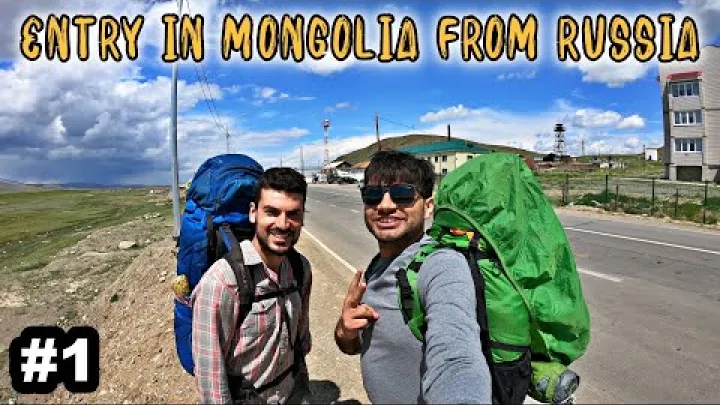
Getting to Ölgii, also commonly written Olgii, requires more planning than reaching most Mongolian cities because it is in the far west of the country. Most international travelers first arrive in Ulaanbaatar and then continue by domestic flight, long-distance bus, or road transport. A flight is usually the fastest option, while a bus is generally the budget-oriented choice and a private vehicle offers the most flexibility. This guide compares the main routes, explains how to manage connections, and covers the final arrival at Ölgii Airport, the bus station, and local shared-vehicle stands.
Choose the Best Way to Get to Olgii
The right route to Ölgii depends on your available time, budget, tolerance for long overland travel, and plans after arrival. Ulaanbaatar is the normal starting point for international visitors, but Khovd, Ulaangom, and the Russian border can be useful alternatives for a wider western Mongolia itinerary. Treat the journey to the province and the short transfer into Ölgii town as two separate parts of the trip.
Compare Air, Bus, and Overland Travel
There are three practical main choices from Ulaanbaatar. You can fly to Ölgii Airport, take a westbound bus from Dragon Bus Terminal, or arrange a private vehicle or shared road journey. The time and price information below is indicative rather than a timetable or quotation. Departures, fares, aircraft, road conditions, and ticket rules can change by date and season.
| Option | Typical travel profile | Relative cost and booking | Best for |
|---|---|---|---|
| Flight via Ulaanbaatar | About 2.5–3 hours in the air, plus airport and connection time | Usually the higher-cost choice; book with an airline | Short trips and fixed arrival dates |
| Long-distance bus | About 25–40 hours, with longer trips possible | Usually the budget-oriented choice; use the official ticket system or terminal | Travelers prioritizing a lower seat cost |
| Private or shared road travel | A day or longer, depending on route and stops | Negotiated or arranged separately; flexibility varies by vehicle | Multi-stop western Mongolia trips and remote-area access |
Flying reduces the time spent on the road, but the total journey is longer than the flight duration because you must reach the airport, complete check-in and security procedures, and allow for a connection from an international arrival. The bus avoids the cost of a domestic flight but involves overnight travel and much greater exposure to road delays. A private 4x4 can combine Ölgii with other western destinations, although the vehicle, driver, fuel, and contingency arrangements must be organized in advance.
Match the Route to Your Trip
Choose a flight when you have limited time, an important tour start date, or a short visit to Ölgii. This is often the simplest way to reach the city from Ulaanbaatar, but it still needs a realistic connection buffer. A bus suits travelers whose main priority is saving money and who can accept a long, less predictable journey. It may also work well when a flight is unavailable for the required date.
Choose private road transport when the journey itself is part of the trip or when you want to combine Ölgii with regional stops. This can be useful for an itinerary involving Altai Tavan Bogd National Park, Tolbo Lake, eagle-hunter experiences, or other remote areas. A shared vehicle can lower the cost of a regional road leg, but it should not be treated as a guaranteed substitute for the direct Ulaanbaatar–Ölgii bus.
Khovd, Ulaangom, and the Tsagaannuur–Tashanta border crossing offer more complex alternatives. They may make sense when your itinerary already includes western Mongolia or Russia's Altai region, but they add a road transfer and separate coordination. After choosing a long-distance route, plan the final transfer from Ölgii Airport or the bus station into your accommodation as a separate, short arrival step.
Flying to Olgii Airport (ULG)
Flying is the main fast-access route to Ölgii. The airport is identified by the IATA code ULG, while international arrivals from abroad normally use Chinggis Khaan International Airport, coded UBN, in Ulaanbaatar.
Travel from Chinggis Khaan International Airport (UBN)
The Ulaanbaatar–Ölgii flight is commonly described as taking about 2.5–3 hours in the air. That figure describes the air segment only. Your complete journey also includes the international arrival process, transfer or waiting time at UBN, check-in for the domestic flight, security, baggage handling, and the transfer from Ölgii Airport into town.

Do not plan an international arrival and domestic departure as if they were one seamless connection. Allow time to leave the international arrival process, collect luggage if required, find the domestic check-in area, and handle any delay on the inbound flight. If the two flights are booked separately, a missed domestic departure may require you to make your own new arrangement. A late international arrival may therefore make an overnight stay in Ulaanbaatar the more practical choice.
When comparing flight options, look at the full itinerary rather than the flight time alone. A departure that appears convenient may become difficult if it leaves little time after your international flight or arrives too late for a prearranged Ölgii transfer. Keep your accommodation name, local contact number, and onward itinerary available in both digital and offline form.
Compare Airlines and Book the Domestic Flight
Start by checking MIAT Mongolian Airlines for current domestic availability, booking conditions, and flight status. Depending on the travel date and operating schedule, Hunnu Air or Aero Mongolia may also appear in route information or booking searches. Do not assume that a carrier mentioned in an older guide or third-party listing still operates the Ölgii service on your date. Confirm that the flight is actually bookable through the operating airline or an accepted booking channel.
Compare more than the headline fare. Check the baggage allowance, cabin and checked-baggage rules, change conditions, refund terms, and the name of the operating airline. These details matter when you are carrying trekking equipment, winter clothing, or luggage for a remote-area tour. A lower fare may have stricter conditions, while a more flexible fare can be useful when the rest of your itinerary depends on a road transfer or a festival date.
Demand can also be more difficult around major events, including the Golden Eagle Festival. Route availability and frequency can change with season, aircraft planning, and demand, so older prices and historical frequency claims should not be treated as current booking promises. Search for the exact travel date and save the confirmed itinerary, baggage terms, and contact details for the operator.
Plan for Delays, Cancellations, and Missed Connections
Domestic flights to western Mongolia can be affected by wind, snow, low visibility, aircraft availability, and conditions around mountainous western routes. These factors do not mean that a flight will be cancelled, but they do mean that a bookable schedule is not the same as a guaranteed arrival time.
Recheck the operating airline's official timetable and flight status immediately before departure. If Ölgii is the starting point for a bus, border transfer, private 4x4, or remote-area departure, avoid placing that connection immediately after the flight. A safer plan is to arrive with time to contact the next operator and to keep at least one flexible accommodation option in Ulaanbaatar or Ölgii when the date is important.
For a fixed tour or event, consider arriving in Ölgii earlier than the day the activity begins. For a flexible trip, a delayed flight may be manageable if your lodging and guide can move the pickup or start date. Keep a ground option in mind, but do not assume that a same-day replacement bus will have a seat or depart at a convenient time.
Taking the Bus from Ulaanbaatar to Olgii
The long-distance bus is the usual budget-oriented alternative to flying. It leaves from the westbound bus network in Ulaanbaatar and reaches Ölgii after a very long overland journey. The route can be practical for travelers with more time, but it requires careful ticket and connection planning.
Use Dragon Bus Terminal and the National Road Transport Center
Dragon Bus Terminal is Ulaanbaatar's main departure point for many long-distance western routes. Background information about the terminal and bus-booking process is available from Gertoger. The exact boarding area, destination wording, and departure information should come from the current ticket or the transport operator, not only from an older travel article.

Use the National Road Transport Center online ticketing system to search for current intercity options. The system may display Bayan-Ölgii or Bayan-Ulgii with a different transliteration, so search carefully if the English spelling does not produce an obvious result. The listed hotline is 1900-1234, which can be useful when the online result, destination name, or ticket instruction is unclear.
Use this checklist when buying a bus ticket:
- Search for the correct date and the destination associated with Bayan-Ölgii or Ölgii.
- Confirm the departure terminal, departure time, destination, seat information, and passenger details.
- Read the ticket conditions for identification, changes, refunds, baggage, and missed departure.
- Save a screenshot or offline copy of the ticket and any booking confirmation.
- Confirm the boarding location and arrive at Dragon Bus Terminal well before departure.
Before buying, confirm the current NRTC departure, ticket conditions, and terminal instructions. If a third-party page gives a different time from the official ticketing system, use the current official result or contact the transport center instead of relying on the older listing.
Understand Travel Time, Fare, and Road Variability
Published estimates for the Ulaanbaatar–Ölgii bus vary considerably, from roughly 25 to 40 hours. The longer figure can become relevant when road conditions, weather, repairs, detours, or other delays affect the trip. Even when the scheduled journey appears shorter, overnight travel and an uncertain arrival hour make it difficult to plan a tight connection on the other side.
The bus is generally cheaper than flying when the comparison is based on one passenger seat, but the saving comes with lower comfort and less predictable timing. The trip may involve long periods on the road, limited opportunities to buy preferred food, and difficulty resting for travelers who are not used to overnight ground travel. Treat the ticket as access to a long journey, not as a precise arrival appointment.
Fares depend on the service and travel date. Do not turn an older amount from a travel report into a current price. Use the NRTC result or a current terminal quotation for the intended departure. If you need to compare costs, include the price of an extra night in Ulaanbaatar, food during the journey, local transfers, and any accommodation needed after arrival.
Prepare for the length of the trip. Carry warm layers even in a season that seems mild, because temperatures can change during the journey. Pack water, food that you can eat easily, essential medicine, personal hygiene items, a power bank, and documents in your hand luggage. Keep valuables and the accommodation contact for Ölgii with you rather than placing everything in a large bag. Use a luggage label with your name and local destination, and leave room for the possibility that your arrival will be later than expected.
Leave a full buffer day after any long bus or road journey. This is especially important before a border appointment, a fixed park departure, a flight, or a festival program. A buffer also gives you time to recover from the overnight trip and locate your accommodation without rushing.
Coordinate the Bus with an International Arrival
An international arrival in Ulaanbaatar may need an overnight stay before the westbound bus. This is particularly important when the inbound flight lands late, when immigration or baggage collection takes longer than expected, or when reaching Dragon Bus Terminal requires a separate transfer across the city.
Do not purchase a non-flexible bus ticket until you understand the rules for missed departure, refunds, changes, passenger identification, luggage, and boarding. A cheap ticket can become expensive if an international delay causes you to lose the seat and book a hotel or new transport at short notice.
A more reliable example itinerary is to arrive in Ulaanbaatar on the first day, stay near a practical transport connection, and take the bus on the following day. After arriving in Ölgii, keep another open day before a fixed remote-area departure. This arrangement separates the international flight, the long bus journey, and the onward activity instead of making one delay disrupt the entire itinerary.
If you must travel onward soon after the bus, arrange the contact and meeting details in advance and tell the local operator that the bus arrival time is approximate. Do not schedule a same-day flight, border appointment, or long private-road departure immediately after an overnight bus unless you have a realistic alternative.
Driving from Ulaanbaatar to Olgii
Driving gives you more control over stops and route choices than a scheduled bus. It is most useful when Ölgii is one part of a longer western Mongolia journey, rather than simply a destination that you need to reach as quickly and cheaply as possible.
Choose the Southern or Northern Road Corridor
Two broad road corridors are commonly discussed for travel between Ulaanbaatar and western Mongolia. The southern corridor passes through Bayankhongor and Altai and is more often associated with improved paved sections. The northern corridor runs through Tosontsengel and Ulaangom and may suit an itinerary that already includes the northern or northwestern provinces.

These are planning corridors, not guarantees of current road conditions. Construction, flood damage, repairs, detours, and unpaved sections can change the route used by a driver. Older accounts may describe a road that has since improved, or they may not reflect a recent closure. Ask the driver which corridor is currently practical and whether the vehicle can manage the expected surface and weather.
A private overland journey requires more than hiring any car. Use an experienced driver who knows western Mongolia, a suitable vehicle, enough fuel capacity or a realistic refueling plan, reliable communication, spare equipment, and a clear emergency arrangement. Remote travel can make a small mechanical problem or missed turn more serious than it would be near Ulaanbaatar. Agree on the route, stops, number of travel days, accommodation, and what happens if the road becomes impassable before departure.
Private driving should not be compared with a bus only by the nominal travel time. A driver may stop for food, fuel, rest, or sightseeing, and a multi-day route may be deliberately slower. If the priority is reaching Ölgii on a specific date, flying is usually easier to schedule than an improvised road trip.
Use a Private 4x4 or Shared Road Transport
A private 4x4 is the most flexible road option for travelers who want to combine Ölgii with remote areas, regional towns, or several stops. It allows you to choose the departure day and carry equipment that may be difficult to manage on a bus. The total price is normally arranged for the vehicle and driver rather than for a standard published seat, so ask for a complete quotation that explains fuel, driver costs, accommodation, waiting time, and any extra days.
Shared jeeps and taxis are important for regional travel in western Mongolia, but they often leave only after enough passengers have filled the available seats. They may have no dependable published timetable, and the fare or luggage arrangement may be negotiated locally. This makes them useful for short regional connections after reaching western Mongolia, but not a guaranteed replacement for the direct Ulaanbaatar–Ölgii bus.
Before accepting an informal shared ride, confirm the destination, number of passengers, price per person, luggage arrangement, expected departure, and likely arrival area. Make sure the vehicle is actually going to Ölgii or to the intermediate town you need. If your route requires a second connection, ask where the first vehicle will leave you and whether transport for the next leg is normally available.
Keep your passport, phone, money, medication, and essential clothing with you. Do not hand over all your luggage before the destination and price are clear. A shared vehicle can be a useful local solution, but flexibility should not mean accepting an unclear arrangement under pressure.
Reach Olgii through Western Gateways or the Russian Border
Alternative routes can reduce backtracking when your trip already includes Khovd, Ulaangom, Russia, or the Altai region. They are more complicated than a direct Ulaanbaatar–Ölgii flight because they combine separate air, road, and sometimes border arrangements.
Travel from Khovd or Ulaangom
Khovd and Ulaangom can serve as western gateways when a direct Ulaanbaatar–Ölgii flight is unavailable or when they already fit your itinerary. You might combine a domestic flight to one of these cities with a shared taxi, shared jeep, or hired vehicle to Ölgii. Air availability and road transport availability must be checked as separate parts of the plan.
The onward road connection is several hundred kilometers in broad terms, but the useful distance and driving time depend on the starting point, route, road surface, stops, and weather. Research estimates differ, so avoid building your schedule around a precise number of hours. Ask a local driver or accommodation provider for the current practical route and expected transfer conditions.
This alternative gateway is not automatically faster or cheaper than a direct flight. Add the domestic flight connection, time at the western gateway, the road fare, possible waiting for a shared vehicle to fill, and an extra night if the road connection does not depart immediately. It becomes more attractive when you want to visit the gateway itself or when a direct Ölgii service is not available for your dates.
For a smooth transfer, arrange the meeting point in writing and keep the name of the destination in a form the driver can read. Confirm whether the vehicle is private or shared, whether luggage has an additional cost, and whether the quoted price covers the full trip to Ölgii or only part of the route.
Use the Tsagaannuur–Tashanta Border Crossing
The Tsagaannuur–Tashanta crossing is a possible land approach from Russia's Altai region. It can avoid returning through Ulaanbaatar, but crossing the border and continuing to Ölgii are separate tasks. Travelers normally need to arrange border formalities first and then coordinate a local vehicle for the road toward town.
Do not assume that a regular through service operates across the border. Do not assume that you can cross on foot, find a taxi immediately, or use the same vehicle on both sides. Opening rules, crossing procedures, vehicle permissions, and onward transport can change, and traveler reports may describe arrangements that are no longer available.
Before traveling to the crossing, confirm the current border opening rules, required entry and exit documents, visa or permission conditions for your nationality, vehicle requirements, and procedures for luggage and transport. Use an official border, immigration, embassy, consular, or government contact where possible. Also confirm that a local 4x4 or taxi will meet you on the correct side and take you onward toward Ölgii. Written confirmation of the meeting point and price is safer than relying on an informal promise made before departure.
Keep extra time for the crossing and road transfer. A border route is suitable only when the legal requirements and the onward vehicle are confirmed for your exact travel date. If either part remains unclear, the Ulaanbaatar route is easier to plan.
Do Not Assume a Regular Direct International Flight
Some travel information mentions a direct Ölgii–Almaty service, but the available information is not sufficiently corroborated to present it as a regular scheduled route. Historical, seasonal, charter, or limited services can easily be mistaken for a year-round option.
Do not build an international itinerary around a direct Ölgii–Almaty flight unless an official airline timetable shows the service and a bookable flight confirms it for your travel date. A route appearing on an old map, flight tracker, or travel forum is not enough to establish that it is operating now.
For planning purposes, use a verified Ulaanbaatar connection or a confirmed Russian land route as the main international approaches. A Kazakhstan approach should be treated as a separate research task that includes border rules, transport between the border and Ölgii, and the availability of a confirmed flight or road service. Keep domestic Mongolian transport separate from international entry planning.
Arrive in Olgii and Continue into Town
Ölgii's long-distance arrival points are close enough to town for a short local transfer, but services may be modest and late arrivals need more preparation than arrivals in a major city.
Transfer from Olgii Airport to the City Center
Ölgii Airport is a short distance outside the town center. The practical options are a local taxi or a pickup arranged by your guesthouse, guide, or tour operator. A host-arranged pickup is often the easiest choice when you arrive late, carry large bags, or do not speak enough Mongolian to explain the accommodation address.
A formal airport taxi desk and a standard public fare are not sufficiently verified for a precise promise. Ask your accommodation what pickup options are available and agree on the meeting point and price before travel. Keep the accommodation name, telephone number, and address available offline. If the address is difficult to read in Latin letters, request a locally readable version that you can show to the driver.
After landing, collect your luggage, contact the arranged driver, confirm the accommodation name, and check that the vehicle is taking you to the agreed address. Late arrivals and cold-weather arrivals are not good times to search casually for an unknown driver. If you have no pickup arranged, wait in a safe, visible place and confirm the destination and fare before entering a vehicle.
Find the Bus Station near the Bayan-Ölgii Theatre
Long-distance buses are reported to use a station area near the Bayan-Ölgii Theatre and the central square. The station and ticket office may be modestly marked, so a local landmark can be more useful than expecting prominent English signs or a large modern terminal.
Before the bus reaches town, keep your accommodation address, phone number, and destination details accessible. If the bus arrives outside normal daytime hours, having this information ready will make it easier to ask for directions or arrange a short taxi transfer. Ask the driver or another passenger to identify the theatre or central square if you are unsure where the bus has stopped.
Do not assume that a ticket-office entrance, opening time, or exact stopping point remains unchanged. Use the current ticket information and local confirmation for your departure or return trip. Once you reach the central area, your accommodation may be within a short walk, but a taxi is more practical when you have heavy luggage, poor weather, or a late arrival.
Use Shared-Jeep Stands and Avoid Arrival Scams
A reported public-transport area near Ölgii's black market is used for shared jeeps heading toward Khovd, Uvs, Ulaanhus, Tsengel, and the Russian border. Mongolia Travel Advice describes these local departure patterns, but a traveler should still confirm the current stand and destination after arrival.
Shared vehicles may leave only when they have filled the available seats. Destination names may be written in Cyrillic, and several vehicles may be waiting in the same area. Show the destination in written form, ask more than one person to confirm the vehicle, and repeat the price and luggage arrangement before loading your bags.
Practical arrival problems are often simple misunderstandings rather than serious scams. A traveler may accept an unconfirmed fare, board a vehicle for the wrong destination, discover an unexpected luggage charge, or assume that a vehicle will leave at a published time when it actually waits for more passengers. Confirm the destination, passenger count, total price, departure expectation, and final stopping point before agreeing.
For a late airport or bus arrival, prearrange a city pickup instead of relying on an unverified driver who approaches you at the terminal. Keep warm clothing accessible, have your accommodation ready to receive you, and do not accept an unclear ride simply because it is the first offer. If you need a shared jeep the next morning, ask your accommodation to help identify the current departure area and timing.
Verify Conditions and Build a Flexible Olgii Itinerary
Western Mongolia rewards careful planning, but old schedules and road reports can become unreliable. Use one final verification process that covers every leg rather than checking only the first flight or bus.
Check Schedules, Roads, and Local Restrictions Before Departure
Complete this checklist shortly before leaving:
- Check the airline's official booking page and flight-status page for the UBN–ULG flight, including the operating carrier and baggage conditions.
- Check the National Road Transport Center ticketing system for the current Ulaanbaatar–Bayan-Ölgii or Ölgii departure, then confirm the terminal and boarding instructions.
- If you are using Khovd or Ulaangom, confirm both the domestic arrival and the onward road connection rather than checking only the first ticket.
- If you are using Tsagaannuur–Tashanta, confirm border rules, documents, opening arrangements, vehicle requirements, and your onward pickup with an official contact.
- Ask your Ölgii accommodation or transport operator about the airport pickup, bus-station arrival, local road conditions, and the best current meeting point.
- Check current Bayan-Ölgii movement notices, road-closure information, weather disruption, and public-health measures that could affect travel.
Save the date of each confirmation and the name of the person, operator, or authority that provided it. Distinguish a current ticket or official notice from an older travel report. If no reliable current information is available for one connection, treat that connection as uncertain and build a backup rather than presenting an old timetable as proof that the service will run.
Local conditions can affect a route even when transport normally operates. Weather, road work, flooding, movement restrictions, or a temporary public-health measure may change the practical journey through Bayan-Ölgii. Check current Bayan-Ölgii movement, road-closure, and public-health notices immediately before departure.
Leave Time for the Altai and Festival Travel Season
Ölgii is often a staging point for Altai Tavan Bogd National Park, Tolbo Lake, eagle-hunter experiences, and the Golden Eagle Festival. Your onward plan should influence the route you choose to reach town. If a remote-area departure has a fixed date, a flight with an arrival buffer may be more suitable than a bus. If you have several open days, the bus or an overland route may fit a lower-cost or more flexible itinerary.
Flights and accommodation may be more constrained around major festival dates, while weather-sensitive travel windows require additional flexibility. Avoid assuming that the transport pattern on a normal week will be identical during a major event. Book the time-critical parts first, then leave room for the local road transfer and any weather-related change.
Choose the fastest route when time is limited, the bus when the budget is the priority, and private or shared road travel when the journey, regional stops, or remote-area access is central to the plan. In every case, current operator information and local-condition checks are more useful than an old timetable.
Final Takeaway for Getting to Olgii
For most international visitors, the clearest route to Ölgii is to reach Ulaanbaatar, connect through Chinggis Khaan International Airport, and fly to Ölgii Airport if time matters. The long-distance bus from Dragon Bus Terminal is the usual lower-cost alternative, while a private 4x4 is better for a flexible western Mongolia itinerary. Khovd, Ulaangom, and the Tsagaannuur–Tashanta crossing can work when they fit a wider route, but they require more separate coordination.
Whichever option you choose, separate the main journey from the final transfer into town, protect important plans with a buffer, and confirm the current airline, bus, road, border, and local pickup information before departure.
Select area
Create a post
Posting is free and no registration is required.