Dalanzadgad Best Time to Visit: Weather by Month

The best time to visit Dalanzadgad is usually from late May through June or from September through early October. These periods offer a useful balance between comfortable temperatures, feasible outdoor activities, moderate rainfall, and less summer pressure. This guide explains Dalanzadgad weather by season and month, including conditions for trips to Yolyn Am, Khongoryn Els, and Bayanzag. Because climate averages cannot predict a particular departure date, the final decision should also use current warnings, forecasts, and local route information.
The Best Time to Visit Dalanzadgad at a Glance
Dalanzadgad is both a destination and an important urban starting point for exploring the Gobi in Ömnögovi Province. The ideal month depends on whether you value mild hiking weather, greener landscapes, cultural activity, lower seasonal demand, or winter scenery.
Best Overall: Late May to June and September to Early October
For most travelers, the best overall travel window is late May through June, followed by September through early October. Daytime conditions are generally more comfortable than during the hottest part of summer, while the city and surrounding desert are usually more practical for walking, photography, and guided excursions than in winter. Rainfall is still limited compared with wetter destinations, although short summer-bound showers can affect some unpaved routes.
Late spring and early summer are not identical to early autumn. Late May and June bring longer days, a gradual return of color to the steppe, and the possibility of greenery or wildflowers in favorable years. September and early October bring cooler air, softer light, and a quieter atmosphere after the main summer period. September is usually the milder part of this autumn window; early October can already feel cold at night.
This recommendation describes typical climate patterns, not a promise for a particular year. A warm average does not rule out wind, a cold morning, a dusty afternoon, or a brief storm. For a remote Gobi itinerary, the best date is the one that combines a suitable season with current conditions and a realistic transport plan.
Choose the Month That Matches Your Trip
Use your main purpose for visiting as the starting point rather than choosing a month only because it is labeled summer. The following choices provide a simple decision guide:
- For general sightseeing and hiking: Choose late May, June, September, or early October. These months usually provide the strongest comfort balance for a city stay combined with outdoor excursions.
- For greenery, wildflowers, long daylight, and cultural travel: July and August are the most suitable, especially for travelers who want the fullest summer tour season or Naadam-related travel. They also bring more heat, stronger sun, the summer rainfall peak, and higher demand.
- For photography: Late spring can show fresh seasonal change in favorable years, while September and early October offer cooler light and autumn tones. Winter can produce striking snow and frost scenes but requires specialist preparation.
- For a comfort-value compromise: Late May to June and September often have a better balance of usable weather and seasonal demand than the July and August peak. Actual prices and availability vary by year and operator.
- For a winter desert experience: December through February is suitable mainly for prepared travelers with a specific interest in cold landscapes, strong insulation, local support, and flexible logistics.
There is no conventional rainy season that makes Dalanzadgad consistently wet for weeks. Instead, summer has the highest average precipitation, while a single short shower can still matter when a route uses exposed tracks. In the same way, a winter trip may look inexpensive on a room-rate comparison but become less convenient if transport, tours, or suitable equipment are limited.
Dalanzadgad's Climate and What It Means for Visitors
Dalanzadgad weather is shaped by the town's inland Gobi setting, elevation, dry air, and exposure to large seasonal temperature changes. These features affect not only what you wear in town but also how comfortable and practical a long excursion will be.
A High-Elevation Cold Desert in the Gobi
Dalanzadgad is the capital of Ömnögovi Province and an urban staging point for journeys toward Yolyn Am, Khongoryn Els, and Bayanzag. Travelers often use the town to arrange vehicles, supplies, accommodation, and onward tours before entering more remote areas. A visit that begins with a city hotel may therefore include several days on open roads, in canyons, near dunes, or at exposed archaeological and fossil landscapes.
The area is a semi-arid cold desert rather than a uniformly hot desert. Winters are cold, the air is often dry, and the difference between a sunny afternoon and a clear night can be substantial. Sunlight may make a calm daytime walk feel pleasant, while wind or shade can make the same temperature feel much colder. These contrasts are especially important for camping, early departures, evening arrivals, and any route where shelter is limited.
Dalanzadgad's town conditions should not be treated as a complete description of the Gobi around it. A weather reading from an urban station cannot fully represent a windy dune field, a shaded canyon, a rocky plain, or a remote unpaved track. Plan clothing, water, sleeping equipment, and travel time for the most exposed part of the excursion rather than for the most comfortable part of the city stay.
Temperature, Rainfall, Wind, and Day-Night Change
The broad climate pattern is clear even when individual years differ. Winter has below-freezing daytime conditions and very cold nights. Temperatures rise through spring, summer is the warmest period, and July and August generally contain the main precipitation peak. Autumn becomes cooler after summer and is generally drier as it progresses into October and November.
Spring is an important transition period. March and April can have rising daytime temperatures but remain windy, dusty, and cold at night. Wind is not simply a comfort issue: it can reduce visibility, carry loose dust, and make an open landscape feel much colder or more tiring. By late May and June, outdoor conditions are often more balanced, although wind and cool nights remain possible.
Summer rainfall is limited in absolute terms, but it is concentrated enough to matter for travel. A short shower or thunderstorm can change the feel of a trail, reduce visibility, or make an unpaved section less convenient. On the other hand, the lack of regular heavy rain means that a dry forecast does not guarantee mild conditions. Heat, sun, wind, and dust can be more important than rainfall on many days.
City-specific monthly temperature and rainfall averages, such as those compiled by Eldorado Weather, are useful for seeing this seasonal pattern. Treat them as long-term climate information rather than exact predictions. The exposed surfaces around dunes and rocky plains can also feel hotter than a shaded weather station suggests because shade is scarce and the ground reflects sunlight.
Climate Averages Are Not a Live Forecast
A climate average is calculated from many observations over time. It can tell you that July is normally warmer and wetter than May, or that January is normally much colder than September. It cannot tell you whether the day you leave Dalanzadgad will bring a dust event, a strong wind, a thunderstorm, an unusual cold spell, poor visibility, or a rapid temperature change.
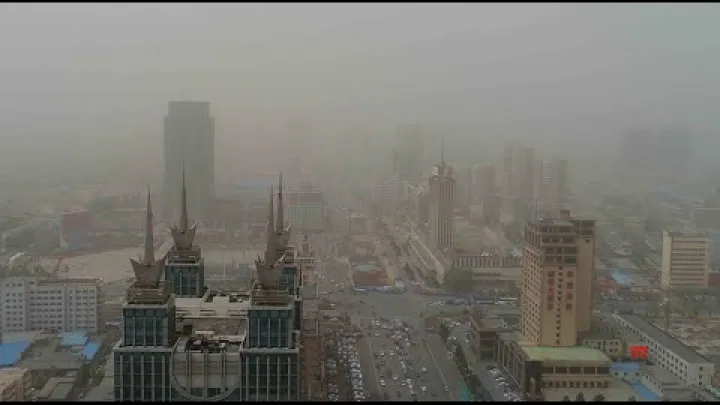
Use the National Agency of Meteorology and Environmental Monitoring, known as NAMEM, as an official national monitoring and warning reference. NAMEM's stated role includes monitoring weather, climate, water, and the environment. For a trip, use the current forecast or warning service available for your dates, and ask your local driver or operator how the conditions apply to the route.
Check current information immediately before leaving Dalanzadgad for each remote excursion. Look specifically for strong wind, blowing dust, reduced visibility, thunderstorms, snow, and sharp temperature changes. A favorable town forecast may not describe Yolyn Am, Khongoryn Els, or Bayanzag because those places can involve different terrain, exposure, and travel times. Make forecast checking part of the departure decision, not just part of the initial booking process.
Winter and Spring Weather by Month
Winter and early spring can be rewarding for travelers who value quiet landscapes, but they require more planning than the main travel season. The main issue is not only the temperature shown in a forecast; it is the effect of cold, wind, darkness, and reduced services on an itinerary far from urban support.
December to February: Deep Winter
December through February is the coldest period in Dalanzadgad. Daytime conditions are commonly below freezing, nights can be very cold, and precipitation is generally low. Snow or frost may appear, but a dry winter landscape should not be confused with a mild one. Clear skies can allow temperatures to fall quickly after sunset.
Winter changes the practical rhythm of a trip. Daylight is shorter, so there is less time for long outdoor stops. Camping demands a properly insulated sleeping system, and accommodation must provide dependable heating. Vehicle travel also needs local support because cold can affect starting, batteries, fuel, and the comfort of long drives. Seasonal tours, flights, and other visitor services may be less frequent or less flexible than in summer.
A winter city stay can be possible for a well-prepared traveler with a heated room, suitable clothing, and a short outdoor schedule. A remote desert trip is a different proposition. Casual visitors who do not have serious cold-weather clothing, reliable transport, and local assistance should not choose winter simply because it may be quieter or less expensive. Winter is best treated as a specialist season for a clear photographic or landscape goal.
March to April: Spring Wind and Dust
March and April mark the movement from winter toward the warmer part of the year. Afternoon temperatures rise, but nights can still freeze and conditions can change quickly. A mild-looking afternoon does not remove the need for warm layers, especially when a route includes early morning travel or open ground.
Precipitation remains low, but wind becomes a more important planning factor. Exposed Gobi areas can experience blowing dust, and a dusty day may be unpleasant even when the temperature is moderate. Wind can also make walking, photography, and vehicle stops less comfortable by reducing visibility and increasing chill.
Early spring has the appeal of seasonal change and fewer visitors, but it is not the most dependable mild-weather window. It suits flexible travelers who are prepared for both cold and wind and who do not need every day to support a long hike. Travelers seeking predictable outdoor comfort will usually find late May or September easier to manage.
Summer and Autumn Weather by Month
Late spring through early autumn is the main period for combining a Dalanzadgad city stay with several Gobi excursions. Within this period, each month offers a different balance of temperature, rainfall, daylight, scenery, and visitor demand.
May to June: Mild Days and Better Outdoor Conditions
Late May and June are among the strongest choices for hiking and sightseeing. Days are generally mild to warm, daylight is long, and nights are cool but often manageable with a fleece or insulated layer. The season is also a useful compromise for travelers who want to spend time outdoors without choosing the hottest or busiest part of summer.
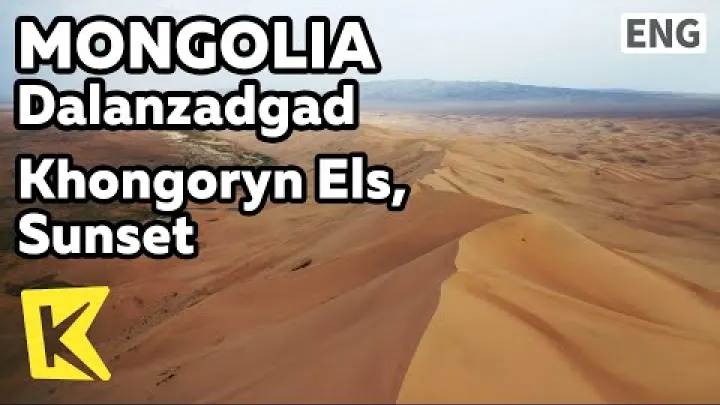
Conditions often become more settled for outdoor travel as spring gives way to early summer, but wind remains possible. Rainfall increases toward summer while staying low compared with genuinely wet climates. Even a brief shower can matter on an exposed route, particularly when a vehicle must use an unpaved track.
Late May should not be treated as identical to the entire month of May. Early May can still feel like a winter-to-spring transition, with colder nights and less dependable comfort. By late May, the combination of longer days and milder afternoons is usually more attractive for a first Gobi visit. In favorable years, the steppe may also show emerging greenery or flowers, but the timing and intensity depend on conditions in that year.
July to August: Warmest, Wetter, and Busiest
July and August are the warmest months and generally have the highest average precipitation. This is a summer rainfall peak, not a tropical rainy season. Many days can still be dry, but short showers or thunderstorms may arrive quickly and can affect visibility, exposed activities, and unpaved tracks.
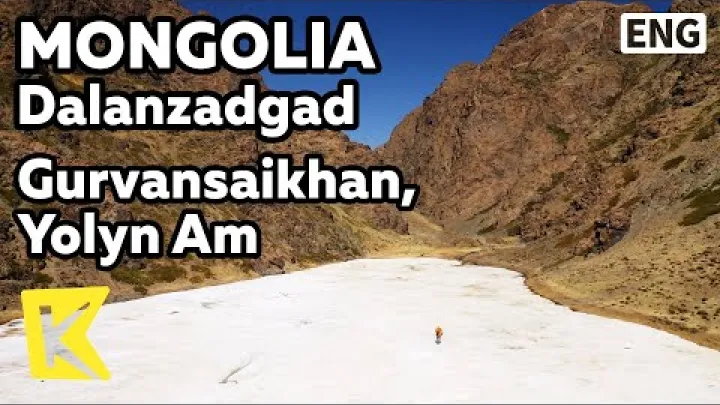
The advantages are long daylight, the greatest concentration of tour operations, and the possibility of greener steppe conditions in a favorable year. July is also attractive for travelers interested in cultural activity and Naadam-related travel. More operators and visitors can make it easier to find a standard itinerary, a guide, or a shared tour, although popular capacity may be under pressure.
The disadvantages are heat, intense sun, limited shade, and stronger demand for flights, accommodation, vehicles, and guides. A city temperature can feel reasonable while an unshaded dune or open road feels much harsher. Earlier starts, a slower pace during the hottest part of the day, and planned access to shade can improve comfort, but they do not replace attention to current heat, wind, or storm conditions.
September to October: Cooler Shoulder Season
September and early October form a strong autumn alternative to late spring. September is generally mild enough for walking and longer excursions, while rainfall tends to decrease after the summer peak. The cooler air can make photography and time on open ground more comfortable, and the landscape may take on seasonal golden or bronze tones.
Early October is cooler than September, particularly at night. Near-freezing conditions are possible, so travelers who choose this month should bring real insulation rather than relying only on a light jacket. Daylight also begins to shorten, which can affect the timing of multi-stop routes and evening arrivals.
Visitor demand may ease after July and August, and some seasonal services and operators may continue into part of autumn. Availability is not guaranteed, however, and a quieter month does not automatically mean that every flight, tour, or ger camp operates on a summer schedule. September is usually the safer choice for travelers who want autumn conditions with more operational flexibility; early October suits those who accept colder nights for a quieter experience.
November: Quiet Transition Into Winter
November is a clear transition into winter. Nights are cold, days are shorter, precipitation is low, and the comfortable outdoor window becomes much smaller. A sunny afternoon may still allow a short walk, but long exposed sightseeing can become difficult once wind and cold are added.
Lower visitor demand does not necessarily make November easier. Tours, flights, accommodation, and vehicle arrangements may be less frequent or more limited, and road conditions can be harder to manage as winter approaches. A lower headline price may therefore be offset by fewer choices and less flexibility.
November can work for a specialist traveler with local arrangements and an adaptable schedule, but it is not one of the main recommendations for a first visit. Confirm that the services you need are operating rather than assuming that a summer or early-autumn itinerary continues unchanged.
Outdoor Gobi Trips and Activities
Dalanzadgad is often the practical base for reaching major southern Gobi sights, but the best time for staying in town is not always the best time for every remote road or activity. Consider the conditions at each stop and the time spent traveling between them.
Yolyn Am, Khongoryn Els, and Bayanzag: Match Timing to Conditions
Yolyn Am, Khongoryn Els, and Bayanzag offer different outdoor settings. Yolyn Am is associated with a canyon environment, Khongoryn Els with broad sand-dune scenery, and Bayanzag with an exposed fossil landscape. These differences matter when choosing dates: a cool day may be comfortable for a walk, while strong wind can make a dune stop tiring and blowing dust can reduce the value of a distant landscape view.
Rain, wind, heat, cold, and visibility can affect the feasibility of a multi-stop itinerary even when Dalanzadgad itself feels comfortable. A route can include long periods in a vehicle, short walks over uneven ground, and stops with little shade or shelter. The practical question is not only whether a site is open or reachable, but whether the whole sequence is comfortable and realistic in the conditions of that day.
Build the itinerary around the most demanding excursion rather than the easiest city activity. Discuss the planned stops individually with the driver or tour operator, including the expected walking time, overnight arrangements, and the condition of the route. This is particularly important when an itinerary combines several sites rather than returning to Dalanzadgad each evening.
Best Seasons for Hiking, Photography, and Landscapes
For many hikers, late May through June and September through early October provide the best balance between outdoor comfort and visual interest. Temperatures are generally less stressful than in peak summer, and conditions are much more accessible than in deep winter. Cool mornings should still be expected, especially in October.
Late spring and early summer may offer greener steppe or wildflowers after favorable precipitation. Autumn can bring cooler light and subtle golden or bronze tones. These landscape changes are not fixed calendar events: a dry year may produce less greenery, while an unusual weather pattern may shift the timing of seasonal color.
July and August remain workable for experienced travelers who can plan exposed activity around the heat, start early, and carry enough water. They are a good fit for people who prioritize long daylight, summer activity, and the widest choice of tours over cooler conditions. Winter photography is possible for those seeking snow, frost, and stark light, but cold, daylight, transport, and overnight comfort are central constraints rather than minor details.
Crowds, Prices, and Travel Access
Season affects more than the weather. Visitor demand, transport schedules, guide availability, and the real cost of a trip can all change the best month for an individual traveler.
Crowds, Prices, and Booking Timing
July and August generally attract the strongest visitor demand. Flights, accommodation, guides, fuel, and places on organized tours may be more difficult to secure during this period, particularly when many travelers are moving through the Gobi on similar schedules. Higher demand can also reduce the benefit of waiting until the last minute.
Late May, June, and September may offer a useful comfort-value balance. They can provide good conditions for outdoor activity without the full pressure of the central summer period. This does not guarantee lower prices or empty hotels, because availability depends on the year, the operator, and the type of accommodation.
Winter may show lower headline prices, but the total trip is not automatically cheaper. Specialized clothing, better vehicle support, private arrangements, and reduced flexibility can add costs or make a simple itinerary impractical. Compare the complete travel experience, not only the room rate.
Book early when traveling in July or August, especially if you need a fixed flight, a particular guide, or a multi-day route. Shoulder-season travelers can often benefit more from flexible dates, but should still arrange the essential vehicle and accommodation before arriving with no backup plan.
Flights, Roads, and Tour Availability
The Ulaanbaatar–Dalanzadgad air route can be seasonally scheduled, so access is part of the best-time decision. A dated AMC and MIAT timetable runs from 22 May through 26 October 2024 and includes the Ulaanbaatar–Dalanzadgad route. It is useful as a historical example of a seasonal schedule, not as a current promise of service.
Before fixing international or onward connections, confirm the current Ulaanbaatar–Dalanzadgad flight dates, departure times, airport arrangements, baggage rules, and any changes affecting operations. Then confirm the vehicle or tour that will take you from Dalanzadgad toward the remote sites. Finally, match the transport plan to the expected weather and route conditions.
Road travel and guided jeep logistics remain important for reaching many Gobi locations. The feasibility of a road itinerary depends on the route, recent weather, the vehicle, the driver's local knowledge, and the amount of time available. Keep a backup road plan before fixing tight connections, and leave enough space in the itinerary for a delayed departure or a changed sequence of stops.
Practical Weather Preparation for Dalanzadgad
Good preparation should reflect the full route rather than the town forecast alone. A short city walk and a night at a remote camp require different clothing, footwear, water planning, and protection from exposure.
What to Wear for City Stays and Desert Excursions
Layers are the most useful clothing system for Dalanzadgad. A base layer, a warm mid-layer, and a windproof outer layer allow you to adjust between a sunny afternoon, a cold morning, and a windy stop. For late May, June, September, and October, bring both light clothing for daytime and insulation for early and late hours.
Use clothing that covers the skin while remaining breathable in strong sun. A brimmed hat or cap, sunglasses, sunscreen, and a light scarf or face covering are useful in exposed areas. A windproof jacket is more important than a fashionable light layer when the route crosses open ground. In July and August, breathable clothing and reliable sun protection matter; in winter, use substantially warmer insulation, gloves, a warm hat, and footwear designed for freezing conditions.
Footwear should match the excursion, not just the streets of Dalanzadgad. Hiking shoes with good grip are more suitable for uneven ground than casual city shoes, while a remote overnight trip may require warmer socks and footwear that remains comfortable for long vehicle stops. If you will camp, choose the sleeping bag, mat, and tent system for the coldest expected night and the wind exposure of the camp, not for the afternoon temperature in town.
Eye protection is useful when wind lifts dust or sand. Face coverage can improve comfort, but it is not a guarantee against a severe dust event. Keep essential warm and protective layers accessible during the journey rather than buried in luggage that may be difficult to reach during a remote stop.
Heat, Cold, Wind, Dust, and Sun Exposure
The main exposure risk changes with the season. Winter brings serious cold, short daylight, and difficult overnight conditions. Summer brings strong sun, heat on open terrain, and limited shade. Spring is more associated with volatile wind and dust, while autumn moves toward colder nights even as daytime walking remains pleasant.
Dry air can make dehydration less obvious, especially when the temperature feels comfortable. Dunes, rocky plains, and remote roads may provide little natural shade, so a traveler can be exposed for longer than expected during a vehicle stop or walk. Carry sufficient water, sun protection, warm layers, and eye or face protection on every exposed outing.
Dust conditions should be taken seriously without turning a regional trend into a day-specific prediction. A 2025 study available through ScienceDirect describes changing patterns in Gobi Desert-sourced dust storms over its study period. That research provides context for respecting monitoring and warnings, but it cannot predict whether a particular day in Dalanzadgad will be dusty.
If wind, dust, heat, or cold makes an exposed activity unsafe or unreasonably difficult, postponing the activity is a sound travel decision. A flexible schedule is more useful than trying to complete a remote stop at any cost. Travelers with medical conditions or special exposure concerns should seek professional advice appropriate to their situation.
Rain, Thunderstorms, and Flexible Route Planning
Summer rain is limited overall, but it can arrive as a short shower or thunderstorm. Localized rain may reduce visibility, make an exposed stop uncomfortable, or affect the condition of an unpaved track even when nearby parts of the Gobi remain dry. This is why a low-rainfall destination can still experience temporary access problems.

Allow flexibility in departure times and keep a buffer day when your itinerary includes several remote sites or a fixed onward connection. Before leaving Dalanzadgad, ask the current driver or tour operator about recent rain and track conditions, not only the monthly rainfall average. Local route knowledge can reveal whether a planned track is practical, whether the order of stops should change, or whether a short delay is wiser.
Keep current route and operator information separate from climate averages. A normal June or August pattern does not establish the condition of a particular track after a storm. A buffer day and a willingness to change the route can protect the rest of the trip while still allowing you to visit the Gobi when conditions improve.
Final Recommendation for Your Dalanzadgad Trip
For the best overall combination of weather and outdoor practicality, plan for late May through June or September through early October. Choose late spring and early summer for longer days, emerging seasonal color, and mild hiking conditions, or choose September and early October for cooler air, autumn light, and a quieter atmosphere.
Select July or August if summer greenery, Naadam-related travel, maximum daylight, and the broadest tour availability matter more than heat and peak demand. Choose winter only for a deliberate cold-desert experience with suitable equipment and strong local logistics. Whatever month you select, confirm current air access, arrange the onward vehicle, review live weather information, and ask locally about route conditions before each remote excursion.
Select area
Create a post
Posting is free and no registration is required.