Chinggis Best Time to Visit: Monthly Weather Guide

The best time to visit Chinggis is usually from mid-June through August, when warm days, cool nights, and greener steppe landscapes create the most reliable conditions for exploring Khentii Province. Chinggis City, formerly known as Öndörkhaan, lies in the Kherlen River valley in Eastern Mongolia, where the continental climate brings large changes between seasons and between day and night. This guide explains the local temperature and rainfall pattern, compares every season, and gives a simple month-by-month planning reference. Climate averages describe typical conditions, so they should be used alongside a current forecast for your travel dates.
Best Time to Visit Chinggis at a Glance
The Short Answer
For most visitors, the best time to visit Chinggis is from mid-June through August. This period normally offers the warmest days of the year, cool but manageable nights, and better conditions for hiking, horse trekking, camping, river-valley visits, and wider travel across the Eastern Mongolian steppe. The summer landscape is often greener after seasonal rain, although July and August also bring the highest rainfall of the year.
Early September can extend the best travel window for people who prefer cooler temperatures and a quieter atmosphere. Late May is another useful shoulder-season option, but spring weather changes more quickly and nights can remain cold. This recommendation is based first on Chinggis-specific climate patterns. It is broadly consistent with general Mongolia travel guidance from Audley Travel, but conditions in Khentii should not be assumed to match every part of Mongolia.
Summer is not continuously hot or dry. A warm afternoon can be followed by a cool evening, strong wind, or rain. Pack layers and treat the recommendation as a seasonal tendency rather than a promise about a particular day.
Shoulder Seasons and Specialist Travel Periods
Late May and September suit travelers who want cooler temperatures, changing steppe scenery, or a possible reduction in demand compared with the main summer period. Late May is generally more comfortable than March or early April, while early September can still support many outdoor activities before autumn cooling becomes pronounced. Neither period guarantees lower prices, fewer visitors, or fully accessible rural routes.
November through March is a specialist travel period. Chinggis can be visited in winter, but severe cold, wind, snow, ice, short daylight, and exposed steppe conditions make it a poor default choice for a first visit focused on general sightseeing. Choose winter for a specific cultural, horse-related, or winter landscape experience rather than for easy outdoor access.
A simple decision rule is useful: choose mid-June to August for the broadest range of activities, late May or September for a cooler shoulder-season trip, and winter only when the specialist experience is more important to you than comfort and flexibility. Local cultural or winter event schedules should be confirmed separately because dates, venues, and access can change.
Chinggis Climate and Weather Patterns
Local Temperature Range Across the Year
Chinggis has a strongly continental climate. The available Chinggis climate table uses 1991–2020 normals and shows a large annual temperature cycle. In January, the mean daily maximum is about -15.6°C and the mean daily minimum is about -29°C. In July, the corresponding figures are about 27.2°C and 13°C. The local table is available through the Chinggis City climate data page.
These are climate averages, not the temperature that will occur every day. They show why winter is prolonged and severe, while summer days are warm rather than uniformly hot. Local normal mean maximum temperatures are about 25.4°C in June and 25.2°C in August, so July is usually the warmest month, but the difference between summer afternoons and nights remains important.
The day-night change affects almost every type of trip. Summer clothing that feels comfortable in the afternoon may be insufficient after sunset, especially when wind develops near the Kherlen River valley or on open steppe. Campers, horse trekkers, and visitors spending time outside should plan for both the daytime temperature and the colder evening minimum.
Rainfall, Sunshine, and Summer Showers
Chinggis is dry for much of the year, with most precipitation concentrated between June and August. The available local climate table records approximately 235 mm of precipitation annually, with July as the wettest month and June and August also considerably wetter than the winter and early spring months. This is a total amount of precipitation, not a count of rainy days.
Summer rain may arrive as a short shower, but it should not automatically be treated as harmless. A heavier storm can reduce visibility, interrupt a camping or riding plan, and affect unpaved rural tracks. Rainfall is one reason to keep outdoor itineraries flexible even during the generally favorable summer season.
Dry months can bring bright, clear skies without bringing warmth. Strong sunshine can make a winter afternoon appear inviting while the air remains dangerously cold, and temperatures can fall quickly after sunset in any season. Sun protection is useful in summer, spring, and autumn, while warm layers remain necessary even when the sky is clear.
Wind, Winter Cold, and Seasonal Hazards
Chinggis sits in the Kherlen River valley, but the surrounding Eastern Mongolian steppe is open and exposed. Wind can make an ordinary temperature feel much colder, particularly in winter and during spring. The same exposure can produce blowing dust in dry spring weather, sudden changes during summer storms, and reduced visibility during snow or strong wind.
Seasonal hazards differ by time of year. Spring may combine thawing ground, dust, wind, and occasional snow. Summer storms can affect outdoor comfort and rural surfaces. Autumn brings faster cooling and frost risk, while winter travel may involve ice, drifting snow, blizzards, and limited visibility. These are regional possibilities, not conditions that every visitor will experience.
For a city stay, the main effect may be a need for warmer clothing or a changed walking plan. For travel across exposed steppe, the same weather can affect comfort, visibility, vehicle progress, and the safety of an outdoor activity. Plan conservatively for the most exposed part of an excursion rather than using the city as the only reference point.
Climate Averages Versus the Live Forecast
Climate normals summarize typical conditions over a long period. The 1991–2020 Chinggis figures help compare January with July or September with October, but they cannot predict the weather on a specific travel date. The WMO Climate Normals provide useful context for understanding this difference between long-term averages and daily weather.
Check NAMHEM, Mongolia's national weather forecasting agency, or another reliable current local forecast and hazard bulletin shortly before departure. Make this especially important for winter travel, spring journeys, and excursions outside the city. If a rural outing is several days after arrival, check conditions again before leaving Chinggis rather than relying only on the forecast seen when you first planned the trip.
For example, a month with a mild average can still include a late cold spell, strong wind, or unexpected precipitation. A dry monthly pattern also does not rule out a storm on your particular day. Use historical data to choose the season and a current forecast to decide what to wear, whether to camp, and whether a rural plan is sensible.
Chinggis by Season
Spring: Variable Weather and Fewer Visitors
March and April mark the transition from winter, but they should not be confused with a mild spring in a temperate destination. Nights remain cold, temperatures can change rapidly, and strong wind may make outdoor time uncomfortable. Snow, dust, and dry conditions are all possible during this transition, so spring is better suited to travelers who can adapt their plans.
Late May is a separate and more practical shoulder-season choice. Days are increasingly comfortable, but nights can still be cool and weather can remain changeable. The landscape may be beginning its seasonal growth, but visitors should not assume that the steppe will be fully green or that every rural route will be ready for easy travel.
Spring may bring fewer visitors than the summer peak, but this is not a guarantee. It is a reasonable choice for experienced travelers seeking a quieter city stay or a flexible Khentii itinerary, rather than the easiest period for a first-time visitor who wants stable outdoor conditions.
Summer: Warm Days and the Best Outdoor Access
Summer is the strongest season for most trips to Chinggis. From mid-June through August, warm days support hiking, horse trekking, camping, photography, and exploration around the Kherlen River valley and the wider Eastern Mongolian steppe. June is a particularly useful starting point for outdoor travel, while July is normally the warmest and wettest month.
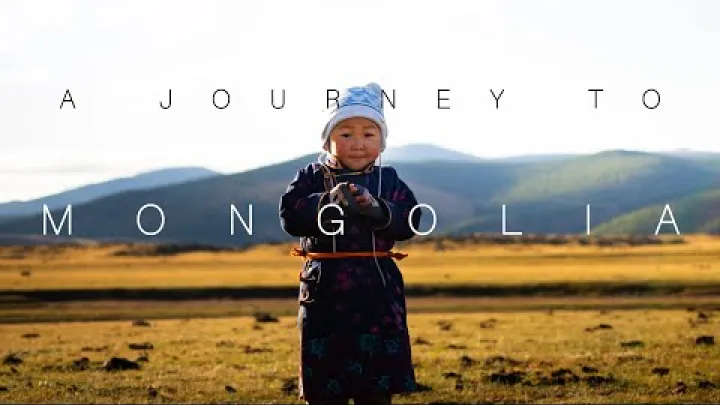
The main trade-off is rainfall. Summer precipitation is still modest in annual terms, but rain is concentrated in these months and can interrupt a plan. Nights remain much cooler than afternoons, so a light shirt alone is not enough for evening activities or camping. Summer also tends to be the main national travel period, which can increase demand for accommodation, guides, and transport.
July is an important cultural travel period because Mongolia's Naadam season takes place during summer. Provincial or local programs may add events in Khentii, but availability, venue, and access should be confirmed independently. Outdoor services and regional routes are not guaranteed to operate in exactly the same way throughout the entire season.
Autumn: Golden Landscapes and Rapid Cooling
Early to mid-September is one of the best shoulder-season choices for Chinggis. Days are generally milder than in midsummer, summer rainfall begins to decline, and the steppe may show golden seasonal colors. Early September is more suitable for outdoor travel than October, especially for visitors who want cooler temperatures without moving fully into winter conditions.
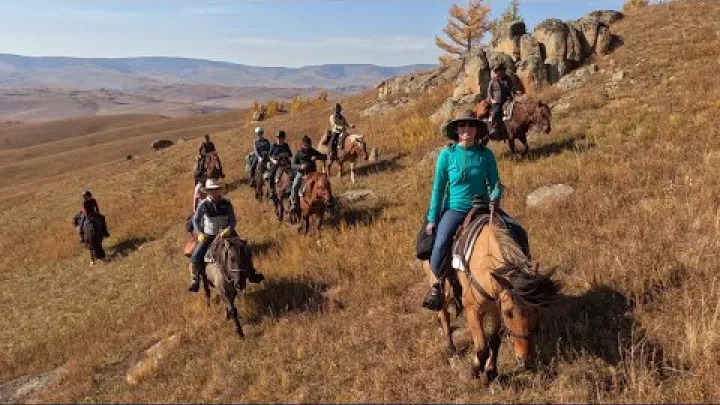
Local normal mean maximum temperatures fall from about 19.4°C in September to about 9.6°C in October. Nights become much colder during the same period, and frost becomes increasingly relevant. October can still work for a city-based itinerary, but rural travel requires more attention to cold, wind, and changing ground conditions.
September and October should therefore be treated as different planning choices. Seasonal services may operate differently as visitor demand falls, so confirm accommodation, guides, and any planned activity directly for your dates rather than assuming that summer arrangements continue unchanged.
Winter: Severe Cold and Specialist Travel
November through March is the long winter period, with local mean temperatures often below freezing and January normally the harshest month. Low precipitation does not remove winter risks. Wind, ice, drifting snow, poor visibility, limited daylight, and severe cold exposure can make travel across open steppe difficult even when the monthly rainfall total is small.
A short city stay in Chinggis is different from an overnight trip into exposed rural areas. Buildings, vehicles, and paved urban surfaces may offer more protection, while a remote camp, mountain approach, or long drive can have much greater exposure. Winter is best for travelers who have a clear reason to visit and who accept that sightseeing may be narrower and less flexible.
For winter rural travel, book with an experienced local guide and confirm suitable cold-weather equipment before departure. Ask specifically about the planned route, overnight conditions, vehicle preparation, and what happens if snow or wind changes the itinerary. Do not rely on summer travel equipment or ordinary city clothing for an exposed winter excursion.
Chinggis Month-by-Month
A Simple Month-by-Month Weather Table
The following table gives a quick planning guide based on the broad Chinggis climate pattern. The descriptions are approximate climate tendencies, not a live forecast. Each month can vary, especially on exposed rural routes.
| Month | Typical feel | Travel suitability | Practical planning note |
|---|---|---|---|
| January | Very cold and dry | Specialist travel only | Use a protected city plan or an experienced winter operator. |
| February | Very cold, with severe nights | Specialist travel only | Expect limited general-purpose outdoor comfort. |
| March | Cold transition weather | Possible with experience | Allow for wind, snow, dust, and rapid changes. |
| April | Cool days and cold nights | Variable | Late spring is easier than early spring, but conditions remain changeable. |
| May | Warming, especially late in the month | Good shoulder option | Bring layers and ask about current rural access. |
| June | Warm days, cool nights, rising rain | Excellent for outdoor travel | Carry a rain layer and prepare for evening cooling. |
| July | Warmest and generally wettest | Best for broad activity access | Combine outdoor plans with cultural travel, but allow for showers. |
| August | Warm, with summer rain | Excellent for outdoor travel | Use flexible plans for storms and keep warm evening clothing. |
| September | Mild early, cooling later | Strong shoulder option | Early September is easier for outdoor trips than late September. |
| October | Cooler, with increasing frost | Better for flexible or city-based trips | Confirm services and rural conditions for the exact dates. |
| November | Cold and increasingly wintry | Specialist travel | Prepare for below-freezing conditions and shorter outdoor days. |
| December | Very cold and dry | Specialist travel only | Use suitable winter equipment and avoid tight remote connections. |
Best Time for Different Trip Goals
Outdoor Activities and Steppe Travel
Choose June through August for the broadest access to hiking, horse trekking, camping, photography, and outdoor exploration around Chinggis and the Kherlen River valley. Warm daytime conditions make it easier to spend long periods outside, while summer vegetation can make the steppe more attractive for landscape-focused trips.
Late May and early September are cooler alternatives. They can suit visitors who prefer less summer heat or who want a shoulder-season landscape, but temperature changes are more noticeable and nights require warmer clothing. Rain, wind, and ground conditions matter as much as the air temperature for riding, camping, and long drives.
Excursions into higher or more forested parts of Khentii may feel cooler or wetter than Chinggis City. Do not plan a regional activity from the city forecast alone. Ask for the forecast and expected exposure at the actual destination, especially if the trip includes camping or a long period away from shelter.
Culture and Local Events
July is an important period for cultural travel because Mongolia's national Naadam season brings traditional sports and related travel activity. Summer also offers the most practical combination of event access and comfortable conditions for moving around Khentii Province. If a provincial or local program in Chinggis is important to your trip, confirm its current schedule rather than assuming that a national event takes place in the city.

Event planning has two separate parts: confirming the date and confirming the venue and transport plan. A program may be outside the city, may have limited public information, or may require a different route from your accommodation. Check the location, opening or start time, and return transport separately.
Winter horse culture or other seasonal events may appeal to specialist travelers, but they should be treated as possible reasons for a winter visit rather than guaranteed attractions. Confirm that the event is taking place, then assess access and weather conditions before making a remote itinerary around it.
Quieter Travel and Potentially Lower Costs
July and August are generally the busiest national travel months. Demand may be stronger for accommodation, guides, vehicles, and organized excursions, particularly around major cultural travel periods. Chinggis-specific visitor numbers and prices can vary, so national patterns should be used as a guide rather than a guarantee.
Late May and September may offer a quieter alternative, but shoulder-season travel is not automatically cheaper. Some services may have different schedules or minimum booking conditions, and a lower room price may not offset the cost of arranging a private vehicle or guide.
Compare like-for-like offers for your exact dates. Check the same accommodation standard, the number of vehicle and guide days, included rural overnights, meals, cancellation terms, and what happens if weather changes the route. This gives a more useful cost comparison than comparing headline prices alone.
Winter-Specific Experiences
Winter may appeal to travelers who want stark steppe scenery, a quieter city atmosphere, horse-related cultural experiences, or a specific regional winter event. Snow and low winter light can create a very different view of Khentii from the warm-season landscape.
The attraction is the specialist experience itself, not comfortable general sightseeing. Outdoor time is harder to extend, and an itinerary that works in July may be unsuitable in January. If winter is your chosen period, use the severe-cold guidance in the winter section and the practical transport advice below when arranging rural travel.
Practical Planning for a Chinggis Trip
City Stays Versus Rural Excursions
Chinggis City is in the Kherlen River valley, while wider trips through Khentii Province can reach more exposed steppe and higher or forested terrain. These settings can have different wind, rain, temperature, and ground conditions. A comfortable afternoon in the city does not necessarily describe the conditions at a remote camp or along a regional route.
When arranging an excursion beyond the city, identify the exact overnight location, route, elevation or terrain type where relevant, and amount of time spent outside the vehicle. Ask whether the plan includes shelter and how the schedule changes if weather affects travel. This is particularly important for spring thaw, summer rain, autumn frost, and winter conditions.
For a city stay, plan clothing and activities around walking comfort, evening temperatures, and the possibility of rain or wind. For wider regional travel, plan around the most exposed location and the return journey, not just the forecast shown for central Chinggis.
What to Wear and Pack
For the main travel window from June through August, pack adaptable layers rather than one heavy outfit. Useful basics include comfortable daytime clothing, a warm fleece or jacket for evenings, a rain layer, sturdy footwear, sun protection, and clothing that reduces exposure to wind. A hat, sunglasses, and sunscreen are practical because clear skies can produce strong sun even when the air feels cool.
Late May and September require more insulation, particularly for mornings, evenings, camping, and long vehicle journeys. Add warmer trousers, a thicker mid-layer, and gloves or a warm hat if your plans involve extended time outdoors. October may require winter-style layers rather than ordinary autumn clothing.
Winter visitors need substantially more specialized cold-weather equipment. Insulated clothing, footwear suitable for snow and ice, protection for hands and face, and reliable layers for long periods outside are more important than fashionable or lightweight packing. Confirm the equipment needed for the actual trip with the guide or operator, without assuming that standard summer camping gear is suitable.
Roads, Rain, and Flexible Plans
Weather can affect rural travel even when conditions in Chinggis City appear manageable. Summer downpours may soften unpaved tracks, while spring thaw, snow, ice, and strong wind can slow or complicate travel across open areas. Current route-condition and closure information is not always available in the same place as the city weather forecast.
Before leaving Chinggis for a rural excursion, ask the local driver or guide to confirm recent road conditions and access after heavy rain or snow. They can also advise whether the planned overnight location is reachable and whether a shorter alternative is sensible. This local check is more useful than relying on a general regional forecast alone.
Keep a buffer day after a remote journey and avoid placing a tight onward connection immediately afterward. A flexible schedule protects the rest of the trip if weather, road conditions, or visibility causes a delay. Do not assume that a particular route is open, paved, or reliable without current local confirmation.
Final Recommendation
For most travelers, the best time to visit Chinggis is mid-June through August. This period offers the best balance of warm days, accessible outdoor activities, greener steppe scenery, and summer cultural travel, although rainfall and cool nights still require preparation.
Choose late May or early September for a cooler shoulder-season trip, and consider October only if you are comfortable with rapid cooling and more variable rural conditions. November through March is best reserved for well-prepared travelers seeking a specific winter or cultural experience. Use the climate averages to select your month, then make decisions about clothing, activities, and rural travel with current local weather information.
Select area
Create a post
Posting is free and no registration is required.