Karakorum Travel Guide: Plan Mongolia’s Historic Heart

This Karakorum travel guide explains how to plan a first visit to Mongolia's historic heart. You will learn the difference between the ancient capital and the modern town of Kharkhorin, how to reach the area from Ulaanbaatar, and where to base yourself. It also covers the best travel season, heritage sites, Orkhon Valley excursions, costs, sample itineraries, and practical safety considerations. The most successful trips allow time for long distances, changing rural services, and the contrast between a small working town and a wide pastoral landscape.
Understand Karakorum and the Orkhon Valley
Karakorum is not a single compact monument. It is a historical landscape connected to modern Kharkhorin, the Erdene Zuu and heritage area, the museum, the Orkhon Valley, and the communities and herding families who live around them.
Karakorum (Kharkhorin): Location, Layout, and Identity
Karakorum is the commonly used name for the ancient Mongol imperial capital, while Kharkhorin is the modern town that serves visitors to the archaeological area. You may also see spellings such as Kharkhorum in maps, tours, and historical writing. These names usually refer to the same destination area rather than to separate places.
The ancient city should not be imagined as a reconstructed medieval capital. Much of what travelers see is an archaeological landscape, while modern Kharkhorin provides the practical services. Use the central marketplace as a useful town anchor, then orient yourself toward Erdene Zuu Monastery, the Karakorum Museum, and nearby heritage features. Accommodation farther from the center or along rural roads may require a short ride, especially if you are carrying luggage or returning after dark.
The wider setting is the Orkhon Valley, where archaeological remains, Buddhist heritage, open steppe, river scenery, and active pastoral life overlap. The UNESCO World Heritage Centre describes the Orkhon Valley Cultural Landscape as a place that connects historic political centers and archaeological remains with long-standing nomadic pastoral traditions. This connection is central to the travel experience: the valley is not only a collection of sights but also a living environment.
Why Include Karakorum in a Mongolia Itinerary
Karakorum combines several experiences in one manageable Central Mongolia stop. You can explore Mongol imperial history, visit Erdene Zuu Monastery, learn from archaeological displays, walk through a small provincial town, and continue into steppe and river landscapes without immediately committing to the more remote routes of western Mongolia.
It is particularly suitable for first-time visitors who want a concentrated introduction to Mongolia beyond Ulaanbaatar. At the same time, expectations matter. Kharkhorin is a small service town, not a dense urban destination. Restaurant choice, public transport, internet access, and booking systems are more limited than in the capital, and a trip into the valley can involve long drives on roads with variable surfaces.
For many travelers, Karakorum works best as part of a route rather than as an isolated city break. It can introduce Central Mongolia before a journey toward the Gobi, Khuvsgul, or the Altai, or it can anchor a shorter loop that includes places such as Khogno Khan Mountain and Hustai National Park.
Compare Central Mongolia With the Gobi, Khuvsgul, and Altai
Choose a region according to landscape, travel time, and the type of experience you want. Karakorum is a strong choice when heritage and pastoral scenery are equally important.
| Region | Main appeal | Planning character |
|---|---|---|
| Central Mongolia | Heritage sites, river valleys, steppe, and pastoral life | Useful balance of access and rural exploration |
| Gobi | Desert landscapes and wide open terrain | Long distances and route-specific logistics |
| Khuvsgul | Lake, forest, and northern scenery | Different climate and a separate travel direction |
| Altai | Mountain scenery and remote western landscapes | More demanding distances and preparation |
Central Mongolia may be the most practical regional introduction if you have limited time, but it is not a substitute for every landscape. The Gobi is better for desert-focused travel, Khuvsgul for lake and forest scenery, and the Altai for mountain environments and greater remoteness. A private vehicle or organized route can connect Karakorum with Hustai National Park and Khogno Khan Mountain, although the route order should be based on actual road conditions and the number of sightseeing days available.
Choose the Best Time to Visit Karakorum
Season affects not only temperature but also road comfort, accommodation, activity availability, daylight, and the consequences of a delayed connection. There is no single best month for every traveler.
Find the Best Travel Window
Late May through September is commonly the most practical planning period for a Karakorum trip. During this broad window, heritage sites, ger camps, drivers, and outdoor activities are generally more accessible than in the coldest months. Conditions still vary, so treat the dates as a planning framework rather than a guarantee.
June and early September can suit travelers who want a compromise between active-season services and a less crowded atmosphere. The middle of summer may offer the easiest access to ger camps and excursions, but it can also bring rain, busier travel dates, and more demand for vehicles. Shoulder periods may feel quieter and visually different, with cooler nights and more limited services.
Festival dates, ger-camp opening periods, and activity schedules can change. If a festival or a particular rural camp is central to your plan, build the itinerary around a current local confirmation rather than assuming that a date from an old guide remains valid.
Compare Summer, Shoulder Season, and Winter
Summer: June through August is usually the most active period for visiting Erdene Zuu, the museum, ger camps, and the Orkhon Valley. Days can be comfortable for sightseeing, while rain can affect unpaved routes and outdoor plans. Popular dates may also make private vehicles and preferred accommodation harder to arrange.
Shoulder season: Late May and early September can provide a quieter experience and clear seasonal character. Nights are cooler, some rural camps may have reduced services, and road or activity availability can be less predictable. This period is a good fit for travelers who value space and flexibility more than a full activity schedule.
Winter: A winter visit is possible but is specialist travel. Severe cold, shorter daylight, reduced tourist services, and transport problems can have a larger effect on the trip. It requires stronger preparation, suitable accommodation with dependable heating, and a route that does not depend on a narrow connection or an unplanned rural excursion.
For broad seasonal climate context, consult Bluegreenatlas, but use a current local forecast for the actual dates and route.
Pack for Wind, Rain, Sun, and Cold
Pack for several conditions in the same day. Exposed heritage areas, hills, and river valleys can feel windy even during summer, and evenings in a ger may be much colder than the afternoon in town. Before departure, check a current local forecast and take windproof, waterproof, sun-protective, and warm layers appropriate to the season.
- For summer: Use light layers, a warm fleece or insulated jacket, a waterproof shell, a hat, sunglasses, sunscreen, lip protection, and sturdy shoes.
- For shoulder seasons: Add warmer base layers, gloves, a thicker hat, and footwear that can handle wet grass, mud, or uneven ground.
- For winter: Take specialist cold-weather clothing, insulated footwear, warm gloves, face protection, and a sleeping or lodging plan suited to very low temperatures.
- For heritage visits: Wear modest, comfortable clothing and shoes with enough grip for uneven surfaces. Carry water, snacks, medication, a small first-aid kit, and personal hygiene supplies.
- For rural excursions: Bring offline maps, a power bank, a headlamp, reusable water storage, and copies of accommodation and transport details. These items are useful when you are away from town services.
Plan How to Reach and Explore Karakorum
Travel to Kharkhorin is part of the experience and should be planned as a substantial journey, not as a quick transfer. Your best option depends on budget, schedule, comfort, and whether you want to add rural stops.
Travel From Ulaanbaatar by Bus
The bus is the budget-oriented overland option for travelers going from Ulaanbaatar to Kharkhorin. Travel guides have reported a journey of about seven hours, a possible lunch break, and departures from the Nomin Bus Terminal area. See the local transport context in Wikivoyage, but do not treat a reported departure time, terminal, fare, or operating day as permanent information.
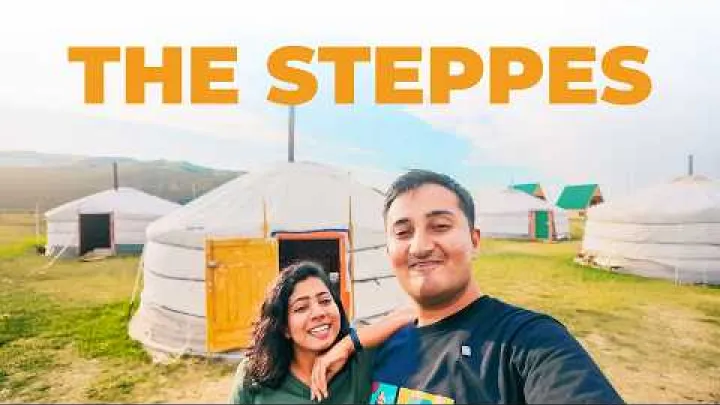
The main advantage is price. The trade-offs are a long travel day, basic comfort, limited food choice between stops, and less control over where you stop. Carry snacks and water, wear layers, and keep important medication and documents with you rather than in luggage stored separately.
Before traveling, confirm the current departure point, timetable, fare, seat process, and return options at the terminal or with a current local provider. Also plan the final stage of arrival. A bus may leave you in or near the central town area, but your guesthouse, ger camp, or onward vehicle may be elsewhere. Arrange a pickup or know how you will make that short connection before the bus arrives.
Choose a Private Driver, Shared Vehicle, or Organized Tour
A private driver is the most flexible choice for a route that includes several Central Mongolia anchors. You can discuss stops at Hustai National Park, Khogno Khan Mountain, or other locations on the way to or from Kharkhorin, while adjusting the pace when roads or weather slow the journey. The higher cost can be worthwhile for families, small groups, or travelers with limited time.
A shared car or minivan may lower the price while keeping some flexibility, but departure times, passengers, luggage space, and stops may be less predictable. An organized tour can be useful when the route extends deep into the Orkhon Valley. It may combine transport, accommodation, meals, interpretation, and local arrangements, reducing the number of decisions you must make in a region with limited public connections.
| Transport choice | Best for | Main trade-off |
|---|---|---|
| Bus | Lowest-cost travel to Kharkhorin | Long journey and limited flexibility |
| Private driver | Custom routes and multiple stops | Higher total cost |
| Shared vehicle | Lower-cost overland travel with some flexibility | Less control over timing and space |
| Organized tour | Remote valleys and bundled logistics | Less independence and a fixed route |
Do not assume that a vehicle is available immediately on demand. If you need a driver for the Orkhon Waterfall or a multi-stop route, arrange the broad plan early enough to compare the vehicle, inclusions, driver experience, and cancellation terms.
Consider Flights to Kharkhorin
Kharkhorin Airport may appear to offer a time-saving alternative to the road, but the existence of an airport does not mean that a regular passenger service is operating when you travel. Flights may be seasonal, limited, changed, or unavailable.
Flying can reduce the time spent on the road if you have a confirmed operating service and a practical transfer from the airport to town. It also introduces a different type of uncertainty through schedule changes, operational disruptions, and limited onward transport. Verify that flights to Kharkhorin are operating, confirm the schedule directly, and keep a road-transfer backup before relying on an air connection.
Decide Whether Self-Drive Fits Your Trip
Self-driving a 4x4 can make it easier to reach sites beyond regular bus routes and create a flexible Central Mongolia loop. It is most suitable for confident drivers who can navigate without continuous mobile data and who are comfortable changing plans when a route is slower or rougher than expected.
Road surfaces can change from paved sections to potholes, gravel, sand, ruts, or difficult detours. Conservative daily distances are safer than planning every hour around a map estimate. You also need to think about fuel, water, offline navigation, a spare tire, vehicle recovery, and what you will do if the vehicle develops a problem far from a town.
Rental requirements vary by provider. Ask about the driving license, whether an international driving permit is required, the deposit, insurance, permitted routes, fuel policy, breakdown support, and any restrictions on crossing difficult terrain. Some providers, such as SIXT Mongolia, promote equipped 4x4 vehicles, GPS support, and route assistance; operator information should not be treated as a universal description of every rental company.
If navigation, recovery, or remote driving is outside your comfort level, compare a guided self-drive arrangement or a hired driver. The extra cost may buy more than transport: it can provide local route knowledge and reduce the burden of solving problems in an area with few alternatives.
Choose Where to Stay in Karakorum
The best base depends on whether your priority is services, a steppe setting, or direct access to longer valley excursions. Moving between these bases is not always simple, so choose accommodation with your transport plan.
Stay in Kharkhorin for Services and Walkability
Town guesthouses near the central marketplace are the practical choice for bus travelers and visitors who want shops, local services, and easier access to basic supplies. Depending on the exact location, the marketplace, Karakorum Museum, Erdene Zuu, and other heritage features may be combined on foot or with short local rides.
Central accommodation also makes it easier to arrange a driver, buy snacks, ask for translation help, and respond to a delayed arrival. Before booking, ask about heating, private or shared bathrooms, meals, Wi-Fi, payment methods, and late-arrival procedures. A property on the outer edge of town may offer more space but can reduce walkability and require a vehicle after sightseeing.
Choose a Ger Camp for a Rural Experience
A ger camp offers a steppe setting while keeping you relatively close to the heritage cluster. The range is broad: some camps are basic tourist facilities, others provide more comfort, and family-based stays may emphasize household hospitality and local interaction. None of these formats is automatically more authentic; the important difference is the service level and the relationship with the host.
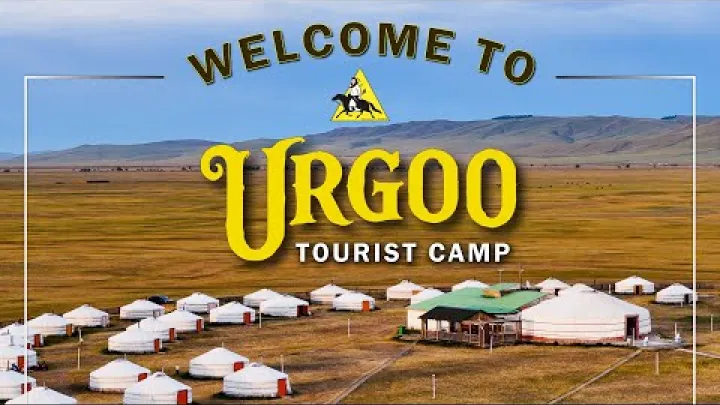
Facilities can vary in heating, beds, bathrooms, hot water, meals, Wi-Fi, and transport. Some camps may operate mainly during the warmer travel season. Ask about opening dates, meal arrangements, dietary needs, transfer options, and whether bathrooms are private, shared, or in a separate building. Photographs rarely show how far a camp is from town or what happens if you arrive late.
Use an Orkhon Valley Base for Longer Excursions
A rural ger camp or family stay farther into the Orkhon Valley suits travelers who want open landscapes, pastoral encounters, the Orkhon Waterfall, hiking, or other outdoor activities. It can give you more time in the landscape and less time making repeated drives from Kharkhorin.
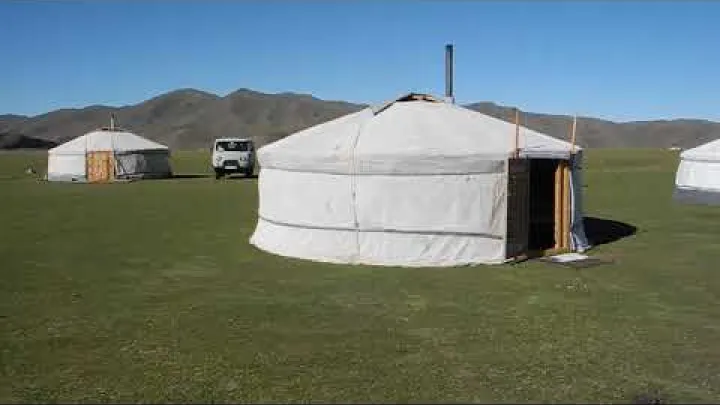
The trade-off is reduced access to shops, medical services, reliable internet, and alternative transport. Confirm the road access, food supply, communications, bathrooms, heating, and emergency arrangements. This base type is usually better for a multi-day itinerary than for a short heritage stop unless transport and meals are already arranged.
Explore Karakorum's Heritage and Living Culture
Allow time to understand both the major monuments and the landscape around them. The value of Karakorum comes from connecting historical interpretation with present-day religious practice, town life, and pastoral culture.
Visit Erdene Zuu Monastery Respectfully
Erdene Zuu Monastery is a major surviving Buddhist monastery established near the former capital. Its temples, walls, stupas, and religious spaces help explain the later religious history of the area and its relationship with Mongolia's imperial past.
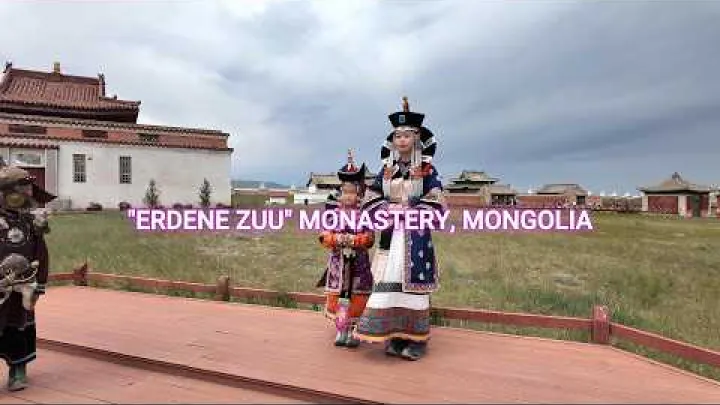
Plan enough time to walk through the compound and absorb the details rather than treating it as a quick photo stop. Some areas may serve as active religious spaces, while others may have a museum or heritage function. Opening hours, entrance fees, photography rules, and access to particular buildings can differ by season or occasion, so check the current arrangements locally.
Wear modest clothing, follow signs and staff instructions, and keep your voice low near prayer spaces. Ask before photographing monks or worshippers, and do not assume that a ceremony is open to visitors. The monastery is a living religious site, not only a historical attraction.
Understand the Ancient Capital at the Museum and Ruins
Start at the Karakorum Museum if it is open during your visit. Museum interpretation can provide essential context about the ancient city's urban role, trade connections, archaeology, and successive historical periods before you walk through the field remains.
Pair the museum with the visible archaeological landscape, stone markers, and nearby memorial features where access and conditions permit. On the ground, the remains may appear modest because the ancient city is not preserved as an intact urban center. A museum visit helps you understand how archaeological evidence and historical interpretation turn scattered features into a larger picture.
Take care around marked remains and do not climb, move, or collect anything. If you hire a local guide, ask which features are documented archaeological remains and which are later commemorative or interpretive additions.
Add Orkhon Valley Landscapes and Activities
The Orkhon Waterfall, river valley, open pastures, and visits with herding families extend the Karakorum experience beyond monuments. These places are best approached as rural excursions, not as guaranteed short walks from the center of Kharkhorin. A vehicle is normally needed for distant valley sites, and route time depends on your base and road conditions.
Horseback riding, yak-related experiences, hiking, and rafting may be available, but they are conditional activities. Availability, water level, route, season, equipment, and local staffing can all vary. Choose one or two activities according to your time, fitness, and comfort rather than expecting every option to operate on every visit.
Before booking an activity, verify the provider's equipment, guide qualifications, planned route, group size, inclusions, and weather cancellation policy. Ask how the operator handles a participant who is inexperienced or unable to continue. For remote or water-based activities, a qualified local guide and a clear return plan are more important than adding another item to the itinerary.
Experience Kharkhorin as a Living Town
Spend some time around the central marketplace, shops, and ordinary local services. Kharkhorin supports residents and surrounding herding communities, so its daily activity is not arranged solely for visitors. Shopping, school and work routines, deliveries, and local transport provide contemporary context for the historical sites.
Accommodation staff and local guides can help with translation, transport, and explanations of places that are not designed mainly for tourism. Approach people with patience, ask before taking photographs, and remember that a small town may not provide the same visitor-facing information as Ulaanbaatar.
Build a Practical Karakorum Itinerary
Choose the itinerary length by separating travel days from sightseeing days. A map can make Central Mongolia look compact, but road time and rural logistics can quickly reduce the hours available for visits.
Plan a Short Visit From Ulaanbaatar
A short Karakorum visit is best treated as a transit stop or a tightly planned overland segment. The journey from Ulaanbaatar can use much of a day, so a same-day return should not be described as a relaxed day trip.
For a brief stay, prioritize Erdene Zuu, the Karakorum Museum, and the most accessible heritage features around town. A practical pattern is to travel to Kharkhorin on one day, visit the main heritage sites after arrival or the following morning, and continue onward when your transport is ready. Do not add a distant valley excursion unless its vehicle and timing are already arranged.
If your schedule has little flexibility, arrange accommodation and onward transport before arrival. This is especially important when a missed connection would affect an international flight or a separate tour.
Spend Two Nights Around Karakorum
Two nights provide a balanced framework for many first-time visitors. You can use the arrival day for travel and a light walk in town, dedicate the following day to Erdene Zuu and the museum, and add either time at the central marketplace or one nearby excursion.
Staying in central Kharkhorin reduces transfer time and makes the plan easier after a long bus journey. A ger camp gives a stronger rural atmosphere but may require a vehicle for every movement. Choose the base according to whether your priority is convenience or a steppe setting.
Keep the sequence flexible. A delayed arrival, rain, a changed activity arrangement, or a slower road can turn a fixed timetable into a stressful one. Protect the main heritage visits first, then fit in the optional excursion.
Extend the Trip Into the Orkhon Valley and Central Mongolia
Three or more nights allow a slower experience of the Orkhon Valley. You can combine Kharkhorin's heritage sites with the Orkhon Waterfall, pastoral experiences, hiking, horseback riding, or time at a rural ger camp. Longer stays are also better for travelers who want to reduce the feeling of moving between attractions every day.
Karakorum can connect with Khogno Khan Mountain, Hustai National Park, and other Central Mongolia stops in a loop supported by a private driver, guided tour, or carefully prepared self-drive route. The best order depends on your starting point, chosen base, vehicle, and current road information.
Build travel days separately from sightseeing days. Do not describe distant sites as effortless day trips, and leave spare time for rough roads, fuel stops, weather, and activities that begin later than expected.
Budget for Food, Accommodation, and Connectivity
There is no single reliable Karakorum daily price because transport, season, group size, and accommodation type strongly affect the total. Build a line-item budget instead of relying on one old online estimate.
Compare Budget Levels and Trip Costs
Independent travel can be kept relatively economical with the bus, a basic guesthouse or ger, local meals, and few paid activities. A mid-range guided trip usually costs more because it may include a private or shared vehicle, driver, transfers, accommodation, meals, and interpretation. Higher-end private or expedition travel adds vehicle comfort, more remote routes, upgraded ger accommodation, and greater logistical support.
| Budget level | Typical structure | Main cost drivers |
|---|---|---|
| Independent | Bus, basic lodging, local meals | Extra transfers and separate activity fees |
| Mid-range | Driver or tour with standard lodging | Vehicle days, guide, meals, and route length |
| Higher-end | Private 4x4, upgraded camps, custom route | Vehicle comfort, remote access, and included services |
List transport, accommodation, food, heritage entry, activities, insurance, fuel, communication, and contingency funds separately. Request current prices for each item and keep a reserve for delays, additional fuel, a changed transfer, or an extra night. Prices from one operator or one season are examples, not live market-wide rates.
Plan Meals, Water, and Basic Facilities
Kharkhorin generally offers more choice than a rural valley camp, especially around the central marketplace and local service area. Guesthouses and ger camps may provide simple meals at set times, while rural stays can have fewer alternatives between meals.
Carry snacks and water for long road segments and ask about drinking-water arrangements at your accommodation. Tell a host or tour operator about allergies and dietary restrictions before reaching a remote camp, where replacement ingredients may be difficult to obtain.
Ask in advance about hot water, bathroom access, heating, meal times, Wi-Fi, and charging. A town guesthouse, tourist ger camp, and family-based stay can offer very different facilities even when their online descriptions use similar words.
Prepare Money, Connectivity, and Offline Navigation
The Mongolian tögrög is the local currency. Ask each accommodation, transport provider, and activity operator how payment works, whether cards or transfers are accepted, and where you can obtain or exchange cash. Carry a practical cash reserve for small purchases and rural services, while keeping money in separate secure places.
Mobile coverage and Wi-Fi may be available in Kharkhorin or selected camps but can weaken or disappear outside settled areas. Download offline maps, booking details, transport contacts, important documents, and translation resources before leaving Ulaanbaatar. Save the phone numbers and location details for your accommodation in a form that does not depend on mobile data.
Travel Safely and Responsibly
Rural travel in Central Mongolia is rewarding, but it requires more planning than a city visit. The most useful precautions concern official travel information, transport resilience, medical access, outdoor activities, and respect for religious and pastoral communities.
Check Current Advisories, Fuel, and Road Conditions
Read the current government travel advisory for Mongolia that applies to your nationality. The Gov.UK travel advice covers areas such as safety and security, insurance, entry requirements, and legal differences; other governments may issue different guidance. Confirm your entry requirements and insurance arrangements before departure.
Fuel availability, road conditions, and transport disruptions matter more in a sparsely populated area with long distances and few alternatives. Keep space between connections, avoid planning an immediate international departure after a rural transfer, and choose reservations that can be changed when possible. Carry contingency funds and allow the route to change if official warnings, local information, or supply disruptions make the original plan unsuitable.
Manage Rural Health, Animals, and Outdoor Activities
Serious medical needs may require transfer from the Karakorum area. Choose travel insurance that can support appropriate evacuation, carry enough personal medication for the full route plus delays, and tell a trusted person where you are staying when you travel beyond town.
Hiking, horseback riding, rafting, and uneven archaeological ground each require a different level of preparation. Sudden weather, slippery terrain, river conditions, livestock, and dogs near herding households can create practical risks. Follow local instructions, use experienced guides for remote or water-based activities, and do not approach animals without the owner's permission.
Respect Religious Sites, Hosts, and the Cultural Landscape
At Erdene Zuu and other religious spaces, dress modestly, observe photography restrictions, and follow instructions from monks or site staff. Do not enter a restricted building, touch religious objects, or interrupt prayer for a photograph.
Ask before entering a ger, photographing people, approaching animals, or joining household activities. A host's welcome does not remove the need for consent. Keep visits unobtrusive and avoid treating living communities as scenery.
Protect the archaeological landscape by staying on appropriate paths, leaving stones and objects in place, carrying waste out, and avoiding damage to grazing land. Supporting locally operated accommodation, guiding, and transport services can help keep more travel value in the communities that make the region accessible.
Final Karakorum Planning Checklist
Use this checklist before setting out:
- Decide whether your priority is heritage, town services, a ger-camp experience, or a longer Orkhon Valley route.
- Choose a travel window and pack for sun, wind, rain, cold evenings, and the activities you have selected.
- Separate travel days from sightseeing days, especially on the route between Ulaanbaatar and Kharkhorin.
- Choose a bus, driver, shared vehicle, tour, flight, or self-drive plan that matches your comfort with rural logistics.
- Arrange accommodation, arrival transfers, and any essential onward transport before leaving Ulaanbaatar.
- Prioritize Erdene Zuu and the Karakorum Museum, then add the Orkhon Waterfall or another excursion if time and conditions allow.
- Budget for transport, lodging, food, entry, activities, insurance, fuel, connectivity, and delays.
- Download maps and documents, carry water and snacks, and keep a reliable way to contact your accommodation.
- Read the applicable travel advisory, confirm entry requirements, and travel with suitable insurance and medication.
- Ask permission around people, homes, animals, religious spaces, and pastoral land.
Karakorum rewards travelers who combine historical curiosity with practical flexibility. Base yourself in Kharkhorin for convenient heritage access, stay longer if you want the Orkhon Valley's landscapes and pastoral life, and treat every rural transfer as part of the itinerary rather than an inconvenience. With realistic travel days and respectful planning, the ancient capital and its living Central Mongolian setting can become one of the most meaningful stops on a Mongolia journey.
Select area
Create a post
Posting is free and no registration is required.