Karakorum Budget: Daily Costs, Prices & Ways to Save
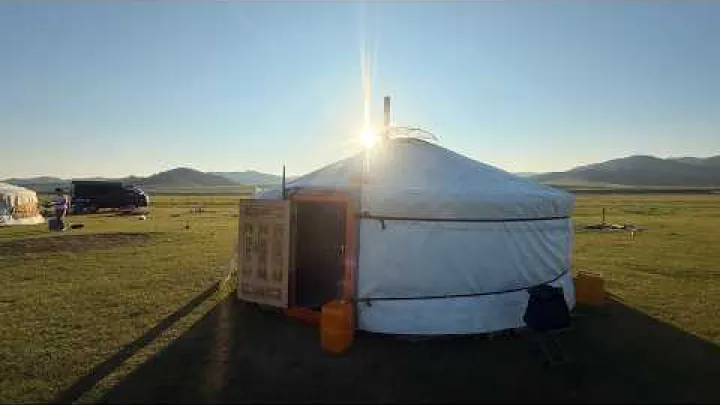
A realistic Karakorum budget depends less on the price of one hotel or meal than on how far you travel beyond Kharkhorin town. Independent travelers can keep daily spending moderate with a shared room, local meals, and public transport, while rural ger stays and private vehicles can raise the total quickly. This guide explains typical planning ranges for accommodation, food, transport, activities, payment costs, and rural access. All figures are approximate comparison tools, not guaranteed quotations, so use the pricing basis and inclusions to build your own Mongolia travel budget.
Karakorum Budget at a Glance
Karakorum, also called Kharkhorin, works well as either a focused town stop or a base for exploring the Orkhon Valley. The most useful way to estimate Karakorum travel costs is to separate fixed expenses, such as intercity transport, from daily expenses, such as lodging and meals.
Daily Budget Ranges for Budget, Mid-Range, and Comfortable Travel
For an independent visit centered on Karakorum town, plan on approximately US$40–70 per person per day for budget travel, US$70–140 for mid-range travel, and US$140–250 or more for a comfortable trip. The highest band usually reflects private transport, more expensive ger packages, private rooms, guided visits, or a short itinerary that concentrates large fixed costs into fewer days.
The table shows planning allocations rather than guaranteed prices. The categories do not always add up evenly because a ger camp may include meals, and a tour may combine transport, accommodation, and entrance fees.
| Travel style | Daily total | Accommodation | Food | Transport | Activities and incidentals |
|---|---|---|---|---|---|
| Budget | US$40–70 per person | US$10–25 equivalent; shared room or hostel | US$10–20; local meals | US$8–20 average; public or shared transport | US$5–15; simple visits and small purchases |
| Mid-range | US$70–140 per person | US$25–60 equivalent; private room or standard ger | US$15–30 | US$15–45 average; some private transfers | US$10–25; museums, guides, and extras |
| Comfortable | US$140–250 or more per person | US$40–120 or more; upgraded room or ger package | US$25–50 | US$50–120 or more; private car and driver | US$15–40 or more; guided and rural activities |
These figures exclude international flights, visas, travel insurance, major shopping, and personal equipment. They also describe different travel patterns. A budget traveler may spend more than US$70 on one day with a rural transfer, then less on a walking day in town. Conversely, a comfortable traveler may lower the average by sharing a vehicle or staying several nights in one place.
How to Calculate the Total Cost of Your Trip
Start with prices in MNT and convert to US dollars only after making the calculation. A simple worksheet is:
- Multiply your daily spending estimate by the number of nights or travel days.
- Add the Ulaanbaatar–Karakorum transport cost for both directions, if you are returning by the same method.
- Add rural transfers, a private vehicle day, or a tour package as a separate fixed cost.
- Add attraction fees, horse activities, guide services, and personal incidentals that are not included elsewhere.
- Set aside a contingency for exchange-rate movement, last-minute transfers, and rural purchases.
Always identify whether a price is per person, per room, per vehicle, or per ger. A US$40 room shared by two people costs US$20 per person, while a US$40 ger-camp price may already be charged to each traveler and include meals. The same distinction applies to transport. For example, an illustrative US$140 car-and-driver day would be US$70 per person for two travelers or US$35 per person for four, before any operator minimum or extra fee.
Short trips often look expensive when measured by the day because a one-time bus, vehicle, or guided-tour cost is spread over only two or three nights. A longer itinerary can reduce the daily average by distributing that fixed cost across more days, but it may still have a higher total. Before paying, subtract included breakfast, three daily meals, fuel, entrance fees, and local transfers from each line so that the worksheet does not count the same service twice.
Accommodation Prices in Karakorum and the Orkhon Valley
Lodging prices change substantially between Karakorum town and rural areas. Town properties are usually easier to compare as nightly room rates, while ger camps more often quote a per-person package that includes meals and basic hospitality.
Guesthouses, Hostels, and Hotels in Karakorum Town
A broad planning range for a room in Karakorum town is about US$20–60 per room per night. The final amount depends on dates, occupancy, room type, booking platform, breakfast, bathroom arrangements, and availability. Sharing a room can make a private property less expensive per person than its headline nightly rate suggests.
Named local examples include Gaya's Guest House and Kharkhorin hostel. The available hostel listing describes family rooms with private bathrooms and basic room facilities, but its public description does not establish a stable price for every date or occupancy. Treat booking-platform information as a date-specific snapshot rather than a town-wide tariff.
An available Agoda snapshot shows approximately US$41 per night for Gaya's Guest House and about US$53 as an average Kharkhorin hotel figure. These numbers are useful for comparison, but they can change with dates, currency settings, taxes, room selection, and booking conditions. Check the final total, not only the first nightly figure.
Town accommodation is often the simplest choice for travelers who want to walk to local services, eat independently, and control the cost of each day. It also lets you keep food and transport separate, which makes the budget easier to adjust.
Ger Camps and Nomad Homestays Outside Town
Standard tourist ger camps are commonly priced per person rather than per room. A broad reference range is about US$40–120 per person per night, often including three meals. The Discover Mongolia guide describes this type of package and notes that a standard ger may sleep two to four guests.
That range covers very different experiences. Ask whether the ger has a private or shared bathroom, electricity, Wi-Fi, bedding, heating, and a dining service. Also ask whether tea, coffee, bottled drinks, transfers, and entrance fees are included. A high per-person price may represent a full board stay in a remote area, while a lower room rate may cover only a bed and require separate transport and meals.
Some travel-planning references mention roughly US$20–50 per night for simpler rural accommodation. This lower figure is not a verified current tariff for a particular Orkhon Valley camp or nomad homestay, and it may be quoted on a different basis or exclude meals. Compare it only after confirming the number of guests, facilities, food, and transport.
For an Orkhon Valley stay, request a direct quote that states the price per person, the number of nights, meal schedule, bathroom arrangement, pickup details, and cancellation terms. A general ger-camp range should not be treated as the current price of a specific camp.
Choosing Between a Town Base and a Rural Stay
The cheapest accommodation headline is not always the cheapest complete plan. A rural night can include three meals and a distinctive landscape setting, while a cheaper-looking town room may require a vehicle, restaurant meals, and a separate excursion to reach the same area.
| Base | Typical pricing basis | Cost pattern | Best fit |
|---|---|---|---|
| Karakorum town | US$20–60 per room | Meals and excursions are usually separate | Independent travelers and flexible budgets |
| Orkhon Valley rural stay | Often US$40–120 per person | Meals may be included; access may be separate or bundled | Landscape access and cultural immersion |
| Ulaanbaatar pre- or post-trip base | Use the property's current room rate | Useful for transport connections and resupply | Travelers organizing supplies or intercity transport |
Use town accommodation for nights focused on Erdene Zuu Monastery, local meals, and walkable services. Choose rural nights when the countryside experience is a central purpose of the trip. Then compare one complete rural night, including access and meals, with a town room plus food and a day excursion. That comparison is more useful than deciding from the room rate alone.
Food and Everyday Spending in Karakorum
Food costs in Karakorum are manageable for many independent travelers, but the range is wider when menus, imported ingredients, and rural meal packages are included. The main budgeting question is whether food is paid for separately or already included in accommodation.
Local Meals, Restaurants, and Groceries
Use about US$3–5 for a simple local meal as a rough planning reference. A meal for two at a more international or tourist-oriented venue may be around US$15–20, although the final bill depends on the menu, drinks, portions, and current pricing. These figures are estimates, not a universal price list for Karakorum.
For a town-based traveler, a practical food allowance is about US$10–20 per person per day. The lower end assumes mostly simple local meals and limited snacks. The higher end allows for a more international meal, drinks, groceries, and occasional changes in plan. Travelers with special dietary needs may need a larger allowance because rural and small-town selection can be limited.
Mornin Jim is a useful example of why one restaurant should not be used as the price benchmark for the whole town. If you plan to eat there, check the current menu, portion size, opening status, and whether the advertised item is available when you visit. A review or older menu can be helpful for deciding where to look, but it is not a guarantee of the delivered meal or final price.
On a ger-camp day, confirm the meal schedule before assigning money to restaurants. If breakfast, lunch, and dinner are included, keep only a smaller allowance for drinks, snacks, or an occasional extra meal.
Groceries, Drinks, and Other Daily Incidentals
Keep a separate flexible line of roughly US$5–15 per person per day for drinks, snacks, small shop purchases, souvenirs, and personal items. This is a planning assumption rather than a verified local tariff. It is more useful to set a range than to assign unsupported prices to every bottle, snack, or souvenir.
Karakorum shops can help with basic resupply, but choice may be narrower than in Ulaanbaatar. If you have dietary restrictions or expect several days in a remote area, buy suitable snacks and other basic supplies when you have a reliable opportunity. Do not assume that every item is cheaper in the capital; compare convenience, transport, and the amount you would otherwise need to carry.
Separate groceries from restaurant meals in your worksheet. Also check whether breakfast, tea, coffee, bottled drinks, and other extras are included in your room or ger rate. This prevents a full food allowance from being added on top of a package that already covers most meals.
Transport and Access Costs
Transport is the largest variable in many Mongolia travel budgets. Karakorum town can be explored more simply than a rural circuit, but reaching the Orkhon Valley or Orkhon Waterfall may require a vehicle, driver, tour, or camp transfer.
Public Bus Travel Between Ulaanbaatar and Karakorum
A public intercity bus is usually the lowest-cost conventional option for reaching Karakorum when its schedule fits your itinerary. The trade-off is less flexibility than a private vehicle, especially if you want to add rural sites or change plans during the journey.
A general Mongolian bus reference gives a broad range of MNT 20,000–130,000, approximately US$6–37 using that reference's conversion, for national road services. The Amicus Mongolia information also explains that paper tickets may be bought at bus terminals in Ulaanbaatar or provincial centers. This range is context only and is not a confirmed current fare for the specific Ulaanbaatar–Karakorum route.
Before using a bus figure in your budget, confirm the current fare, departure point, departure time, and ticket rules with the operator or the relevant Ulaanbaatar intercity bus terminal. Do not use a price or timetable for another Mongolian route as evidence for Karakorum. Add the cost of reaching the terminal in the capital and any local arrival transfer separately from the intercity ticket.
Private Cars, Drivers, and Guided Tour Packages
A private car and driver can become the main cost of a Karakorum or Central Mongolia itinerary, but it can also provide flexibility and access that public transport cannot. Indicative planning figures are approximately US$120–150 per day for a car and driver and around US$200 per day for a fully equipped rental. These are benchmarks only; vehicle type, season, route, insurance, driver time, and party size can change the quote.
For private transport, request a written quote that lists the vehicle, passenger count, driver or guide, fuel, accommodation, meals, entrance fees, waiting time, and cancellation terms. Ask whether driver meals and overnight costs are included. A low daily figure can become expensive if fuel, rural lodging, or return travel is added later.
Compare a private arrangement with a current multi-day tour by total per-person cost and inclusions. A tour may combine transport, accommodation, meals, and guiding, while a vehicle quote may cover only movement. Divide a fixed vehicle cost among the actual travelers, but check whether the operator has a minimum group size or charges a private-tour supplement.
Local Transfers to the Orkhon Valley and Orkhon Waterfall
Moving from Karakorum into the rural Orkhon Valley can cost more than moving around the town. Travelers may need an informal car hire, a driver arranged through accommodation, an organized tour, or a camp transfer. The available evidence does not establish a reliable standalone fare for a short transfer to the Orkhon Waterfall, so avoid inserting a generic number into the budget.
Ask for a round-trip quote and a clear pickup plan. Confirm whether the price includes fuel, waiting time, the driver's return, overnight stops, and transport back to Karakorum or onward to another base. Also ask whether the quote is for the whole vehicle or each passenger.
Distinguish a short local transfer from a full-day or multi-day vehicle hire. A waterfall visit may involve more than driving directly to one site if the vehicle waits, stays overnight, or connects several rural locations. Compare that complete cost with a tour package rather than comparing one transfer price with an all-inclusive itinerary.
Attraction and Activity Costs
Cultural entry fees are often smaller than rural transport costs, but they still belong in the worksheet. Separate monastery and museum access, park fees, guide services, horse activities, and the transport required to reach each site.
Erdene Zuu Monastery and Museum Tickets
Erdene Zuu Monastery is the main cultural cost anchor in Karakorum. Budget separately for access to the monastery complex, museum or temple areas, optional guide services, and donations. Ticketed museum access is confirmed by available listings, but the research does not provide a dependable current standalone ticket price.
Because of that gap, do not present an unsupported US-dollar amount as the official Erdene Zuu fee. Check the current gate notice or a current local listing when you arrive, and record the actual amount in MNT. If a guided package includes the monastery, museum, or a guide, ask exactly what the package covers before comparing it with independent entry.
For a town-centered day, place a modest activity allowance in the budget and leave room for the current fee rather than treating an uncertain estimate as fixed. This keeps the total honest without making the attraction appear free.
Orkhon Valley, Orkhon Waterfall, and Horseback Activities
A recent travel-planning reference places the Orkhon Valley National Park fee at approximately €3–5, or about US$3.50–6 using its stated comparison. Treat this as an approximate, dated reference that must be confirmed locally. The park fee, if charged for your visit, is only one part of the rural cost.
At Orkhon Waterfall, the larger expenses may be the vehicle, rural accommodation, meals, or guide rather than a standalone waterfall ticket. Do not assume that access is always free or that a park fee covers every nearby service. Ask the driver, camp, or tour operator how entrance and local access costs are handled.
Short horseback rides do not have sufficiently consistent pricing evidence for a dependable general tariff. Ask the operator about duration, horse keeper support, safety equipment, and whether the price is per rider or per group. A specialist private nine-day Orkhon Valley horse-riding tour starting at about US$2,000 illustrates the upper end of a dedicated multi-day activity, not a normal daily horseback budget.
Standalone Fees Versus Bundled Tours
Independent travel lets you pay for only the services you use, but rural visits can require several separate decisions. A guided package may combine transport, lodging, meals, monastery or museum entry, park fees, and local coordination. Its headline price can therefore be higher while still being competitive for a small group.
To compare fairly, list every component on both sides:
- Accommodation and any single supplement
- Breakfast, lunch, dinner, drinks, and snacks
- Fuel, driver time, waiting, and local transfers
- Monastery, museum, and park entrance fees
- Guide service, horse fees, and optional activities
- Tips, cancellation terms, private-room upgrades, and other extras
Show an organized tour as a total per-person price and an independent plan as itemized costs. Ask for the final amount and minimum group size before treating a promotional package as a saving. A package that excludes drinks, tips, or a return transfer may not be comparable with a fully calculated self-planned trip.
Currency, Cash, and Payment Planning
Payment convenience affects the real Karakorum budget. A traveler who relies only on a card may have difficulty paying for small purchases, transport, or rural accommodation, even when larger businesses accept electronic payment.
MNT, Cash, and Card Acceptance
The Mongolian tögrög, written as MNT, is the practical currency for everyday spending in Karakorum and the surrounding countryside. Use MNT for local meals, small shops, transport, attraction fees, rural accommodation extras, and informal services whenever possible.
Payment conditions are generally stronger in Ulaanbaatar than outside the capital. The available Dewonder guidance describes cards as useful in cities but recommends carrying cash once travelers leave town. Some larger hotels and tourist facilities in Karakorum may accept cards, but a card-first plan is not dependable for an Orkhon Valley segment.
Plan the cash you need for the next rural section, not only for the current meal or hotel. Include small purchases, transport, attraction fees, and a reserve for a transfer that cannot be paid electronically. Do not rely on an unconfirmed assumption about a particular business's card policy for your travel dates.
Exchange Rates and Verifying Final Prices
USD figures in this guide are comparison tools. The MNT amount you actually pay can produce a different dollar total as exchange rates, bank fees, and card charges change. Use a current exchange rate when converting, and avoid putting one undated rate into a fixed trip calculation.
Before paying or making a deposit, write down:
- Whether the price is per person, per room, per vehicle, or per ger
- The number of travelers and nights covered
- Whether breakfast or all three daily meals are included
- Whether fuel, driver time, transfers, and entrance fees are included
- Whether private bathrooms, Wi-Fi, taxes, drinks, and card charges cost extra
- The cancellation, deposit, and refund conditions
Record each confirmed amount in MNT and keep a small contingency for exchange-rate movement, last-minute transfers, and rural purchases. This short checklist is especially important when a provider gives a rounded price in US dollars but collects payment in MNT.
What Drives the Karakorum Travel Budget
Two travelers can visit the same landmarks and spend very different amounts. Season, group size, itinerary length, comfort level, and the services included in a quote usually matter more than the destination label alone.
Season, Availability, and Date-Specific Pricing
During the main travel season and periods of higher demand, accommodation and tour availability can tighten. Weekends, festivals, and local events may also increase demand, although there is no reliable universal percentage surcharge to apply to every property or tour.
Off-season travel may offer lower prices, but fewer providers and fewer operating rural camps can reduce choice. A lower nightly rate is not necessarily a saving if it requires a long private transfer or a change of base. Compare the same property or tour across your exact dates instead of using one annual average for every month.
For a non-refundable countryside segment, check current road conditions and whether the rural camp is operating with the accommodation provider or driver before booking. Ask about cancellation flexibility when access conditions could affect the itinerary. This is particularly important for an Orkhon Valley stay, where the price and availability of lodging may not tell you whether the complete plan is practical.
Group Size, Trip Length, and Itinerary Design
Fixed car, driver, and guide costs generally become more manageable per person as the party grows. Room-based lodging behaves differently: a room may have a fixed nightly price, while a ger camp may charge each guest separately. Ask the provider which structure applies before assuming that a larger group will always reduce every cost.
For example, an illustrative US$140 vehicle day costs US$70 each for two travelers and US$35 each for four. The actual operator may use a different vehicle, minimum price, or passenger limit, so use the division only to understand the budget effect. A group should also agree on comfort, luggage space, and route priorities before choosing the lowest shared rate.
A short Karakorum visit can have a higher daily average because intercity transport and one rural excursion are concentrated into a few days. A broader circuit can spread transport costs more effectively, but it adds nights, meals, and activities. Decide whether your priority is the lowest total, the lowest daily average, less travel time, or access to remote attractions.
Comfort, Inclusions, and Hidden Extras
Private bathrooms, reliable electricity, Wi-Fi, heating, better bedding, English-language support, private vehicles, and guided access can move a trip from budget toward comfortable. These features are not automatically included in every higher-priced room or ger, so compare the actual service list.
An all-meals ger package may be better value than a cheaper room if it also solves rural food and local access. In contrast, a room-only rate can be useful for travelers who want to eat locally and use public transport. The correct choice depends on how much flexibility you want and how many separate services you would otherwise buy.
Common extras include drinks, museum access, horse fees, single supplements, private-room upgrades, local transfers, driver accommodation, and tips. Compare the final delivered experience rather than choosing solely by the lowest nightly or daily headline.
Practical Ways to Save Money in Karakorum
The most reliable savings come from matching your base and transport method to your itinerary. Cutting a small meal cost matters less if an unnecessary private vehicle day or poorly defined rural transfer dominates the budget.
Use Karakorum Town Strategically
Use Karakorum town for nights focused on Erdene Zuu Monastery, local food, shops, and walkable services. Then choose rural nights selectively for experiences that cannot be replicated in town, such as staying near the Orkhon Valley landscape or arranging a countryside activity.
A practical decision rule is to compare one rural night as a complete package with the cost of a town room, separate meals, and the transport needed for a day excursion. If the rural rate includes three meals and access coordination, it may be competitive even when its per-person headline is higher. If it excludes transport and meals, a town base may be more economical for an independent traveler.
Avoid changing accommodation every night unless the itinerary requires it. Each change can add a transfer, waiting time, or booking fee. Choose a base that matches your party size, comfort needs, and current availability rather than assuming that the most remote location is the best value.
Share Transport and Compare Tour Inclusions
Sharing a private vehicle or joining a suitable small-group tour can reduce the per-person transport burden compared with hiring a car alone. Use public transport for the intercity leg when its confirmed schedule fits your itinerary, and reserve private transport for rural access where it provides clear value.
Compare tours line by line. Look for accommodation, meals, fuel, park and museum fees, driver time, guide service, and return transport. Ask for the final per-person amount and the minimum group size. A low advertised price may apply only to a larger group or exclude a rural night, entrance fee, or transfer.
For private transport, a written quote is more useful than a general daily estimate. It should state the vehicle, passengers, route scope, included services, optional extras, and cancellation terms. This makes it easier to identify whether sharing a vehicle is a genuine saving or simply moves costs into another line.
Control Food, Incidentals, and Rural Resupply
Favor simple local meals and compare grocery purchases with restaurant spending, while recognizing that selection and prices can vary between Ulaanbaatar, Karakorum, and rural areas. Stock up on suitable snacks or basic supplies before a remote segment when practical, especially if you have dietary requirements.
Count included ger-camp meals before setting a separate food allowance. On a full-board day, budget mainly for drinks, snacks, and optional meals rather than adding a complete restaurant budget. In town, keep groceries and restaurant meals on separate worksheet lines so you can see which choice is producing the saving.
Keep a cash reserve for small rural purchases and unexpected local transfers instead of allocating every unit of the budget in advance. The goal is not to predict every small price, but to prevent a minor purchase or access change from disrupting the rest of the itinerary.
Final Karakorum Budget Checklist
Before confirming your Karakorum or Orkhon Valley plans, use this checklist:
- Set a daily range for each traveler and exclude international flights, visas, insurance, and major shopping.
- Mark every accommodation rate as per room or per person, and note all included meals.
- Separate the Ulaanbaatar–Karakorum fare, capital terminal transfer, rural access, and local transport.
- Calculate fixed vehicle or guide costs for the actual number of travelers.
- Leave uncertain monastery, museum, park, horse, and local-access fees as separate MNT lines.
- Keep enough MNT for rural spending and do not depend on card payment outside larger facilities.
- Compare complete tour inclusions with the full cost of an independent itinerary.
- Include a contingency for exchange-rate changes, last-minute transfers, and changes to a rural plan.
For many travelers, a town-focused Karakorum visit can fit within the lower or middle daily bands, while an Orkhon Valley extension is best priced as a complete rural package rather than as a cheap room plus separate extras. Build the budget in MNT, distinguish every pricing basis, and choose transport and accommodation according to the experience you actually want. That approach gives you a more useful Karakorum travel budget than relying on one average price.
Select area
Create a post
Posting is free and no registration is required.