Chinggis Travel Guide: Khentii and Eastern Mongolia

Chinggis City is a practical starting point for travelers who want to explore Khentii Province and the wider landscapes of Eastern Mongolia. Formerly known as Öndörkhaan, it offers basic services, local history, and access to long overland routes rather than a dense city-break experience. This Chinggis travel guide explains how long to stay, when to go, how to travel from Ulaanbaatar, where to base yourself, what to budget, and how to plan rural heritage and nature visits safely. It also helps you decide whether a focused Khentii trip or a longer Eastern Mongolia circuit is the better fit.
Start with the Right Chinggis Trip Expectations
What Chinggis City Is Best For
Chinggis City is the capital of Khentii Province and a useful service and transport hub in eastern Mongolia. Older maps, travel descriptions, and local references may still use the name Öndörkhaan. The modern city itself is relatively small, with a compact central area, simple accommodation, shops, administrative services, and a limited number of urban sights.
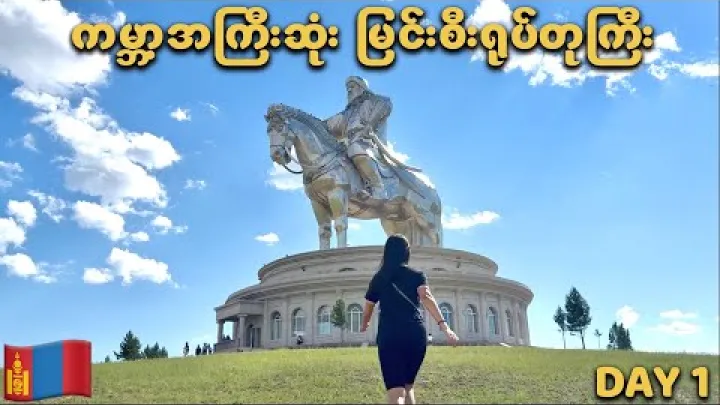
The city is best for travelers who want to pause between long road journeys, learn about Khentii's history, buy supplies, and arrange access to the countryside. Its main appeal is not a large collection of museums, restaurants, or entertainment venues. Instead, Chinggis City provides a manageable base for landscapes, pastoral culture, and heritage places associated with the history of Chinggis Khaan.
Keep the historical connection carefully defined. Chinggis City is part of a wider region linked through tradition, local interpretation, and historical landscapes with Chinggis Khaan. Many of the places that attract visitors are outside the city, so the experience is shaped more by open steppe, forest-steppe, rivers, rural settlements, and long drives than by city sightseeing.
How Much Time to Allow
Allow one or two nights in Chinggis City if you are using it as a gateway. One night can be enough for a central walk, a museum visit, supplies, and transport coordination. Two nights give you more protection against a late arrival and time for a second local outing before moving into the countryside.
A focused Khentii trip needs more time than a city stop. A useful planning model is five or six days for an overland heritage loop from Ulaanbaatar that includes Chinggis City, rural Khentii, and selected historical or landscape sites. This is a model, not a fixed schedule. Roads, vehicle availability, accommodation, and the amount of time spent at each site can change the practical order.
For a broader Eastern Mongolia itinerary that adds open-steppe, wildlife, or far-eastern destinations, plan at least a week and preferably longer. Separate driving time from sightseeing time. A day spent crossing a large distance may provide beautiful views, but it should not be counted as a full activity day.
Understand Eastern Mongolia and Chinggis City's Layout
Chinggis City makes more sense when it is viewed as one point in a large travel region. The city is useful because it connects services with rural routes, but it is not close to every attraction that appears on a map of Khentii.
Eastern Mongolia, Khentii, and the City in Context
For travel planning, Eastern Mongolia is commonly discussed as a broad area that includes Khentii, Dornod, and Sukhbaatar. These provinces do not offer the same travel experience. Khentii is often chosen for forest-steppe landscapes, rivers, sacred places, and heritage connected with the early history of the Mongol Empire. Dornod and Sukhbaatar are more strongly associated with open grasslands, wildlife, wide horizons, and remote eastern routes.
Khentii can suit travelers who want a combination of historical themes and varied scenery. The Eastern Steppe is a better match for visitors whose main interests are open landscapes, birding, wildlife, and remote overland travel. In both cases, distances are substantial and visitor services can be widely separated.
Chinggis City functions as a provincial logistics hub between Ulaanbaatar and rural destinations. It is a place to organize fuel, food, cash, accommodation, drivers, and route information before continuing. It should not be treated as the whole of Eastern Mongolia, and a trip that includes several provinces requires more transport planning than a short Khentii visit.
Orient Yourself Around Chinggis City
Begin in the central area around Chinggis Khaan Central Square. Monuments and civic buildings provide an easy first orientation point, while the Khentii Museum of History and Culture offers context for the province and its historical traditions. Local shops and practical services are also more likely to be found around the center.

The Kherlen River and the surrounding steppe help explain the city's setting. Visitors staying near the central area can often combine the square, museum, nearby monuments, and a short town walk without arranging a vehicle. Exact walking times, opening hours, and the location of smaller attractions should be checked on a current local map or with your accommodation.
A practical first-day sequence is simple: check in, obtain cash and supplies, walk through the central area, visit the museum if it is open, and ask locally about the next road connection. A taxi or arranged vehicle becomes more useful for sites outside the center. Local taxi availability should be treated conservatively rather than assumed to operate like a formal citywide network. A local description of the central square, museum, monuments, and possible nearby excursions is available from Steppe Mongolia.
Use Chinggis City as a Base for Rural Routes
Dadal and Deluun Boldog, Rashaan Khad, Baldan Bereeven Monastery, and Khar Zurkhnii Khukh Nuur are separate rural anchors, not one compact attraction cluster. They may appear together in a Khentii itinerary, but reaching them can require different road legs and overnight arrangements.
Chinggis City is the most practical base when you need services, administration, supplies, or a starting point for a driver. Dadal, a rural village, or a ger camp may be a better base when the priority is closer access to forests, rivers, nomadic experiences, and heritage landscapes. Some routes also work better with overnight stays near the attractions instead of returning to the city each evening.
Plan the route around geography and road time rather than collecting place names. A driver or operator may recommend a different order according to the season, available accommodation, fuel, and local access. Historical descriptions should also be read carefully. A site may be traditionally linked with Chinggis Khaan without that interpretation being the same as a universally established historical fact.
Choose the Best Time to Visit
The main travel season for a first Chinggis and Khentii trip is June through early September. This period generally offers the most practical balance of daylight, rural touring, outdoor activities, and operating ger camps. It does not guarantee stable weather, warm nights, or open roads on every route.
Best Travel Window: June to Early September
June is a good choice for travelers who want long days and the beginning of the rural touring season. July is attractive for visitors interested in Naadam and Mongolia's summer cultural calendar, but events, local celebrations, accommodation, and transport demand vary by year and location. August and early September can provide good conditions for a broad touring itinerary while avoiding some of the busiest holiday periods.
Summer is suitable for horseback riding, walking, river landscapes, ger-camp stays, and visits with nomadic families when arranged respectfully. The combination of green or changing steppe, open views, and active rural services makes this the easiest season for many first-time visitors. Pack layers because cold nights, wind, rain, and sudden weather changes remain possible.
Mongolia's National Agency of Meteorology and Environmental Monitoring is responsible for monitoring climate and environmental conditions. Its work provides useful national context, but a route decision should rely on a current forecast for the specific dates and area of travel.
Shoulder Seasons and Winter Trade-Offs
Late May, September, and early October can appeal to travelers who prefer quieter roads, softer light, and open landscapes with fewer visitors. These periods may also suit selected photography, birding, or wildlife interests. Their limits are shorter daylight, colder nights, and a greater possibility that a ger camp, driver, or rural service is operating on a reduced schedule.
November through March is a specialist winter option rather than the default recommendation for a first trip. Severe cold, exposed terrain, snow or ice, and difficult overland conditions make delays and route changes more consequential. A winter journey requires appropriate clothing, vehicle preparation, experienced local support, and a conservative itinerary that does not depend on completing every remote leg.
For every rural journey, check a current forecast and a local route-condition update before leaving town. Ask the driver, host, or operator about the next road section, and pack for cold nights even when the calendar says summer.
Match the Season to Your Travel Priorities
Choose the season according to the activities that matter most to you:
| Period | Good for | Main trade-off |
|---|---|---|
| June to early September | Horse riding, hiking, rural stays, rivers, and festivals | Cold nights, storms, and higher demand in July |
| Late May and September | Quiet travel, photography, and selected wildlife routes | Fewer operating camps and colder evenings |
| Early October | Autumn scenery and low visitor numbers | Shorter days and more limited services |
| November to March | Specialist winter travel and experienced expedition trips | Severe cold and demanding road logistics |
Peak summer is the simplest choice for a first visit. Shoulder seasons can be rewarding when your schedule is flexible and your route is selective. Winter should be chosen for a specific reason, not because it is the only available period without preparing for its additional risks.
Plan Transport to and Around Chinggis City
Transport is the part of a Chinggis trip that most affects the itinerary. International arrival, the eastbound road from Ulaanbaatar, and rural transfers should be planned as separate stages with time between them.
Arrive in Mongolia and Connect Through Ulaanbaatar
Most international visitors first arrive through Chinggis Khaan International Airport near Ulaanbaatar. Ulaanbaatar is the practical reset point for a Khentii journey because it offers the widest choice of accommodation, cash services, food, equipment, communications, and transport connections.
Use this stop to recover from the international journey, organize Mongolian tugrik, buy missing supplies, confirm the next road movement, and complete any entry or registration tasks that apply to your nationality. A night in the capital can be useful even when the onward trip is intended to start quickly.
Some travel information lists an airstrip serving the Chinggis City area, but an airfield listing does not prove that a scheduled passenger service is operating on your dates. Treat domestic aviation as a possible convenience, not as the foundation of the itinerary. Confirm whether a bookable service exists and keep a daytime road alternative before leaving Ulaanbaatar.
Travel Overland from Ulaanbaatar to Chinggis City
The road journey from Ulaanbaatar to Chinggis City is commonly planned as a low-300-kilometre transfer. Published travel descriptions vary, but allowing roughly five to seven hours in favorable conditions is more realistic than treating it as a short connection. Traffic leaving the capital, stops, fuel, weather, road surfaces, and vehicle problems can make the journey longer.
Eastbound intercity buses are associated with Tenger Plaza, while private vehicles and guided drivers provide more flexibility for stops and rural connections. Travel information from Amicus Travel Mongolia describes morning departures in the general 7:30 or 8:00 range and other departure patterns for intercity services, but these details are not a guarantee of the current Chinggis schedule.
Reconfirm the departure point, ticket process, fuel situation, driver departure, and expected travel time shortly before leaving. Choose a daytime departure and do not schedule an international arrival, bus, and rural transfer as tight same-day connections. A generous buffer is especially important if you are traveling onward to Dadal or another remote base.
Move Between Chinggis City and the Countryside
Walking can cover much of the central city, and a locally arranged taxi may help with short urban movements. Rural heritage and nature sites usually require an arranged vehicle. A local driver-guide is valuable not only for transport but also for navigation, translation, cultural context, route interpretation, and communication with rural hosts.
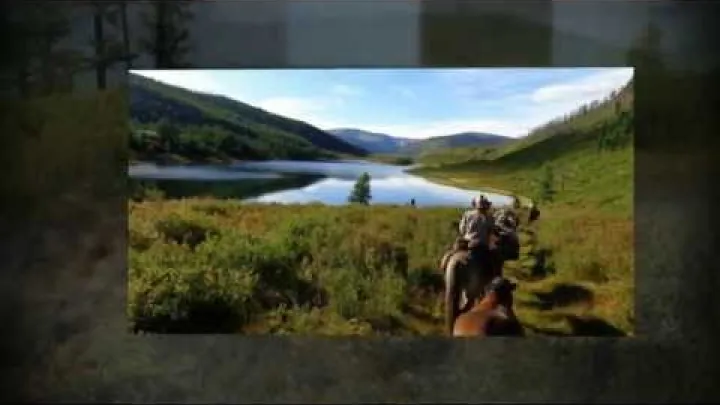
A four-wheel-drive vehicle is often the more suitable choice for a multi-day circuit because routes may include unmarked roads and long distances without regular roadside services. Ask what is included in the quotation: driver, fuel, meals, accommodation, waiting time, guide services, and any return or cancellation conditions.
Independent driving is possible only for travelers who are comfortable with remote travel and vehicle uncertainty. It requires off-road experience, offline navigation, vehicle support, spare equipment, fuel planning, and the ability to manage a route with limited assistance. For a first visit, a shared vehicle or local guided circuit is usually simpler than renting a car for every rural leg.
Choose Where to Stay and Set a Budget
The right base depends on whether your priority is services or proximity to rural attractions. Chinggis City is convenient for preparation, while villages and ger camps create a more direct connection with the landscapes that bring most visitors to Khentii.
Best Base Areas for Different Trips
Choose central Chinggis City for a short stay, museum and square visits, cash access, supplies, and transport coordination. Staying near the central area is generally more useful than choosing a property far from services, especially when you have just arrived from Ulaanbaatar or are preparing for a long road leg.
Choose Dadal or a rural ger camp when the main goal is to spend more time near forest-steppe scenery, rivers, heritage sites, or nomadic communities. This reduces some local transfer time, but it also means accepting fewer shops, weaker communications, and a smaller choice of accommodation. Ask whether meals, transport from the road, heating, and bedding are included.
Use Ulaanbaatar as the arrival and departure base for international flights, major purchases, spare equipment, and contingency planning. A simple structure is one night in the capital, one or two nights in Chinggis City, several rural nights, and a final buffer night in Ulaanbaatar before an international departure.
What to Expect from Hotels, Ger Camps, and Camping
Chinggis City has a limited supply of simple hotels and guesthouse-style accommodation. Expect practical rather than resort-level facilities. A central location, reliable check-in, heating, bathroom arrangements, and the ability to communicate about your onward transport may matter more than a long list of amenities.
Ger camps and small village lodgings can include meals and basic facilities, but standards vary. Confirm heating, hot water, toilet type, electricity, mobile signal, bedding, privacy, dietary needs, and payment methods. Some properties may be better prepared for groups arriving with an operator than for independent visitors arriving without notice.
Camping can be part of a remote circuit, but do not assume that a campsite provides equipment or services. Clarify who supplies tents, sleeping systems, food, water, cooking equipment, sanitation, waste removal, and weather support. A good operator should explain the camping arrangement before departure rather than leaving these details for the countryside.
Build a Realistic Budget
Do not estimate a Chinggis trip from food and hotel costs alone. Build the budget in separate parts:
- International flights and airport transfers.
- Ulaanbaatar accommodation and preparation days.
- Chinggis City rooms or guesthouses.
- Rural ger camps, village stays, or camping equipment.
- Buses, private vehicles, drivers, guides, fuel, and waiting time.
- Meals, drinking water, snacks, medicines, and replacement supplies.
- Museum, monument, monastery, protected-area, or guide-related charges where applicable.
- A reserve for an additional night, a longer route, extra fuel, or a delayed connection.
The countryside usually costs more per day than a basic urban stay because a vehicle, driver, fuel, guide, and longer distances may be shared across the group. A low-cost plan might use intercity transport, simple central accommodation, and a shared rural vehicle. A more comfortable plan may use a private driver, better ger camps, shorter travel days, and extra nights near attractions.
Use Mongolian tugrik for local planning and check a current exchange rate before comparing quotations in another currency. Ask whether a quoted price is per person or per vehicle, whether it assumes a minimum group size, and whether meals, fuel, entrance charges, and return transport are included. Current local quotations are more useful than a generic daily budget for Mongolia because route length and group size can change the total substantially.
Handle Money, Connectivity, and Supplies
Carry enough Mongolian tugrik for small purchases, local transport, food, tips, and rural contingencies. Cards, ATMs, and reliable internet should not be assumed once you leave a major town. Complete important withdrawals, shopping, charging, and transport confirmations in Ulaanbaatar or Chinggis City.
Before the remote leg, download offline maps and save accommodation addresses, driver details, tickets, and route information on your phone. Keep a printed or offline copy as a backup. Carry basic medication, prescriptions, a power bank, spare charging cables, water, snacks, and a reserve for an unexpected overnight or route change.
Build a Chinggis and Khentii Itinerary
A good itinerary gives the countryside enough time. The most common mistake is to place too many distant sites into a schedule that allows no margin for road travel or local experiences.
A One-to-Two-Night Chinggis City Stop
On arrival, check in and take a slow orientation walk around Chinggis Khaan Central Square. Visit the Khentii Museum of History and Culture if it is open, then use the central area to find food, cash services, and supplies. After a long drive from Ulaanbaatar, this pace is more realistic than trying to complete several distant excursions.
If you have a second night, use the following day for a local temple, garden, river-area walk, or nearby point of interest suggested by your host. Reserve time for confirming the next vehicle or bus, charging devices, buying food, and checking that you have the documents and supplies needed for rural travel.
This format works well when Chinggis City is a gateway rather than the main focus of the trip. Museum hours, admission arrangements, and smaller local attractions can change, so ask locally instead of building the day around an unverified fixed timetable.
A Five-to-Six-Day Khentii Heritage Loop
An illustrative loop can connect Ulaanbaatar, Chinggis City, Dadal and Deluun Boldog, selected Onon-area sites, Rashaan Khad, Baldan Bereeven Monastery, and Khar Zurkhnii Khukh Nuur before returning toward the capital or continuing east. One possible pattern is to use the first day for the transfer to Chinggis City, the next days for the eastern or northeastern rural section, and the remaining days for a selected combination of heritage landscapes and the return journey.
Dadal and Deluun Boldog can form one theme within the rural section, while Rashaan Khad, Baldan Bereeven Monastery, and Khar Zurkhnii Khukh Nuur may fit better into another route or require separate overnight planning. Do not assume that every named site can be visited comfortably from Chinggis City as a day trip. Let the driver or operator build the sequence around actual road time and available rural lodging.
Descriptions of birthplace, burial, and other Chinggis Khaan associations should be presented as traditional, reported, or locally interpreted where the evidence is not definitive. The strongest itinerary combines historical interest with enough time to experience the landscape. Choose fewer sites with adequate time rather than rushing through every landmark on a map.
Extend into Wider Eastern Mongolia
A longer circuit can continue beyond core Khentii toward the Eastern Steppe, Toson Hulstai, Baruun-Urt, Dariganga, wetlands, and other wildlife or landscape areas. These additions change the character of the trip. The focus may shift from Chinggis Khaan heritage and forest-steppe scenery to birds, wildlife, open grasslands, volcanic or unusual landforms, and very remote roads.
Choose a clear theme before adding provinces. A heritage-focused journey can concentrate on Chinggis City, Dadal, Deluun Boldog, Onon-area landscapes, Rashaan Khad, the monastery, and the blue lake. A wildlife or birding journey may spend fewer nights in the city and more time in open-steppe or wetland areas. Mixing both themes is possible, but it requires more days.
Chinggis City is best used as a gateway and decision point, not as a promise that every eastern attraction is a convenient extension. A broad route needs stronger vehicle support, more fuel planning, more rural nights, and more tolerance for changes than a Chinggis-centered trip.
Travel Safely and Prepare for Local Conditions
Remote travel in Khentii is rewarding, but preparation matters more as services become less frequent. Combine normal city precautions with careful planning for medical, communications, legal, and cultural conditions in the countryside.
Check Current Advisories and Prepare for Emergencies
Read the current Mongolia advice from your own government before departure. The GOV.UK travel advice covers safety, insurance, entry requirements, and legal differences. In town, use normal precautions against pickpocketing, bag snatching, fraud, crowded-area theft, nightlife problems, and unregistered vehicles. Keep important documents and money secure, and use transport arranged through a known accommodation provider or operator when possible.
Buy comprehensive travel insurance that covers medical treatment, evacuation, cancellation, transport disruption, and the activities you plan to do, including riding or remote camping where relevant. Check whether the policy covers travel far from formal roads and whether a driver or guide must be licensed for a claim to apply.
Chinggis City has provincial medical services, but complex illness or serious injury may require transfer to Ulaanbaatar. Carry prescriptions in their original packaging, a basic medical kit, health information, and enough medication for delays. Save local emergency contacts and your insurer's assistance number, and tell your driver or accommodation host how to reach you.
Verify Entry Rules and Protected-Site Access
Visa-free periods, visa requirements, registration rules, and document requirements vary by nationality. Check the Mongolian embassy, consulate, immigration authority, and your own government's travel information for the rules that apply to your passport. Do not assume that a visa period described for one nationality applies to you.
Before departure, confirm passport validity, entry stamps, registration obligations, and any restrictions affecting your route. Ask about rules for photographing government, military, border, or other restricted facilities. Keep copies of your passport, insurance, bookings, and permits in secure offline storage.
Khan Khentii Strictly Protected Area and other sacred or protected landscapes may have controlled access, local permissions, ranger instructions, or guide requirements. Check with the relevant protected-area administration, ranger, or locally established operator. Respectful behavior is important, but it does not replace any permit or access rule that applies to the site.
Prepare for Health and Remote Communications
Prepare for limited rural medical equipment and communication gaps. Carry prescription supplies, a personal first-aid kit, essential health documentation, suitable clothing, sun protection, insect protection where appropriate, and travel insurance details. If you have a medical condition, explain it to your travel companion or driver and identify the nearest realistic point of assistance on the route.
Mobile coverage and internet can become unreliable outside towns. Save addresses, translations, route details, and contact information before leaving Chinggis City. Share the planned rural route and expected return with a host, driver, or trusted contact. Do not rely only on live tracking because a phone may lose signal, power, or access to data.
Agree on a communication routine for multi-day travel. Tell someone when you expect to reach the next settlement, and report a delay when you regain service. This simple habit is more useful than assuming that an online map or messaging application will work throughout the countryside.
Respect Sacred Landscapes and Local Communities
Ask before photographing people, ger homes, private spaces, ceremonies, animals, or working areas. Around ovoos, monasteries, memorials, and sacred landscapes, follow the behavior shown by local people and the instructions of your guide or ranger. Do not climb on monuments, remove objects, or treat a ritual place as a prop for photographs.
Leave remote sites without litter and avoid damaging archaeological, natural, or geological features. Keep food, plastic, and waste contained until it can be disposed of properly. Stay within permitted areas and do not drive across fragile ground simply to reach a better viewpoint.
Approach nomadic families and rural hosts as people offering hospitality, not as staged attractions. Use locally informed guides or services where possible, pay agreed prices clearly, and ask about appropriate gifts, meals, and photographs. Historical narratives and community traditions can differ, so listen respectfully without presenting every local interpretation as verified historical fact.
Conclusion: Decide Whether Chinggis Fits Your Mongolia Route
Chinggis City suits travelers who value quiet provincial towns, open landscapes, historical themes, and flexible overland travel. Plan one or two nights for the city, several more for a selective Khentii route, and at least a week for a wider Eastern Mongolia circuit. Use Ulaanbaatar for preparation, Chinggis City for services, and rural camps or villages for closer access to the landscape. With a confirmed transport plan, enough cash and supplies, appropriate insurance, and respect for local communities, Chinggis can be a rewarding gateway to a less-visited part of Mongolia.
Select area
Create a post
Posting is free and no registration is required.