Hovd Best Time to Visit: Weather by Season and Month
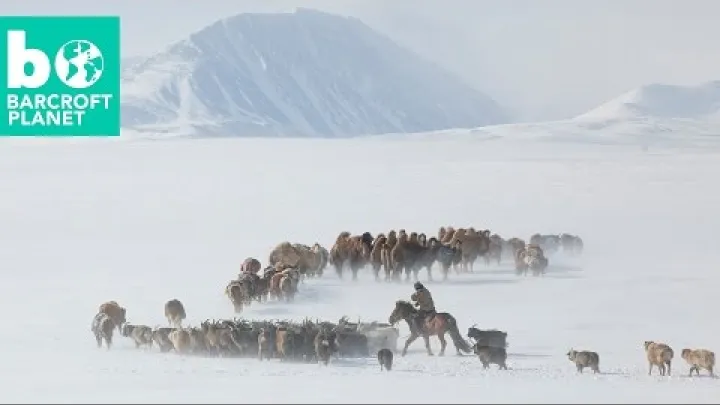
For most travelers, the best time to visit Hovd is late May to mid-September. Mid-June through August is the easiest all-round period for outdoor activities and regional travel, while late August and early September offer a cooler shoulder-season option. Hovd has an extreme continental climate, with a long cold season, a short warm season, low precipitation overall, and large changes between day and night. This guide separates Hovd city from the Mongolian Altai and rural routes so you can match your dates to your activities, comfort level, and transport plans.
The Best Time to Visit Hovd at a Glance
Choose mid-June through August if you want the broadest access for hiking, horseback travel, cultural visits, and countryside itineraries. Choose late May to early June or late August to early September if you prefer less peak-season pressure and can accept cooler nights and more variable conditions.
Best Overall Window: Late May to Mid-September
Late May to mid-September is the most useful general window for visiting Hovd. Mid-June, July, and August usually provide the best combination of longer days, warmer conditions, and operating tourism services. Late May and early June can offer moderate temperatures and more space in an itinerary before the core summer period.
Late August and early September are attractive for travelers who want cooler days, fewer insects, and a possible reduction in peak-season demand. A broad Mongolia tourism guide, Kazakh Tour, also describes this period as a favorable time for countryside travel. However, neither empty sites nor lower prices are guaranteed in Hovd. Winter and early spring are usually poor fits for a conventional hiking or countryside trip, although they may suit travelers with a specific research, photography, or winter purpose.
| Travel priority | Suggested timing | Main trade-off |
|---|---|---|
| Best overall access | Mid-June to August | Peak demand, sun, insects, occasional rain |
| Quieter outdoor trip | Late May to early June | Cold mornings and less predictable weather |
| Cooler shoulder season | Late August to early September | Cold nights and changing rural availability |
| Specialized winter visit | November to February | Severe cold and limited rural services |
Understanding Hovd's Climate Before You Choose Dates
Hovd's climate is easier to plan when you distinguish the city from higher and more remote parts of Western Mongolia.
An Inland City Shaped by the Mongolian Altai
Hovd, also written Khovd, is an inland city in western Mongolia and a practical base for travel in Khovd Province and toward the Mongolian Altai foothills. Its location produces a strongly continental pattern: winters are long and cold, summers are short and warm, precipitation is relatively low compared with wetter climates, and temperatures can change sharply between afternoon and night.

The city should not be treated as a precise guide to every nearby route. Higher valleys and mountain areas can feel colder, windier, and less predictable because of elevation and exposure. A comfortable afternoon in Hovd may not represent conditions at a remote overnight camp or mountain pass.
Hovd is not a coastal or typhoon-planning destination. The main weather concerns are cold, wind, dust, occasional rain, snow, ice, and strong sunlight. For national context only, the World Bank Climate Change Knowledge Portal reports Mongolia's historical annual average precipitation as 255.45 mm for 1995–2014. That figure is not a Hovd station normal, so use it to understand the country's generally dry climate rather than to predict a particular day or route.
Climate Normals, Forecasts, and Official Weather Checks
Climate averages describe what is typical over many years. They help you choose a season, plan clothing, and decide whether a summer or winter itinerary is realistic. They cannot predict the wind, rain, snow, temperature, or visibility on your travel day. The monthly descriptions in this guide are therefore practical patterns, not precise official Hovd station normals.
For current conditions, use the latest information from Mongolia's National Agency of Meteorology and Environmental Monitoring, known as NAMEM, where available. Shortly before departure, check the current Hovd forecast and any relevant warnings. Make the distinction between booking-level and departure-level decisions: climate patterns can guide your dates, while a live forecast should guide your final clothing and activity choices.
- Use climate information to select the broad travel season.
- Use the live forecast to assess temperature, wind, and precipitation near departure.
- Use route-specific local information for mountain or remote travel rather than relying only on the city forecast.
Hovd Weather by Season
Each season offers a different balance between comfort, scenery, cultural interest, and access.
Winter: November to February
Winter is long, very cold, dry, and sometimes windy. Clear skies are possible, but cold exposure, ice, short daylight, and reduced rural services make long outdoor days more difficult. Mountain travel and overland journeys require more preparation than a simple city stay.

Winter is best viewed as a specialized period for travelers with a clear purpose, not as the general recommendation for hiking, camping, or broad Western Mongolia sightseeing. Low tourism demand also does not guarantee a cheaper trip because rural camps may be closed and vehicles, guides, or heated accommodation may be harder to arrange. If you travel in winter, confirm suitable cold-weather clothing, heated accommodation, and a locally informed itinerary before departure.
Spring: March to Early May
Spring is a rapid transition from winter rather than a consistently mild season. March can still feel strongly wintry, while April and early May may bring noticeable warming followed by sudden cold. Large changes between day and night are common planning concerns.
Wind, blowing dust, snowmelt, muddy ground, occasional rain, and late snow can affect walking and overland travel. Spring can still be appealing for travelers interested in pastoral migration and seasonal nomadic life. It is an intentional trade-off: cultural observation may be rewarding, but weather reliability is lower than in summer. Late May is the point when conditions usually become more useful for a wider range of travel plans.
Summer: Mid-May to August
Summer is the warmest and most practical season for hiking, horseback travel, cultural visits, and wider regional itineraries. Days are long, and tourism infrastructure is most likely to be active. June can offer greener scenery and moderate temperatures, while July and August form the core warm-season access window.

Hovd does not have a monsoon-style rainy season. It remains relatively dry overall, but precipitation is more concentrated in late spring and summer. Occasional showers or thunderstorms can make ground muddy and affect a rural schedule. Peak summer also brings stronger demand, more insects near rivers and other water sources, intense sun, and cool nights. Pack both sun and rain protection instead of expecting uninterrupted dry weather.
Autumn: Late August to October
Early autumn is a strong shoulder period. Late August and early September can bring cooler daytime conditions, fewer insects, changing colors, and less peak-season pressure. This timing is useful for travelers who want outdoor access without the warmest part of summer.
Nights cool quickly, and later September and October bring increasing possibilities of frost, early snow, and more difficult conditions on high routes. Tourism services may also begin winding down after the summer period. Treat late August to early October as a more useful autumn recommendation than October as a whole, and expect local availability to vary by year and operator.
Hovd Month-by-Month Guide
January and February: Deep Winter
January and February bring the coldest-feeling conditions, very low precipitation, short daylight, and limited comfort for extended outdoor activity. Clear weather does not remove the risks created by cold and ice, and low precipitation does not automatically make remote routes easy.
These months suit travelers with a specific winter, research, or photography purpose more than visitors seeking a classic Hovd and Western Mongolia outdoor itinerary. A city-based stay is more practical than an ambitious rural schedule.
March and April: Unsettled Shoulder Season
March remains strongly influenced by winter. April is a more noticeable but uneven warming period, with wind, dust, snowmelt, mud, and rapid temperature changes still possible. Early April and late April may feel very different, so pack for variation rather than for a fixed seasonal label.
The main reason to choose these months is cultural interest, including the possibility of observing seasonal pastoral movement. Hiking and long overland plans are less reliable than in summer, so a flexible schedule and adaptable layers are more valuable than a promise of mild weather.
May and June: The Travel Season Begins
Late May marks the beginning of the more useful travel season. Daytime comfort improves, but mornings and nights can remain cold, especially outside Hovd city. May and June work well for travelers seeking a balance between moderate conditions, cultural activity, and less peak-season pressure than July and August.
June has more precipitation than winter in the available summaries. That can support greener scenery but can also bring showers, wet ground, or muddy rural routes. Bring layers, a weather-resistant outer layer, and sturdy footwear. Consider late May and June separately: late May is a transition, while June is more firmly part of the outdoor season.
July and August: Warmest Core Travel Months
July and August are the warmest core travel months and usually offer the broadest choice of outdoor activities and operating tourism services. They are the easiest months for first-time visitors who prioritize access and a full itinerary over lower demand.
These months are also the main peak period, so accommodation, transport, and tours may need earlier planning. Hovd should not automatically be treated as crowded or expensive as Mongolia's main tourist centers, and current local prices vary. Expect occasional summer showers, muddy ground, strong sun, cool nights, and insects near water rather than guaranteed heat or dry weather.
September and October: Cooler Conditions and Autumn
September is generally an attractive transition month, with mild days, cooler nights, fewer insects, and good conditions for photography. A secondary AccuWeather summary for Khovd illustrates this range by listing daily highs of about 53–83°F, or 12–28°C, with an average high near 67°F, or 19°C, and an average low near 43°F, or 6°C. This is a third-party monthly reference, not an official long-term normal for every autumn day.
October becomes progressively colder. Frost or early snow is more possible, and rural tourism services may gradually reduce their operations. Early October can work for travelers prepared for cold and changing access, but late October is outside the main comfort window for a broad countryside itinerary.
November and December: Winter Returns
November is the transition back toward winter, while December is more firmly cold and low activity. Short days, cold nights, and possible ice or snow effects reduce the ease of outdoor travel. Rural camps and other countryside services may have limited availability.
A city visit may still be possible with suitable preparation, but November and December are outside the usual recommendation for a classic Hovd and Western Mongolia countryside trip. They are better for travelers who have a specific reason to accept winter conditions.
Best Time to Visit Hovd by Travel Purpose
The best month depends on whether you value route access, cultural timing, cooler conditions, or lower peak-season pressure.
Hiking, Trekking, and Mountain Landscapes
For hiking and mountain-focused travel, plan around June through September. June may suit travelers who want greener scenery and moderate temperatures. July and August generally offer the widest warm-season access. September is a good choice for cooler conditions and autumn color.
Lower-elevation routes may be workable in late May or early October, depending on current conditions. The Mongolian Altai and rural routes can differ sharply from Hovd city, so do not assume that a comfortable city date means every trail is accessible or free of snow. Choose dates with the specific valley, camp, and elevation in mind.
Culture, Nomadic Life, and Festivals
Late spring can appeal to travelers interested in pastoral migration and seasonal movement, although weather is less predictable. Summer is the easiest period for cultural visits, local gatherings, and broader access to communities and regional activities. Early autumn offers cooler cultural travel and can fit well with a wider Western Mongolia itinerary.
Festival planning requires careful location and date checks. Events in neighboring Bayan-Ölgii are separate from Hovd events and should not be presented as activities in Hovd. Treat any regional festival as a separate destination and confirm its current location and dates before building an itinerary around it.
Lower Costs, Fewer Crowds, and Service Availability
Late May to early June and late August to early September are the most plausible shoulder choices for travelers seeking less peak-season pressure while retaining reasonable outdoor access. Winter may have the lowest tourism demand, but closures and limited rural services can make specialized travel more expensive or logistically difficult.
Lower demand does not guarantee lower prices in Hovd. Lodging, guesthouse, camp, vehicle, and guide rates can vary by operator and season. Before booking a shoulder-season trip, request current opening dates, availability, and prices directly from each guesthouse, camp, or tour operator.
Practical Weather Planning for a Hovd Trip
Weather planning should account for where you will sleep and how far you will travel from the city, not only the forecast for central Hovd.
What a City Stay in Hovd Feels Like
A summer city stay can include strong sun, warm afternoons, occasional rain, and cool evenings. Spring and autumn can feel windy, while winter can be severely cold. For walking in Hovd, use adaptable layers, comfortable footwear, sun protection, and a flexible indoor plan for unsettled weather.
Hovd city is usually a more flexible base than a remote mountain route, but city conditions are not a substitute for a rural forecast. If your plans include day trips or overnight travel, prepare for colder evenings, stronger wind, and less convenient shelter outside the urban area.
Roads, Visibility, and Mountain Access
Long overland journeys and remote mountain routes are more sensitive to weather than a stay inside Hovd. Winter ice and snow can complicate movement, spring wind and dust can reduce visibility, and summer rain can create muddy ground. These effects vary by route, so avoid relying on a guaranteed travel time or assuming that a route is open simply because the city is accessible.
Before leaving Hovd for a remote or mountain area, confirm current road conditions, vehicle suitability, route access, local accommodation, and departure plans with a local operator. Add schedule flexibility for changing conditions. Because transport information can change quickly, locally informed confirmation is more useful than a general seasonal assumption.
Packing for Hovd's Seasonal Range
For late spring, summer, and early autumn, use a simple layering system: a warm base layer, an insulating mid-layer, a windproof outer layer, and weather-resistant footwear. Add sun protection, a hat, sunglasses, hydration supplies, and protection for your eyes or face during bright, dry, windy conditions. Warm trips near rivers or other water sources may also require insect repellent.
Winter travel requires substantially warmer clothing than a normal summer packing list. Even in summer, keep a warm layer for evenings and higher elevations. Pack for the route and overnight conditions, not only the forecast for Hovd city. A city visit can use lighter and more flexible clothing, while rural or mountain travel needs stronger weather protection and footwear.
Final Recommendation for Visiting Hovd
For a first visit, choose mid-June through August if you want the easiest access to outdoor activities, culture, and regional travel. Choose late May to early June or late August to early September for a quieter and cooler experience with more seasonal variation. Winter and early spring are best reserved for specialized trips. The most reliable decision comes from matching the month to your exact route and purpose, then preparing for Hovd's cold nights, wind, strong sun, and occasional summer precipitation.
Select area
Create a post
Posting is free and no registration is required.