Hovd Travel Guide: Western Mongolia Trip Planning
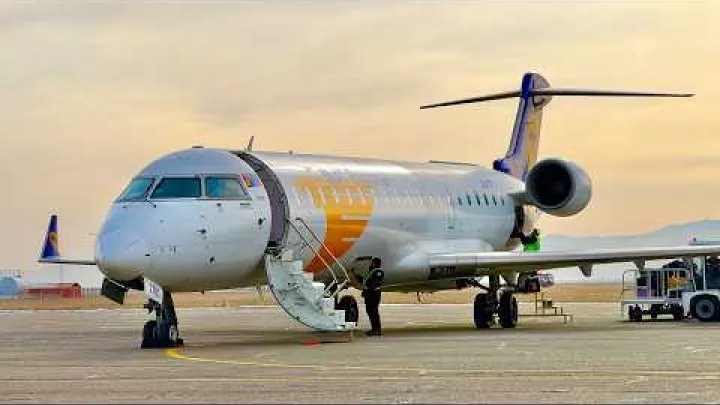
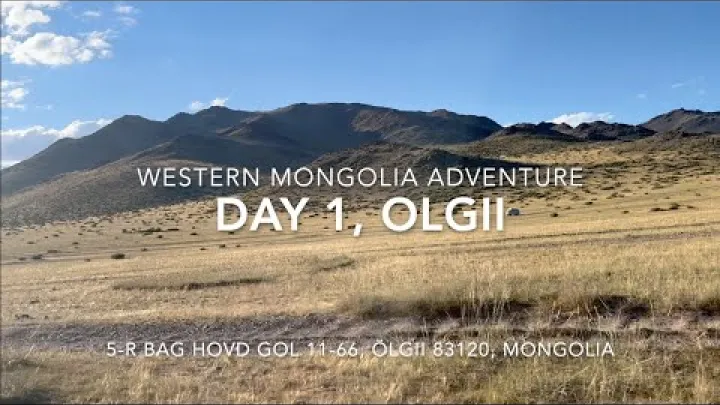
Planning a Hovd travel guide means planning more than a city break. Hovd city is a practical regional base in Western Mongolia, with access to open steppe, lakes, caves, and longer routes toward the Altai. This guide explains how Hovd fits into a wider Mongolia itinerary, how to arrive and move around, where to stay, what the season and costs mean, and how to plan remote excursions responsibly. It also separates attractions in Khovd Province from famous places in neighboring Bayan-Olgii and Uvs provinces.
Hovd at a Glance: City, Region, and Travel Style
Hovd is best understood as both a provincial capital and a gateway. The city provides a place to organize transport, buy supplies, rest after a long journey, and begin exploring the landscapes of Western Mongolia.
What Hovd Is Like for First-Time Visitors
Hovd city is a quieter regional center rather than a destination with a dense program of museums, monuments, and polished tourist attractions. Its value is practical and geographical. Travelers use it to arrive, arrange a driver, collect food and other supplies, walk through the central area, and prepare for excursions into Khovd Province.
Inside town, visitors can generally expect shops, cafes, small hotels or guesthouses, local services, and everyday provincial life. Outside the city, services become simpler and distances become more important. A route that looks short on a map may require a full day, an overnight stop, extra fuel, or a vehicle suitable for changing road surfaces. English-language assistance may also be limited, especially when arranging informal transport.
Hovd suits travelers who enjoy flexible logistics, broad landscapes, and local-led exploration. It is a good choice if you prefer spending time near a lake, cave, or mountain route rather than moving between many urban sights. It is less suitable if you want frequent public transport, fixed tour departures, or a large choice of international-standard accommodation.
Keep the names separate when planning: Hovd usually refers to the city, Khovd Province is the surrounding administrative area, and Western Mongolia includes several provinces and regional bases. This distinction prevents a common mistake: assuming that every famous Western Mongolian attraction is a short trip from Hovd.
How Hovd Fits into a Western Mongolia Itinerary
Hovd, Olgii, and Ulaangom are all useful bases, but they serve different travel priorities. Hovd is a logical starting point for Khovd Province, Khar Us Lake, Tsenkheriin Agui Cave, and nearby Great Lakes landscapes. Olgii is more closely associated with Bayan-Olgii, the Altai, and Kazakh cultural experiences such as eagle-hunter visits. Ulaangom is a practical base for routes connected with Uvs and the northern part of the western region.
| Base | Best for | Planning character |
|---|---|---|
| Hovd | Khovd Province, lakes, caves, and regional resupply | Quiet city base with remote vehicle excursions |
| Olgii | Altai routes, Bayan-Olgii, and Kazakh cultural experiences | Strong choice for organized mountain and culture circuits |
| Ulaangom | Uvs-related landscapes and northern western routes | Useful for a separate Uvs-focused itinerary |
There is no universally best base. Choose Hovd if the Great Lakes area and Khovd Province are your main goals. Choose Olgii if trekking, the Altai, or Kazakh heritage is central to the trip. Choose Ulaangom if your route is built around Uvs. With limited time, concentrating on one base and its nearby region is usually more realistic than trying to connect every major Western Mongolian landscape.
How to Get to Hovd and Move Around Western Mongolia
Transport is one of the most important parts of a Hovd travel plan. International visitors often reach Ulaanbaatar first, then choose between a domestic flight and a long overland journey. Once in Hovd, remote attractions normally require a private vehicle, driver, or organized tour.
Flying from Ulaanbaatar to Khovd Airport
For many international visitors, the simplest route is to connect in Ulaanbaatar with a domestic flight to Khovd Airport, using the airport code HVD when searching. Flying is usually the most time-efficient way to reach Hovd, but the practical details are not fixed. Airlines, flight days, aircraft, baggage rules, fares, and available seats can change between seasons and booking channels.
Current booking listings have shown a Ulaanbaatar to Hovd flight time of about 1 hour and 10 minutes, but this should be treated as a current-check reference rather than a guaranteed schedule. Check the flight directly and confirm the baggage allowance before building a tight itinerary. Trip.com is one place where travelers can review current listings, although the operating details should still be confirmed before payment.
If you are arriving from another country, leave a sensible connection margin in Ulaanbaatar. An international arrival delay, a terminal change, baggage collection, or a separate domestic booking can affect the onward flight. Do not assume that a missed domestic ticket will be changed automatically.
Entry requirements depend on nationality, passport, length of stay, and travel purpose. Review the current Mongolia travel advice and the relevant Mongolian authorities for your own circumstances. A country-specific visa statement found on a tour website should not be applied to every traveler.
Buses, Public Jeeps, and Private Four-Wheel Drives
Overland travel can reduce the cost of reaching Hovd, but it uses much more time and requires more local coordination. Travel guidance describes a Hovd to Ulaanbaatar bus option, while local jeep departures may operate informally. Departure days, ticket locations, seat availability, and actual departure times should be confirmed in Ulaanbaatar or Hovd rather than assumed from an old online post.
Public transport may work for moving between major towns, but it is rarely a complete solution for Khar Us Lake, Tsenkheriin Agui Cave, or remote mountain routes. A private four-wheel-drive vehicle gives more control over stops, equipment, fuel, and overnight locations. A shared vehicle or group tour can reduce the cost per person, but it may mean a fixed pace and less control over the route.
Drivers and vehicles vary considerably. Before accepting a low overland price, ask what vehicle is being used, whether the driver has experience on the requested route, how fuel is handled, and whether the price covers only transport or also food, accommodation, and guide services. A low public-transport fare does not remove the need to plan for distance, communication, and vehicle reliability.
Entering Western Mongolia overland from China is an advanced option, not a simple shortcut. Border procedures, visa rules, open crossings, vehicle permissions, and onward transport can change. Travelers considering this route should check current border and entry information and arrange the Mongolian segment before relying on it.
How to Build Flexibility into Remote Transport
Road travel in Western Mongolia is affected by more than distance. Weather, road conditions, fuel supply, vehicle problems, driver availability, and changes to local schedules can all alter a plan. A flight can arrive late, a bus can leave on a different day, or a long 4WD route can take longer than expected because of terrain and stops.
Build the itinerary in flexible blocks rather than treating every transfer as a guaranteed appointment. Reconfirm flights, buses, fuel availability, and road conditions locally with the airline, accommodation provider, driver, or tour operator. Keep at least one unscheduled day when the trip includes remote excursions. That day can absorb a delay instead of forcing you to cancel an important route or miss an international connection.
Ask transport providers what happens if the itinerary changes. Clarify who supplies fuel, whether a driver waits after a delayed arrival, whether the vehicle can be changed, and whether an overnight stop can be added. Put any important adjustment or extra cost in writing. For example, after arriving in Hovd, it is safer to use the first evening for resupply and local confirmation than to assume that a long departure will begin at exactly the advertised time.
Best Time to Visit Hovd
The best season depends on whether you want general touring, remote road travel, camping, or a specialized winter experience. For most first-time visitors, the practical window is late spring through early autumn, when lakes, caves, steppe routes, and mountain excursions are easier to include.
The Main Season for Lakes, Caves, and Mountain Routes
Summer is generally the simplest choice for a first Hovd trip because it offers the broadest opportunity for road-based sightseeing, camping, and outdoor activities. Late spring and early autumn can also work well for travelers who accept more variable conditions and want a quieter schedule. High-elevation areas and nights near lakes can still feel cold even when the city is comfortable.
A city forecast is not a complete route forecast. A remote road can be difficult because of wind, rain, recent snowfall, flooding, or local surface conditions at a different elevation. Before committing to Khar Us Lake, Tsenkheriin Agui Cave, or a mountain departure, check a current Hovd forecast and ask the driver about road accessibility for that specific route.
Winter travel requires a different plan. It may suit travelers with appropriate clothing, equipment, experienced local support, and a clear reason to travel in cold conditions, but it is not the easiest default season for a first remote tour. Ask a local operator which routes are practical at the time of year rather than adapting a summer itinerary without changes.
Packing for Hovd's Variable Conditions
Pack for several conditions in one trip. Useful basics include lightweight layers, a warm insulating layer, wind and rain protection, sun protection, sturdy footwear, and clothing that can be adjusted during the day. Add warm sleeping equipment if camping is planned, because nights outside the city may be much colder than expected.
Bring personal medicines, a small first-aid kit, enough water capacity for the planned route, and power banks for periods away from reliable charging. Offline maps, booking details, passport copies, insurance information, and important addresses should be available without a mobile connection. A translation app and written destination names can make communication with drivers easier.
Prioritize items that are difficult to replace once you leave Hovd. That usually includes prescription medicines, suitable footwear, charging cables, weatherproof layers, and any specialist equipment required for your activity. Buy ordinary food and other basic supplies in the city when your host or driver confirms what will be available on the route.
Hovd City Guide: Layout, Sights, and Where to Stay
Hovd is easier to use as a working base than to divide into formal tourist districts. The central area, the Buyant River, transport points, shops, and accommodation are the main pieces of a short city stay.
Orienting Yourself Around the Buyant River and Central Hovd
The Buyant River is a useful broad orientation point, while central Hovd has the character of a compact provincial urban area. Shops, cafes, educational buildings, administrative facilities, and local services are mixed into the city rather than separated into a visitor quarter. This makes a simple city map more useful than a long list of tourist districts.
Local travel guidance has described an informal jeep stand, a bus-ticket area, and the northern Manchu fort area as useful landmarks. Informal transport points can move, and a sign or building may be easier for a local resident to identify than an online map pin. The Mongolia Travel Advice city guide can help with initial orientation, but confirm directions with your accommodation or driver after arrival.
Download an offline map and save the name of your accommodation before leaving the airport or bus. When asking for a ride, show the destination in writing and confirm whether the driver means Hovd city or a destination elsewhere in Khovd Province. Transliteration can differ, so carrying the exact place name used by your host is useful.
What to Do in Hovd City
A short orientation walk can include central streets, local shops, and the Buyant River where access and conditions make this appropriate. The river is best treated as a city reference point and a place to observe everyday life, not as a guaranteed developed waterfront attraction.
The Manchu fort ruins can provide a modest historical stop, particularly for travelers who want context before leaving the city. Set expectations carefully: the site may be more about location, remains, and atmosphere than a fully interpreted monument. Ask locally about the best route and current access rather than expecting a formal visitor facility.
Markets, cafes, supply shops, and ordinary streets are also part of the Hovd experience. They are useful for buying snacks, checking transport information, and seeing how the provincial center functions. For most visitors, half a day or one full day is enough for city orientation unless a transport delay or resupply need extends the stay.
Choosing a Hotel or Guesthouse in Hovd
Accommodation in Hovd is best approached as a choice among basic hotels, guesthouses, and small local properties rather than as a uniform hotel market. Standards and services can differ between rooms and between properties. A central location may make shopping and walking easier, while a property near a transport point may be more convenient for an early departure.
When comparing places to stay, ask about the features that matter most for a remote itinerary: reliable hot water, a private or shared bathroom, breakfast time, Wi-Fi, luggage storage, laundry, payment method, and the possibility of an early check-in or departure arrangement. If you are returning from a multi-day excursion, ask whether the property can store a bag while you travel.
Online listings may be incomplete. Properties such as Mountain Hotel have appeared in travel information, but a listing is an example to investigate, not a permanent recommendation or a guarantee of current availability. Contact the property directly when booking information is unclear, and save the address in both English transliteration and the local form if available.
Walking may be practical in the central area, while informal taxis or a host-arranged ride can help with luggage and airport transfers. Do not rely on a fixed local fare unless your accommodation or driver confirms the current price. Agree on the destination and payment before the journey begins.
Things to Do Near Hovd
The strongest reason to base yourself in Hovd is access to regional landscapes rather than a long list of city attractions. Plan these places as vehicle-based excursions, and treat the route itself as part of the experience.
Khar Us Lake and Its Wetland Landscape
Khar Us Lake is a major lake and wetland landscape in the Great Lakes region of Western Mongolia. The setting combines open water, wetlands, steppe, and mountain views, making it appealing to travelers interested in scenery, photography, and possible birdwatching. Wildlife sightings are never guaranteed, and the experience depends on season, route, and time spent in suitable areas.
Access normally requires a private vehicle, a driver, or a tour. Depending on the selected route and road conditions, a visit may be planned as a long day or as an overnight excursion. Confirm the realistic travel format with someone who knows the current route rather than assuming that the lake is a short city outing.
Before leaving, ask about the specific access point, road conditions, overnight arrangements, and local conservation expectations. Boating, specialist wildlife guiding, and other activities should be treated as optional services that need to be arranged locally, not as standard facilities. Traveler-facing listings such as Tripadvisor can identify possible activities, but they do not guarantee current availability or access.
Tsenkheriin Agui Cave
Tsenkheriin Agui Cave is a notable cave excursion associated with Khovd Province and is often included in Western Mongolia travel plans. The name may appear with different spellings or transliterations, so save the version supplied by your driver or local host when arranging the trip.
Plan the cave as a provincial vehicle outing rather than as a quick walk from Hovd city. Allow time for the road, route-finding, stops, and local guidance. Current information about access, walking conditions, lighting, opening arrangements, and facilities may be limited, so do not promise yourself a particular cave experience until the operator confirms what is practical.
Ask whether you need sturdy footwear, a headlamp, warm layers, or other equipment for the planned visit. Do not assume that a cave listed on a traveler website has permanent staff or tourist infrastructure. The attraction can fit well into a flexible Khovd Province itinerary, especially when combined with another route in the same direction.
Extending from Hovd into the Altai and Neighboring Provinces
Some famous Western Mongolia attractions are not Hovd city attractions. Khoton and Khurgan Lakes, Altai Tavan Bogd, and many eagle-hunter experiences are mainly associated with Bayan-Olgii and wider Altai routes. They should not be presented as effortless Hovd day trips.
Hovd can be one anchor in a longer route that also includes Olgii or Ulaangom, but substantial transit days may separate the main landscapes. The right choice depends on your available time, interest in trekking or cultural experiences, language support, and transport budget. A traveler focused on lakes and caves may prefer to stay within Khovd Province. A traveler focused on high mountains or eagle-hunter experiences may be better served by starting or ending in Olgii.
Ulaangom is more relevant when the trip is built around Uvs and northern western landscapes. Connecting all three bases is possible only when the itinerary has enough time and a realistic transport plan. Select fewer regions well rather than listing every famous site and spending most of the trip in a vehicle.
Hovd Costs and Tour Arrangements
Hovd costs are shaped less by city meals than by distance. Vehicle hire, fuel, drivers, guides, and remote accommodation can determine the budget, especially when traveling as a couple or alone.
How to Budget for a Hovd Trip
Build the budget in separate categories: international flights, the Ulaanbaatar to Hovd connection, accommodation, meals, city transport, vehicle hire, fuel, guide services, entrance or activity fees where applicable, camping equipment, and a contingency. Ask whether each quote is per person, per vehicle, per day, or for the complete route.
As broad national context, one Mongolia budget guide gives a budget-traveler example of about US$30.50 per person per day for travel in Ulaanbaatar. That figure is not a Hovd price list and should not be used as a guaranteed daily budget for remote Western Mongolia. Meanwhile in Mongolia is useful for understanding the national framework, but local quotes are more important for a Hovd route.
Remote transport often dominates the total. Sharing a 4WD with other travelers or joining a group can reduce the cost per person. A private vehicle gives more control but may cost more, particularly if you require an English-speaking guide, special camping equipment, or a slower itinerary. Accommodation and meals may be included in a tour price, while fuel, guide fees, airport transfers, activities, or extra nights may be separate.
Request current prices in Mongolian tugrik and record the date of every quote. Compare what is included before converting currencies or comparing operators. Add a contingency for an extra night, an altered road sequence, replacement transport, or a change in fuel costs instead of relying on a national daily average.
How to Choose a Driver, Guide, or Tour Operator
You can begin arrangements in Ulaanbaatar, Olgii, or Hovd. Ulaanbaatar may offer a wider choice of agencies and languages. Olgii can be convenient for Altai and Bayan-Olgii routes. Hovd is useful when you want a plan focused on Khovd Province and prefer to discuss local road conditions after arrival. The amount of English-language support and formal tourism infrastructure can vary in each place.
Review pages, handicraft shops, accommodation hosts, local listings, and informal contacts can all provide leads, but none is an automatic endorsement. Traveler-facing listings may help you find a possible driver or activity provider; treat them as starting points and ask for recent details. Test whether the person understands your preferred pace, scenic priorities, overnight expectations, and route limits.
Before paying, request a written quote that states:
- the route, destinations, approximate sequence, and number of days;
- the vehicle type, passenger capacity, and driver responsibilities;
- whether a separate guide is included and what languages are available;
- who pays for fuel, road-related costs, accommodation, meals, and camping equipment;
- the planned lodging standard and what happens if camping or an extra night is needed;
- the deposit, payment schedule, currency, cancellation terms, and refund conditions; and
- how you will communicate during a delay or emergency.
Get the itinerary, vehicle, guide language, fuel responsibility, inclusions, payment terms, and cancellation terms in writing before paying. A clear quote also gives you a way to discuss changes if a route, overnight location, or departure date has to be adjusted.
Independent Travel or an Organized Western Mongolia Circuit?
Independent travel can be more flexible. You can choose when to leave Hovd, spend longer at a lake, change the city stay, or select only one remote excursion. The trade-off is more work with language, route-finding, vehicle coordination, food, fuel, accommodation, and contingency decisions. Independent travel is easier when you have time to ask questions locally and are comfortable with informal arrangements.
An organized circuit can combine the vehicle, driver, guide, fuel, accommodation, meals, and itinerary into one plan. This reduces the number of separate arrangements, but it does not guarantee perfect timing, modern vehicles, or a comfortable road on every day. A group itinerary may also prioritize the operator's standard route rather than your personal interests.
Choose by considering experience, group size, available time, language ability, desired remoteness, and willingness to handle changes. A first-time visitor with only ten days and a strong interest in several provinces may benefit from a well-checked organized circuit. A traveler with more time who wants a focused Khovd Province stay may prefer to arrange a local driver after learning more about the route. Neither style is automatically safer or cheaper.
Practical Hovd Tips for First-Time Visitors
Remote travel becomes easier when you separate city precautions from activity risks. Use Hovd for preparation, communicate clearly, and make sure your insurance and plans match the actual distance from professional help.
Safety, Insurance, and Remote Activities
Read current official travel advice before departure and again during the trip if conditions change. The current Mongolia Travel Advisory describes Mongolia as a destination where travelers should exercise normal precautions and specifically warns that horseback and camel activities require care. That general country advice should be combined with route-specific guidance from a reputable local driver or guide.
Remote activities carry risks that are different from walking around Hovd. A horse or camel may behave unpredictably, protective equipment may be limited, and medical help may be far away. Ask who supervises the activity, whether equipment is supplied, how experienced the guide is, and what happens after an injury. Do not choose an activity only because it appears in a short listing or photograph.
Before departure, verify that your travel insurance covers remote activities, horseback or camel riding if relevant, evacuation, medical treatment, delays, and itinerary changes. Check exclusions carefully, including altitude, camping, off-road travel, and riding without an approved guide. Save the insurer's emergency number offline, and review the current official advisory before leaving for a remote route.
Language, Supplies, Cash, and Connectivity
English may not be available at every hotel, shop, transport point, or rural stop. Prepare written place names, dates, passenger numbers, and simple descriptions of what you need. A translation tool that works offline is useful, as are screenshots of bookings and a note showing your driver's name and phone number.
Use Hovd as a practical resupply point, but confirm local availability rather than assuming that every item is easy to find. Before leaving the city, ask your host or driver to confirm access to food, cash, medicines, charging, and phone coverage on the planned route. Availability can vary by destination and season, and a remote guesthouse may not accept cards or have a reliable signal.
A simple arrival checklist should include:
- confirming where and how you will obtain Mongolian tugrik;
- buying route food, drinking water, and any personal medicines you cannot replace easily;
- charging phones, cameras, and power banks;
- downloading maps, translations, bookings, and emergency contacts; and
- asking the accommodation provider to help confirm the next vehicle or departure point.
Informal booking systems require patience. Allow time for a host, driver, or local resident to explain a departure point or call a transport contact. Keep important plans written down so that a language misunderstanding is easier to identify.
Hovd Itinerary Ideas and Final Planning Advice
The following frameworks are starting points, not fixed timetables. The final sequence should reflect the route information, vehicle, season, and time available when you arrive.
A Six- to Eight-Day Hovd-Focused Plan
A Hovd-focused trip can work well in six to eight days if you avoid filling every day with a long transfer. One adaptable structure is:
- Day 1: Arrive in Hovd, settle into your hotel or guesthouse, and organize food, cash, communication, and rest.
- Day 2: Walk through central Hovd, orient yourself around the Buyant River, see the Manchu fort ruins if access is suitable, and confirm the remote route with your driver.
- Days 3 and 4: Travel toward Khar Us Lake as a long day or overnight excursion, depending on the selected route and local advice.
- Days 5 and 6: Visit Tsenkheriin Agui Cave or choose another Khovd Province route. Keep the plan adjustable if the cave requires more road time than expected.
- Day 7: Use a rest or contingency day for a delayed excursion, an extra night, resupply, or a slower city experience.
- Day 8: Return to Hovd transport arrangements or depart, depending on your flight or overland connection.
This outline deliberately does not assume that Khar Us Lake and Tsenkheriin Agui are easy day trips. Either excursion may need an overnight stay, and the order may change. A buffer day is more useful than adding another fixed long-distance transfer, especially when the return flight or international connection is important.
A Ten- to Fifteen-Day Western Mongolia Loop
With ten to fifteen days, you can consider a wider route linking Hovd with Olgii, Altai landscapes, Uvs, or Ulaangom. A Hovd section might begin with city orientation and Khovd Province excursions, followed by an overland connection toward Olgii for Bayan-Olgii and Altai priorities. Another route may connect Hovd with Ulaangom when Uvs is the main goal.
Long overland transfers can occupy a significant part of a regional circuit. Do not count only the number of places on the map; count the road days, fuel stops, rest needs, and the possibility of an extra night. A professionally operated multi-province tour may coordinate these details for you, while a self-arranged route requires more direct decisions about drivers, lodging, food, and alternative plans.
Choose the loop according to your main purpose. Use Hovd as an anchor for Khovd Province, Olgii for Altai and Kazakh cultural interests, and Ulaangom for an Uvs-focused route. Avoid forcing all three into a short visit. Before committing, check access for each remote segment, choose a season suited to the route, compare current Mongolian tugrik quotes, confirm insurance for the activities, and reserve contingency time.
The strongest Hovd itinerary is usually the one that leaves room for local conditions. Select fewer regions well, confirm the practical details with the people who will operate your route, and treat Hovd as a useful gateway to Western Mongolia rather than a promise of easy access to every attraction in the region.
Select area
Create a post
Posting is free and no registration is required.