Olgii Best Time to Visit: Weather by Season and Month

The best time to visit Olgii depends on whether you want comfortable trekking, Kazakh cultural experiences, quiet landscapes, or winter photography. For most travelers, mid-June to early September offers the strongest balance of usable weather, long daylight, outdoor access, and open summer scenery. This guide explains Olgii weather by month, compares each season, and shows how conditions in Olgii town can differ from those in the Altai Mountains. It also covers packing, budgets, Eagle Festival planning, and the flexibility needed for remote travel in western Mongolia.
Quick Answer: The Best Time to Visit Olgii
For a first visit, choose mid-June through August or extend the trip into early September. The ideal month changes when a specific purpose matters more than general comfort.
Best Overall: Mid-June to Early September
Mid-June to early September is the best overall travel window for Olgii. June brings the beginning of the warmer outdoor season, while July and August usually provide the broadest choice of trekking, horse riding, camping, and valley excursions. Early September can be an excellent shoulder-season extension for travelers who prefer cooler days, autumn light, and potentially quieter conditions.
This recommendation is consistent with broad Mongolia travel guidance from Audley Travel, but western Mongolia needs a local qualification. Olgii is far from the conditions of a general country-wide itinerary, and a route into the Altai may be colder, windier, or less accessible than the town forecast suggests.
Think of this as a climate-based planning recommendation, not a guarantee for a particular year or mountain route. Late September and early October may be better for visitors focused on Eagle Festival events and autumn culture. Winter can suit prepared photographers and specialist travelers, but it is not the easiest period for a casual outdoor trip.
Choose Your Month by Travel Goal
The best season in Olgii changes with your priorities. Use the comparison below as a starting point rather than treating any period as suitable for every route.
| Travel goal | Strongest period | Main trade-off |
|---|---|---|
| Trekking and horse riding | Mid-June to August | More demand and occasional rain |
| General sightseeing | June to early September | Cool nights outside high summer |
| Kazakh culture and Eagle Festival events | Late September to early October | Colder weather and shorter activity windows |
| Quieter travel | Early September, May, or October | Less predictable access and colder nights |
| Winter photography | December to February | Severe cold and greater support needs |
| Potentially lower costs | Shoulder seasons or periods outside major events | Fewer transport and tour choices |
Late November through March is usually a poor fit for casual outdoor travel. Low visitor numbers may be attractive, but cold-weather equipment, vehicle support, and limited transport options can reduce the value of any apparent low-season savings. Compare the cost and practicality of the whole trip, not only the price of a room.
Understanding Olgii's Climate
Olgii has a dry, strongly continental climate, but the town is only one part of the travel area. Elevation, wind exposure, snow cover, and the condition of unsealed roads can change the experience quickly outside the urban center.
Olgii, Bayan-Ölgii, and the Altai Setting
Olgii, also written as Ölgii, is the capital of Bayan-Ölgii Province in western Mongolia. The town lies on the Khovd River and serves as a practical base for travel into a province known for Kazakh heritage and the Altai Mountains. This makes Olgii more than a city break: many visitors use it as the starting point for remote valleys, cultural visits, and mountain journeys.
The climate you experience in town does not automatically describe a high pass, a campsite, or a distant valley. Higher terrain can remain colder and retain snow after conditions improve around the Khovd River. Wind can also make exposed ground feel much colder than a sheltered street in Olgii.
Western Mongolia is a large region with different route possibilities. Bek Travel distinguishes longer treks from lower-altitude outings and winter vehicle travel, which is a useful reminder to match a monthly recommendation to the exact route rather than to the province alone.
Rain, Sunshine, and Temperature Swings
Olgii follows a continental pattern: winters are long, cold, and generally dry; summer is the relatively warmer and wetter part of the year; and spring and autumn change quickly. The wetter summer period does not mean tropical or continuously rainy conditions. Rain is better understood as an occasional interruption to an otherwise dry travel environment.
June through August generally offers the most useful combination of warmer daytime conditions and accessible summer landscapes. A shower can still affect camping comfort and unsealed tracks, particularly when a trip moves away from town. In autumn, the main change is usually cooling nights and shorter comfortable periods outside rather than a sudden end to all travel.
Strong sunshine, wind, and large day-to-night changes are as important as the monthly average. A comfortable afternoon may be followed by a cold evening, so travelers need layers, sun protection, and a wind-resistant outer layer even during the main summer season.
City climate tables such as those compiled by Eldorado Weather are useful for comparing broad monthly patterns. Treat their figures as indicative planning signals rather than a complete description of conditions in the Altai.
Climate Averages Versus the Live Forecast
Monthly climate data answer questions such as whether winter or summer is colder, when daylight is more useful, and which months are more likely to bring rain. They cannot tell you what the weather will do on your actual departure date. Averages also do not show every local effect of elevation, wind, snow, or a storm crossing a remote route.
Mongolia's National Agency for Meteorology and Environmental Monitoring, commonly known as NAMHEM, is identified as a national forecasting agency in an overview by NAMHEM. Check current information from Mongolia's meteorological service immediately before departure and again before mountain outings.
Use the live forecast to decide what to wear, whether camping is comfortable, and whether a planned outing needs adjustment. Remember that a pleasant forecast for Olgii town is not necessarily a forecast for an exposed pass or a remote Altai valley. Mountain decisions need information relevant to the actual route and elevation.
Olgii by Season
Each season offers a different version of western Mongolia. Summer is the most versatile, autumn combines cooler landscapes with important cultural timing, winter is highly specialized, and spring is a transitional period with greater uncertainty.
Summer: June to August
Summer is the most practical season for a broad Olgii itinerary. Valleys become greener, daylight supports longer outings, and the range of activities expands to include trekking, horse riding, camping, photography, and visits to nomadic areas. For travelers who want to combine cultural experiences with time in the Altai, summer gives the most flexibility.
June is the cooler opening of the outdoor season. It can be attractive for travelers who prefer fresh landscapes and fewer people, but nights may still feel cold and some higher routes may be less settled. July and August are the most established part of the summer travel window, with warmer daytime conditions and a greater likelihood that common itineraries can operate as planned.
Summer is also likely to bring the highest demand for guides, tours, and accommodation. The trade-off is straightforward: you gain comfort and route choice but may encounter more visitors, higher demand, and occasional summer showers.
Autumn: September to October
September is one of the strongest shoulder-season choices for Olgii. Early September can retain useful outdoor access while bringing cooler air, autumn colors, and a quieter atmosphere than the height of summer. It is a good option for travelers who want landscapes and culture without choosing the warmest or busiest period.
Late September and early October are especially interesting for visitors focused on Kazakh heritage and Eagle Festival events in Bayan-Ölgii. October, however, becomes progressively colder, with shorter practical activity windows and less dependable conditions for high routes. A cultural trip may still be rewarding, but it requires a different pace from a summer trekking itinerary.
Do not treat September and October as one uniform season. Early September is closer to summer for outdoor planning, late September may suit event-focused travel, and October is increasingly a cold-season month.
Winter: November to March
Winter brings severe cold, snow or ice, limited daylight, and a much narrower range of comfortable activities. The stark landscapes can be striking, and winter light may appeal to photographers. Cultural travelers may also find the season meaningful when arrangements are made with local support.
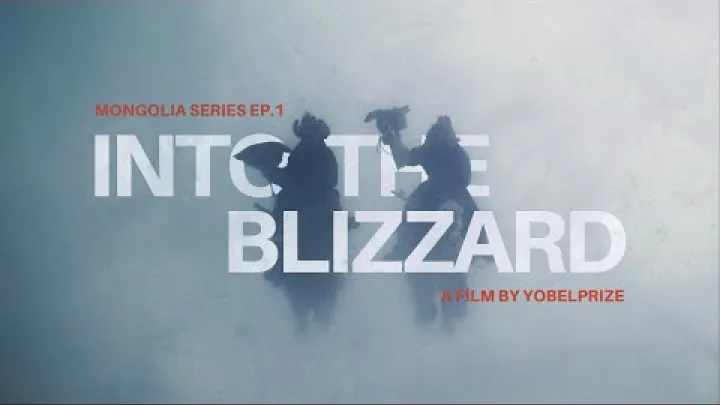
For most visitors, winter is better suited to prepared photographers, vehicle-supported day excursions, and specialist cultural trips than to standard multi-day trekking. It is possible to travel in western Mongolia during winter, but the experience demands more planning than a summer visit.
Use appropriate cold-weather equipment and experienced local support for winter excursions. Do not treat an ordinary city forecast as clearance for a mountain outing. The attraction of snow-covered scenery must be balanced against exposure, equipment limits, and the consequences of a delayed or changed plan.
Spring: April to May
Spring is a transitional season. April can bring thawing ground, strong wind, muddy unsealed tracks, cold nights, and residual snow at higher elevations. It may appeal to travelers seeking solitude and changing landscapes, but it is less predictable for a long trek.

May is a more usable bridge toward summer. Valleys gradually show more green, daylight improves, and lower routes may become more comfortable. Nights can remain cold, and high passes may not offer the same dependable access as they do later in the summer.
Choose spring deliberately for quiet travel, early-season scenery, or lower-route exploration. It is not simply a cheaper version of July, because transport, ground conditions, and high-altitude access can still limit the itinerary.
Best Time for Each Type of Trip
The right travel month depends on the activity that will shape your itinerary. A town visit, a cultural event, and a multi-day Altai trek have different weather and access requirements.
Trekking, Hiking, and Horse Riding
For the most straightforward multi-day outdoor itinerary, choose mid-June through August. This period offers the best general balance of warmer days, usable daylight, summer scenery, and access to a wider range of valleys and trails. Early September can extend the season for experienced or well-equipped travelers who prefer cooler conditions.
May and October may work for lower routes, shorter hikes, or day outings, but they are less dependable choices for high passes. March and April can suit lower-altitude excursions in some years, while November through March is generally a specialist period rather than a casual trekking season.
Before starting a multi-day trek, confirm current pass, trail, and remote-road conditions with a local guide who knows the planned route. Make that route-specific check separately from your general Olgii weather research, because town conditions do not establish whether a distant trail is usable.
Kazakh Culture and Eagle Festival Timing
Late September and early October can be especially appealing for travelers interested in Kazakh culture and Eagle Festival events in Bayan-Ölgii. The cooler season can provide a strong cultural focus and autumn scenery, but it is not the same as visiting in summer for a combined trekking and culture program.
Summer is usually more comfortable for combining cultural encounters with horse riding, valley travel, and visits to nomadic areas. An autumn event-focused trip may involve shorter outdoor periods and colder mornings, so allow time for warm clothing and a less rapid schedule.
Eagle Festival dates and venues can change. Confirm the current date and location with an organizer or local tourism contact before booking flights, accommodation, or a long overland itinerary. Winter cultural celebrations are another specialist possibility, but severe weather and local arrangements make them unsuitable for an unplanned first visit.
Budget Travel and Quieter Conditions
Summer is likely to be the highest-demand period for guides, tours, and accommodation because it is the easiest season for broad outdoor itineraries. Early September, late spring, and periods outside major cultural events may offer a quieter experience and, depending on local demand, more flexible arrangements.
Winter may have fewer visitors, but lower demand does not automatically mean a cheaper trip. Specialist clothing, vehicle support, limited transport choices, and the need for experienced local arrangements can offset savings on accommodation. Spring and autumn can also involve extra flexibility if a preferred route is not operating in the expected way.
Compare complete trip costs rather than only nightly rates. Include transport beyond Olgii, guide or driver support, equipment, extra nights, and the possibility that remote travel requires a slower itinerary.
Photography and Landscape Scenery
Choose summer for green valleys, long daylight, and broad access to mountain landscapes. It is the strongest choice when photography is combined with trekking, horse riding, or a multi-stop route.
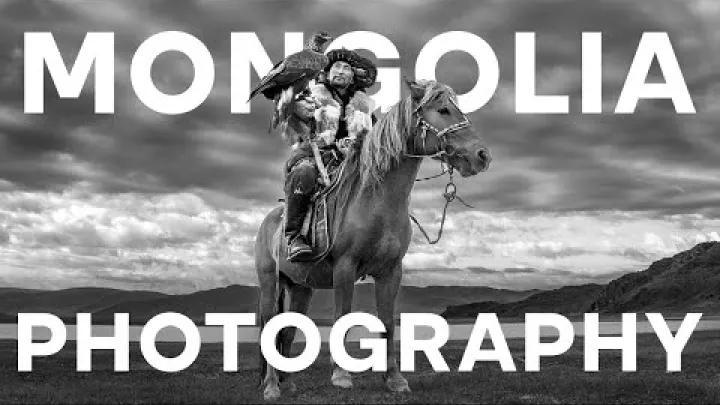
Autumn offers changing colors, cooler light, and the contrast of early snow against the landscape. Late September and early October may also add cultural-event photography, particularly for travelers interested in eagle hunting traditions and Kazakh heritage.
Winter can produce distinctive snow-covered scenery and dramatic eagle-hunting imagery. The visual rewards come with more demanding conditions for batteries, hands, movement, and personal comfort. Choose winter for a specific photographic goal and a supported plan, not simply because visitor numbers are lower.
Olgii Weather Month by Month
The following month-by-month guide describes a typical seasonal feel in and around Olgii. It is not an official forecast or a promise that every year will follow the same pattern. Conditions in the Altai can differ from those in town, especially at higher elevations.
April and May: Thaw and Trail Opening
April and May mark the gradual change from winter to the outdoor season. The difference between the two months can be significant, but both require flexible planning.
| Month | Typical feel | Best for |
|---|---|---|
| April | Changeable, windy, muddy, with cold nights and snow at higher levels | Quiet town visits and lower outings |
| May | Gradually milder, greener valleys, but cold nights remain | Early-season travel and shorter routes |
April is a poor choice for travelers who need predictable high-altitude trekking. May is more promising, but it should still be viewed as a transition toward the main season rather than a full replacement for June through August.
June, July, and August: Peak Outdoor Season
These are the core months for outdoor travel in Olgii, although they are not identical. June is cooler and greener, July is the most active high-summer period, and August remains favorable while beginning to move toward autumn.
| Month | Typical feel | Best for |
|---|---|---|
| June | Cooler start to summer, longer days, occasional showers | Green landscapes and early trekking |
| July | Warm, active, and generally suited to broad outdoor plans | Multi-day routes and mixed itineraries |
| August | Still favorable for outdoor travel, with signs of autumn later in the month | Flexible summer travel and photography |
July may attract the most visitors because it combines comfortable daytime conditions with established summer access. August remains a strong choice for trekking and sightseeing, while June can be preferable for travelers who value cooler conditions and a quieter start to the season.
September and October: Autumn Colors and Cooling Nights
September offers one of the clearest compromises between outdoor access and quieter, cooler travel. October shifts the balance toward shorter outings, cultural visits, and lower or more accessible routes.
| Period | Typical feel | Best for |
|---|---|---|
| Early September | Cooler than high summer, with useful outdoor access | Shoulder-season trekking and scenery |
| Late September | Autumn color and cooler nights; event timing may be relevant | Culture, photography, and shorter routes |
| October | Increasingly cold, with shorter practical activity windows | Event-focused travel and lower outings |
If an Eagle Festival is central to your trip, plan around the current event calendar rather than assuming that every late-September or early-October date offers the same cultural program.
November to March: Winter Conditions
November and March are transition months that can still behave like winter. December through February represent the core cold-weather period, with limited daylight and a narrower range of comfortable outdoor activities.
| Period | Typical feel | More realistic travel format |
|---|---|---|
| November | Early winter, with rapidly cooling conditions | Prepared short excursions |
| December to February | Core winter cold, snow or ice, and limited daylight | Specialist photography or vehicle-supported travel |
| March | Late winter transition, still potentially severe | Flexible lower-route travel |
Long remote treks are generally unsuitable for casual visitors during this period. A monthly average cannot establish whether a particular road, pass, or excursion is suitable on a specific day, so winter itineraries should be built around specialist arrangements rather than fixed assumptions.
Practical Planning for Your Travel Dates
Weather is only one part of choosing the right date. Packing and transport need to reflect the difference between a town stay and a remote Altai journey.
What to Wear in Olgii by Season
Pack for changes across the day rather than for one expected afternoon temperature. Even during summer, mornings and evenings can be cold enough to require insulation, while sunshine and wind can make exposed daytime travel uncomfortable without protection.
- Summer: Use light, breathable layers for daytime, a warm layer for mornings and evenings, a wind-resistant outer layer, sun protection, and rain protection. Choose footwear that can handle uneven ground and occasional mud.
- Shoulder seasons: Add warmer insulation, gloves, and a more protective outer layer. Keep spare dry clothing available if you will camp or travel on wet unsealed tracks.
- Winter: Bring equipment designed for severe cold, including reliable insulation, protection for hands and face, and footwear suitable for snow or ice. Remote travel requires substantially warmer equipment than a short stay in town.
For a town-based visit, ordinary layered travel clothing may be sufficient in summer and early autumn. Remote Altai camping or shoulder-season travel needs more robust clothing because shelter, warmth, and drying options are limited.
Roads, Flights, and Remote-Route Flexibility
Reaching western Mongolia and moving beyond Olgii can be more sensitive to weather, road conditions, and seasonal access than traveling between well-connected cities. A plan that looks simple on a map may involve flights, overland transfers, remote camps, or long stretches on unsealed roads.
Verify current flight and overland schedules separately from climate information. Add buffer days to any itinerary that connects a flight with a remote camp, mountain route, event, or onward journey. Do not rely on a fixed schedule from an old guide or assume that a previous year's arrangement operates unchanged.
Ask your operator or local contact about the current route, vehicle plan, and contingency arrangements before departure. This is particularly important when a delay in reaching Olgii would affect a short event-focused trip or when a remote excursion leaves little room to change the return date.
Final Recommendation: When to Visit Olgii
For most travelers, the best time to visit Olgii is mid-June to early September. Choose June for a cooler start to the outdoor season, July or August for the broadest summer itinerary, and early September for a quieter balance of access and autumn atmosphere.
Choose late September or early October when Eagle Festival timing and Kazakh culture are the main priorities, and choose winter only for a well-supported specialist trip. Whatever month you select, separate Olgii town weather from Altai route conditions, plan clothing for day-to-night changes, and allow enough flexibility for the realities of remote western Mongolia.
Select area
Create a post
Posting is free and no registration is required.